1 Michelin Star
Our verdict
On Fuzhou Road in Huangpu, 正场老饭馆 sits inside one of Shanghai's most historically layered commercial corridors, where the city's appetite for preserved tradition runs alongside its appetite for reinvention. The restaurant draws on the conventions of the classic Shanghai laofandianliterature of the dining room — a register that positions it alongside the older-guard Chinese houses rather than the city's newer wave of format-driven tasting menus.

Pearl is the En Primeur Club membership app — saves, bookings, and concierge access live there. Same editors, same standards.
- Address
- 556 Fuzhou Rd, Huangpu, Shanghai, China, 200002
- Phone
- +86 21 6322 2624
- Directions
- Get directions
Fuzhou Road and the Weight of Shanghai's Dining Memory
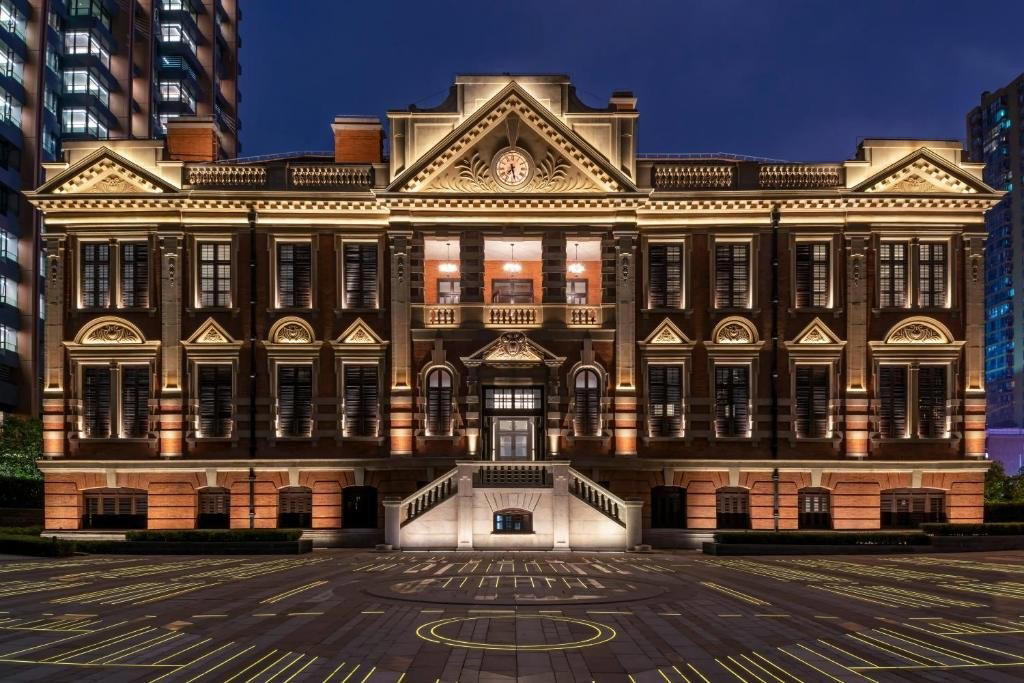
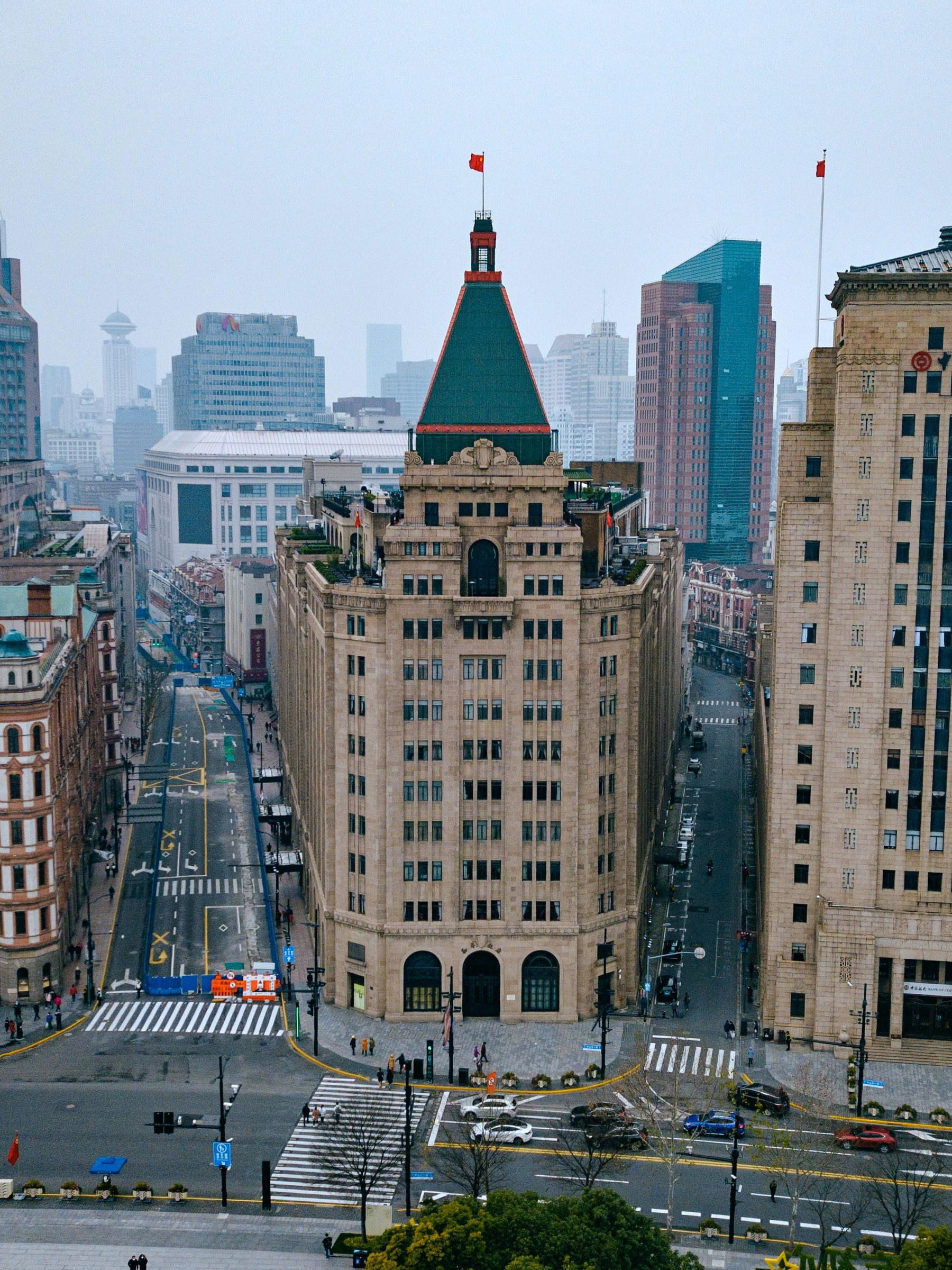
Fuzhou Road at 556 carries a particular kind of institutional gravity in Shanghai. The street was once synonymous with the city's cultural life — bookshops, teahouses, and the kind of establishments that served literati and merchants in equal measure during the Republican era. That history hasn't entirely dissolved. The Huangpu corridor still holds a category of restaurant that operates less as a destination dining address and more as a civic fixture: places that accumulate reputation over years rather than over a single season of press coverage. 正场老饭馆 reads within that tradition. Its address plants it in the commercial and historic centre of the city, at a point where old Shanghai and its present-day reconstruction overlap most visibly.
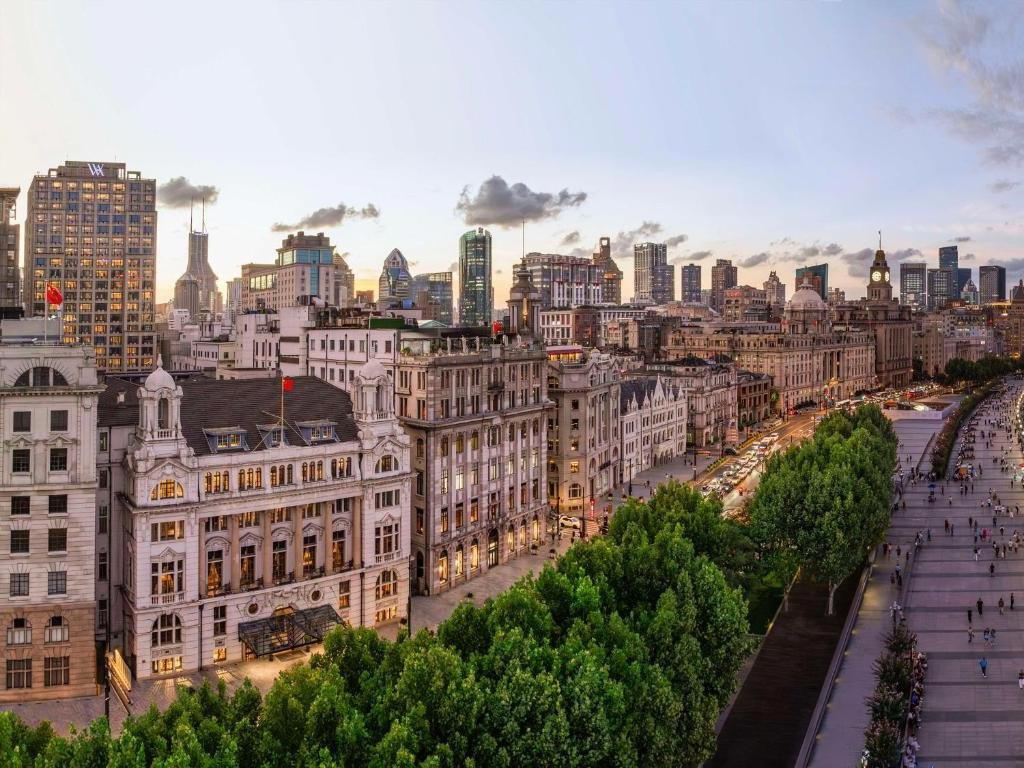
For visitors arriving from the Bund or from the hotel clusters along the riverfront, Fuzhou Road is a short journey that crosses from the polished tourist circuit into something that feels more ordinarily functional. That shift is part of the point. The restaurants in this stretch are not primarily aimed at international dining tourists. They exist inside a local register of expectation, which places a different kind of pressure on quality. A kitchen serving a neighbourhood with long culinary memory operates differently from one primarily optimising for guidebook recognition.
The Shanghai Laofandian Category and Where This House Sits
Shanghai's restaurant scene has split into at least three identifiable tiers over the past decade. The first is the high-profile international and modern Chinese segment: Michelin-targeted tasting menus, celebrity chef formats, and the kind of rooms that attract press attention from Taian Table upward. The second is the mid-tier contemporary Chinese segment, which covers regional specialists and casualised versions of major cuisines. The third — and in many ways the most interesting from an editorial perspective, is the laofandian category: old-Shanghai dining houses that carry institutional weight, practice cuisine rooted in pre-reform traditions, and resist reformatting toward international dining norms.
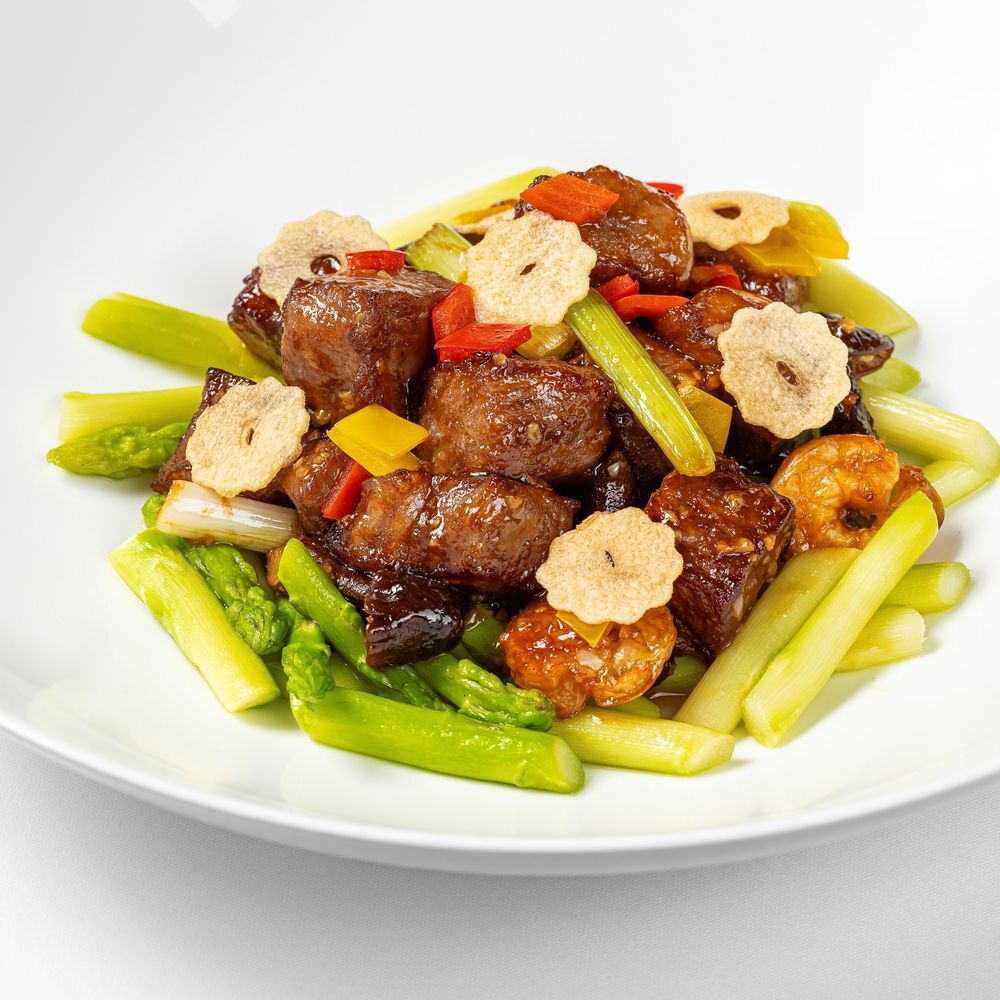
正场老饭馆 belongs to that third category by positioning and by address. The laofandian format historically served Shanghainese home cooking refined to a communal dining register: braised pork belly, hongshao preparations, lion's head meatballs, and yellow croaker preparations that trace lineage to the city's earlier twentieth-century food culture. These kitchens operate in deliberate contrast to the vegetable-forward refinement of houses like Fu He Hui or the Cantonese precision of 102 House. The competitive set is different, the logic of the meal is different, and the signals of quality are different: execution consistency across shared plates rather than the arc of a curated tasting sequence.
In broader Chinese dining terms, the laofandian tradition finds equivalents in city-specific old-house restaurants across the region. Dai Yuet Heen in Nanjing and Pingjiangsong in Suzhou occupy analogous positions in their respective cities: restaurants that hold local institutional authority without necessarily chasing the international award circuits that have refined venues like Xin Rong Ji into a more widely recognised tier. That pattern repeats across the Yangtze Delta dining culture, where the appetite for preserved regional form is often stronger than the appetite for innovation.
What the Huangpu Location Means for the Meal
Eating in Huangpu carries contextual freight that eating in, say, Jing'an or Xintiandi does not. The district is denser, less curated for international visitors, and more structurally connected to the working patterns of the city. A dinner table in this part of Shanghai sits inside a different urban rhythm. The dining room is not set apart from the street in the way that a high-design room in a former French Concession mansion is. It exists within the flow of the neighbourhood.
That proximity to ordinary urban life is, in the laofandian tradition, a feature rather than a deficit. The most durable restaurants in this genre are places that have absorbed the rhythms of their neighbourhood over years. They serve families marking occasions, business lunches that don't require a private dining room booking two months out, and regulars who have been returning since before the city's contemporary restaurant boom. That base of habitual patronage is a stability signal that no amount of press attention can fully replicate.
For the international traveller, a meal at a Huangpu laofandian offers something that the upper tier of Shanghai dining does not: a point of reference for what the city's domestic dining culture actually looks like when it isn't performing for outside audiences. That reading is available to visitors who arrive without the expectation of a format-driven experience and engage with the meal as they would any serious communal Chinese dining table.
Planning a Visit: Practical Orientation
Fuzhou Road 556 is reachable by metro on Line 2 (People's Square station) or Line 10 (Xintiandi or Nanjing East Road stations), with walking distances under ten minutes from either. The Bund is approximately fifteen minutes on foot heading east. The area is straightforwardly navigable on foot during the day; evening pedestrian traffic is lighter than in the Xintiandi or Huaihai Road corridors.
As with most laofandian-category houses in Shanghai, booking ahead during weekend dinner hours is advisable. The room is not primarily structured around the solo traveller or the international couple; it functions leading as a communal table experience. Visiting as part of a group of three or more gives access to the range of preparations that define the category.
For reference across the Shanghai restaurant spectrum, our full Shanghai restaurants guide covers venues from this category through to the Michelin-recognised tier. Regional comparisons are available through Ru Yuan in Hangzhou, Shang Palace in Yangzhou, and Wenru No.9 in Fuzhou, which together map the range of premium traditional Chinese dining across the eastern China corridor. Further afield, Xin Rong Ji in Beijing, Xin Rong Ji in Chengdu, and Chef Tam's Seasons in Macau offer points of comparison for how premium Chinese dining formats vary across cities. For those interested in how Shanghai's fine dining coordinates with international reference points, 8 1/2 Otto e Mezzo Bombana Shanghai represents the city's Italian fine dining tier, while Imperial Treasure in Guangzhou and Fleurs Et Festin in Xiamen extend the southern China comparison. Internationally, Le Bernardin in New York and Lazy Bear in San Francisco represent analogous cases of institutional dining identity built over years rather than seasons.
Frequently asked questions
Where is èæ£å ´èé¦ located?
èæ£å ´èé¦ is located at î556 Fuzhou Rd, Huangpu, Shanghai, China, 200002, Shanghai.
What's the overall feel of 老正兴菜馆?
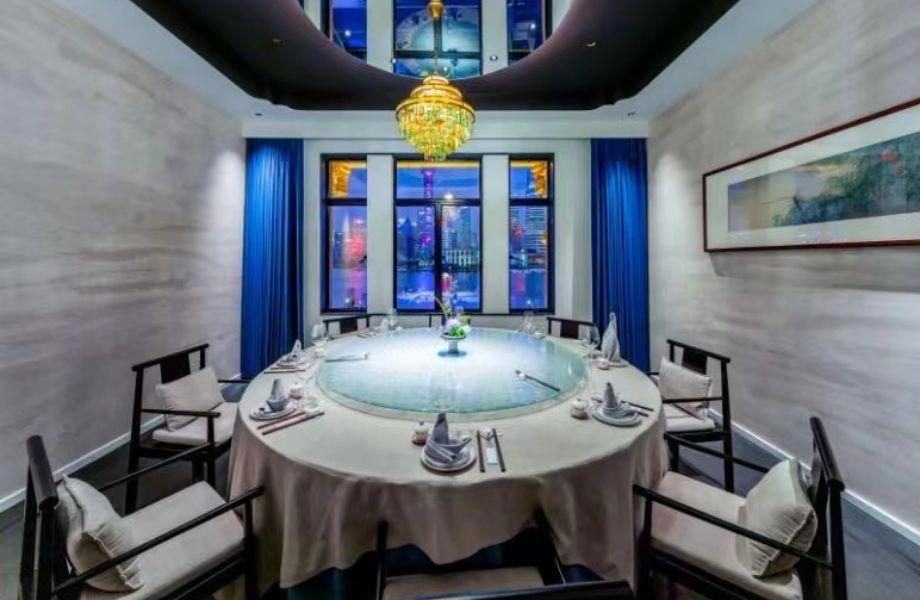
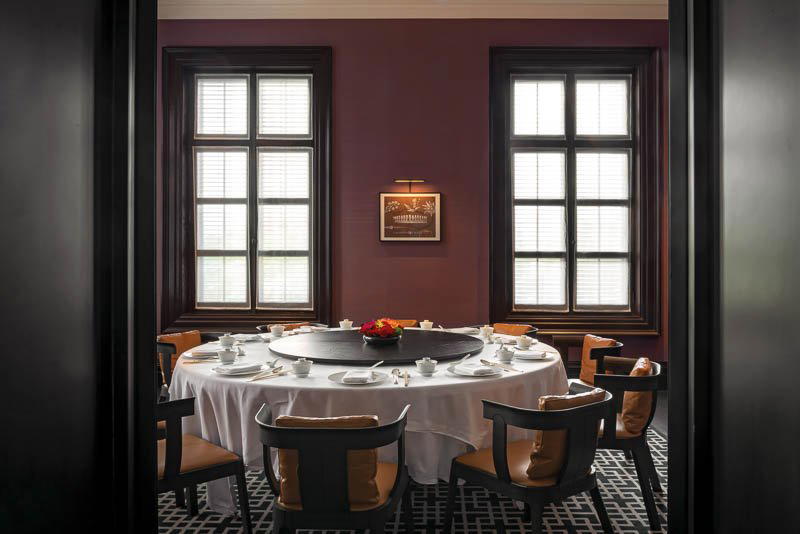
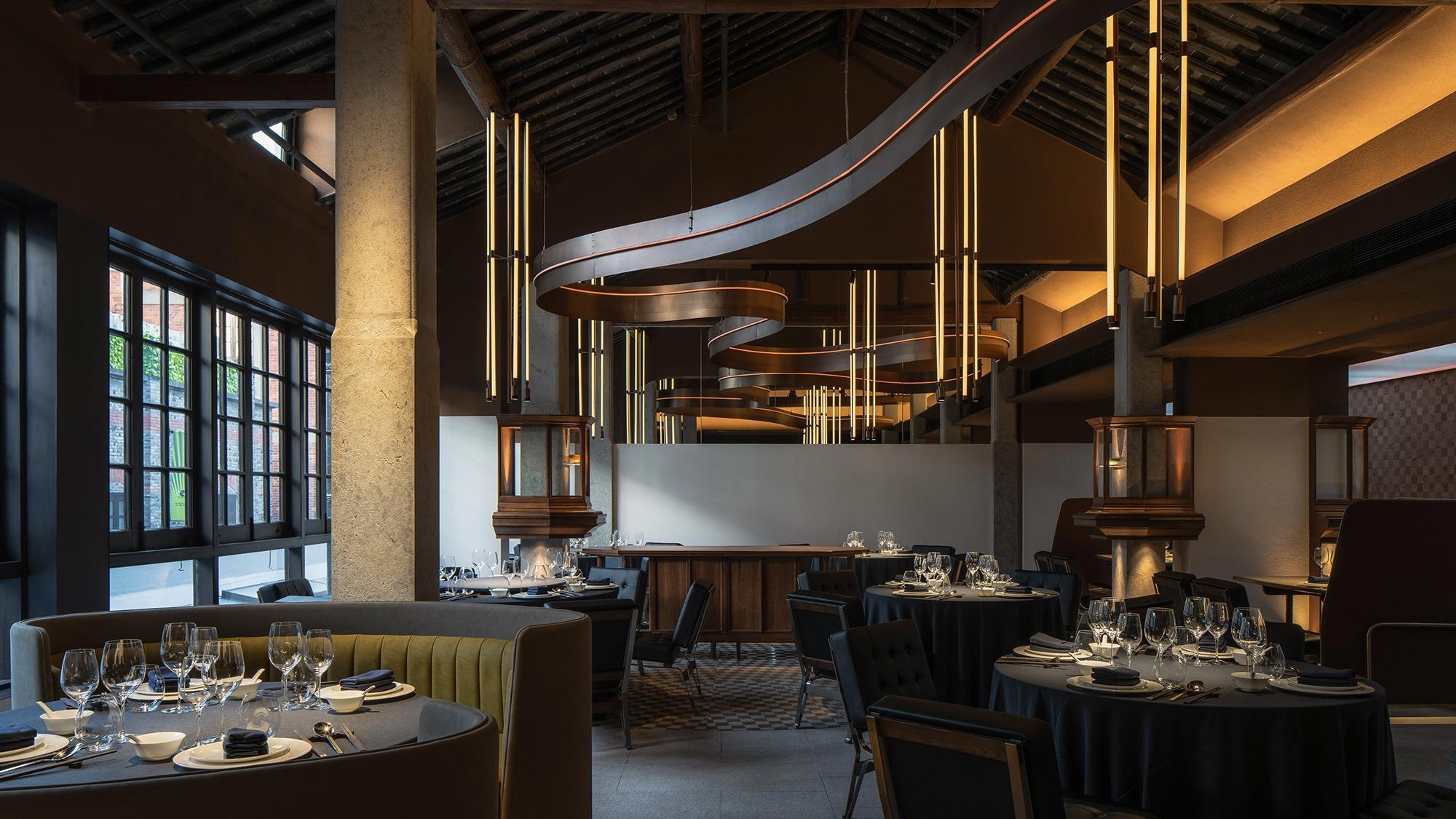
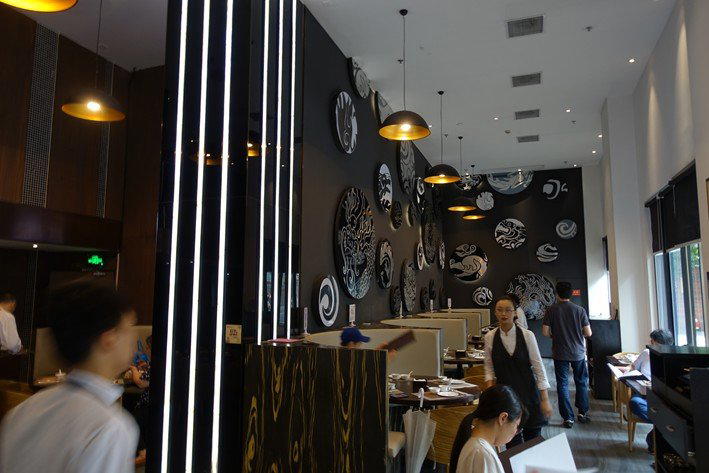
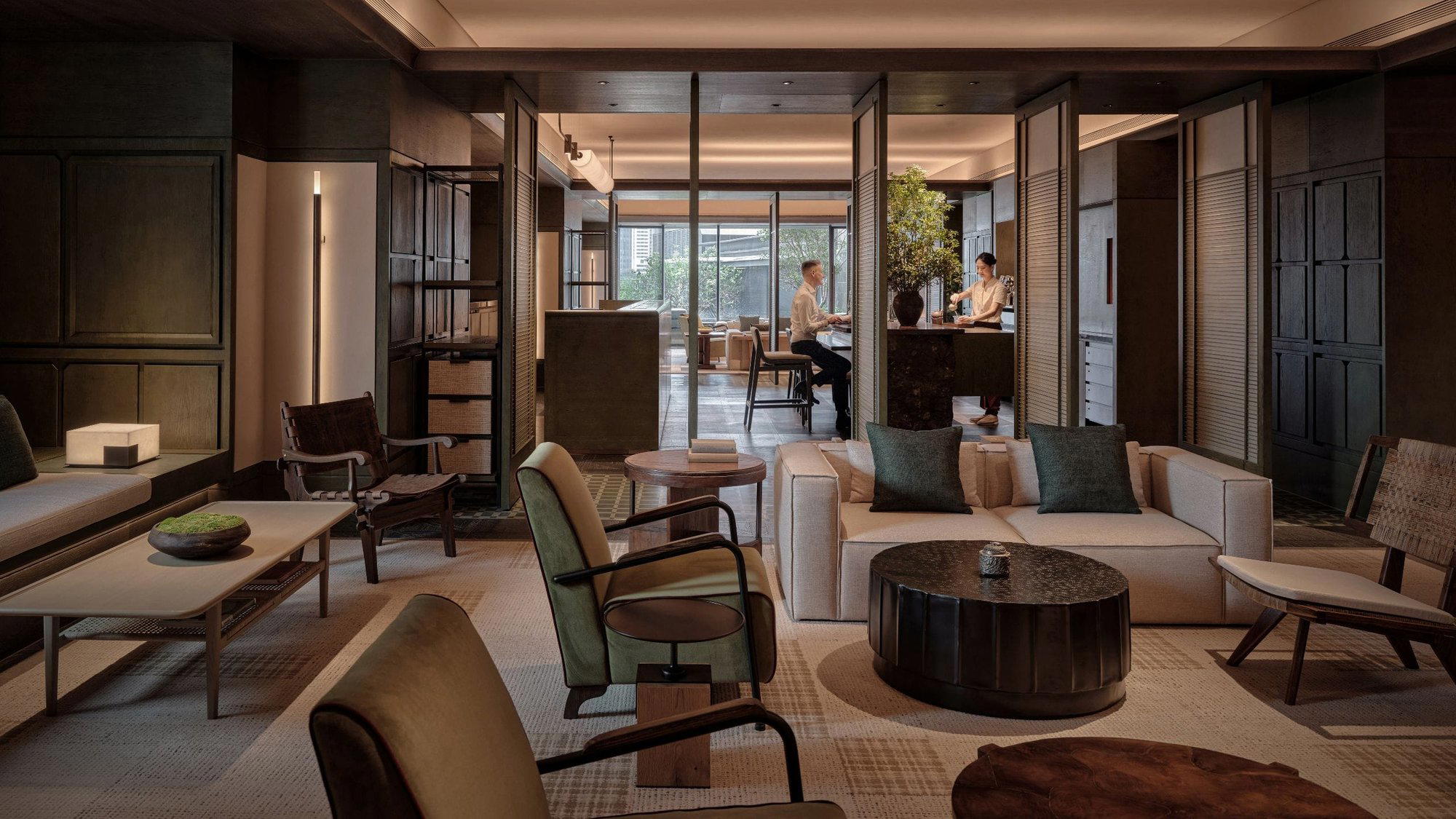
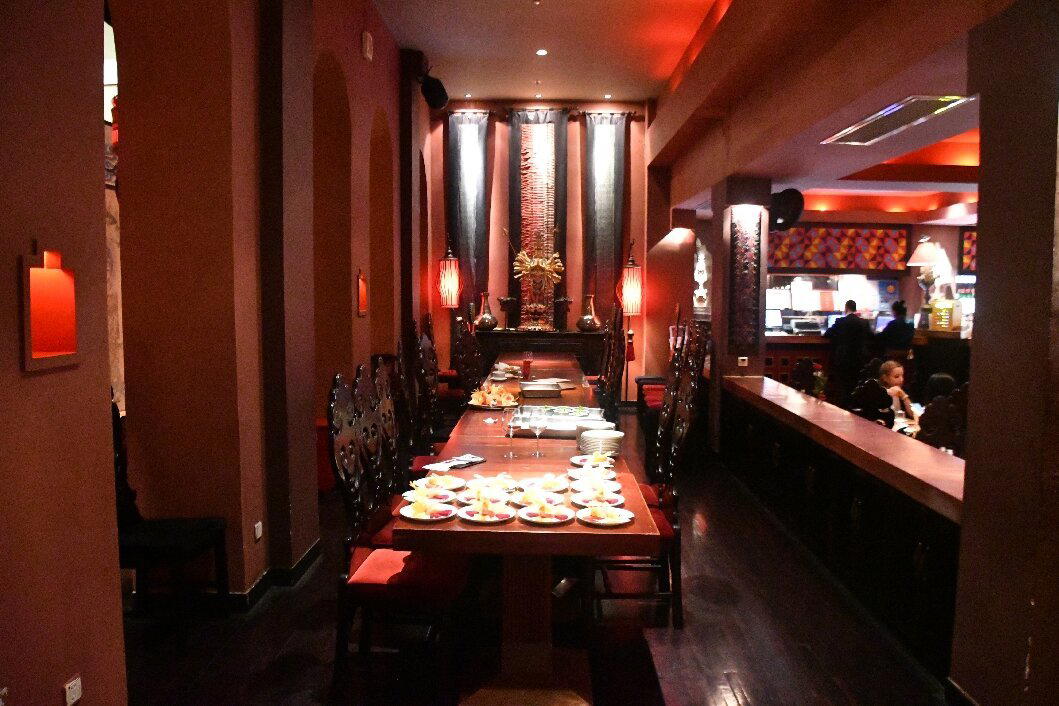
老正兴菜馆 sits at 556 Fuzhou Road in Huangpu, a district that has none of the curated polish of Jing'an or Xintiandi. The room draws a crowd that skews local rather than tourist — the kind of Shanghai diner who remembers when this stretch of Fuzhou Road anchored the city's cultural life. Expect a canteen-adjacent formality: purposeful, unadorned, and oriented around the food rather than the setting.
What's the best thing to order at 老正兴菜馆?
What the Shanghainese laofandian category reliably delivers at houses of this vintage is red-braised pork, steamed river fish, and seasonal vegetable preparations rooted in Hu-cuisine technique. Consulting the in-house menu on arrival is the reliable approach, and staff at long-standing Huangpu restaurants of this type are generally direct about house specialities.
Is 老正兴菜馆 on Fuzhou Road one of Shanghai's oldest surviving Shanghainese restaurants?
Fuzhou Road at 556 carries genuine historical weight as a former centre of Shanghai's civic and cultural life, which gives establishments on this block a different provenance from newer openings in redeveloped districts.
Cuisine and Recognition
A small set of peers for context, based on recorded venue fields.
| Venue | Cuisine | Price | Awards | Notes |
|---|---|---|---|---|
| èæ£å ´èé¦This venue — the venue you are viewing | Old Zheng Market Vegetable Hall | Not listed | 1 Michelin Star | Not listed |
| Fu He Hui | Modern Seasonal Vegetarian Fine Dining | $200–300 | 2 Michelin Stars · World's 50 Best #11 | Vegetarian |
| Ming Court | Cantonese with Shanghainese Influences | $30–50 | 1 Michelin Star · Black Pearl 1 Diamond | Cantonese |
| Polux | French Bistro | $30–50 | Michelin Bib Gourmand | French |
| Royal China Club | Cantonese Dim Sum | $100–150 | Michelin Plate · The Good Food Guide GFG Good | Chinese, Cantonese |
| Scarpetta | Refined Italian Pasta & Pizza | $50–100 | Michelin Plate · Wine Spectator Best of Award of Excellence | Italian |
Recognition history
Dated appearances from independent guides and award organizations, with the underlying list record or original source where available.
Michelin 1 Star
Michelin
Full recognition history (3 entries)
Michelin 1 Star
Michelin
Michelin 1 Star
Michelin