1 Michelin Star
Our verdict
A Michelin-starred Shanghainese address in Songjiang that trades grand ceremony for 1930s nostalgia, live qipao performance, and fish-forward cooking at prices that undercut most of its starred peers. The crab sourced from the owner's own farm, served as crabmeat and roe on rice, is the dish that keeps regulars returning season after season.

Pearl is the En Primeur Club membership app — saves, bookings, and concierge access live there. Same editors, same standards.
- Address
- 45CP+HW5, Taogan Rd, Songjiang District, Shanghai, China, 201602
- Phone
- +86 21 6403 0731
- Hours
- Daily 10:30 AM–10 PM
- Directions
- Get directions
The menu
What to order
- Hong shao rou (braised pork belly)
- Crabmeat with rice
- Squirrel mandarin fish
- Fried shredded eel with water bamboo
- Smoked fish
Where the Room Steps Back and the Food Steps Forward
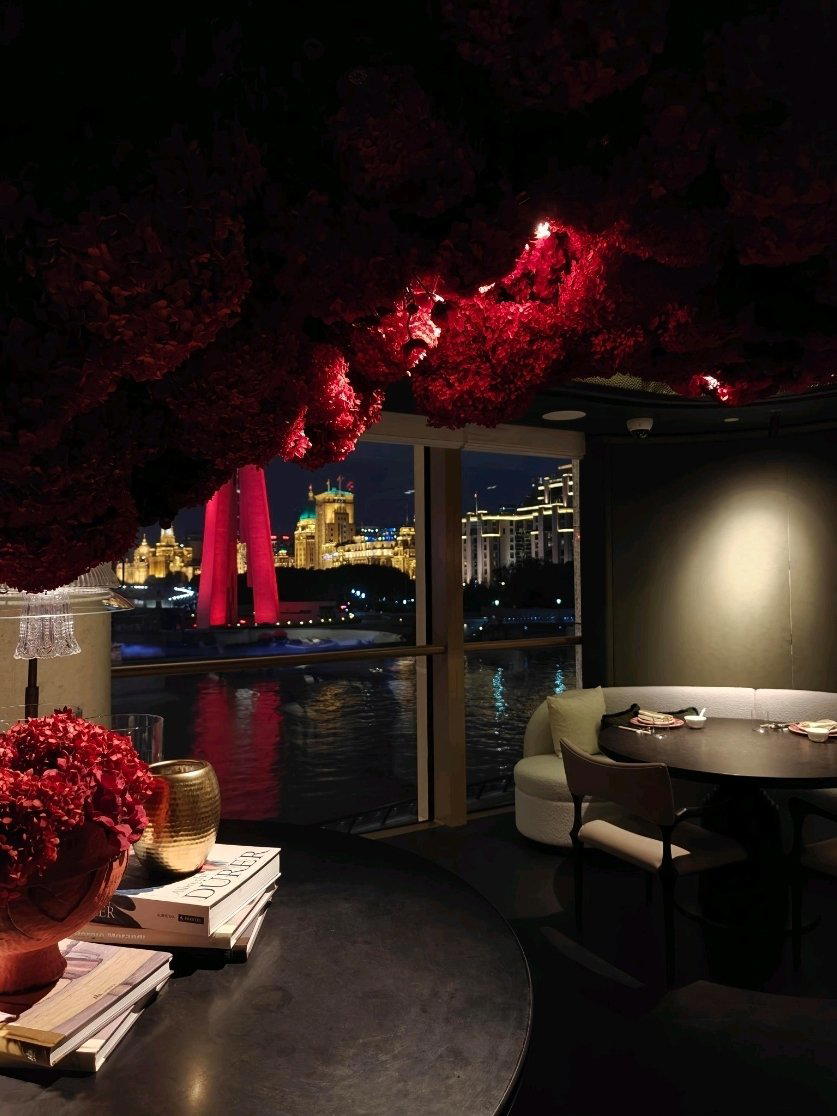
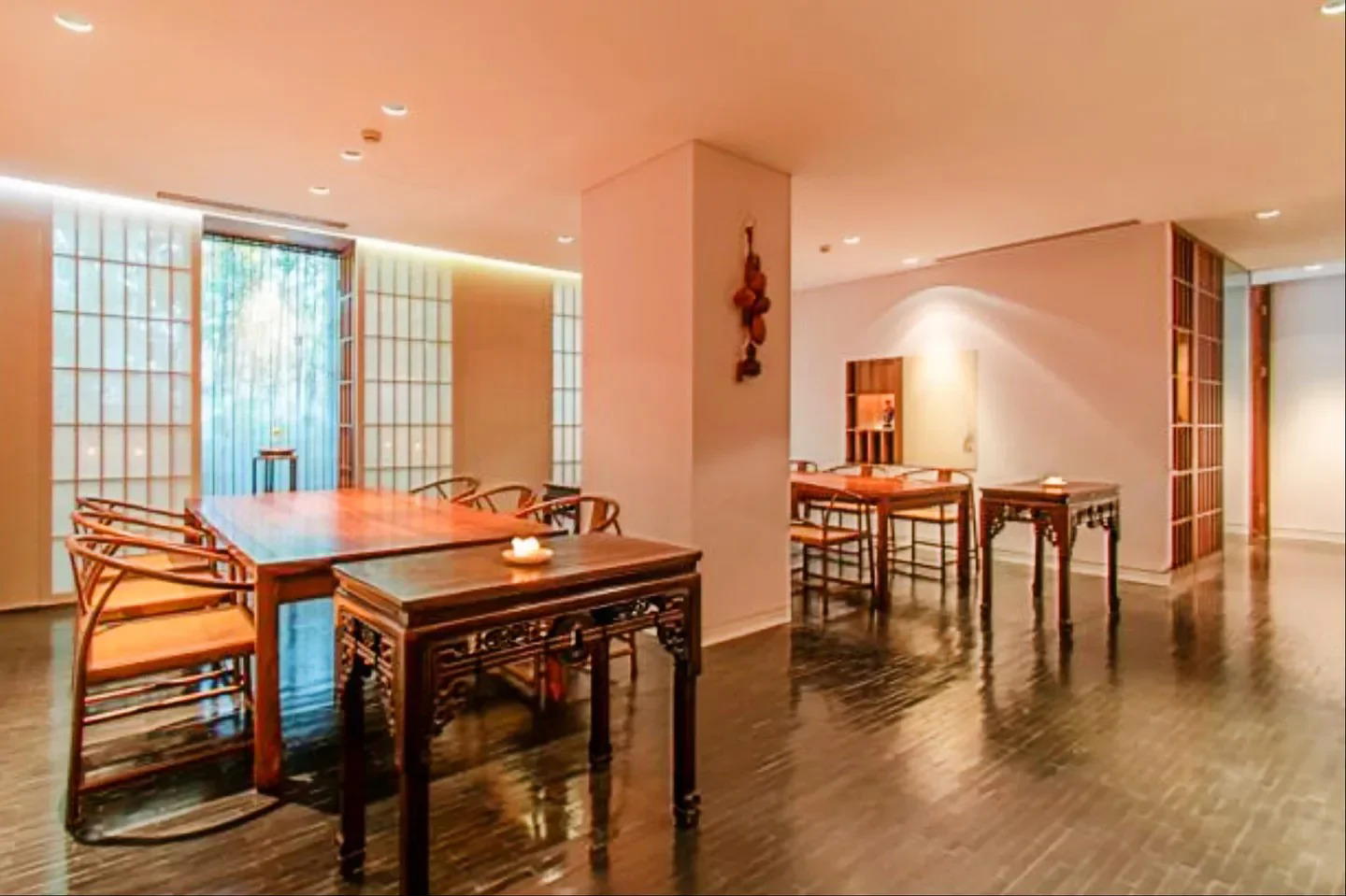
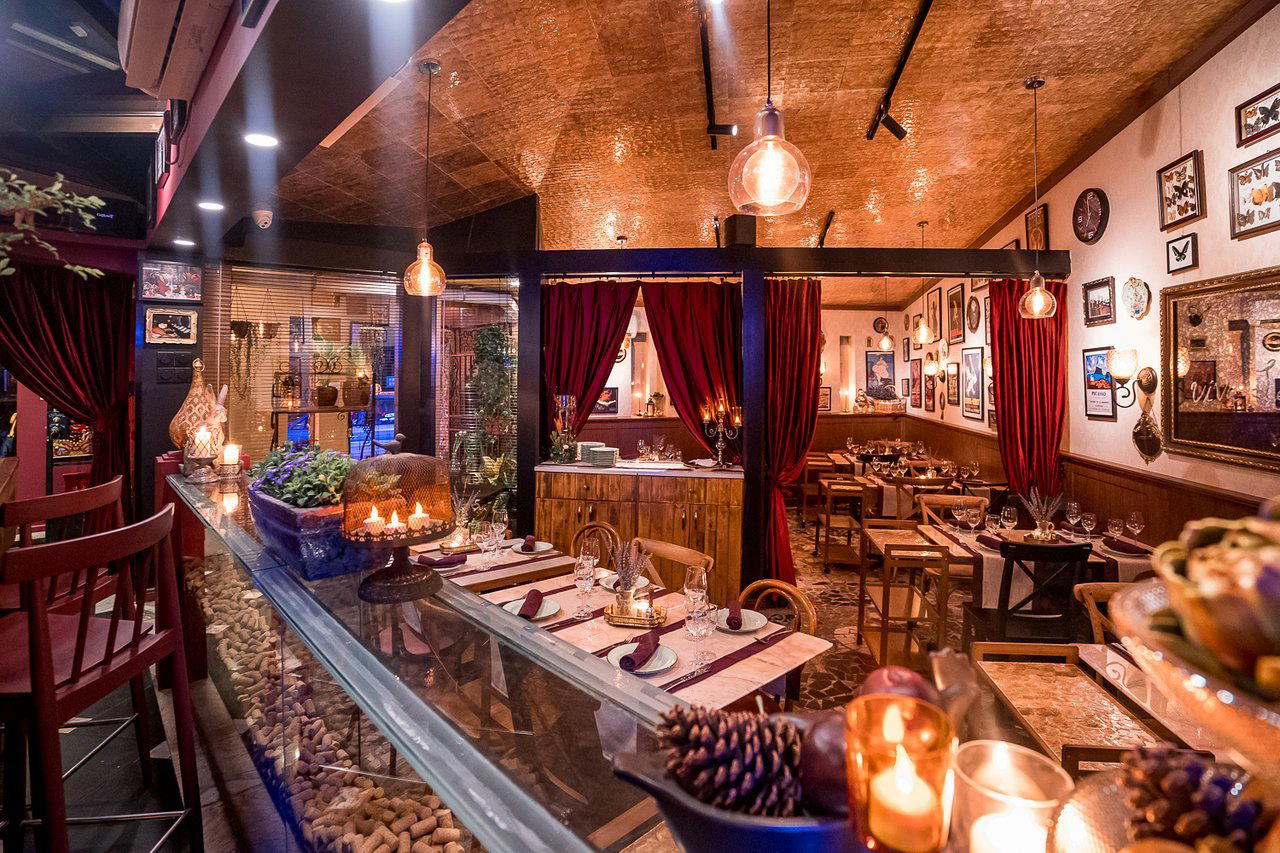
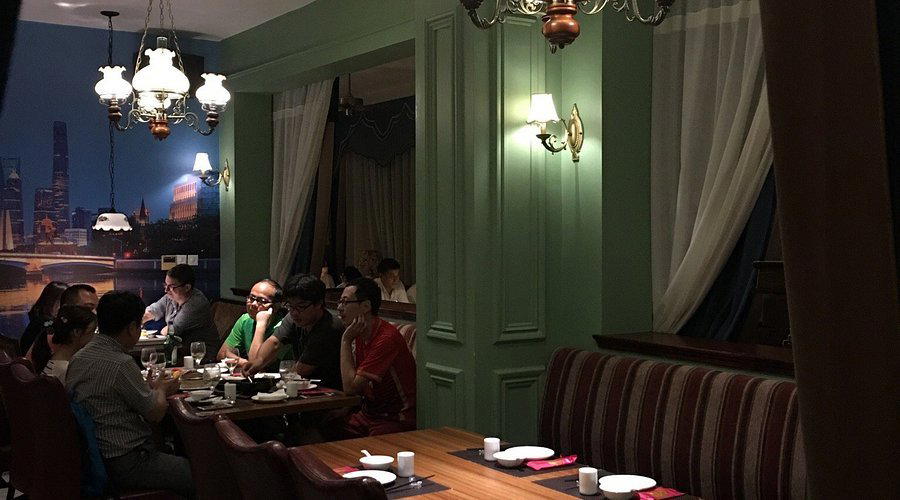
Dim yellow light, walls dressed in 1930s memorabilia, and singers in qipao working through golden-era Shanghai ballads: Ren He Guan (Xuhui) presents itself as a nostalgia exercise, the kind of atmospheric staging that in most cities would be the main event. Here, it is merely the frame. The food displaces the décor as the reason to return, which in the context of Shanghai's Shanghainese dining scene — where heritage aesthetics and culinary seriousness do not always arrive together — is a meaningful distinction. Michelin's inspectors, who awarded the restaurant a star in the 2024 guide, appear to have reached the same conclusion.
Shanghainese Cooking as a Regional Category
To understand where Ren He Guan sits in Shanghai's restaurant hierarchy, it helps to be clear about what Shanghainese cuisine actually is and is not. Unlike the fiery architecture of Sichuan cooking or the roasting and dim sum traditions that define Cantonese kitchens, Shanghainese food is built around braising, freshwater fish, seasonal produce, and a measured use of sugar alongside soy. The flavour profile skews sweeter and richer than most northern Chinese traditions, and the cooking calendar is tightly seasonal, with hairy crab season in autumn representing the single most closely watched period on the city's dining calendar.
This distinction matters when assessing Ren He Guan's menu. The restaurant does not attempt to be a comprehensive survey of Chinese regional cooking. It works within Shanghainese parameters, with a particular emphasis on fish and freshwater seafood, and executes within those parameters at a level that earned Michelin recognition. Comparable Shanghainese addresses in Shanghai, including Fu 1015, Fu 1039, and Fu 1088, each occupy a more formal register and a higher price tier. Ren He Guan holds its star at ¥¥ pricing, which places it in a genuinely rare bracket: Michelin-recognised Shanghainese cooking without the premium ceremony that usually accompanies it.
The Fish-Forward Menu and Its Crab Logic
The menu at Ren He Guan is organised around freshwater fish and seafood, a focus that reflects both the broader Shanghainese tradition and a specific supply advantage. The owner sources crab directly from his own farm, which means the kitchen has consistent access to quality that most restaurants at this price point cannot replicate through conventional procurement. The result is a crabmeat and roe on rice preparation that Michelin's own notes single out as a highlight, and which regulars treat as the primary reason to visit during crab season.
The fried shredded eel with water bamboo is cited alongside it as a dish worth ordering for textural contrast, the soft, yielding quality of eel against the crispness of water bamboo, a pairing that reflects the Shanghainese kitchen's long-standing interest in balancing textures within a single plate. This kind of detail-oriented approach to texture, rather than heat or spice, is characteristic of the broader regional tradition: Shanghainese cooking asks you to pay attention to technique rather than sensation.
For Shanghai diners familiar with Lao Zheng Xing or Cheng Long Hang (Huangpu), Ren He Guan represents a less ceremonial but no less serious entry point into the same culinary tradition. The trade-off is atmosphere over formality, Songjiang over the Bund, nostalgia over prestige signalling.
The Price Equation at Starred Level
One of the more useful ways to read Ren He Guan's position in the market is through its pricing relative to its recognition. Michelin-starred restaurants in Shanghai cluster predominantly in the ¥¥¥ and ¥¥¥¥ brackets. Finding a starred address at ¥¥ is uncommon enough to constitute a genuine anomaly in the city's dining structure, and it shifts the decision calculus for a certain type of diner: those who want the assurance of Michelin-level cooking without the full-ceremony pricing that typically accompanies it.
This positioning also affects the competitive set. At ¥¥ pricing, Ren He Guan is not competing against the formal Shanghainese houses. It is competing against mid-range neighbourhood restaurants and coming out as the only one in that tier with a star. That gap is what generates the full dining room the venue is known for, and, by extension, the booking challenge that first-time visitors often underestimate.
Songjiang District and What It Signals
Songjiang is not the obvious address for a restaurant of this recognition level. Most of Shanghai's Michelin-starred addresses concentrate in the central districts, Jing'an, Huangpu, Xuhui proper, where the density of international visitors and expense-account dining supports the economics of premium kitchen operations. A starred address in Songjiang serves a predominantly local clientele, and that local orientation shapes the room: the regulars here are not hotel guests working through a shortlist but Shanghai residents who have absorbed the restaurant into a routine.
That geographic context reinforces the food-over-ceremony reading of the place. The 1930s décor and qipao singers are not there to attract tourists; they are there because they resonate with a local audience that has its own relationship to that era of Shanghai culture. The nostalgia is sincere rather than performed for an outside gaze, which changes how the room feels in practice.
Shanghainese Cooking Across Cities
For readers encountering Shanghainese cuisine for the first time at Ren He Guan, it is worth understanding that this regional tradition travels less consistently than Cantonese or Sichuan cooking. Outside mainland China, dedicated Shanghainese restaurants are relatively rare; Liu Yuan Pavilion in Hong Kong is one of the few addresses in Greater China to carry the tradition at serious level. Within China, the style appears at scattered addresses: Shanghai Cuisine in Beijing is a useful reference point for the northward transplant. The Zhejiang tradition that runs adjacent to Shanghainese cooking is visible at addresses like Xin Rong Ji in Beijing, Xin Rong Ji in Chengdu, and Ru Yuan in Hangzhou, where the freshwater produce emphasis and restrained seasoning logic overlap with Shanghainese sensibility without being the same thing.
Cantonese-tradition restaurants like Imperial Treasure Fine Chinese Cuisine in Guangzhou, Chef Tam's Seasons in Macau, and Dai Yuet Heen in Nanjing operate on a fundamentally different flavour logic, lighter saucing, a different relationship to seafood, far less sugar in savoury applications, and reading them alongside Ren He Guan clarifies what is specifically Shanghainese about the latter's approach.
For a broader picture of Shanghai's dining options across cuisine types and price brackets, see our full Shanghai restaurants guide, as well as guides to hotels, bars, wineries, and experiences in the city.
Know Before You Go
- Cuisine: Shanghainese, fish-focused
- Price range: ¥¥ (mid-range)
- Recognition: Michelin 1 Star (2024)
- Location: Taogan Road, Songjiang District, Shanghai 201602
- Getting there: Songjiang is served by Metro Line 9; the restaurant is in the outer district, so a taxi or rideshare from the metro is the practical last mile
- Timing note: Crab season in Shanghai runs approximately October to December; dishes featuring hairy crab are seasonal and availability varies outside this window
- Booking: No phone or online booking details are publicly listed; walk-in timing and advance reservations are addressed below
Frequently asked questions
What's Ren He Guan (Xuhui)'s location?
Ren He Guan (Xuhui) is located at 45CP+HW5, Taogan Rd, Songjiang District, Shanghai, China, 201602, Shanghai.
What's the cuisine at Ren He Guan (Xuhui)?
What's Ren He Guan (Xuhui) known for in terms of accolades?
Ren He Guan (Xuhui) has received recognition including: Dim yellow lights, 1930s memorabilia, golden oldies performed by singers dressed in qipao… but, surprisingly, the ambiance doesn't steal the show. It's the first-rate Shanghainese fare at bargain prices that keeps the place packed. One high….
What do people recommend at Ren He Guan (Xuhui)?
Michelin's own notes and consistent reviewer consensus point to two dishes: the crabmeat and roe on rice, sourced from the owner's farm, and the fried shredded eel with water bamboo, which delivers a textural contrast that defines the fish-forward menu. Both sit within the ¥¥ price range, making them accessible relative to the restaurant's 2024 Michelin 1-Star standing.
Is Ren He Guan (Xuhui) expensive?
Pricing at Ren He Guan (Xuhui) is listed as ¥¥.
Do they take walk-ins at Ren He Guan (Xuhui)?
No phone or booking contact is listed publicly for this location. Given the restaurant's Michelin 1-Star recognition and reputation for packed sittings, arriving without a reservation carries real risk of a wait or a turned table. Arriving early for the first seating is the practical approach if advance booking proves difficult.
Standing Among Peers
| Venue | Cuisine | Price | Awards | Notes |
|---|---|---|---|---|
| Ren He Guan (Xuhui)This venue — the venue you are viewing | Shanghainese Classics | $30–50 | 1 Michelin Star | Not listed |
| Fu He Hui | Modern Seasonal Vegetarian Fine Dining | $200–300 | 2 Michelin Stars · World's 50 Best #11 | Vegetarian |
| Ming Court | Cantonese with Shanghainese Influences | $30–50 | 1 Michelin Star · Black Pearl 1 Diamond | Cantonese |
| Polux | French Bistro | $30–50 | Michelin Bib Gourmand | Not listed |
| Royal China Club | Modern Cantonese fine dining | $50–100 | Michelin Plate | Not listed |
| Scarpetta | Refined Italian Pasta & Pizza | $50–100 | Michelin Plate · Wine Spectator Best of Award of Excellence | Not listed |
Recognition history
Dated appearances from independent guides and award organizations, with the underlying list record or original source where available.
Michelin 1 Star
Michelin
Full recognition history (2 entries)
Michelin 1 Star
Michelin