
Michelin Bib Gourmand
Our verdict
Wing Lai Yuen holds consecutive Michelin Bib Gourmand recognition (2024 and 2025) for Shanghainese cooking at a price point that undercuts most of Hong Kong's regional Chinese dining tier. Located in Chuk Un, it operates outside the central tourist circuit, drawing regulars who prioritise the food over convenience. It is one of the few places in Hong Kong where Shanghainese tradition is the kitchen's sole focus.

Pearl is the En Primeur Club membership app — saves, bookings, and concierge access live there. Same editors, same standards.
- Address
- 10-12 Ming Fung St, Chuk Un, Hong Kong
- Phone
- +852 2726 3818
- Hours
- Daily 11 AM–10 PM
- Website
- winglaiyuen.com.hk
- Directions
- Get directions
The menu
What to order
- Handmade Sichuan Dan Dan Noodles
- Deep Fried Marinade Duck
- Sliced Loin in Spicy Sichuan Sauce
Shanghainese Cooking in a City That Runs on Cantonese Logic
Hong Kong's restaurant culture is built, first and foremost, on Cantonese cooking. Dim sum houses, roast-meat specialists, and seafood restaurants anchored in Guangdong tradition dominate the city's dining identity at every price point. Regional Chinese cuisines from further north — Shanghainese, Sichuanese, Hunanese — occupy a smaller, more specialised band of the market, often serving communities who arrived from those provinces across different migration waves. Wing Lai Yuen, located at 10–12 Ming Fung Street in Chuk Un, operates in that Shanghainese tier, and it does so with enough consistency to have earned Michelin Bib Gourmand recognition in both 2024 and 2025.
The Bib Gourmand designation matters here because of what it signals about the price-to-quality relationship. Unlike the starred tier, which rewards technical ambition and service architecture, the Bib specifically identifies kitchens where the cooking exceeds what the price would suggest. At Wing Lai Yuen's $$ price range, that means Shanghainese food executed with enough rigour to satisfy the Michelin inspectors' threshold for value, without the ceremony of the city's higher-bracket regional Chinese rooms. For context, the restaurant's approach to value sits closer to neighbourhood institutions than to venues like Liu Yuan Pavilion or Yè Shanghai (Tsim Sha Tsui), which price and position themselves toward the premium end of the same regional tradition.
What Shanghainese Cuisine Actually Means
Shanghainese cooking is a cuisine of contrasts: slow-braised pork belly alongside delicate freshwater crab preparations; vinegar-brightened cold dishes next to deeply savoury red-braised meats. The flavour grammar is built around soy sauce, Shaoxing rice wine, sugar, and black vinegar, producing a cooking style that is richer and sweeter than Cantonese food but more subtle than the chilli-forward cuisines of Hunan or Sichuan. Hairy crab season, running from September through November, is the calendar's centrepiece for serious Shanghainese kitchens, female crabs in early season, males toward the end, though the tradition travels imperfectly to Hong Kong, where sourcing and pricing add complexity to what is already a perishable, time-sensitive product.
The cuisine also encompasses a strong tradition of xiaochi (small eats): soup dumplings, pan-fried buns, cold sesame noodles, and scallion oil dishes that define the everyday end of Shanghai's food culture. The leading Shanghainese restaurants in Hong Kong hold both registers simultaneously, the refined red-braised and the casual street-food lineage, rather than choosing one at the expense of the other. Comparing Wing Lai Yuen to restaurants operating in Shanghai itself gives useful calibration: venues like Fu 1088 and Fu 1015 occupy a more formal, higher-price bracket in the source city, while places like Lao Zheng Xing and Ren He Guan (Xuhui) represent the neighbourhood-institution end of the spectrum that Wing Lai Yuen more closely echoes. Further afield, Shanghai Cuisine in Beijing shows how the tradition travels across Chinese cities, and venues like Cheng Long Hang (Huangpu), Fu 1039, Zhou She (Minhang) each represent distinct positions in the broader taxonomy of how this cuisine is being carried forward.
The Chuk Un Location as Context
Chuk Un sits in the northeastern New Territories, outside the central Hong Kong Island and Kowloon circuits where most dining editorial concentrates. Restaurants in Mong Kok, Wan Chai, or Central benefit from foot traffic and tourism proximity; a Chuk Un restaurant that sustains those numbers is drawing people who are making a deliberate trip. That kind of destination dynamic is a meaningful data point about how seriously the kitchen is taken by its regulars.
The address also places Wing Lai Yuen in a different competitive conversation than Shanghainese restaurants that have positioned themselves in premium commercial districts. Jardin de Jade (Wan Chai) and Wu Kong Shanghai Restaurant operate in the more central, higher-footfall tier. Wing Lai Yuen's neighbourhood placement is less about strategic positioning and more about where the restaurant exists for its community, a pattern common among Hong Kong's longer-standing regional Chinese specialists, which often predate the gentrification of the areas they inhabit.
The Bib Gourmand measures value through the specific lens of Michelin's inspection criteria, which prioritises cooking quality and price-quality ratio. The divergence between the two scores at Wing Lai Yuen is not unusual for casual regional Chinese specialists in Hong Kong that attract visitors expecting something closer to a formal restaurant experience. Both pieces of information are useful, and reading them together is more instructive than treating either in isolation.
The Merchants provides a useful contrast point in the accessible dining tier, operating with a different format and cuisine profile but sitting at a comparable price bracket.
Planning Your Visit
Wing Lai Yuen is located at 10–12 Ming Fung Street, Chuk Un, Hong Kong. Budget: The $$ price range puts it among Hong Kong's more accessible Michelin-recognised tables. Reservations:Dress: No formal dress code is documented; a casual neighbourhood register is consistent with the restaurant's positioning. Timing: If hairy crab season (autumn, roughly September through November) is relevant to your visit, confirming availability ahead of time is advisable, as seasonal specialities at Shanghainese restaurants depend on supply.
For a fuller picture of where Wing Lai Yuen sits within Hong Kong's dining scene, see our full Hong Kong restaurants guide. Further Hong Kong planning resources: our full Hong Kong hotels guide, our full Hong Kong bars guide, our full Hong Kong wineries guide, and our full Hong Kong experiences guide.
Frequently asked questions
What should I order at Wing Lai Yuen?
How far ahead should I plan for Wing Lai Yuen?
What's the defining dish or idea at Wing Lai Yuen?
A Lean Comparison
A quick snapshot of similar venues for side-by-side context.
| Venue | Cuisine | Price | Awards | Notes |
|---|---|---|---|---|
| Wing Lai YuenThis venue — the venue you are viewing | Traditional Sichuan & Shanghainese Noodles | $10–20 | Michelin Bib Gourmand | Not listed |
| 8 1/2 Otto e Mezzo Bombana (Hong Kong) | 3 Michelin-Star Italian Fine Dining | $200–300 | 3 Michelin Stars · World's 50 Best #94 | Italian |
| Ta Vie | Modern French-Japanese Fine Dining | $300–500 | 3 Michelin Stars · World's 50 Best #68 | Japanese - French, Innovative |
| Caprice | Contemporary French Fine Dining | $200–300 | 3 Michelin Stars · World's 50 Best #35 | French, French Contemporary |
| Feuille | Modern Vegetable-Forward French | $200–300 | 1 Michelin Star · World's 50 Best #93 | French Contemporary |
| Neighborhood | Modern French with Asian Influences | $50–100 | 1 Michelin Star · World's 50 Best #24 | International, European Contemporary |
Recognition history
Dated appearances from independent guides and award organizations, with the underlying list record or original source where available.
Michelin Bib Gourmand
Michelin
Full recognition history (2 entries)
Michelin Bib Gourmand
Michelin
Continue exploring
More in Hong Kong
Restaurants in Hong Kong
Browse all →
Bars in Hong Kong
Browse all →
Hotels in Hong Kong
Browse all →
Wineries in Hong Kong
Browse all →
Details
- Classic
- Well Known
- Family
- Group Dining
- Casual Hangout
- Historic Building
- A La Carte
Current opening hours
- Monday
- 11 AM–10 PM
- Tuesday
- 11 AM–10 PM
- Wednesday
- 11 AM–10 PM
- Thursday
- 11 AM–10 PM
- Friday
- 11 AM–10 PM
- Saturday
- 11 AM–10 PM
- Sunday
- 11 AM–10 PM
Hours can change for holidays and private events. Last verified .
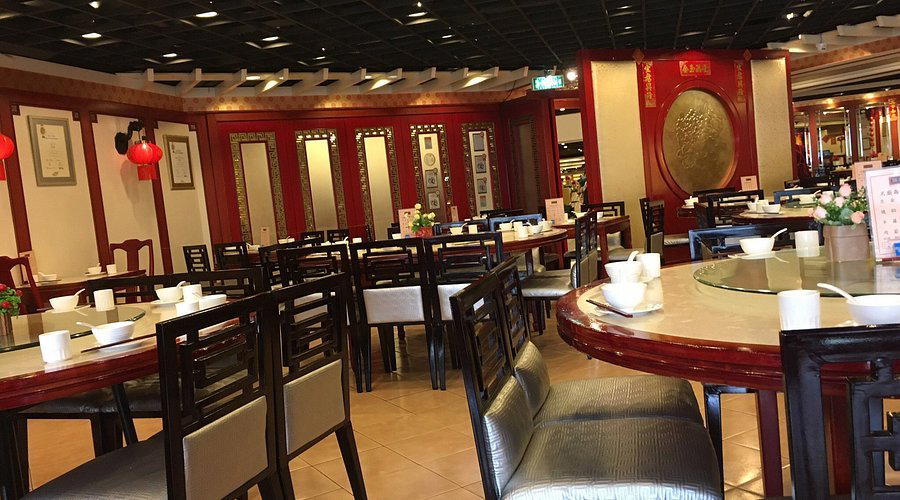
Traditional Chinese decor with bright red colors creating a warm, festive, and bustling atmosphere.