Michelin Plate
Our verdict
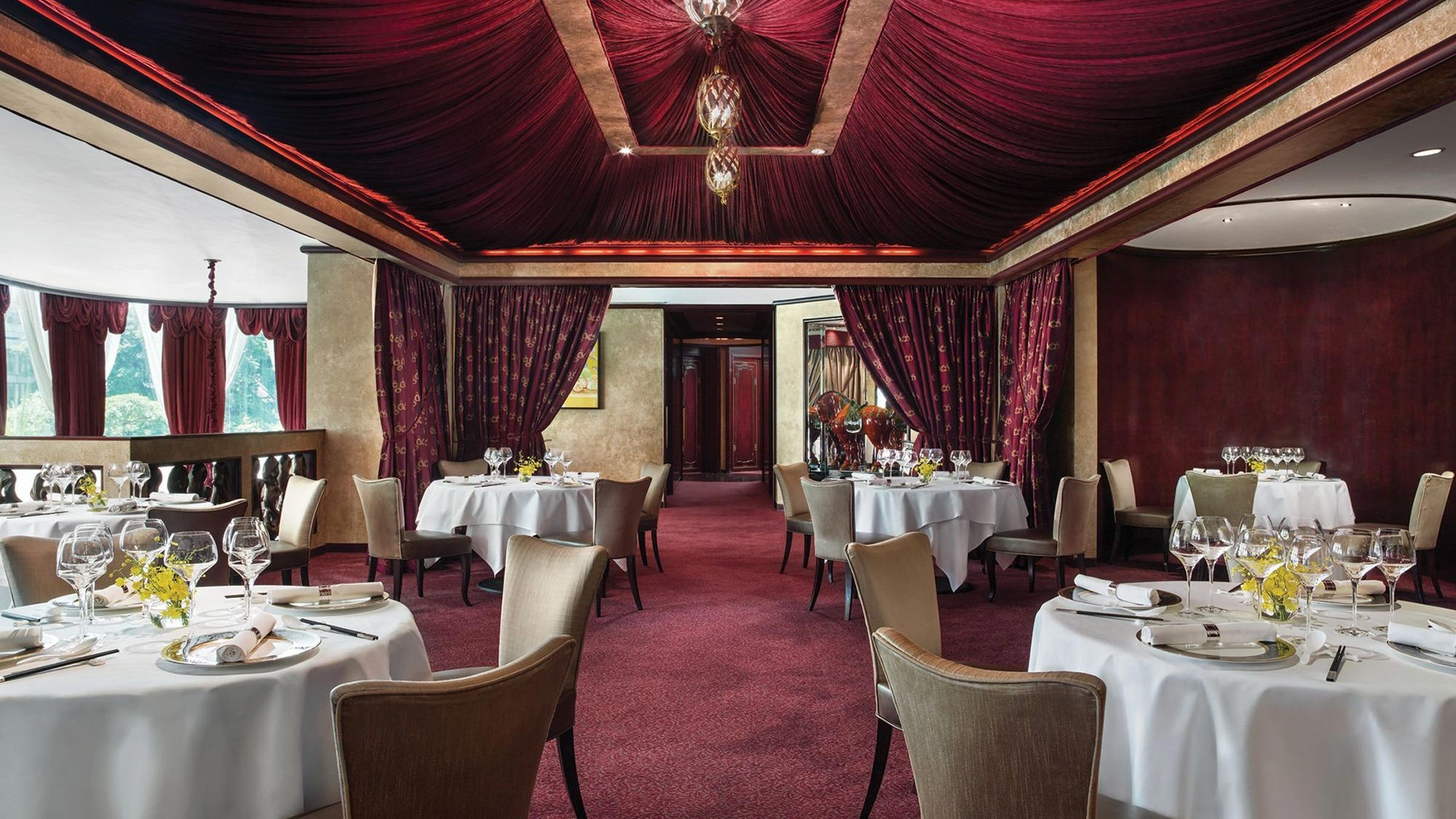
The Hong Kong outpost of a Shanghai-originating restaurant group, Jardin de Jade in Wan Chai brings Shanghainese classics and dim sum to a double-height dining room off Harbour Road. A 2025 Michelin Plate holder, it draws attention for xiao long bao with paper-thin pleated skin and a seasonal menu that reaches beyond Shanghai into broader regional cooking.

Pearl is the En Primeur Club membership app — saves, bookings, and concierge access live there. Same editors, same standards.
- Address
- Hong Kong, Wan Chai, Harbour Rd, 30號4舖地下G3
- Phone
- +852 3528 0228
- Hours
- Daily 11:30 AM–3:30 PM, 6–10 PM
- Directions
- Get directions
The menu
What to order
- Xiao long bao
A Shanghai Kitchen Translated to Wan Chai
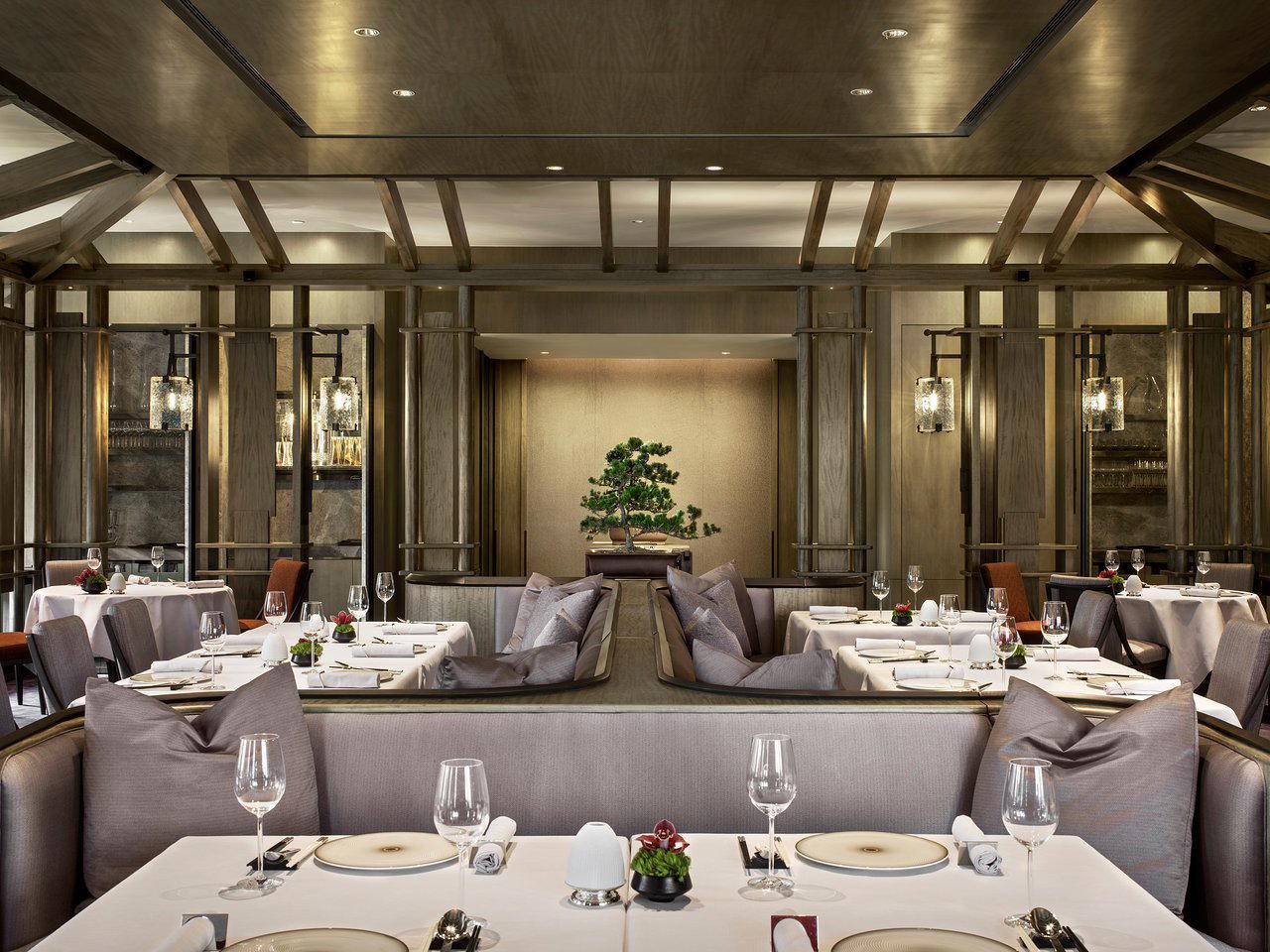
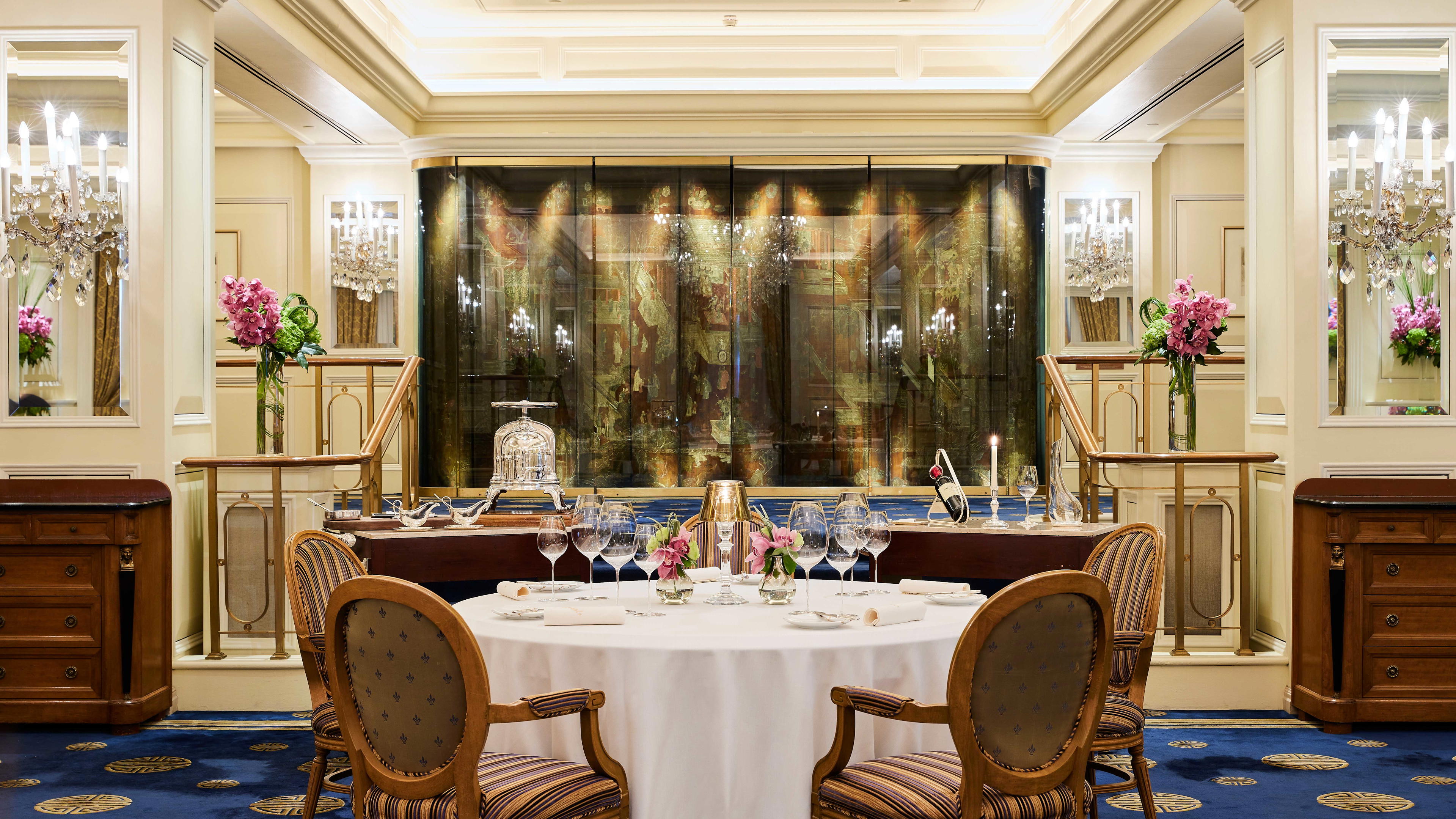
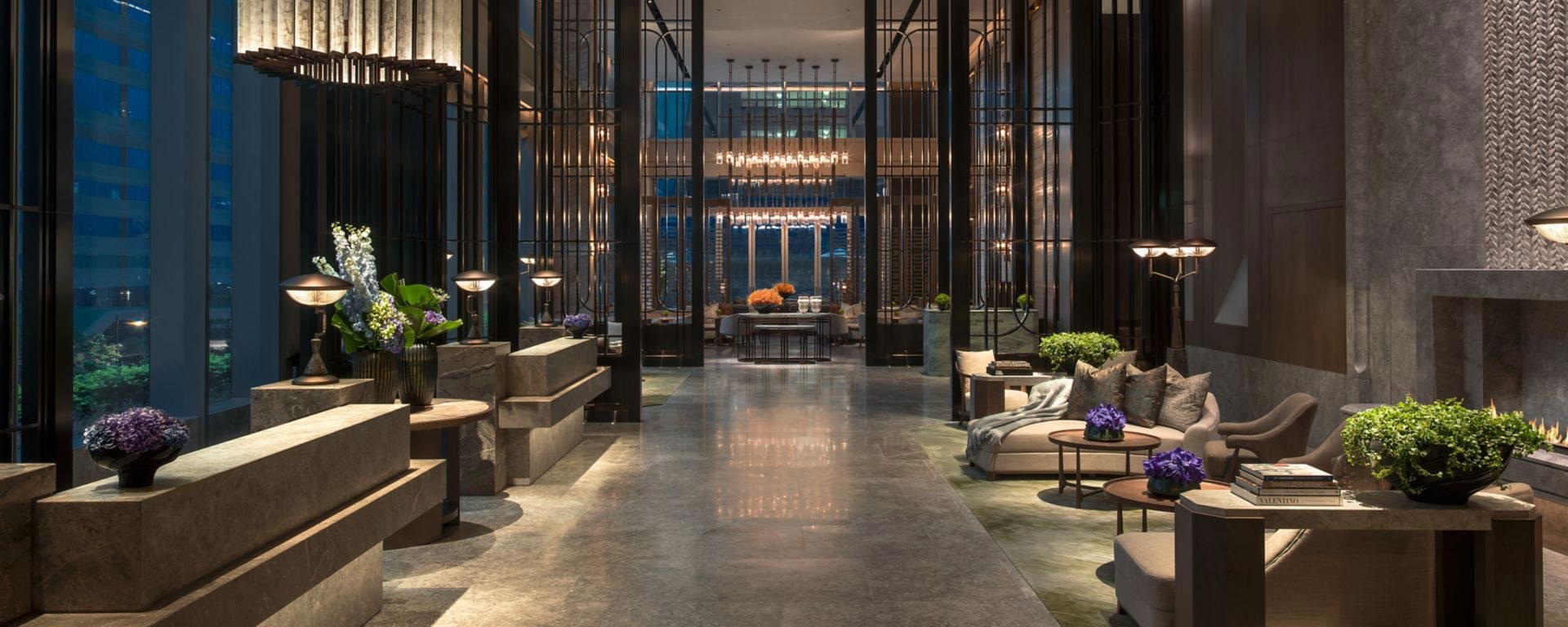
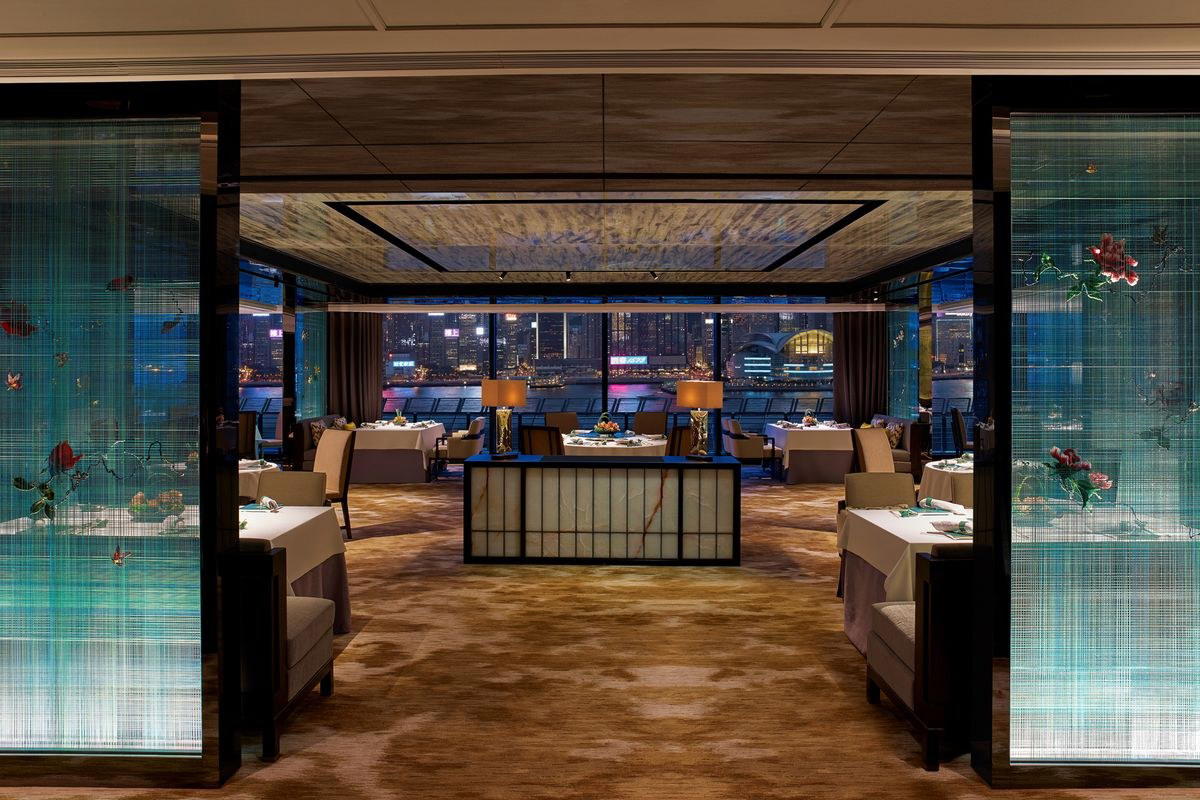
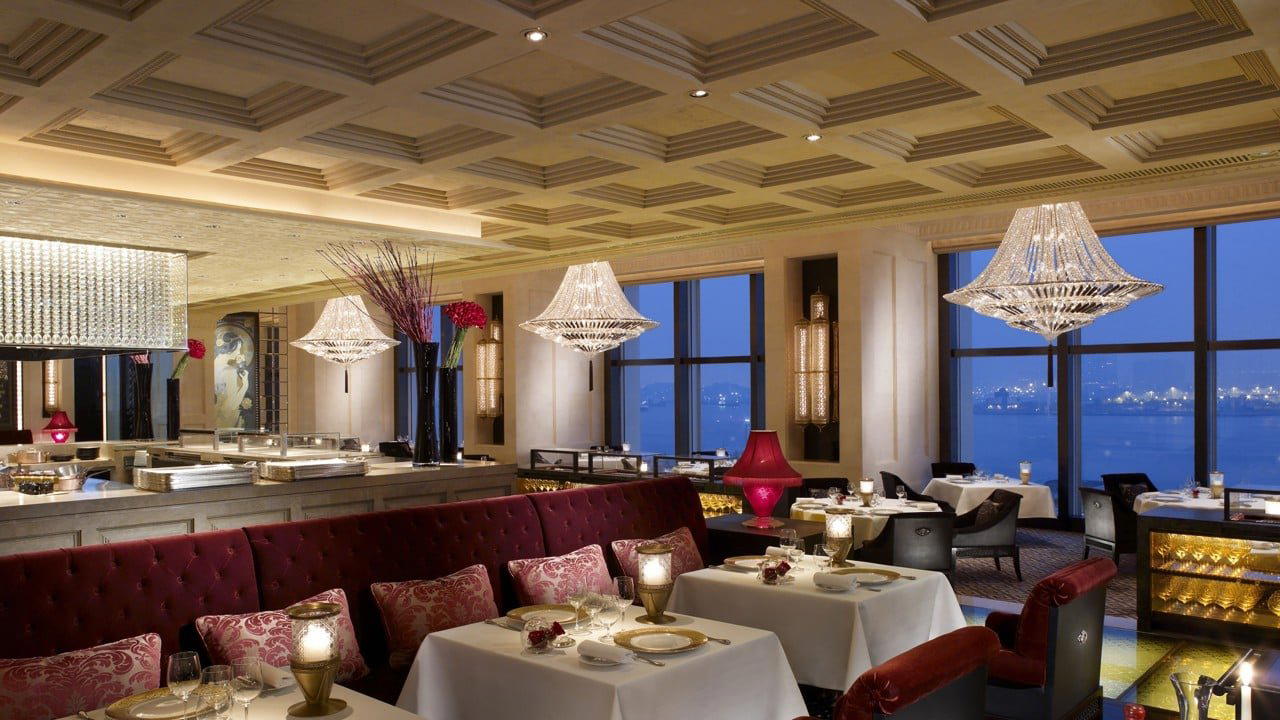
Wan Chai's dining spine runs from late-night Cantonese roast shops to the kind of polished mid-range rooms that fill with office groups and cross-harbour visitors on weekday lunches. Shanghainese cooking occupies a distinct lane within that mix: technique-driven, less reliant on wok hei than Cantonese stir-fry traditions, and historically associated with long braises, vinegar-forward sauces, and the precision of dim sum work. Jardin de Jade sits inside that lane and signals its ambitions before any food arrives. The double-height ceiling and a chandelier overhead set a register that is less neighbourhood canteen, more deliberate statement about how a Shanghai-originating group wanted to present itself in Hong Kong.
The broader context matters here. Shanghainese restaurants in Hong Kong occupy a smaller niche than Cantonese houses, and competition from within that niche is meaningful. Yè Shanghai (Tsim Sha Tsui) and Wu Kong Shanghai Restaurant have long held positions in the category, while Liu Yuan Pavilion draws from a Shanghainese-adjacent repertoire. What distinguishes the Wan Chai address is its origin: this is a Hong Kong extension of an established Shanghai group, and it carries the confidence of a kitchen that does not need to explain its culinary references to itself.
The Technical Argument for Xiao Long Bao
In Shanghainese cooking, the xiao long bao is the dish that concentrates the most scrutiny. It is where skin thickness, pleating count, gelatin ratio, and seasoning balance are read by experienced diners in seconds. The variables are unforgiving: too thick a skin and the structural argument collapses; too thin and the wrapper tears before reaching the mouth; under-seasoned filling and the soup reads flat; over-gelled and the liquid never achieves its characteristic rush on the first bite. Michelin's 2025 Plate recognition for Jardin de Jade specifically notes the xiao long bao here for its paper-thin skin, correctly pleated, with a soupy filling and calibrated seasoning. That is not faint praise in a category where the technical bar is well established by decades of specialist producers in Shanghai and Hong Kong alike.
The comparison set for this dish extends well beyond Hong Kong. Shanghainese restaurants in Shanghai itself, including Lao Zheng Xing, Cheng Long Hang (Huangpu), and the Fu series across addresses like Fu 1015, Fu 1039, and Fu 1088, each hold their own positions against that same technical standard. The fact that an outpost kitchen, operating away from its home city, earns recognition for this particular dish says something about the consistency of the group's methods rather than about novelty.
Tradition, Presentation, and the Seasonal Menu
The editorial framing from Michelin points to a specific tension that defines where Jardin de Jade sits in contemporary Chinese dining: traditional method with updated presentation. This is not a fusion proposition; the cooking is anchored in Shanghainese technique. The shift is visual and compositional rather than ingredient-led. In a Hong Kong market that has watched Cantonese fine dining evolve through multiple cycles of modernisation over the past two decades, the approach reads as considered positioning rather than trend-following.
Seasonal menu extends the reach of the kitchen beyond Shanghai proper into regional specialities from across the broader delta and interior. This is a meaningful distinction for diners who know Shanghainese cooking primarily through its export classics. The red-braised pork, lion's head meatballs, and crab-roe preparations that anchor most Hong Kong Shanghainese menus represent one register; seasonal regional dishes from less frequently represented areas add depth that a kitchen confident in its sourcing can sustain across a year. Ren He Guan (Xuhui) and Zhou She (Minhang) in Shanghai demonstrate how this same depth can be maintained at source; Jardin de Jade is making a comparable argument at a remove.
Where It Sits in the Wan Chai Picture
At the $$ price tier, Jardin de Jade occupies a different register from Hong Kong's Michelin three-star rooms, where Italian, French, and Japanese-French formats dominate the upper bracket. The comparison set for Jardin de Jade is not those rooms; it is the mid-tier of serious Shanghainese and northern Chinese cooking in a city where Cantonese remains the gravitational centre.
Wan Chai as a neighbourhood has shifted considerably over recent years. The older entertainment-district character along its side streets coexists with Harbour Road's more formal commercial addresses and the residual dining energy that surrounds the arts and convention venues along the waterfront. Jardin de Jade's address on Harbour Road places it within reach of cross-harbour traffic from Tsim Sha Tsui as much as local Wan Chai custom. For Shanghainese cooking at this level in a Wan Chai context, that positioning makes practical sense.
Diners building a broader picture of Shanghainese cooking across cities can cross-reference with Shanghai Cuisine in Beijing for a sense of how the tradition translates across Chinese cities, or with the Fu series in Shanghai for the premium end of the home market. Within Hong Kong itself, Wing Lai Yuen and The Merchants offer adjacent perspectives on the broader northern and regional Chinese spectrum.
For a full view of where Shanghainese cooking fits into Hong Kong's wider dining scene, see our full Hong Kong restaurants guide. Additional city planning resources include our Hong Kong hotels guide, bars guide, wineries guide, and experiences guide.
Know Before You Go
- Address: 30 Harbour Road, Wan Chai, Hong Kong (G3, ground floor)
- Cuisine: Shanghainese, with dim sum and a seasonal regional menu
- Price tier: $$ (mid-range)
- Recognition: Michelin Plate 2025
- Getting there: Wan Chai MTR station (Exit A1 or A5) is approximately a 10-minute walk toward Harbour Road; the address sits near the waterfront convention precinct
- Hours:
Frequently asked questions
Is Jardin de Jade (Wan Chai) award-winning?
Jardin de Jade (Wan Chai) has received recognition including: Michelin Plate (2025); The first Hong Kong venture of the renowned Shanghai restaurant group is certainly not lacking in grandeur, with its double-height ceiling and striking chandelier. Shanghainese classics and dim sum are made the tradit….
What's the cuisine at Jardin de Jade (Wan Chai)?
What dish is Jardin de Jade (Wan Chai) famous for?
The xiao long bao is the dish most closely associated with Jardin de Jade, cited specifically in the venue's 2025 Michelin Plate recognition. The soup dumplings are noted for paper-thin pleated skin, a soupy filling, and precise seasoning — the result of the traditional Shanghainese technique that the Shanghai parent group carries into the Wan Chai kitchen. Beyond the xiao long bao, the seasonal menu draws on regional specialities from across the broader Shanghai culinary region.
Is Jardin de Jade (Wan Chai) expensive?
Pricing at Jardin de Jade (Wan Chai) is listed as $$.
What part of town is Jardin de Jade (Wan Chai) in?
Jardin de Jade (Wan Chai) is located at Hong Kong, Wan Chai, Harbour Rd, 30號4舖地下G3, Hong Kong.
Cuisine Context
| Venue | Cuisine | Price | Awards | Notes |
|---|---|---|---|---|
| Jardin de Jade (Wan Chai)This venue — the venue you are viewing | Shanghainese Dim Sum | $20–30 | Michelin Plate | Not listed |
| 8 1/2 Otto e Mezzo Bombana (Hong Kong) | 3 Michelin-Star Italian Fine Dining | $200–300 | 3 Michelin Stars · World's 50 Best #94 | Italian |
| Ta Vie | Modern French-Japanese Fine Dining | $300–500 | 3 Michelin Stars · World's 50 Best #68 | Japanese - French, Innovative |
| Caprice | Contemporary French Fine Dining | $200–300 | 3 Michelin Stars · World's 50 Best #35 | French, French Contemporary |
| Feuille | Modern Vegetable-Forward French | $200–300 | 1 Michelin Star · World's 50 Best #93 | French Contemporary |
| Neighborhood | Modern French with Asian Influences | $50–100 | 1 Michelin Star · World's 50 Best #24 | International, European Contemporary |
Recognition history
Dated appearances from independent guides and award organizations, with the underlying list record or original source where available.
Michelin Plate
Michelin
Full recognition history (3 entries)
Michelin Plate
Michelin
Michelin Plate
Michelin