

1 Michelin Star
Our verdict
A Michelin-starred Shanghainese address on Lockhart Road, Liu Yuan Pavilion holds a rare position in Hong Kong's Chinese dining scene: a room where the clientele speaks Shanghainese, the cooking tracks mainland tradition, and the technique behind dishes like drunken squab and braised lion head meatballs is taken seriously enough to earn recognition from both Michelin and Opinionated About Dining's Asia rankings.

Pearl is the En Primeur Club membership app — saves, bookings, and concierge access live there. Same editors, same standards.
- Address
- 3F, 54-62 Lockhart Rd, Wan Chai, Hong Kong
- Phone
- +852 2804 2000
- Hours
- Daily 12–3 PM, 6–11 PM
- Directions
- Get directions
The menu
What to order
- Hairy crab soup dumplings (蟹粉小籠包)
- Stir-fried rice noodles with hairy crab (蟹粉炒粉皮)
- Drunken squab
- Xiao long bao
- Pan-fried pork buns
- Giant sesame bread
- Braised pig knuckle
- Braised lion head meatballs
Where Wan Chai Speaks Shanghainese
Walk the third floor of a mid-rise on Lockhart Road and the ambient language shifts. The tables around you are occupied by Shanghainese-speaking regulars, and the kitchen noise — the hard crack of a wok against a burner, the hiss of high-heat oil — carries the cadence of a Shanghai brasserie rather than a Hong Kong cantonese house. Liu Yuan Pavilion occupies a specific and increasingly rare space in Hong Kong's Chinese restaurant hierarchy: a Shanghainese room that operates with the cultural self-confidence of a diaspora institution, not a trend-chasing import.
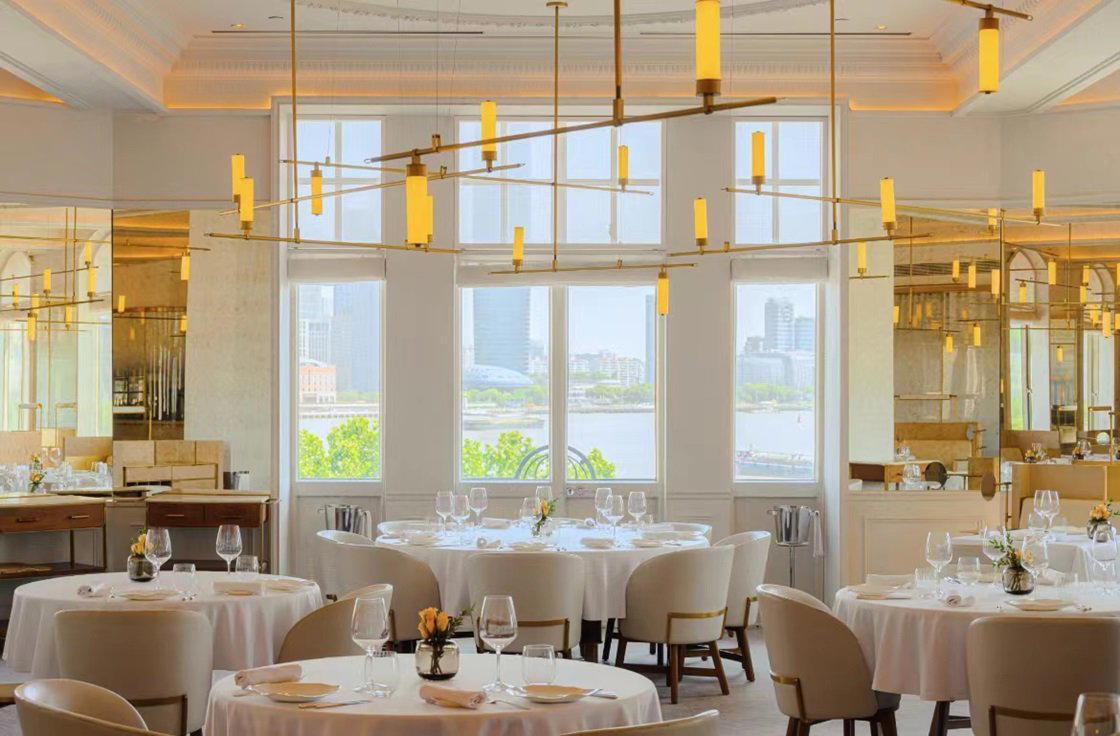
The dining room reads as understated rather than minimal. Booth seats along the perimeter are the most requested, offering a degree of enclosure that suits the long, unhurried pacing of a proper Shanghainese meal. The overall register is composed and unhurried, calibrated for conversation over multiple courses rather than quick turnover.
The Wok as Instrument: High-Heat Shanghainese Technique
Shanghainese cooking is frequently mischaracterised in the West as uniformly braised and sweet-sauced, a cuisine of slow red-cooked pork and glutinous finishes. That reading misses the wok-forward half of the tradition. At the heat level Liu Yuan Pavilion works, the distinction between a correctly executed stir-fry and a flat, steam-cooked approximation is immediately legible on the plate. Stir-fried shrimps, one of the kitchen's recognised preparations, belong to this second tradition: the wok running at temperature high enough to sear without stewing, the protein staying distinct, the sauce coating rather than drowning.
The technique that separates serious Shanghainese kitchens from competent ones is the management of dual registers: the high-heat, quick-fire cooking that defines the stir-fry section, and the slow, low braises that characterise dishes like braised pig knuckle and braised lion head meatballs. The lion head meatball, a Shanghai classic of hand-chopped pork formed loosely enough to stay yielding, then braised until the exterior lacquers and the interior stays tender, is a direct measure of kitchen discipline. The hand-chopping matters; a machine-processed mixture produces a different texture entirely. Both techniques coexist on Liu Yuan Pavilion's menu, and managing them simultaneously in a service kitchen is a non-trivial operational achievement.
The drunken squab, the dish that OAD's reviewers specifically called out when ranking the restaurant at #288 in their 2025 Asia list, belongs to neither register. It's a cold preparation, the bird marinated in Shaoxing wine long enough for the alcohol's volatile compounds to penetrate the flesh, producing what OAD describes as a velvety texture with springy skin and a pronounced winey aroma. The cold poaching technique required to achieve that skin texture without cooking out the alcohol is a kitchen signature, and it's the kind of dish that distinguishes a room with genuine Shanghainese culinary depth from one executing a generic Chinese menu.
Where Liu Yuan Sits in Hong Kong's Shanghainese Scene
Shanghainese restaurants in Hong Kong occupy a distinct and somewhat marginal category relative to Cantonese cooking, which remains the dominant reference point for the city's Chinese fine dining. The Michelin Guide's Hong Kong and Macau edition reflects this: the overwhelming majority of starred Chinese restaurants are Cantonese, with Shanghainese, Hunanese, and other regional traditions earning recognition in smaller numbers. Liu Yuan Pavilion's one star, held as of 2024, places it at the credentialled tier of that smaller cohort.
Its trajectory through Opinionated About Dining's rankings tells a consistent story: Highly Recommended in 2023, #273 in the 2024 Asia rankings, #288 in 2025. OAD's methodology is critic-weighted and skews toward technically serious cooking evaluated by frequent, informed diners rather than broad survey data. Maintaining position in that ranking across three consecutive years, at a mid-range price point, signals a kitchen operating with consistency rather than novelty. The slight slip in rank from 2024 to 2025 reflects competitive pressure across a dense Asia field rather than any decline in the restaurant's own output.
Within Wan Chai specifically, Liu Yuan shares a neighbourhood with Jardin de Jade, another Chinese option in the district. Further afield, Yè Shanghai in Tsim Sha Tsui and Wu Kong Shanghai Restaurant represent the broader Hong Kong Shanghainese cohort, each with its own positioning on the formality and price spectrum. Wing Lai Yuen and The Merchants round out a neighbourhood scene with genuine range. Liu Yuan's price range (mid-tier, marked $$) makes it accessible without sliding into the category of casual eating houses where technical cooking tends to give way to throughput.
For readers with comparative interest in how Shanghainese cooking is practised on the mainland, the Shanghai-based restaurants in the tradition include Fu 1015, Fu 1039, and Fu 1088 at the heritage-house end, Cheng Long Hang in Huangpu and Ren He Guan in Xuhui for more neighbourhood-rooted options, and Lao Zheng Xing and Zhou She in Minhang as further data points. Comparing those addresses with Liu Yuan Pavilion gives a reader a working map of how the cuisine travels and where it adapts. For readers interested in how Shanghainese cooking is interpreted further north, Shanghai Cuisine in Beijing provides a useful counterpoint.
The Practical Case for Lunch
Liu Yuan runs split service across all seven days: noon to 3 PM for lunch, 6 PM to 11 PM for dinner. The lunch window is worth noting. Shanghainese cooking at this register is relatively unusual to find at a lunch price point, and the format suits the cuisine well. Many of the kitchen's braise-heavy preparations are set up during morning prep and served through both services, meaning the quality differential between lunch and dinner is smaller than it would be at a restaurant relying on à la minute cooking for its main event. A weekday lunch, in particular, will run quieter than a weekend dinner and gives the dishes space to be assessed without the ambient pressure of a full house.
Rooms like this often generate more measured public scores than their critical reception warrants; the OAD placement and Michelin star carry considerably more weight as quality signals than the Google aggregate here.
Know Before You Go
- Address: 3F, 54-62 Lockhart Road, Wan Chai, Hong Kong
- Hours: Monday to Sunday, 12 PM–3 PM and 6 PM–11 PM
- Price range: Mid-range ($$)
- Awards: Michelin 1 Star (2024); Opinionated About Dining Leading Restaurants in Asia #288 (2025), #273 (2024), Highly Recommended (2023)
- Getting there: Wan Chai MTR station (Island Line) places you within walking distance of Lockhart Road; the restaurant is on the third floor of the building
- Booking: Advance reservation recommended, particularly for dinner and weekend lunch
For broader Hong Kong planning, see our full Hong Kong restaurants guide, hotels guide, bars guide, wineries guide, and experiences guide.
Frequently asked questions
What is the signature dish at Liu Yuan Pavilion?
The drunken squab is the dish most consistently cited by critics assessing Liu Yuan Pavilion's kitchen, and it anchors the restaurant's identity in the cold-marinated wing of Shanghainese technique. Opinionated About Dining's reviewers, who ranked the restaurant #288 in their 2025 Asia list, specifically described the squab's velvety meat and springy skin as carrying an intoxicating winey aroma, the result of an extended Shaoxing wine marinade. Alongside it, the kitchen's braised lion head meatballs and braised pig knuckle represent the slow-braise tradition, while stir-fried shrimps demonstrate the high-heat wok work that the cuisine equally demands. These four dishes collectively define the range and technical seriousness of the menu.
Comparable Spots, Quickly
| Venue | Cuisine | Price | Awards | Notes |
|---|---|---|---|---|
| Liu Yuan PavilionThis venue — the venue you are viewing | Authentic Shanghainese | $30–50 | 1 Michelin Star | Not listed |
| 8 1/2 Otto e Mezzo Bombana (Hong Kong) | 3 Michelin-Star Italian Fine Dining | $200–300 | 3 Michelin Stars · World's 50 Best #94 | Italian |
| Ta Vie | Modern French-Japanese Fine Dining | $300–500 | 3 Michelin Stars · World's 50 Best #68 | Japanese - French, Innovative |
| Caprice | Contemporary French Fine Dining | $200–300 | 3 Michelin Stars · World's 50 Best #35 | French, French Contemporary |
| Feuille | Modern Vegetable-Forward French | $200–300 | 1 Michelin Star · World's 50 Best #93 | French Contemporary |
| Neighborhood | Modern French with Asian Influences | $50–100 | 1 Michelin Star · World's 50 Best #24 | International, European Contemporary |
Recognition history
Dated appearances from independent guides and award organizations, with the underlying list record or original source where available.
Michelin 1 Star
Michelin
Opinionated About Dining Top Restaurants in Asia Recommended
Opinionated About Dining
Full recognition history (7 entries)
Michelin 1 Star
Michelin
Opinionated About Dining Top Restaurants in Asia Ranked #288
Opinionated About Dining
Michelin 1 Star
Michelin
Opinionated About Dining Top Restaurants in Asia Ranked #273
Opinionated About Dining
Opinionated About Dining Top Restaurants in Asia Highly Recommended
Opinionated About Dining
Continue exploring
More in Hong Kong
More from Chef Various
Browse all →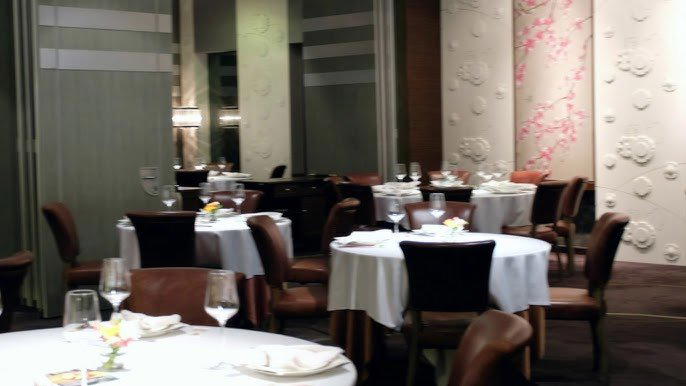
Restaurants in Hong Kong
Browse all →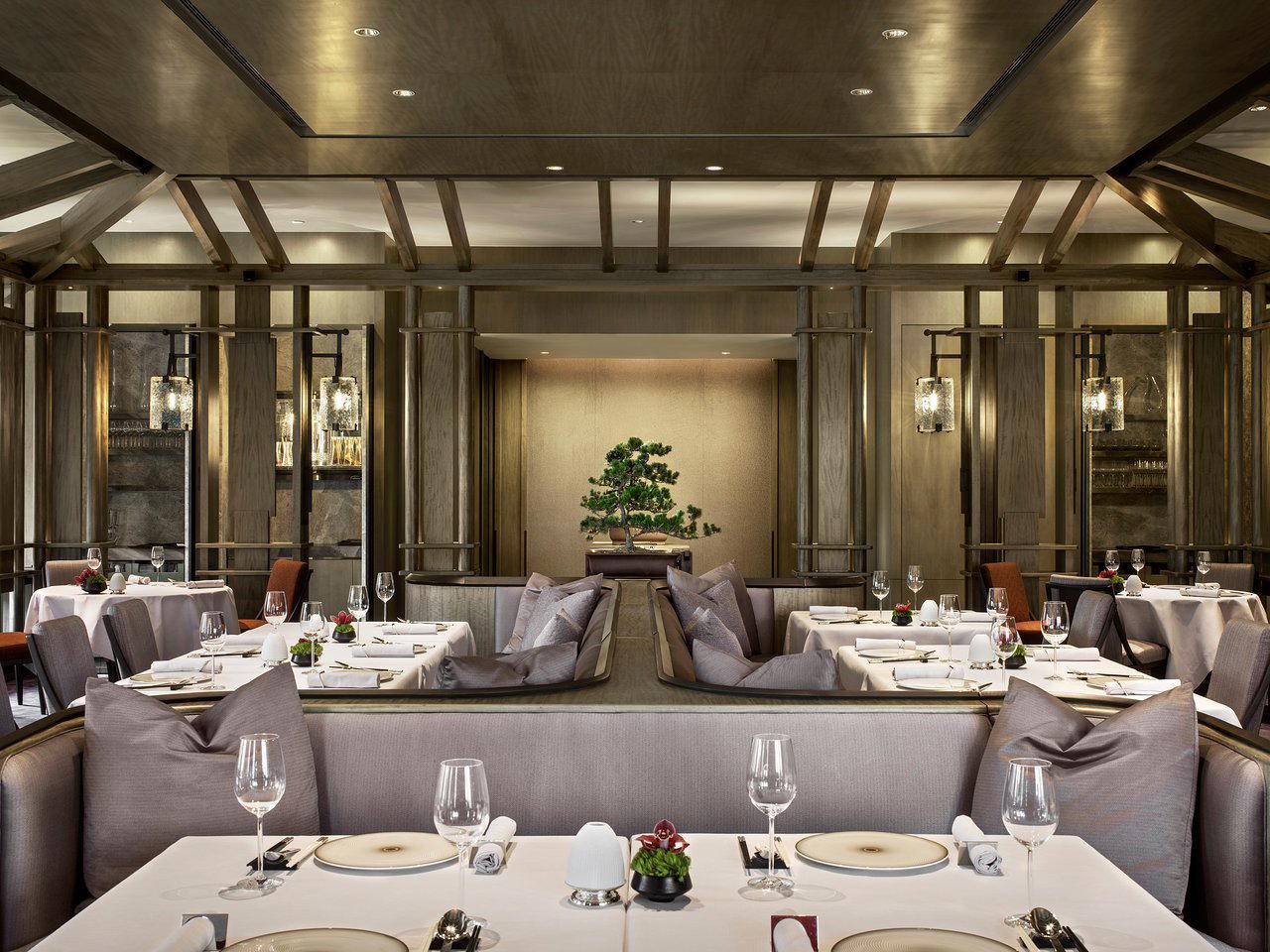
Bars in Hong Kong
Browse all →
Hotels in Hong Kong
Browse all →
Wineries in Hong Kong
Browse all →
Details
- Elegant
- Classic
- Sophisticated
- Family
- Group Dining
- Business Dinner
- Celebration
- Private Dining
- Family Style
- A La Carte
- Set Menu
- Tea
- Wine
- Vegetarian Friendly
- Allergy Accommodating
Current opening hours
- Monday
- 12–3 PM, 6–11 PM
- Tuesday
- 12–3 PM, 6–11 PM
- Wednesday
- 12–3 PM, 6–11 PM
- Thursday
- 12–3 PM, 6–11 PM
- Friday
- 12–3 PM, 6–11 PM
- Saturday
- 12–3 PM, 6–11 PM
- Sunday
- 12–3 PM, 6–11 PM
Hours can change for holidays and private events. Last verified .
Understated elegance with bright lighting; booth seating offers privacy. Described as plain and unpretentiously decorated but clean, with a tendency toward liveliness during peak hours.