1 Michelin Star · Black Pearl 1 Diamond
Our verdict
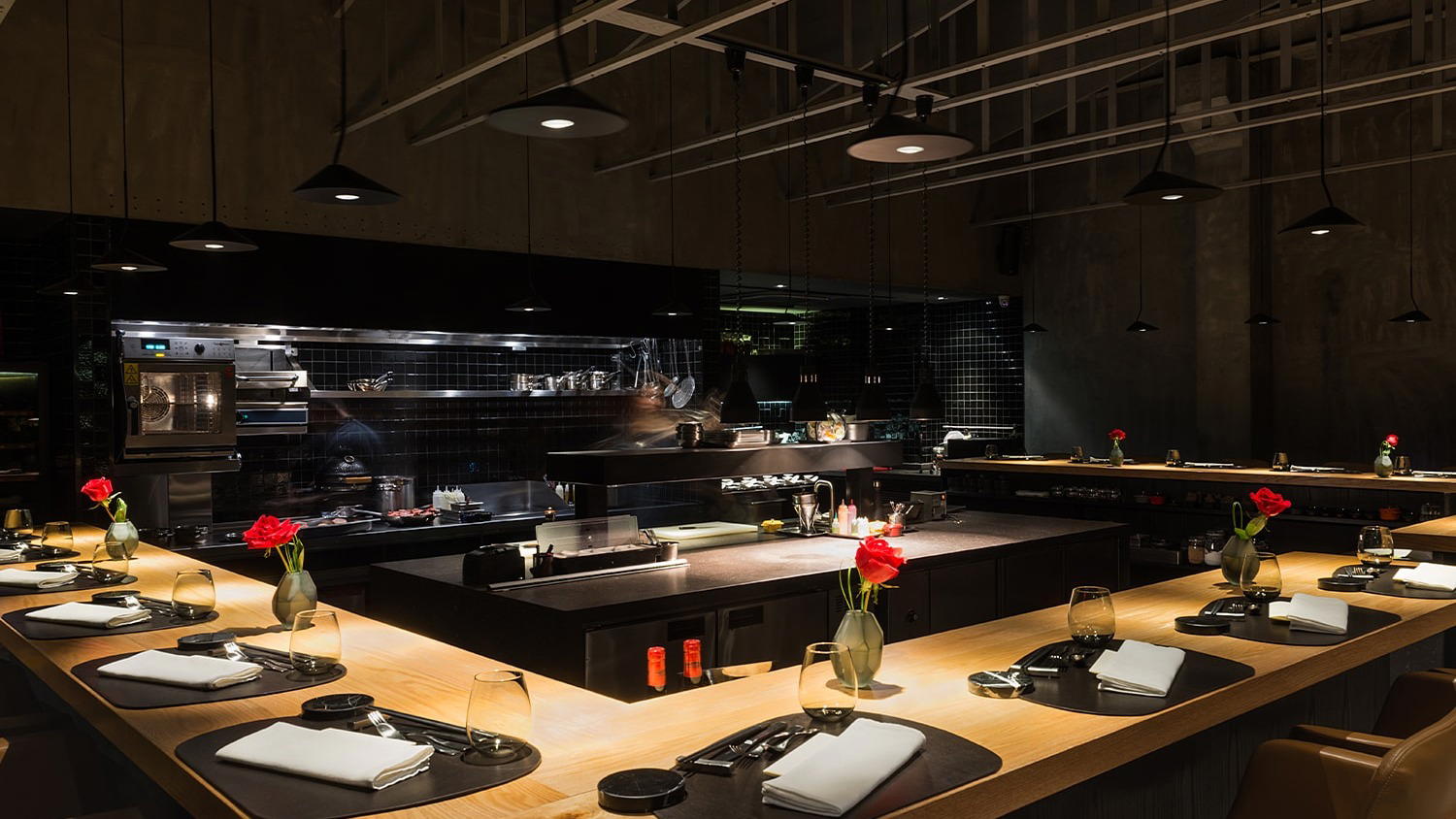
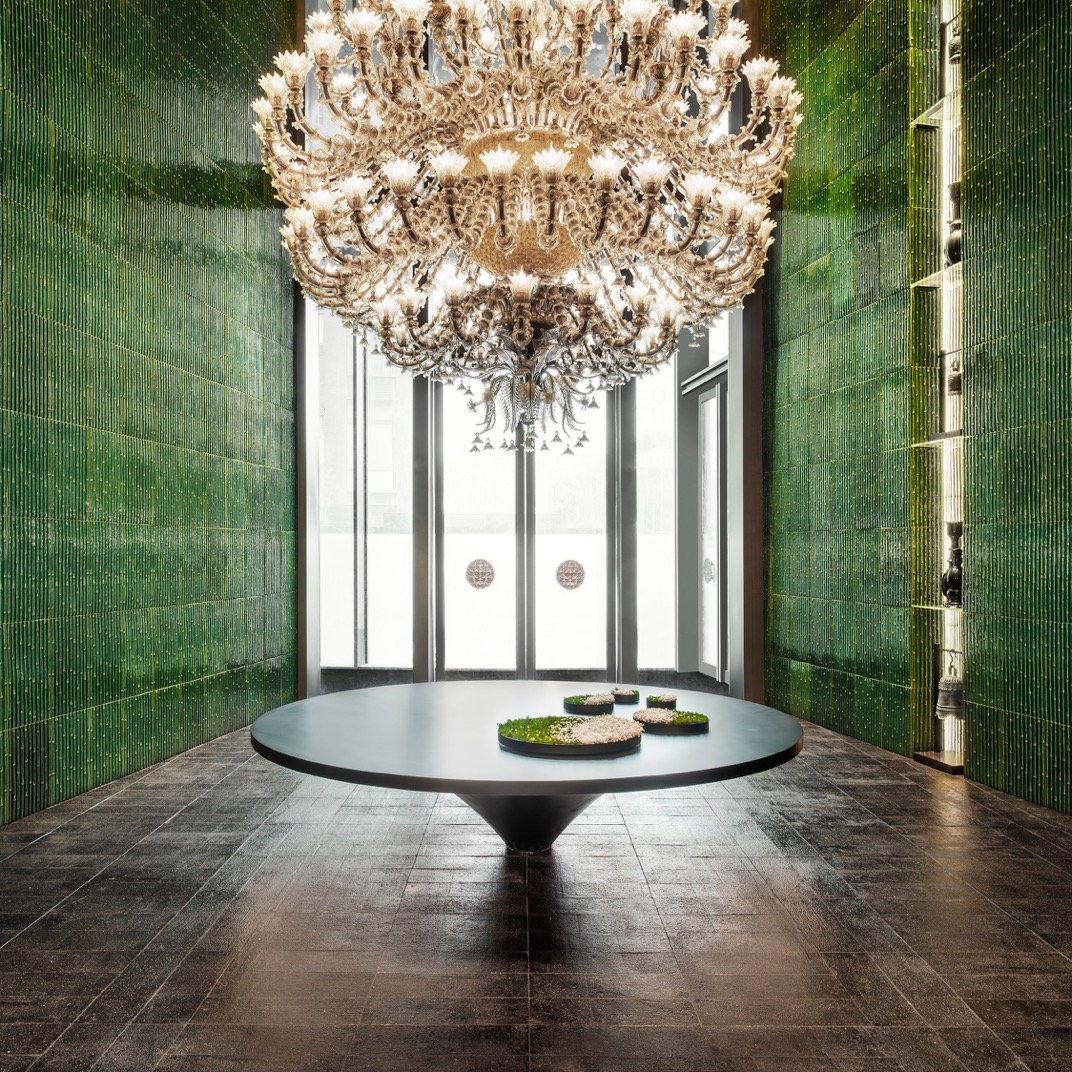
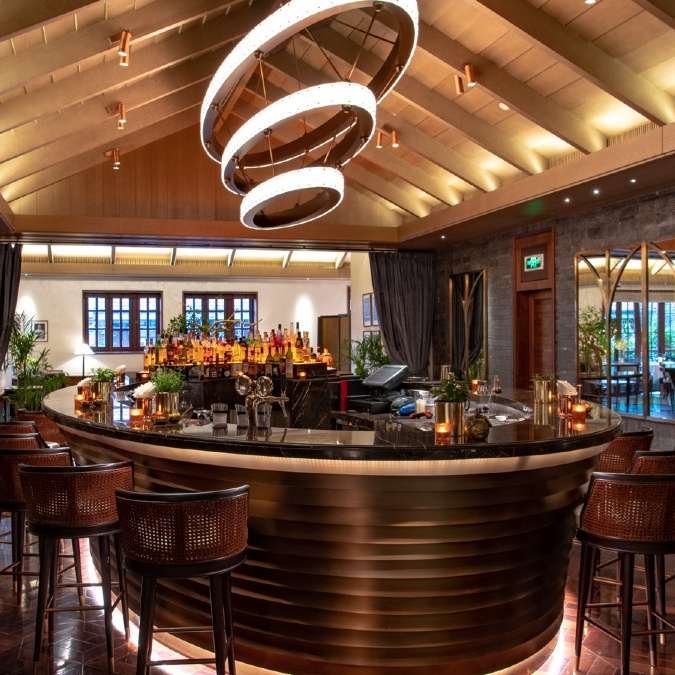
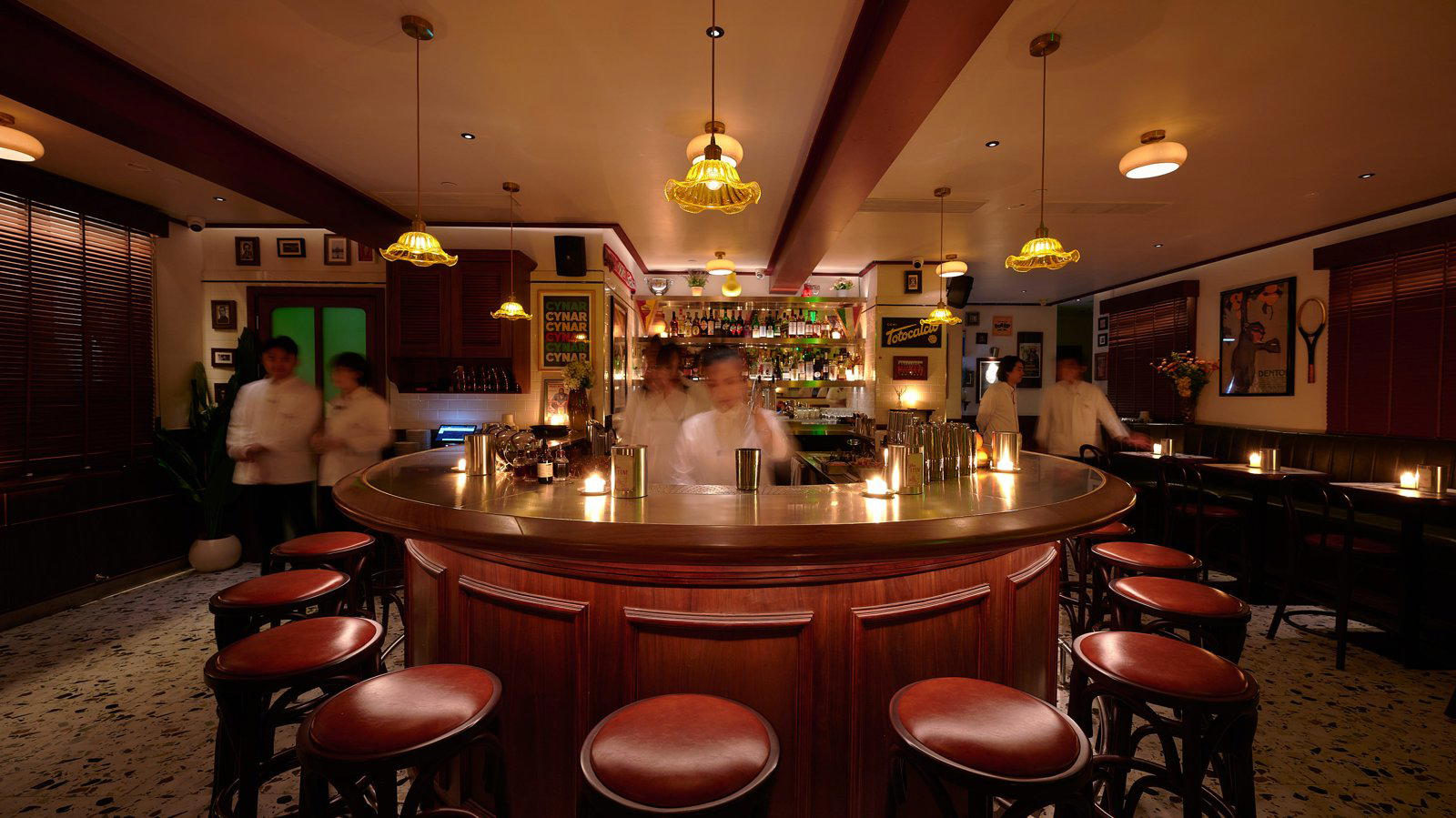
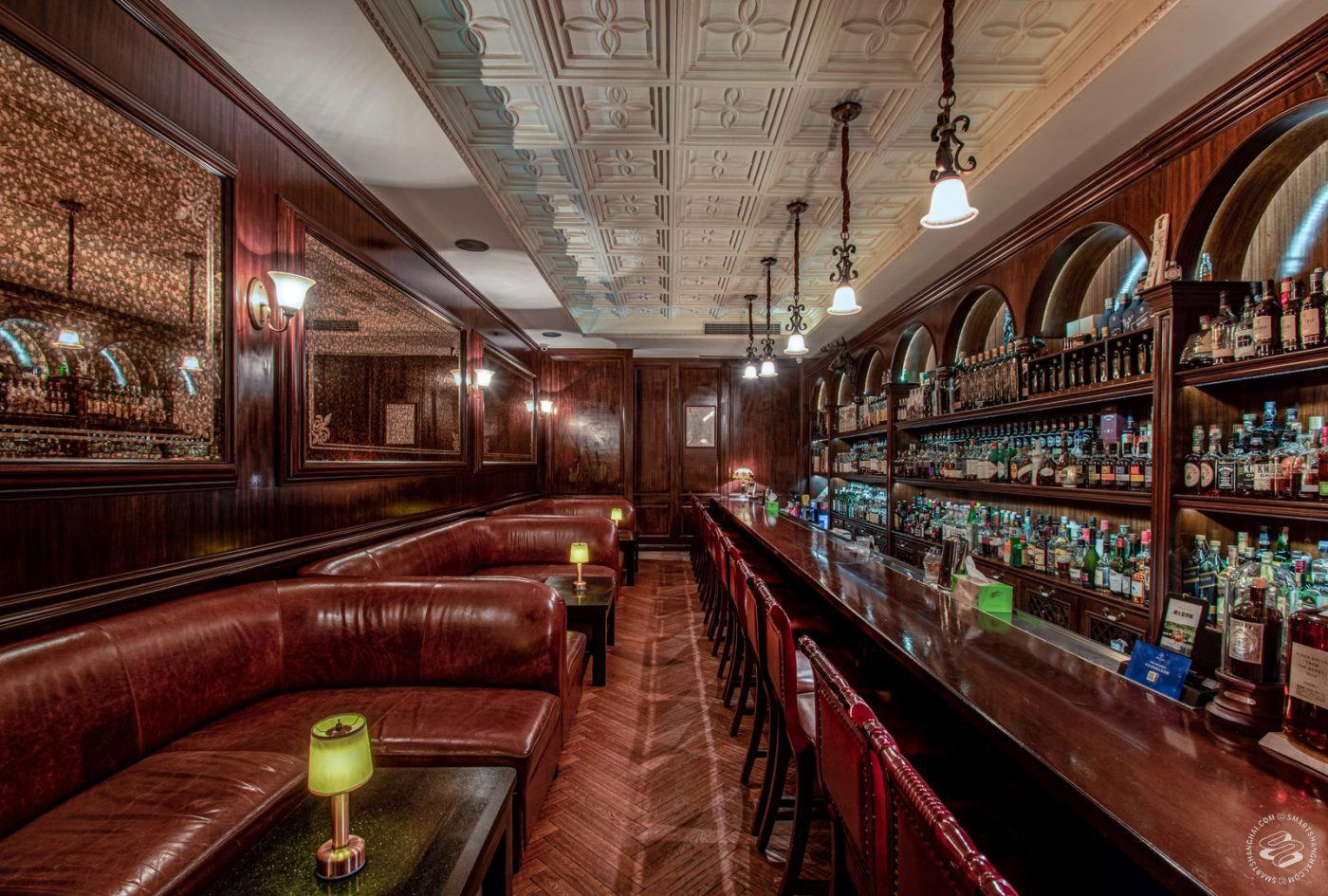
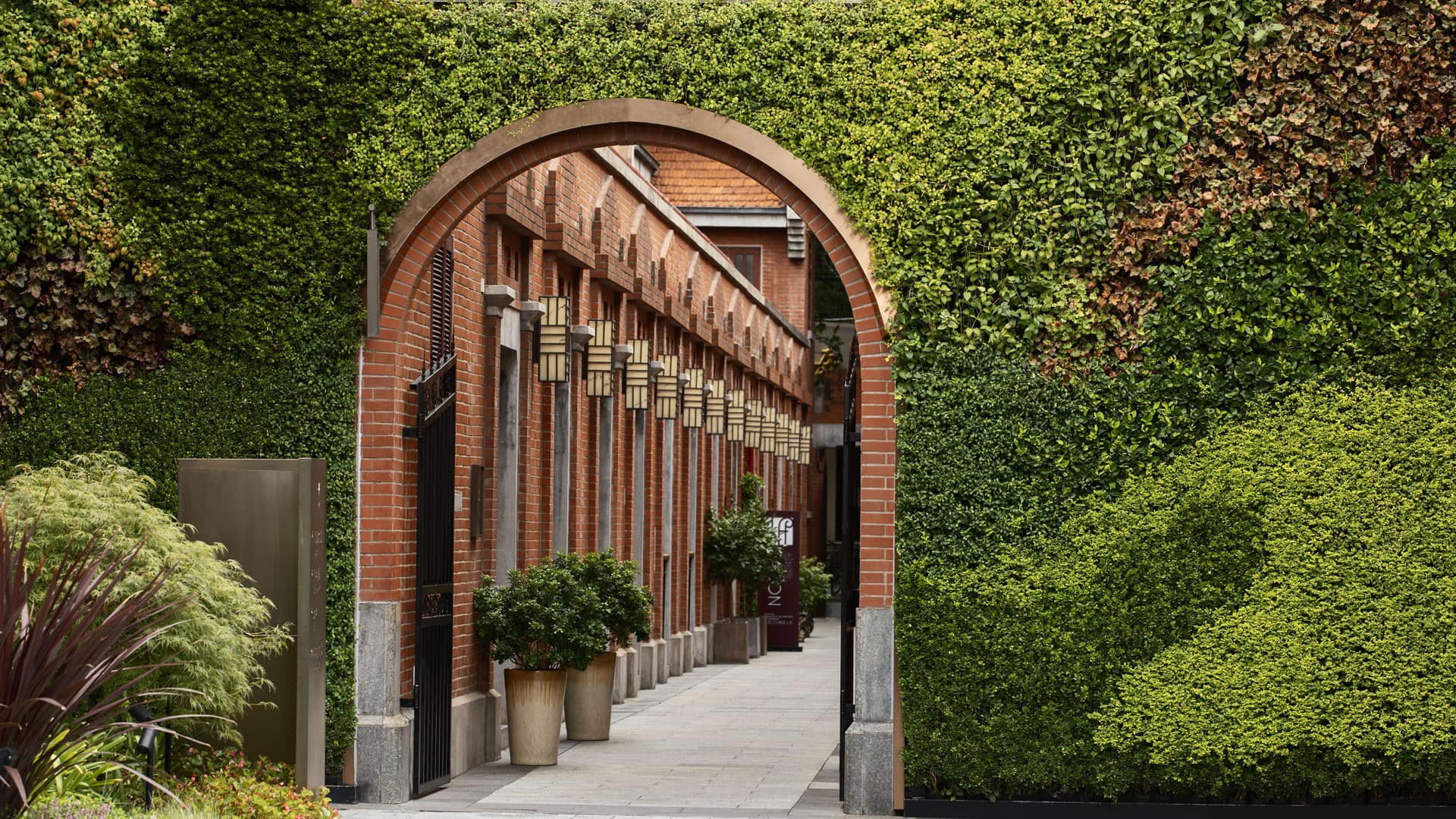
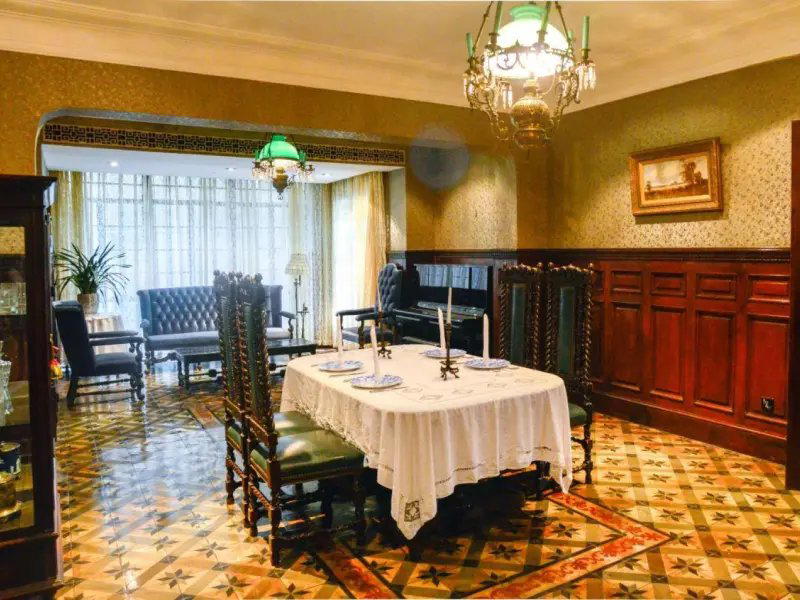
Sixteen private rooms, tiled entryways, and wood-panelled corridors set the register before a single dish arrives. The 2025 Black Pearl Diamond and 2024 Michelin Star confirm its standing in a competitive field.

Pearl is the En Primeur Club membership app — saves, bookings, and concierge access live there. Same editors, same standards.
- Address
- 375 Zhenning Rd, Chang Ning Qu, China, 200025
- Phone
- +86 21 5239 7878
- Website
- blog.remyhouse.com
- Directions
- Get directions
The menu
What to order
- Braised pork
- River shrimp
- Smoked mackerel belly
- Crab roe xiao long bao
- Cashew praline puff pastry
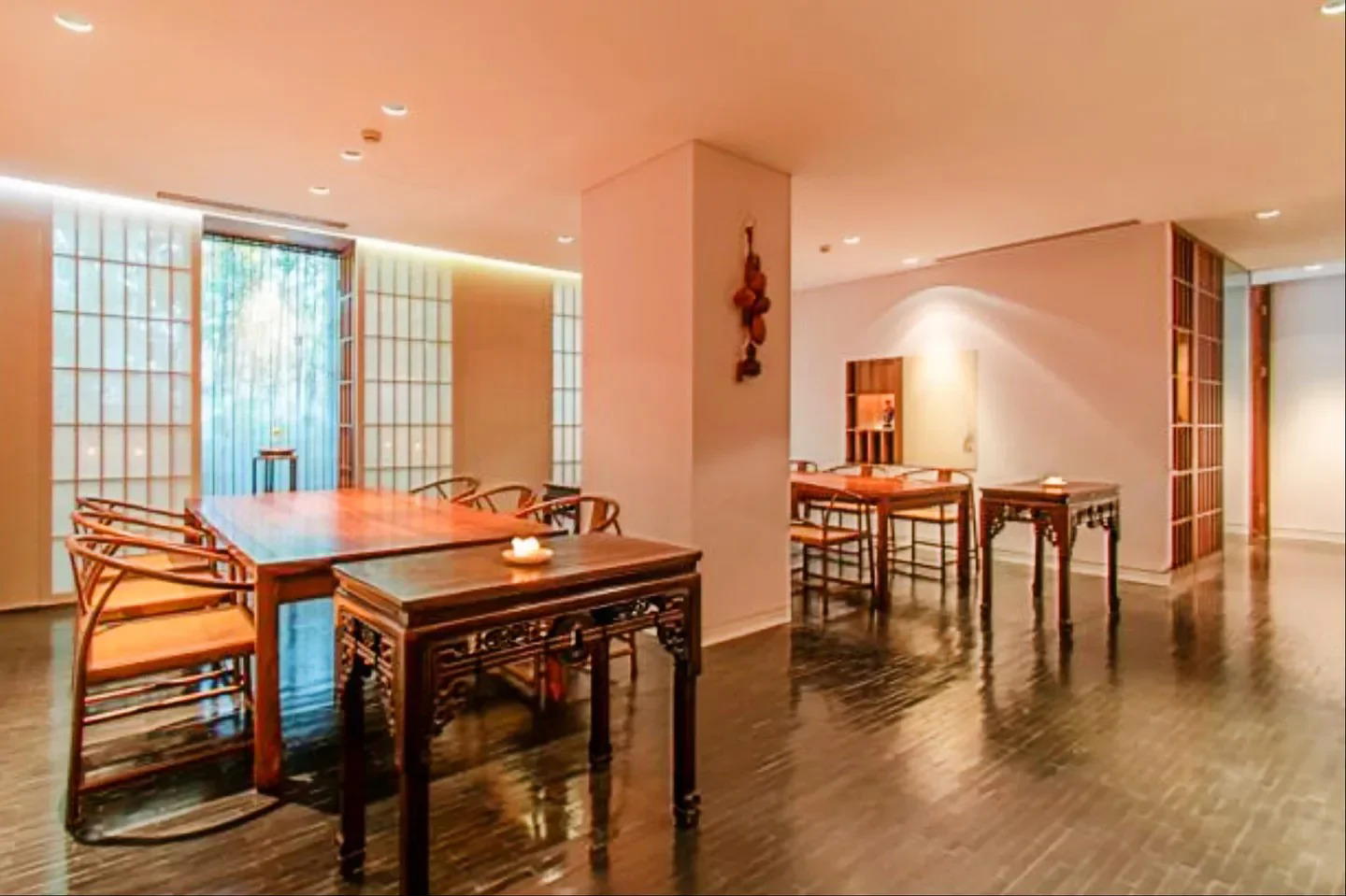
That argument carries real weight in a Shanghai restaurant scene that has spent the past two decades importing formats from abroad. Sixteen traditionally furnished private rooms, each evoking a specific strain of old Shanghai domestic life, keep the proportions intimate. The result is a dining environment closer to Cantonese private kitchen culture than to the banquet-hall Shanghainese format that persisted well into the 2000s. For context on how Shanghai's Shanghainese specialists have evolved across price tiers, see our full Shanghai restaurants guide.
Where Fu 1088 Sits in the Shanghainese Tier
Shanghainese cuisine occupies a complicated position in the city's own fine-dining conversation. Cantonese restaurants have historically dominated the formal end of Chinese restaurant culture in both Hong Kong and on the mainland, partly because Cantonese culinary technique maps more cleanly onto the European fine-dining framework that Michelin and other award bodies have used as their reference point. Shanghainese cooking, with its heavier reliance on red-braising, sweetened sauces, and seasonal freshwater ingredients, requires critics to engage on different terms.
Fu 1088 holds a 2024 Michelin Star and a 2025 Black Pearl 1 Diamond, placing it in the same formal recognition tier as Chinese restaurant peers across the region, including Xin Rong Ji (Xinyuan South Road) in Beijing and Chef Tam's Seasons in Macau. Its ¥¥¥ pricing sits at the premium but not stratospheric end of Shanghai's formal dining spectrum, making it accessible to a broader range of serious diners than, say, the ¥¥¥¥ tier occupied by venues like Fu He Hui. Among dedicated Shanghainese specialists, the roster at this level is thin. Lao Zheng Xing represents the historical tradition end of the spectrum; Fu 1015 and Fu 1039 share both a naming convention and a broadly similar positioning in the same premium-casual-to-formal register.
The Food: Where Glaze Meets Technique
While Chinese roasting traditions are most publicly associated with Cantonese char siu, Peking duck, or the lacquered whole animals of Guangdong roast-meat counters, Shanghainese cooking has its own quieter tradition of smoke, char, and controlled caramelisation. That tradition tends toward lower heat and longer application, producing results that sit closer to braised-and-finished than to the high-temperature crackle of a Cantonese roasting oven.
The smoked mackerel belly at Fu 1088 is the clearest expression of this approach in the recorded menu. Dressed in a mildly sweet glaze, it arrives crisp at the surface but retains moisture through the flesh, a result that depends on precise timing and temperature control rather than on the aggressive heat that defines Cantonese roasting. The glaze itself is a Shanghainese signature: not the dark, savoury-heavy lacquer of Peking duck skin, but something lighter and more restrained, with a sweetness that amplifies rather than masks the smoke. In regional terms, this is a dish that could not come from anywhere else on the map.
River shrimp, made to order, represent a second axis of the kitchen's philosophy. Freshwater shrimp from the Yangtze delta have been a defining ingredient of Shanghai cooking for centuries, and the preparation method, made to order rather than pre-cooked and held, signals a commitment to timing that distinguishes serious Shanghainese kitchens from volume-oriented ones. The approach is comparable in spirit to the à la minute standards applied to delicate seafood at venues like Ru Yuan in Hangzhou, where proximity to freshwater sources shapes what is expected of a kitchen working in this tradition.
The cashew praline puff pastry, consistently referenced across descriptions of the menu, occupies the dessert position in a way that reflects the Shanghainese pastry tradition more than it does European patisserie. The combination of nut praline and laminated pastry acknowledges the Shanghai-French culinary overlap of the early 20th century without deferring to it. It is an internally coherent ending to a meal built on indigenous technique. They are not simply an upgrade in comfort or privacy; they are the expected format for meals of social significance, business entertaining, or ceremonial occasion. A restaurant with sixteen private rooms, as Fu 1088 has, is structured around that expectation from the ground up, not retrofitted to accommodate it.
This matters for how the kitchen operates. Private room service requires tighter coordination between front-of-house and kitchen than open-floor service does, because the dining pace of each table is largely self-determined. The result, at its finest, is a meal that moves at the speed of the conversation rather than the speed of the kitchen's output schedule. It is a format that has significant parallels at venues like Cheng Long Hang (Huangpu) and, across the regional tier, at Imperial Treasure Fine Chinese Cuisine in Guangzhou.
For a different reading of how Shanghainese cooking travels beyond its home city, Liu Yuan Pavilion in Hong Kong and Shanghai Cuisine in Beijing both offer instructive comparisons. Each adapts the tradition to a different local market, with the compromises and clarities that implies. Fu 1088, operating on home ground, carries none of those compromises.
Other Shanghainese Worth Knowing
Within Shanghai's own formal dining tier, Ren He Guan (Xuhui) and Dai Yuet Heen in Nanjing represent adjacent points on the regional Chinese fine-dining map, useful for building a broader picture of where Shanghainese technique sits relative to its neighbours. For those extending a visit into other categories, our full Shanghai hotels guide, our full Shanghai bars guide, our full Shanghai experiences guide, and our full Shanghai wineries guide cover the full range. Xin Rong Ji in Chengdu is also worth noting for those interested in how premium Chinese restaurant groups operate across multiple cities. The ¥¥¥ price tier places it above casual Shanghainese dining but below the top tier of Shanghai's formal Chinese restaurants. Given the private room format and the venue's award standing, advance booking is strongly advisable, particularly for weekends or larger groups.
Frequently asked questions
What style of cooking does Fu 1088 do?
Where exactly is Fu 1088?
Fu 1088 is located at 375 Zhenning Rd, Chang Ning Qu, China, 200025, Shanghai.
What awards or recognition does Fu 1088 have?
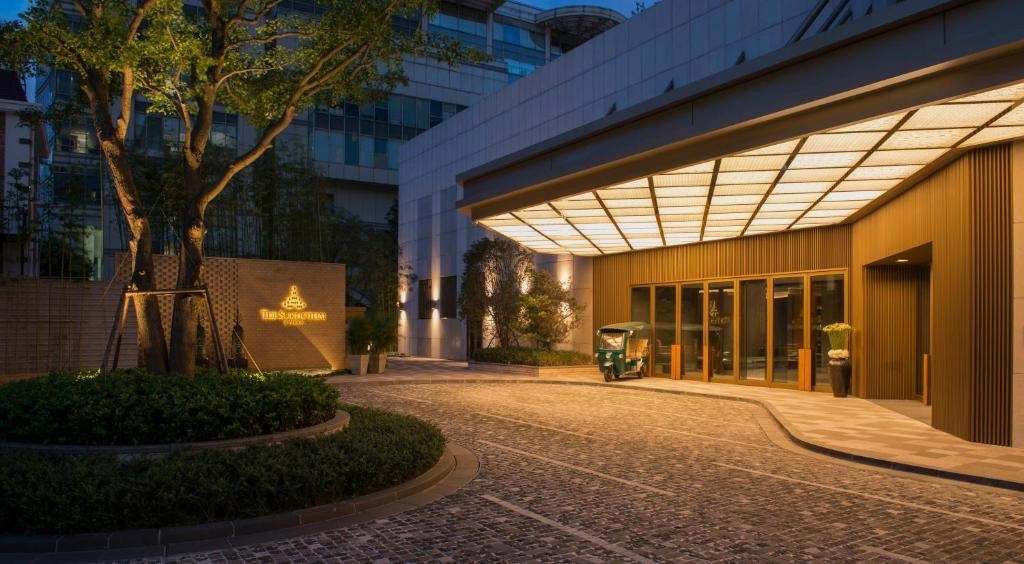
Fu 1088 has received recognition including: Black Pearl 1 Diamond (2025); A beautiful tiled entrance, wood panelling and striking light fittings are just some of the original features of this 1920s townhouse. Its 16 traditionally furnished private rooms evoke old Shanghai charm. The ….
What do regulars order at Fu 1088?
The smoked mackerel belly, finished with a mildly sweet glaze, is consistently cited as a signature: the skin crisps while the flesh stays juicy. The river shrimp, prepared to order, and the cashew praline puff pastry round out the dishes most closely associated with the kitchen's identity. Both are referenced in the Black Pearl and Michelin recognition the restaurant holds.
How much does it cost to eat at Fu 1088?
Pricing at Fu 1088 is listed as ¥¥¥.
Do I need a reservation for Fu 1088?
Yes. Fu 1088 carries a 2024 Michelin Star and a 2025 Black Pearl 1 Diamond, and its sixteen private rooms represent a fixed capacity that fills accordingly. Walk-ins are not a practical option at this tier. Booking ahead is advisable, particularly for weekend evenings.
How It Stacks Up
Comparable options at a glance, pulled from our tracked venues.
| Venue | Cuisine | Price | Awards | Notes |
|---|---|---|---|---|
| Fu 1088This venue — the venue you are viewing | Shanghainese | $50–100 | 1 Michelin Star · Black Pearl 1 Diamond | Not listed |
| Fu He Hui | Modern Seasonal Vegetarian Fine Dining | $200–300 | 2 Michelin Stars · World's 50 Best #11 | Vegetarian |
| Ming Court | Cantonese with Shanghainese Influences | $30–50 | 1 Michelin Star · Black Pearl 1 Diamond | Cantonese |
| Polux | French Bistro | $30–50 | Michelin Bib Gourmand | French |
| Royal China Club | Modern Cantonese fine dining | $50–100 | Michelin Plate | Chinese, Cantonese |
| Scarpetta | Refined Italian Pasta & Pizza | $50–100 | Michelin Plate · Wine Spectator Best of Award of Excellence | Italian |
Recognition history
Dated appearances from independent guides and award organizations, with the underlying list record or original source where available.
Michelin 1 Star
Michelin
Black Pearl 1 Diamond
Black Pearl
Full recognition history (5 entries)
Black Pearl 1 Diamond
Black Pearl
Michelin 1 Star
Michelin
Michelin 1 Star
Michelin