


1 Michelin Star · SCMP 100 Top Tables Restaurants
Our verdict
A Michelin one-starred Cantonese kitchen operating since 1990 inside Eaton HK on Nathan Road, Yat Tung Heen holds its ground in Jordan's mid-tier dining scene with dim sum, barbecued meats, and slow-boiled soups priced well below the harbour-view flagships.

Pearl is the En Primeur Club membership app, where members save venues, book tables and use the concierge.
Jordan's Cantonese Counter-Argument
The deeper you push into Kowloon along Nathan Road, the more the dining scene sheds its tourist-facing polish and settles into something more functional and local. Jordan sits at that inflection point: a neighbourhood where Cantonese cooking is expected to work hard and cost less than the harbour-front rooms, and where a Michelin star in the mid-price tier ($$) carries a different implication than it does in Tsim Sha Tsui or Central. Yat Tung Heen, located on Level B2 of Eaton HK at 380 Nathan Road, occupies that position deliberately. It is not competing with Lung King Heen or Lai Ching Heen for the four-figure banquet market. It is making a different case: that the traditional Cantonese meal format, executed with discipline over decades, can earn recognition on its own terms at a fraction of the price.
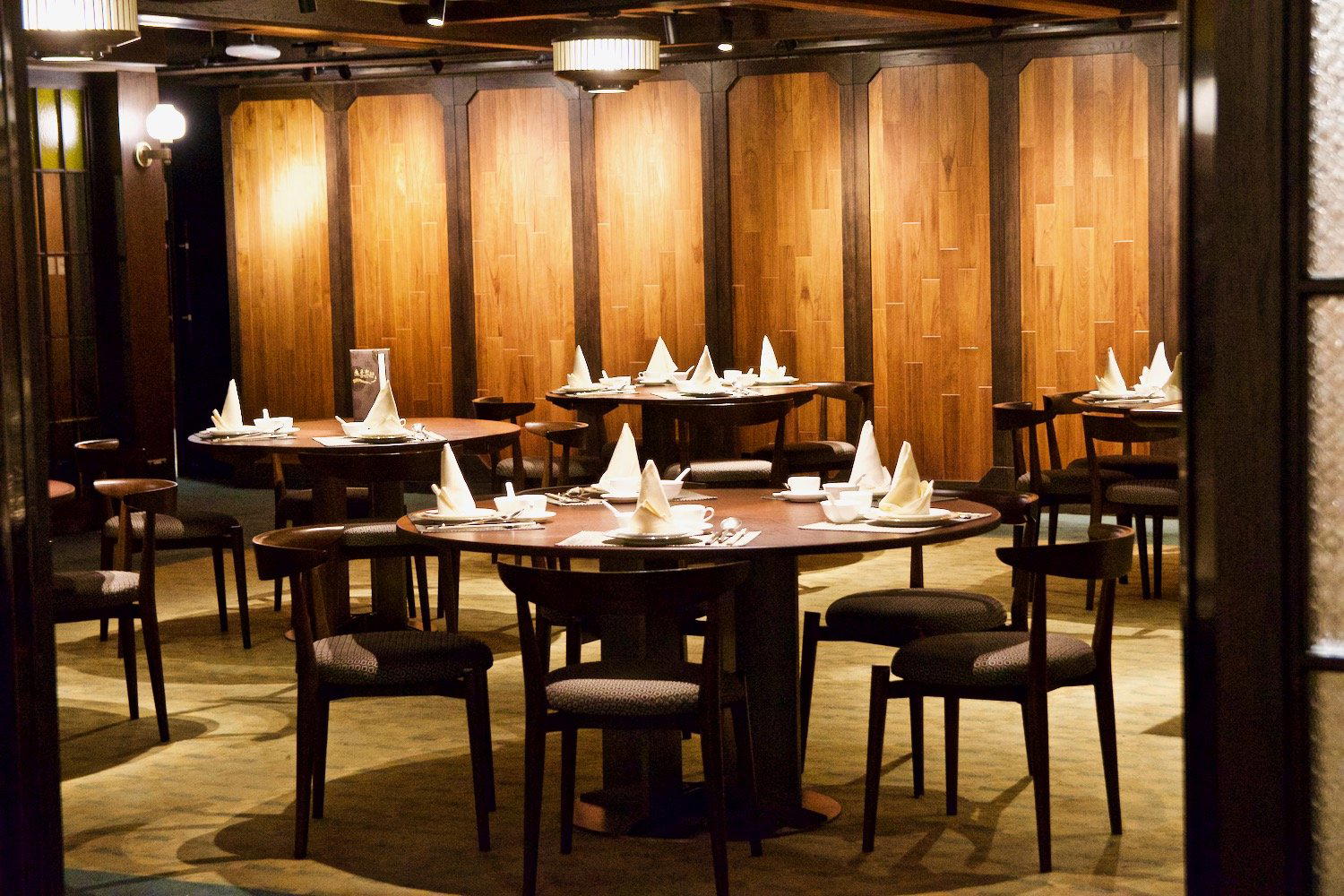
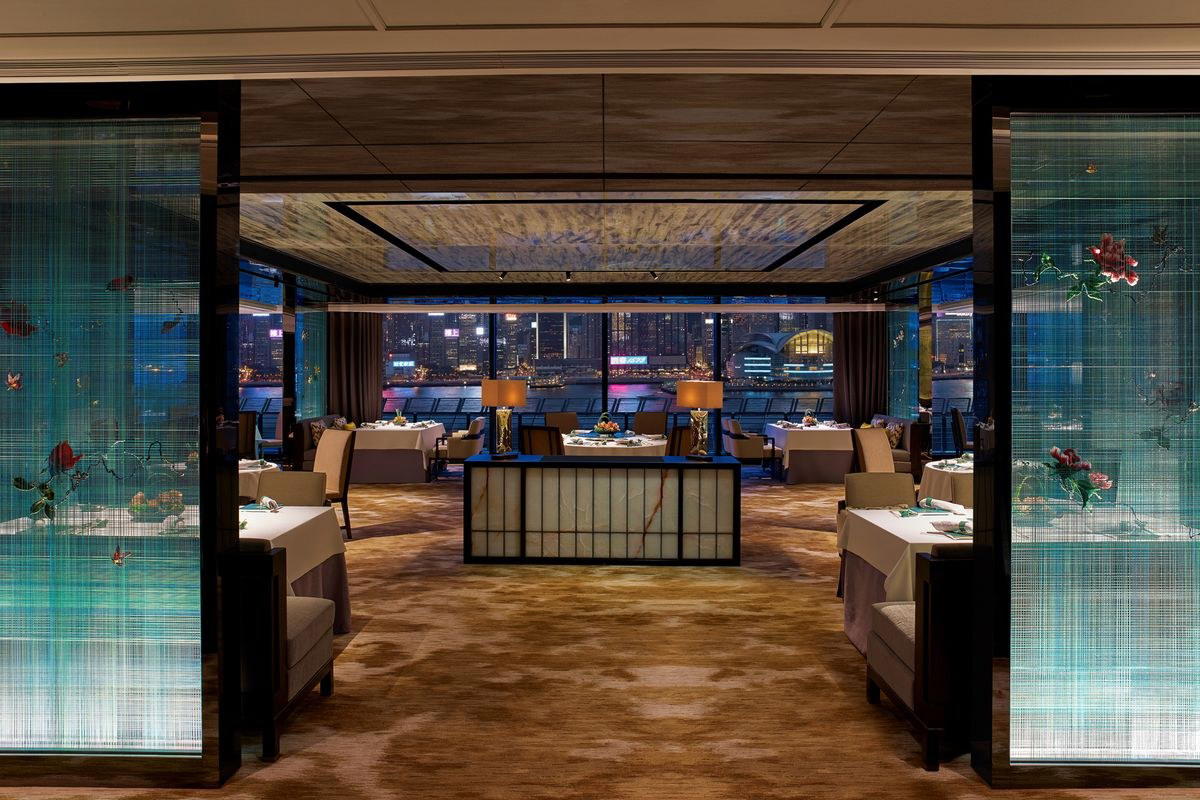
The dining room reflects a deliberate step away from the conventional hotel-restaurant aesthetic. Dark wainscoting and considered lighting replace the bright, tablecloth-heavy formality that once defined hotel Cantonese rooms. For a kitchen that has been running continuously since 1990, the room feels less like a heritage institution frozen in time and more like a space that has made a conscious choice about what atmosphere serves its food leading.
The Ritual of the Cantonese Meal
Cantonese dining has its own internal grammar, and Yat Tung Heen is a useful room in which to read it. The meal here does not follow a European progression of courses; it follows the logic of shared abundance, communal pacing, and ingredient-led simplicity. The kitchen team, working from a tradition established over more than three decades, focuses on what Cantonese cooking has always insisted upon: letting the ingredient carry the dish rather than obscuring it with technique or seasoning.
Dim sum is the clearest expression of this philosophy as a social ritual. The midday service, running from 11 AM on weekdays and 10 AM on weekends, is where the room operates at its most characteristically Cantonese. Steamed, fried, and baked pieces arrive in sequence; the table fills and empties in waves; conversation runs alongside eating rather than pausing for it. This is not a tasting-menu format designed for contemplation. It is a format designed for participation. The weekend 10 AM opening reflects that reality: Saturday and Sunday dim sum in Hong Kong functions as extended family time, and the earlier start accommodates it.
Barbecued meats represent a second pillar of the kitchen's identity. In traditional Cantonese roasting, the technique is the signature: the char on the skin of a roast duck, the lacquered surface of the honey-glazed pork, the precise rendering of fat against lean in a slab of siu yuk. These are dishes that reward repetition because regulars learn to read quality through texture and colour rather than description. The kitchen here has been producing them long enough that consistency is the point.
The slow-boiled soup of the day is the element most likely to surprise visitors unfamiliar with the tradition. In Cantonese cooking, soup is not a starter or an afterthought; it is a considered component with a specific purpose, often framed around health properties tied to seasonal ingredients. The soup changes, reflects the season and the market, and carries meaning that a fixed menu cannot replicate. Seasonal offerings sit alongside the standard menu for the same reason: a Cantonese kitchen that ignores the season is operating below its own standard.
Where This Kitchen Sits in Hong Kong's Cantonese Tier
Hong Kong's Cantonese dining scene operates across a wider price range than any other city. At one end, three-Michelin-starred rooms like Lung King Heen and Lai Ching Heen price against international fine-dining peers. Closer to Yat Tung Heen's price tier, Forum has historically represented a different kind of prestige, built on specific technique and long-standing reputation rather than hotel infrastructure. T'ang Court and Rùn occupy their own positions within the hotel-Cantonese bracket.
What Yat Tung Heen demonstrates is that a one-star kitchen operating at $$ pricing is not a compromise, it is a specific editorial choice by Michelin about where consistent, traditional Cantonese cooking deserves recognition regardless of room rates or address prestige. That score, across nearly 1,800 data points, does not reflect occasional viral visits; it reflects a dining room that delivers reliably to a broad range of guests over time.
Cantonese cooking has spread across the region in forms that adapt to local conditions. Jade Dragon in Macau and Chef Tam's Seasons represent the direction in which the cuisine moves when it targets the high-end resort market. Le Palais in Taipei shows what happens when classical Cantonese technique meets a Taiwanese audience. In Shanghai, kitchens like 102 House, Bao Li Xuan, Canton 8 (Huangpu), and Imperial Treasure Fine Chinese Cuisine move through the same tension between fidelity to Cantonese tradition and the expectations of a non-Cantonese city. Summer Pavilion in Singapore extends that regional picture further. Against all of these, Yat Tung Heen reads as one of the cleaner expressions of the form in its original context: a Hong Kong kitchen serving Hong Kong Cantonese food to an audience that has grown up eating it.
Planning Your Visit
Yat Tung Heen is located at Level B2, Eaton HK, 380 Nathan Road, Jordan, Kowloon. The Jordan MTR station (Exit D) puts you within short walking distance, making access from across Hong Kong direct. Hours: Monday to Friday 11 AM–4 PM and 6 PM–10:30 PM; Saturday and Sunday 10 AM–4 PM and 6 PM–10:30 PM. Budget: Mid-range ($$), positioning it well below Hong Kong's starred hotel-Cantonese flagship tier. Reservations:Dress: No dress code confirmed; the hotel-basement setting and mid-price positioning suggest smart-casual is appropriate. For broader planning across the city, see our full Hong Kong restaurants guide, our full Hong Kong hotels guide, our full Hong Kong bars guide, our full Hong Kong wineries guide, and our full Hong Kong experiences guide.
Frequently asked questions
Can I bring kids to Yat Tung Heen?
Is Yat Tung Heen formal or casual?
What do regulars order at Yat Tung Heen?
Price and Positioning
A short peer table to compare basics side-by-side.
| Venue | Cuisine | Price | Awards | Notes |
|---|---|---|---|---|
| Yat Tung HeenThis venue (the venue you are viewing) | Cantonese Dim Sum | Not listed | 1 Michelin Star · SCMP 100 Top Tables Restaurants | Not listed |
| 8 1/2 Otto e Mezzo Bombana (Hong Kong) | 3 Michelin-Star Italian Fine Dining | $200–300 | 3 Michelin Stars · World's 50 Best #94 | Italian |
| Ta Vie | Modern French-Japanese Fine Dining | $300–500 | 3 Michelin Stars · World's 50 Best #68 | Japanese - French, Innovative |
| Caprice | Contemporary French Fine Dining | $200–300 | 3 Michelin Stars · World's 50 Best #35 | French, French Contemporary |
| Feuille | Modern Vegetable-Forward French | $200–300 | 1 Michelin Star · World's 50 Best #93 | French Contemporary |
| Neighborhood | Modern French with Asian Influences | $50–100 | 1 Michelin Star · World's 50 Best #24 | International, European Contemporary |
Recognition history
Dated appearances from independent guides and award organizations, with the underlying list record or original source where available.
Michelin 1 Star
Michelin
Opinionated About Dining Top Restaurants in Asia Recommended
Opinionated About Dining
SCMP 100 Top Tables Restaurants
SCMP 100 Top Tables
Full recognition history (5 entries)
Michelin 1 Star
Michelin
Michelin 1 Star
Michelin
Continue exploring
More in Hong Kong
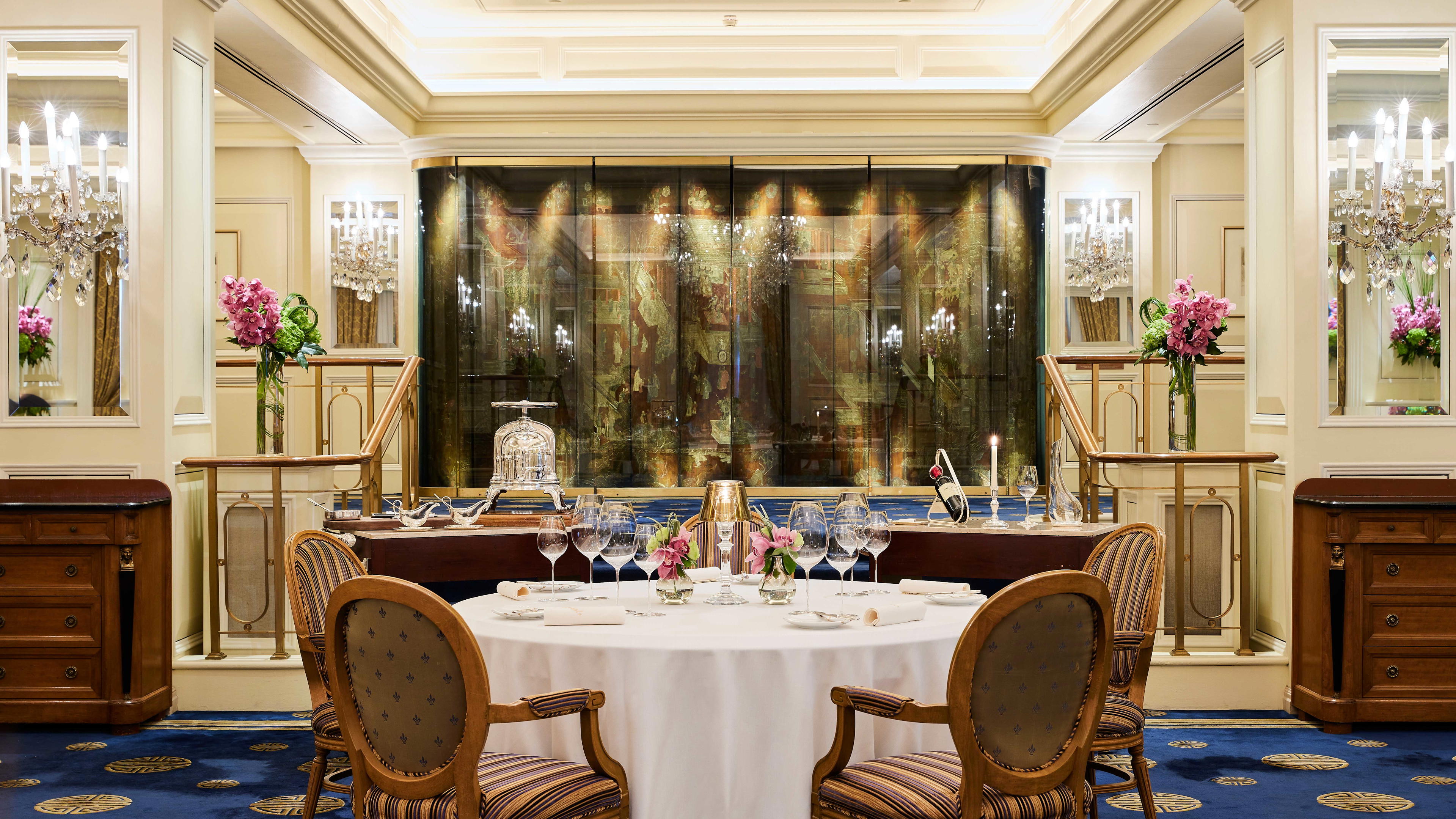
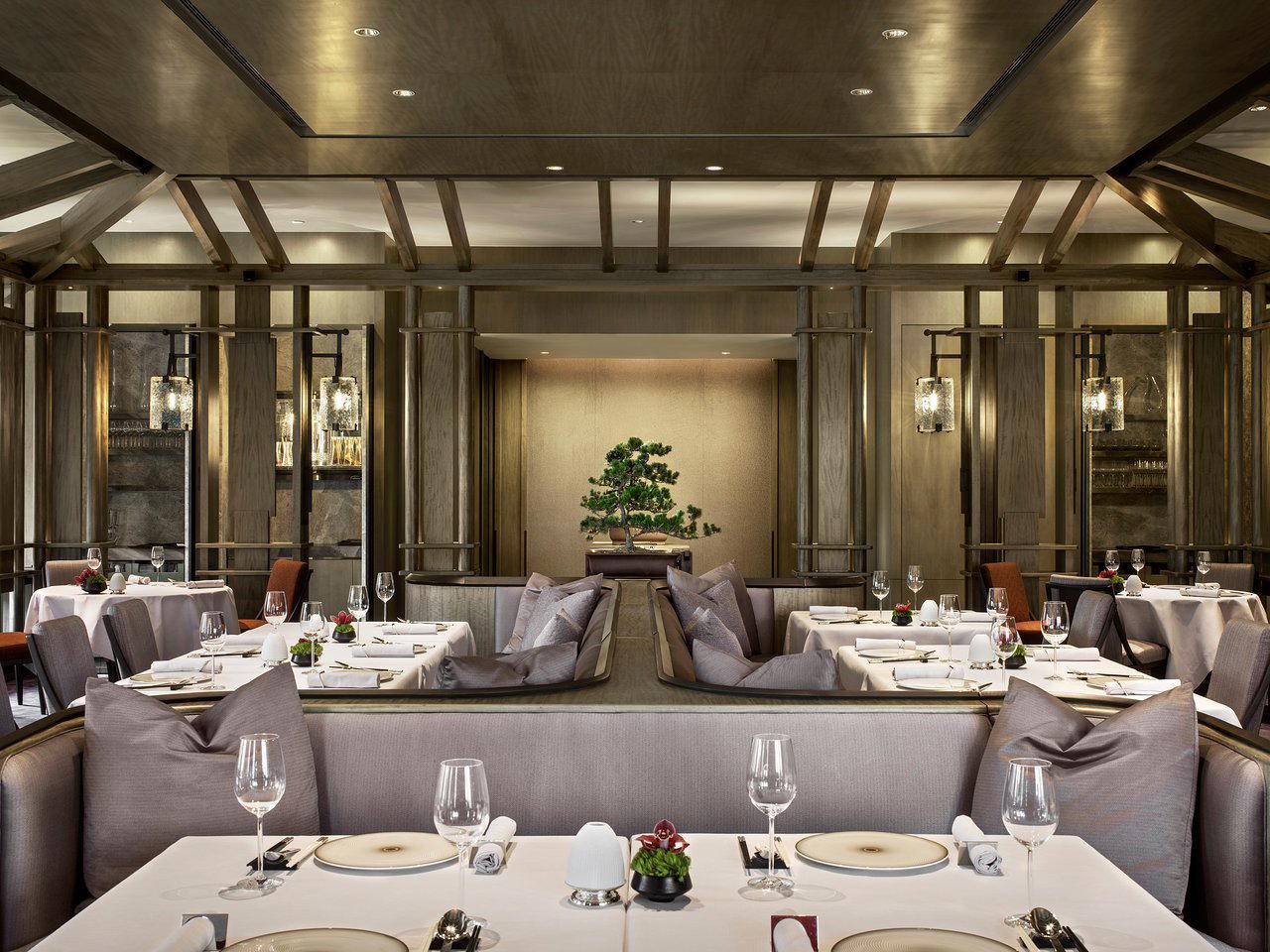
Restaurants in Hong Kong
All restaurants in Hong Kong →
Bars in Hong Kong
All bars in Hong Kong →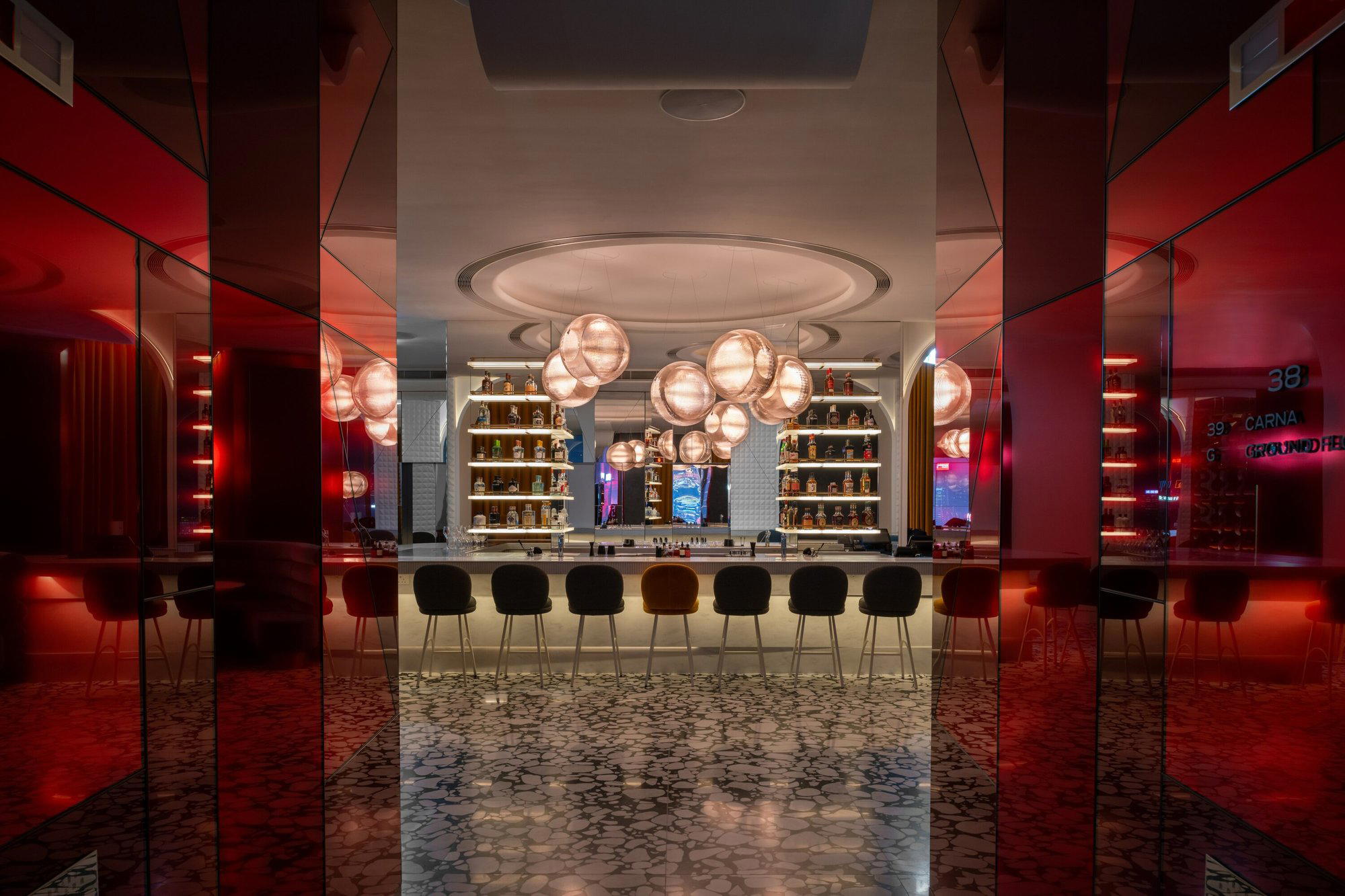
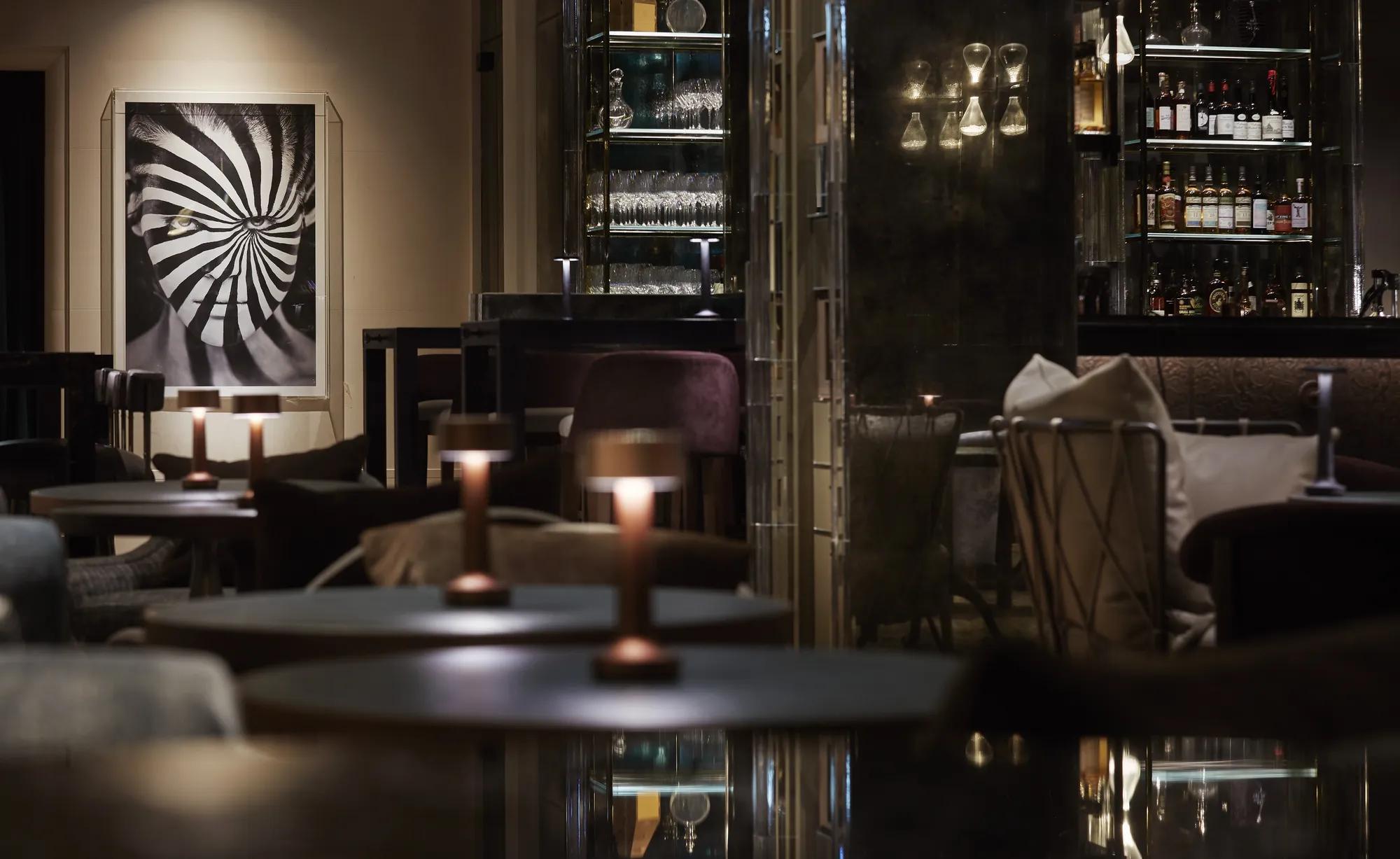
Hotels in Hong Kong
All hotels in Hong Kong →
Wineries in Hong Kong
All wineries in Hong Kong →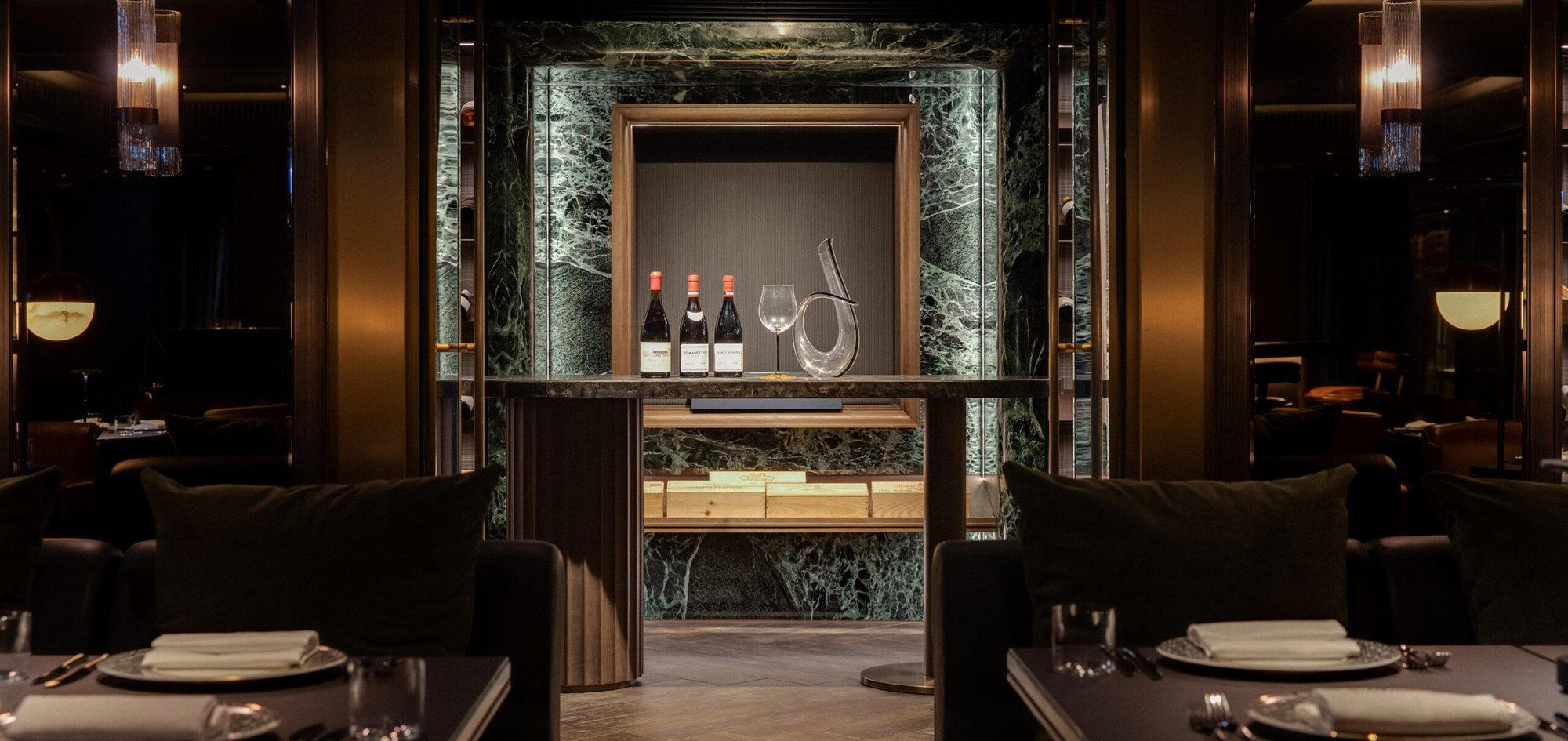
Details
- Elegant
- Classic
- Sophisticated
- Business Dinner
- Family
- Celebration
- Special Occasion
- Hotel Restaurant
- A La Carte
- Set Menu
- Vegetarian Friendly
Current opening hours
- Monday
- 11 AM–4 PM, 6–10:30 PM
- Tuesday
- 11 AM–4 PM, 6–10:30 PM
- Wednesday
- 11 AM–4 PM, 6–10:30 PM
- Thursday
- 11 AM–4 PM, 6–10:30 PM
- Friday
- 11 AM–4 PM, 6–10:30 PM
- Saturday
- 10 AM–4 PM, 6–10:30 PM
- Sunday
- 10 AM–4 PM, 6–10:30 PM
Hours can change for holidays and private events. Hours as of .
Refined and classic hotel-restaurant atmosphere with a polished, upscale feel.