Michelin Plate
Our verdict
Occupying the 43rd to 45th floors of Gloucester Tower in Central, The Merchants holds consecutive Michelin Plate recognition (2024 and 2025) for its Shanghainese kitchen. The cooking sits within Hong Kong's established tradition of transplanted mainland regional cuisine, with the Landmark address placing it firmly at the upper end of the price tier..

Pearl is the En Primeur Club membership app — saves, bookings, and concierge access live there. Same editors, same standards.
- Address
- 43-45/F, FORTY-FIVE, Gloucester Tower, Landmark, 15 Queen's Road Central, Central, Hong Kong
- Phone
- +852 2155 4141
- Hours
- Daily 12–3 PM, 6–11 PM
- Website
- themerchantshk.com
- Directions
- Get directions
The menu
What to order
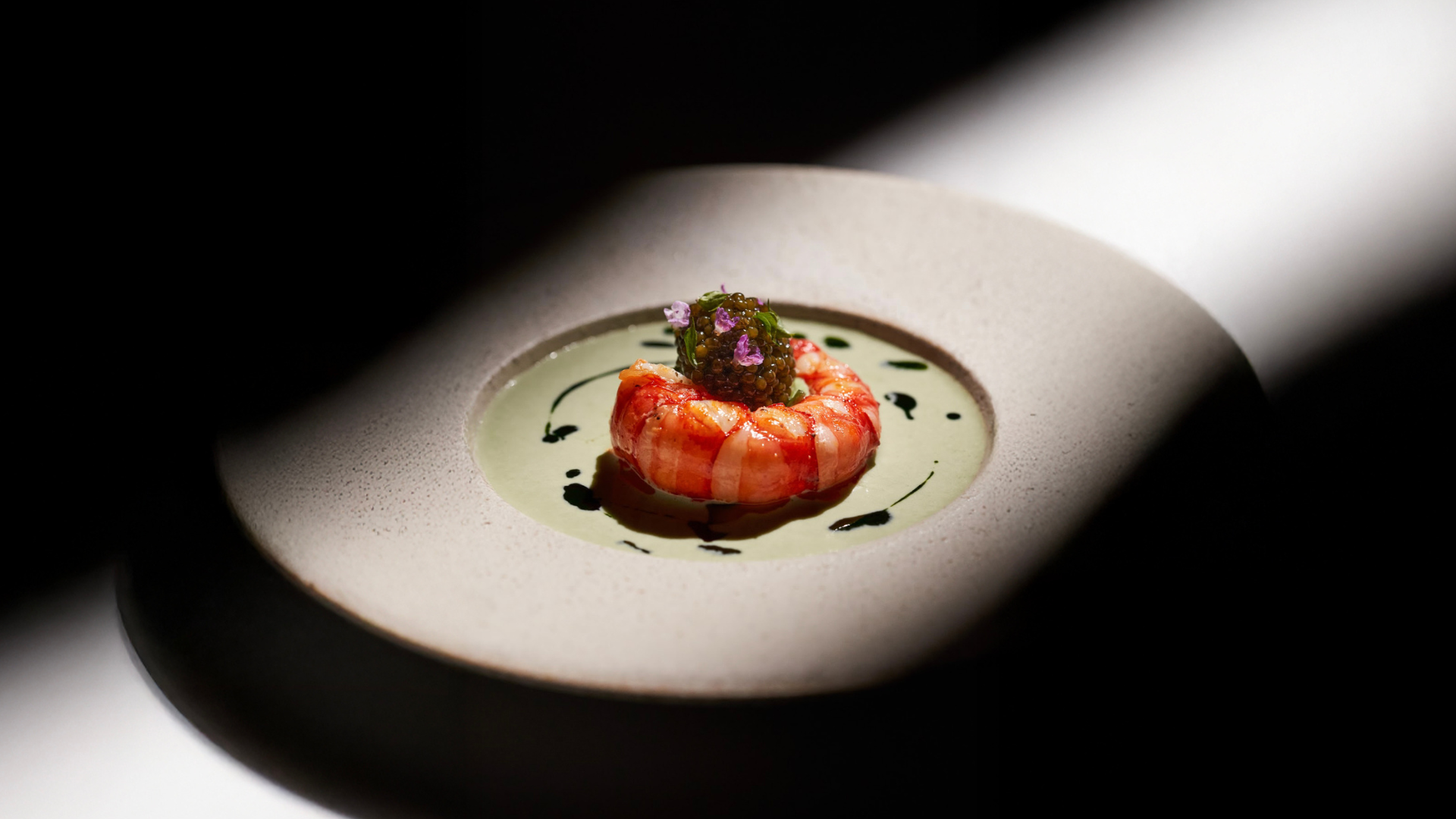
- Jasmine Tea-Smoked Duck
- Osmanthus Honey Glazed Jinhua Ham
- Stir-fried Shredded Mandarin Fish
- Drunken Crab with 25-year Hua Diao Wine
- Lion’s Head Meatball
High Above Central, an Older China at the Table
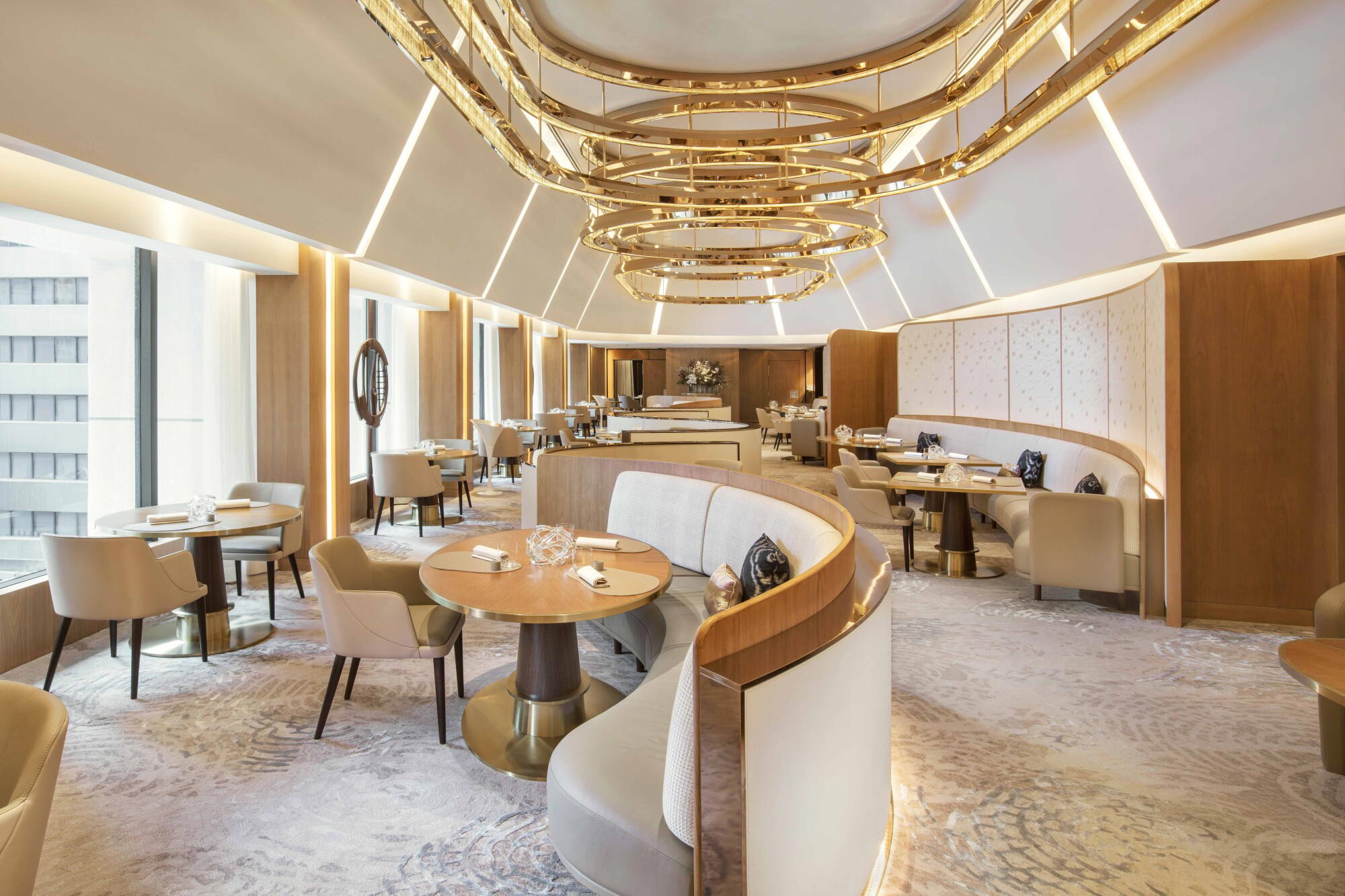
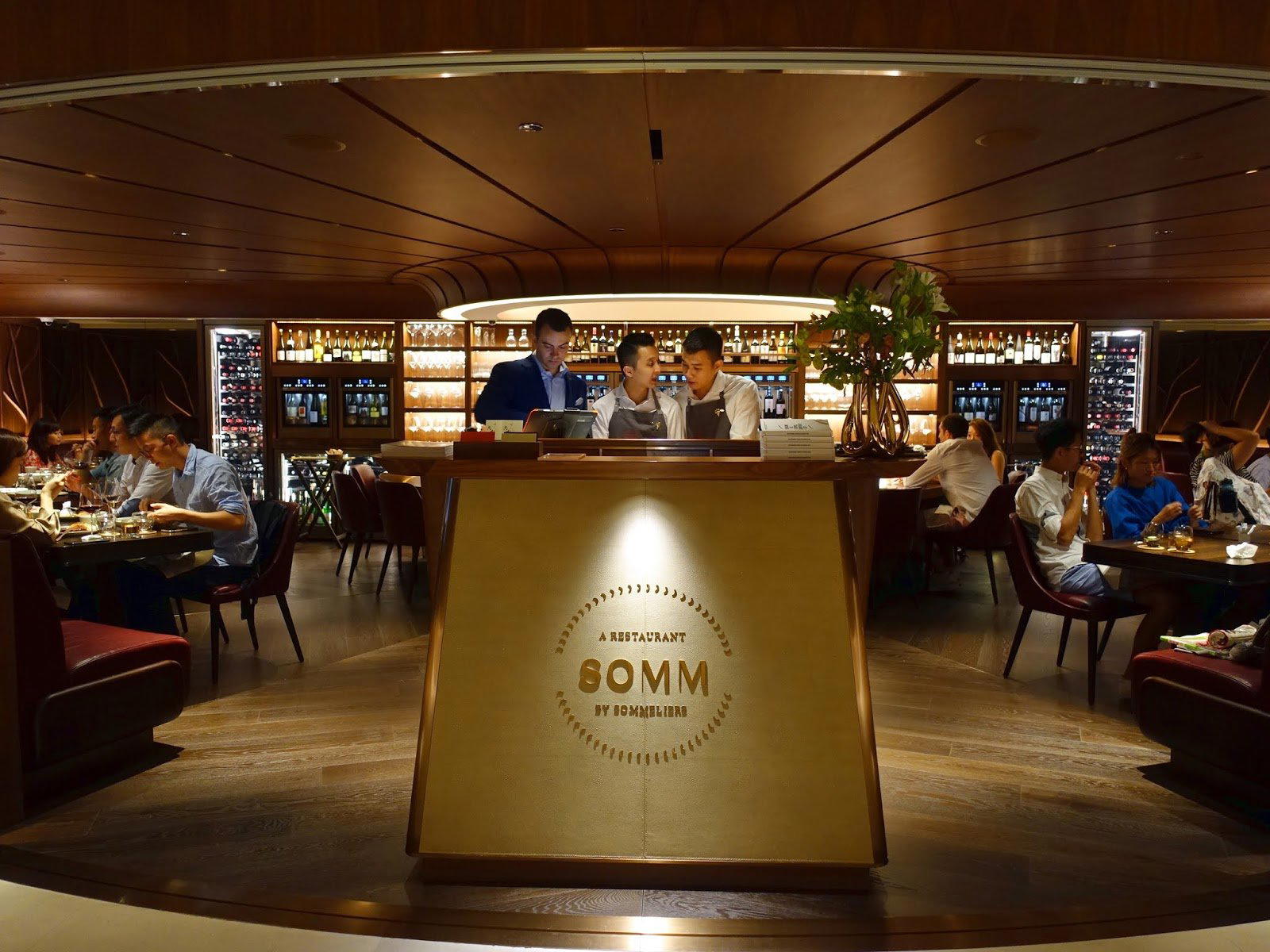
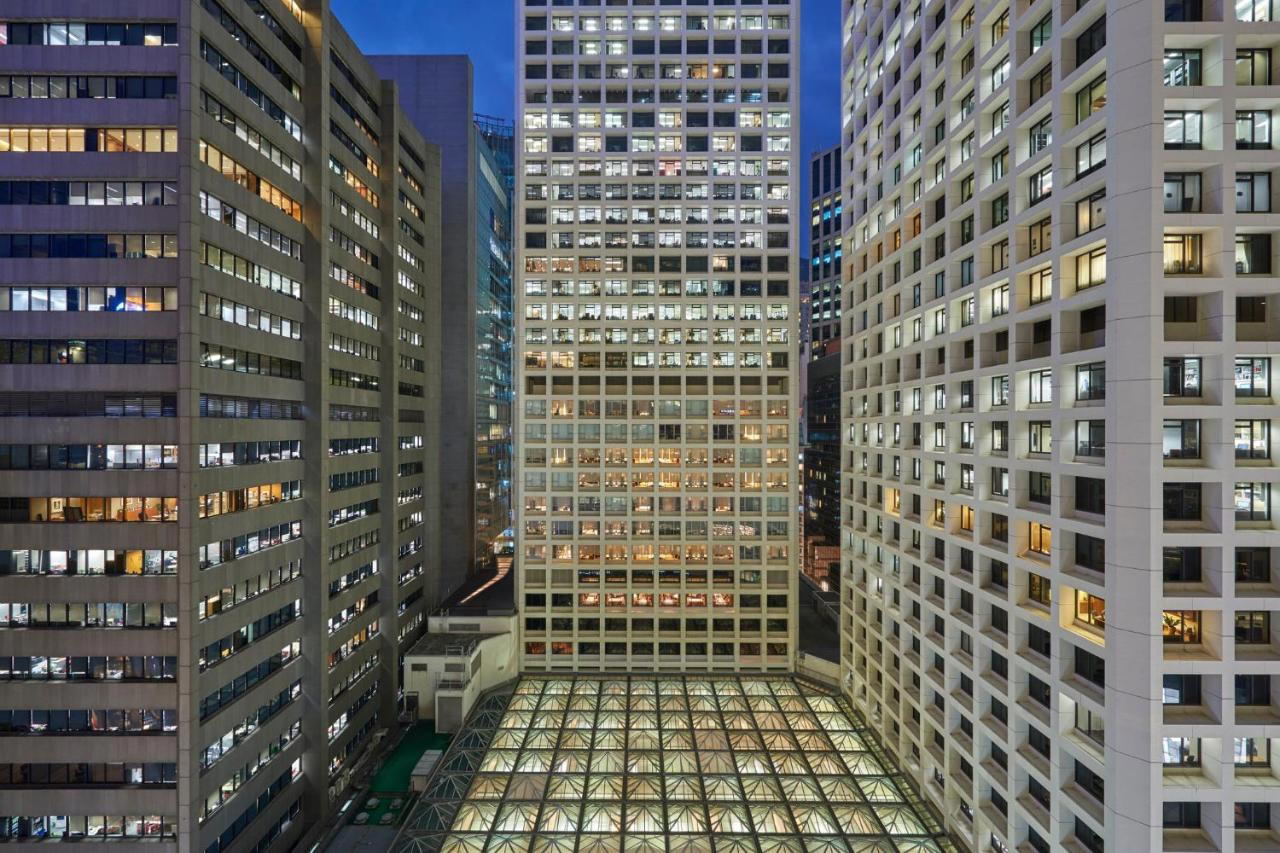
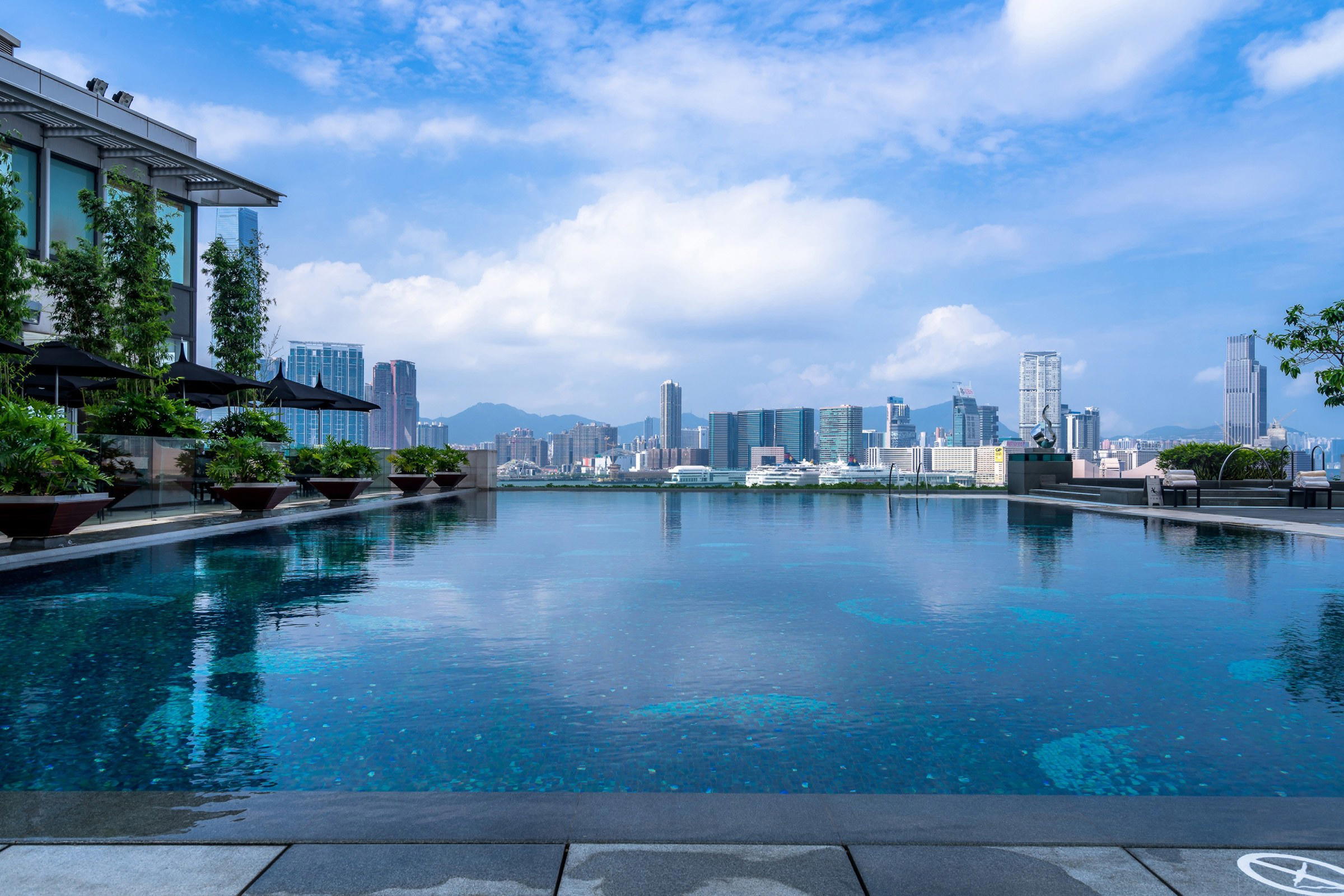
Hong Kong's Central district has always been a place where altitude and address carry meaning. The upper floors of Gloucester Tower, part of the Landmark complex on Queen's Road Central, position a restaurant before a single dish arrives: you are somewhere deliberate, somewhere that expects to be taken seriously. The Merchants occupies floors 43 to 45 of that building, and the panoramic situation over the harbour and the mid-levels is, by any measure, doing editorial work before the menu opens.
What the room frames is a cuisine that pre-dates Hong Kong's own culinary identity. Shanghainese food, with its preference for slow-braised proteins, sugar-balanced soy reductions, and the kind of patient construction that can take days before service, arrived in Hong Kong in waves through the twentieth century, carried by migrants from the Yangtze Delta. The Merchants sits within that long tradition, and understanding the cooking means understanding what Shanghainese cuisine actually demands of a kitchen: time, discipline, and a willingness to let sweetness and salinity work in counterpoint rather than competition.
The Shanghainese Register in a City of Cantonese Dominance
Hong Kong's restaurant culture is shaped overwhelmingly by Cantonese precedent, which prizes freshness, delicacy, and the restraint of seasoning. Shanghainese cooking asks for something different from a diner: heavier sauces, richer braising stocks, and a more assertive use of Shaoxing wine and dark soy. That difference is not a deficiency; it is a distinct regional logic, and the leading Shanghainese kitchens in Hong Kong have always operated as a kind of counterpoint to the dominant Cantonese mode.
Within that context, The Merchants holds consecutive Michelin Plate recognition from 2024 and 2025, a signal that places it above casual regional dining without reaching the starred tier. The Plate designation in Hong Kong's Michelin ecosystem typically marks kitchens producing technically sound, cuisine-appropriate cooking that inspires a return visit. For Shanghainese specifically, that means the braises are correctly calibrated, the cold dishes are properly constructed, and the balance between sweetness and depth does not tip into excess.
For comparison with regional peers, Liu Yuan Pavilion and Yè Shanghai (Tsim Sha Tsui) occupy adjacent positions in Hong Kong's Shanghainese tier, while Jardin de Jade (Wan Chai) approaches the cuisine from a slightly more contemporary angle. Longer-established names like Wing Lai Yuen and Wu Kong Shanghai Restaurant carry decades of institutional continuity in the city's Shanghainese tradition, offering a useful reference point for what the cuisine looks like when it settles into deep local roots.
Where Shanghainese and the Ma-La Question Intersect
The editorial angle here requires a clarification: Shanghainese cuisine is not a ma-la tradition. The numbing, chilli-forward heat that defines Sichuan cooking, with its layered application of dried chillies, doubanjiang, and the tongue-deadening properties of Sichuan peppercorn, belongs to a different regional logic entirely. Shanghainese food operates at the opposite pole of the Chinese flavour spectrum, favouring the sweetness of rock sugar in hong shao preparations and the gentle acidity of Zhejiang vinegar over heat-forward seasoning.
That contrast matters because it defines what a Shanghainese kitchen in Hong Kong is actually offering a diner accustomed to the ma-la register. The heat, if it appears, arrives subtly and serves a structural rather than dominant function. Cold-dressed dishes may carry a chilli thread; the kitchen may acknowledge Shanghainese home-cooking's occasional use of dried chilli in certain stir-fries. But the cuisine's identity rests on its braised and slow-cooked preparations, on the gloss of a well-reduced sauce, and on the particular satisfaction of a dish like hong shao rou where fat and collagen have been persuaded, over hours, into something approaching tenderness. For diners drawn primarily to Sichuan heat, this is a different proposition. For those interested in the breadth of Chinese regional cooking, a Michelin-recognised Shanghainese table at altitude in Central makes a pointed argument for the cuisine on its own terms.
The Landmark Context and the $$$ Tier
Price tier $$$, the Landmark address, and the building's position in Hong Kong's commercial and luxury retail hierarchy all place The Merchants in a specific competitive set. This is not a neighbourhood Shanghainese kitchen; it prices and presents itself alongside the upper-mid tier of Hong Kong's Central dining, where the room, the view, and the occasion are factored into the bill. At the same price tier, French Contemporary kitchens like Feuille compete for the same Central lunch and dinner spend, while the starred rooms at 8 1/2 Otto e Mezzo Bombana and Ta Vie occupy the tier above. The Merchants' position in that map is clear: Michelin-recognised regional Chinese at a Landmark address, priced for a business lunch or an occasion dinner without requiring the full-starred-table budget.
For those tracing Shanghainese cooking across Chinese cities, the tradition is alive in Beijing too, at Shanghai Cuisine, and the source city itself hosts a range of registers, from the heritage formality of Lao Zheng Xing and the residential setting of Fu 1088 to the more contemporary approaches at Fu 1015 and Fu 1039. Neighbourhood institutions like Cheng Long Hang (Huangpu), Ren He Guan (Xuhui), and Zhou She (Minhang) demonstrate what the cuisine looks like when stripped of the luxury-address premium. Seen in that wider context, The Merchants represents the Hong Kong version of a transplanted tradition: polished, refined in setting, and holding its own within Michelin's recognition framework two years running.
Planning Your Visit
Address: 43-45/F, FORTY-FIVE, Gloucester Tower, Landmark, 15 Queen's Road Central, Central, Hong Kong. Awards: Michelin Plate 2024 and 2025. Budget: $$$ tier, consistent with upper-mid Central dining. Reservations: Given the Michelin Plate status and the address, advance booking is advisable, particularly for weekday lunch slots when Central office demand is highest. Getting there: Central MTR station connects directly to the Landmark complex via underground walkway, making the approach direct regardless of weather.
For further exploration across the city, see our full Hong Kong restaurants guide, our full Hong Kong hotels guide, our full Hong Kong bars guide, our full Hong Kong wineries guide, and our full Hong Kong experiences guide.
Frequently asked questions
What kind of recognition has The Merchants received?
The Merchants has received recognition including: Michelin Plate (2025); Michelin Plate (2024).
What cuisine category does The Merchants fall under?
What should I order at The Merchants?
The Merchants specialises in Shanghainese cuisine, a tradition built on braised meats, vinegar-forward sauces, and cold appetisers rather than the Cantonese restraint that dominates most of Hong Kong's dining rooms. Given the $$$ price tier and consecutive Michelin Plate recognition in 2024 and 2025, the kitchen is operating at a level where the full menu warrants attention.
What's the pricing like at The Merchants?
Pricing at The Merchants is listed as $$$.
Where is The Merchants located?
The Merchants is located at 43-45/F, FORTY-FIVE, Gloucester Tower, Landmark, 15 Queen's Road Central, Central, Hong Kong, Hong Kong.
Do they take walk-ins at The Merchants?
Walk-in availability at the 43-45/F location in Gloucester Tower is not confirmed. Restaurants at the $$$ tier in Central's Landmark complex typically operate on reservations, particularly for dinner sittings, and the Michelin Plate recognition across two consecutive years will have tightened demand. Booking ahead is the practical approach.
What is The Merchants known for?
The Merchants holds Michelin Plate recognition for both 2024 and 2025, positioning it as one of Hong Kong's more credentialled addresses for Shanghainese cooking — a cuisine that accounts for a small fraction of the city's overwhelmingly Cantonese restaurant base. The location on floors 43-45 of Gloucester Tower at the Landmark adds a setting that few Shanghainese kitchens in Hong Kong can match.
Fast Comparison
A compact comparison to help you place this venue among nearby peers.
| Venue | Cuisine | Price | Awards | Notes |
|---|---|---|---|---|
| The MerchantsThis venue — the venue you are viewing | Modern Shanghainese | $100–150 | Michelin Plate | Not listed |
| 8 1/2 Otto e Mezzo Bombana (Hong Kong) | 3 Michelin-Star Italian Fine Dining | $200–300 | 3 Michelin Stars · World's 50 Best #94 | Italian |
| Ta Vie | Modern French-Japanese Fine Dining | $300–500 | 3 Michelin Stars · World's 50 Best #68 | Japanese - French, Innovative |
| Caprice | Contemporary French Fine Dining | $200–300 | 3 Michelin Stars · World's 50 Best #35 | French, French Contemporary |
| Feuille | Modern Vegetable-Forward French | $200–300 | 1 Michelin Star · World's 50 Best #93 | French Contemporary |
| Neighborhood | Modern French with Asian Influences | $50–100 | 1 Michelin Star · World's 50 Best #24 | International, European Contemporary |
Recognition history
Dated appearances from independent guides and award organizations, with the underlying list record or original source where available.
Michelin Plate
Michelin
Full recognition history (3 entries)
Michelin Plate
Michelin
Michelin Plate
Michelin