
A Michelin-starred address on Yuyuan Road in Changning, Fu 1039 represents the quieter, more residential face of Shanghai's Shanghainese fine dining scene. The kitchen works within the classical Hu cuisine tradition, earning a 2024 Michelin star and a 4.7 Google rating. Bookings are advised well ahead, particularly during autumn and spring when the city's appetite for seasonal Shanghainese cooking peaks.
 Discover on Pearl
Pearl is the En Primeur Club membership app — saves, bookings, and concierge access live there. Same editors, same standards.
- Address
- 1039 Yuyuan Rd, 1039, Changning District, China, 200031
- Phone
- +86 21 5237 1878
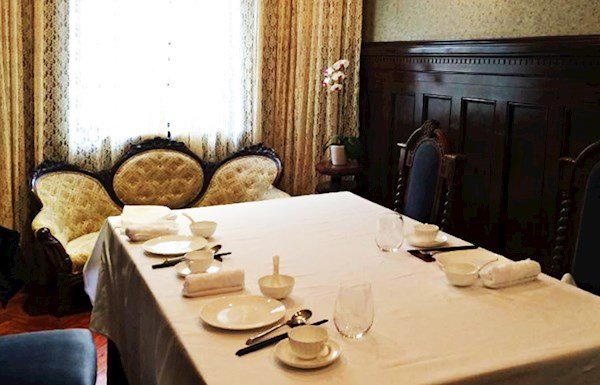
Changning's Quiet Case for Classical Shanghainese Cooking
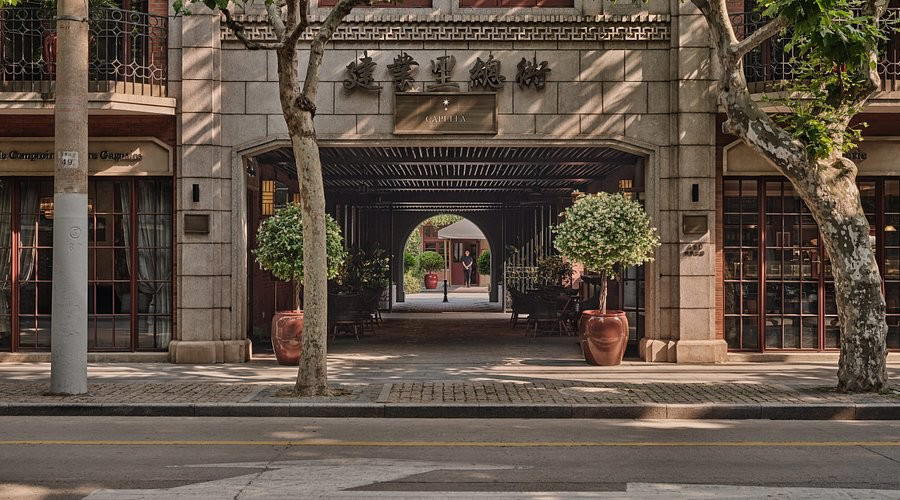
Yuyuan Road in Changning moves at a different pace from the Bund-adjacent dining corridor or the Xintiandi cluster. The plane trees that line this stretch of the former French Concession create a residential calm that filters into the restaurants along it, and Fu 1039 sits within that atmosphere rather than against it. Arriving here, you are not being funnelled into a spectacle. The address signals something more considered: a commitment to Shanghainese cooking on its own terms, in a neighbourhood that has long supported that kind of quiet seriousness.
That seriousness now carries formal recognition. Fu 1039 received a Michelin star in the 2024 Shanghai guide, placing it within a cohort of Shanghainese specialists that the guide has treated with increasing attention as the city's own regional cuisine has recovered ground from the Cantonese and European imports that dominated Shanghai's prestige dining market for much of the 2000s. A 4.7 Google rating across its reviews adds a consistent signal of quality, though the review count is modest, which itself reflects the character of the place: a restaurant that builds its following through repeat visits rather than tourist footfall.
Where Hu Cuisine Sits in Shanghai's Current Dining Order
Shanghai's Shanghainese fine dining tier has reorganised over the past decade. For a stretch, the city's most decorated tables were more likely to carry French technique or Cantonese refinement than the red-braised pork and rice wine–sauced river fish that define Hu cuisine. That has shifted. The Michelin Shanghai guide, now into several editions, has progressively rewarded restaurants that treat the local canon with culinary rigour rather than nostalgia-driven pricing. Fu 1039 sits in that current, alongside peers like Fu 1015 and Fu 1088, which together represent a broader project of presenting Shanghainese cooking at a level of intention and finish that the international guide system recognises.
The competitive set for Fu 1039 is not large. Michelin-starred Shanghainese specialists in Shanghai number in the single digits, and the distinction between them often comes down to the specific culinary subregion they emphasise, the degree to which they modernise the canon, and the dining format they adopt. At ¥¥¥ pricing, Fu 1039 occupies a middle tier: materially above the street-level Shanghainese canteens that sustain the city's lunch culture, but positioned below the fully formal multi-course tasting formats that push Shanghainese fine dining into four-figure-per-head territory. For comparison, Cheng Long Hang in Huangpu and Lao Zheng Xing represent the historical-preservation end of the Shanghainese dining spectrum, where provenance and legacy carry as much weight as kitchen execution.
Noodle Craft in the Shanghainese Tradition
Any serious engagement with Shanghainese cooking eventually arrives at noodles. The Hu cuisine canon does not give noodles the same ceremonial status that Xi'an hand-pulled or Lanzhou beef noodle traditions do in their own regions, but the form is woven into the daily and seasonal rhythm of eating in Shanghai in ways that fine dining tables tend to either ignore or overcorrect on. The more interesting approach is the one that places noodle preparations within the broader grammar of Shanghainese cooking: the use of aged Shaoxing rice wine for depth, the preference for pork-based stocks with a clean sweetness, and the seasonal sensitivity that shifts the accompaniments between cold-weather and warm-weather service.
Knife-cut noodles in the Shanghainese style carry a different textural logic from the flour-and-water elasticity of northern hand-pulled traditions. The cut introduces a slight roughness to the surface that holds braising liquids and slow-cooked sauces with more grip than a smooth extruded noodle. When the kitchen at a restaurant like Fu 1039 applies the techniques of classical Hu cuisine to that base, the result is a preparation that is neither a rustic dish dressed up nor a fine-dining novelty, but a logical extension of the tradition. Regional noodle craft, at its most credible, does not announce itself; it simply shows up in the texture of the broth and the weight of the sauce on the strand.
This framing matters because it separates the serious Shanghainese tables from the ones content to recycle the same two or three photogenic preparations. The broader Shanghainese noodle tradition includes cold-tossed preparations with sesame and scallion for summer months, and richer, stock-heavy bowls for the damp Shanghai winter. A kitchen that understands the calendar of Shanghainese cooking treats its noodle dishes as seasonal instruments rather than permanent menu fixtures.
Autumn and Spring: When to Be Here
Timing matters more than it is usually given credit for in Shanghai dining coverage. Shanghainese cuisine is one of the more overtly seasonal of China's major regional traditions, and the autumn hairy crab season (roughly September through November) functions as something close to a city-wide dining event. Tables at serious Shanghainese restaurants book out weeks in advance during this window, with the Michelin-recognised addresses filling faster than their peers. Spring brings a second peak, driven by the arrival of seasonal greens and freshwater fish from the Yangtze delta that the local kitchen has been calibrated around for centuries.
Outside those peaks, winter in Shanghai offers a different case for visiting. The city's damp cold pushes Shanghainese cooking toward its more warming registers: long-braised preparations, richer stocks, and the kind of pork dishes that benefit from the slow accumulation of soy, sugar, and wine. Fu 1039's Changning location, away from the tourist-dense centre, means that the shoulder-season experience here is notably calmer than at comparable addresses in Huangpu or Jing'an.
Fu 1039 in the Broader Shanghai and Regional Context
The appetite for serious Shanghainese cooking does not stop at the city's borders. Across China, Shanghainese restaurants operating at the fine dining register have become a recognisable category, from Shanghai Cuisine in Beijing to Liu Yuan Pavilion in Hong Kong, where the cuisine trades on its associations with refinement and historical prestige within the broader Chinese dining market. The regional peers worth knowing about extend further: Ru Yuan in Hangzhou works within a Jiangnan tradition that shares significant DNA with Shanghainese cooking, while Xin Rong Ji in Beijing and Xin Rong Ji in Chengdu represent the Ningbo-inflected branch of the same culinary family. For a broader scan of decorated Chinese fine dining in the region, Chef Tam's Seasons in Macau, Imperial Treasure Fine Chinese Cuisine in Guangzhou, and Dai Yuet Heen in Nanjing each represent a different regional register of formal Chinese dining worth benchmarking against.
Within Shanghai itself, the full picture of serious Shanghainese dining requires accounting for Ren He Guan in Xuhui, which operates at a comparable price point and draws a loyal local following. Planning the broader Shanghai trip is covered in our full Shanghai restaurants guide, alongside resources for hotels, bars, wineries, and experiences.
Planning Your Visit
Fu 1039 is at 1039 Yuyuan Road in Changning District, in the western reach of the former French Concession. The area is served by metro lines connecting to the city centre, and the residential character of the street means that arriving on foot or by taxi is the more practical approach than navigating parking. At ¥¥¥ pricing, a full meal for two should be budgeted at a level consistent with other Michelin-starred Shanghainese tables in the city.
Peers Worth Knowing
Comparable venues nearby, for context on price, style, and recognition.
| Venue | Cuisine | Price |
|---|---|---|
| Fu 1039This venue — the venue you are viewing | Shanghainese | ¥¥¥ |
| Fu He Hui | Vegetarian | ¥¥¥¥ |
| Ming Court | Cantonese | ¥¥¥ |
| Polux | French | ¥¥ |
| Royal China Club | Chinese, Cantonese | ¥¥¥ |
| Scarpetta | Italian | ¥¥¥ |
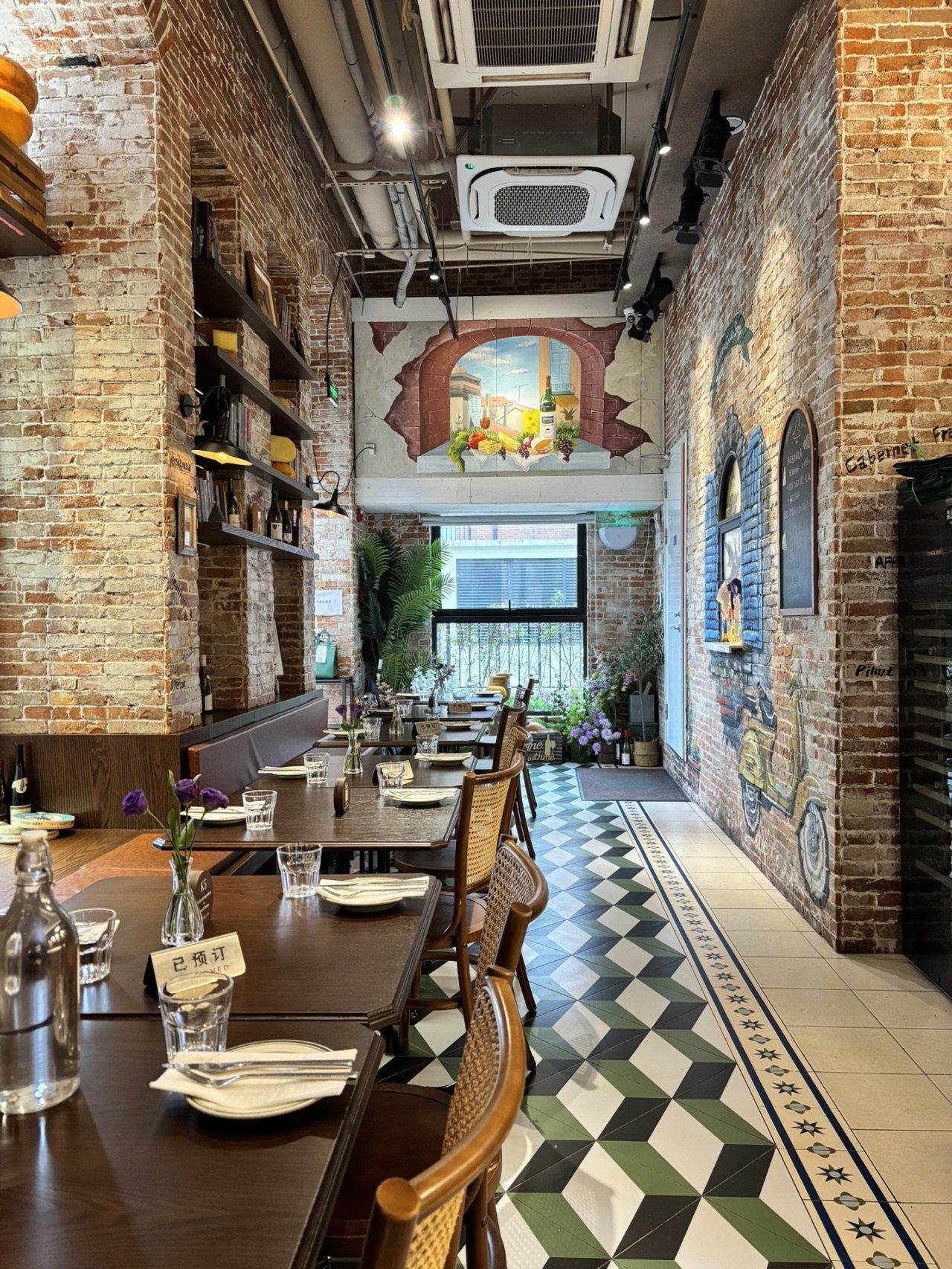
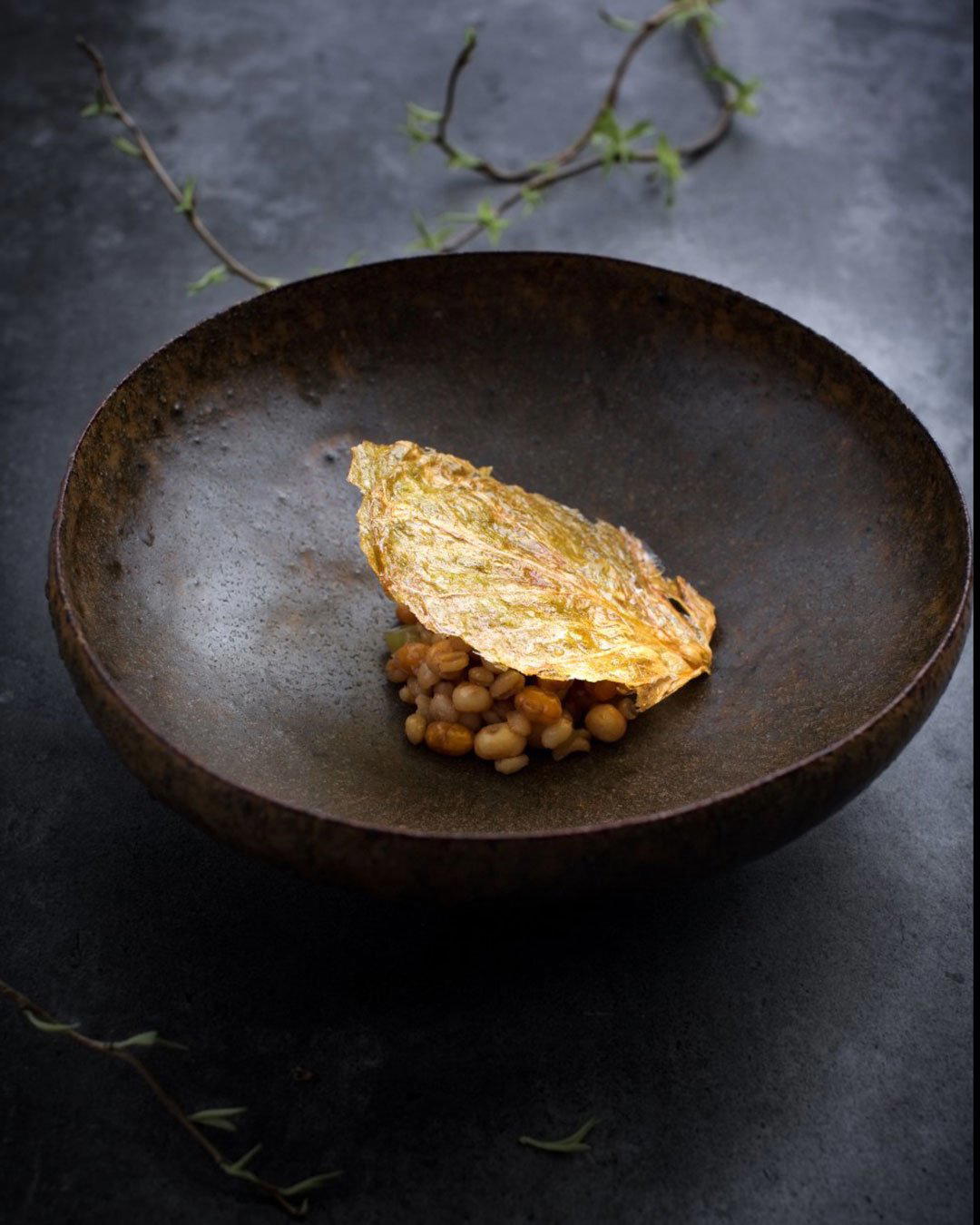
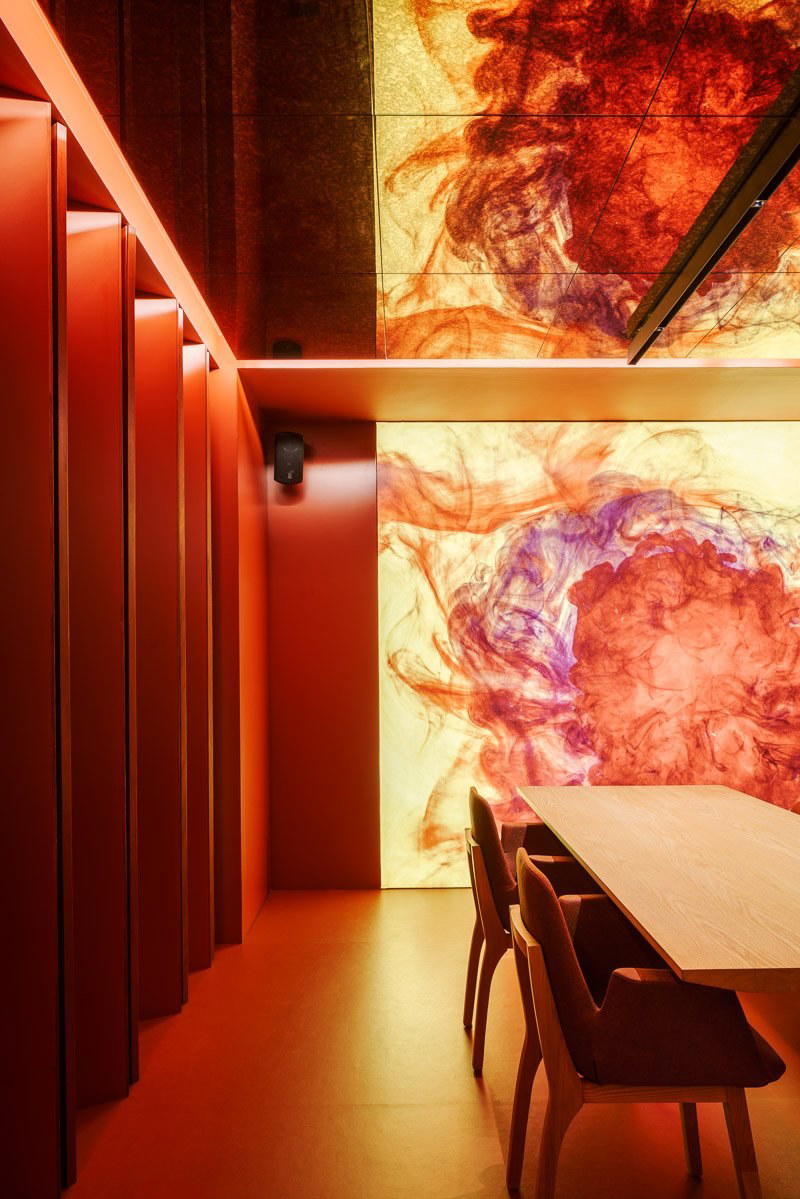
At a Glance
- Classic
- Elegant
- Intimate
- Cozy
- Family
- Group Dining
- Special Occasion
- Date Night
- Private Dining
- Terrace
- Historic Building
- Sake Program
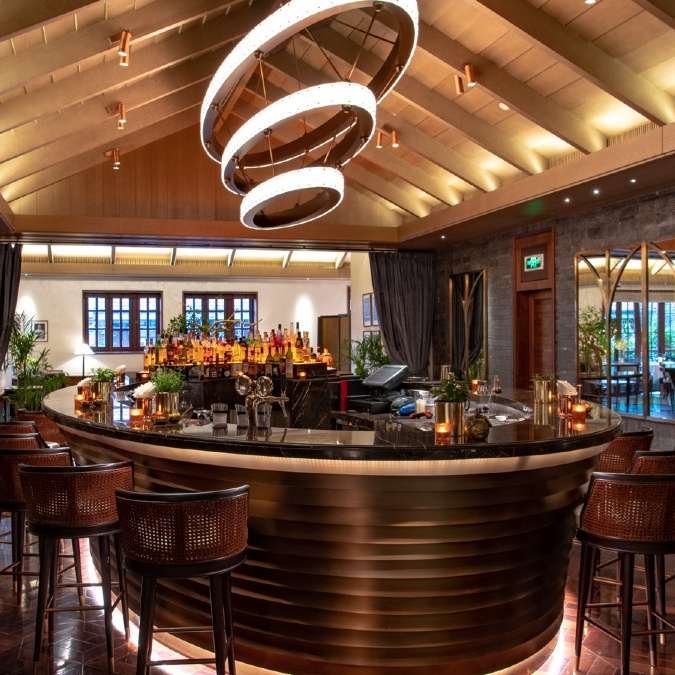
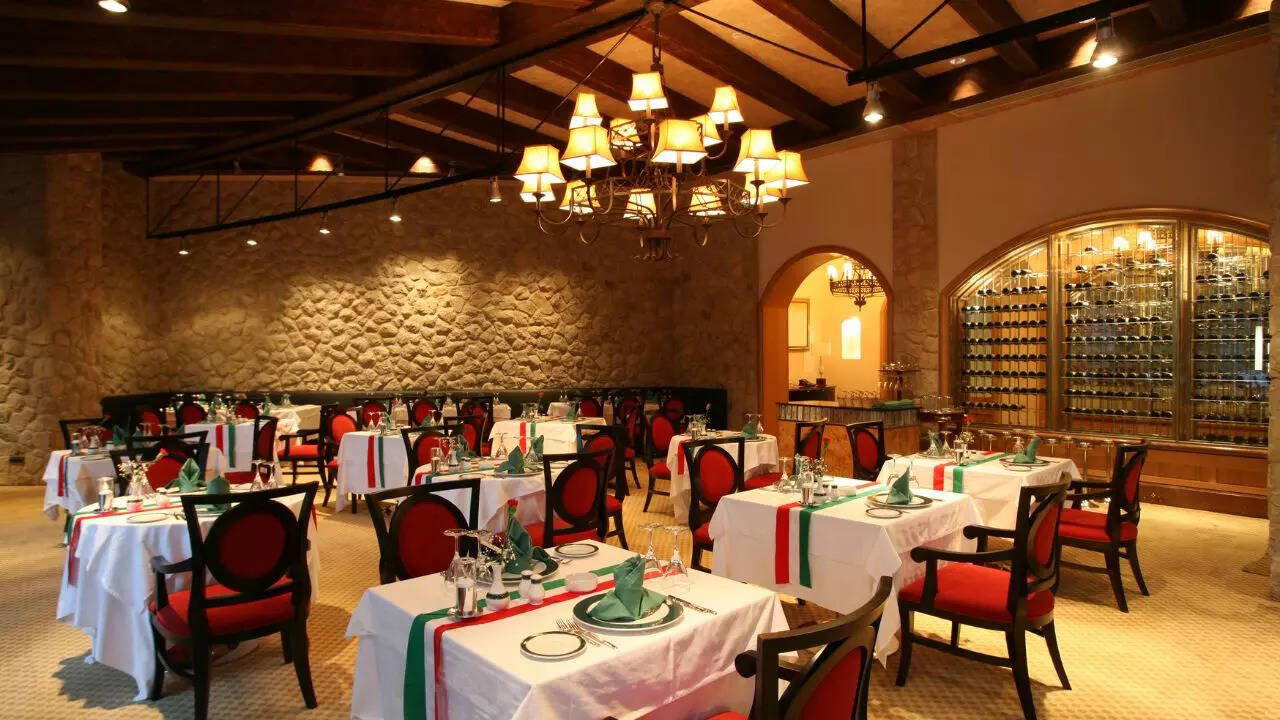
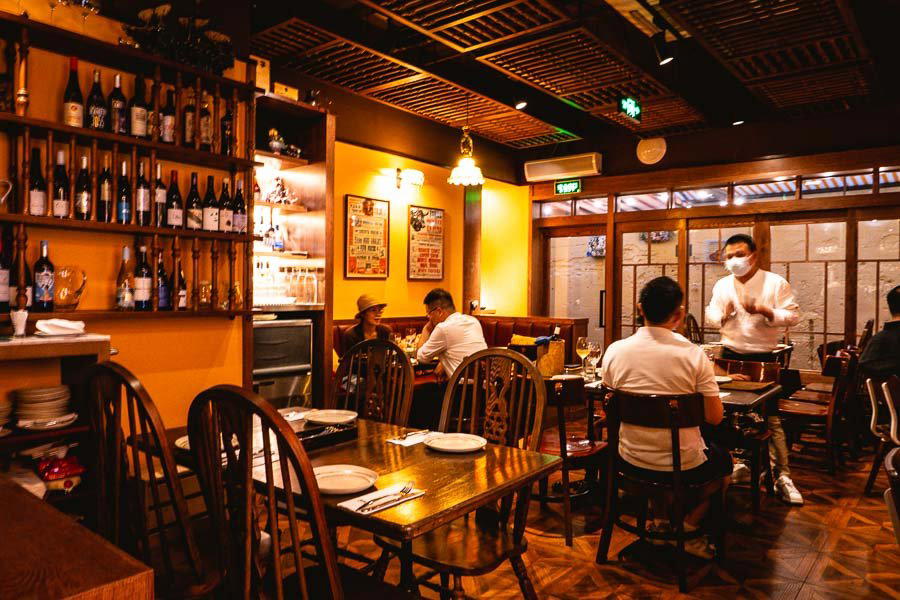
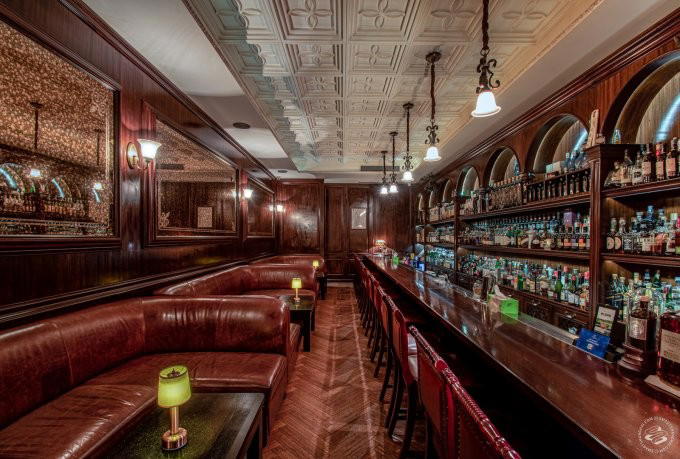
Retro-style dining rooms in a historic French house evoking old Shanghai charm, with terrace, spacious seating, and occasional live piano.