

1 Michelin Star · Black Pearl 1 Diamond
Our verdict
A Michelin one-star Shanghainese restaurant positioned at Hongqiao's transport hub, Zhou She draws a steady stream of travellers who know to look past the mall address. The Shanghai-native head chef anchors the menu in local tradition while pulling selectively from Cantonese and Huaiyang registers. Marinated pigeon with green Sichuan peppercorns and sautéed shredded fish with chive sprouts are the dishes to order.

Pearl is the En Primeur Club membership app — saves, bookings, and concierge access live there. Same editors, same standards.
- Address
- Shanghai Hongqiao Libao Plaza 3 Building, 1层109 Shenwu Rd, 109, Minhang District, Shanghai, China, 201106
- Phone
- +86 21 3463 6976
- Directions
- Get directions
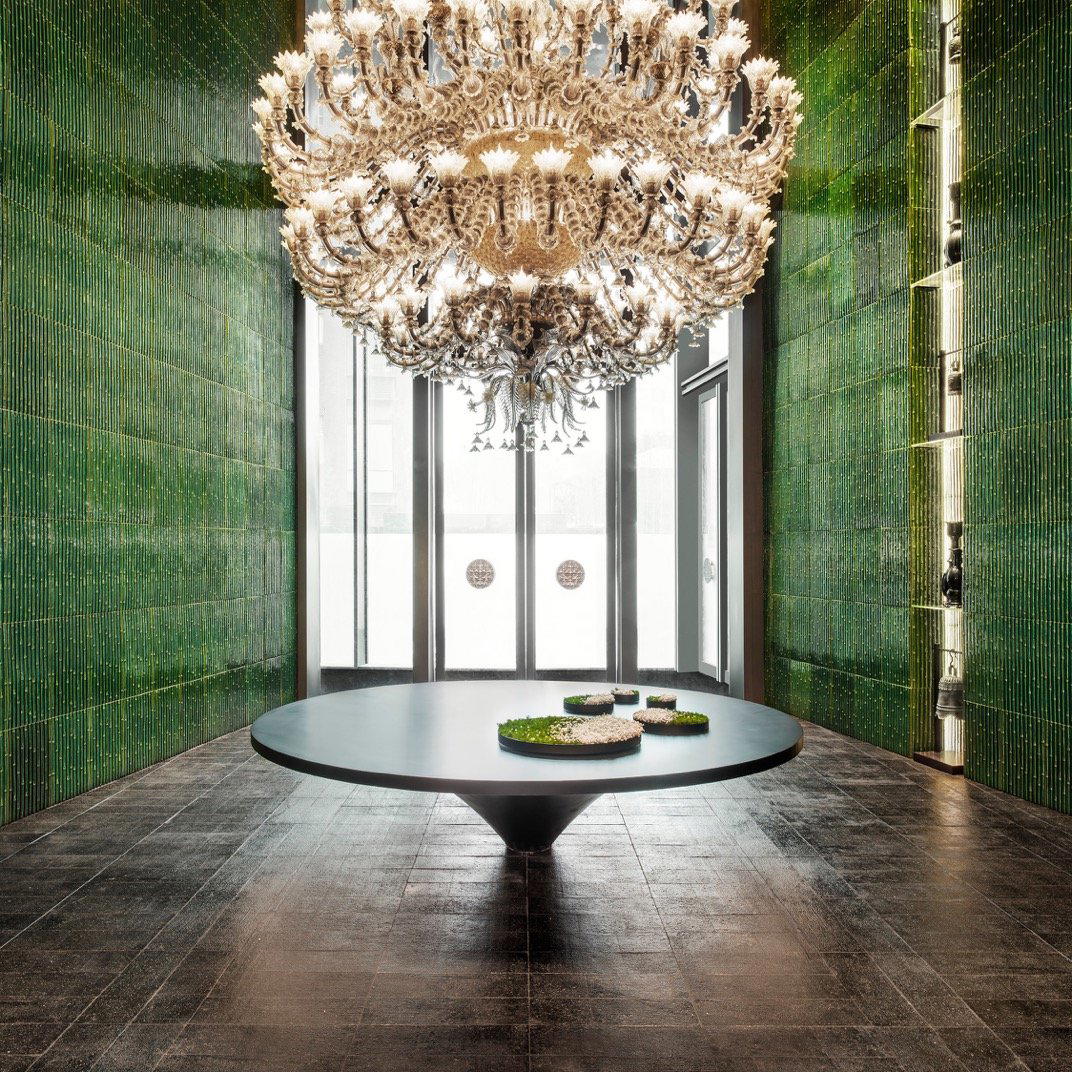
The menu
What to order
- Marinated pigeon with green Sichuan peppercorns
- Sautéed shredded fish with chive sprouts
Where the Meal Begins Before You Sit Down
The Hongqiao corridor is not where most diners expect to find Michelin-calibre Shanghainese cooking. Shenwu Road runs through a district shaped by transit infrastructure: the high-speed rail terminal, the airport, and the retail plazas that serve both. Hongqiao Libao Plaza reads, from the outside, like a layover option rather than a destination. That gap between expectation and reality is precisely the point. Restaurants that earn recognition in this kind of location do so on the strength of their food alone, without the ambient credibility of a heritage lane house or a Jing'an courtyard address. Zhou She's 2024 Michelin one-star sits in that context, and it matters more here than it would in a neighborhood that hands out prestige by geography.
The meal, even before the first dish arrives, is shaped by the room's function: this is a restaurant used by people who know Shanghai well enough to drive out to Minhang, and by travellers sharp enough to research before they land. Those two audiences create a particular energy, focused rather than performative, oriented toward the food rather than the occasion.
The Logic of a Shanghainese Menu That Travels
Shanghainese cuisine at the Michelin tier has developed along two broad lines in recent years. One tendency is strict preservation: the old soy-braised preparations, the hong shao tradition, the river fish dishes that have anchored the cuisine for generations. The other is calibrated expansion, where a kitchen uses Shanghainese technique and flavour logic as a foundation and moves selectively into adjacent regional registers. Zhou She belongs to the second camp. The head chef, a Shanghai native, draws the menu's centre of gravity from local tradition while incorporating Cantonese and Huaiyang dishes where the fit is genuine rather than decorative.
Huaiyang cooking, which originates in the Yangtze River Delta region, shares enough with Shanghainese cuisine in its emphasis on freshness, knife work, and restrained seasoning that the combination reads as coherent rather than eclectic. Cantonese additions require more selective integration, but at the right points, particularly in preparations involving poultry or seafood, the regional dialogue works. This is a menu that reflects how a confident Shanghai kitchen thinks about Chinese cuisine broadly, not a menu that chases variety for its own sake. Comparable approaches appear at restaurants like Cheng Long Hang (Huangpu) and Lao Zheng Xing, though each kitchen draws the lines differently.
The Arc of the Meal
A well-ordered meal at Zhou She follows a progression that moves from cold preparations through more complex cooked dishes, a structure familiar to anyone who has eaten seriously through Shanghai's better restaurants. The cold dishes establish the kitchen's sensibility early.
The marinated pigeon with green Sichuan peppercorns is the dish that defines the meal's opening register. Pigeon, in the Cantonese and broader southern Chinese tradition, is a test of timing and sourcing as much as technique. The green Sichuan peppercorn brings a citrus-forward, floral heat that differs meaningfully from the numbing quality of dried red peppercorns. On properly marinated poultry with silky meat, as described in Michelin's own assessment, that contrast between the bird's richness and the peppercorn's brightness sets a frame of reference for everything that follows. This is a dish that signals the kitchen's willingness to introduce tension rather than play for immediate comfort.
The sautéed shredded fish with chive sprouts represents the other axis of the menu: umami depth achieved through classical Shanghainese wok technique. Chive sprouts, milder than mature chives and carrying a faint sweetness, act as a foil to the concentrated savour of the fish. The dish is a study in restraint. Nothing announces itself loudly; the cumulative effect builds through the meal rather than arriving all at once.
Between these anchor dishes, the menu's Huaiyang elements tend to appear in the middle courses, where the kitchen has room to demonstrate precision in lighter preparations. The progression from bold cold dishes through technically exacting mid-course work to satisfying, warming conclusions is a structure shared by the serious Shanghainese houses across the city, including Fu 1088, Fu 1015, and Fu 1039, though those properties operate from heritage lane-house addresses with a different kind of atmospheric staging.
Placing Zhou She in Shanghai's Shanghainese Tier
Shanghai's Michelin-starred Shanghainese restaurants cluster into two broad groups by atmosphere and positioning. The first occupies historic addresses in Xuhui and Jing'an, where the physical setting is part of the proposition. The second operates from more utilitarian locations, where the food carries the entire argument. Zhou She belongs to the second group, and within that group, its Hongqiao address gives it a specific function in the city's dining map: it serves the western corridor, where little comparable cooking exists at this price point and quality signal.
At the ¥¥¥ price tier, the restaurant competes with mid-range Chinese dining across the city rather than with the top end of the Shanghainese market. That positioning makes the Michelin star a stronger signal than it might be at a more expensive address. For a traveller connecting through Hongqiao or staying in the western districts, the calculus is direct: a recognized kitchen at a moderate price, without requiring a cross-city journey. Comparable Shanghainese cooking available elsewhere in the region includes Ru Yuan in Hangzhou and, for those curious how the cuisine travels, Shanghai Cuisine in Beijing and Liu Yuan Pavilion in Hong Kong.
For those extending the meal into a broader survey of Chinese regional cooking in the same trip, the broader Michelin tier across mainland cities offers useful comparisons: Xin Rong Ji in Beijing, Xin Rong Ji in Chengdu, Imperial Treasure Fine Chinese Cuisine in Guangzhou, Dai Yuet Heen in Nanjing, and Chef Tam's Seasons in Macau each represent how Cantonese and Huaiyang traditions are handled at comparable recognition levels in their respective cities.
Planning Your Visit
Zhou She sits inside Hongqiao Libao Plaza, Building 3, ground floor (109), on Shenwu Road in Minhang District. The location within the Hongqiao transport hub makes it accessible from both Hongqiao Railway Station and Hongqiao Airport Terminal 2 without requiring a separate taxi journey across the city. The ¥¥¥ pricing indicates a mid-to-upper band for the category, appropriate for a dedicated meal rather than a casual stop.
| Venue | Cuisine | Price Tier | Recognition | Location Type |
|---|---|---|---|---|
| Zhou She (Minhang) | Shanghainese | ¥¥¥ | Michelin 1 Star (2024) | Transit hub plaza |
| Fu 1088 | Shanghainese | Reference | Michelin recognized | Heritage lane house |
| Lao Zheng Xing | Shanghainese | Reference | Legacy institution | Central Shanghai |
| Cheng Long Hang (Huangpu) | Shanghainese | Reference | Michelin tier | Huangpu district |
For a broader picture of where Zhou She fits within the full range of Shanghai dining, drinking, and travel options, see our full Shanghai restaurants guide, our full Shanghai hotels guide, our full Shanghai bars guide, our full Shanghai wineries guide, and our full Shanghai experiences guide.
Frequently asked questions
Is Zhou She (Minhang) more mid-range or high-end?
Pricing at Zhou She (Minhang) is listed as ¥¥¥.
Is Zhou She (Minhang) award-winning?
Zhou She (Minhang) has received recognition including: In Hongqiao district, near a train station and airport, this restaurant is a popular choice among travellers. The head chef is a Shanghai native, who respects traditions, while exploring other Chinese regional flavours. His menu is heavily ….
What's the signature dish at Zhou She (Minhang)?
Two dishes define the kitchen's range most directly. The marinated pigeon with green Sichuan peppercorns delivers clean, aromatic heat against silky meat, while the sautéed shredded fish with chive sprouts is noted for its depth of umami. Both appear in the Michelin assessment that earned Zhou She its 2024 one-star rating.
What part of town is Zhou She (Minhang) in?
Zhou She (Minhang) is located at Shanghai Hongqiao Libao Plaza 3 Building, 1层109 Shenwu Rd, 109, Minhang District, Shanghai, China, 201106, Shanghai.
Credentials Lens
| Venue | Cuisine | Price | Awards | Notes |
|---|---|---|---|---|
| Zhou She (Minhang)This venue — the venue you are viewing | Shanghainese | $50–100 | 1 Michelin Star · Black Pearl 1 Diamond | Not listed |
| Fu He Hui | Modern Seasonal Vegetarian Fine Dining | $200–300 | 2 Michelin Stars · World's 50 Best #11 | Vegetarian |
| Ming Court | Cantonese with Shanghainese Influences | $30–50 | 1 Michelin Star · Black Pearl 1 Diamond | Cantonese |
| Polux | French Bistro | $30–50 | Michelin Bib Gourmand | French |
| Royal China Club | Modern Cantonese fine dining | $50–100 | Michelin Plate | Chinese, Cantonese |
| Scarpetta | Refined Italian Pasta & Pizza | $50–100 | Michelin Plate · Wine Spectator Best of Award of Excellence | Italian |
Recognition history
Dated appearances from independent guides and award organizations, with the underlying list record or original source where available.
Michelin 1 Star
Michelin
Black Pearl 1 Diamond
Black Pearl
Full recognition history (3 entries)
Michelin 1 Star
Michelin
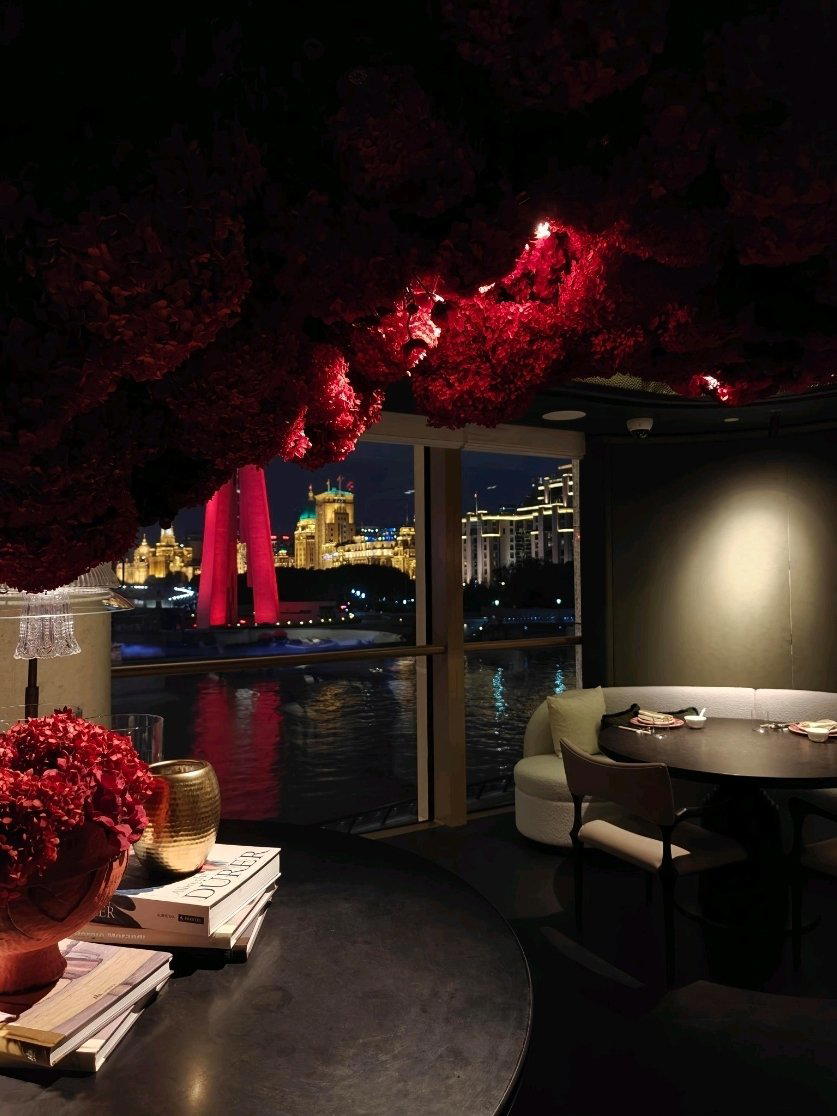
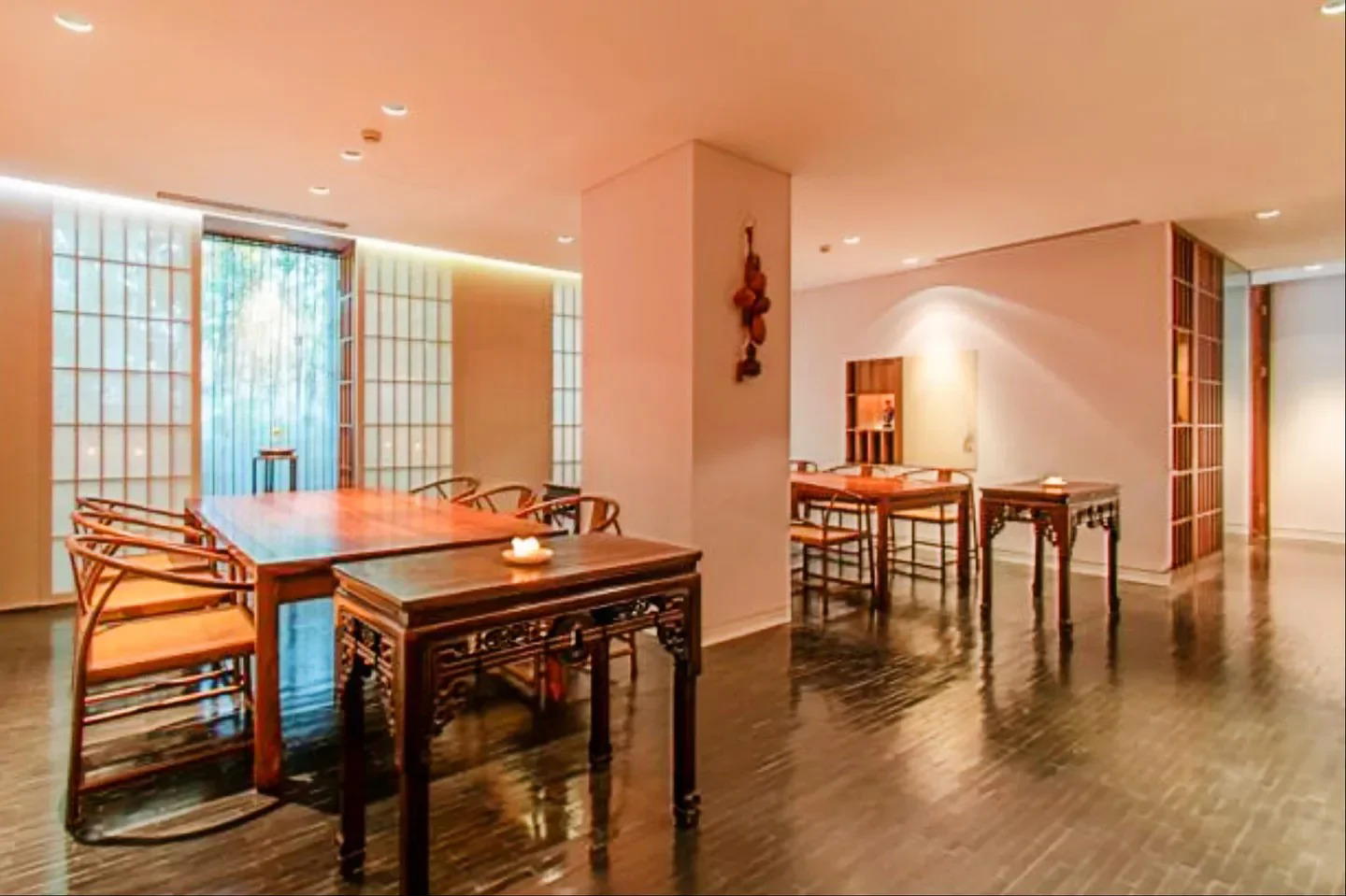
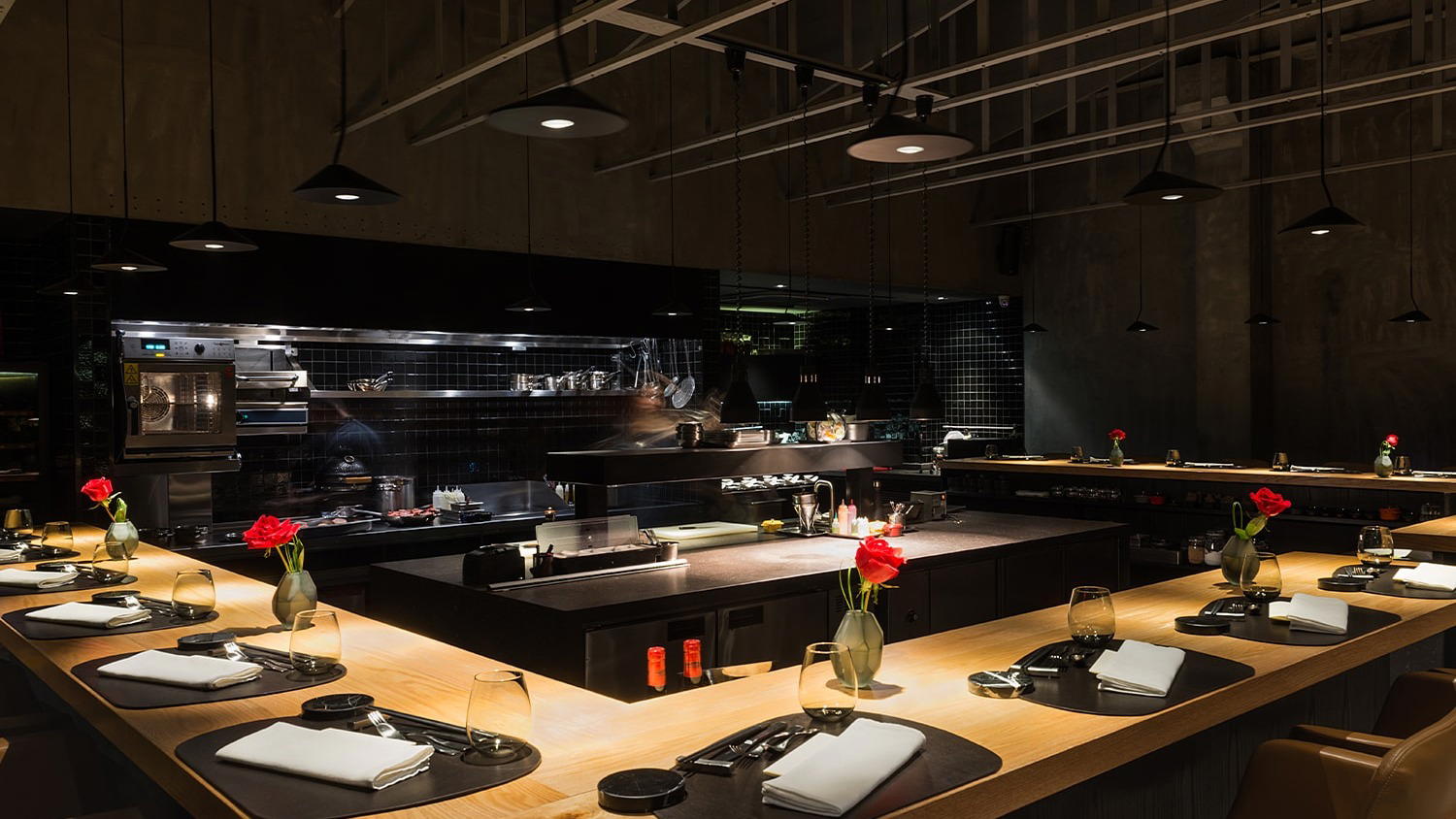
Details
- Elegant
- Sophisticated
- Business Dinner
- Special Occasion
- Private Dining
- Local Sourcing
- A La Carte
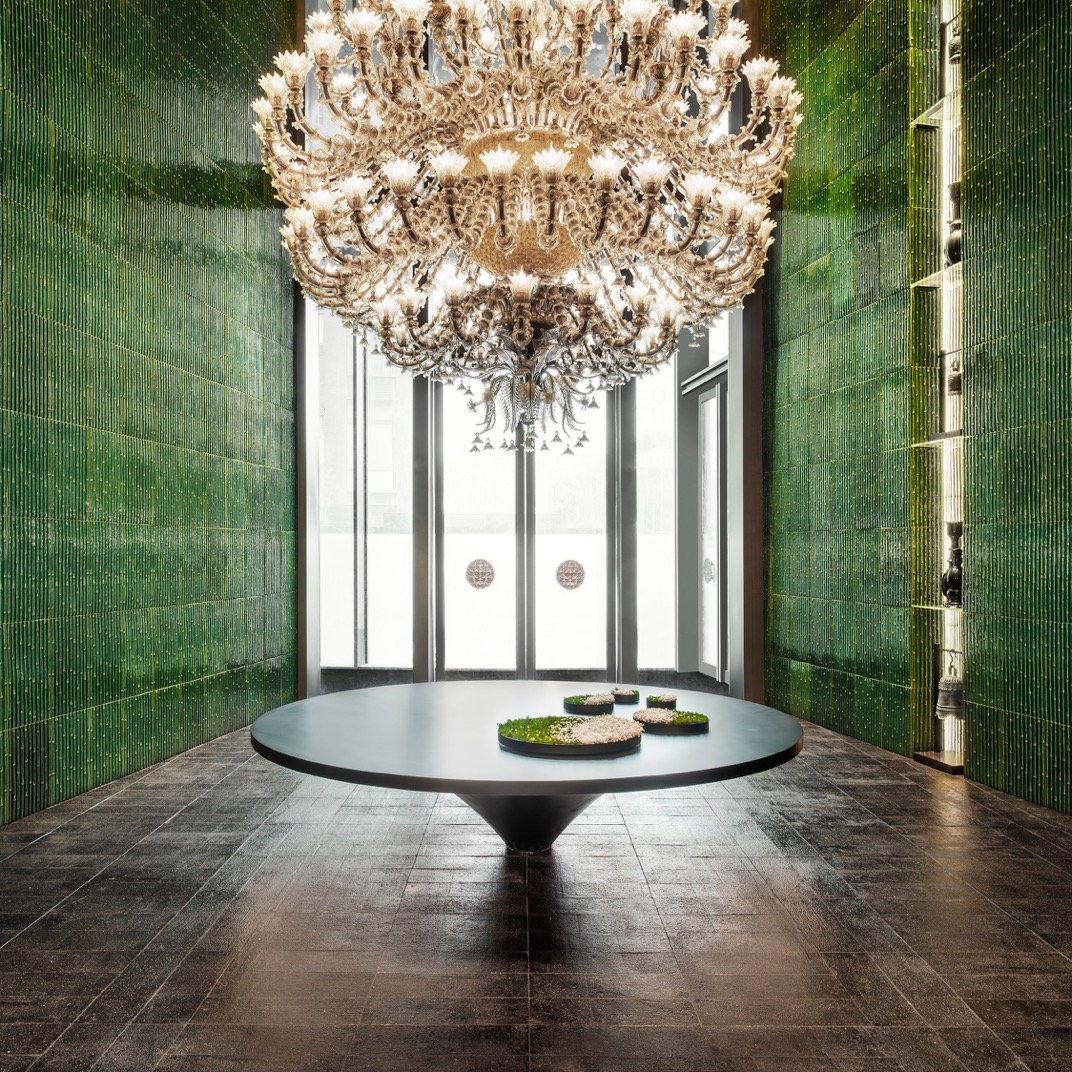
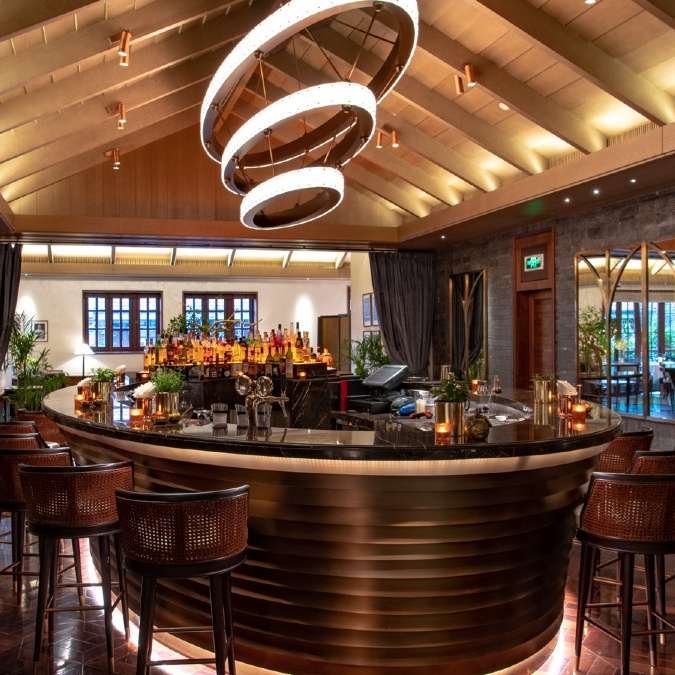
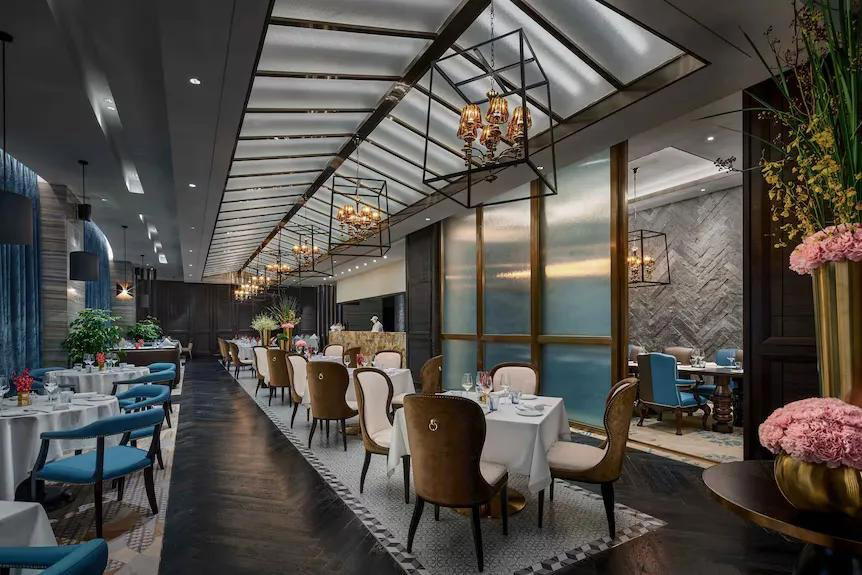
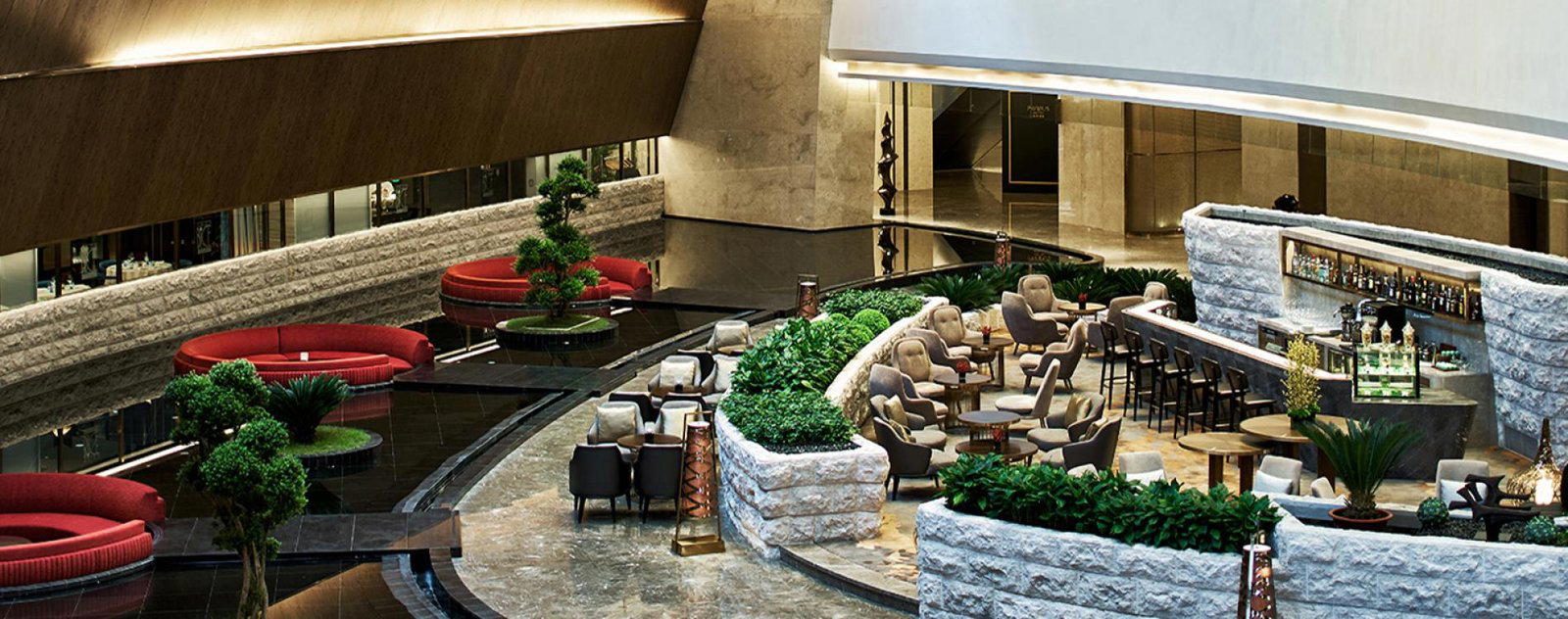
Respectful of tradition with a focus on high-quality cooking in a spacious setting suitable for banquets and private gatherings.