
A Michelin-starred Shanghainese institution on Jiujiang Road, Cheng Long Hang has built its reputation around hairy crab, running its own farm to control quality from water to table. The stuffed crab shell with steamed meringue, packed with meat and roe from three crabs per portion, is the clearest argument for why the mid-price tier in Shanghai's traditional dining scene still delivers serious cooking.
Pearl is the En Primeur Club membership app — saves, bookings, and concierge access live there. Same editors, same standards.
- Address
- 216 Jiujiang Rd, Huangpu, Shanghai, China, 200002
- Phone
- +86 21 6321 2010
- Directions
- Get directions
 Saves & bookings on Pearl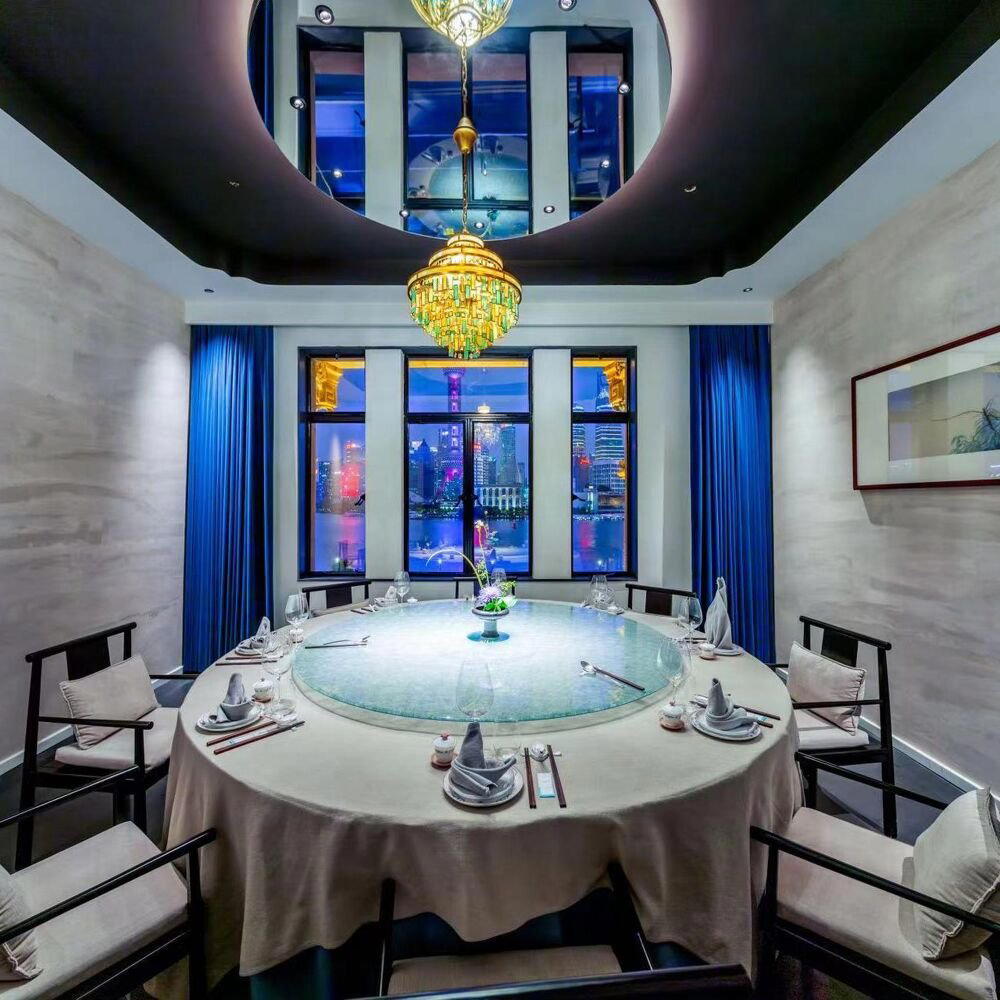
Where Jiujiang Road Meets the Autumn Crab Season
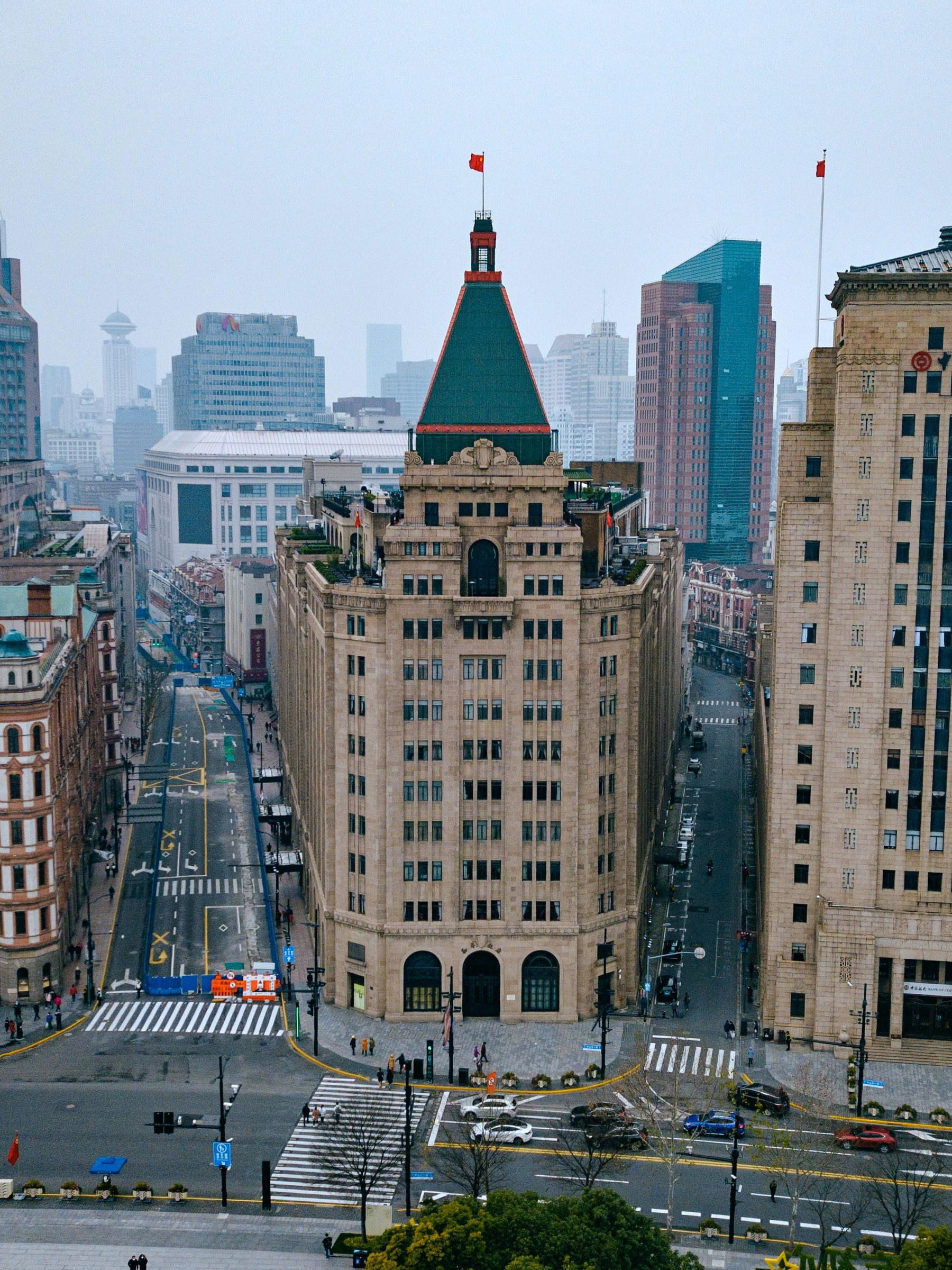
Huangpu district carries the weight of old Shanghai more visibly than most. Jiujiang Road, a short walk from the Bund's financial theatre, sits in the part of the city where colonial-era commercial architecture gives way to quieter mid-blocks that still house the kinds of restaurants Shanghainese families have been returning to for generations. The approach to Cheng Long Hang at number 216 is a study in that older register: no theatrical entrance design, no street-level lighting engineered for social media. The restaurant signals its seriousness through the kind of understated presence that, in this city, tends to mean the kitchen has enough confidence to let the food speak directly.
That confidence is backed by Michelin recognition. A Michelin star confirms what the hairy crab community in Shanghai has long known: this is a kitchen operating with a degree of sourcing discipline that separates it from the larger Shanghainese dining field. Cheng Long Hang runs its own crab farm, which is less common than the industry likes to suggest. For a cuisine where the quality differential between a well-raised yangcheng-style hairy crab and a poorly sourced one is immediately legible on the plate, controlling the supply chain is a structural advantage, not a marketing note.
The Hairy Crab Format and What It Actually Costs
At the ¥¥¥ price tier, Cheng Long Hang sits in the middle band of Shanghai's serious dining market, above the neighbourhood canteens and well below the grand tasting-menu rooms. For reference, vegetarian Michelin two-star Fu He Hui prices into ¥¥¥¥ territory; the starred Shanghainese and Cantonese mid-tier is the competitive set Cheng Long Hang occupies alongside addresses like Lao Zheng Xing and Ren He Guan (Xuhui). The value argument here is specific: hairy crab preparation at this level of sourcing integrity would cost considerably more at a hotel dining room or a Huai Hai Road address with higher overhead.
The kitchen's hairy crab menu illustrates how much labour and ingredient cost is embedded in a single serving. The steamed meringue on stuffed crab shell uses the meat and roe of three hairy crabs to fill a single shell, a ratio that makes the per-portion economics immediately apparent to anyone who has priced fresh hairy crab at a wet market in October or November. The roe yield alone, separated and incorporated into the preparation, represents a significant amount of hand work. At ¥¥¥, you are absorbing the cost of a farm-controlled supply chain and that manual preparation without crossing into the upper pricing tier. That is the proposition.
The Dishes That Define the House
Hairy crab cooking in Shanghai follows a logic of restraint: the ingredients are expensive and flavour-forward, so the kitchen's role is principally to not get in the way. The classic preparation, steamed whole, is the benchmark against which everything else is measured. Cheng Long Hang's crabs are described as having flavoursome flesh with shells carrying creamy yellow roe, the roe quality, set by water temperature, feed, and timing of harvest, is the primary variable in a category where technique differences between serious kitchens are relatively narrow.
The drunken crab preparation takes the raw ingredient in a different direction. Steeping the crabs in Shaoxing wine for a full month transforms both texture and flavour, the rice wine's acidity and faint sweetness reshaping the flesh while the roe develops a richer, more concentrated character. Shaoxing wine is the base spirit of choice for this preparation across the Jiangnan region, and a month's steeping is toward the longer end of the range that serious kitchens use. The result sits closer to a cured preparation than a cooked one, and it reads as a distinct register from the steamed crab rather than a variation on the same theme.
The stuffed crab shell with steamed meringue is the showpiece. Three crabs' worth of meat and roe combined into one shell and finished with meringue is a construction that folds together the essence of the whole menu into a single serving. The contrast of the steamed meringue texture against the dense, savoury crab filling is where technique becomes visible in a menu that otherwise privileges ingredient quality over culinary intervention.
Shanghainese Dining at This Tier: The Broader Context
Traditional Shanghainese cooking has a complicated position in the city's contemporary restaurant scene. The cuisine sits between the sustained global prestige of Cantonese cooking and the aggressive expansion of regional Chinese styles from Sichuan, Yunnan, and elsewhere. What Shanghai's traditional kitchens offer that those categories cannot is the specific combination of Jiangnan produce and the preparation traditions that grew around it: hairy crab, smoked fish, lion's head meatballs, braised yellow croaker. These are intensely local dishes, and the restaurants that do them well are doing something that doesn't translate to other cities without the same sourcing infrastructure.
Shanghainese restaurants in other cities, including Shanghai Cuisine in Beijing and Liu Yuan Pavilion in Hong Kong, operate at an inherent remove from the supply chain that gives the leading Shanghai addresses their edge. When hairy crab is the central dish, that distance is most significant: the crabs degrade quickly out of water, and the farms closest to the dining room have a structural advantage in freshness. Cheng Long Hang's farm ownership collapses that gap entirely.
Across the broader regional dining picture in mainland China, the mid-price Michelin-starred tier covers a range of traditions. Xin Rong Ji in Beijing and Xin Rong Ji in Chengdu both represent the Zhejiang-inflected refinement that competes with Shanghainese cooking for the same informed diner. Ru Yuan in Hangzhou makes the Jiangnan comparison even more direct, operating in the same culinary geography. Against that comparable set, Cheng Long Hang's specific focus on a single ingredient category, hairy crab, makes it a narrower proposition and a more concentrated one.
Seasonality, Timing, and the Question of When to Go
Hairy crab season in the Yangtze Delta runs from September through November, with October and November generally producing the highest roe yields as the crabs reach full maturity. Outside that window, the restaurant's menu extends to other Shanghainese preparations, but the crab-centred dishes that define the kitchen's reputation and justify the Michelin recognition are seasonal. A visit planned for late October sits at the peak of that window. If your primary interest is the drunken crab, which requires a month's steeping time before service, confirm availability ahead of your visit, as preparation timelines mean availability can vary across the season's arc.
For planning purposes, Cheng Long Hang is located at 216 Jiujiang Road in Huangpu, close to several metro lines serving the central city. The ¥¥¥ price tier makes a weekday dinner here competitive with hotel dining at a fraction of the overhead. Given the Michelin star and the seasonal demand peak, booking well ahead of the October-November window is advisable.
Placing Cheng Long Hang in Shanghai's Wider Dining Map
Huangpu's traditional dining addresses have been squeezed in recent years by the concentration of new openings in Jing'an and Xuhui, where rental premiums support a different kind of hospitality investment. The Fu series, including Fu 1015, Fu 1039, and Fu 1088, represents the heritage Shanghainese cooking in restored mansion settings that have attracted significant international attention. Cheng Long Hang operates in a different register: no heritage architecture, no theatrical dining room, a focus on a single culinary category with a supply chain to match. The two approaches serve different versions of the same cuisine and attract a meaningfully different audience.
Cuisine and Awards Snapshot
Comparable venues nearby, for context on price, style, and recognition.
| Venue | Cuisine | Price | Awards | Notes |
|---|---|---|---|---|
| Cheng Long Hang (Huangpu)This venue — the venue you are viewing | Shanghainese Hairy Crab Specialist | $$$ | Michelin 1 Star | Not listed |
| Moose (Pudong) | Refined Huaiyang Cuisine | $$$ | Michelin 1 Star | Yang Jia Du |
| Oriental Sense & Palate | Modern Chinese Fine Dining | $$$ | Michelin 1 Star | Lu Jia Zui |
| Wu You Xian | Michelin-Starred Crab Xiaolongbao Dim Sum | $$$ | Michelin 1 Star | Huangpu |
| Sheng Yong Xing (Huangpu) | Michelin-Starred Beijing Peking Duck | $$$ | Michelin 1 Star | Huangpu |
| Fu 1088 | Shanghainese | $$$$ | Michelin 1 Star | Jing An Si |
Recognition history
Dated appearances from independent guides and award organizations, with the underlying list record or original source where available.
Michelin 1 Star
Michelin
Michelin 1 Star
Michelin
Michelin 1 Star
Michelin
At a Glance
- Classic
- Elegant
- Special Occasion
- Group Dining
- Celebration
- Private Dining
- Historic Building
- Local Sourcing
Current opening hours
- Monday
- 11 AM–2:30 PM, 5–10 PM
- Tuesday
- 11 AM–2:30 PM, 5–10 PM
- Wednesday
- 11 AM–2 PM, 5–10 PM
- Thursday
- 11 AM–2 PM, 5–10 PM
- Friday
- 11 AM–2:30 PM, 5–10 PM
- Saturday
- 11 AM–2:30 PM, 5–10 PM
- Sunday
- 11 AM–2:30 PM, 5–10 PM
Hours can change for holidays and private events. Last verified .
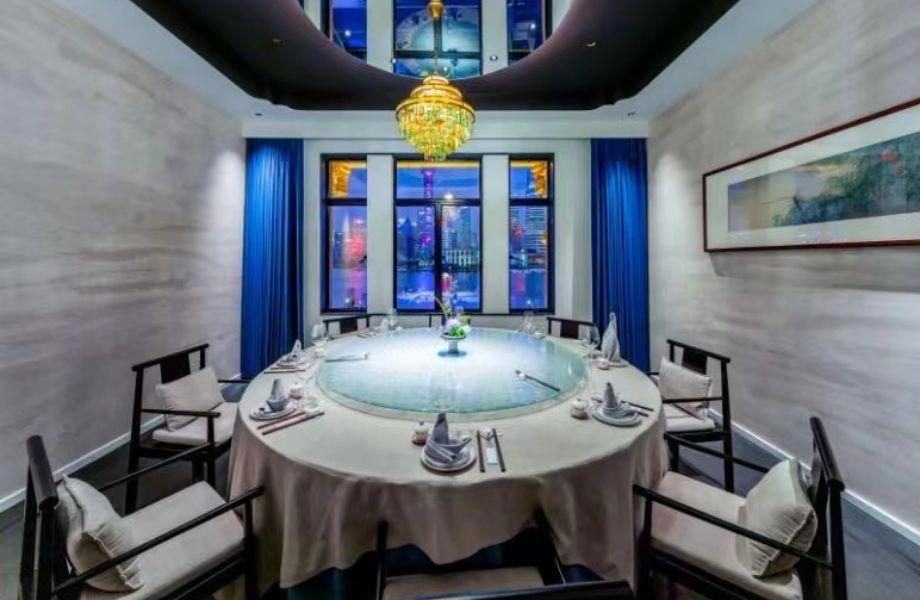
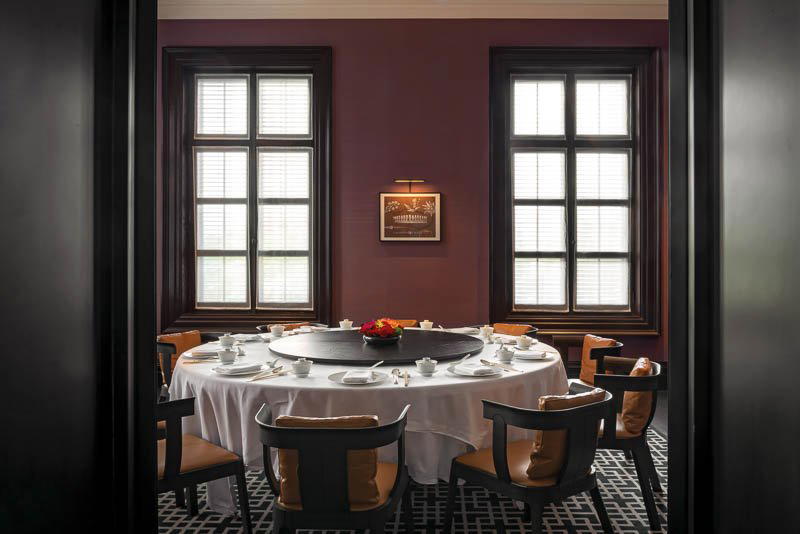
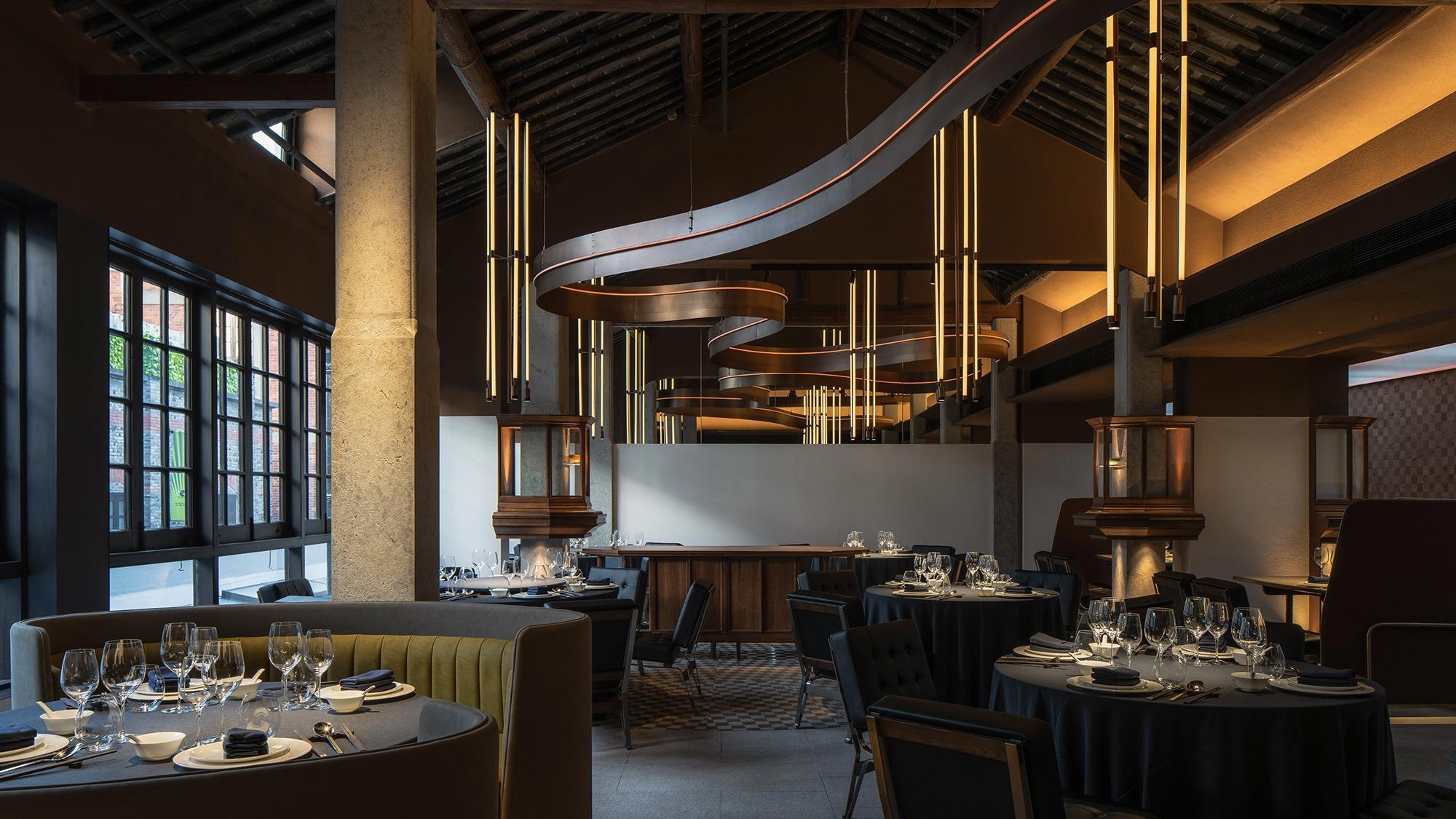
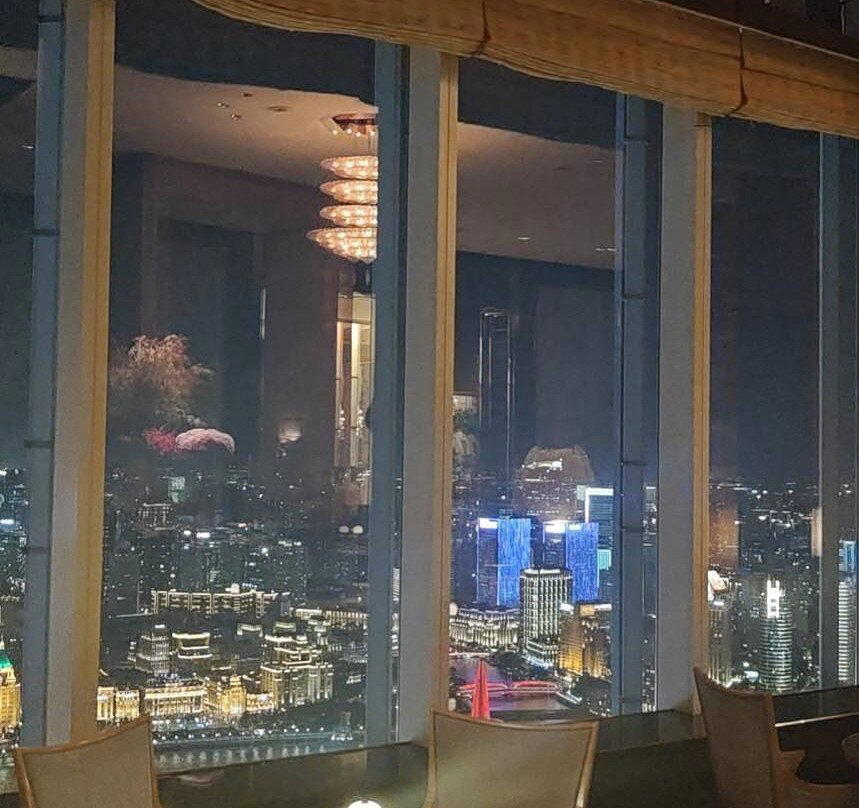
Classic Chinese wooden decor resembling an old palace with live traditional music creating an elegant and atmospheric dining experience.