
Our verdict
Wu Kong Shanghai Restaurant in Tsim Sha Tsui has held a place on Opinionated About Dining's Asia rankings since 2023, rising from a recommendation to a ranked position in consecutive years. The kitchen serves classic Shanghainese cooking in a basement dining room on Nathan Road, with hours running across the full week from noon to 11 pm. For visitors tracking the city's northern Chinese dining tier, it represents a consistent reference point.

Pearl is the En Primeur Club membership app — saves, bookings, and concierge access live there. Same editors, same standards.
- Address
- Hong Kong, Tsim Sha Tsui, Nathan Rd, 27-33號地庫 Alpha House
- Phone
- +852 2366 7244
- Hours
- Daily 12–11 PM
- Website
- wukong.com.hk
- Directions
- Get directions
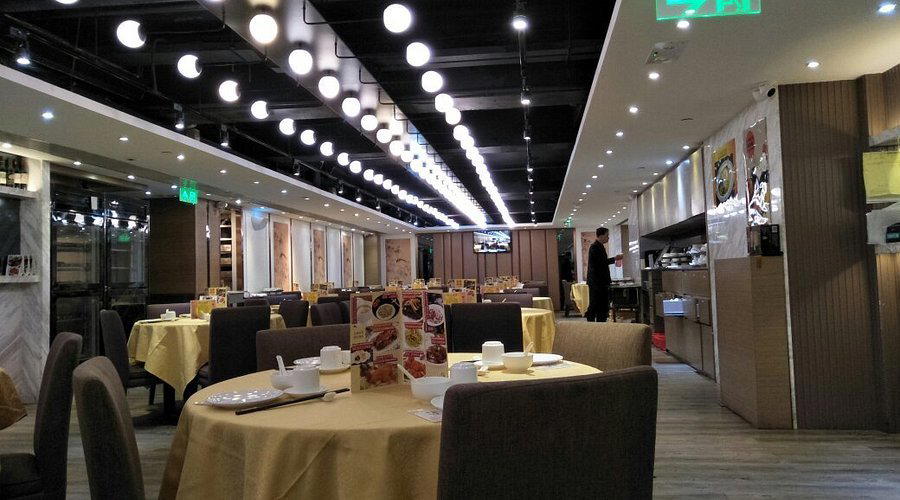
The menu
What to order
- June yellow crab noodles
- Eight-treasure rice
- Hairy crab dishes
- Pork ribs
Basement Shanghai, Nathan Road Surface
Tsim Sha Tsui's restaurant floor runs deep in both senses. The stretch of Nathan Road around Alpha House layers dining across multiple levels, and Wu Kong occupies the basement, which in Hong Kong's high-density hospitality logic signals neither obscurity nor informality — it simply reflects how the city stacks its kitchens. Approaching down the steps from the street, the room separates from the noise of one of Kowloon's busiest corridors. That physical remove from the pavement is part of the restaurant's character: what you find below is a dedicated Shanghainese dining room rather than a casual annexe to something else.
Shanghainese cooking in Hong Kong sits in a specific position. It is not the dominant southern Chinese tradition — that remains Cantonese, but it has a substantial presence built over decades of migration and cross-strait commerce. The cuisine's defining characteristics (soy-braised preparations, cold appetisers with precision-cut pork and tofu, the sweetness threaded through savoury dishes that defines the Jiangnan palate) require a kitchen committed to the style rather than one approximating it alongside a broader menu. Wu Kong's focus on the tradition is what positions it alongside the handful of Hong Kong restaurants that treat Shanghainese cooking as a primary rather than supplementary identity. Comparable addresses in the city include Yè Shanghai (Tsim Sha Tsui) and Liu Yuan Pavilion, each approaching the tradition with its own register.
The Tea Dimension in Shanghainese Dining
Tea and the Shanghainese table have a relationship that differs in emphasis from the Cantonese yum cha tradition, where tea service is the explicit framing device for the meal. In a classic Shanghai context, tea appears less ceremonially but no less deliberately, green teas, particularly those from Zhejiang and Anhui, have historically accompanied the lighter cold dishes and steamed preparations that open a Shanghainese meal. The logic is structural: the astringency of a well-brewed longjing or biluochun cuts through the richness of red-braised pork or the oil in a cold dressed preparation, resetting the palate between courses in a way that the meal's internal pacing depends upon.
Visitors accustomed to ordering tea as an afterthought should reconsider the sequence. In rooms where the kitchen operates in the Shanghainese register, tea works well when it arrives before food rather than alongside it. The first cup, served plain and without food, allows the drinker to read the water temperature and the brew's character before the kitchen begins to assert itself. A longjing poured too hot loses the vegetable sweetness that makes it a useful pairing partner for lighter cold starters; a tie guan yin served at the right temperature carries a floral mid-note that can bridge between cold and hot courses in the meal structure. These are not restaurant-specific observations, they are the accumulated logic of a dining tradition that treated tea as integral to the rhythm of eating rather than as a beverage category served in parallel.
For diners at Wu Kong, the Shanghainese framework means that the tea selection, however the kitchen chooses to present it, deserves the same deliberate approach as the food order. Ask what is available in the green tea category before ordering, and consider sequencing a lighter tea through the cold course progression before switching to something with more body if the meal moves into braised preparations.
Recognition and Positioning
Opinionated About Dining, the critical database that tracks serious restaurants across Asia and Europe, included Wu Kong in its Asia rankings at position 447 in 2025 and 416 in 2024, following a general recommendation in 2023. The trajectory, from recommended to ranked across two consecutive years, indicates a kitchen maintaining the consistency that OAD's methodology, which aggregates input from a community of experienced diners and critics, weights heavily. The rankings place Wu Kong within a cohort of Hong Kong restaurants that register clearly on the specialist-dining radar without sitting at the very best of the city's tier structure.
Within the Shanghainese subset in Hong Kong, that positioning is meaningful. The category does not generate the same density of critical coverage as the city's Cantonese or contemporary fine dining rooms. OAD recognition at this level for a Shanghainese address represents a form of category authority. Peer restaurants in the tradition across the region include Cheng Long Hang (Huangpu), Fu 1015, Fu 1039, Fu 1088, Lao Zheng Xing, Ren He Guan (Xuhui), and Zhou She (Minhang), all operating in Shanghai proper. Measuring a Hong Kong Shanghainese room against those originating addresses gives a cleaner calibration of what consistency in the tradition actually requires. In Shanghai itself, Shanghai Cuisine in Beijing offers another reference point for how the tradition travels.
The Shanghainese Table in Hong Kong Context
Hong Kong's northern Chinese dining tier has narrowed over the past decade. Several long-running Shanghainese and Shanghainese-adjacent addresses have closed or contracted, and the category now sits as a smaller share of the city's total restaurant count than it held in the 1990s and early 2000s. That contraction makes the remaining dedicated rooms more significant as reference points, they carry the accumulated institutional knowledge of the tradition rather than a recently assembled approximation of it.
Within Tsim Sha Tsui specifically, the Shanghainese option is not the default. The neighbourhood's restaurant concentration skews toward Cantonese and international formats, with dedicated northern Chinese cooking occupying a smaller slice. For visitors building a multi-day eating itinerary across Hong Kong, pairing a Tsim Sha Tsui Shanghainese meal with stops at Jardin de Jade (Wan Chai) or cross-referencing against The Merchants and Wing Lai Yuen gives a fuller map of where non-Cantonese Chinese cooking sits in the city's current dining structure.
The full resources for building that itinerary are available across EP Club's Hong Kong coverage: our full Hong Kong restaurants guide, hotels guide, bars guide, wineries guide, and experiences guide.
Planning Your Visit
Frequently asked questions
What should I eat at Wu Kong Shanghai Restaurant?
The kitchen operates in the Shanghainese register, so the order logic follows the cold-to-hot structure that defines the tradition. Cold starters, typically including preparations built around soy-marinated proteins, tofu, and seasonal vegetables, are where Shanghainese kitchens demonstrate their precision, and they reward close attention before the meal moves into braised or stir-fried courses. The red-braised preparations that are central to Shanghainese cooking (pork belly being the most referenced) are the natural anchors for the hot course selection. Chef Ken Hom's association with the restaurant places it within a recognisable frame of Shanghainese culinary authority, and the OAD rankings for 2024 and 2025 confirm consistent execution.
A Quick Peer Check
| Venue | Cuisine | Price | Awards | Notes |
|---|---|---|---|---|
| Wu Kong Shanghai RestaurantThis venue — the venue you are viewing | Traditional Shanghainese Cuisine | Not listed | Not listed | Not listed |
| 8 1/2 Otto e Mezzo Bombana (Hong Kong) | 3 Michelin-Star Italian Fine Dining | $200–300 | 3 Michelin Stars · World's 50 Best #94 | Italian |
| Ta Vie | Modern French-Japanese Fine Dining | $300–500 | 3 Michelin Stars · World's 50 Best #68 | Japanese - French, Innovative |
| Caprice | Contemporary French Fine Dining | $200–300 | 3 Michelin Stars · World's 50 Best #35 | French, French Contemporary |
| Feuille | Modern Vegetable-Forward French | $200–300 | 1 Michelin Star · World's 50 Best #93 | French Contemporary |
| Neighborhood | Modern French with Asian Influences | $50–100 | 1 Michelin Star · World's 50 Best #24 | International, European Contemporary |
Recognition history
Dated appearances from independent guides and award organizations, with the underlying list record or original source where available.
Opinionated About Dining Top Restaurants in Asia Recommended
Opinionated About Dining
Full recognition history (4 entries)
Opinionated About Dining Top Restaurants in Asia Ranked #447
Opinionated About Dining
Opinionated About Dining Top Restaurants in Asia Ranked #416
Opinionated About Dining
Opinionated About Dining Top Restaurants in Asia Recommended
Opinionated About Dining
Continue exploring
More in Hong Kong
Restaurants in Hong Kong
Browse all →
Bars in Hong Kong
Browse all →
Hotels in Hong Kong
Browse all →
Wineries in Hong Kong
Browse all →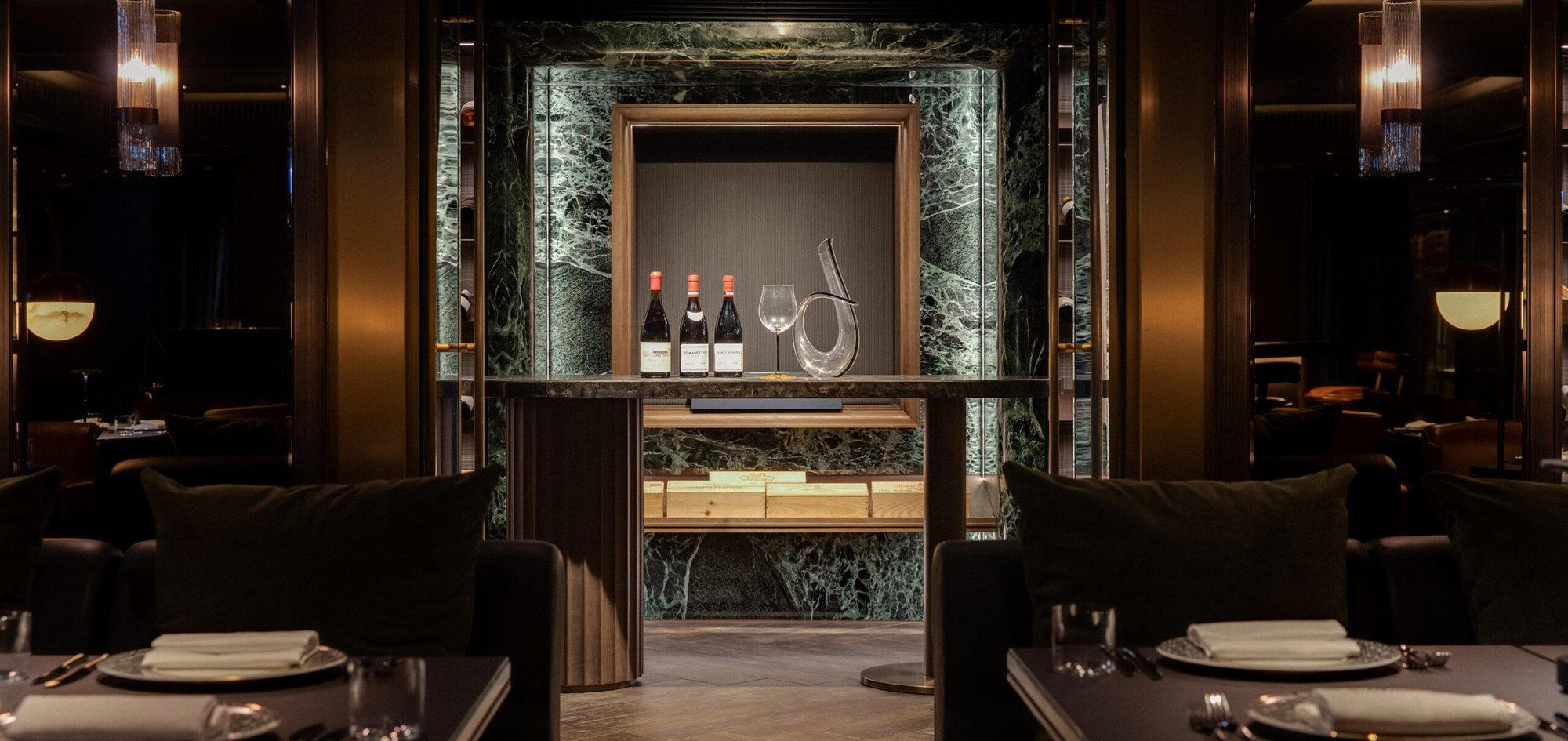
Details
- Classic
- Lively
- Family
- Group Dining
- Casual Hangout
- Standalone
- A La Carte
- Set Menu
Current opening hours
- Monday
- 12–11 PM
- Tuesday
- 12–11 PM
- Wednesday
- 12–11 PM
- Thursday
- 12–11 PM
- Friday
- 12–11 PM
- Saturday
- 12–11 PM
- Sunday
- 12–11 PM
Hours can change for holidays and private events. Last verified .
Old-school, basement Shanghainese dining room with a lively and welcoming atmosphere suited to family and group meals.