


1 Michelin Star · La Liste Top Restaurants · Black Pearl 1 Diamond
Our verdict
Housed in a heritage mansion on Yuyuan Road, Fu 1015 is the original address in Tony Lu's Fu restaurant group, holding a Michelin star and ranked 51st in Asia by Opinionated About Dining (2024). The kitchen focuses on home-style Shanghainese cooking, with river fish and meticulously prepared eel dishes anchoring a menu that rewards those who know what to order.

Pearl is the En Primeur Club membership app — saves, bookings, and concierge access live there. Same editors, same standards.
- Address
- 1039 Yuyuan Rd, 1039, Changning District, China, 200031
- Phone
- +86 21 5237 1878
- Directions
- Get directions
The menu
What to order
- Hairy Crab
- Bean Curd Skin Rolls
- Abalone Tarts
- Crispy Eel Strips
- Sautéed River Shrimps with Crabmeat and Crab Roe
A 1920s Mansion and the Case for Shanghainese Home Cooking
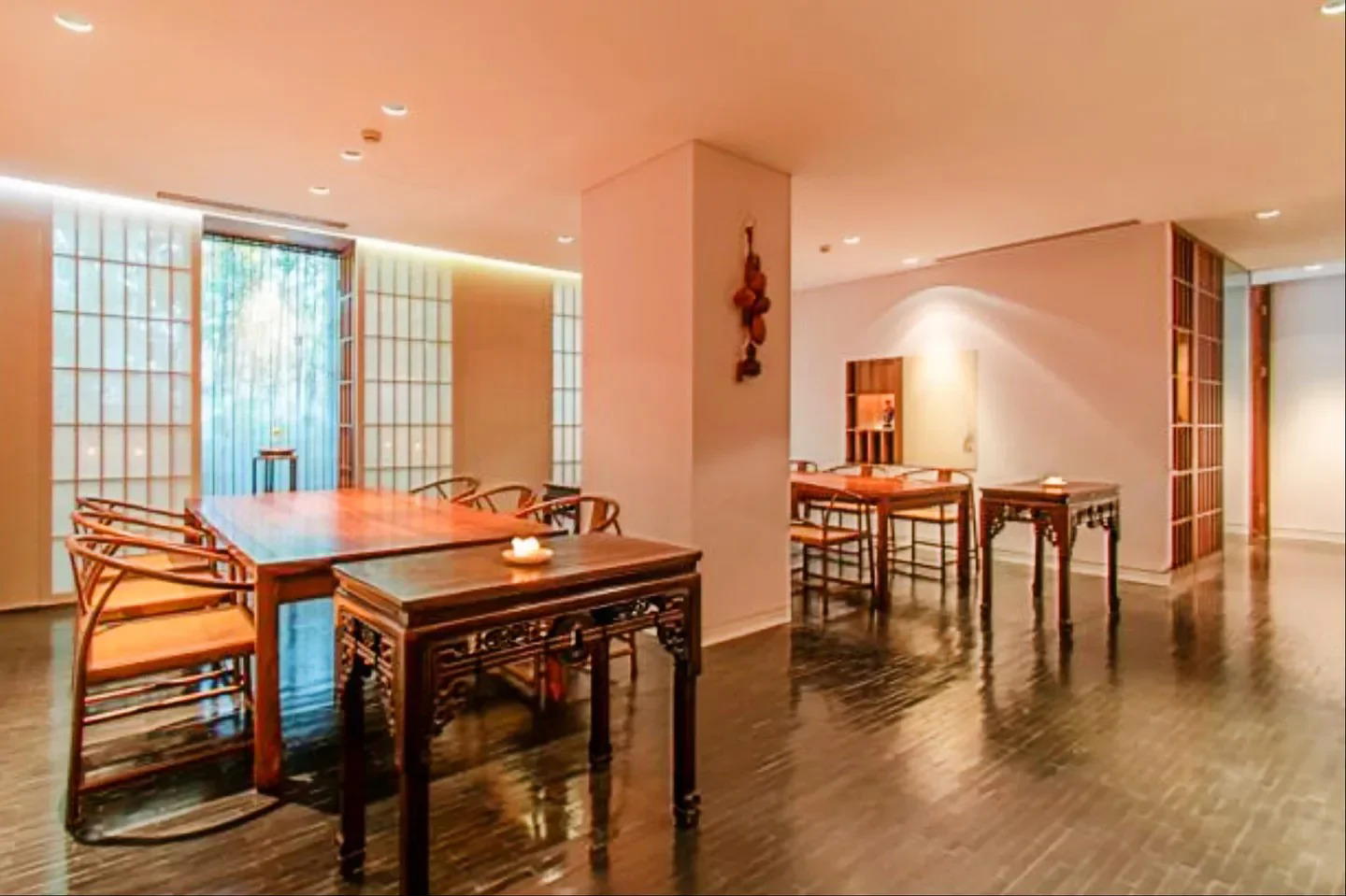
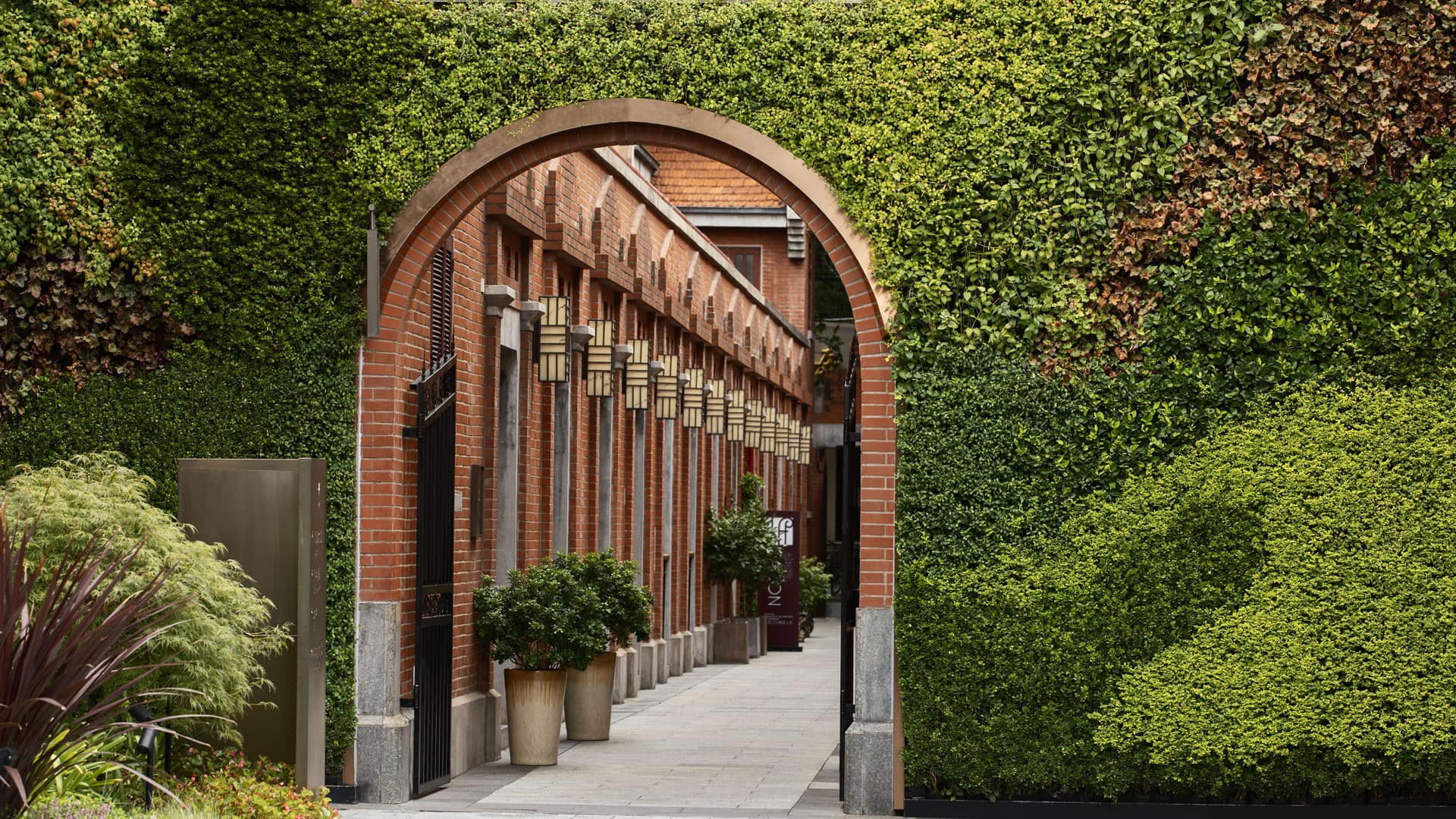
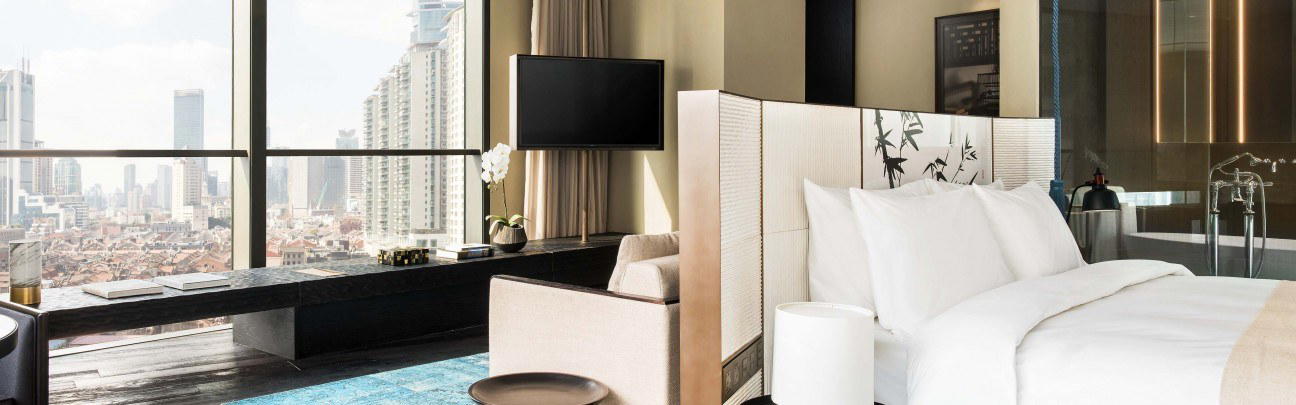
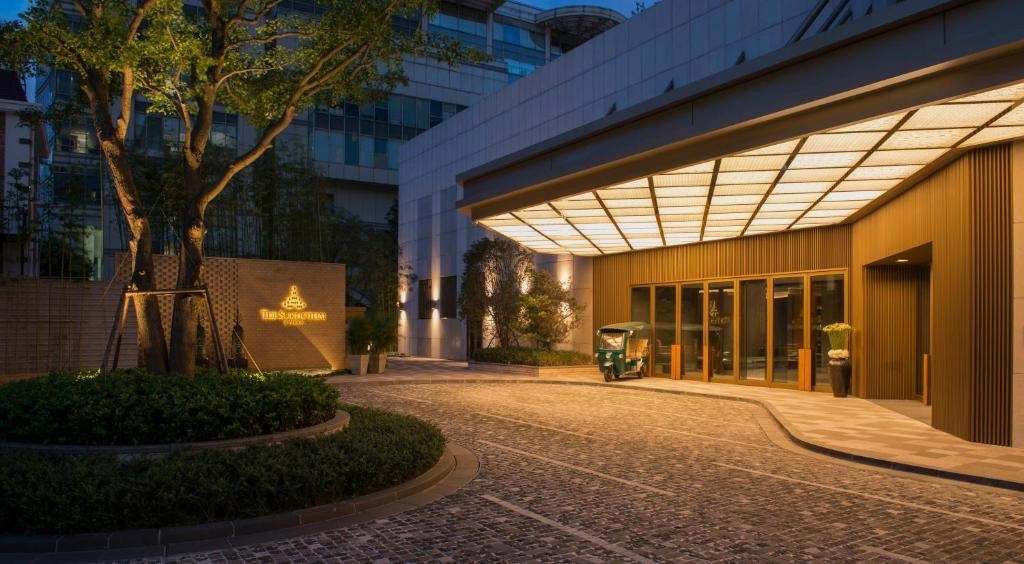
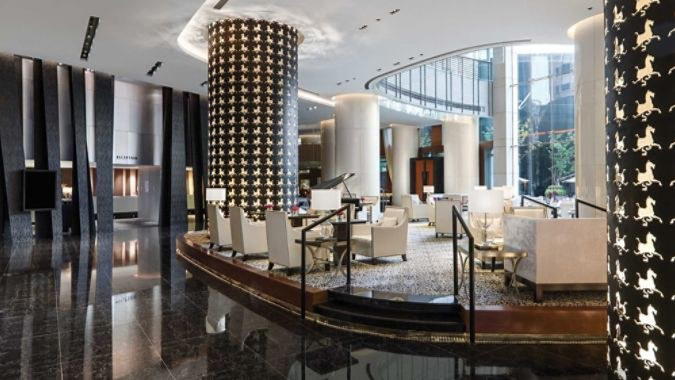
Yuyuan Road in Changning is one of Shanghai's quieter heritage corridors, a tree-lined stretch where lane houses and early Republican-era mansions sit close enough to the street to feel intimate rather than monumental. The building at number 1039 dates to the 1920s and carries the physical grammar of that era: wood panelling, proportioned rooms, a terrace that functions as a threshold between the street's ambient noise and something quieter inside. Several private dining rooms extend off the main dining area, furnished in a retro register that draws on pre-war Shanghai domesticity rather than the lacquer-and-dragon shorthand that defines so many formal Chinese dining rooms. Approaching Fu 1015 in the early evening, when the plane trees on Yuyuan Road filter the last of the light, the setting reads less like a restaurant and more like a private residence receiving guests.
That atmosphere is deliberate, and it maps to a culinary argument: that Shanghainese home cooking, with its multi-step preparations and labour-intensive techniques, is worth the same serious attention the city has long given to Cantonese banquet cuisine and imported fine dining formats. Fu 1015 makes that argument with some force, holding a Michelin star (2024), a Black Pearl Diamond (2025), and a ranking of 51st in Asia from Opinionated About Dining (2024), up from 82nd the year before. La Liste placed it at 75 points in its 2026 edition. These are not the credentials of a nostalgia project; they are the signals of a kitchen operating at the upper tier of regional Chinese dining.
Shanghainese Cooking and Where It Sits in the City's Restaurant Scene
Shanghai's restaurant scene has spent the better part of two decades diversifying upward, with imported formats, celebrity chefs, and international fine dining adding layers of prestige to a city that already had deep culinary infrastructure. Within that broader movement, the position of classic Shanghainese cuisine is complicated. The city's home cooking traditions — hongshao preparations, river fish, cold appetisers, red-braised pork — are well understood locally but have rarely received the kind of formal institutional recognition that Cantonese cuisine commands in Hong Kong or that Sichuan cuisine attracts internationally through the ma-la heat spectrum.
Sichuan's global moment has been partly driven by the legibility of ma-la: the numbing tingle of Sichuan peppercorn and the accumulating heat of chilli create a sensory narrative that translates across cultures. Shanghainese cooking offers a different register entirely. The flavour logic here is built around sweetness and soy depth, around precise control of heat and timing, and around the kind of textural specificity that makes a properly prepared river eel dish a technical achievement rather than a simple comfort food. Where Sichuan fires up, Shanghai concentrates. The contrast is worth noting because it explains why Shanghainese cooking requires a different kind of attention from the diner, and why venues like Fu 1015 occupy a distinct position from the chilli-forward restaurants that dominate international coverage of Chinese dining.
For further context on where Fu 1015 sits relative to the broader Shanghainese dining tradition in the city, the full Shanghai restaurants guide maps the competitive set across price tiers and cuisine types. Comparable addresses in the classic Shanghainese category include Lao Zheng Xing, one of the city's oldest surviving representatives of the tradition, and Ren He Guan (Xuhui), which operates in a similar register of precise, non-theatrical Shanghainese cooking. Cheng Long Hang (Huangpu) rounds out the tier of addresses where the cuisine is taken seriously on its own terms rather than as a backdrop for occasion dining.
River Fish, Eel, and the Technique-Driven Menu
The kitchen at Fu 1015 is built around the kind of recipes that require time, sequence, and patience, the multi-step preparations that home cooks in Shanghai once spent entire afternoons executing and that most restaurant kitchens have abandoned in favour of faster, more scalable formats. River fish is the kitchen's declared strong suit, with river eels prepared across multiple techniques forming a core of what distinguishes the menu from peers. The award citation notes oil-blanched river shrimps as another reference point: the technique produces a bouncy texture and concentrated umami that is the result of precise temperature control rather than elaboration for its own sake.
This is cooking that operates in the opposite direction from theatrical plating or flavour intensity as a primary signal. The ambition here is quieter and, in some ways, harder to execute: a dish that tastes exactly as it should, with no element out of register, no shortcut visible in the final result. That kind of precision is what Michelin's one-star designation typically signals in the context of regional Chinese cooking, and it is consistent with the OAD ranking trajectory Fu 1015 has shown across two consecutive years.
The Fu Group Context: Three Addresses, One Culinary Lineage
Fu 1015 is the original address in a group that now includes two sister venues: Fu 1039 and Fu 1088. Each operates with a distinct positioning within the Shanghainese fine dining category, but Fu 1015 carries the home-cooking mandate most explicitly. The group's identity, built under chef Tony Lu, has been consistent in arguing that the domestic register of Shanghai cooking deserves formal presentation and serious kitchen discipline.
For those tracking Shanghainese cooking across markets, it is worth noting that the cuisine travels in condensed form to other cities. Shanghai Cuisine in Beijing and Liu Yuan Pavilion in Hong Kong represent two different approaches to exporting the tradition, while addresses like Xin Rong Ji in Chengdu, Imperial Treasure Fine Chinese Cuisine in Guangzhou, and Dai Yuet Heen in Nanjing offer comparative reference points across the broader spectrum of Chinese fine dining in the region.
Planning a Visit
Fu 1015 sits at 1039 Yuyuan Road in Changning, a neighbourhood that is quieter and more residential than the Bund or Xintiandi dining corridors, though readily accessible from central Shanghai. The price range sits at the upper tier of the city's restaurant scale (¥¥¥¥), positioning it alongside the Michelin-starred and Black Pearl addresses rather than the mid-market Shanghainese options. Given the heritage setting, the private rooms, and the award recognition, reservations in advance are advisable, particularly for weekend evenings. The private rooms make the address well suited to small group dining where conversation is the point.
Those building a broader Shanghai itinerary can consult the full Shanghai hotels guide, the full Shanghai bars guide, the full Shanghai experiences guide, and the full Shanghai wineries guide for a complete picture of the city across categories.
Frequently asked questions
Would Fu 1015 be comfortable with kids?
Fu 1015 is set inside a 1920s heritage mansion with private rooms and a terrace, which gives families more separation from the main dining room than an open-plan restaurant would. That said, the kitchen runs multi-step, technique-driven Shanghainese dishes at a ¥¥¥¥ price point — the format and pacing are adult-oriented rather than child-focused. Families with older children who eat well should have no structural obstacles; very young children may find the meal length a stretch.
Is Fu 1015 formal or casual?
The setting is a restored Republican-era mansion furnished in retro style, which establishes a refined rather than relaxed atmosphere. Fu 1015 holds a Michelin star and ranked 51st among Asia's top restaurants on Opinionated About Dining in 2024, so the room carries weight. It is not white-tablecloth formal in the Western sense, but arriving in weekend-casual attire would feel out of register with the surroundings.
What kind of recognition has Fu 1015 received?
Fu 1015 has received recognition including: La Liste Top Restaurants (2026): 75pts; La Liste Top Restaurants (2025): 76.5pts; Black Pearl 1 Diamond (2025); The dining room in a heritage mansion circa 1920s is furnished in a retro style with a terrace and several private rooms. Unlike….
What should I eat at Fu 1015?
River fish is the kitchen's clearest strength, particularly eel prepared across multiple preparations — a signature that reflects the labour-intensive cooking style the restaurant is built around. Oil-blanched river shrimps are a documented highlight, noted for their texture and depth of flavour. Both dishes represent the home-style Shanghainese cooking that distinguishes Fu 1015 from its two sister venues, Fu 1039 and Fu 1088, which operate with different positioning.
What kind of cuisine does Fu 1015 serve?
Recognition, Side-by-Side
| Venue | Cuisine | Price | Awards | Notes |
|---|---|---|---|---|
| Fu 1015This venue — the venue you are viewing | Authentic Shanghainese Fine Dining | $100–150 | 1 Michelin Star · La Liste Top Restaurants | Not listed |
| Fu He Hui | Modern Seasonal Vegetarian Fine Dining | $200–300 | 2 Michelin Stars · World's 50 Best #11 | Vegetarian |
| Ming Court | Cantonese with Shanghainese Influences | $30–50 | 1 Michelin Star · Black Pearl 1 Diamond | Cantonese |
| Polux | French Bistro | $30–50 | Michelin Bib Gourmand | Not listed |
| Royal China Club | Modern Cantonese fine dining | $50–100 | Michelin Plate | Not listed |
| Scarpetta | Refined Italian Pasta & Pizza | $50–100 | Michelin Plate · Wine Spectator Best of Award of Excellence | Not listed |
Recognition history
Dated appearances from independent guides and award organizations, with the underlying list record or original source where available.
Michelin 1 Star
Michelin
La Liste Top Restaurants
La Liste
Black Pearl 1 Diamond
Black Pearl
Opinionated About Dining Top Restaurants in Asia Ranked #67
Opinionated About Dining
Full recognition history (9 entries)
Black Pearl 1 Diamond
Black Pearl
La Liste Top Restaurants
La Liste
Michelin 1 Star
Michelin
Opinionated About Dining Top Restaurants in Asia Ranked #51
Opinionated About Dining
Opinionated About Dining Top Restaurants in Asia Ranked #82
Opinionated About Dining