Yakitori Kiyu

Michelin Plate
Our verdict
A Michelin Plate-recognised yakitori counter in Mapo-gu, Yakitori Kiyu brings the Japanese grilling tradition into Seoul's mid-price dining tier with two consecutive Michelin Plate listings (2024 and 2025). The address on Dohwa 4-gil places it in a neighbourhood increasingly associated with focused, single-discipline kitchens.

Pearl is the En Primeur Club membership app, where members save venues, book tables and use the concierge.
Smoke, Skewer, and the Logic of Restraint
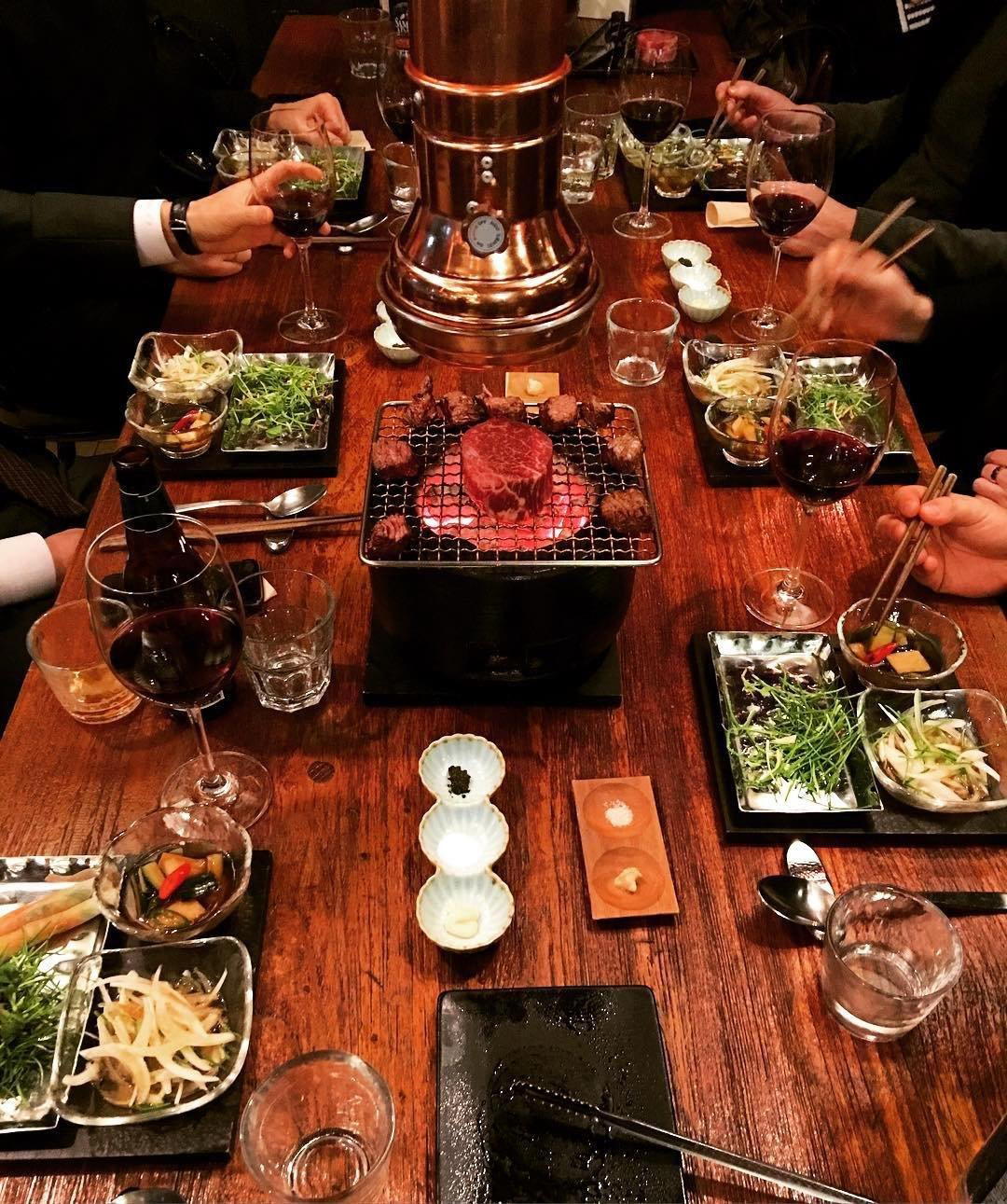
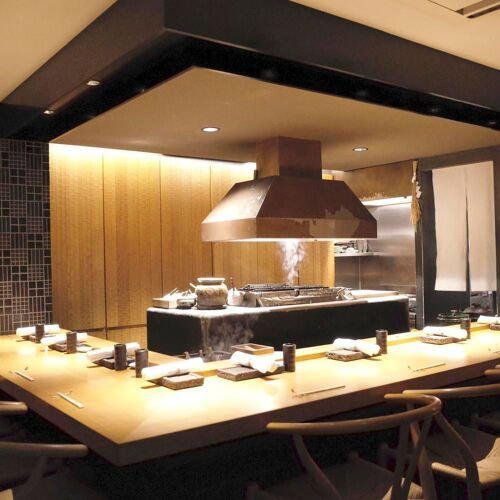
Approach Dohwa 4-gil in Mapo-gu after dark and the signal is olfactory before it is visual. Binchōtan charcoal, the dense, slow-burning white oak variety that defines serious yakitori practice, produces a heat that barely smokes but brands whatever passes above it with a faint, mineral sweetness. That particular quality of heat is the whole argument for doing yakitori properly, and it is what separates a dedicated grill counter from the Korean barbecue idiom that surrounds it in this city. Yakitori Kiyu operates within that narrower tradition: a Japanese grilling format transplanted into a Seoul neighbourhood that has become more receptive to single-discipline restaurants over the past several years.
The Mapo-gu address is relevant context. Unlike Gangnam's formal dining corridor or Jongno's heritage food culture, Mapo has accumulated a tier of restaurants that prioritise craft over ceremony. The price point at Yakitori Kiyu (₩₩ on a four-tier scale) reinforces that positioning, this is not a tasting-menu destination in the mode of Mingles or Jungsik, both of which occupy the upper brackets of Seoul's contemporary dining scene. It is, instead, a counter-format restaurant where the grillwork is the point.
The Yakitori Counter in Seoul's Current Dining Moment
Seoul's relationship with Japanese culinary formats has deepened considerably over the past decade. Where ramen and izakaya were once the dominant Japanese imports, the city now sustains a cohort of yakitori specialists who work to the same discipline-first standards seen at places like Ichimatsu in Osaka, Torisaki in Kyoto, and Torisho Ishii in Osaka, operations where chicken anatomy is treated with the same seriousness that a kaiseki kitchen applies to seasonal produce. The connection to kaiseki philosophy is not incidental. Proper yakitori progression follows its own sequential logic: mild cuts first, richer or more intensely flavoured skewers deeper into the meal, the composition building toward a kind of resolution. The aesthetic is one of accumulated precision rather than theatrical flourish.
That structural thinking has found a receptive audience in Seoul, where diners across multiple cuisine categories have shown increasing appetite for format-led experiences. Yakitori Kiyu sits within that trend and also alongside Seoul's other yakitori specialists, including Yakitori Mook, which occupies a comparable tier in the city's Japanese grill category.
Michelin Recognition and What It Signals
Yakitori Kiyu received a Michelin Plate in both 2024 and 2025. The Plate designation, distinct from starred recognition, denotes a kitchen the Guide considers to produce food of good quality, a threshold that in the yakitori category is meaningful precisely because the format offers so few places to hide. A skewer of negima (chicken and spring onion) or tsukune (minced chicken) lives or dies on three variables: sourcing, seasoning, and heat management. Consecutive Plate listings across two guide cycles suggest consistent execution rather than a single strong year. For context, Michelin's Seoul coverage has become more granular over time, and Plate recognition within the mid-price (₩₩) tier is a different signal than the same designation at higher price points, it implies that quality-to-value calibration is part of the assessment.
| Venue | Cuisine / Format | Price Tier | Recognition |
|---|---|---|---|
| Yakitori Kiyu | Yakitori | ₩₩ | Michelin Plate 2024, 2025 |
| Yakitori Mook | Yakitori | Seoul yakitori tier | |
| alla prima | Innovative | Seoul innovative tier | |
| Kwonsooksoo | Korean | Seoul Korean fine dining tier | |
| Gaon | Korean | Three Michelin Stars |
The comparison illustrates where Yakitori Kiyu sits: a specialist format at an accessible price point with consistent Michelin recognition, operating in a different register from Seoul's high-end tasting-menu circuit but sharing the same culture of discipline-first kitchen practice. For further context on Seoul's broader dining and hospitality options, see our full Seoul restaurants guide, our full Seoul hotels guide, our full Seoul bars guide, and our full Seoul experiences guide.
Seasonal Timing and the Charcoal Counter
Yakitori formats are not heavily seasonal in the way that kaiseki or temple cooking, such as the Buddhist cuisine at Baegyangsa Temple in Jangseong-gun, respond to the agricultural calendar. That said, autumn and winter are the periods when open-fire grilling formats find their most natural audience in Korea, as the ambient chill outside sharpens the appeal of counter seating close to the grill. The Mapo-gu location, less dense with late-night foot traffic than Hongdae or Itaewon, makes it a deliberate destination rather than a walk-in discovery. Plan accordingly, particularly on weekend evenings when counter-format restaurants in this tier tend to fill.
Visitors interested in yakitori's position within a wider Korean and Japanese grill tradition may also want to note comparable operations in other cities: Mori in Busan represents a different regional expression of focused, single-discipline Japanese-influenced dining in Korea. The 권숙수 location in Gangnam-gu and The Flying Hog in Seogwipo extend the picture of how specialist restaurant formats distribute across Korea's cities. For wineries to consider alongside your Seoul dining itinerary, see our full Seoul wineries guide.
Planning Your Visit
Yakitori Kiyu is at 31 Dohwa 4-gil, Mapo-gu, Seoul (postal code 04169). The ₩₩ price tier makes it one of the more accessible Michelin Plate addresses in the city. The Mapo-gu neighbourhood is accessible via the Mapo or Dohwa stations on the Seoul Metro. Counter-format restaurants at this recognition level in Seoul typically require advance reservation on weekends; treat a walk-in as opportunistic rather than reliable.
Frequently asked questions
Is Yakitori Kiyu more mid-range or high-end?
Pricing at Yakitori Kiyu is listed as ₩₩.
Has Yakitori Kiyu won any awards?
Yakitori Kiyu has received recognition including: Michelin Plate (2025); Michelin Plate (2024).
What do people recommend at Yakitori Kiyu?
Specific dish recommendations require confirmed menu data, which we do not hold for Yakitori Kiyu. What the Michelin Plate recognition across 2024 and 2025 does confirm is that the kitchen's core yakitori format, charcoal-grilled chicken skewers over binchōtan, is the reason to visit. At the ₩₩ price tier, ordering broadly through the skewer menu is the standard approach at counters of this type.
What's the address for Yakitori Kiyu?
Yakitori Kiyu is located at 31 Dohwa 4-gil, Mapo-gu, Seoul, 04169, South Korea, Seoul.
Do I need a reservation for Yakitori Kiyu?
Counter-format restaurants in Seoul with consecutive Michelin Plate recognition (2024 and 2025) at the ₩₩ tier do attract consistent demand, so reserving ahead is the practical approach. Check directly via the venue's address at 31 Dohwa 4-gil, Mapo-gu.
What is Yakitori Kiyu known for?
Yakitori Kiyu is recognised for its dedicated yakitori format, Japanese-style chicken skewers grilled over binchōtan charcoal, within Seoul's Mapo-gu neighbourhood. It holds a Michelin Plate in both 2024 and 2025, placing it among the Guide's recommended addresses in the city at an accessible ₩₩ price point. The focus is narrow by design: this is a single-discipline counter, not a broad izakaya menu.
Peers You’d Cross-Shop
| Venue | Cuisine | Price | Awards | Notes |
|---|---|---|---|---|
| Yakitori KiyuThis venue (the venue you are viewing) | Modern Japanese Yakitori | $50–100 | Michelin Plate | Not listed |
| 7th Door | Modern Korean Fermentation Fine Dining | $100–150 | 1 Michelin Star · World's 50 Best #49 | Korean, Contemporary |
| Solbam | Contemporary Neo-Classical Korean | $200–300 | 1 Michelin Star · World's 50 Best #55 | Contemporary |
| Onjium | Modern Korean Royal Court Cuisine | Not listed | 1 Michelin Star · World's 50 Best #41 | Korean |
| L'Amitié | Classic French Fine Dining | $100–150 | 1 Michelin Star · La Liste Top Restaurants | French |
| Zero Complex | Modern French Neo-Bistro | $100–150 | 1 Michelin Star · La Liste Top Restaurants | Korean-French, Innovative |
Recognition history
Dated appearances from independent guides and award organizations, with the underlying list record or original source where available.
Michelin Plate
Michelin
Full recognition history (2 entries)
Michelin Plate
Michelin