Yakitori Mook

Michelin Plate
Our verdict
A Michelin Plate recipient in consecutive years (2024 and 2025), Yakitori Mook operates in Mapo-gu's Seongmisan neighbourhood, one of Seoul's more relaxed, residential pockets for evening eating. At the ₩₩ price tier, it holds an unusual position: Michelin-acknowledged yakitori without the formality or cost of Seoul's upper dining brackets.

Pearl is the En Primeur Club membership app, where members save venues, book tables and use the concierge.
The menu
What to order
- Charcoal-grilled tojongdak yakitori
- Chicken omakase
Smoke, Skewers, and the Social Logic of Yakitori in Seoul
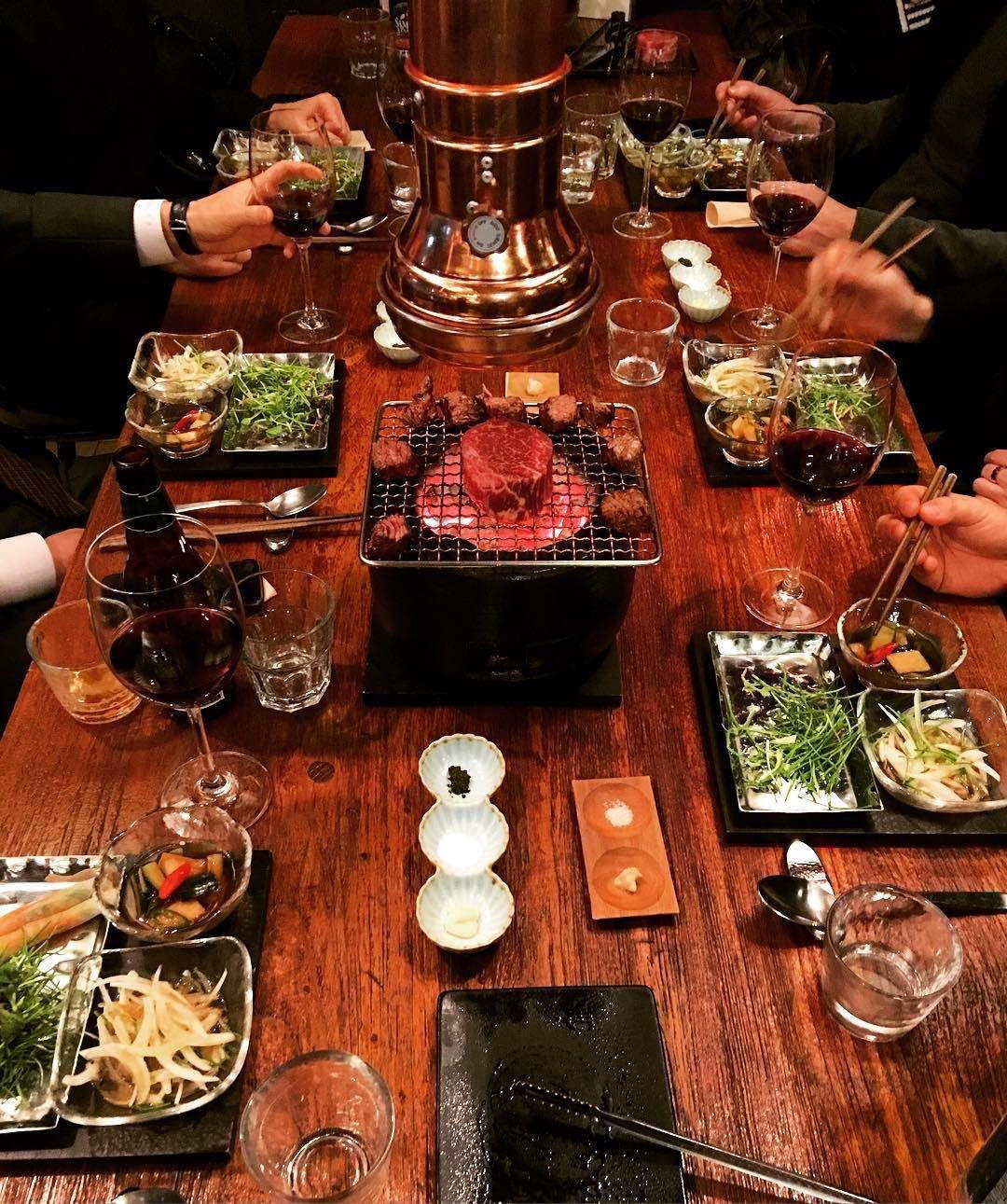
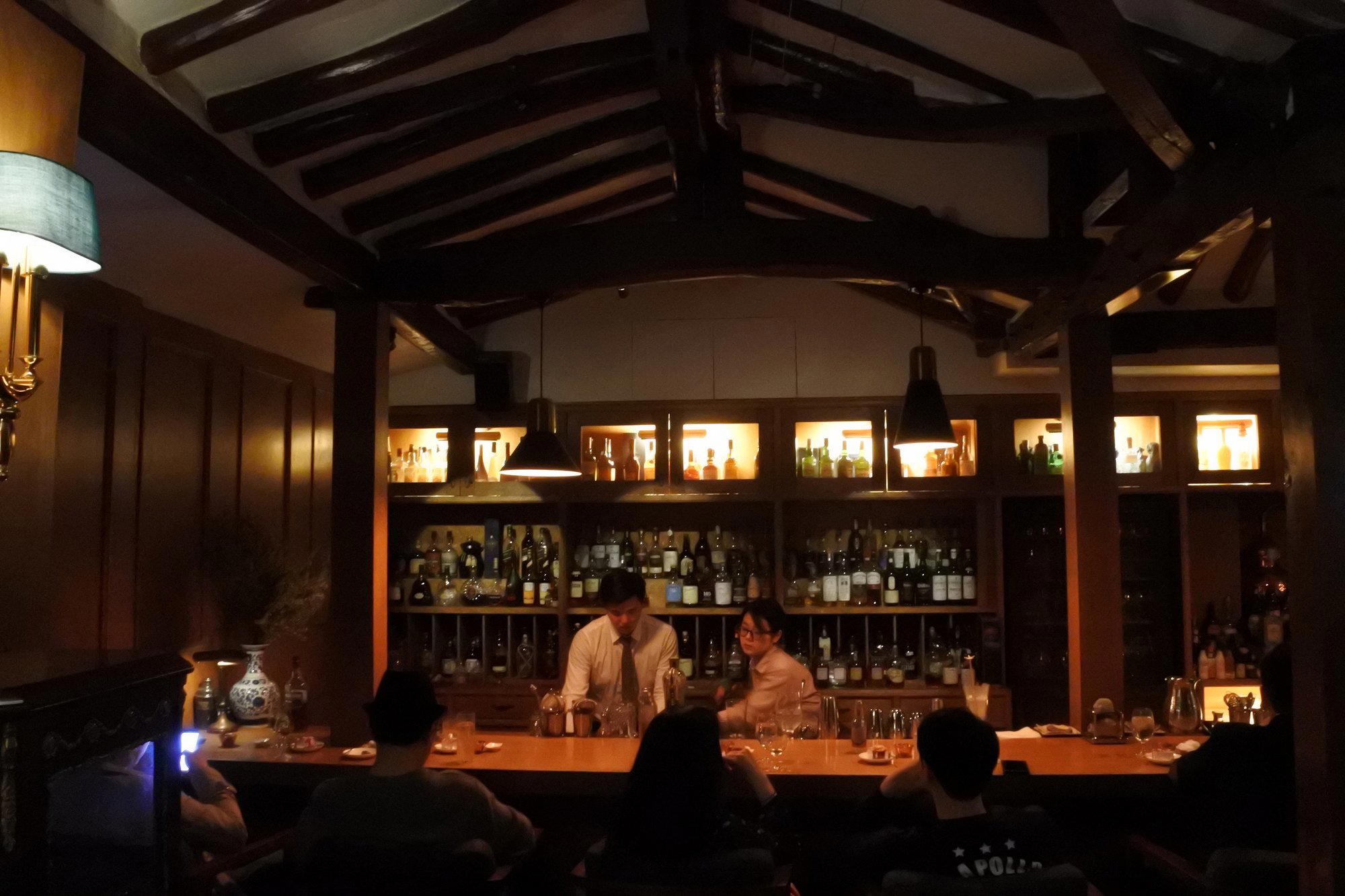
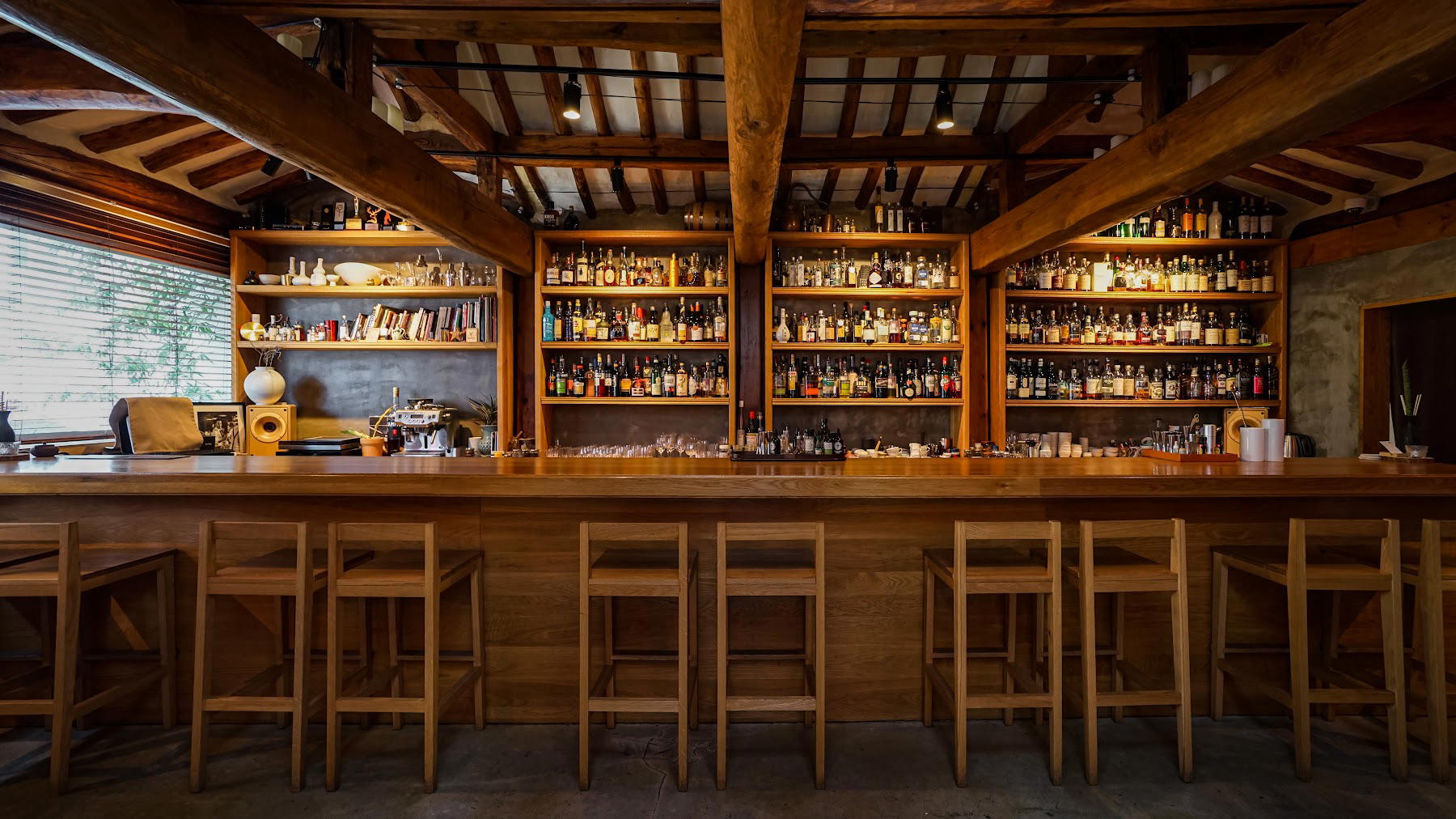
There is a particular rhythm to a good yakitori counter that transcends national borders. Smoke rises in thin columns from a narrow charcoal grill. Skewers arrive in twos and threes, paced by the cook, not the clock. Conversation fills the gaps between bites. This is not a format built for speed or spectacle, it is built for the kind of extended, low-pressure evening that izakaya culture in Japan codified decades ago and that Seoul has quietly absorbed and made its own. Yakitori Mook, on Seongmisan-ro in Mapo-gu, operates inside that tradition.
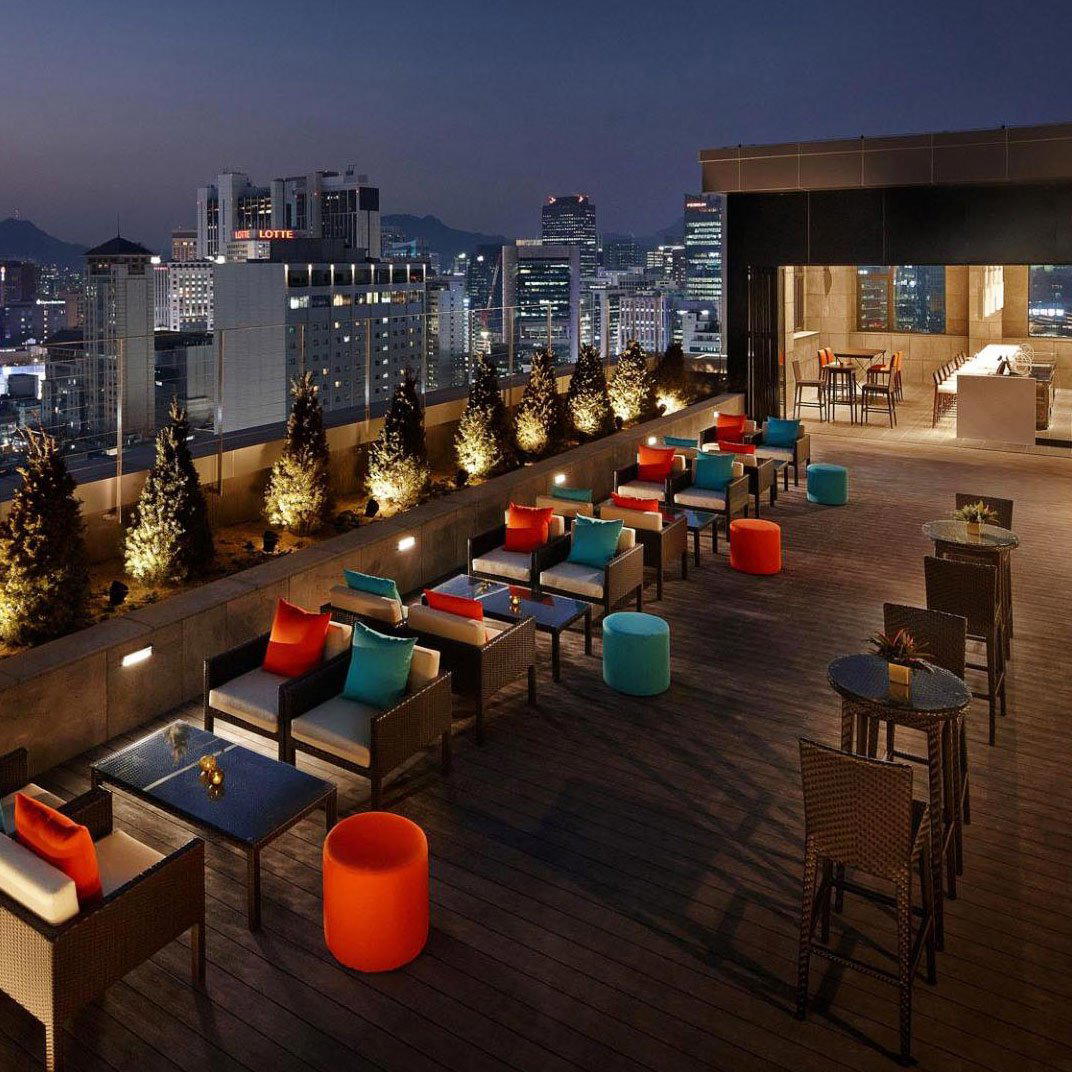
Mapo-gu sits west of the Han River's northern bank, away from the high-decibel dining circuits of Gangnam or the chef-showcase restaurants clustering around Cheongdam. The Seongmisan neighbourhood in particular has a character shaped by its residential density and the independent bars and small restaurants that serve it. Evenings here have a slower cadence than in Hongdae's adjacent bar strips, the kind of atmosphere in which a two-hour yakitori session feels like the obvious thing to do rather than an indulgence. Yakitori Mook fits that geography precisely.
The Yakitori Format and Its Place in Seoul's Japanese-Influenced Dining
Seoul has absorbed Japanese dining formats, ramen, omakase sushi, izakaya, tonkatsu, with considerable enthusiasm, and yakitori is one of the more interesting transplants. In Tokyo and Osaka, dedicated yakitori houses range from hole-in-the-wall operations under refined rail tracks to counter restaurants with Michelin recognition. For reference points in Japan, Ichimatsu in Osaka, Torisaki in Kyoto, and Torisho Ishii in Osaka each illustrate how seriously the format is taken at the dedicated end of the market. Seoul's yakitori scene is smaller and younger, but the Michelin Guide has begun tracking it, Yakitori Mook's consecutive Michelin Plate recognitions in 2024 and 2025 confirm it as part of that emerging tier.
The Michelin Plate designation, it is worth being precise about, signals a restaurant serving good food by the Guide's assessment, it sits below the star classifications but is a formal acknowledgement of quality within the inspection framework. For a ₩₩ operation in a residential Mapo neighbourhood, two consecutive plates indicate that the kitchen is consistent and that the format is executed with enough discipline to clear Michelin's threshold repeatedly. Yakitori Kiyu provides a point of comparison within Seoul's yakitori niche.
Communal Eating, Paced Drinking, and the Izakaya Principle
The social logic of izakaya dining, and yakitori fits squarely within it, is based on a different contract with time than a set-menu restaurant. You are not there for a single arc from amuse to dessert. You are there to eat across a longer window, reorder what you like, drink at your own pace, and talk. The food punctuates the evening rather than defining its structure. This format suits Seoul's drinking culture in ways that formal tasting menus do not: the city has a well-established tradition of eating and drinking simultaneously in a relaxed setting, and yakitori's skewer-by-skewer pacing maps onto that instinct naturally.
At the ₩₩ price point, Yakitori Mook positions itself as an accessible expression of this format, not a special-occasion counter but a place for a regular Tuesday or a low-key Friday. That accessibility, combined with the Michelin recognition, creates an interesting value position in a city where the gap between casual eating and Michelin-acknowledged dining can be wide. Seoul's higher-end Korean and contemporary restaurants, places like Mingles, Jungsik, Kwonsooksoo, and Gaon, operate at a different price tier and require a different kind of commitment from the diner. alla prima represents another innovative corner of the Seoul dining scene. Yakitori Mook asks for neither.
Seongmisan-ro and the Character of Eating in Mapo-gu
The address on Seongmisan-ro places Yakitori Mook in a stretch of Mapo-gu that has developed a quiet reputation for independent food and drink over the past decade. Unlike the more aggressively trend-driven zones of Seoul, the area around Seongmisan tends to reward return visits over discovery tourism. The restaurants and bars here are shaped by local regulars as much as by arriving diners, which gives the neighbourhood a different atmosphere from Itaewon or Apgujeong. For visitors, this means a more residential, less performative evening, which is precisely the context in which yakitori at a communal counter works well.
For those building a broader Seoul itinerary, the full Seoul restaurants guide covers the city's dining range across neighbourhoods and price tiers. The Seoul bars guide is useful context for an evening that continues after yakitori, and the Seoul hotels guide can help with positioning relative to Mapo. Further afield, Mori in Busan, Baegyangsa Temple in Jangseong-gun, and The Flying Hog in Seogwipo round out options across South Korea. The Seoul wineries guide and Seoul experiences guide cover the city's broader offer. For Korean fine dining with a Gangnam address, Kwon Sook Soo in Gangnam-gu is a separate option. The Seoul experiences guide is also worth checking for cultural programming alongside the meal.
Planning Your Visit
Given the neighbourhood character and the ₩₩ price tier, the format is likely to accommodate both reservations and walk-ins depending on the night, but this should be verified directly before visiting.
| Venue | Cuisine | Price Tier | Michelin Recognition | Neighbourhood |
|---|---|---|---|---|
| Yakitori Mook | Yakitori | ₩₩ | Plate 2024, 2025 | Mapo-gu, Seongmisan-ro |
| Yakitori Kiyu | Yakitori | Not confirmed | Not confirmed | Seoul |
| L'Amitié (comparison) | French | ₩₩₩ | Not confirmed | Seoul |
| 7th Door (comparison) | Korean Contemporary | ₩₩₩₩ | Not confirmed | Seoul |
Frequently asked questions
Is Yakitori Mook formal or casual?
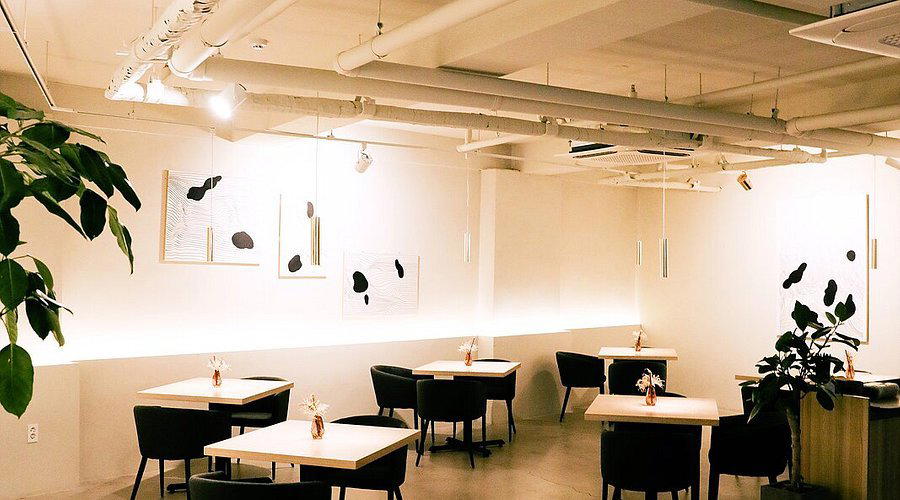
The ₩₩ price tier and a residential Mapo-gu address both signal a relaxed, drop-in register. Two consecutive Michelin Plate awards confirm the kitchen is precise, but the format is grounded in the izakaya principle: communal seating, smoke, and skewers rather than tablecloths and tasting menus.
Is Yakitori Mook expensive?
Pricing at Yakitori Mook is listed as ₩₩.
What kind of recognition has Yakitori Mook received?
Yakitori Mook has received recognition including: Michelin Plate (2025); Michelin Plate (2024).
What do regulars order at Yakitori Mook?
EP Club does not hold confirmed dish data. At a charcoal yakitori counter, the format typically cycles through chicken cuts on skewer, thigh, skin, neck, liver, alongside salt and tare variations. The Michelin Plate recognition points to consistent kitchen execution across whatever the current rotation holds.
What's the cuisine at Yakitori Mook?
What's the address for Yakitori Mook?
Yakitori Mook is located at South Korea, Seoul, Mapo-gu, 우측 Seongmisan-ro, 165-1 1층, Seoul.
Do they take walk-ins at Yakitori Mook?
A ₩₩ Michelin Plate counter in a Mapo-gu residential pocket tends to run at capacity on weekends, making an early arrival or advance contact the more reliable approach.
Quick Comparison
A quick peer list to put this venue’s basics in context.
| Venue | Cuisine | Price | Awards | Notes |
|---|---|---|---|---|
| Yakitori MookThis venue (the venue you are viewing) | Japanese Yakitori Omakase | Not listed | Michelin Plate | Not listed |
| 7th Door | Modern Korean Fermentation Fine Dining | $100–150 | 1 Michelin Star · World's 50 Best #49 | Korean, Contemporary |
| Solbam | Contemporary Neo-Classical Korean | $200–300 | 1 Michelin Star · World's 50 Best #55 | Contemporary |
| Onjium | Modern Korean Royal Court Cuisine | Not listed | 1 Michelin Star · World's 50 Best #14 | Korean |
| L'Amitié | Classic French Fine Dining | $100–150 | 1 Michelin Star · La Liste Top Restaurants | French |
| Zero Complex | Modern French Neo-Bistro | $100–150 | 1 Michelin Star · La Liste Top Restaurants | Korean-French, Innovative |
Recognition history
Dated appearances from independent guides and award organizations, with the underlying list record or original source where available.
Michelin Plate
Michelin
Full recognition history (3 entries)
Michelin Plate
Michelin
Michelin Plate
Michelin