

Michelin Plate · Tabelog 100 #92
Our verdict
Tokyo’s yakitori counters have moved far beyond salt-versus-tare minimalism, and Yakitori Honda belongs to the small-format tier where the room, the grill, and the condiment logic all matter. Its nine-seat counter, Hinai chicken focus, Michelin Plate 2025 notice, and Tabelog 100 Yakitori EAST selections from 2023 to 2025 place it in a serious Tokyo conversation rather than a casual skewer crawl.

Pearl is the En Primeur Club membership app, where members save venues, book tables and use the concierge.
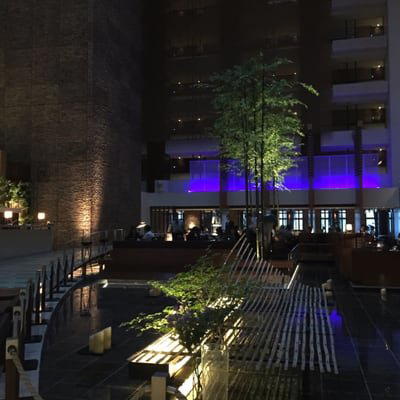
The meal is best understood through proximity: fire, seasoning, timing, and the short distance between preparation and response that defines serious yakitori in Tokyo. That compression is central to the genre. The grill is not decorative theatre; it is the operating system. Heat, fat, and sequence are easier to read when the meal is approached at close range, and the format rewards diners who understand that yakitori is a cut-by-cut discipline rather than a chicken tasting menu with smoke attached.
Tokyo’s yakitori scene has split into clear tiers. At one end are casual beer-led rooms where the pleasure is repetition, salt, tare, and speed. At the other are focused specialists that treat poultry with the same seriousness that sushi counters bring to rice temperature and neta rotation. Yakitori Honda sits in the latter conversation, with Hinai chicken and recognition that includes Tabelog 100 Yakitori EAST 2025. That combination matters because it signals consistency within one of Japan’s most closely watched dining filters.
A close counter makes yakitori a matter of architecture
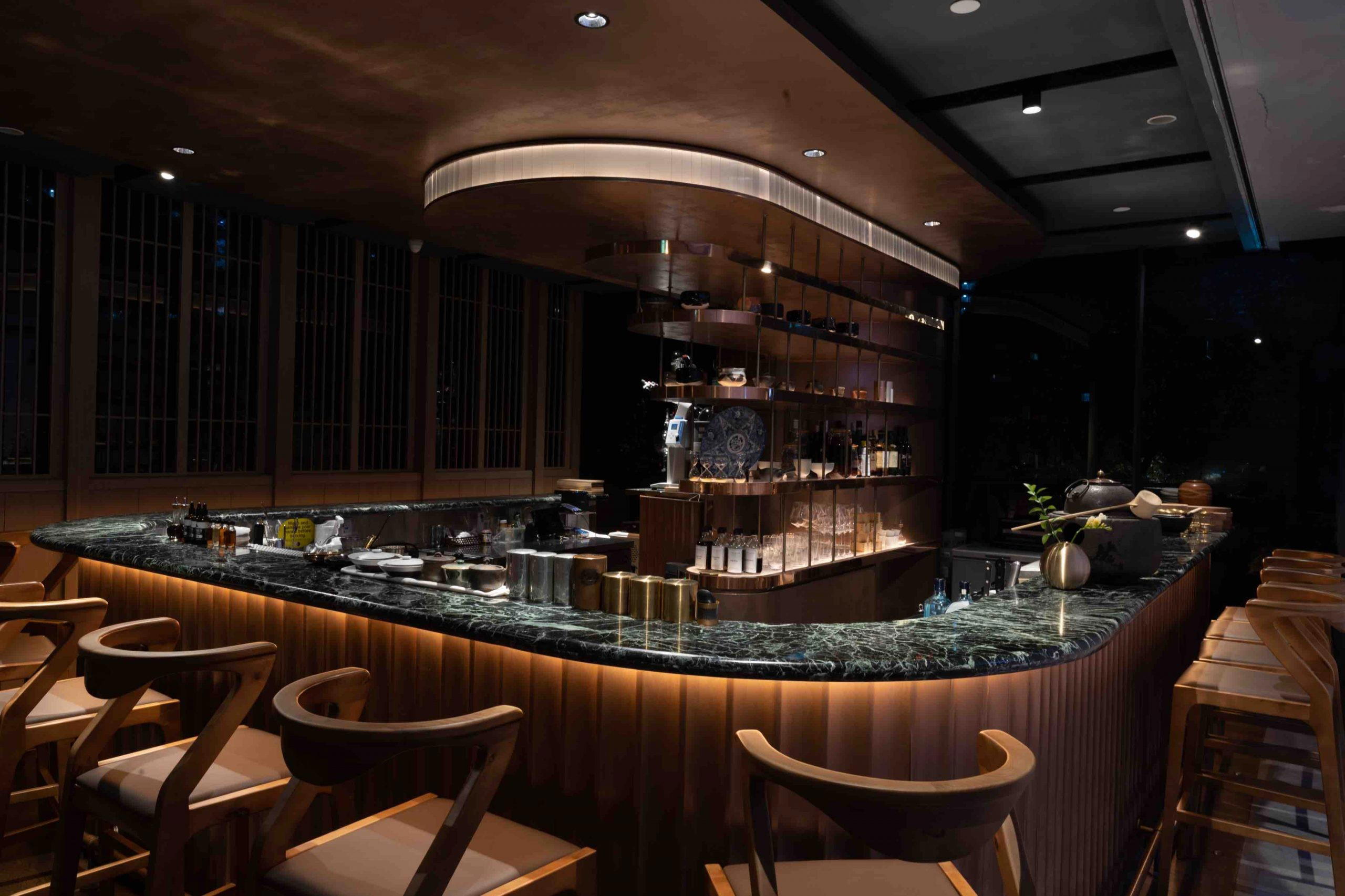
Small-format yakitori changes the meal before the first skewer arrives. A focused room narrows the margin for distraction: pacing becomes visible, the grill drives the experience, and the sequence carries more weight than a broad à la carte spread. In Tokyo, that intimacy is often the difference between yakitori as comfort food and yakitori as a controlled study of texture, fat, and seasoning. The setting also places pressure on the diner’s own choices; perfume, smoke, and large groups sit poorly in meals designed around aroma and heat.
The design logic places Yakitori Honda near Tokyo’s serious yakitori counters rather than izakaya-adjacent drinking rooms. BIRD LAND remains a useful reference point for how the category entered a broader fine-dining conversation, while Aramaki reflects the city’s newer premium skewers-and-pairings lane. Other Tokyo dining rooms show how different counters use scale, locality, and atmosphere to define their own version of the genre. The useful comparison is not which room is more famous, but how each uses space to control attention.
That point is easy to miss in Tokyo, where premium dining often announces itself through materials, views, or hotel-level polish. Yakitori works differently. The luxury is concentration: the closeness of the work, the command of fire, and the way a meal refuses excess movement. A format like this gives less room for ceremony and more room for reading craft in real time. For a wider city frame, Our full Tokyo restaurants guide places this kind of counter alongside sushi, kappo, tempura, and French-influenced rooms competing for the same serious-dining evenings.
Condiments widen the grammar beyond salt and sauce
The defining idea is not a single named skewer. It is the decision to push yakitori seasoning beyond the familiar binary of salt or tare. Chef Takuya Honda’s cooking is described through Hinai chicken aged for umami, with condiments such as condensed soy sauce, balsamic soy sauce, and rice vinegar with herbs used to frame different cuts. That matters because yakitori’s sophistication often lies in adjustment: how lean meat, skin, organ cuts, and fat respond to heat and seasoning at different points in the meal.
This is where the room and the food meet. A focused yakitori format allows condiment changes to read as part of the sequence rather than as a collection of clever add-ons. Wine pairings also make sense in that context. Tokyo’s serious yakitori rooms increasingly borrow from fine-dining beverage culture without abandoning the grammar of skewers, and the chef’s effort in recommending wine pairings signals a meal meant for structured progression rather than casual grazing.
Within Japan, yakitori has enough regional and stylistic range to resist a single model. Other dining in Tokyo and beyond shows how the format can shift by city, audience, and mood. Those comparisons sharpen the Tokyo reading: the city’s premium counters tend to compress the experience, reduce noise, and make the grill the central piece of furniture.
The Tabelog 100 Yakitori EAST 2025 mention is a useful trust signal because yakitori can be difficult for visitors to assess from the outside. Many rooms look modest, and many menus reveal little until the sequence begins. Recognition does not guarantee personal preference, but it does help separate a serious specialist from a room trading on atmosphere alone.
Who this counter is for, and how to place it in a Tokyo itinerary
Yakitori Honda makes the strongest case for diners who want Tokyo’s grill culture in a concentrated format: poultry detail, fire, and seasoning decisions that reward attention. It is less suited to anyone looking for a loose, multi-generational dinner or a broad izakaya evening. The small-format orientation makes the audience clear. This is a focused yakitori meal, not a flexible all-purpose stop.
Its position in Tokyo gives it a useful place in a city dining plan: accessible within the city, but specific enough to justify building the evening around the reservation. Travellers weighing food against the rest of Tokyo can use broader city guides for hotels, bars, wine, and experiences to keep the meal in proportion rather than treating dinner as an isolated trophy.
For diners building a broader Japan file, the contrast with other dining addresses is useful. Tokyo offers many moods beyond yakitori, while regional dining across the country shows how narrow-format meals can mean different things depending on place and craft. Here, the case is precise: a Tokyo yakitori specialist using chicken, fire, and condiment structure to make the genre feel architectural.
Frequently asked questions
Is Yakitori Honda open every day?
Check directly with Yakitori Honda for current opening days and hours.
Where do I go for Yakitori Honda?
Tokyo.
How would you describe the cuisine at Yakitori Honda?
Yakitori Honda is a Tokyo yakitori venue focused on chicken, fire, seasoning, and wine pairing recommendations.
What's the price range at Yakitori Honda?
Check directly with Yakitori Honda for current pricing.
What's the defining dish or idea at Yakitori Honda?
The core idea is yakitori in Tokyo shaped by Chef Takuya Honda’s curiosity: Hinai chicken aged for umami, careful trial and error with each cut, condiments beyond the usual salt-versus-sauce split, and thoughtful wine pairing recommendations.
The Short List
Comparable venues by cuisine and price in the same metro.
| Venue | Cuisine | Price | Awards | Notes |
|---|---|---|---|---|
| Yakitori HondaThis venue (the venue you are viewing) | Modern Japanese Yakitori | $100–150 | Michelin Plate · Tabelog 100 #92 | Not listed |
| BIRD LAND | Michelin-Starred Yakitori | $50–100 | Michelin Plate · Tabelog 100 #45 | Yakitori |
| Aramaki | Seasonal Yakitori Omakase | $100–150 | Michelin Plate · Tabelog 100 #14 | Yakitori |
| Jimbocho Gokita | Yakitori with French Sauces | $200–300 | Michelin Plate | Yakitori |
| YAKITORI Moe es | Modern Yakitori | $100–150 | Michelin Plate · Tabelog Bronze #287 | Yakitori |
| Yakitori Hinata | Yakitori | $150–200 | Michelin Plate · Tabelog 100 #85 | Not listed |
Recognition history
Dated appearances from independent guides and award organizations, with the underlying list record or original source where available.
Michelin Plate
Michelin
Tabelog 100 #92 · No. 92
Tabelog · Tabelog 100 - Yakitori - EAST - 2025
Full recognition history (3 entries)
Michelin Plate
Michelin
Continue exploring
More in Tokyo
Restaurants in Tokyo
All restaurants in Tokyo →
Bars in Tokyo
All bars in Tokyo →



Details
- Intimate
- Quiet
- Modern
- Sophisticated
- Date Night
- Solo
- Business Dinner
- Special Occasion
- Chefs Counter
- Open Kitchen
- Standalone
- Private Dining
- Sake Program
- Sommelier Led
- Local Sourcing
- Set Menu
- Counter Dining
- Tasting Menu
- Wine
- Sake
Current opening hours
- Monday
- 6–10:30 PM
- Tuesday
- 6–10:30 PM
- Wednesday
- 6–10:30 PM
- Thursday
- 6–10:30 PM
- Friday
- 6–10:30 PM
- Saturday
- 6–10:30 PM
- Sunday
- Closed
Hours can change for holidays and private events. Hours as of .
A quiet, tucked-away back-alley setting with a refined Japanese-modern interior, a solid hinoki counter, and a relaxed counter-focused atmosphere.