
Michelin Bib Gourmand
Our verdict
A fourth-generation unagi specialist in Yaesu, Hashimoto holds a 2025 Michelin Plate and a lineage measured in decades rather than menu cycles. The ¥¥ price tier makes it one of the more accessible entries in Tokyo's serious eel dining tier, and a counter seat offers a direct view of craftsmen working the grill. The old wooden sign above the entrance, 'Unagi: eat this, and there is no need for medicine', sets the register before you sit down.

Pearl is the En Primeur Club membership app, where members save venues, book tables and use the concierge.
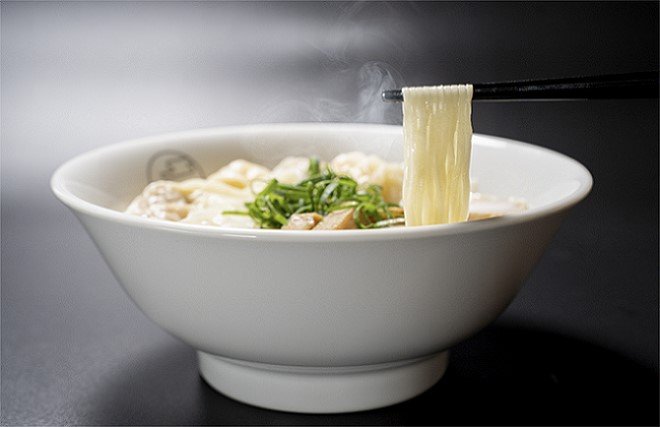
If you eat one specialist dish in Tokyo's business-district corridor, make it eel, and make it here. The Yaesu district does not trade on atmosphere the way Ginza does; it is a working quarter of office towers and commuter exits, which means the restaurants that survive across multiple generations do so on the quality of the craft rather than the theatre of the address. Yaesu Unagi Hashimoto
The Weight of an Old Wooden Sign
Tokyo's unagi tradition carries a health claim so old it has become part of the cultural furniture. The sign above Hashimoto's entrance reads: 'Unagi: eat this, and there is no need for medicine.' That is not a marketing slogan, it reflects a pre-modern understanding of freshwater eel as a restorative food, dense in protein, fat-soluble vitamins, and minerals that sustained labourers and merchants through humid Edo summers. The custom of eating unagi on the midsummer day of the ox, Doyo no Ushi no Hi, dates to the eighteenth century and remains one of the more genuinely observed food traditions in a city full of imported occasions. Walking into Hashimoto, that sign functions as a statement of where this kitchen positions itself: inside a living practice, not a museum recreation of one.
Four Generations of the Same Discipline
Multi-generational restaurants in Tokyo occupy a specific credibility tier. In a city where culinary lineage is tracked the way wine regions track soil classification, four generations of continuous operation in a single specialty is a meaningful credential. The current chef, the fourth in the family line, works within a defined technical framework: the Kanto style of unagi preparation, which involves steaming the eel before grilling it over charcoal, producing a texture softer and more yielding than the Kansai approach of grilling directly without steaming. That distinction matters to regulars and to anyone who has eaten their way through both styles. Hashimoto is a Kanto house, which places it in the same broad tradition as Nodaiwa Azabu Iikura Honten, one of Tokyo's most referenced names in the category. Where Nodaiwa operates in the premium tier, Hashimoto's ¥¥ pricing makes the same regional tradition accessible to a broader visit profile.
What the Counter Reveals
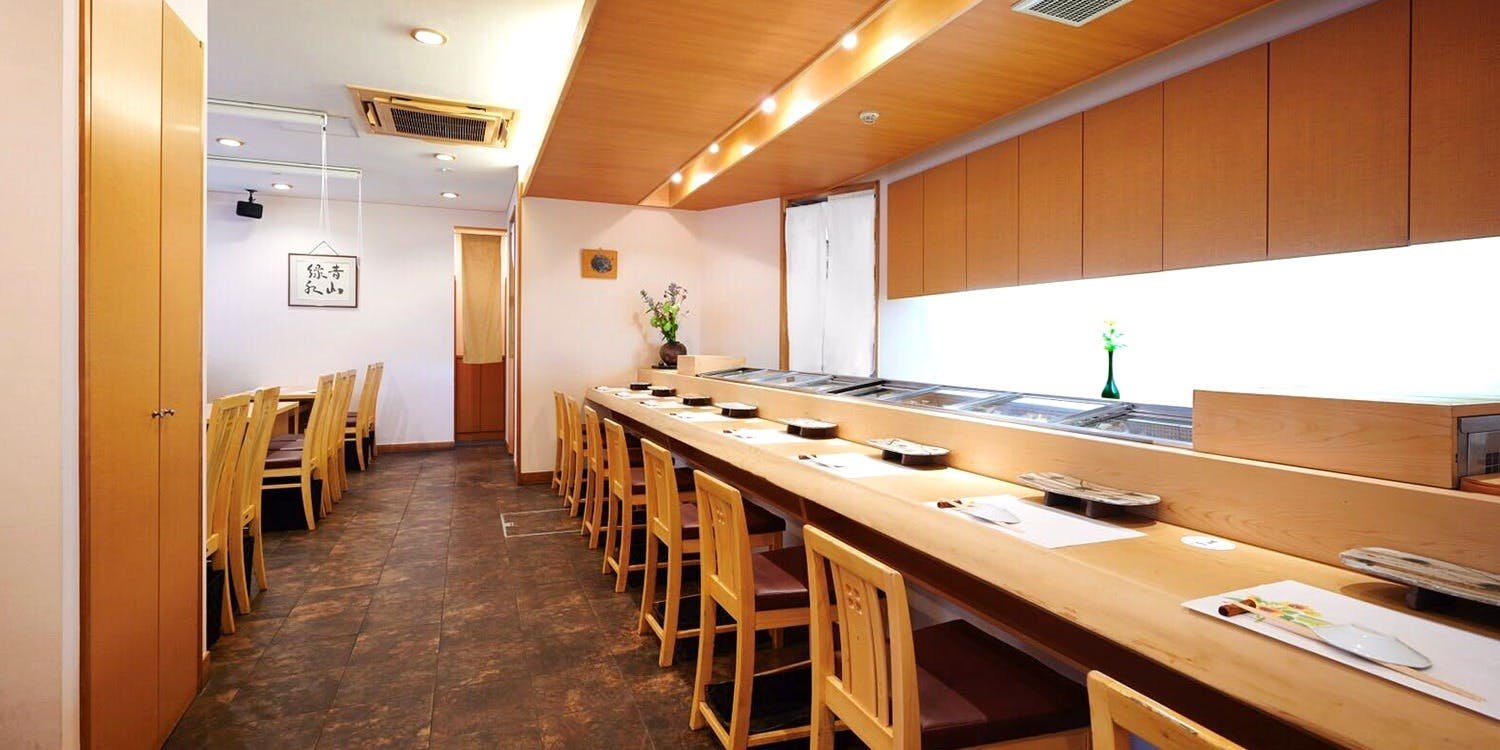
The seat that matters most at Hashimoto is the counter, where a direct view of the craftsmen working the grill is part of the experience. Unagi grilling is a skill measured in years: the bamboo skewers, the controlled distance from the charcoal, the timing of the tare glaze applications, each step is visible from a counter position in a way that a table seat does not allow. The smell arrives before the plate does: charcoal smoke, caramelising soy-based tare, the faint char on the eel's skin. This is the sensory logic that explains why the restaurant added counter seating, a modernisation that does not alter the kitchen's method but changes the register of the visit significantly. In a district defined by lunch efficiency, the counter at Hashimoto functions differently, it slows the meal down to the pace of the craft being performed.
Within Tokyo's broader eel dining category, the price point and setting at Hashimoto compare usefully with Ginza Yondaime TAKAHASHIYA and Hatsuogawa. For further exploration of the category across the city, Mejiro Zorome and Unagi Tokito each represent distinct neighbourhood inflections of the same tradition.
The Conservation Dimension
Japanese eel, Anguilla japonica, has been listed as endangered by the IUCN, and the industry's response has been uneven. Hashimoto's documented commitment to releasing juvenile eels into the sea to replenish wild stocks is a specific, practical action rather than a broad sustainability claim. It does not resolve the category's systemic supply challenges, but it signals that the kitchen understands the fragility of its own raw material and has taken a position on it. For a restaurant operating at the ¥¥ price tier, that commitment carries additional weight: it is not a marketing investment available to every operator at this price point. The framing around the Unatsugu-ju, the idea of passing eel culture forward to the next generation, connects this practical act to the broader generational logic of a four-generation restaurant.
Planning the Visit
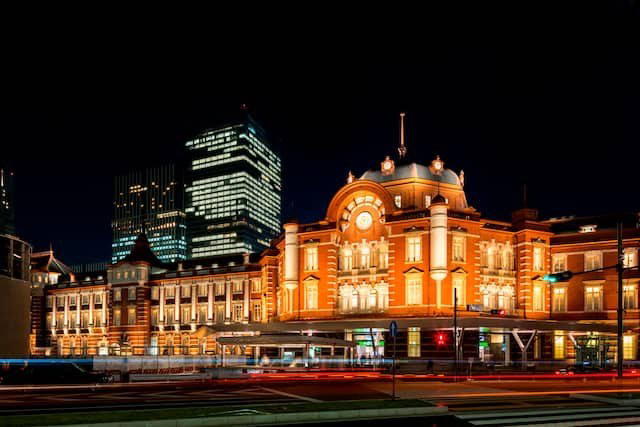
Yaesu Unagi Hashimoto sits at 1 Chome-5-10 Yaesu, Chuo City, directly in the business grid east of Tokyo Station, making it one of the more logistically convenient serious eel addresses in central Tokyo. The Yaesu exit of Tokyo Station places you within a short walk of the address, a direct approach from most central hotel locations.
| Venue | Style | Price Tier | Location | Recognition |
|---|---|---|---|---|
| Yaesu Unagi Hashimoto | Kanto unagi, counter available | ¥¥ | Yaesu, central Tokyo | Michelin Plate 2025 |
| Nodaiwa Azabu Iikura Honten | Kanto unagi, traditional setting | Higher tier | Azabu, southwest Tokyo | Premium tier reference |
| Ginza Yondaime TAKAHASHIYA | Unagi, Ginza address | Mid-premium | Ginza | |
| Hatsuogawa | Unagi specialist | Comparable | Tokyo | Category peer |
For broader Tokyo dining context across categories, see our full Tokyo restaurants guide. If you are building a longer Japan itinerary, HAJIME in Osaka, Gion Sasaki in Kyoto, akordu in Nara, Goh in Fukuoka, 1000 in Yokohama, and 6 in Okinawa each anchor distinct regional dining scenes. For unagi specifically beyond Tokyo, Ike Edoyakiunagi Asahitei in Nara and Kanesho in Kyoto allow a direct comparison of regional styles. For hotels, bars, and experiences in Tokyo, use our Tokyo hotels guide, bars guide, wineries guide, and experiences guide.
What to Order
The core order at any serious Kanto-style unagi restaurant follows the same structure: unadon (eel over rice in a lacquer bowl) or unaju (eel over rice in a lacquer box), with the box format typically indicating a more considered presentation. The eel arrives glazed with tare, a soy-mirin reduction that each house maintains and replenishes over time, the age of a restaurant's tare is itself a mark of continuity. Accompaniments are minimal by design: pickles, clear soup, perhaps liver soup (kimosui) at houses that offer it. At Hashimoto, the ¥¥ price tier means the full unaju format remains within reach without the reservation and spending commitment of the category's upper tier. The 2025 Michelin Plate recognition signals a kitchen operating at a consistent standard of craft If you are visiting during the July or August midsummer period, note that demand for unagi restaurants across Tokyo spikes sharply around Doyo no Ushi no Hi; arriving early in the service or planning outside peak summer weeks will affect your experience at the counter.
Same-City Peers
A quick peer list to put this venue’s basics in context.
| Venue | Cuisine | Price | Awards | Notes |
|---|---|---|---|---|
| Yaesu Unagi HashimotoThis venue (the venue you are viewing) | Edomae Unagi (Grilled Eel) | $50–100 | Michelin Bib Gourmand | Not listed |
| Harutaka | Edo-Style Omakase Sushi | $200–300 | 3 Michelin Stars · World's 50 Best #76 | Sushi |
| RyuGin | Modern Kaiseki | $500+ | 3 Michelin Stars · World's 50 Best #41 | Kaiseki, Japanese |
| L'Effervescence | Modern French with Japanese Influences | $200–300 | 3 Michelin Stars · World's 50 Best #69 | French |
| HOMMAGE | Modern French with Japanese Influences | $150–200 | 2 Michelin Stars · World's 50 Best #78 | Innovtive French, French |
| MAZ | Innovative Peruvian-Japanese Fusion | $150–200 | 2 Michelin Stars · World's 50 Best #28 | Innovative |
Recognition history
Dated appearances from independent guides and award organizations, with the underlying list record or original source where available.
Michelin Bib Gourmand
Michelin
Full recognition history (2 entries)
Michelin Plate
Michelin
Continue exploring
More in Tokyo
Restaurants in Tokyo
All restaurants in Tokyo →



Details
- Classic
- Quiet
- Well Known
- Rustic
- Celebration
- Solo
- Family
- Historic Building
- Open Kitchen
- Private Dining
- Sake Program
- Local Sourcing
- Sustainable Seafood
- A La Carte
- Counter Dining
- Set Menu
- Sake
- Shochu
Current opening hours
- Monday
- 11 AM–2:30 PM, 5–9 PM
- Tuesday
- 11 AM–2:30 PM, 5–9 PM
- Wednesday
- 11 AM–2:30 PM, 5–9 PM
- Thursday
- 11 AM–2:30 PM, 5–9 PM
- Friday
- 11 AM–2:30 PM, 5–9 PM
- Saturday
- 11:30 AM–3 PM
- Sunday
- Closed
Hours can change for holidays and private events. Hours as of .
Intimate, old-fashioned wooden interior with a downtown alleyway setting; quiet and relaxing atmosphere with counter seating offering views of craftsmen at work.