
Wanyan occupies a riverfront address along Tiexiang Temple Road in Wuhou, where contemporary plating disciplines meet the 24 canonical taste profiles of Sichuanese cooking. Signature preparations include kung pao bird's nest in a crunchy sauce shell and abalone laced with Sichuan pepper oil, each dish reading as both technically precise and grounded in regional tradition. The kitchen positions itself at the point where fine-dining aesthetics and Chengdu culinary identity intersect.
Pearl is the En Primeur Club membership app — saves, bookings, and concierge access live there. Same editors, same standards.
- Address
- No. 101, Building 20, Tiexiang Temple Riverfront, 88 Tiexiangsi Road, Wuhou
- Phone
- +86 177 1135 3184
- Directions
- Get directions
 Saves & bookings on Pearl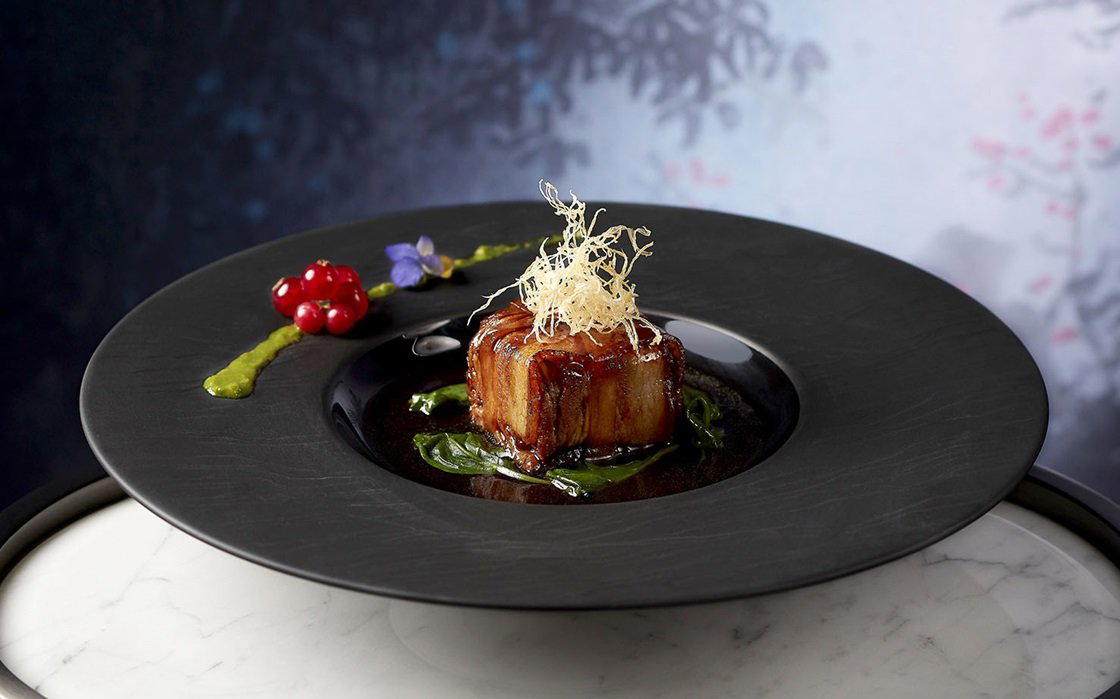
Where the Riverfront Sets the Frame
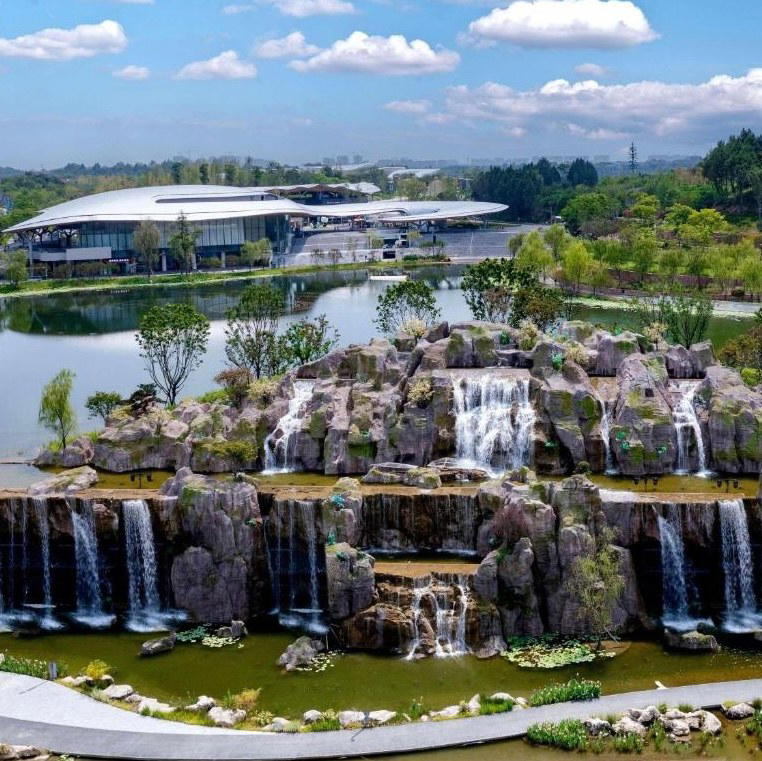
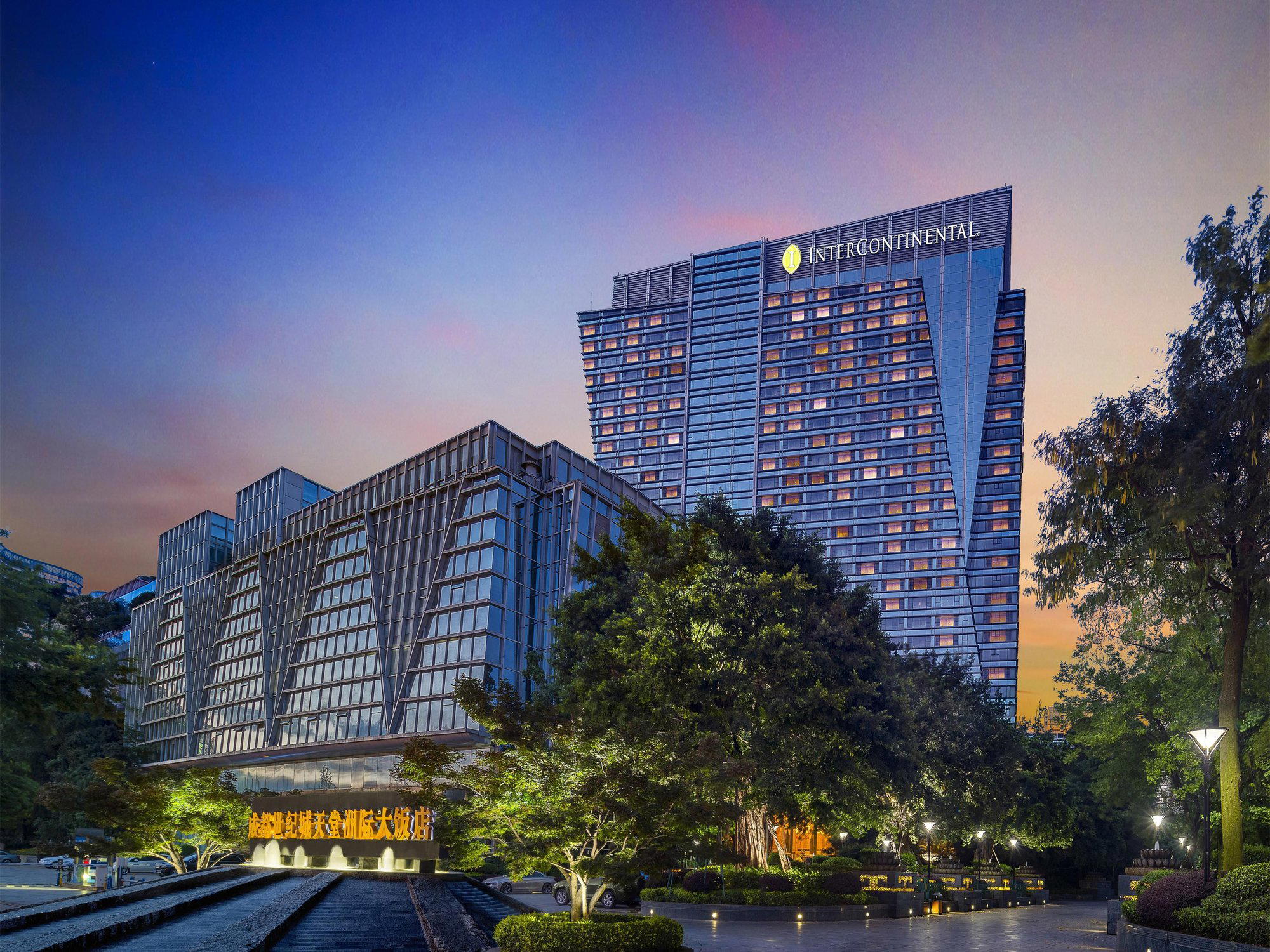
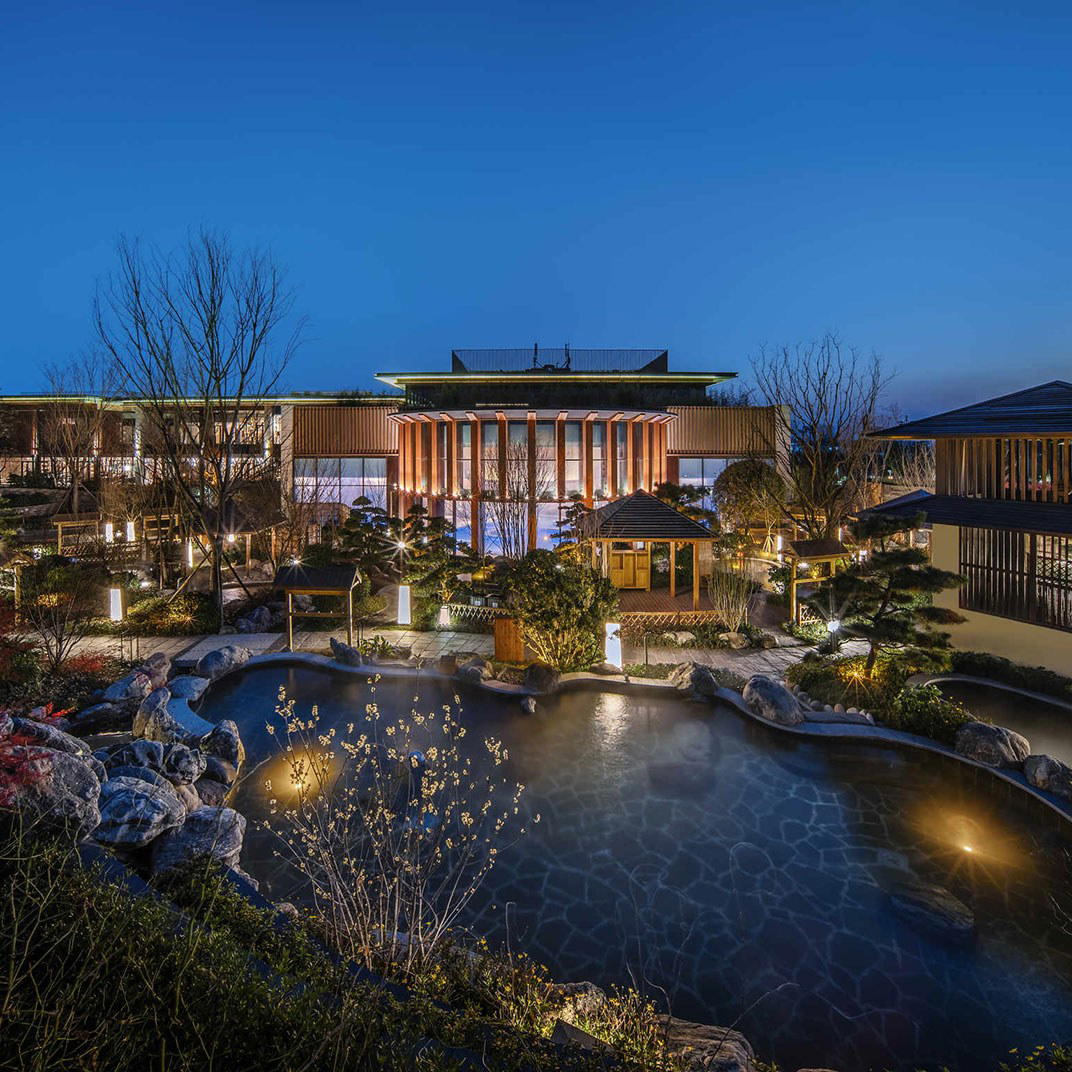
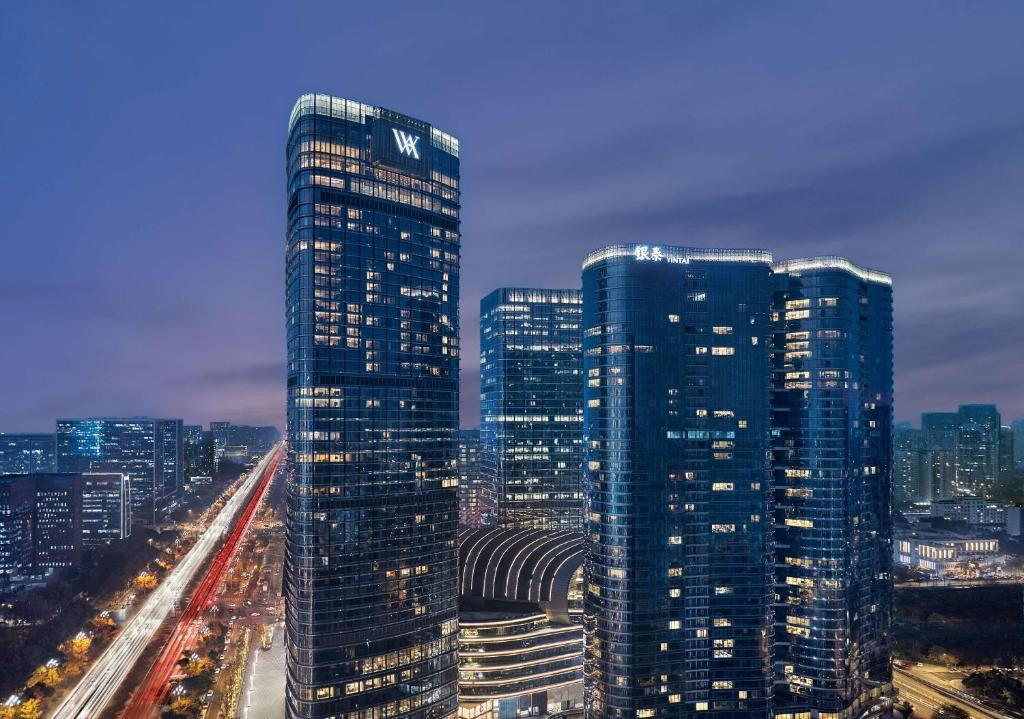
Along Tiexiang Temple Road in Wuhou, the stretch of riverfront development that runs past Tiexiang Temple has attracted a particular kind of dining address: ground-floor spaces with water adjacency, clean sightlines, and enough architectural remove from Chengdu's older lane-and-teahouse grain to signal a different register of cooking. Wanyan is a restaurant in Chengdu's Wuhou District serving Modern Sichuanese cuisine at roughly USD 45 per person. The address at No. 101, Building 20, places it within a planned riverfront precinct, the kind of mixed-use development that Chengdu has used across the past decade to house higher-end restaurants away from the historic core. Arriving on foot, the approach reads as considered rather than casual: the Tiexiangsi corridor rewards the visitor who slows down rather than one passing through.
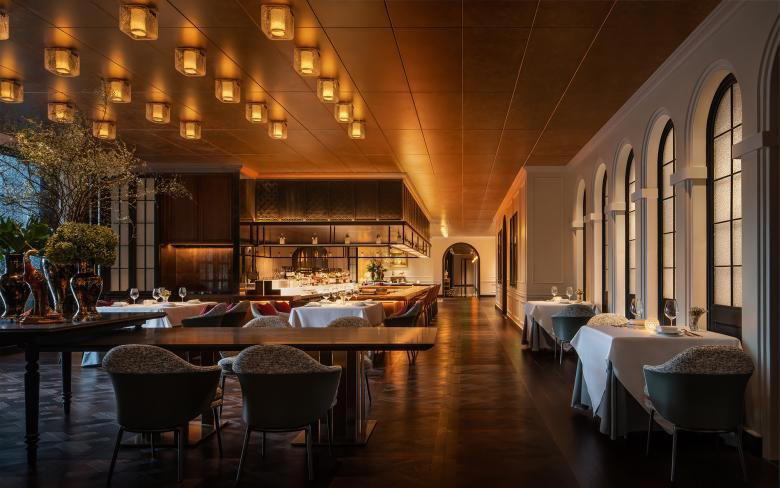
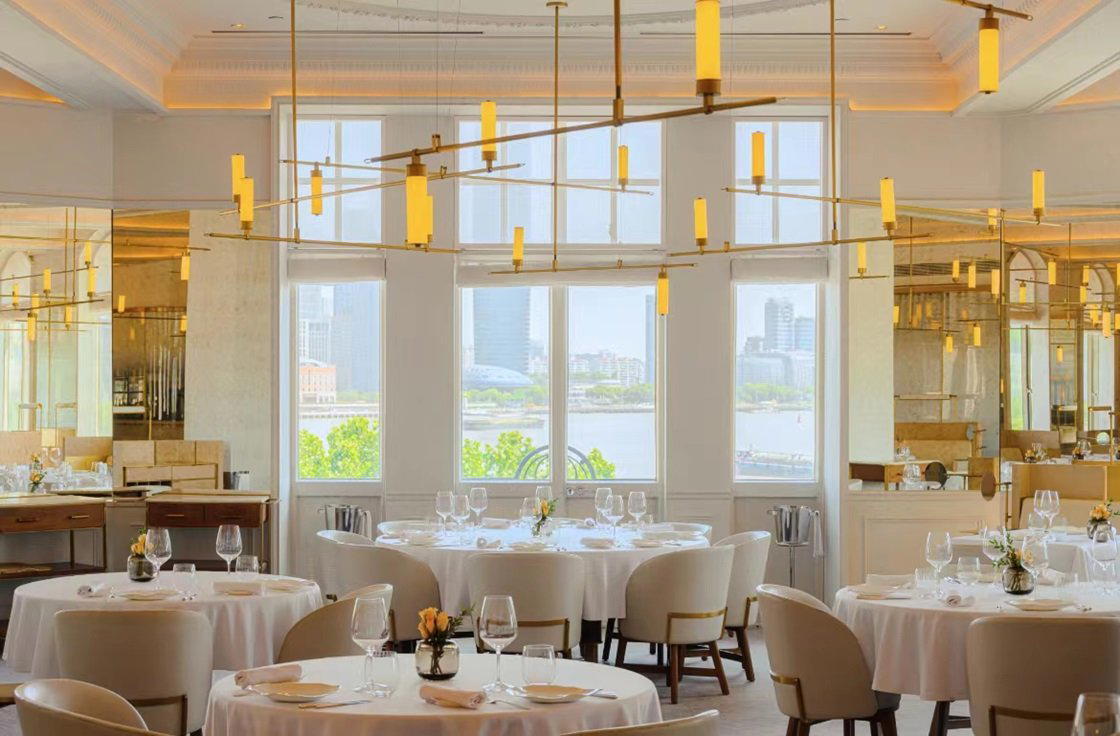
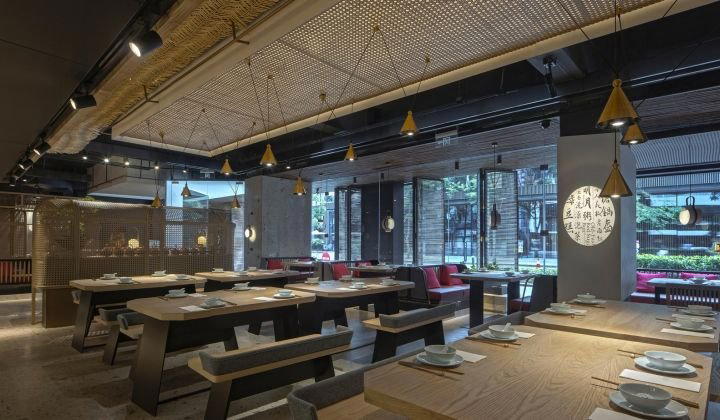
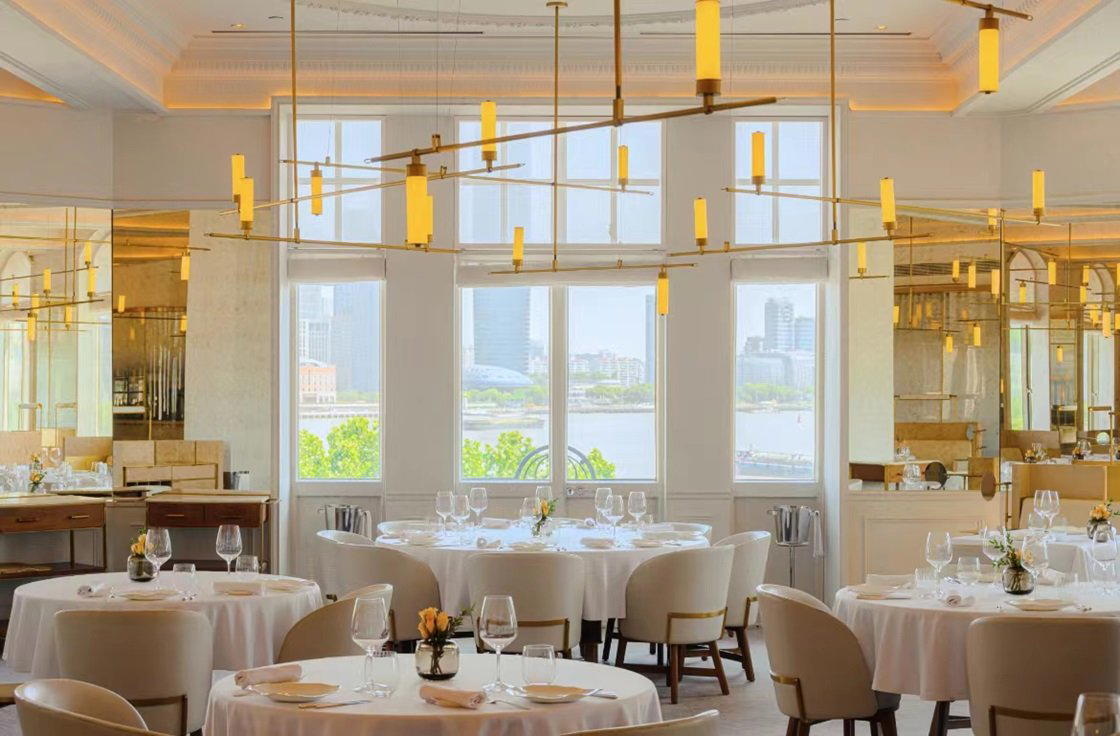
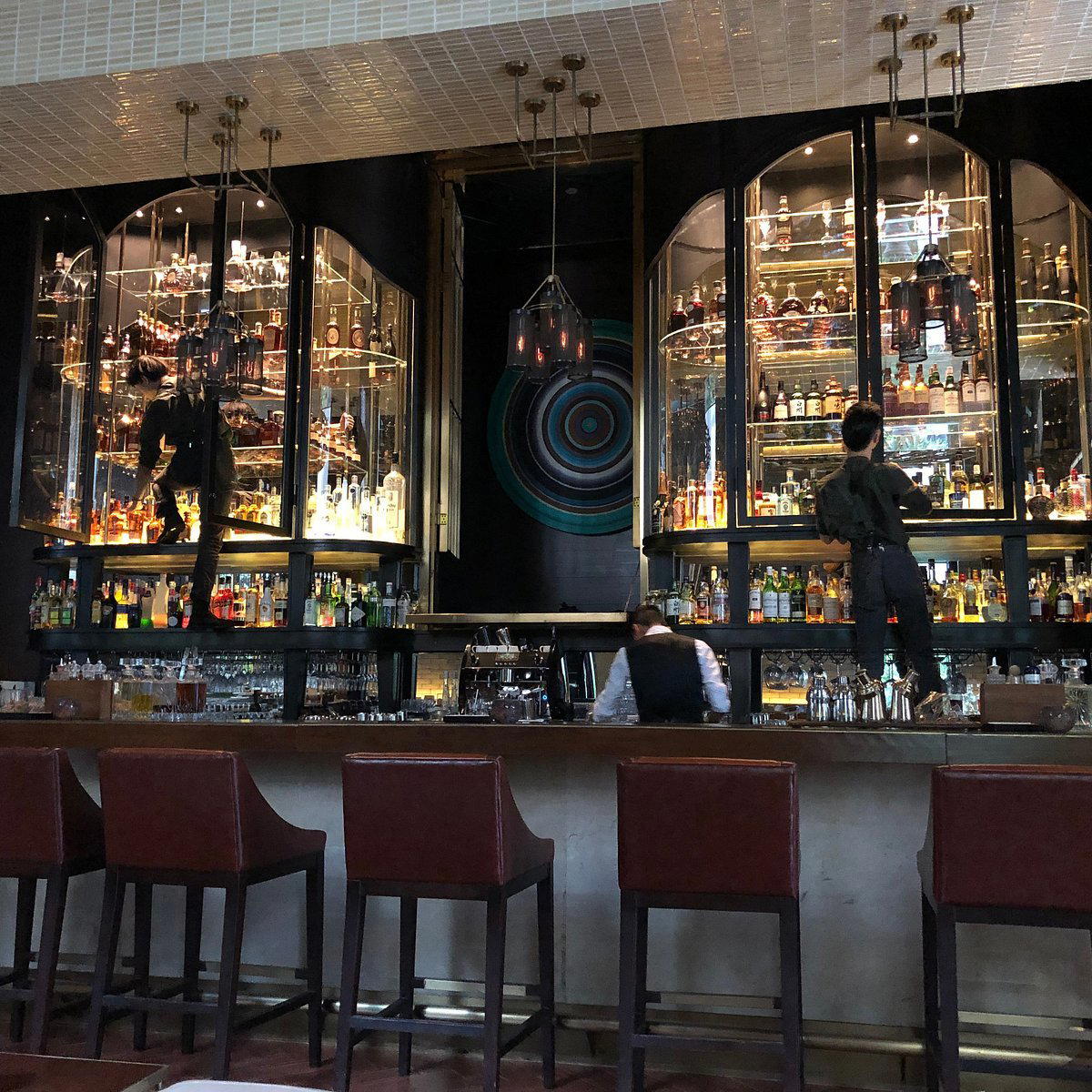
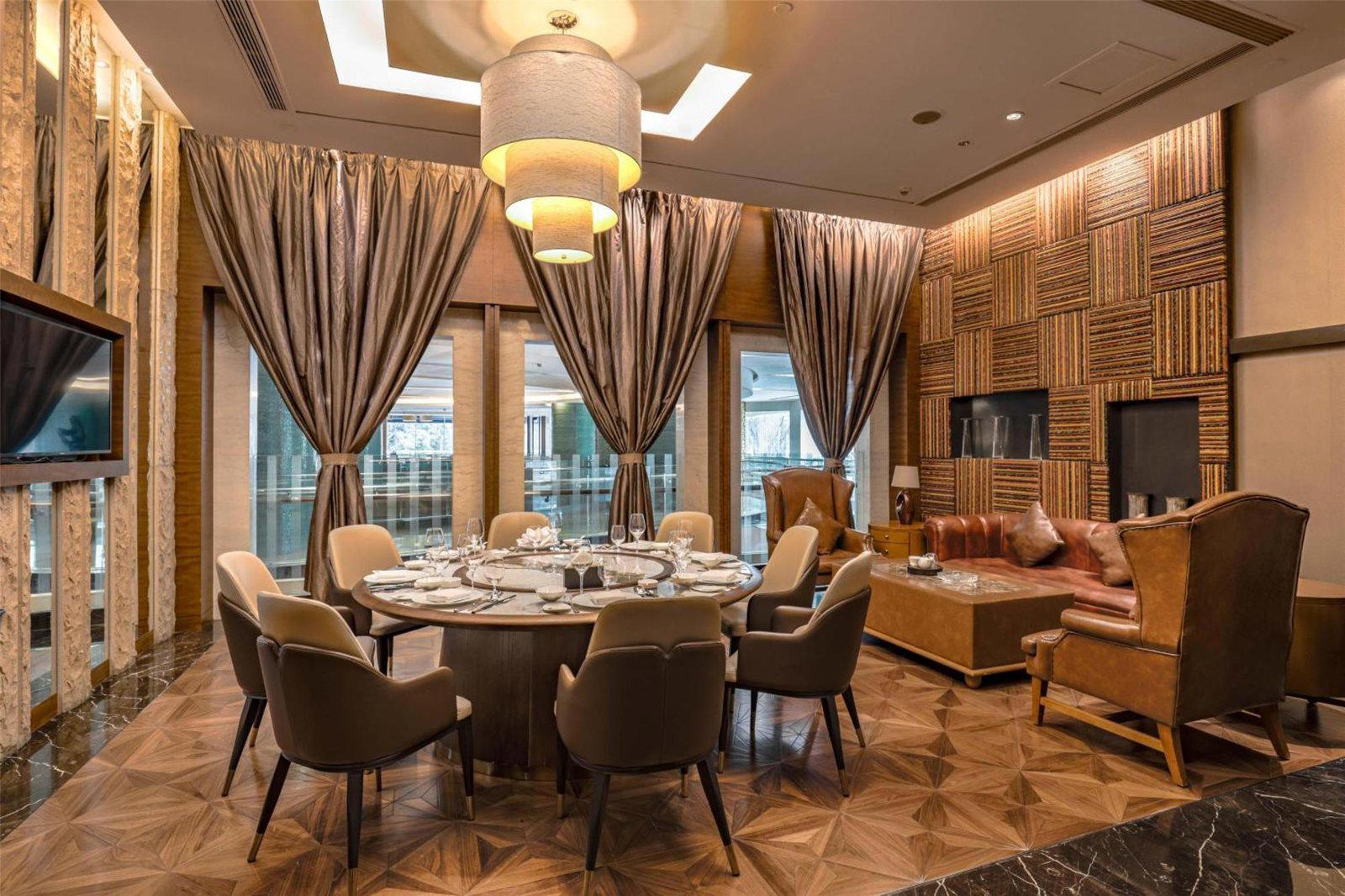
The interior approach at Wanyan follows the minimalist lineage that has become the dominant aesthetic language for serious Chinese restaurants opened in the 2010s and beyond. Where an earlier generation of premium Sichuanese dining rooms leaned into red lacquer, carved screens, and layered ornament, the contemporary school strips the room down to fewer surfaces and more deliberate material choices. The plating extends this logic outward: presentation is spare, with white or neutral ceramics providing negative space around dishes that read as composed rather than abundant. That restraint is, in the Chengdu context, itself a kind of statement.
What the Kitchen Is Actually Doing
Sichuanese cooking operates through a codified grammar of flavour combinations. The canonical 24 taste profiles, among them málà (numbing-spicy), yúxiāng (fish-fragrant), guàiwei (strange flavour), and hóngshāo (red-braised), are not simply a list of dishes but a systematic account of how the cuisine constructs contrast, layering, and intensity. Most Chengdu restaurants work inside this grammar with varying degrees of fidelity. What distinguishes Wanyan's kitchen is the decision to treat that grammar as a starting framework rather than a final constraint.
The kung pao bird's nest is the clearest illustration of this approach. Kung pao, classically applied to peanuts and diced chicken in a numbing-spicy sauce, is redeployed here to coat bird's nest, a luxury ingredient carrying its own textural register: soft, gelatinous, yielding. The kitchen encases that filling in a crunchy shell carrying the full kung pao flavour signature, creating a contrast of texture and temperature that the classical dish never required. The result references the original preparation closely enough to be immediately legible but departs from it far enough to require rethinking. This is the kind of move that places Wanyan in the same creative tier as Chengdu addresses like Yu Zhi Lan and Fang Xiang Jing, both of which operate in the space between culinary heritage and contemporary technique.
The white ferula mushroom and abalone preparation works on a different axis. Here, the luxury protein is the carrier for Sichuan pepper oil, applied with enough generosity to produce the distinctive mákǎn numbing sensation across the palate. Abalone is a prestige ingredient in Chinese fine dining nationally, it appears at rooms as geographically diverse as Imperial Treasure Fine Chinese Cuisine in Guangzhou and Ru Yuan in Hangzhou, but its combination with ferula mushroom and the particular numbing quality of Sichuan pepper oil is a specifically regional move. The dish doesn't attempt to neutralise the abalone's oceanic quality; it runs Sichuanese intensity through it.
Wanyan in the Chengdu Context
Chengdu's premium dining tier has developed significant internal differentiation over the past decade. At one end, historically grounded houses preserve classical technique with high-quality sourcing. At the other, a newer wave works through refined plating and ingredient juxtaposition to ask what Sichuanese cooking can do when it moves beyond its own conventions. Wanyan positions itself in that second category, but without abandoning the taste logic that gives the cuisine coherence. The kitchen's fluency with the 24 taste profiles is the grounding; the contemporary plating and premium ingredients are the departure point.
Within the Chengdu comparable set, this approach sits in a specific niche. Fu Rong Huang and Hokkien Cuisine operate with different regional anchors, while Xin Rong Ji brings a Taizhou seafood framework to the city. Wanyan's distinctiveness lies in its commitment to staying within the Sichuanese vocabulary while pushing its formal range. Comparable creative pivots on classical Chinese traditions can be observed at rooms like 102 House in Shanghai and Chef Tam's Seasons in Macau, both of which use heritage cuisines as frameworks for contemporary expression rather than as fixed endpoints. The international parallel in terms of working a classical idiom with formal creativity would be somewhere like Le Bernardin in New York City, where the governing idea is transformation of a tradition rather than simple reproduction.
Planning a Visit
Wanyan is located at No. 101, Building 20, Tiexiang Temple Riverfront, 88 Tiexiangsi Road, Wuhou District. The Wuhou address puts it in the southern arc of the city, accessible from the central areas by metro or taxi in a reasonable span. Reservations are recommended. Dress code is smart casual. Diners planning a broader evening in the area will find the Tiexiangsi corridor has enough surrounding restaurants and bars to build an itinerary; our Chengdu bars guide covers the city's drinking options in more detail.
Where the Accolades Land
Comparable venues nearby, for context on price, style, and recognition.
| Venue | Cuisine | Price | Awards | Notes |
|---|---|---|---|---|
| WanyanThis venue — the venue you are viewing | Modern Sichuanese | $$$ | Michelin Plate | Not listed |
| Wu Yue Gong | Sichuanese Fusion Fine Dining | $$$ | Michelin Plate | Chengdushi |
| Qie Fang Xiang | Home-Style Sichuanese | $$ | Michelin Plate | Chengdushi |
| #8 | Sichuan Hotpot | $$$ | Michelin Plate | Chengdushi |
| Yanyu (Wuhou) | Fujian with Sichuan Twist | $$$ | Michelin Plate | Chengdushi |
| China Samite - Hot Pot (Wuhouci Street) | Modern Sichuan Hot Pot | $$ | Michelin Plate | Chengdushi |
Recognition history
Dated appearances from independent guides and award organizations, with the underlying list record or original source where available.
Michelin Plate
Michelin · 2026 Michelin Plate
At a Glance
- Modern
- Elegant
- Sophisticated
- Group Dining
- Special Occasion
- Standalone
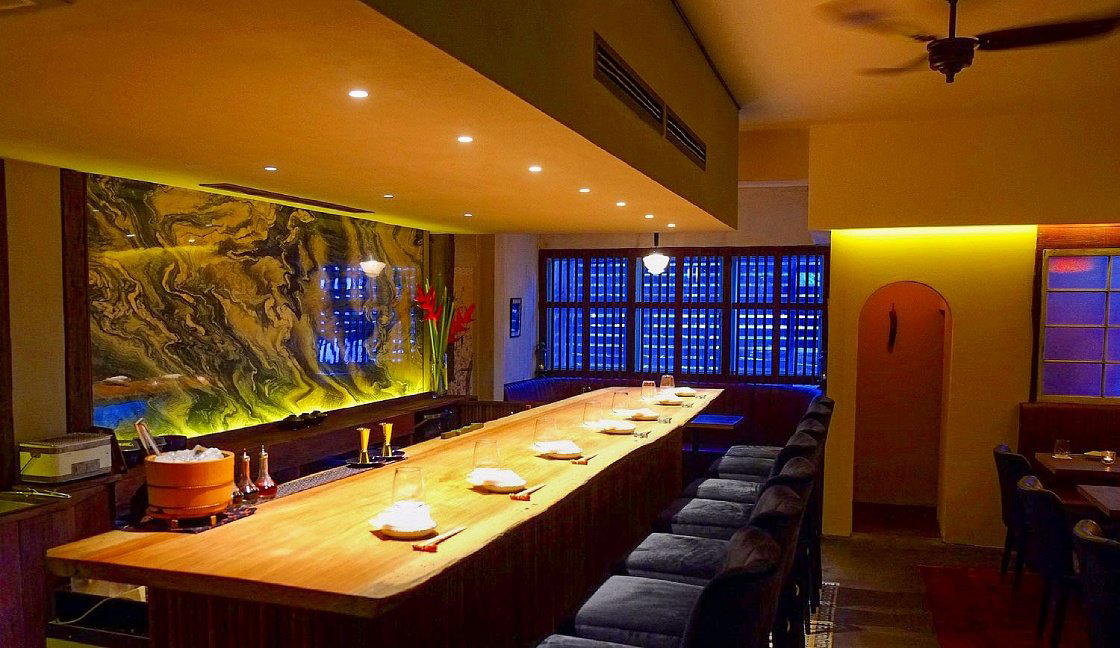
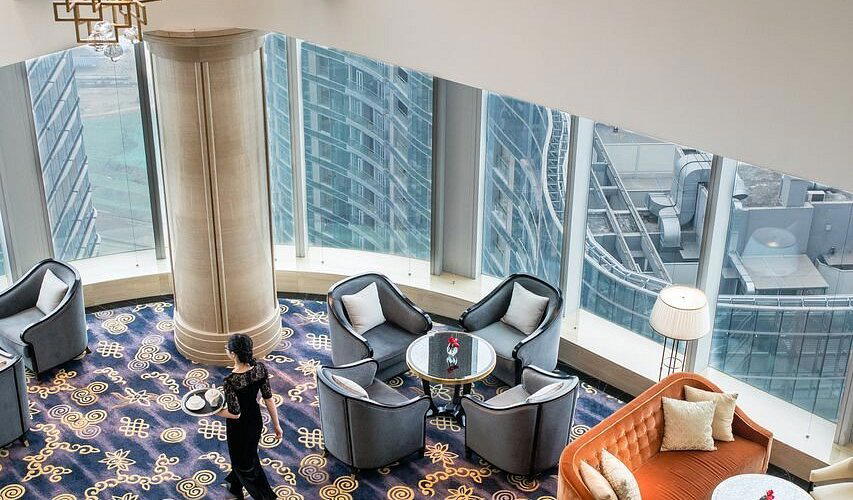
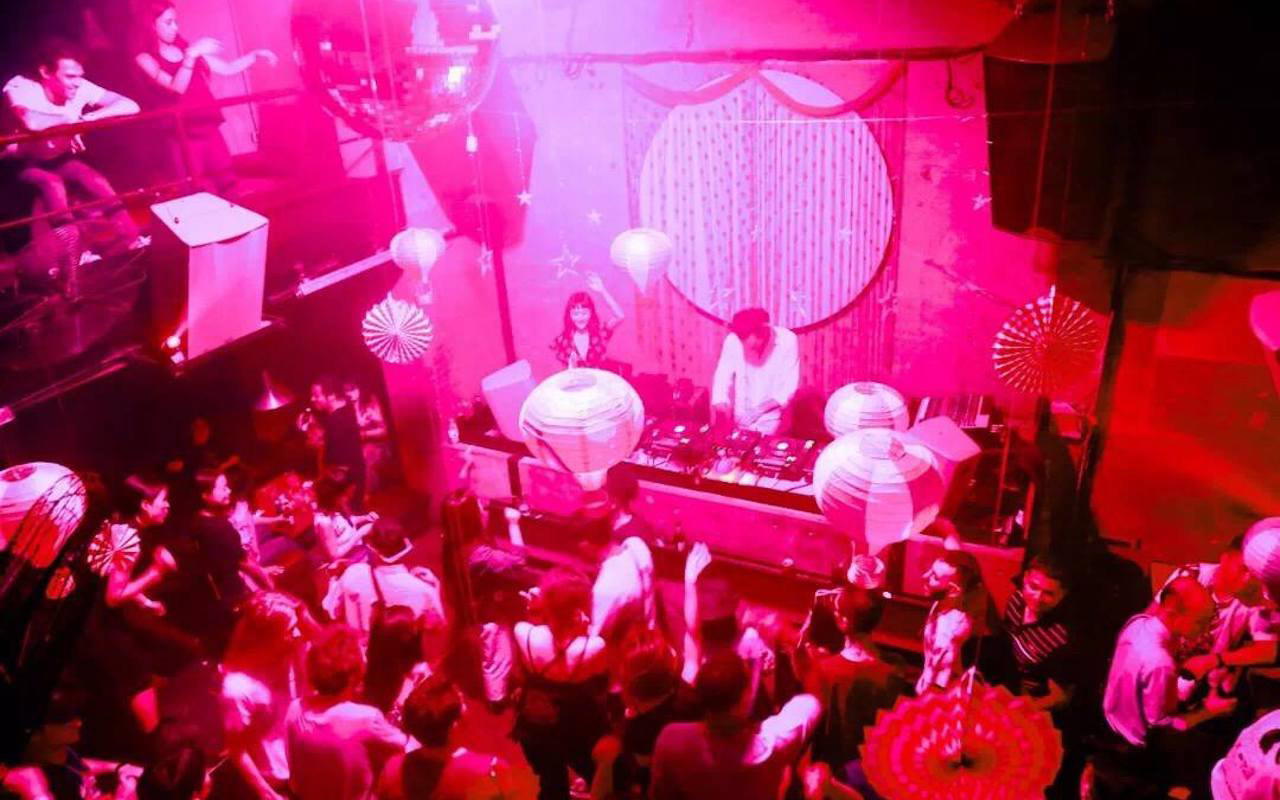
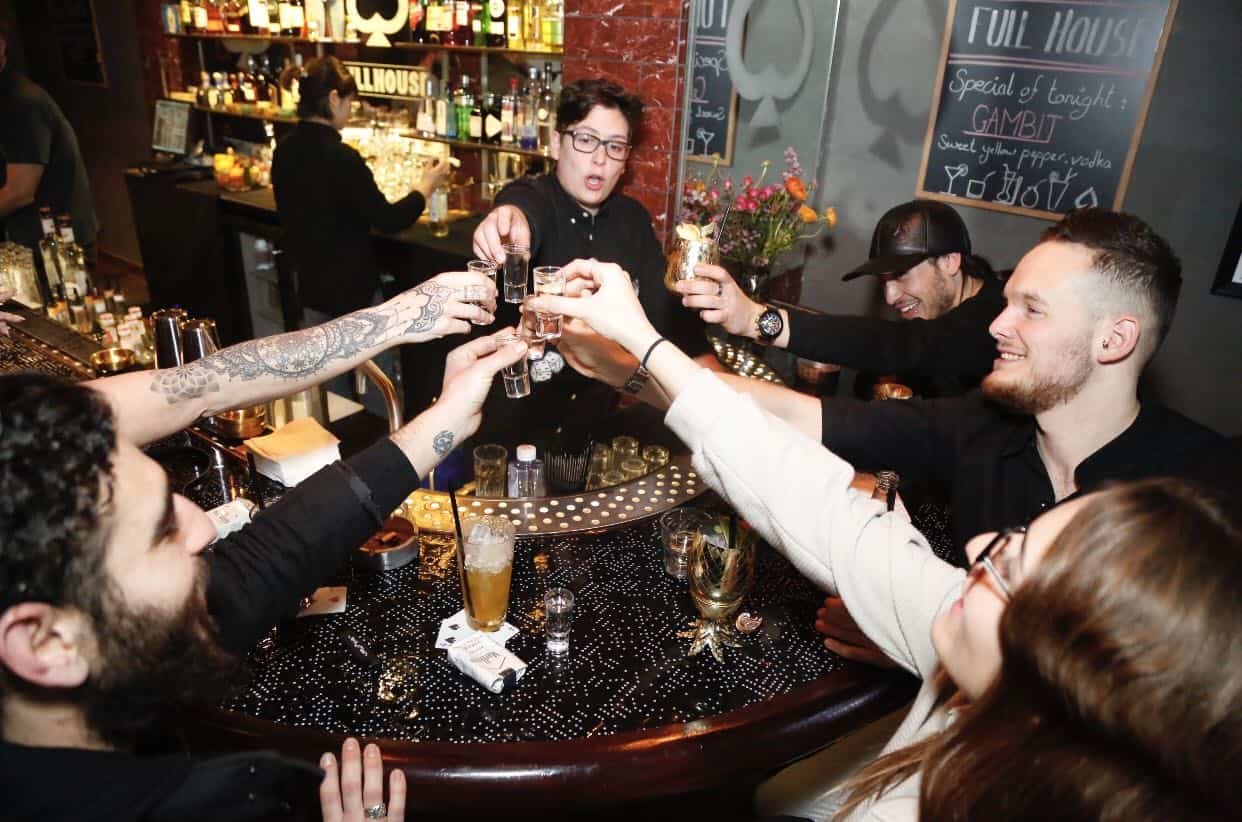
Contemporary dining space with refined atmosphere reflecting modern interpretations of classic Sichuan culinary traditions.