Ilsim Eel Hongdae Branch
Ilsim Eel Hongdae Branch sits on Donggyo-ro in Seoul's Mapo-gu district, serving grilled eel in one of the city's most densely populated dining corridors. The Hongdae address places it inside a neighbourhood where late-night eating is a serious pursuit rather than an afterthought, drawing students, working professionals, and food-literate visitors in roughly equal measure. Reservations and precise hours are best confirmed directly with the venue before visiting.
Pearl is the En Primeur Club membership app — saves, bookings, and concierge access live there. Same editors, same standards.
- Address
- South Korea, Seoul, Mapo-gu, Donggyo-ro, 219ë²ì§ 1층
- Phone
- +821098937875
- Website
- map.naver.com
- Directions
- Get directions
 Saves & bookings on Pearl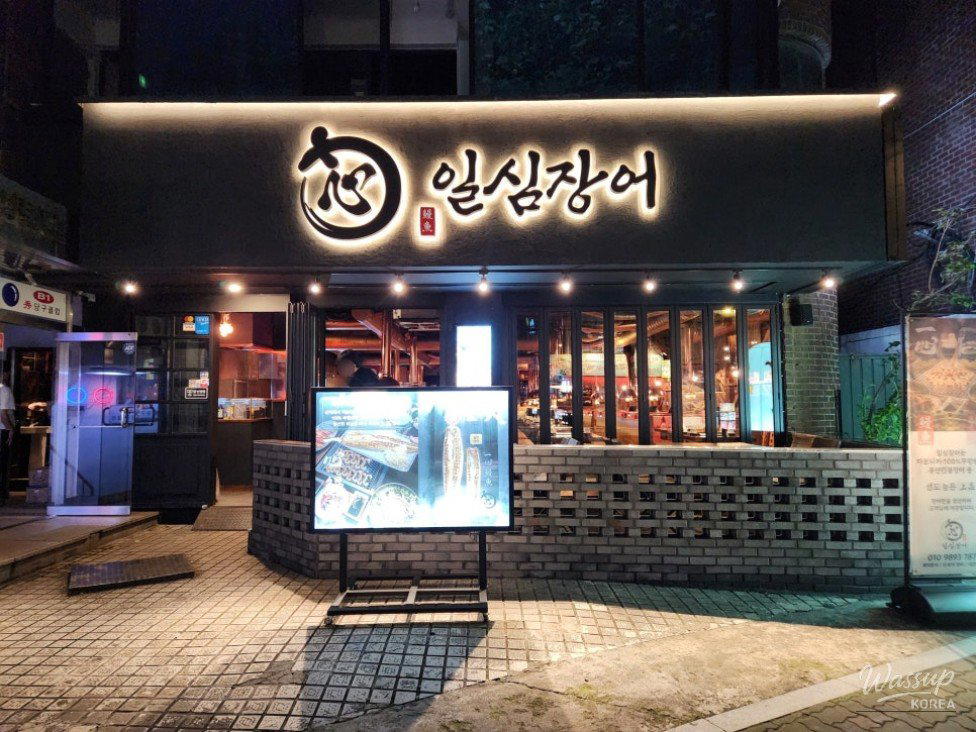
Hongdae's Eating Culture and Where Eel Fits Into It
Seoul's Hongdae district, anchored around Hongik University and stretching along the arteries of Donggyo-ro and Yanghwa-ro, runs on a different rhythm from the city's fine-dining corridors in Gangnam or the traditional hanok lanes of Bukchon. The neighbourhood's reputation is built on density and accessibility: hundreds of restaurants, pojangmacha stalls, and late-night spots compressed into walkable blocks, serving a population that eats frequently, eats late, and eats with opinions. That context matters when you're reading a venue like Ilsim Eel Hongdae Branch, because it shapes what the restaurant is expected to do and how it positions itself within a local competitive set that rewards specificity over generalism.
Grilled eel (jangeo-gui) occupies a specific niche in Korean dining culture. It is not a casual banchan dish or a street snack — it is a considered protein with its own preparation traditions, regional variations, and seasonal associations. Korean eel restaurants typically centre the entire menu around the ingredient, offering it grilled over charcoal or gas in several cuts and preparations, often accompanied by doenjang jjigae, pickled vegetables, and sesame leaves. In Hongdae, where the default register skews toward affordability and speed, an eel-focused restaurant occupies a slightly more deliberate tier. The address on Donggyo-ro places Ilsim within reach of foot traffic from the university, the surrounding residential blocks of Mapo-gu, and the transit hub at Hongik University station, which serves both metro lines and the airport rail link.
The Address and What It Signals
Mapo-gu, the administrative district that contains Hongdae, has matured considerably as a dining destination over the past decade. What was once defined almost exclusively by youth culture and bargain eating has diversified: you now find serious Korean barbecue operations, mid-range Japanese-inflected spots, and specialist single-ingredient restaurants sitting alongside the student-budget staples. Ilsim Eel's positioning on the first floor of a building at 219 Donggyo-ro places it on one of the district's main commercial spines, where footfall is consistent across lunch and dinner service and where the street-level location makes walk-in dining a realistic option rather than a planned excursion.
This matters for how you approach the meal. In Gangnam's fine-dining tier, where venues like Mingles, Jungsik, or Kwonsooksoo operate, the expectation is advance booking, formal progression, and a curated narrative from kitchen to table. At the innovative end of Seoul dining, places like Soigné and alla prima treat the dining format as part of the proposition. Hongdae eel restaurants occupy a different register entirely: the value is in the ingredient's quality and preparation, not in the architecture of the experience around it. The lack of ceremony is, in this context, part of the appeal.
Eel as a Culinary Reference Point in Korea
Jangeo-gui has deep roots in Korean food culture as a restorative dish, particularly consumed during the hottest weeks of summer (the period known as sambok), though its popularity has long since extended year-round. The preparation typically splits between yangnyeom-gui, marinated in a soy-and-gochujang-based sauce before grilling, and so-geum-gui, salted and grilled with minimum intervention. Regional traditions vary: South Jeolla Province is particularly associated with high-quality freshwater eel, and restaurants with sourcing connections to that region tend to signal it as a credibility marker.
What the single-ingredient format does establish is focus. An eel specialist is not trying to serve twenty different proteins and catch every table's preference — it is making a case that its version of one dish is worth choosing over the general Korean barbecue or mixed-menu alternatives that line the same street. That argument is made through sourcing, fire management, and the quality of the accompanying dishes, not through décor or service elaboration. For diners already oriented toward Korean eel restaurants, this is a familiar and appreciated logic. For visitors approaching Korean cuisine through the more internationally discussed formats, it offers a different entry point than the Michelin-circuited tasting menus that our full Seoul restaurants guide covers in depth.
Atmosphere and Practical Expectations
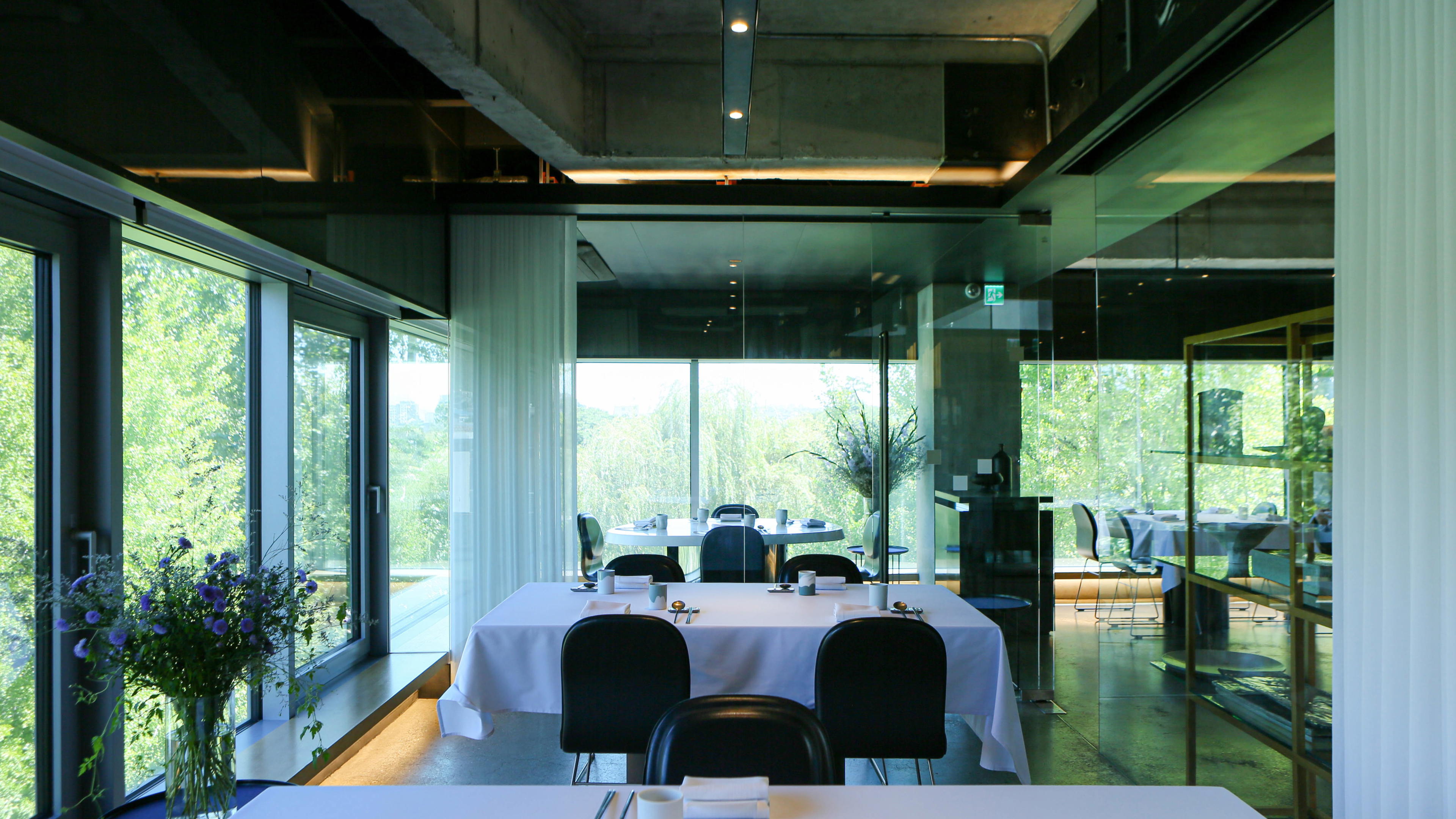
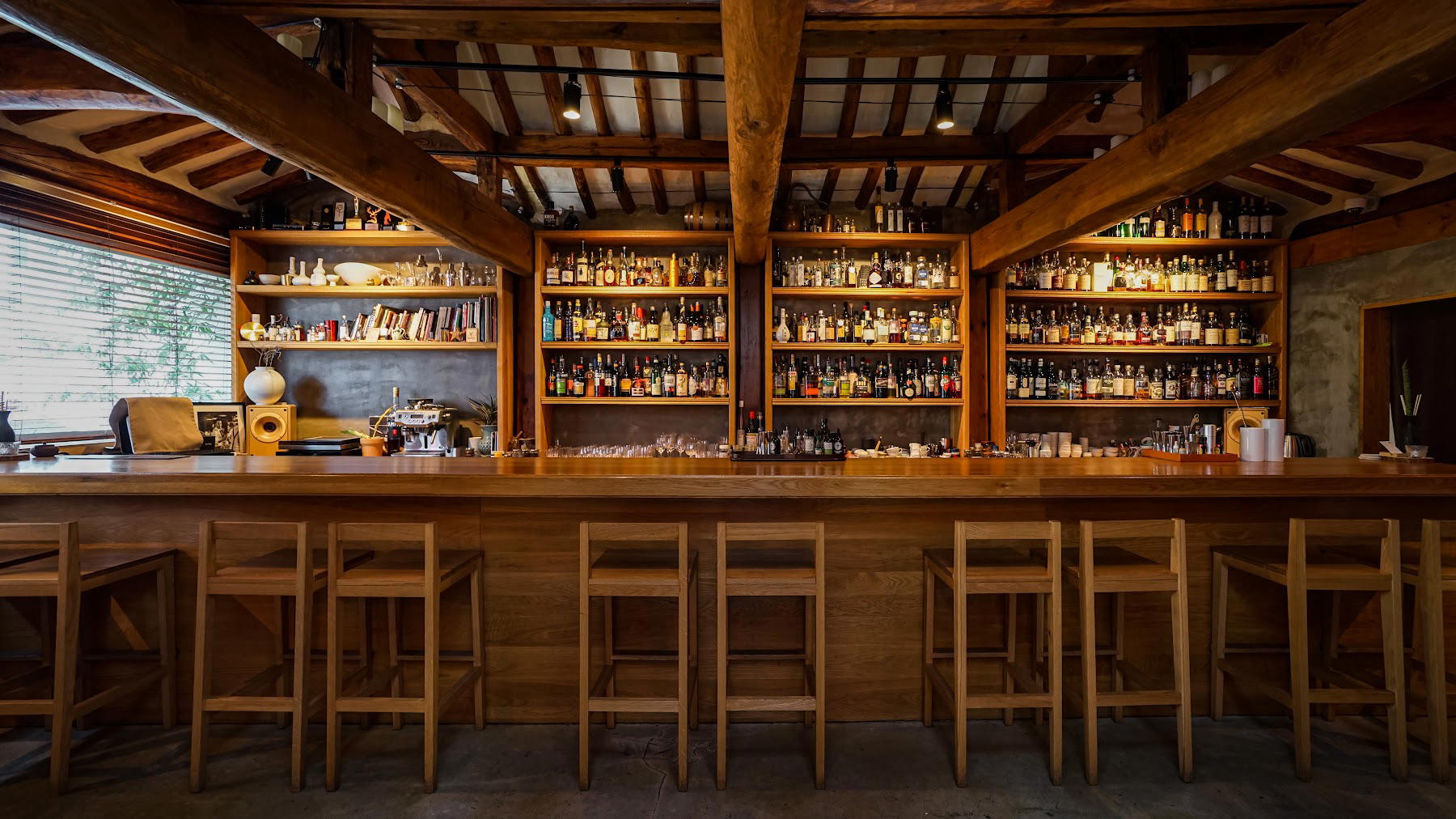
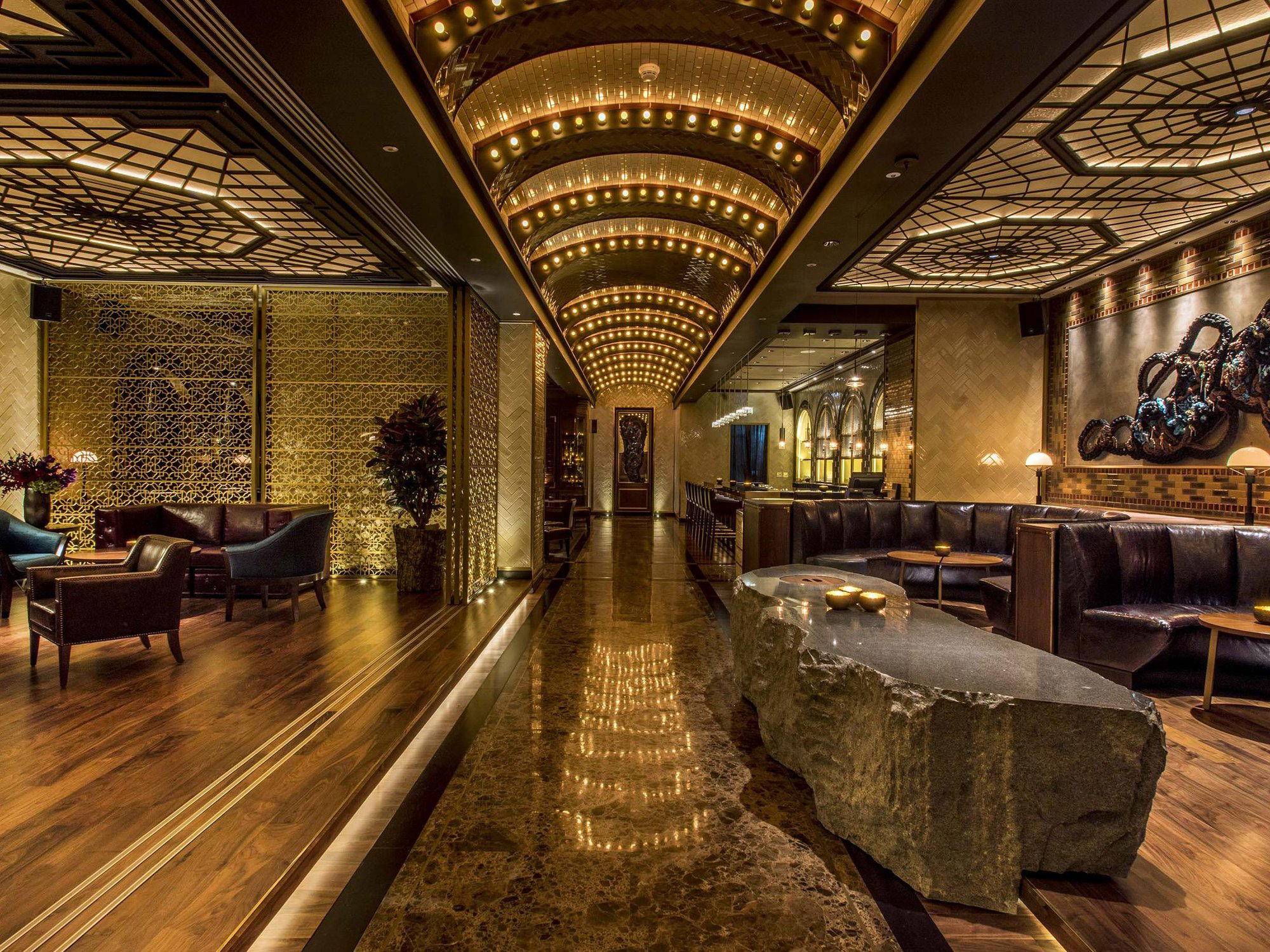
A ground-floor Hongdae eel restaurant on a main commercial road is going to feel different from the quiet, considered atmosphere of a destination restaurant. The neighbourhood generates noise, movement, and a sense of occasion that comes from the street rather than from the dining room itself. Evenings in particular carry the energy of a district that peaks late: the foot traffic on Donggyo-ro builds through dinner service and continues well past midnight on weekends. Inside, the format will likely be table-based with table-leading grills or served platters, following the standard Korean eel restaurant convention rather than any unusual structural variation.
For travellers combining this with a broader Seoul dining itinerary, the Hongik University metro station provides direct connections to central Seoul and to the airport rail, making Mapo-gu a workable base for an evening that might also take in the neighbourhood's other eating options.
Korean eel dining sits in an interesting position relative to the country's international reputation. While Seoul's creative restaurant scene, including venues recognised on lists like Asia's 50 Best, draws significant attention, the more deeply embedded tradition of specialist single-ingredient restaurants represents an equally serious strand of the city's food culture. Globally, Korean cuisine's profile has expanded considerably, as reflected by venues such as Atomix in New York City translating Korean culinary vocabulary into a fine-dining format for international audiences. The local Hongdae version operates without that intermediary translation: it is Korean eel eating on its own terms, in a neighbourhood that has always preferred directness over performance.
For context on how specialist Korean restaurants operate across different registers and price points, the EP Club Korea coverage includes venues from Mori in Busan, Badang Lounge in Jeju, and Doosoogobang in Suwon to regional specialists like Hwangnam Bread and Busan Steamed Bun in Gyeongju and Gyeongju Wonjo Kongguk. Jeju's pork tradition is covered through 88돼지 and Black Pork BBQ in Seogwipo, while Gobojeong Galbi in Suwon, Hinode in Seogwipo, and Dining Room in Busan extend the picture further. The broader context, and the comparison with fine-dining formats like Le Bernardin in how single ingredients are centred across different culinary traditions, reinforces what makes the Korean specialist restaurant format its own coherent tradition.
How Ilsim Eel Hongdae Branch Seoul compares with similar nearby venues.
| Venue | Cuisine | Price |
|---|---|---|
| Zhonghuafuchun Salon | Chinese | ₩₩ |
| Sarukame | Ramen | ₩ |
| L'Impasse 81 | French | ₩₩ |
| Yakitori Mook | Yakitori | ₩₩ |
| Tuk Tuk Noodle Thai | Thai | ₩ |
Continue exploring
More in Seoul
Restaurants in Seoul
Browse all →
At a Glance
- Modern
- Casual Hangout
- Local Sourcing
Current opening hours
- Monday
- 11:30 AM–10 PM
- Tuesday
- 11:30 AM–10 PM
- Wednesday
- 11:30 AM–10 PM
- Thursday
- 11:30 AM–10 PM
- Friday
- 11:30 AM–10 PM
- Saturday
- 11:30 AM–10:30 PM
- Sunday
- 11:30 AM–10:30 PM
Hours can change for holidays and private events. Last verified .
Clean and luxurious atmosphere with exceptionally friendly staff.
Know Before You Go
- Getting there
- South Korea, Seoul, Mapo-gu, Donggyo-ro, 219ë²ì§ 1층