
Michelin Plate
Our verdict
A Michelin Plate-recognised sushi counter in Osaka's Tenjinbashi district, Sushidokoro SHIN operates at the ¥¥¥ tier where technique and ingredient selection do the talking. The kitchen applies a dual-vinegar approach to shari, pairing red or white-vinegared rice to each fish variety, with a menu structure that alternates nigiri and side dishes to control pacing and anticipation.

Pearl is the En Primeur Club membership app, where members save venues, book tables and use the concierge.
The menu
What to order
- Nigirizushi with resting and marinating techniques
- Sashimi appetizers
- Sake pairings
A Counter in the North, Priced for Seriousness
Tenjinbashi is not where most visitors to Osaka come looking for omakase. The neighbourhood stretches north of the city centre along one of Japan's longest covered shopping arcades, and its dining identity runs toward everyday kushikatsu and izakaya rather than counter sushi of any consequence. Sushidokoro SHIN occupies that gap, a ¥¥¥-tier sushi counter holding a Michelin Plate (2024) in a ward where that kind of recognition is genuinely scarce. The result is a venue that draws on a different kind of value proposition than the dense concentration of high-end counters in Shinsaibashi or Kitahama.
Within Osaka's sushi scene, the ¥¥¥ bracket covers a wide range of ambitions. At the lower end, it means competent neighbourhood omakase with seasonal fish and serviceable shari. At the upper end, it means a chef with a defined technical philosophy, sourcing discipline, and a menu architecture designed to build rather than simply deliver. Sushidokoro SHIN reads as the latter. The Michelin Plate designation, which signals cooking worth attention without awarding a star, places it in a tier where the kitchen is doing something notable but where the room, scale, or accessibility may differ from full-star counters. For diners spending at this level, that distinction matters when calibrating expectations and spend.
The Technique Behind the Rice
The most substantive editorial point about Sushidokoro SHIN is how it handles shari. Most omakase counters in Japan commit to a single vinegar style, either the sharper, more acidic profile of red-vinegared rice derived from sake lees, or the cleaner, milder character of white-vinegared shari that has become the default at modern counters. The decision to alternate between the two based on the specific fish being served is a more demanding approach. It requires the kitchen to manage two active rice preparations simultaneously and demands that the chef read each fish not just for freshness and temperature but for the flavour bridge the rice needs to provide.
Red-vinegared rice carries more umami and a brownish hue; it works in dialogue with aged, fatty, or intensely flavoured cuts where the shari needs presence rather than neutrality. White-vinegared rice recedes more cleanly, letting delicate white fish or lightly cured shellfish read without interference. The practice of matching one to the other per piece, rather than defaulting to house style across the board, is a technical commitment visible in the finished nigiri even if a diner cannot name why a particular piece lands differently from the one before it. At the ¥¥¥ price point, this level of consideration is exactly what distinguishes a counter worth returning to from one that is merely reliable.
The menu structure reinforces this. Rather than the standard omakase progression of consecutive nigiri broken only by soup near the close, Sushidokoro SHIN weaves in side dishes between nigiri courses. The effect is deliberate, it resets the palate, manages the pace of eating, and creates peaks of anticipation before each fish piece. This kind of menu architecture is associated with more elaborate kaiseki-influenced omakase counters, and seeing it applied at a neighbourhood-tier sushi counter in Tenjinbashi is part of what gives the kitchen its character.
Where SHIN Sits in Osaka's Sushi Economy
Osaka does not compete with Tokyo's Ginza on sushi counter density or international profile, but the city has a credible roster of recognised counters. Peer venues at the same ¥¥¥ tier include Sushi Harasho, Matsuzushi, Sushi Hoshiyama, Sushi Murakami Jiro, and Sushi Sanshin. What separates them tends to be neighbourhood positioning, menu format, and chef lineage rather than dramatic price differences. SHIN's location in Kita Ward rather than the established fine-dining corridors of Minami means it operates with less surrounding premium infrastructure, no kaiseki street, no luxury hotel cluster, which can translate to slightly different booking patterns and a more local-facing clientele.
For context on how Osaka's broader fine dining scene is structured, the ¥¥¥¥ bracket is occupied by venues like Gion Sasaki in Kyoto-level ambition restaurants and French-Japanese hybrid houses such as those in the HAJIME and La Cime tier. SHIN operates one bracket below that ceiling, which is to say it is priced for committed diners rather than casual exploration, but not at the level where a single meal represents a significant financial event.
Comparable sushi experiences at recognised counters in the wider region include Harutaka in Tokyo and, at the international tier, Sushi Shikon in Hong Kong and Shoukouwa in Singapore, both of which show how the Edomae tradition travels when transplanted to different markets. SHIN, by contrast, is firmly local in orientation, which tends to affect everything from fish sourcing proximity to the rhythm of the evening.
Value at the ¥¥¥ Tier
Spending at the ¥¥¥ level in Japan means committing to a meal where the economics are front-loaded: the experience is set-price omakase, the decision about what to eat is largely made for you, and the value question reduces to whether the kitchen's execution justifies the fixed cost. At counters with Michelin recognition, the answer usually involves some combination of sourcing quality, technique depth, and service discipline. SHIN's value case rests primarily on technique, specifically the dual-vinegar rice approach and the structured menu cadence, rather than on rare ingredients or theatrical presentation.
For visitors building a broader Osaka itinerary, the city guide resources below cover the full range of dining categories. See our full Osaka restaurants guide for coverage across price tiers, along with our full Osaka hotels guide, our full Osaka bars guide, our full Osaka wineries guide, and our full Osaka experiences guide. For those extending the trip, recognised dining in the wider Kansai corridor includes akordu in Nara. Further afield in Japan, Goh in Fukuoka, 1000 in Yokohama, and 6 in Okinawa each represent distinct regional approaches worth factoring into a longer itinerary.
Planning Your Visit
Address: 7 Chome-12-14 Tenjinbashi, Kita Ward, Osaka (Gracia Tenjinbashi building). Cuisine: Omakase sushi, ¥¥¥ tier. Recognition:Reservations: Booking in advance is advisable for any Michelin-recognised counter in Osaka; walk-in availability at sushi counters of this level is limited and not guaranteed. Leading approach: The Tenjinbashi area is accessible from Tenjimbashisuji Rokuchome station on the Tanimachi and Sakaisuji lines. Timing: Dinner sittings at omakase counters of this format typically require a two-hour window minimum; confirm the sitting length when booking.
Frequently asked questions
What should I budget for a meal at Sushidokoro SHIN?
Pricing at Sushidokoro SHIN is listed as ¥¥¥.
Do they take walk-ins at Sushidokoro SHIN?
Advance booking is the practical approach. Omakase counters at the ¥¥¥ tier in Osaka run on fixed-seat sittings with limited covers, and Michelin Plate recognition since 2024 has widened the counter's audience beyond the immediate neighbourhood. Tenjinbashi sits north of central Osaka, which historically kept foot traffic lower than Namba or Shinsaibashi, but that does not translate to open seats on short notice.
What's Sushidokoro SHIN best at?
The kitchen's most documented technical contribution is its dual-vinegar approach to shari: the chef selects red-vinegared or white-vinegared rice based on the character of each individual fish rather than defaulting to a single house style. This fish-first rice decision runs throughout the nigiri sequence and reflects a working method the chef developed from a background in the fishing trade, starting in primary school.
Reputation First
A quick peer reference to anchor this venue in its category.
| Venue | Cuisine | Price | Awards | Notes |
|---|---|---|---|---|
| Sushidokoro SHINThis venue (the venue you are viewing) | Traditional Omakase Sushi | $150–200 | Michelin Plate | Not listed |
| HAJIME | Avant-Garde Japanese Fine Dining | $300–500 | 3 Michelin Stars · World's 50 Best #83 | French, Innovative |
| La Cime | Modern French with Japanese Ingredients | $150–200 | 2 Michelin Stars · World's 50 Best #13 | French |
| Kashiwaya Osaka Senriyama | Seasonal Kaiseki Omakase | $200–300 | 3 Michelin Stars · La Liste Top Restaurants | Japanese |
| Taian | Traditional Japanese Kaiseki Omakase | $150–200 | 3 Michelin Stars · La Liste Top Restaurants | Kaiseki, Japanese |
| Fujiya 1935 | Modern Japanese with European influences | $100–150 | 2 Michelin Stars · La Liste Top Restaurants | Innovative |
Recognition history
Dated appearances from independent guides and award organizations, with the underlying list record or original source where available.
Michelin Plate
Michelin
Full recognition history (3 entries)
Michelin Plate
Michelin
Michelin Plate
Michelin
Continue exploring
More in Osaka
Restaurants in Osaka
All restaurants in Osaka →



Bars in Osaka
All bars in Osaka →


Hotels in Osaka
All hotels in Osaka →


Wineries in Osaka
Browse all →
Details
- Intimate
- Elegant
- Sophisticated
- Special Occasion
- Date Night
- Celebration
- Chefs Counter
- Open Kitchen
- Sake Program
- Local Sourcing
- Sustainable Seafood
- Omakase
- Counter Dining
- Set Menu
- Sake
- Allergy Accommodating
Current opening hours
- Monday
- Closed
- Tuesday
- 6–11 PM
- Wednesday
- 6–11 PM
- Thursday
- 6–11 PM
- Friday
- 6–11 PM
- Saturday
- 12–2 PM, 6–11 PM
- Sunday
- 12–2 PM, 6–11 PM
Hours can change for holidays and private events. Hours as of .
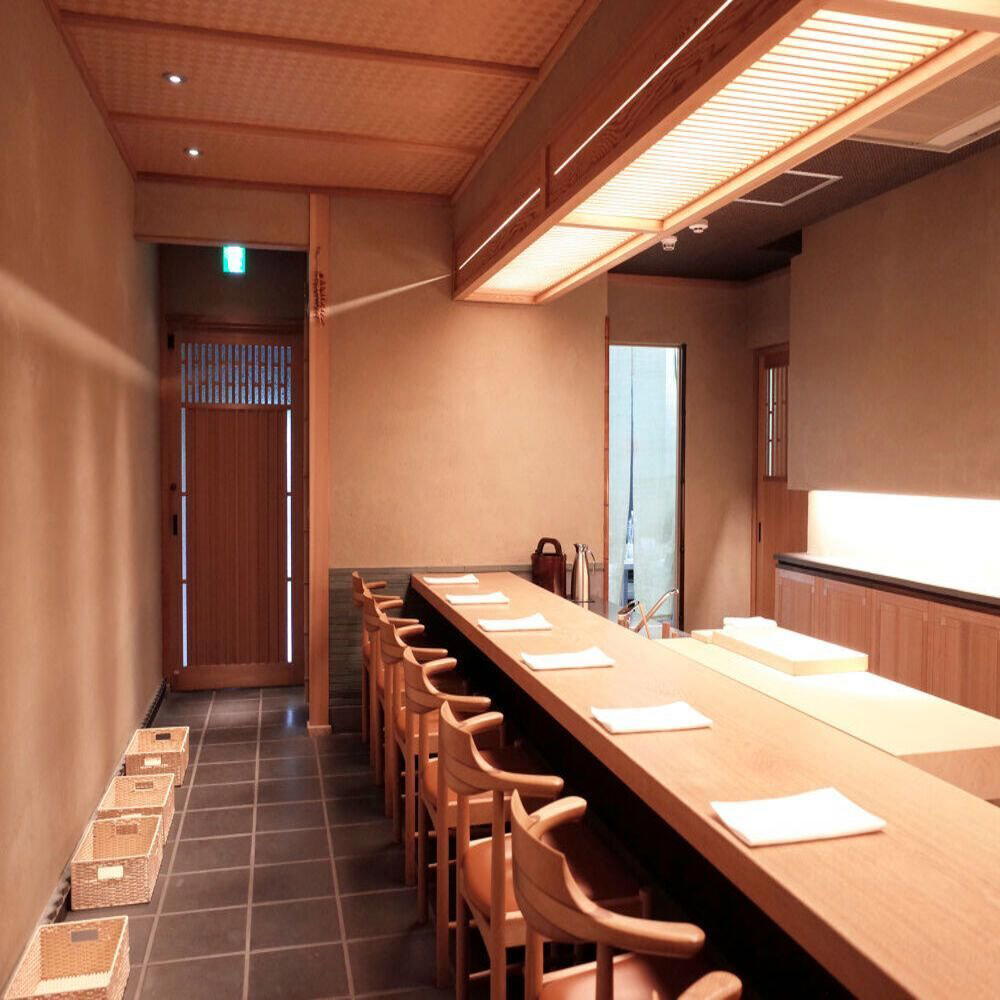
Cozy, relaxing hideaway with counter seating only, creating an intimate atmosphere where guests sit close to the chef; minimalist and unpretentious despite high-end quality.