
At Gochiso nene in Osaka's Tenjinbashi district, a husband-and-wife team runs a tight omakase format built around tempura and dashi-based cooking. The chef fries while the proprietress weaves in takiawase and hand-made oden, a division of labour that shapes the meal's rhythm as much as any single dish. Michelin Plate recognition in both 2024 and 2025 confirms its standing in Osaka's mid-premium tempura tier.
Pearl is the En Primeur Club membership app — saves, bookings, and concierge access live there. Same editors, same standards.
- Address
- Japan, 〒530-0041 Osaka, Kita Ward, Tenjinbashi, 5 Chome−3−22 安田ビル 2階
- Phone
- +81 6-6882-5512
- Website
- gochisounene.com
- Directions
- Get directions
 Saves & bookings on Pearl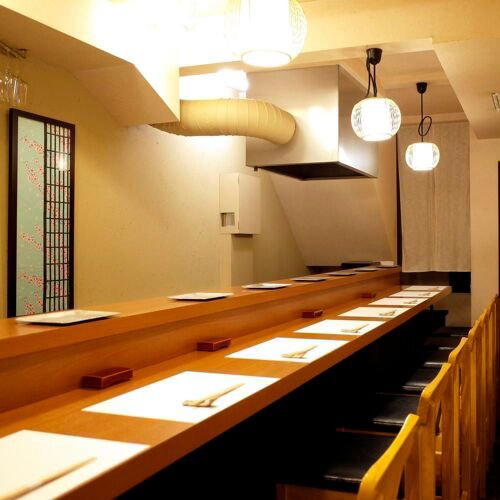
A Counter Defined by Collaboration
In Osaka's tempura scene, the counter format has long served as the clearest signal of intention: the chef fries in front of you, the sequencing is fixed, and the meal belongs entirely to the kitchen's logic rather than the diner's preference. What distinguishes the better operators within this format is not simply technical precision at the fryer but the coherence of the full meal around it. At Gochiso nene, a tempura and dashi omakase restaurant in Osaka's Kita Ward, that coherence is structural. The format pairs an omakase tempura sequence with dashi-based dishes, and the two are prepared by two people working in sustained coordination.
Tenjinbashi is one of Osaka's longer shotengai corridors, a neighbourhood that retains the density and informality of everyday city life even as premium dining has quietly taken hold along its side streets.
The Omakase Structure: Tempura and Dashi in Sequence
The format at Gochiso nene is an omakase set meal, meaning the kitchen determines both what is served and in what order. The chef handles the tempura frying; the proprietress manages the dashi-based courses, alternating takiawase and hand-made oden between the fried pieces. This is not a supporting role. In Japanese cooking, dashi is the medium through which ingredient quality becomes legible, and the construction of takiawase, simmered seasonal items served together, requires the same calibration as any high-temperature frying. The two registers, fried and simmered, are different enough in technique that they effectively constitute two separate kitchens operating in parallel.
That both halves of the kitchen remain in phase across an entire service reflects a degree of coordination that is operationally harder to sustain than it looks from the guest's side of the counter.
Seasonal Ingredients as the Meal's Architecture
Japan's tempura tradition has always used the calendar as its primary menu structure. Seasonal ingredients are not an accent but the organising principle, with the fryer functioning as a neutral medium that transmits the ingredient's own character rather than imposing a coating or flavour from outside. At Gochiso nene, this logic extends across both registers of the meal. In summer, pike conger, a fish with deep roots in Osaka and Kyoto summer cooking, appears as tempura alongside simmered onions. In winter, crab tempura is paired with a pureed soup of lily bulb. These pairings place the restaurant within a distinctly Kansai sensibility: assertive seasonal ingredient selection, restrained preparation, and a preference for harmony between elements over individual showmanship.
Pike conger, or hamo, requires considerable knife skill to prepare, as its numerous pin bones must be cut without separating the flesh. Its appearance in summer at Kansai restaurants is a mark of alignment with local culinary tradition. Lily bulb, or yurine, lends a mild sweetness and starchy texture to soups and pureed preparations, and is a recurring winter ingredient in high-end Japanese cooking across the region. The pairing of these ingredients with tempura technique represents exactly the kind of intersection this format is built around: a method with Portuguese roots, refined over centuries in Japan, applied to hyperlocal seasonal produce in a way that reads as entirely indigenous.
Where Gochiso nene Sits in Osaka's Tempura Tier
Osaka's tempura scene at the premium level is smaller and more compressed than Tokyo's. Dedicated tempura counters with omakase formats and Michelin recognition occupy a mid-premium tier below the multi-starred kaiseki houses like Kashiwaya Osaka Senriyama and Taian, and adjacent to peers such as OIMATSU Tempura Suzuki. The restaurant's Michelin Plate recognition in consecutive years (2024 and 2025) places it within a recognised quality tier, distinct from casual tempura dining but operating at a ¥¥¥ price point rather than the ¥¥¥¥ level that defines Osaka's French-influenced or multi-course innovative restaurants like Hajime or Fujiya 1935.
Within Osaka's broader dining picture, the restaurant sits alongside other intimate, owner-operated formats; see also Numata, Shunsaiten Tsuchiya, Hiraishi, and Shintaro for a fuller picture of how Osaka handles precision Japanese dining at this scale.
Across the Kansai region, Gion Sasaki in Kyoto and akordu in Nara show how different cities within the region handle the intersection of tradition and craft. Further afield, Harutaka in Tokyo, Goh in Fukuoka, 1000 in Yokohama, and 6 in Okinawa round out a national picture of owner-operated precision dining at the mid-premium tier.
Planning Your Visit
The restaurant is located at 5 Chome-3-22 Tenjinbashi, Kita Ward, Osaka, on the second floor of the Yasuda Building. The ¥¥¥¥ price point positions it as a considered dinner rather than an everyday occasion. Given the small-scale, owner-operated format, reservations will be necessary; capacity is limited and the omakase structure means services are fixed in number.4 across 85 responses.
Reputation First
Comparable venues nearby, for context on price, style, and recognition.
| Venue | Cuisine | Price | Awards | Notes |
|---|---|---|---|---|
| Gochiso neneThis venue — the venue you are viewing | Tempura and Dashi Omakase | $$$$ | Michelin Plate | Not listed |
| Sushi Enishi | Edomae Sushi Omakase | $$$$ | Michelin Plate | Kita |
| Sushi Ichiei | Edomae-style Omakase Sushi | $$$$ | Michelin Plate | Kita |
| TEMPURA HANAGATAMI | Michelin-Starred Japanese Tempura & Kaiseki | $$$$ | Michelin Plate | Kita |
| Sushidokoro Hirokawa | Edomae Omakase Sushi | $$$$ | Michelin Plate | Jōtō |
| Otsuki | Modern Japanese Washoku | $$$$ | Michelin Plate | Fukushima |
Recognition history
Dated appearances from independent guides and award organizations, with the underlying list record or original source where available.
Michelin Plate
Michelin
Michelin Plate
Michelin
Michelin Plate
Michelin
Continue exploring
More in Osaka
Restaurants in Osaka
Browse all →



Bars in Osaka
Browse all →



Hotels in Osaka
Browse all →



Wineries in Osaka
Browse all →
At a Glance
- Intimate
- Elegant
- Minimalist
- Cozy
- Date Night
- Special Occasion
- Business Dinner
- Chefs Counter
- Sake Program
- Local Sourcing
Current opening hours
- Monday
- Closed
- Tuesday
- 6–11 PM
- Wednesday
- 6–11 PM
- Thursday
- 6–11 PM
- Friday
- 6–11 PM
- Saturday
- 12–2 PM, 6–11 PM
- Sunday
- 12–2 PM, 6–11 PM
Hours can change for holidays and private events. Last verified .
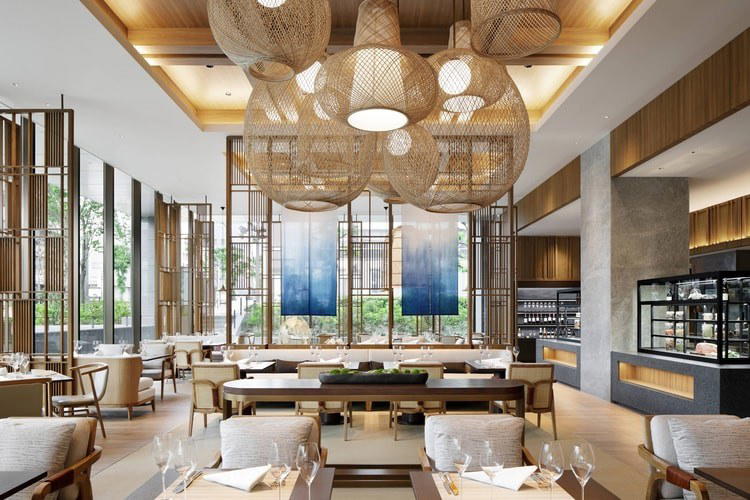
Minimalist interiors with pale woods, clean lines, warm lighting, and a calm, immersive counter atmosphere.