
Michelin Plate
Our verdict
A basement-level tempura counter in Osaka's Dojima district, Tempura Fukana holds a Michelin Plate for a cooking style built on restraint: lightly battered, aromatic pieces where the ingredient leads. Sea urchin and nori tempura and wagyu wrapped in perilla leaf signal the range. At the ¥¥¥ price point, it sits in Osaka's mid-to-upper specialist tier alongside peers who take the craft seriously.

Pearl is the En Primeur Club membership app, where members save venues, book tables and use the concierge.
The menu
What to order
- Sea Urchin Tempura in Nori
- Wagyu Beef Fillet in Perilla Leaf
- Seasonal Seafood Tempura
- Shark Fin Tempura
What Draws Regulars Back to Dojima's Basement Counter
Osaka's Kita Ward has long concentrated its serious dining below street level. Basement floors along the Dojima corridor house counters where the transaction is quiet and deliberate: a chef, a small number of seats, and a format that expects your attention. Tempura Fukana occupies exactly this position, one floor below ground in the Dojima Urban Life building on 2-chome. For the regulars who book their way back each season, the draw is a specific kind of restraint that is harder to execute than it sounds.
The cooking philosophy in Japan's specialist tempura tradition holds that the batter should disappear. It should register as texture and aroma rather than weight. Achieving that consistently across ingredients with different moisture levels, densities, and ideal fry temperatures is what separates a counter that accumulates regulars from one that stays a one-time visit. Tempura Fukana has earned a Michelin Plate in both 2024 and 2025, a signal that the craft meets a documented standard rather than operating on local reputation alone.
The Logic of the Menu, What the Regulars Order
Loyal guests at specialist tempura counters tend to develop strong opinions about sequence and selection. The standard trajectory runs from lighter, more delicate pieces toward richer, more substantial ones, and a practiced regular reads a menu not just for what is listed but for what the kitchen is signalling about the day's sourcing.
At Tempura Fukana, two preparations carry particular distinction. Sea urchin enclosed in nori before frying is a technique that requires timing precision: the nori crisps, the uni warms without overcooking, and the result is a piece where marine sweetness intensifies rather than dissipates in the oil. Wagyu beef fillet wrapped in perilla leaf introduces a fat-to-herb contrast that sits outside the traditional seafood-and-vegetable arc, extending the register of the meal toward something closer to what kaiseki counters like Shunsaiten Tsuchiya or Hiraishi do with premium protein.
These are not novelty additions. They represent a version of the tempura form that acknowledges what Osaka's dining culture expects: high-quality ingredients handled with precision, not concept for its own sake. Regulars return because the kitchen does not rotate these signatures out; the consistency is part of the promise.
Tempura in Osaka's Broader Specialist Scene
Osaka's restaurant ecosystem is built differently from Tokyo's. The city has fewer of the high-investment multi-Michelin-star flagships that define Tokyo's top tier (the ¥¥¥¥ French innovators like HAJIME and La Cime operate in a separate conversation), and more of a mid-to-upper specialist tier where craft counters accumulate loyal clientele without theatrics. Tempura Fukana operates in that tier, at the ¥¥¥ price point, alongside other focused counters such as OIMATSU Tempura Suzuki and broader Japanese specialists like Numata and Gochiso nene.
Within the tempura category specifically, the Osaka scene does not attract the same international commentary as Tokyo's high-end oil counters. That relative quietness is part of why a Michelin Plate recognition here carries more weight than the award's hierarchy might suggest: it marks a venue operating at a level that holds up against a national standard, not just a local one. For comparison, the tempura specialist format in Tokyo, as seen at Tempura Ginya, tends to carry stronger international booking pressure; Osaka counters like this one function with more of a local-professional clientele base.
The format also connects to a wider regional tradition. Kansai tempura has historically leaned slightly lighter on batter than the Edo-style dominant in Tokyo, an approach that aligns with Fukana's stated aim of producing pieces light enough that the frying is nearly invisible. Whether that distinction holds in execution depends on the individual kitchen, but the cultural context shapes what regulars here are trained to expect.
The Sign on the Wall
One detail that regulars notice and sometimes mention: the restaurant's sign was rendered in calligraphy by the chef's mother, a calligraphy instructor. It is a small thing, but it anchors the room. In an era when basement specialist counters often invest in spare, modernist branding, a handwritten sign carries a different kind of signal about what the space values. The room operates as an extension of something personal, not a hospitality product built to a brief.
That quality, difficult to fabricate, is part of what regular clientele respond to. It is visible in how Japanese diners orient toward counters where the chef's investment is legible. This is not sentiment for its own sake; it functions as a quality signal in a city where the leading specialist counters often operate without website infrastructure, social media presence, or concierge-visible booking systems.
Across the Region
Visitors planning a broader Kansai circuit should note how Tempura Fukana sits within the regional dining map. Osaka's Kita Ward is the commercial and dining core, distinct from the heritage kaiseki register you find in Kyoto (see Gion Sasaki) or the quieter craft dining in Nara (akordu). A tempura specialist counter in Dojima is a specifically Osaka experience: working-district density, basement format, craft without ceremony.
For those extending to other Japanese cities, the peer comparisons are instructive. Harutaka in Tokyo, Goh in Fukuoka, 1000 in Yokohama, and 6 in Okinawa each represent how Japan's specialist counter format adapts to different city registers. Internationally, Mudan Tempura in Taipei shows how the format travels when handled by a kitchen that trained seriously in the original tradition.
For full city planning, EP Club maintains guides covering Osaka restaurants, Osaka hotels, Osaka bars, Osaka wineries, and Osaka experiences.
Planning Your Visit
Location: Dojima 2-chome, Kita Ward, Osaka, basement level of Dojima Urban Life. Price tier: ¥¥¥, placing it in the mid-to-upper specialist range for Osaka. Recognition: Michelin Plate 2024 and 2025. Reservations: Walk-in availability is not confirmed and cannot be assumed given the counter format. Leading timing: Seasonal sourcing drives the quality arc at tempura counters; autumn and winter typically bring heavier, more complex ingredients into the mix, while spring and early summer favour lighter vegetable and seafood combinations.
Frequently asked questions
What price level is Tempura Fukana?
Pricing at Tempura Fukana is listed as ¥¥¥.
Where is Tempura Fukana in Osaka?
Tempura Fukana is located at Japan, 〒530-0003 Osaka, Kita Ward, Dojima, 2 Chome−1−25 堂島アーバンライフ B1, Osaka.
Do they take walk-ins at Tempura Fukana?
Specialist counters at the ¥¥¥ Michelin Plate level in Osaka's Kita Ward typically operate on reservations, and Tempura Fukana's focused format suggests seat capacity is limited. Advance booking through a hotel concierge or reservation platform is the practical route for most visitors.
A quick peer check to anchor this venue’s price and recognition.
| Venue | Cuisine | Price | Awards | Notes |
|---|---|---|---|---|
| Tempura FukanaThis venue (the venue you are viewing) | Michelin-Selected Tempura Omakase | $200–300 | Michelin Plate | Not listed |
| HAJIME | Avant-Garde Japanese Fine Dining | $300–500 | 3 Michelin Stars · World's 50 Best #83 | French, Innovative |
| La Cime | Modern French with Japanese Ingredients | $150–200 | 2 Michelin Stars · World's 50 Best #13 | French |
| Kashiwaya Osaka Senriyama | Seasonal Kaiseki Omakase | $200–300 | 3 Michelin Stars · La Liste Top Restaurants | Japanese |
| Taian | Traditional Japanese Kaiseki Omakase | $150–200 | 3 Michelin Stars · La Liste Top Restaurants | Kaiseki, Japanese |
| Fujiya 1935 | Modern Japanese with European influences | $100–150 | 2 Michelin Stars · La Liste Top Restaurants | Innovative |
Recognition history
Dated appearances from independent guides and award organizations, with the underlying list record or original source where available.
Michelin Plate
Michelin
Full recognition history (3 entries)
Michelin Plate
Michelin
Michelin Plate
Michelin
Continue exploring
More in Osaka
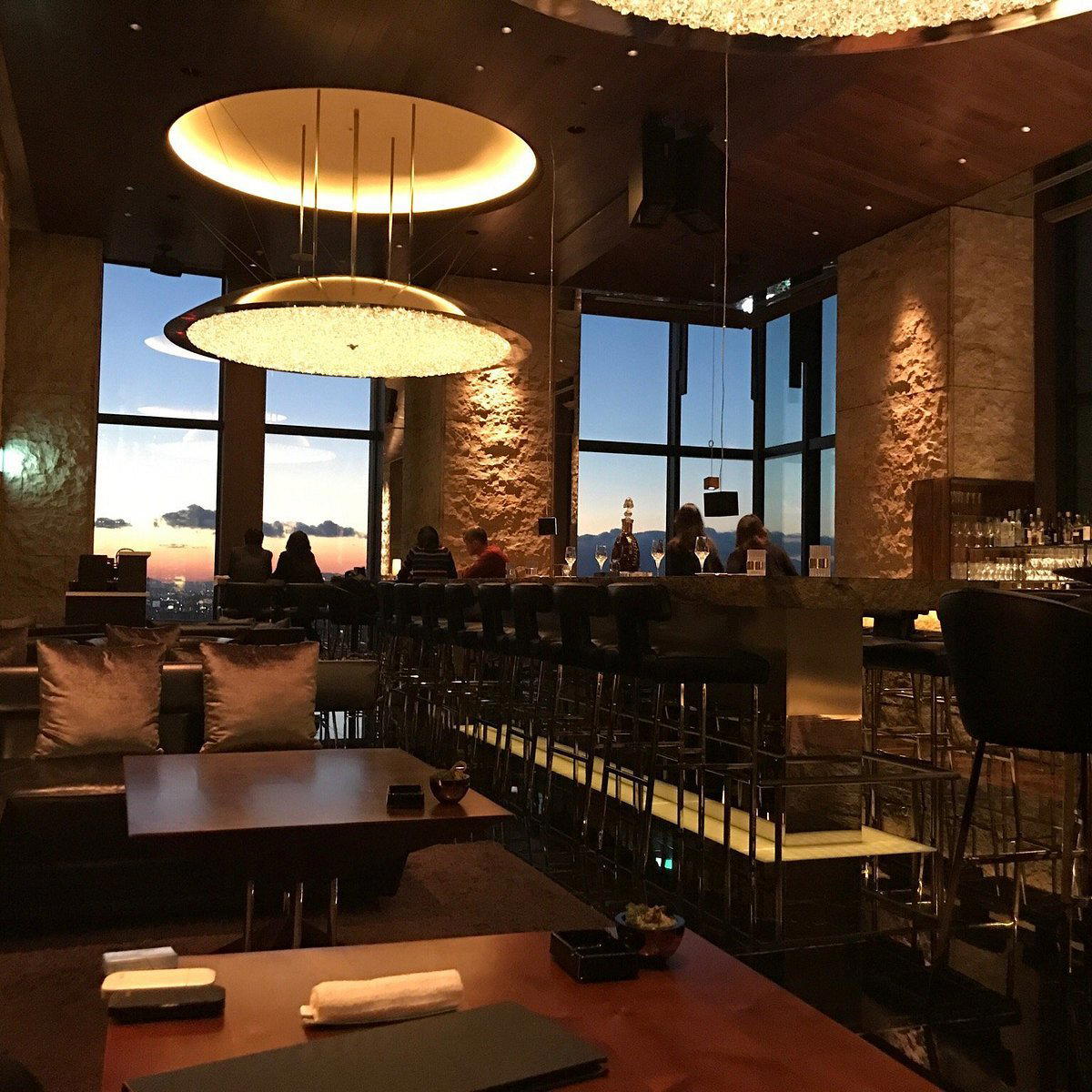
Restaurants in Osaka
All restaurants in Osaka →



Bars in Osaka
All bars in Osaka →


Hotels in Osaka
All hotels in Osaka →


Wineries in Osaka
Browse all →
Details
- Elegant
- Intimate
- Sophisticated
- Date Night
- Business Dinner
- Special Occasion
- Celebration
- Chefs Counter
- Open Kitchen
- Sake Program
- Sommelier Led
- Local Sourcing
- Sustainable Seafood
- Counter Dining
- Tasting Menu
- Set Menu
- Sake
- Wine
- Vegetarian Friendly
- Vegan Options
- Allergy Accommodating
Current opening hours
- Monday
- 5:30–11 PM
- Tuesday
- 5:30–11 PM
- Wednesday
- 5:30–11 PM
- Thursday
- 5:30–11 PM
- Friday
- 5:30–11 PM
- Saturday
- 5:30–11 PM
- Sunday
- Closed
Hours can change for holidays and private events. Hours as of .
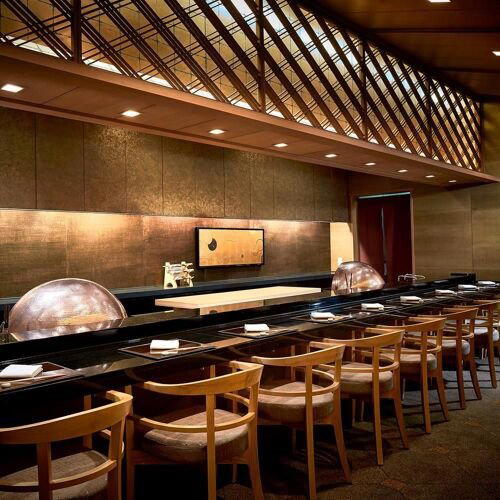
Refined, intimate basement setting with warm natural cedar counter and minimalist Japanese-modern design; guests watch the chef work at close range.