

Michelin Plate · Tabelog 100 #95
Our verdict
Shunten Shin brings a precise, oil-conscious approach to tempura in Osaka's Tennoji Ward, earning Michelin Plate recognition in both 2024 and 2025. The kitchen's method, thin batter, sesame and corn oil, ingredient-specific timing, reflects a philosophy rooted in restraint rather than richness. The signature rice bowl topped with egg yolk tempura and raw uni has become a reference point for the format in the city.

Pearl is the En Primeur Club membership app, where members save venues, book tables and use the concierge.
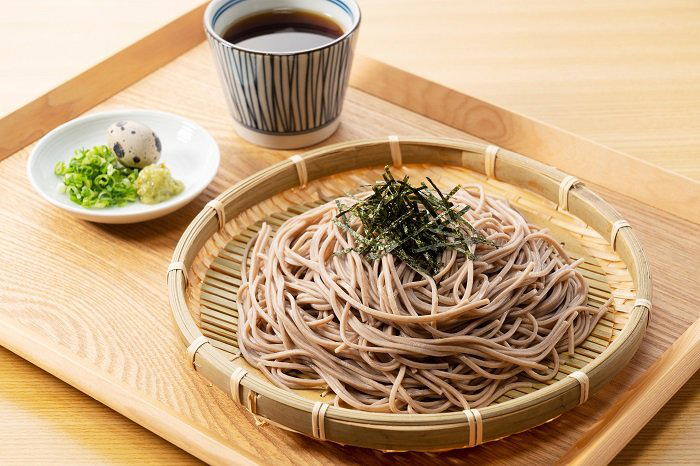
The menu
What to order
- Egg-yolk tempura uni donburi
- Red aubergine tempura
- Clam tempura
Tempura in Tennoji: What Precision Looks Like at the Counter
Tennoji Ward sits at a remove from the restaurant density of Namba and Shinsaibashi, and that distance shapes the dining culture here. The neighbourhood's serious restaurants tend to draw on repeat local trade rather than tourist flow, which creates a different kind of pressure on the kitchen: consistency over spectacle. Shunten Shin operates inside that dynamic. Its address in Ueshio, a quieter residential pocket of Tennoji, places it among the kind of counter restaurants that reward familiarity, venues where the food repays return visits rather than performing for a single occasion.
Tempura sits in an interesting position within Japan's broader multi-course tradition. The kaiseki aesthetic, sequential courses, seasonal ingredient logic, visual restraint, textural contrast, maps onto tempura more naturally than it might seem. A well-structured tempura progression works through the same principles: lighter, more delicate items early, richer proteins later, rice to close. The challenge for any serious tempura kitchen is maintaining those principles without letting the frying medium dominate. Oil management is the discipline that separates the format's practitioners.
The Philosophy of the Batter
At Shunten Shin, the controlling idea is aroma without heaviness. The kitchen applies batter thinly and works with a blend of sesame and corn oil, a combination that contributes fragrance without the weight that heavier oil profiles introduce. Sesame oil brings a warm, slightly nutty quality that complements rather than competes with the ingredient underneath; corn oil keeps the fry clean. The result, when the approach is executed correctly, is tempura where the coating registers as a texture and a scent before it registers as a flavour in its own right.
That oil-conscious method extends to how individual ingredients are handled. Red aubergine, a vegetable that readily absorbs frying oil when cooked through completely, is deliberately kept from soaking through, preserving what the kitchen describes as its juiciness. Asparagus receives a more specific treatment: tips and stalks are cooked at different points in the sequence, calculated to deliver the right firmness from each part of the vegetable. This is ingredient segmentation of a kind more commonly associated with kaiseki preparation than with tempura counters, and it signals a kitchen thinking about produce at the level of its component textures rather than treating each item as a single unit.
These techniques speak to a broader direction in Japan's serious tempura restaurants. Across Osaka, Tokyo, and Kyoto, the more considered tempura counters have moved away from richness as a value signal. The question is no longer how refined the oil is, but how little of it you notice. OIMATSU Tempura Suzuki represents another point on this spectrum within Osaka, while Tempura Ginya in Tokyo and Mudan Tempura in Taipei show how far the format has travelled beyond its original geography.
The Signature: Egg Yolk, Rice, Uni
The dish that has drawn the most attention at Shunten Shin is a rice bowl topped with tempura made from egg yolk, served alongside raw uni. In the context of a tempura progression, this is a studied closing move. Egg yolk tempura is technically demanding: the yolk needs to remain soft at the centre while the exterior sets, producing a contrast between the fried shell and the yielding interior that collapses quickly if timing is off. Paired with raw sea urchin, a combination of richness and marine salinity, the bowl functions as a density statement after the precision of the earlier courses. It is the moment in the meal where restraint gives way to something more declarative.
This kind of composed closing dish has become a recognisable feature of Osaka's more serious small-counter format restaurants. The city's dining culture has long valued a certain frankness about flavour, Osaka cooking doesn't typically bury its intentions, and a rice bowl that combines two high-cost ingredients in a direct, uncomplicated format fits that tradition more neatly than it might read on paper.
Shunten Shin in Osaka's Mid-Tier Specialist Scene
Osaka's restaurant market at the ¥¥¥ tier covers a wide range of formats: kaiseki houses like Kashiwaya at the same price band as Shunten Shin operate within a much longer-established prestige framework, while Japanese cooking specialists such as Shunsaiten Tsuchiya and Hiraishi draw on similar seasonal discipline from different angles. At the ¥¥¥¥ tier, French and innovative formats, Hajime, La Cime, Fujiya 1935, occupy a different competitive set entirely.
Shunten Shin's Michelin Plate recognition in 2024 and 2025 places it in the tier of restaurants that the Guide considers worth the detour without ascending to star level. For tempura specifically, that recognition matters because the format receives comparatively less attention from international critics than sushi or kaiseki, and Plate-level recognition for a tempura counter in a residential ward signals something about the kitchen's technical consistency rather than its profile.
For context across the Kansai region, Gion Sasaki in Kyoto and akordu in Nara represent the kind of serious-eating circuit that Osaka fits into naturally. Further afield, Harutaka in Tokyo, Goh in Fukuoka, 1000 in Yokohama, and 6 in Okinawa show the range of Japan's counter-dining circuit for those building a longer itinerary.
Osaka's counter restaurant scene at this tier rewards some planning. Numata and Gochiso nene are useful reference points for how the city's smaller format restaurants tend to operate: advance reservation, modest seat counts, and an expectation of engagement with the progression as the kitchen intends it.
Planning Your Visit
| Detail | Shunten Shin | OIMATSU Tempura Suzuki | Tempura Ginya (Tokyo) |
|---|---|---|---|
| Price tier | ¥¥¥ | ¥¥¥ | Check EP Club listing |
| Michelin recognition | Plate 2024, 2025 | See EP Club listing | See EP Club listing |
| Format | Tempura counter | Tempura counter | Tempura counter |
| Location | Tennoji Ward, Osaka | Osaka | Tokyo |
| See EP Club listing | See EP Club listing |
Shunten Shin's address is 3 Chome-8-10 Ueshio, Tennoji Ward, Osaka. For hours and booking availability, contact the restaurant directly or check current listings. Tennoji is well served by public transport, with Tennoji Station accessible via the JR loop line, the Midosuji subway line, and the Tanimachi subway line.
For a broader picture of eating and drinking in the city, see our full Osaka restaurants guide, our full Osaka bars guide, our full Osaka hotels guide, our full Osaka wineries guide, and our full Osaka experiences guide.
What's the signature dish at Shunten Shin?
The dish most associated with the kitchen is a rice bowl topped with tempura made from egg yolk, served with raw uni. Within the tempura progression, it functions as a rich, technically demanding closing course: the yolk is fried to preserve a soft centre while the exterior sets, and the combination with sea urchin delivers both density and salinity. It is the most frequently cited reference point for the restaurant's approach and the dish that most clearly separates Shunten Shin from tempura counters operating at a more conventional register.
Reputation First
| Venue | Cuisine | Price | Awards | Notes |
|---|---|---|---|---|
| Shunten ShinThis venue (the venue you are viewing) | Modern Tempura Omakase | $100–150 | Michelin Plate · Tabelog 100 #95 | Not listed |
| HAJIME | Avant-Garde Japanese Fine Dining | $300–500 | 3 Michelin Stars · World's 50 Best #83 | French, Innovative |
| La Cime | Modern French with Japanese Ingredients | $150–200 | 2 Michelin Stars · World's 50 Best #13 | French |
| Kashiwaya Osaka Senriyama | Seasonal Kaiseki Omakase | $200–300 | 3 Michelin Stars · La Liste Top Restaurants | Japanese |
| Taian | Traditional Japanese Kaiseki Omakase | $150–200 | 3 Michelin Stars · La Liste Top Restaurants | Kaiseki, Japanese |
| Fujiya 1935 | Modern Japanese with European influences | $100–150 | 2 Michelin Stars · La Liste Top Restaurants | Innovative |
Recognition history
Dated appearances from independent guides and award organizations, with the underlying list record or original source where available.
Michelin Plate
Michelin
Tabelog 100 #95 · No. 95
Tabelog · Tabelog 100 - Tempura - 2025
Full recognition history (4 entries)
Michelin Plate
Michelin
Michelin Plate
Michelin
Continue exploring
More in Osaka
Restaurants in Osaka
All restaurants in Osaka →

Bars in Osaka
All bars in Osaka →

Hotels in Osaka
All hotels in Osaka →




Wineries in Osaka
Browse all →
Details
- Intimate
- Elegant
- Minimalist
- Cozy
- Sophisticated
- Date Night
- Solo
- Special Occasion
- Chefs Counter
- Open Kitchen
- Sake Program
- Local Sourcing
- Omakase
- Tasting Menu
- Counter Dining
- Sake
- Wine
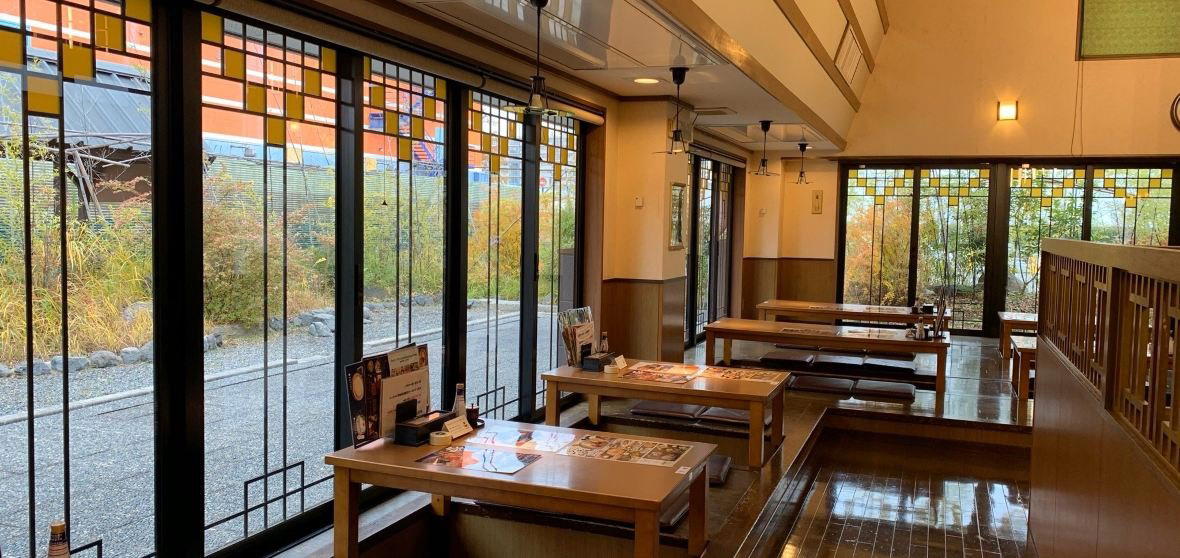
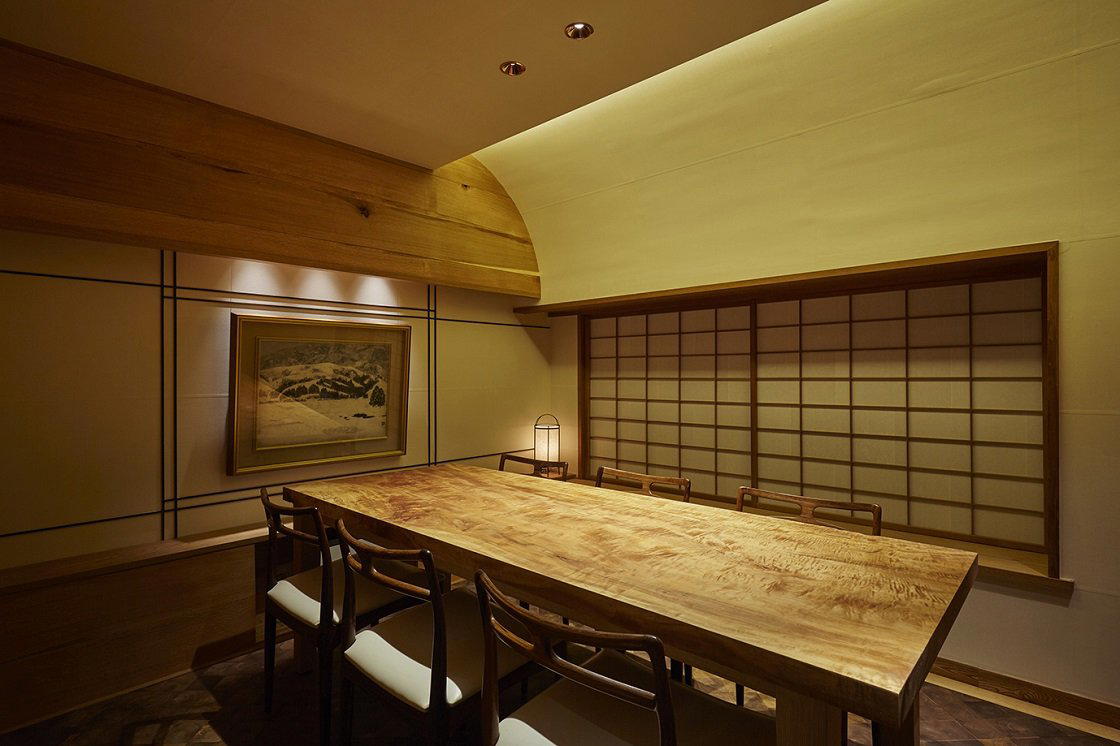
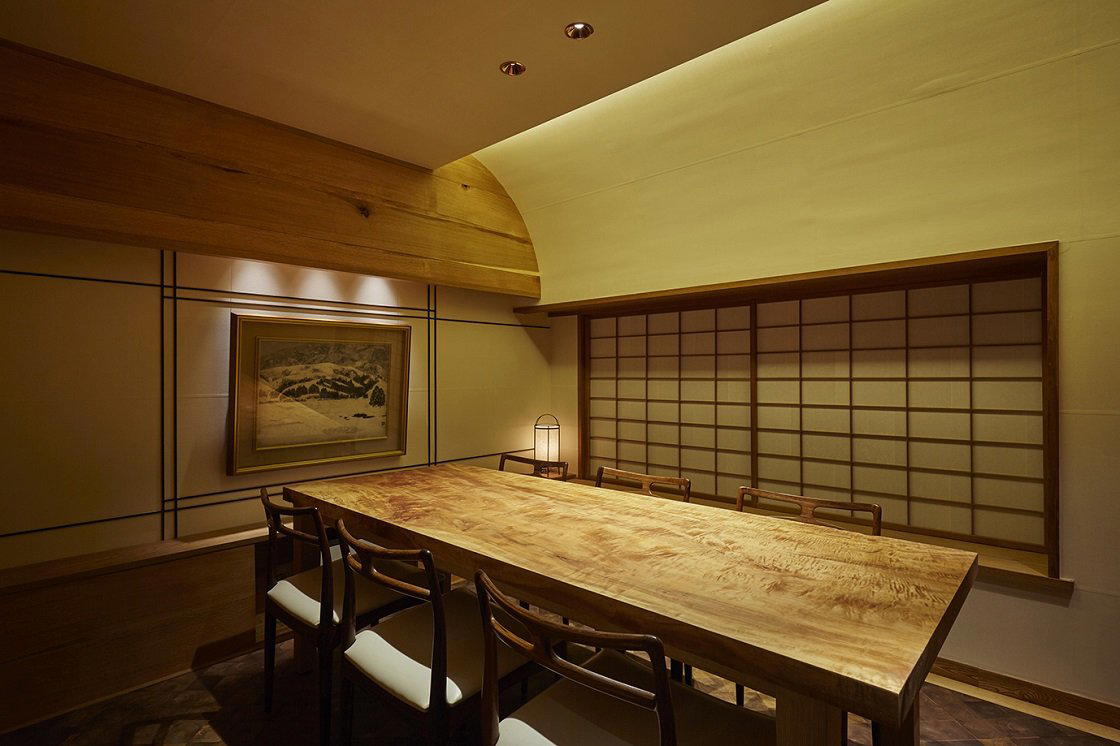
Natural woods, muted tones, and soft lighting create a calm, intimate counter space filled with the fragrance of sesame oil and crunch of batter.