
Michelin Plate
Our verdict
Among Kyoto's mid-range washoku options, Washoku Toku in Kita Ward takes an à la carte approach where most of the city's serious restaurants default to fixed kaiseki formats. A Michelin Plate recognition in 2024 places it within the city's broader ecosystem of seasonally driven Japanese cooking, while portion flexibility and a wide-ranging menu make it accessible across different appetites and occasions.

Pearl is the En Primeur Club membership app, where members save venues, book tables and use the concierge.
The menu
What to order
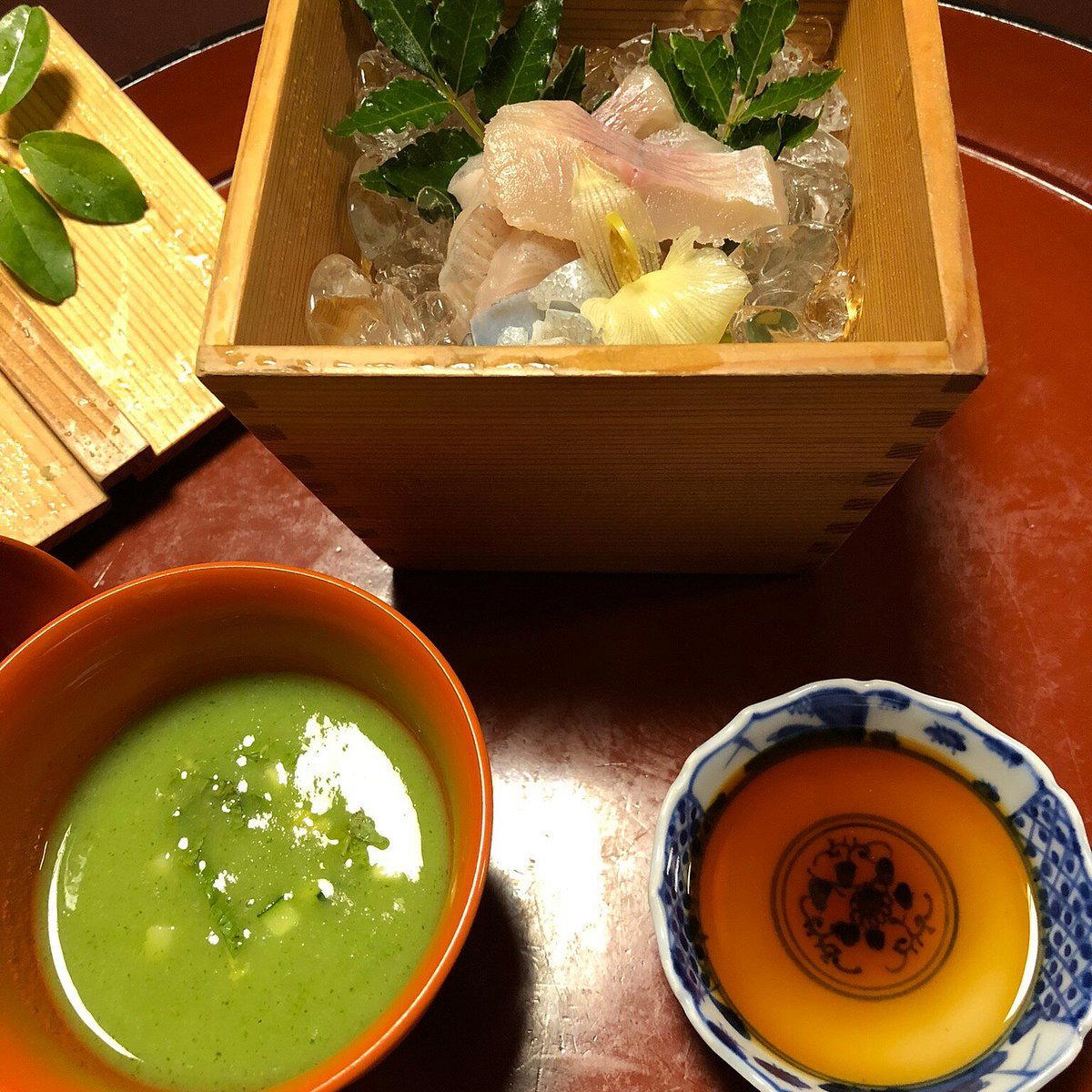
- Sashimi plate with green peppercorns
- Charcoal-grilled wagyu steak
Kita Ward and the Case for Seasonal À la Carte
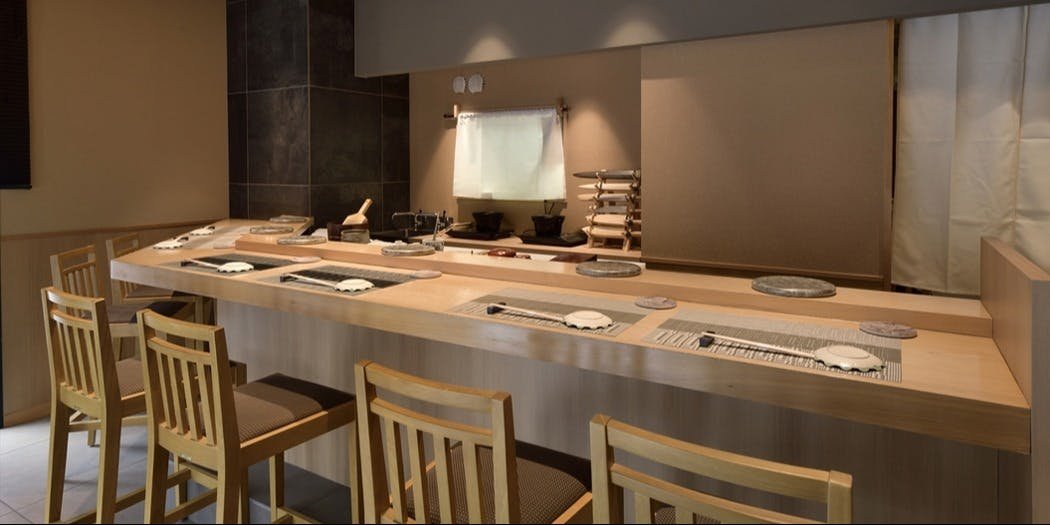
Most of Kyoto's serious Japanese restaurants ask you to surrender the decision-making upfront. Kaiseki's sequential logic is the city's dominant grammar: set courses, fixed progression, no detours. It works beautifully, and houses like Isshisoden Nakamura and Kikunoi Roan have built reputations on exactly that structure. But outside the kaiseki tier, a quieter category of washoku restaurants operates on different terms: à la carte menus, mid-range pricing, and a seasonal focus that runs the full range from sashimi to rice dishes without insisting on a fixed arc. Washoku Toku, in Kyoto's Kita Ward, belongs to that category, and the Michelin Plate it earned in 2024 signals that the kitchen takes the seasonal sourcing and technical discipline seriously, even if the format is closer to a neighbourhood izakaya in spirit than to a tasting-room experience.
The Kita Ward Setting
Kita Ward sits north of the tourist corridors that channel most first-time visitors between Gion, Higashiyama, and Arashiyama. The neighbourhood around Murasakino is quieter in the way that the northern reaches of any old city tend to be: fewer tour groups, more local rhythm. Kinkaku-ji is nearby, but the streets around it revert to everyday Kyoto within a few minutes' walk. Dining in this part of the city means eating where residents eat, which tends to favour value and accessibility over spectacle. For visitors already covering the central restaurant circuit, with tables at Gion Matayoshi or Kenninji Gion Maruyama on other evenings, Washoku Toku offers a lower-pressure washoku option that doesn't compete with those experiences on formality or price.
Lunch and Dinner: Two Different Propositions
The à la carte format creates a meaningful divide between how daytime and evening visits play out. At lunch, the mechanics of the menu encourage lighter, faster grazing: a sashimi plate, perhaps a donburi or rice soup, a single side. The seasonal ingredients drive the same kitchen logic as at dinner, but the daytime register is more casual, the pacing self-directed. This is where the portion-flexibility policy becomes most useful. Smaller portions let two people share across more dishes without committing to full servings of each, which suits a midday meal before an afternoon of temples or gardens.
Evening service shifts the mood without changing the menu structure. The same à la carte range is available, but the room reads differently after dark, and the tendency to order more, drink alongside food, and sit longer is built into how the kitchen handles the flexibility. Dishes like the 'Kamo Wasa', quick-boiled duck tenderloin that takes its cue from yakitori technique, read more naturally as part of an evening sequence than as standalone lunch items. The duck preparation is a reminder that this is not a kitchen content to serve familiar washoku standards unchanged: the yakitori influence applied to tenderloin implies a lateral thinking about technique that the Michelin Plate selection in 2024 presumably reflects. Across Kyoto, similar thinking shows up at Kodaiji Jugyuan, though in a considerably higher price bracket.
The Menu's Range and Its Logic
Washoku Toku's menu spans a wider range than is typical for a restaurant at the ¥¥ price tier. Appetisers, sashimi, creative dishes, and multiple rice-based formats (donburi, rice soup, fried rice) appear alongside the more considered preparations. This breadth is partly a function of the à la carte format, which requires more options to function well, and partly a kitchen choice to represent seasonal produce across different registers of cooking. The sashimi plate uses green peppercorns as a garnish, a small but considered departure from the standard approach that is meant to amplify the natural sweetness of the seafood rather than mask it. These are the calibrations of a kitchen with a point of view, not just a broad menu for cover.
Among Kyoto's washoku options at comparable price points, this range is unusual. The city's ¥¥¥¥ kaiseki houses, including Isshisoden Nakamura and similar establishments, achieve their depth through restraint and sequence. Washoku Toku achieves something different: breadth within a single service, leaving the sequencing to the guest. Beyond Kyoto, the à la carte washoku model shows up in different forms at Myojaku and Azabu Kadowaki in Tokyo, though both operate at significantly higher price levels.
Where Washoku Toku Sits in the Kyoto Picture
Kyoto has a well-documented concentration of high-end Japanese cooking. The city's Michelin density, particularly at the kaiseki level, creates a strong pull toward formal fixed-course dining for visitors who have planned their trip around food. But the same concentration that produces restaurants like Gion Matayoshi also generates a supporting cast of skilled mid-range kitchens that operate without the booking difficulty, dress expectations, or course commitment of the top tier. Washoku Toku earns its place in that supporting cast through technical seriousness, seasonal focus, and a format that asks less of the guest while delivering more flexibility.
For broader context on how Kyoto's dining tiers and neighbourhoods relate, our full Kyoto restaurants guide covers the range. Those extending their itinerary to other Japanese cities should note that the à la carte washoku approach has analogues at Harutaka in Tokyo, HAJIME in Osaka, akordu in Nara, Goh in Fukuoka, 1000 in Yokohama, and 6 in Okinawa, each with its own regional slant on seasonal Japanese cooking. Kyoto's broader ecosystem of hospitality, including bars and hotels in the northern wards, is mapped in our full Kyoto bars guide, our full Kyoto hotels guide, our full Kyoto wineries guide, and our full Kyoto experiences guide.
Planning Your Visit
Address: 45-1 Murasakino Kamimonzencho, Kita Ward, Kyoto. Price: ¥¥ mid-range. Format: À la carte, with portion sizes adjustable on request. Recognition: Michelin Plate, 2024. Reservations: Dress: No formal code is documented; the neighbourhood and price tier suggest smart-casual is appropriate.
Frequently asked questions
What should I order at Washoku Toku?
The kitchen's à la carte format covers a wide range, and the approach rewards ordering across categories rather than staying in one register. The sashimi plate, garnished with green peppercorns rather than the standard accompaniments, is a reasonable starting point because it shows the kitchen's thinking about how to frame raw seafood. The 'Kamo Wasa', duck tenderloin quick-boiled with reference to yakitori technique, represents the more creative end of the menu and is worth ordering if you want to see where the kitchen moves beyond washoku conventions. Rice dishes, including donburi and rice soup, are well-suited to rounding out a meal or anchoring a lighter lunch. The Michelin Plate recognition in 2024 covers the menu as a whole, so there is no single signature dish to anchor an order around. The portion flexibility policy means you can scale up or down without committing to full servings across the board, which is useful if you are eating multiple meals in a day.
How far ahead should I plan for Washoku Toku?
At the ¥¥ tier in Kyoto's Kita Ward, the audience is a mix of local regulars and visitors making deliberate detours from the central tourist circuit. Unlike the city's kaiseki houses at ¥¥¥¥, which typically require reservations weeks or months in advance, mid-range à la carte restaurants in quieter neighbourhoods tend to have more availability. That said, the Michelin Plate awarded in 2024 will have increased visibility among food-focused travellers, and weekend evenings in Kyoto's high seasons (spring cherry blossom, autumn foliage) compress availability across the city. Attempting to contact the restaurant directly before your visit is reasonable precaution during those windows, even if walk-in availability is often possible at other times.
The Essentials
| Venue | Cuisine | Price | Awards | Notes |
|---|---|---|---|---|
| WASHOKU TOKUThis venue (the venue you are viewing) | Seasonal Kyoto Washoku / Kaiseki | $100–150 | Michelin Plate | Not listed |
| Gion Sasaki | Modern Kaiseki | $300–500 | 3 Michelin Stars · La Liste Top Restaurants | Kaiseki, Japanese |
| cenci | Innovative Italian-Japanese Fusion | $100–150 | 1 Michelin Star · World's 50 Best #76 | Italian |
| Ifuki | Sumibi Kappo Kaiseki | $200–300 | 2 Michelin Stars · La Liste Top Restaurants | Kaiseki |
| Kyokaiseki Kichisen | Kyoto Kaiseki | $200–300 | 2 Michelin Stars · La Liste Top Restaurants | Japanese |
| Kyo Seika | Modern Chinese Fine Dining | $150–200 | 1 Michelin Star · Tabelog Bronze #216 | Chinese |
Recognition history
Dated appearances from independent guides and award organizations, with the underlying list record or original source where available.
Michelin Plate
Michelin
Full recognition history (3 entries)
Michelin Plate
Michelin
Michelin Plate
Michelin
Continue exploring
More in Kyoto
Restaurants in Kyoto
All restaurants in Kyoto →
Bars in Kyoto
All bars in Kyoto →
Hotels in Kyoto
All hotels in Kyoto →
Wineries in Kyoto
Browse all →
Details
- Quiet
- Intimate
- Classic
- Elegant
- Sophisticated
- Special Occasion
- Date Night
- Solo
- Business Dinner
- Standalone
- Sake Program
- Byob
- Local Sourcing
- Omakase
- Set Menu
- A La Carte
- Sake
- Vegan Options
- Halal
Current opening hours
- Monday
- 6–10 PM
- Tuesday
- 6–10 PM
- Wednesday
- Closed
- Thursday
- 6–10 PM
- Friday
- 6–10 PM
- Saturday
- 6–10 PM
- Sunday
- 6–10 PM
Hours can change for holidays and private events. Hours as of .
Relaxed and quiet, with a traditional Japanese aesthetic designed for lingering over food and drinks away from the bustle of the city.