Wagner Vendégudvar
Wagner Vendégudvar occupies a address on Kossuth Lajos utca in the heart of Szombathely, placing it within reach of the city's Roman-era centre and its compact but genuine dining scene. The vendégudvar format, a guest courtyard tradition rooted in Hungarian hospitality, signals a pace and register distinct from Budapest's modernist bistros. For visitors working through western Transdanubia, it represents a local reference point worth understanding before arrival.
Pearl is the En Primeur Club membership app — saves, bookings, and concierge access live there. Same editors, same standards.
- Address
- Szombathely, Kossuth Lajos u. 15, 9700 Hungary
- Phone
- +3694322208
- Website
- hotelwagner.hu
- Directions
- Get directions
 Saves & bookings on Pearl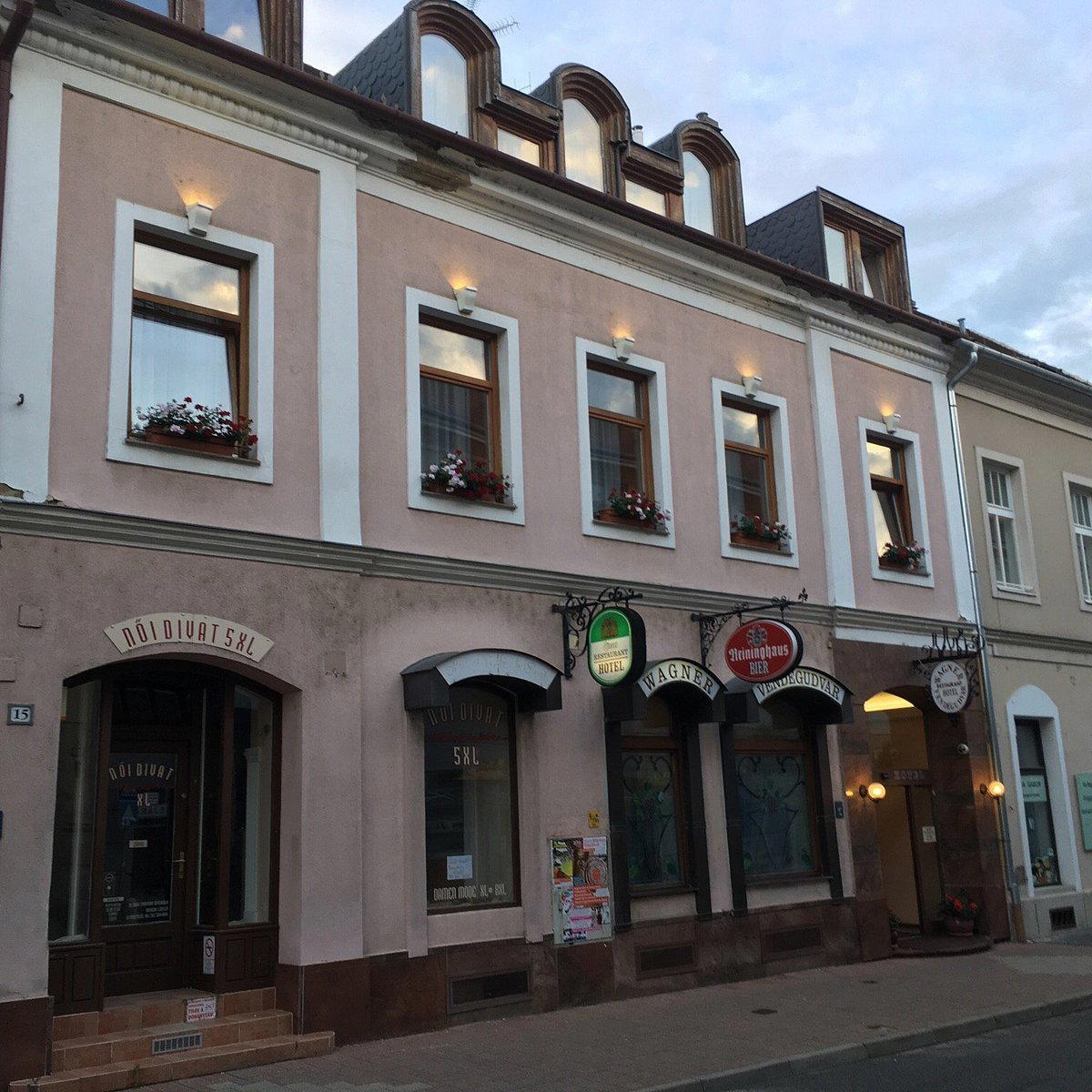
The Courtyard Tradition in a Western Hungarian Town
Szombathely sits closer to Graz than to Budapest, a geographical fact that has shaped its hospitality culture in ways that residents rarely remark on but visitors notice immediately. The city's dining rooms tend toward the unhurried, the portion sizes lean generous, and the architecture of the meal follows an older central European rhythm: bread and spreads arrive without ceremony, the main course is the point, and the table is yours for the evening. Wagner Vendégudvar, at Kossuth Lajos u. 15, is a restaurant in Szombathely serving Hungarian and International dishes. Wagner Vendégudvar, at Kossuth Lajos utca 15, occupies this tradition. The vendégudvar designation, literally a guest courtyard, places it within a format that predates contemporary restaurant categories in Hungary, one where the host-guest relationship carries weight beyond the transaction of food and payment.
That address, one of Szombathely's principal streets running through the city's older commercial core, situates the venue within easy reach of Savaria Square and the remains of the Roman city that give Szombathely its particular historical gravity. Approaching along Kossuth Lajos utca, the built environment shifts between Habsburg-era civic architecture and the quieter commercial rhythm of a mid-sized Hungarian regional city. This is not a city that performs for tourists, which means its restaurants tend to function for locals first, a condition that generally produces more honest cooking than venues calibrated for visitor expectations.
How the Meal Unfolds Here
The dining ritual at establishments carrying the vendégudvar name follows a logic shaped by Hungarian provincial hospitality rather than by metropolitan trends. Meals proceed at a pace set by the kitchen and the table, not by turnover targets. Starters in this tradition are rarely the architectural compositions found at places like Stand in Budapest or the technically considered plates at Platán Gourmet in Tata; they are instead the opening movement of a longer sequence, designed to orient the diner toward the main event.
Across western Hungary, this format tends to foreground meat preparation, seasonal vegetables from the surrounding agricultural belt, and wine poured without the ceremony of a dedicated sommelier programme. The region sits at the edge of the Pannonian wine zone, where producers work with Kékfrankos, Zweigelt, and Olaszrizling, varieties that suit the food here better than international benchmarks would. The menu is centered on Hungarian and International cooking, and local pours are a natural fit for the setting.
The pacing of the meal matters as much as what arrives at the table. Provincial Hungarian hospitality at this register expects the diner to settle in. Rushing a three-course sequence at a vendégudvar is both possible and slightly at odds with the format's internal logic. Visitors arriving from Budapest's faster-turnover bistro circuit, including the efficient lunch service at places like Pannónia Étterem és Vinotéka in Szombathely, may need to recalibrate their sense of timing.
Szombathely's Dining Register and Where This Venue Fits
Szombathely's restaurant scene does not operate on the same axis as Budapest's modernist fine dining tier or the ambitious regional cooking emerging from venues like Pajta in Őriszentpéter, roughly 50 kilometres to the south in the Őrség region. The city's culinary reference points are more grounded: traditional Hungarian preparations, central European borrowings from Austrian and Styrian cooking, and the direct hospitality of a provincial city that has maintained its own character without chasing metropolitan recognition.
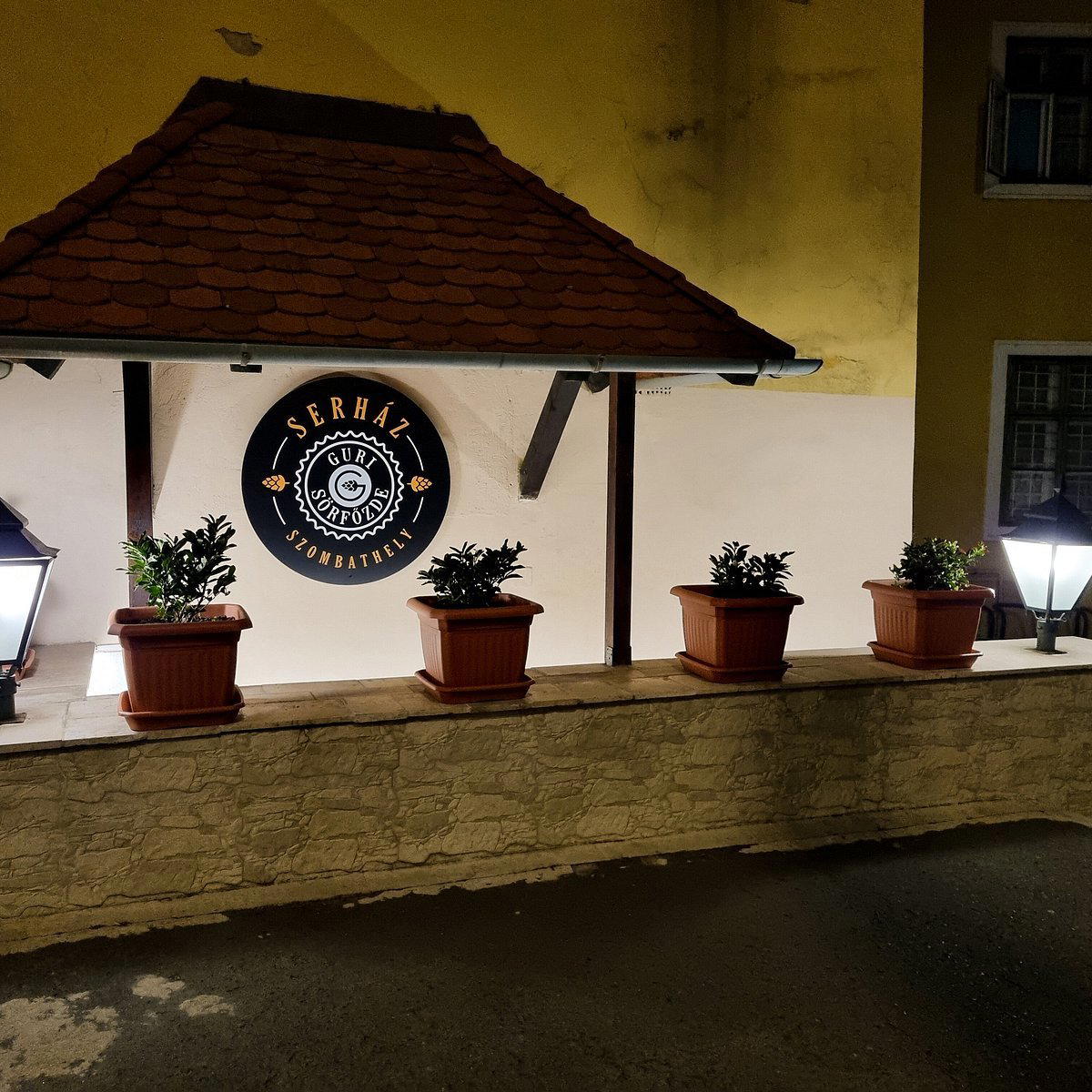
Within Szombathely, the comparison set for a venue on Kossuth Lajos utca includes Guri Serház Szombathely, which occupies a different register on the city's dining spectrum. The vendégudvar format itself signals a mid-register positioning that prioritises hospitality breadth over culinary specialisation.
For context across Hungary's provincial dining scene, this pattern repeats: venues with guest courtyard or traditional inn designations tend to function as community anchors rather than destination restaurants. They appear less often in the Budapest-focused critical conversation that shapes Hungarian restaurant coverage, and more often in the local knowledge of residents. That dynamic plays out similarly at BoriMami in Gyöngyös, Forst-Ház Étterem és Kávéház in Eger, and Aranysárkány Vendéglő in Szentendre, each embedded in its city's fabric in ways that national awards coverage rarely captures.
Planning a Visit
Szombathely is accessible by direct rail from Budapest Keleti, with journey times in the two-to-two-and-a-half hour range depending on service. The city is compact enough that Kossuth Lajos utca 15 is walkable from the main train station. For visitors building a longer western Hungarian itinerary, the venue sits within reasonable driving range of the Őrség National Park and the wine villages of the Vas county region.
Verify opening times before you go.
For readers building comparison across Hungary's regional scene, additional reference points include Halasi Pince Panzió in Villány in the south, Classic Grill Serbian Restaurant Underground in Szeged, Astro Tea & Kávéház in Gyor, Almalomb in Hosszúhetény, Fiume Étterem in Bekescsaba District, Apicius Étterem és Kávéház in Herend, and La Pizza Del Lupo in Onga, a cross-section that illustrates how varied Hungary's provincial dining character is once you move beyond the capital. For reference on the international scale that sits at the far end of the fine dining spectrum, Le Bernardin in New York City and Atomix in New York City represent the category's upper tier against which Hungarian regional cooking operates in a completely different register.
Where It Fits
Comparable venues nearby, for context on price, style, and recognition.
| Venue | Cuisine | Price | Notes |
|---|---|---|---|
| Wagner Vendégudvar | Hungarian and International | $$ | City Center |
| Guri Serház Szombathely | American Craft Beer Burgers | $$ | Belváros |
| Pannónia Étterem és Vinotéka | Hungarian Traditional | $$ | Fő tér (Main Square) |
| Söptei Pincészet és Étterem | Hungarian Winery Restaurant | $$ | Csopak |
| Carmen Étterem | Traditional Hungarian & International | $$ | Kalvaria |
| Hubertus-Hof Szálloda és Étterem | Hungarian & International Gourmet with Game | $$ | Balatonfenyves |
Continue exploring
More in Szombathely
Restaurants in Szombathely
Browse all →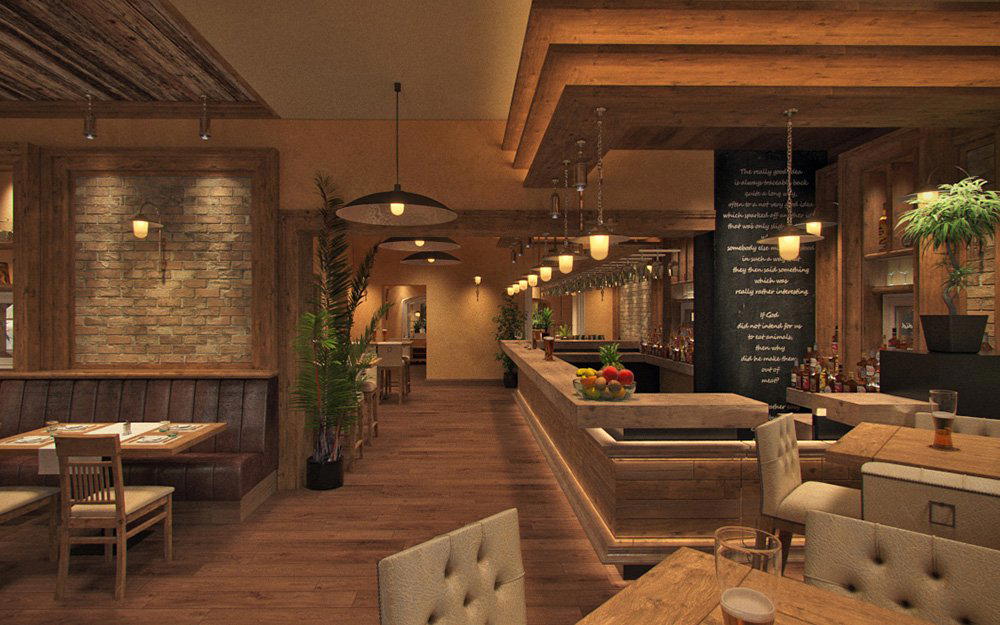
Bars in Szombathely
Browse all →
Hotels in Szombathely
Browse all →



At a Glance
- Cozy
- Family
- Casual Hangout
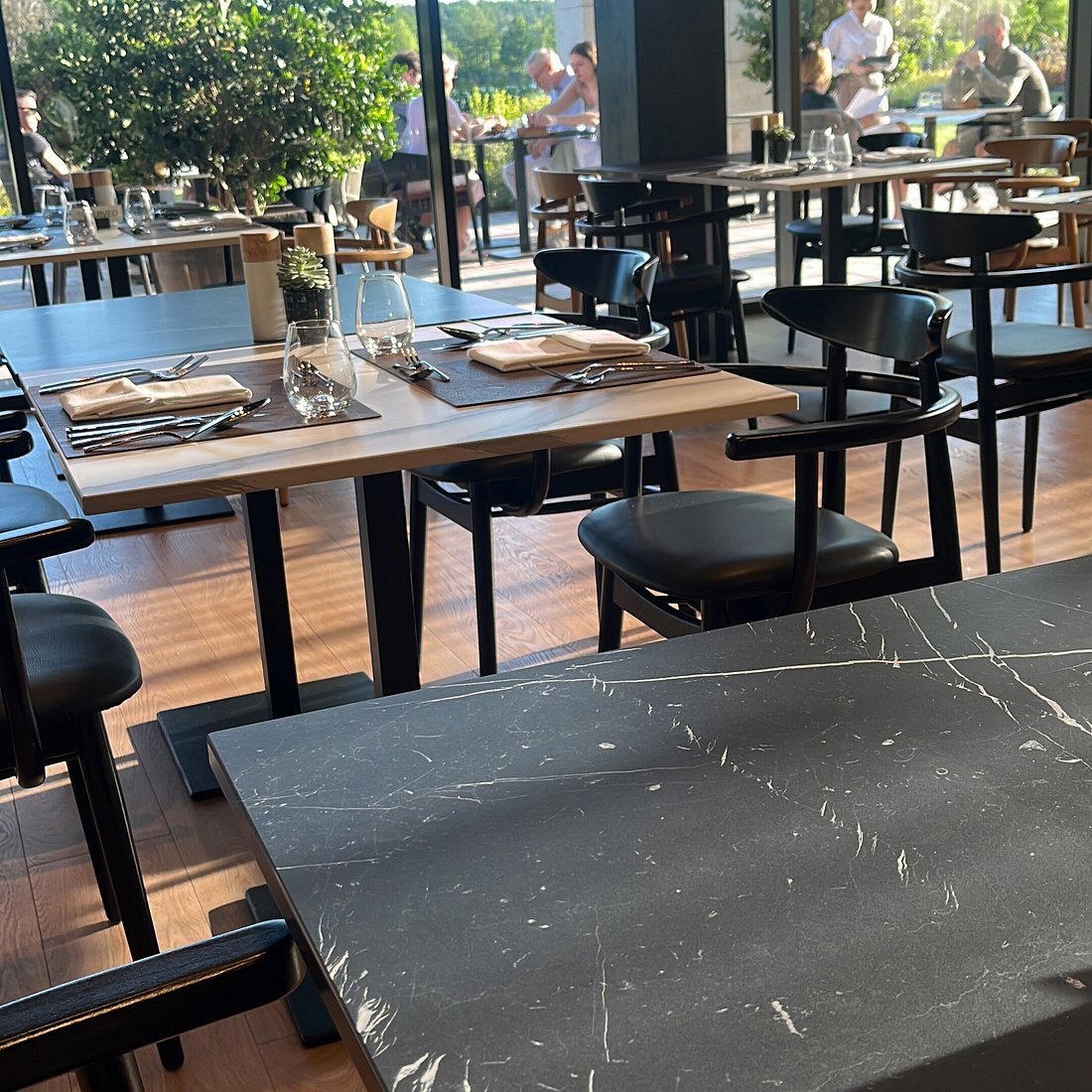
- Garden
- Extensive Wine List
- Street Scene
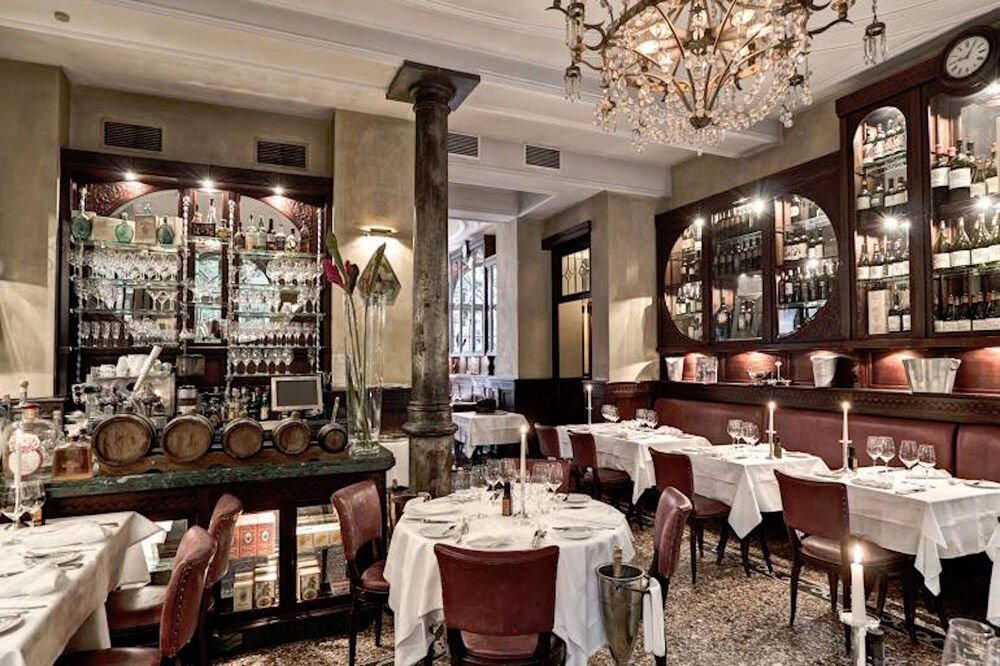
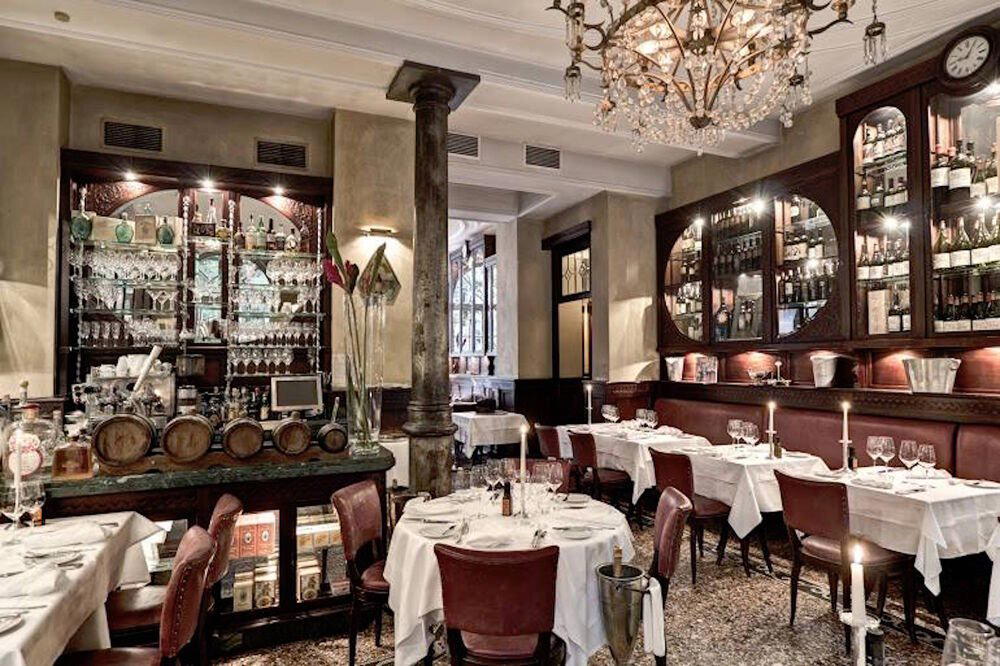
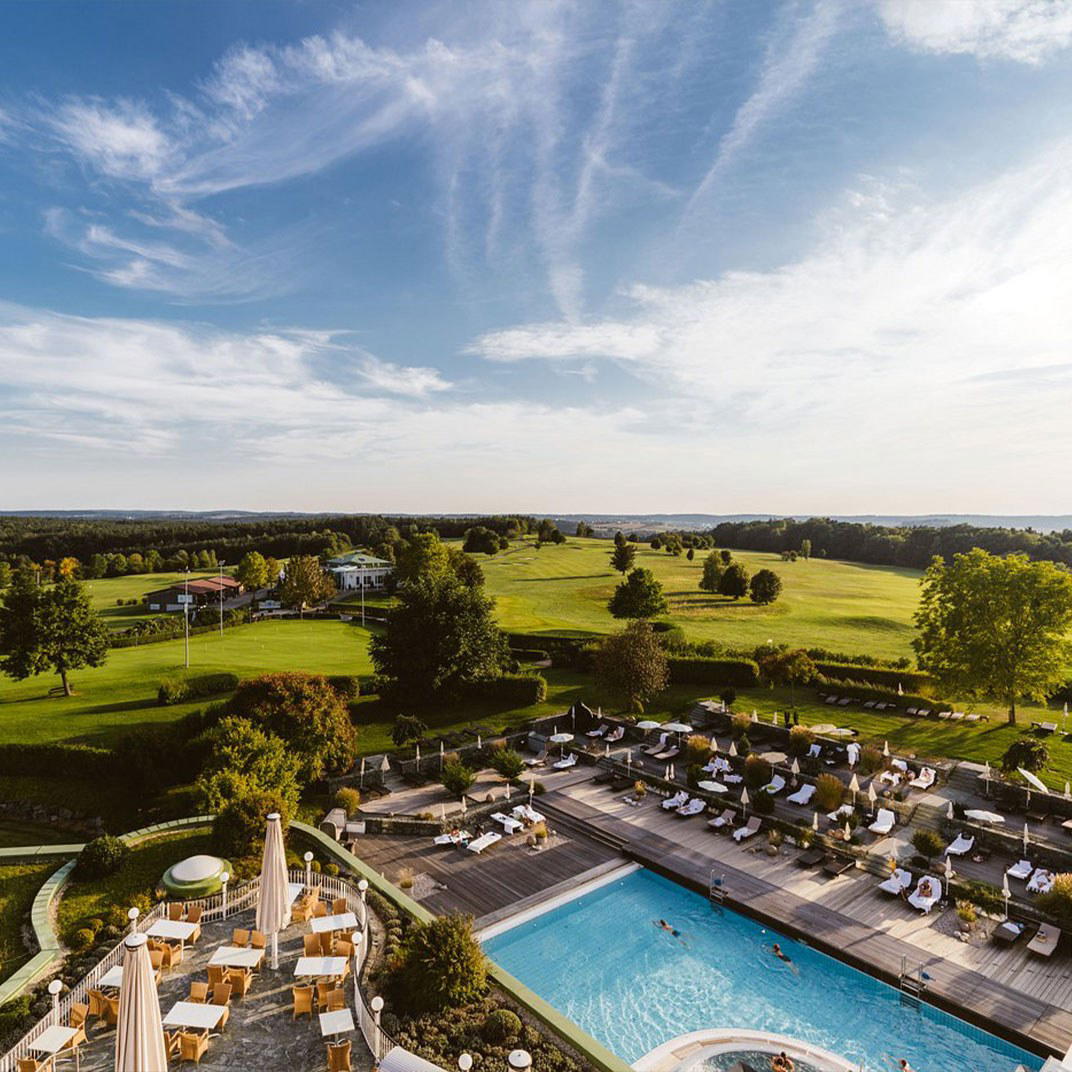
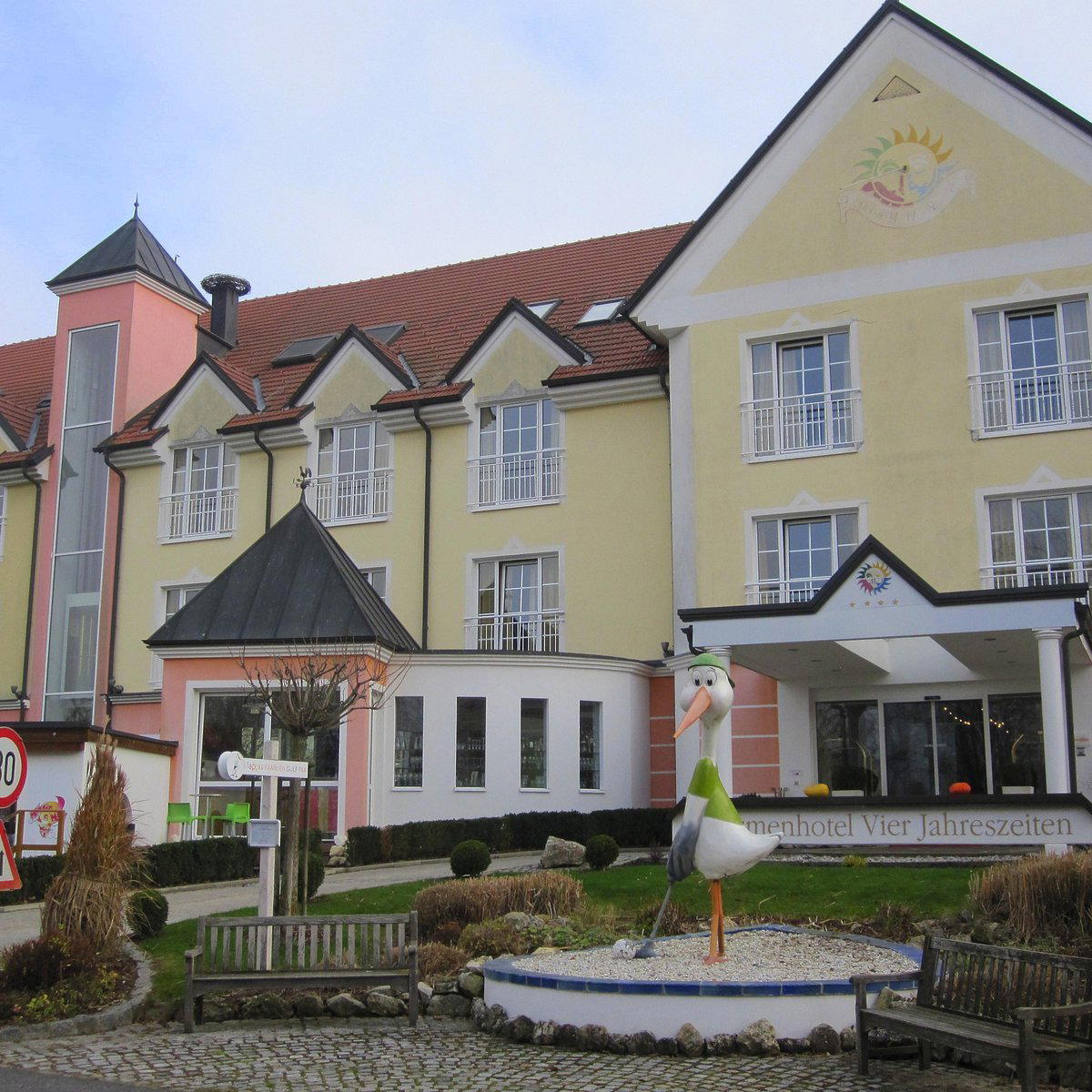
Sophisticated decor with comfortable furnishings and a welcoming family atmosphere.