Pannónia Pub & Grill Restaurant
Our verdict
Set on Szombathely's central Fő tér, Pannónia Étterem és Vinotéka occupies one of western Hungary's more historically layered dining addresses, pairing a restaurant format with a dedicated wine bar. The combination of a prominent square-facing position and a vinotéka component signals a dual identity common among provincial Hungarian restaurants that take their wine list as seriously as their kitchen.

Pearl is the En Primeur Club membership app — saves, bookings, and concierge access live there. Same editors, same standards.
- Address
- Szombathely, Fő tér 29, 9700 Hungary
- Phone
- +3694792456
- Hours
- Mon–Thu 11 AM–10 PMFri–Sat 11 AM–11 PMSun 10 AM–4 PM
- Website
- pannonia-restaurant.hu
- Directions
- Get directions
- Booking
- Book on the venue's website
A Square-Facing Address in Hungary's Oldest City
Fő tér, Szombathely's main square, carries more Roman-era archaeology per square metre than most Hungarian city centres. The square is built over Savaria, the Roman provincial capital where Marcus Aurelius reportedly spent time, and the layers of civilisation underneath it give even a routine lunch here a certain historical density. Pannónia Étterem és Vinotéka sits at number 29 on that square, a position that places it at the social and geographical centre of a city that doesn't get the visitor traffic of Győr or Pécs but functions as a serious regional hub for western Hungary's Vas County. That address alone sets a particular tone before you've looked at a menu or a wine list.
Provincial Hungarian dining has undergone a quiet recalibration over the past decade. While Budapest continues to attract the headline attention, with venues like Stand in Budapest and Atomix in New York City representing different ends of the ambition spectrum, the more interesting shift has been in cities like Szombathely, Eger, and Pécs, where restaurants are increasingly serving a dual audience: local regulars who want consistent, well-sourced cooking, and visitors from Austria and western Europe who arrive via the border crossings and expect something more considered than a tourist menu. Pannónia's restaurant-plus-vinotéka format is a direct response to that dual demand.
The Vinotéka Model and What It Signals
The word vinotéka, common across Central Europe from Slovenia to Slovakia, describes something more specific than a wine bar in the Anglo-American sense. It implies curation, a selection assembled with editorial intent rather than bulk purchasing, and often a willingness to serve wines by the glass from a rotating list. In Hungary, the format has become a marker of seriousness about the country's wine regions, which have been undergoing their own reappraisal. Szombathely sits geographically close to the Eger wine region to the east and within reasonable reach of Villány to the south, where venues like Halasi Pince Panzió in Villány operate at the intersection of wine and hospitality. The western reaches of the Transdanubia wine districts are also accessible, giving a Szombathely vinotéka a plausible sourcing radius that could span Sopron's cool-climate whites to the richer reds of Szekszárd.
When a restaurant chooses to append vinotéka to its name rather than simply listing wine on a conventional drinks menu, it's making an argument about hierarchy: the wine program is not an afterthought to the food. This pattern appears across Hungarian regional dining in various forms, from the wine-kitchen model popularised at Borkonyha in Budapest (operating in the €€€ tier with modern cuisine) to smaller regional operators who want to signal seriousness without the capital-city price point. For a city like Szombathely, which draws a cross-border clientele familiar with Austrian wine culture, the vinotéka designation carries particular local credibility.
Hungarian Regional Cooking and Its Reference Points
Hungarian cuisine at its regional level operates from a set of reference points that have less to do with Budapest's fine-dining modernism and more to do with the agricultural character of each county. Vas County, where Szombathely is the administrative centre, has a cooking tradition that leans on game, freshwater fish from local rivers, and the pork-centred preparations that define much of western Hungarian food culture. The proximity to Austria and Slovenia has historically introduced some cross-border influences, particularly in pastry and bread traditions, that don't appear in Hungary's eastern regions.
Across the broader network of Hungarian regional restaurants that EP Club tracks, the more interesting kitchens tend to treat these local reference points not as constraints but as a sourcing framework. Pajta in Őriszentpéter has built a reputation around exactly this approach in the neighbouring Őrség region, where foraged and farm-sourced ingredients give the cooking a specificity that purely urban restaurants struggle to replicate. Platán Gourmet in Tata represents a similar regional commitment further east. The question worth asking of any Szombathely restaurant operating in this space is whether the kitchen is engaging with Vas County's actual produce and traditions, or defaulting to a generic Hungarian comfort menu that could exist anywhere.
Other venues worth noting in the regional context: Apicius Étterem és Kávéház in Herend and Forst-Ház Étterem és Kávézó in Eger both operate within the same tradition of serious provincial dining that takes local identity as a starting point. BoriMami in Gyöngyös and Almalomb in Hosszúhetény add further reference points for readers mapping Hungary's regional dining outside the capital.
Szombathely's Dining Scene in Context
Szombathely is not a city that generates consistent international food press, which makes assembling a reliable picture of its restaurant scene more effortful than in Budapest or Debrecen. What is clear from the city's structure is that Fő tér functions as the primary concentration point for dining and café culture, with the surrounding streets holding a mix of traditional Hungarian restaurants and newer operators. Guri Serház Szombathely and Wagner Vendégudvar both operate in the city and represent points of comparison for anyone building a picture of where Pannónia sits in the local hierarchy. Our full Szombathely restaurants guide maps the broader scene.
For comparison across Hungary's mid-sized city dining, Classic Grill Serbian Restaurant Underground in Szeged, Astro Tea & Kávéház in Gyor, Aranysárkány Vendéglő in Szentendre, Fiume Étterem in Békéscsaba District, and La Pizza Del Lupo in Onga each illustrate how provincial Hungarian and regional Central European dining navigates the gap between local tradition and more internationally-oriented ambition.
Planning Your Visit
Pannónia Étterem és Vinotéka is located at Fő tér 29, Szombathely 9700, placing it directly on the main square and within walking distance of the city's principal Roman ruins and the Savaria Museum. Szombathely's train station connects to Budapest's Keleti station with a journey of approximately two hours, and the Austrian border at Rechnitz is around 30 kilometres to the west, making the city accessible for a day trip or overnight from Graz. For a restaurant in this position, booking ahead for dinner on weekends is sensible, particularly given the square's popularity during summer evenings. Phone and website details were not available at the time of publication; direct contact through local booking platforms or by arriving in person during service hours is the practical fallback.
Frequently asked questions
Does Pannónia Étterem és Vinotéka work for a family meal?
A main-square address in Szombathely points toward a format that serves the full range of local dining occasions, and family meals are a practical norm in Hungarian provincial restaurants at this kind of location. Fő tér 29 is central, walkable from most of the city's accommodation, and the restaurant-plus-vinotéka structure suggests a broader menu rather than a tasting-menu-only format.
What's the vibe at Pannónia Étterem és Vinotéka?
Fő tér is Szombathely's civic and commercial centre, built over Roman-era ruins, and restaurants on the square typically occupy a mid-range to upper-mid provincial register: more considered than a neighbourhood local, less formal than a Budapest fine-dining room. The vinotéka element in the name shifts the atmosphere toward wine-focused dining rather than casual eating. Expect a setting where the wine list carries as much weight as the kitchen.
Is Pannónia Étterem és Vinotéka a good base for exploring wines from western Hungary?
The vinotéka designation in the restaurant's name consistently signals a structured wine programme rather than a standard house-wine list, and Szombathely sits in Vas County at the edge of Hungary's western wine regions, with Sopron, one of Hungary's oldest documented wine-producing areas, within close reach. That geography gives a restaurant serious about its cellar good reason to stock wines that rarely appear on menus in Budapest, let alone outside Hungary.
What should I eat at Pannónia Étterem és Vinotéka?
Hungarian regional kitchens in Vas County, the westernmost part of Hungary bordering Austria and Slovenia, historically draw on game, pork preparations, freshwater fish, and paprika-based braises rather than Budapest's more internationally influenced menus. A restaurant pairing those reference points with a dedicated wine selection is worth approaching with the wine list open alongside the food menu.
What part of town is Pannónia Étterem és Vinotéka in?
Pannónia Étterem és Vinotéka is located at Szombathely, Fő tér 29, 9700 Hungary, Szombathely.
What's the best way to book Pannónia Étterem és Vinotéka?
For a square-facing restaurant in a regional city like Szombathely, walking in or calling ahead on the day is often workable outside peak summer and festival periods, but the vinotéka format may attract local regulars who book in advance on weekends. Searching the venue name directly online is the most reliable way to locate current contact details before your visit.
Price and Positioning
Comparable venues nearby, for context on price, style, and recognition.
| Venue | Cuisine | Price | Awards | Notes |
|---|---|---|---|---|
| Pannónia Pub & Grill RestaurantThis venue — the venue you are viewing | Hungarian Traditional | $20–30 | Not listed | Not listed |
| Wagner Vendégudvar | Hungarian and International | Not listed | Not listed | City Center, Hungarian and International |
| Guri Serház Szombathely | American Craft Beer Burgers | $10–20 | Not listed | Belváros, American Craft Beer Burgers |
| Mi a Kő | Modern Hungarian | Not listed | Not listed | Koveskal, Modern Hungarian |
| Paletta Bistrobar | Modern Hungarian Bistro | Not listed | Not listed | Balatonboglar, Modern Hungarian Bistro |
| Kővirág | Modern Hungarian | Not listed | Michelin Plate | Köveskál, Káli Basin, Modern Hungarian with Farm-to-Table Approach |
Continue exploring
More in Szombathely
Restaurants in Szombathely
Browse all →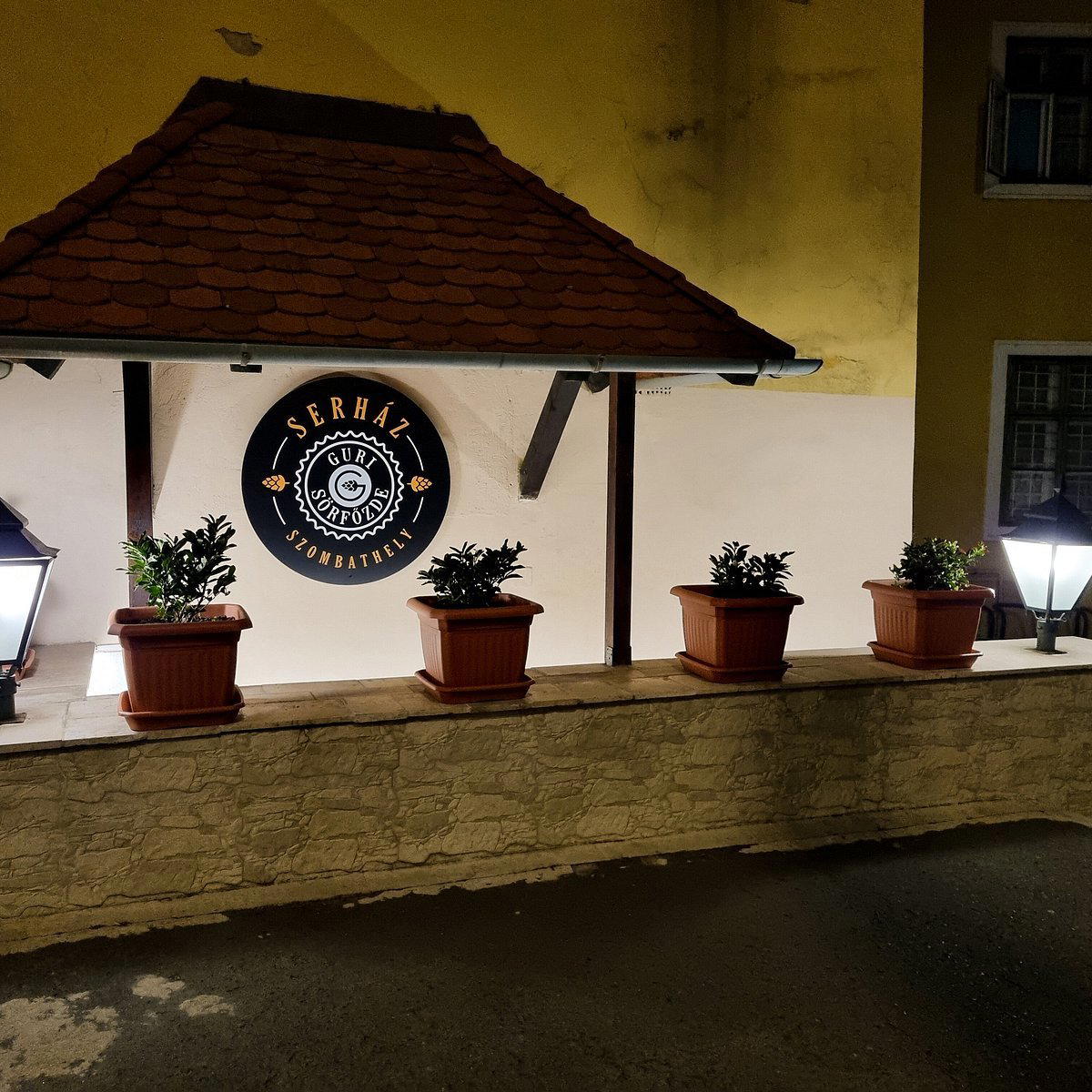
Hotels in Szombathely
Browse all →

Pannónia Pub & Grill Restaurant
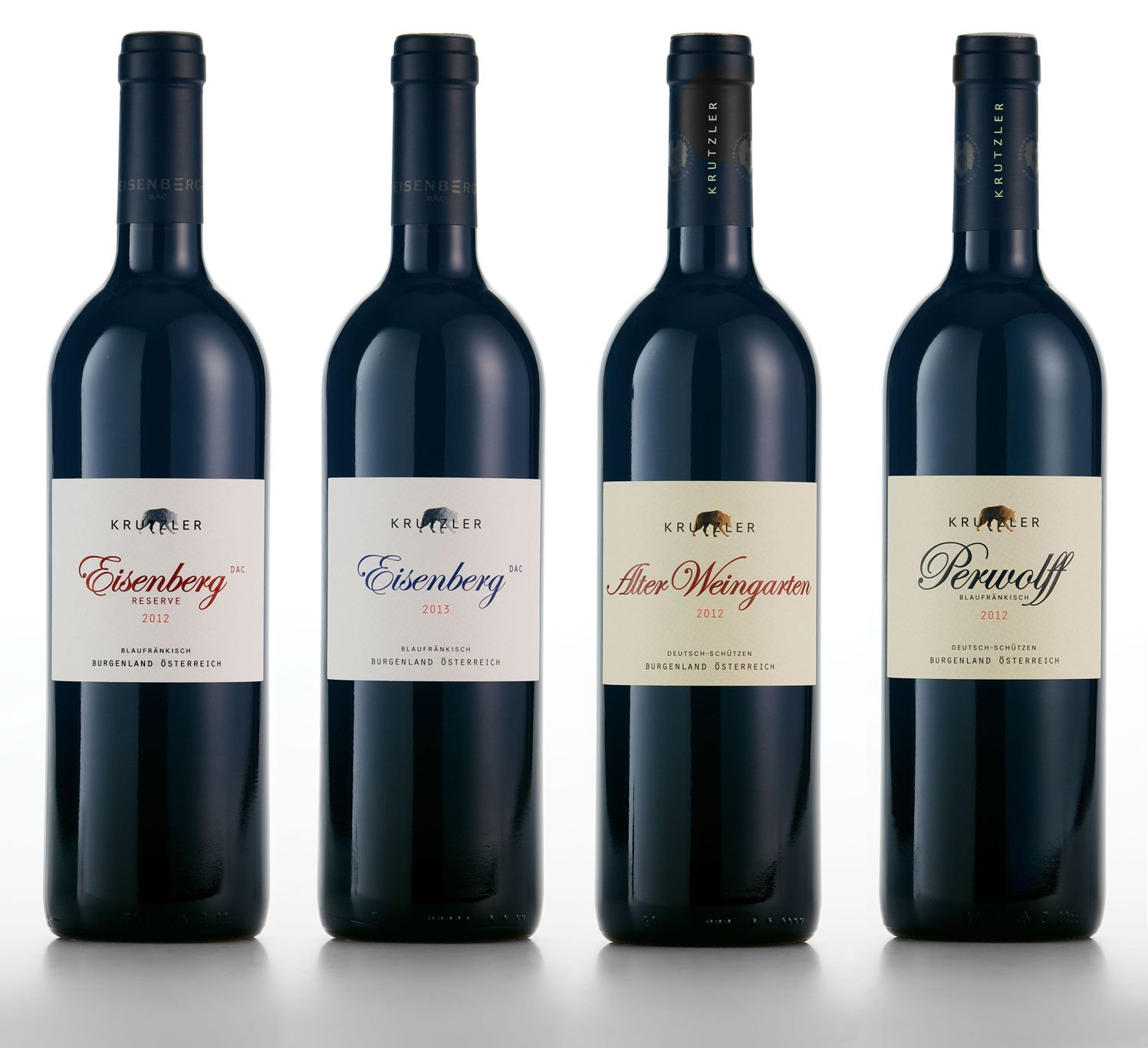
The wine
- Wine program
- Curated wine list
- Extensive wine list
Details
- Classic
- Elegant
- Group Dining
- Business Dinner
- Casual Hangout
- Standalone
- Extensive Wine List
- A La Carte
- Wine
Current opening hours
- Monday
- 11 AM–10 PM
- Tuesday
- 11 AM–10 PM
- Wednesday
- 11 AM–10 PM
- Thursday
- 11 AM–10 PM
- Friday
- 11 AM–11 PM
- Saturday
- 11 AM–11 PM
- Sunday
- 10 AM–4 PM
Hours can change for holidays and private events. Last verified .
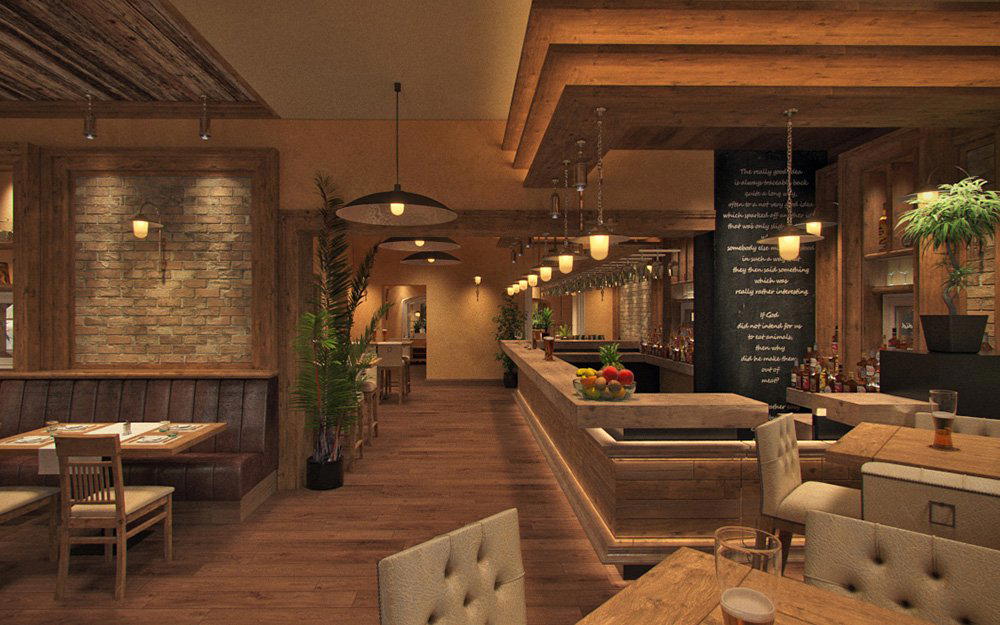
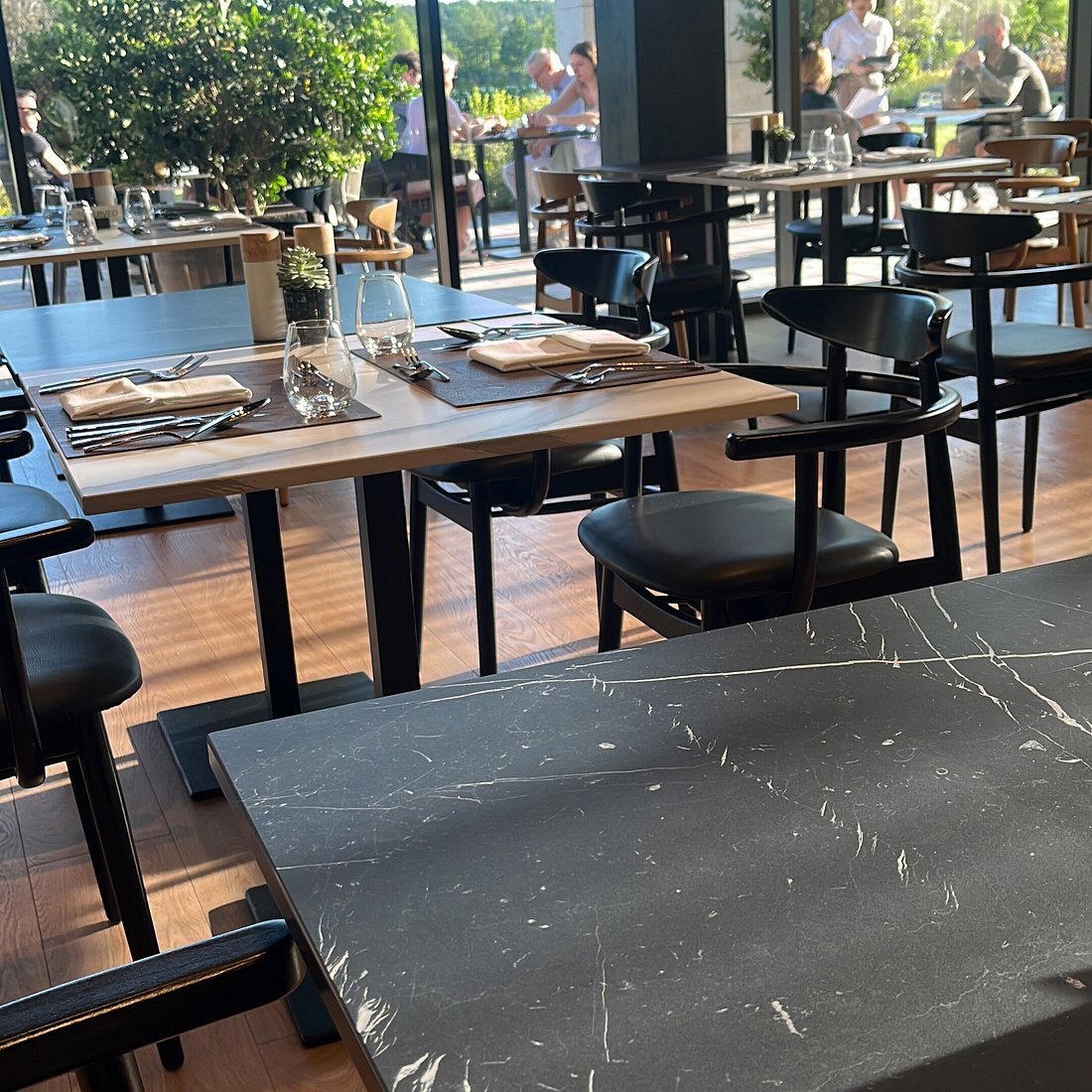
Classic Hungarian dining atmosphere with traditional décor, welcoming to both casual diners and groups.