Söptei Pincészet és Étterem sits at the heart of Csopak, one of the Balaton Highlands' most productive wine villages, combining a working cellar with a kitchen that draws directly from the surrounding agricultural landscape. The format places winery and restaurant in genuine dialogue rather than treating one as an afterthought of the other. For visitors tracing the region's food and wine character, it represents a practical and purposeful stop.
Pearl is the En Primeur Club membership app — saves, bookings, and concierge access live there. Same editors, same standards.
- Address
- Csopak, Venyige u. 1, 8229 Hungary
- Phone
- +36305208381
- Website
- sopteizsolt.hu
- Directions
- Get directions
 Saves & bookings on Pearl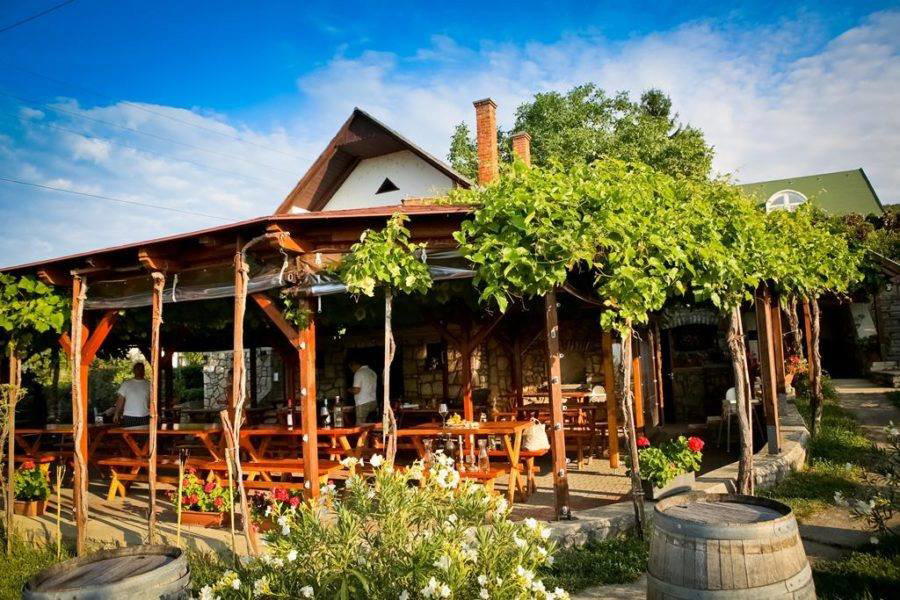
Where the Cellar and the Kitchen Share the Same Source
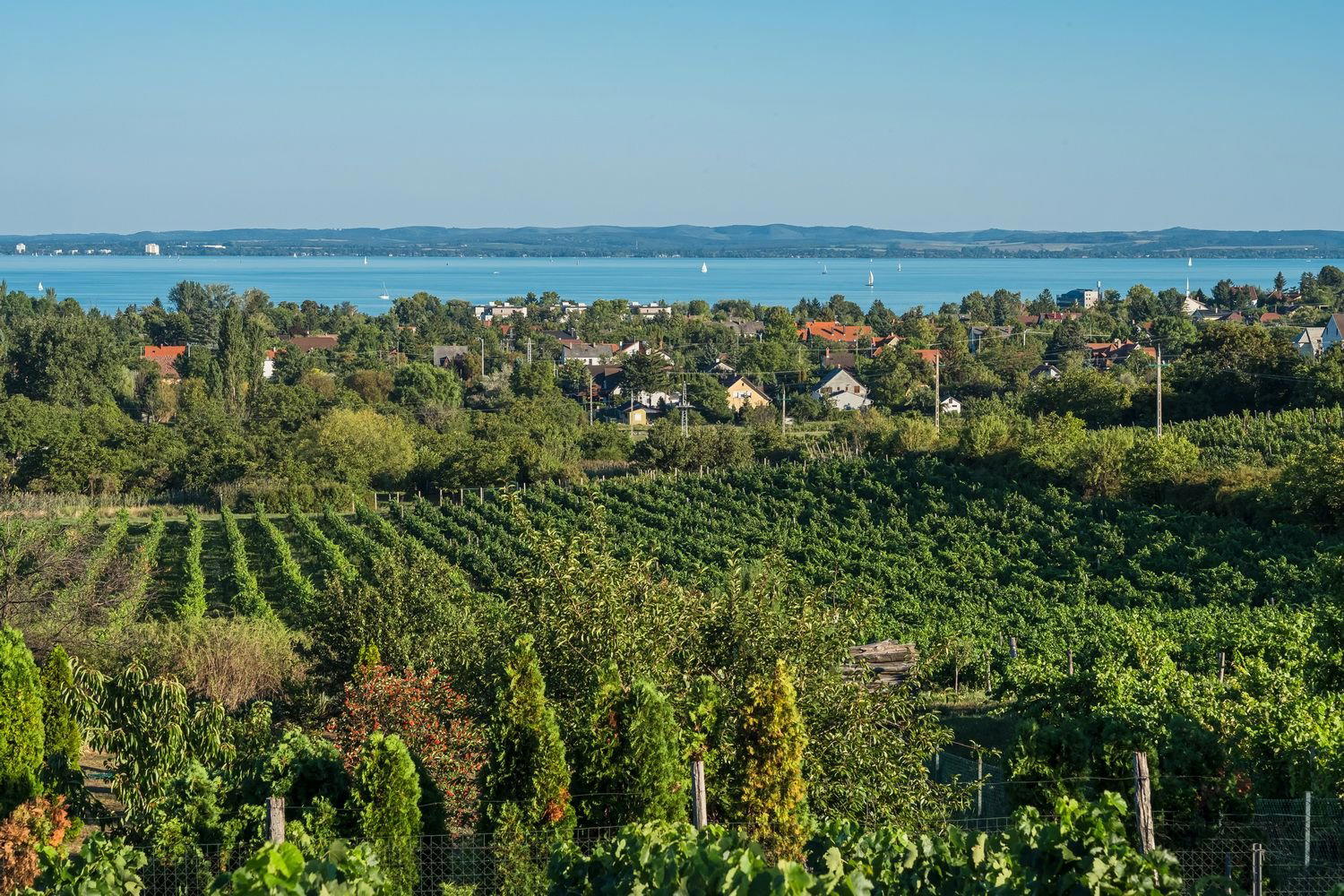
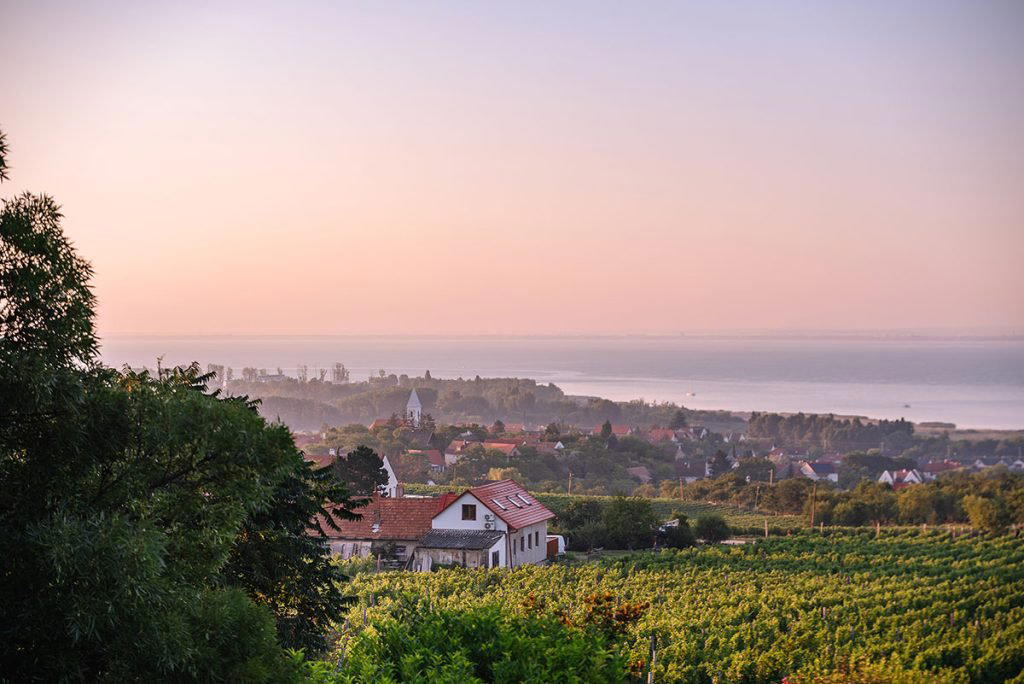
Csopak has a particular geography that shapes everything grown and cooked within it. Positioned on the northern shore of Lake Balaton, the village sits on volcanic basalt and red sandstone soils that give its wines, overwhelmingly Olaszrizling, the grape variety most closely identified with the Balaton Highlands appellation, their characteristic mineral tension and slow-developing structure. The lake moderates temperature extremes, extending the growing season and allowing fruit to ripen without losing acidity. These are the conditions that shape what ends up on the plate and in the glass at Söptei Pincészet és Étterem.
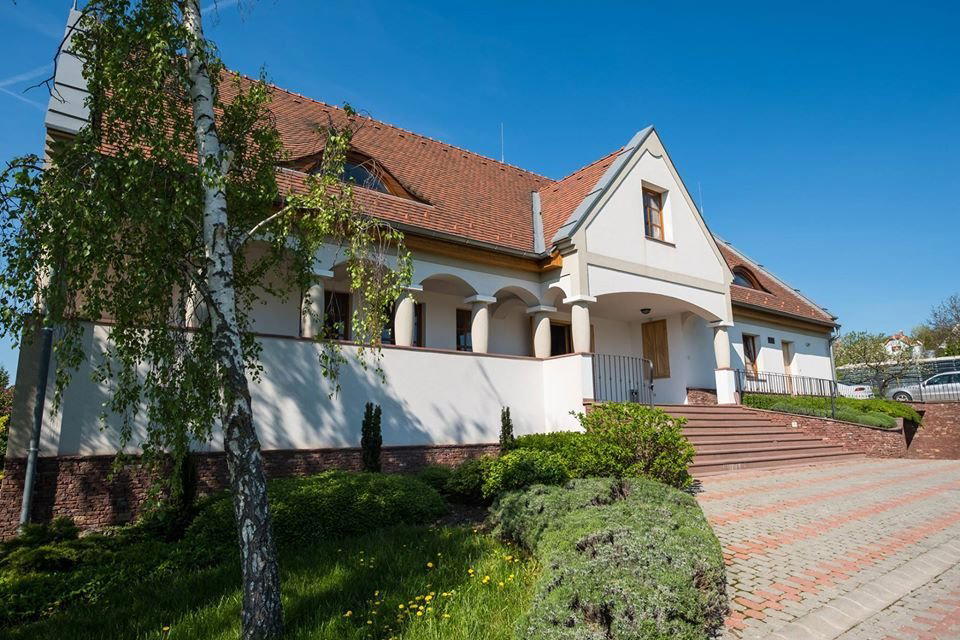
The address, Venyige utca, literally Vine Street, signals exactly where the property stands within the village's working agricultural fabric. It is a winery operation with a dining room that serves as an extension of what the estate produces. That structural relationship, cellar feeding kitchen, is increasingly the template for serious agritourism across Hungary's wine regions, from the basalt hills of Badacsony to the volcanic terraces around Eger. Söptei sits within that broader pattern, in a village that has consistently produced some of the Balaton Highlands' most respected white wines.
Sourcing as Structure: What the Balaton Highlands Puts on the Table
The editorial case for ingredient sourcing in this part of Hungary is direct: the region simply produces things that do not travel particularly well and are therefore leading encountered here. Lake Balaton supports commercial freshwater fishing, with fogash (pike-perch) the species most associated with local cooking. Balaton fogash has near-protected status in Hungarian culinary culture, restaurants across the region position it as their most locally specific offering, and rightly so. It appears on tables from Keszthely to Balatonfüred in preparations that range from pan-fried simplicity to more composed fish courses, always with the lake as its implicit provenance story.
Beyond fish, the Balaton Highlands agricultural zone produces vegetables, stone fruits, and dairy through a network of small producers whose output rarely reaches the Budapest wholesale market. Winery-restaurants in the region have a structural advantage in sourcing from these networks: they are embedded in the same rural economy, often sharing supplier relationships with neighbouring estates. At Söptei, the cellar context implies a kitchen oriented toward local produce and regional pairings, the logic of serving Balaton fogash alongside estate Olaszrizling is as much agricultural as it is gastronomic.
For visitors comparing options in the village, the sourcing orientation places Söptei in a different register from the casual end of Csopak's dining scene. Víg Molnár Csárda operates at the more affordable, traditional end of the spectrum, while Csopaki Resti by Laurel represents the modern cuisine tier. Petrányi Csopak and Szent Donát Márga Bisztró each occupy distinct niches within the village's relatively compact restaurant offer. Söptei's winery format separates it from all of these, offering a cellar-to-table experience that the standalone restaurants in Csopak cannot replicate.
The Winery-Restaurant Format Across Hungarian Wine Country
Hungary's wine renaissance over the past two decades has generated a specific hospitality model: the pincészet-étterem, or cellar-restaurant, that positions wine tourism and dining as mutually reinforcing rather than parallel attractions. The model is mature in Villány, where estates like those covered in our guide to Halasi Pince Panzió in Villány have built accommodation and dining around their cellars. It has developed more recently in the Balaton Highlands, where the tourism infrastructure around the lake provides a ready visitor base and the quality of Olaszrizling from producers in Csopak, Balatonfüred, and Palóznak has attracted serious wine attention internationally.
What the format demands, at its better iterations, is a kitchen that takes the wine program seriously as a sourcing and pairing constraint rather than a marketing backdrop. That means seasonal menus adjusted to what the estate and its network of local suppliers can provide, and a selection of wines built around the estate's own labels rather than a general Hungarian list. Across the country, restaurants with genuine agricultural roots, from Pajta in Őriszentpéter to Almalomb in Hosszúhetény, have demonstrated that this model produces particularly compelling regional dining in Hungary. The Balaton Highlands version is still consolidating, but the underlying agricultural quality is there to support it.
For context on what this format looks like at a higher price point and with more documented recognition, Platán Gourmet in Tata or Stand in Budapest show where the broader Hungarian fine dining conversation is heading. At the regional end, BoriMami in Gyöngyös and Forst-Ház Étterem és Kávézó in Eger illustrate how wine-country hospitality operates across Hungary's other major appellations.
Planning a Visit to Csopak
Csopak is reachable from Budapest by train in roughly two hours, with the Déli or Kelenföld station serving the northern Balaton line. The village itself is small enough that Venyige utca, where Söptei is located, is within easy walking distance of the lakeside. The peak tourism period on Lake Balaton runs from late June through August, when accommodation in Csopak and neighbouring Balatonfüred fills quickly. Visiting in May, early June, or September gives a materially quieter experience, with the added advantage that harvest activity in September turns winery visits into something considerably more textured than a standard cellar tour.
For a broader view of dining options in the village and surrounding area, our full Csopak restaurants guide covers the complete picture. Visitors with time to extend beyond the immediate village might also consider the dining rooms at Aranysárkány Vendéglő in Szentendre as part of a broader Hungarian regional itinerary.
In Context: Similar Options
Comparable venues nearby, for context on price, style, and recognition.
| Venue | Cuisine | Price | Awards | Notes |
|---|---|---|---|---|
| Söptei Pincészet és ÉtteremThis venue — the venue you are viewing | Hungarian Winery Restaurant | $$ | Not listed | Not listed |
| Szent Donát Márga Bisztró | Modern Hungarian Bistro | $$ | Not listed | Csopak |
| Petrányi Csopak | Traditional Hungarian | $$ | Michelin Plate | Csopak |
| Csopaki Resti by Laurel | Modern Hungarian | $$$$ | Michelin Plate | Csopak |
| Víg Molnár Csárda | Traditional Hungarian Csárda | $$ | Michelin Plate | Csopak |
| Remiz | Traditional Hungarian Gourmet | $$ | Not listed | Huvosvolgy |
At a Glance
- Rustic
- Scenic
- Cozy
- Date Night
- Special Occasion
- Wine Cellar
- Terrace
- Panoramic View
- Extensive Wine List
- Local Sourcing
- Vineyard
Current opening hours
- Monday
- 9 AM–6 PM
- Tuesday
- 9 AM–6 PM
- Wednesday
- 9 AM–6 PM
- Thursday
- 9 AM–6 PM
- Friday
- 9 AM–6 PM
- Saturday
- 9 AM–6 PM
- Sunday
- Closed
Hours can change for holidays and private events. Last verified .
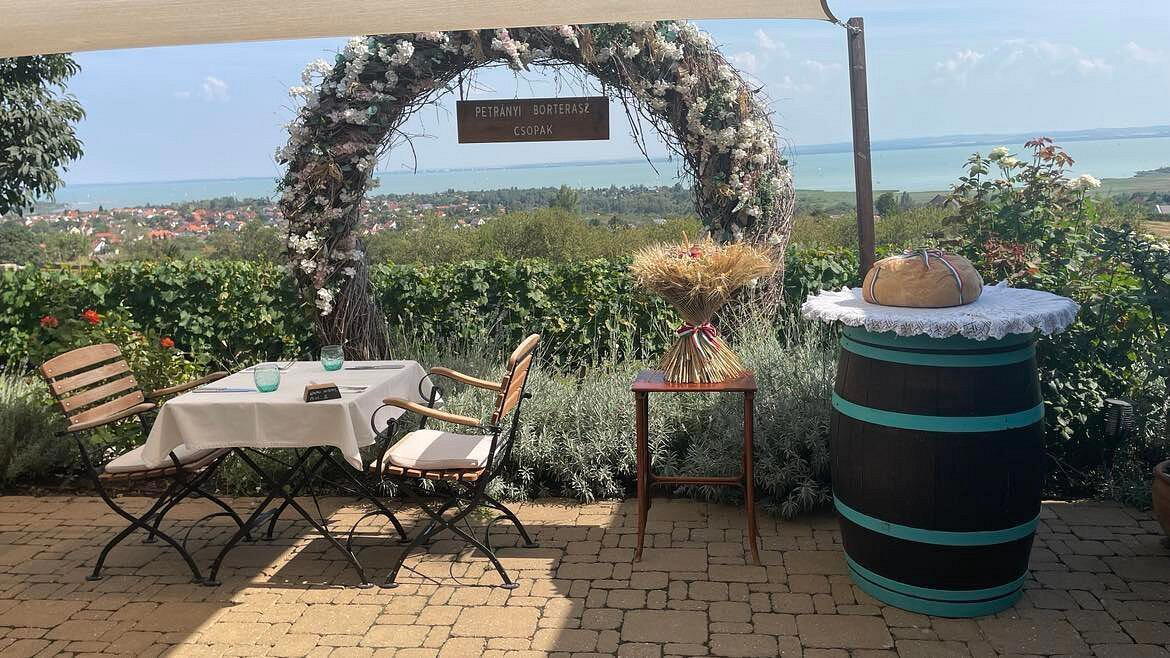
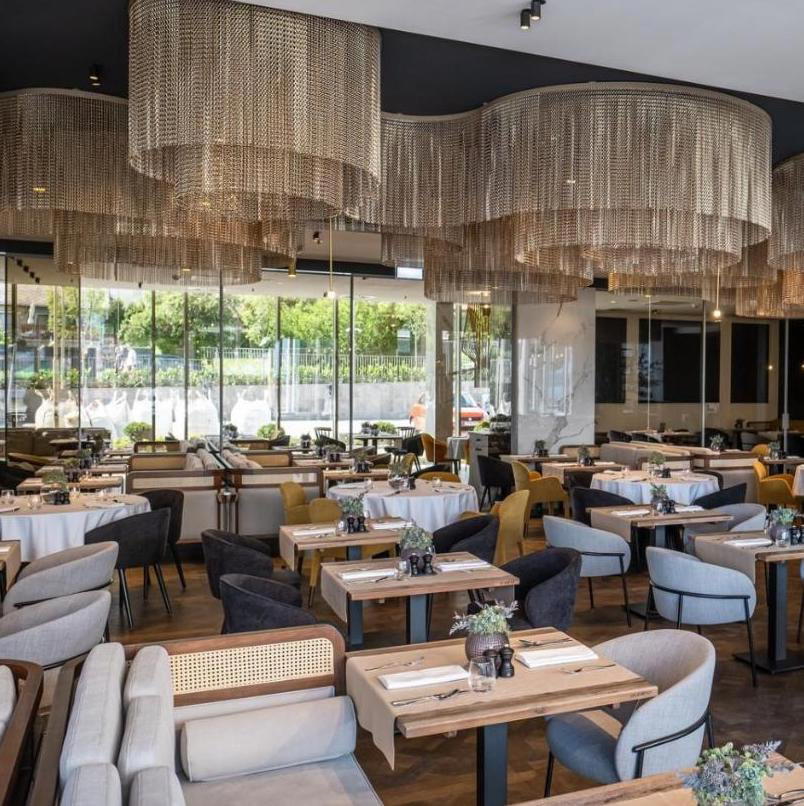
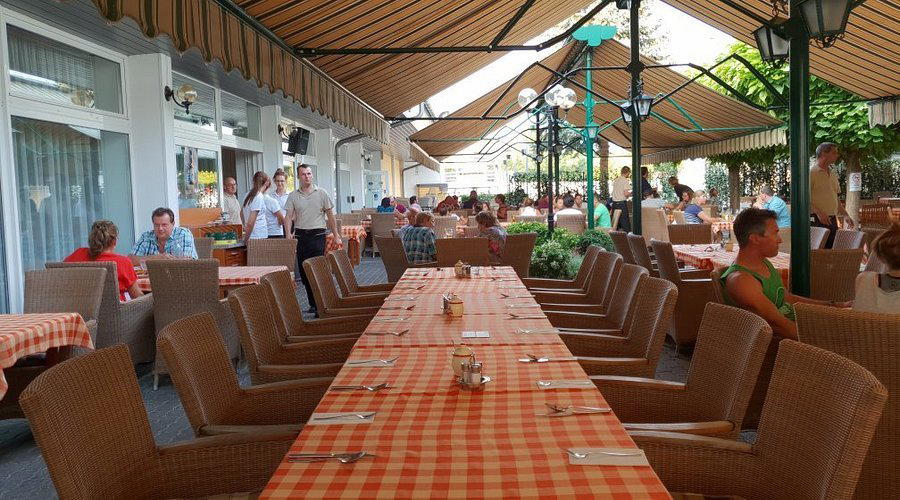
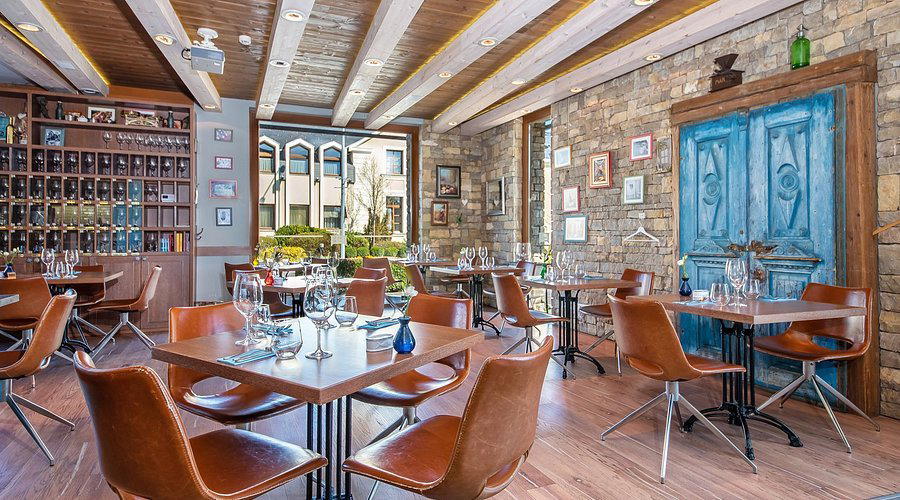
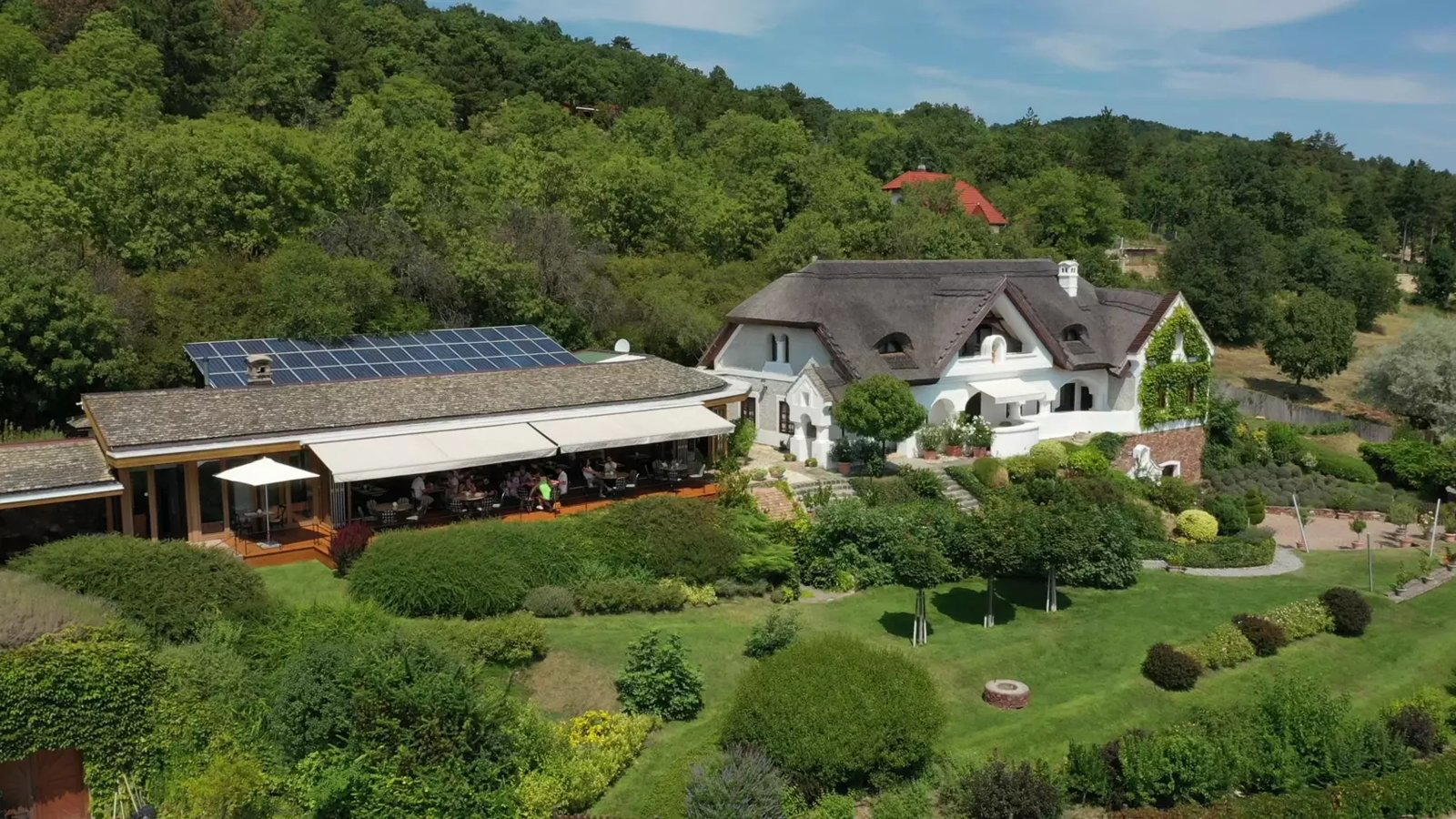
Calm and scenic atmosphere with panoramic terrace views of Lake Balaton, cozy indoor seating, and a relaxed rustic winery vibe.