Weingut Uwe Schiefer

Weingut Uwe Schiefer operates from the Burgenland village of Welgersdorf, in Austria's Südburgenland wine country, where iron-rich soils and a continental climate shape wines of uncommon depth. It is the kind of address that rewards visitors willing to travel beyond the Wachau and Neusiedlersee circuit.
Pearl is the En Primeur Club membership app — saves, bookings, and concierge access live there. Same editors, same standards.
- Address
- Angerstraße 14, 7503 Großpetersdorf
- Phone
- +43 664 5219047
- Website
- weinbau-schiefer.at
- Directions
- Get directions
 Saves & bookings on Pearl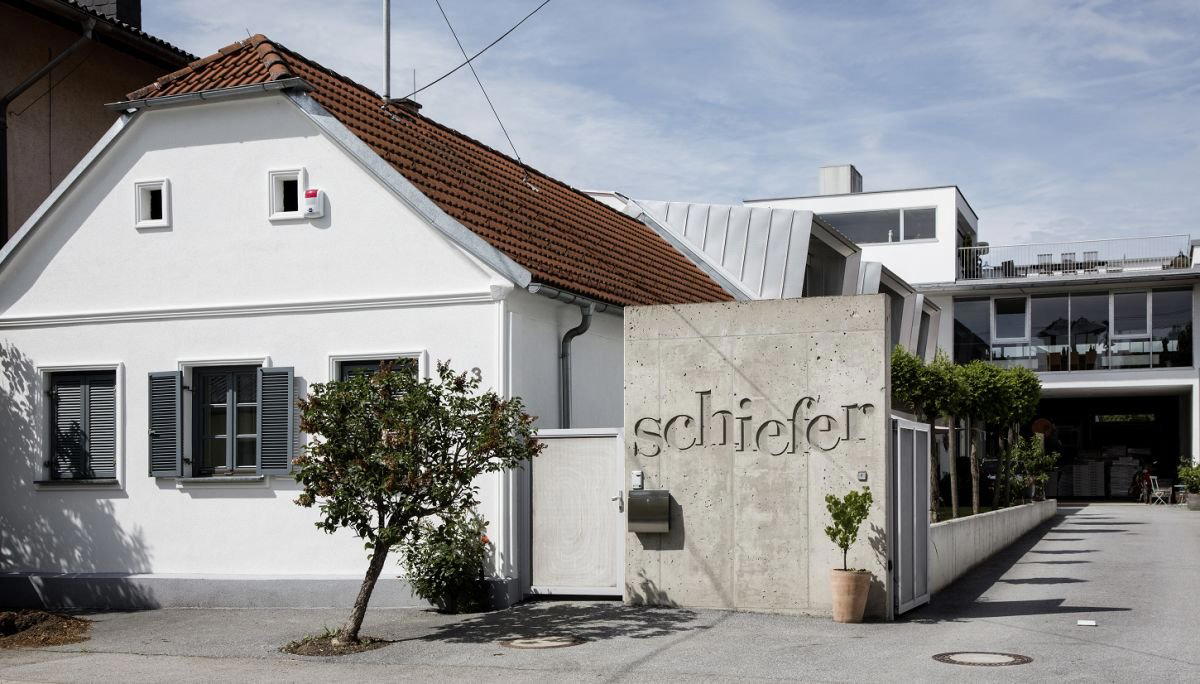
Where Südburgenland Earns Its Argument
The road into Welgersdorf, a village in Austria's Südburgenland district near Großpetersdorf, does not announce itself with tourist infrastructure or signposted wine trails. The landscape is quieter and more agricultural than the postcard scenery of the Wachau, and that understatement extends to the producers working here. This is a corner of Austria that serious wine drinkers know precisely because it has not been overrun. Weingut Uwe Schiefer, addressed at Angerstraße 14 in Großpetersdorf, is a winery focused on Blaufränkisch.
Südburgenland is geologically distinct from the Neusiedlersee basin that dominates Austria's Burgenland reputation. The soils here shift toward iron-rich, heavy sedimentary profiles with schist and clay subsoils, and the continental climate produces a longer growing season with more pronounced day-to-night temperature variation than the lake-tempered north. That thermal range is significant: it preserves acidity in red varieties that would otherwise bake into jammy over-ripeness, and it gives Blaufränkisch, the dominant grape of this zone, a structural edge that distinguishes Südburgenland from warmer Burgenland appellations. Schiefer's wines are read through this lens before they are read through any individual winemaking style.
The Terroir Case for Blaufränkisch in This Latitude
Austrian wine's international identity was built largely on white grapes: Grüner Veltliner in the Wachau and Kamptal, Riesling along the Danube, and the sweet wines of Kracher's Illmitz. Red wine from Burgenland, particularly Blaufränkisch, has taken longer to penetrate export markets, but the critical case is now well-established. Producers in Mittelburgenland and Südburgenland have made the argument that iron-loaded soils, when combined with careful yield management, produce a red wine with genuine mineral grip and age-worthiness rather than fruit-forward approachability.
Weingut Uwe Schiefer belongs to the Südburgenland tier of that argument. The appellation's schist-influenced soils are closer in character to certain Central European slate zones than to the sandy loams of the Neusiedlersee, and Blaufränkisch planted in that environment tends toward darker spice, firm tannins, and a savory mineral note that sets it apart from both the plush Mittelburgenland style and the lighter Leithaberg expressions. That distinction matters when positioning Schiefer within Austria's red wine tier: this is not cellar-door-and-lake-views Burgenland, but the more austere, landlocked version that rewards patience and context.
Comparable producers in the Austrian red wine conversation include Weingut Pittnauer in Gols and Weingut Kracher in Illmitz, though both operate from the northern lake zone with a different soil and stylistic framework. For estates working with similar continental-climate discipline further into Austria's wine geography, Weingut Bründlmayer in Langenlois and Weingut Emmerich Knoll in Dürnstein offer a useful reference point for ambition level, even though their primary varieties are white.
For 2025, Weingut Uwe Schiefer holding this award places it in a cohort of Austrian producers whose work has been assessed and ranked above the general estate tier. In a country where Michelin-style tiering has long existed for food but applied more loosely to wine estates, this kind of structured recognition functions as a buying and visiting signal for those planning around the Austrian wine circuit.
The practical implication for travel: Schiefer is not a speculative visit. The 2 Star Prestige award provides a verified basis for including it in a Burgenland itinerary, particularly for visitors who have already covered the major Neusiedlersee addresses and want to extend south into territory where the critical density is lower but the quality ceiling is established.
Planning a Visit: The Logistics of Südburgenland
Estate address at Angerstraße 14, Großpetersdorf places it in a rural village accessible primarily by car. Südburgenland is not served by direct train connections from Vienna with the same frequency as the Wachau or the Neusiedlersee wine towns, and the driving distance from Vienna runs to roughly two hours depending on route. That relative isolation shapes the character of visits here: this is not a half-day addition to a city stay but a deliberate overnight or multi-day trip into the Austrian countryside.
Surrounding region pairs well with a broader Burgenland circuit. Estates along the Neusiedlersee, including Weingut Scheiblhofer in Andau and Weingut Heinrich Hartl in Oberwaltersdorf, can anchor the northern portion of a trip, with Schiefer serving as the southern terminus. For visitors who prefer to structure their Austrian wine travel around contrasts rather than repetition, the stylistic difference between the lake zone and Südburgenland is substantive enough to justify the additional drive.
Small Burgenland producers frequently operate by appointment, and Südburgenland is no exception to that norm.
The Wider Austrian Wine Circuit
Placing Schiefer within Austria's full wine geography helps calibrate expectations. The country's white wine identity, anchored by Kamptal estates like Bründlmayer and the Wachau's Knoll, or the Styrian expressions at Weingut Wohlmuth in Kitzeck, dominates international coverage. The red wine story, centered on Blaufränkisch and Zweigelt in Burgenland, is structurally secondary in most writing about Austrian wine, which means it is also where the gap between critical recognition and consumer awareness is widest.
That gap works in the visitor's favour. Estates like Schiefer operate at an award level that in Burgundy or the Rhône would generate waiting lists and allocation scarcity. In Südburgenland, the relatively low international profile of the appellation means access is more direct. For the traveller building a wine itinerary around under-known but award-supported addresses, this is exactly the kind of disparity worth acting on.
Austria's spirits and distillery scene has also expanded in recent years, with producers across the country now building profiles alongside established wine estates. For visitors extending beyond wine, the broader Austrian producer circuit includes addresses like 1516 Brewing Company in Vienna and 1310 Spirit of the Country Distillery in Sierning, though Schiefer's gravity is firmly in wine.
Comparable Venues
Comparable venues nearby, for context on price, style, and recognition.
| Venue | Cuisine | Price | Notes |
|---|---|---|---|
| Weingut Uwe SchieferThis venue — the venue you are viewing | Blaufränkisch, Welschriesling | $$$ | Not listed |
| Weingut Feiler-Artinger | Blaufränkisch, Zweigelt | $$$ | Rust |
| Brennerei Weigand | Winery | Not listed | Steyr |
| Destillerie Wieser | Winery | Not listed | Röschitz |
| Weingut Prieler | Blaufränkisch, Pinot Blanc | $$$ | Schützen am Gebirge |
| Weingut Pöckl | Zweigelt, Blaufränkisch | $$$ | Mönchhof |
Recognition history
Dated appearances from independent guides and award organizations, with the underlying list record or original source where available.
Falstaff Winery - 4 Stars
Falstaff
Continue exploring
More in Welgersdorf
Wineries in Welgersdorf
Browse all →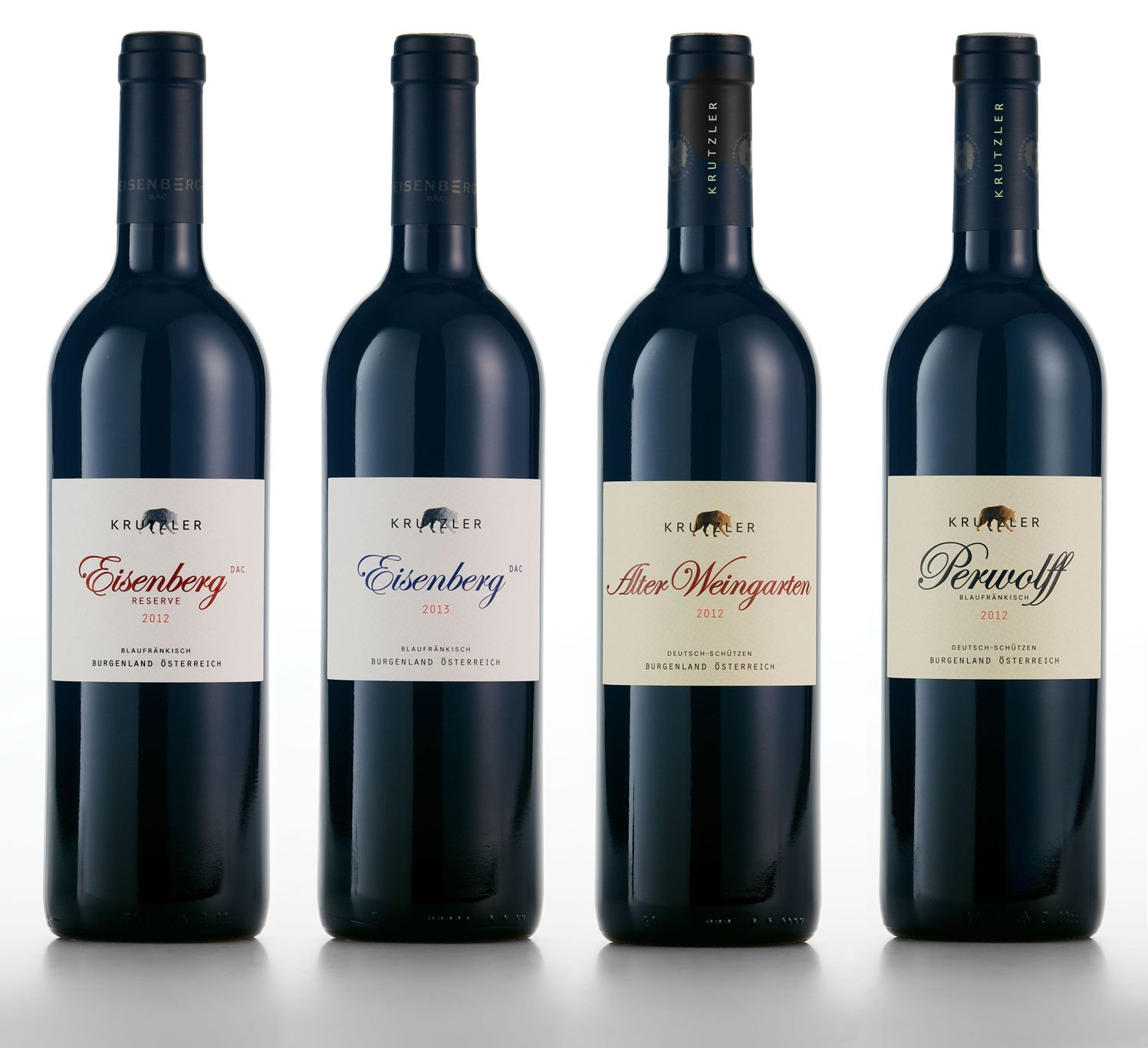
Bars in Welgersdorf
Browse all →
Restaurants in Welgersdorf
Browse all →
Hotels in Welgersdorf
Browse all →
At a Glance
- Rustic
- Scenic
- Intimate
- Wine Education
- Solo Exploration
- Vineyard Tour
- Estate Grounds
- Organic
- Vineyard
- Mountain
- Eisenberg
- Blaufränkisch
- Welschriesling
- Pinot Noir
- Merlot
- Grüner Veltliner
- Still Red
- Still White
- Cave Tasting
- Private Tasting
Pragmatic, rustic winery setting focused on pure expression of terroir in a quiet agricultural landscape.