Our verdict
Halasi Pince Panzió sits on Baross Gábor utca in the heart of Villány, Hungary's southernmost wine district, where guesthouse accommodation and a wine-cellar tradition intersect. The address places it within walking distance of the appellation's most significant producer estates, making it a practical base for those working through the region's Cabernet Franc and Portugieser bottlings. It operates in a tier of wine-country lodging that prioritises proximity to the vines over resort-scale amenities.

Pearl is the En Primeur Club membership app — saves, bookings, and concierge access live there. Same editors, same standards.
- Address
- Villány, Baross Gábor u. 78, 7773 Hungary
- Phone
- +3672611175
- Website
- halasipince.com
- Directions
- Get directions
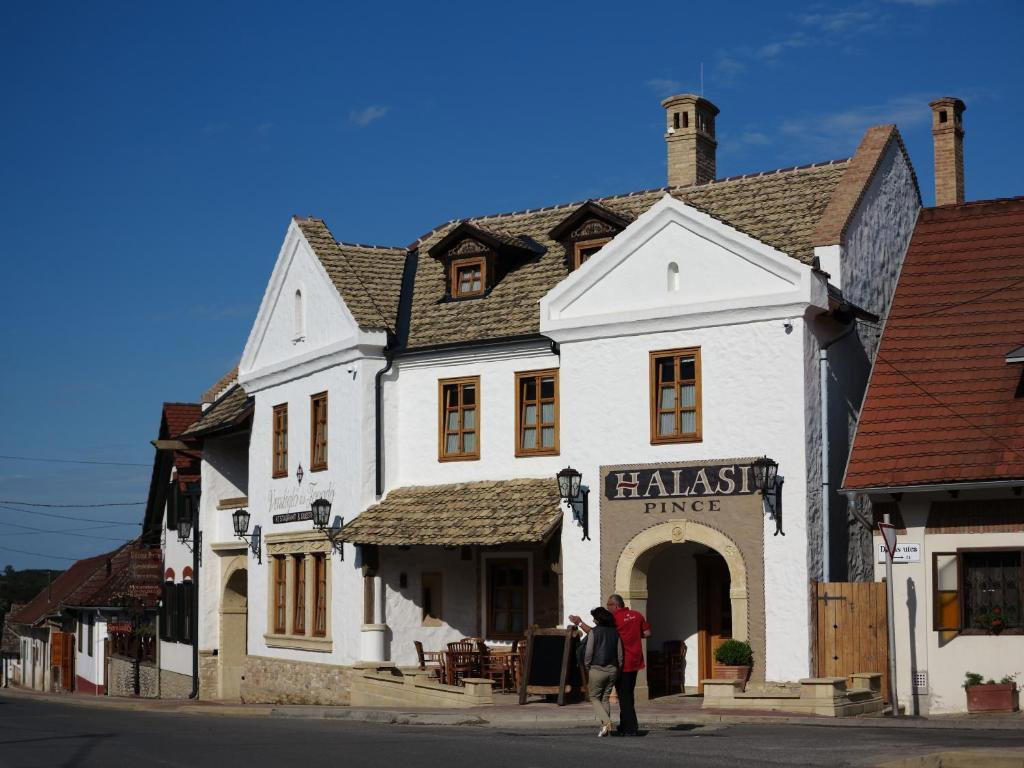
Where Wine Country Lodging Meets the Cellar Tradition
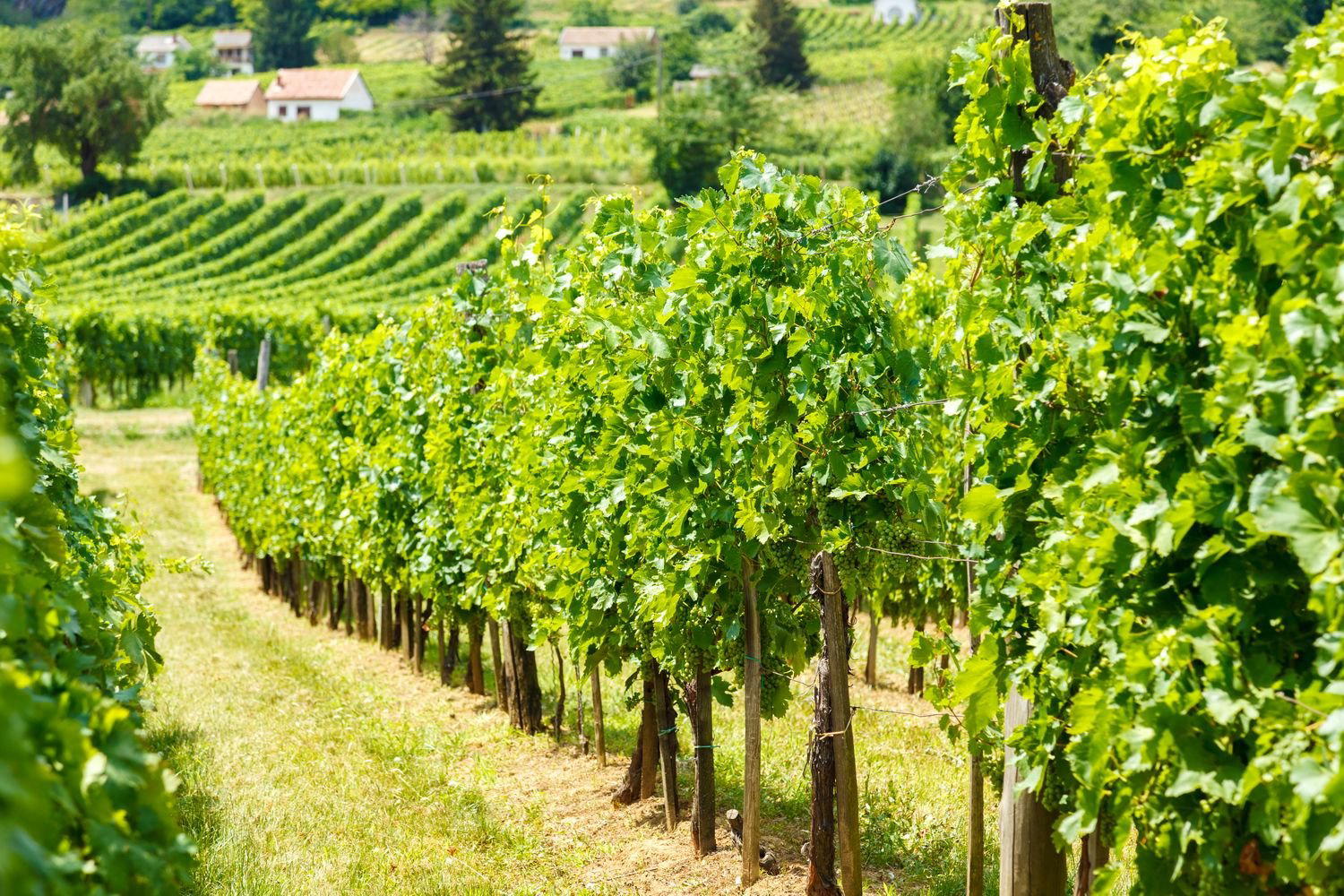
Villány's position at the southern edge of the Transdanubia wine belt gives it a climatic profile distinct from Hungary's other appellations: more Mediterranean influence, longer growing seasons, and a soil composition that tilts toward the dark-fruited, structured reds the region has built its modern reputation on. Baross Gábor utca, the address of Halasi Pince Panzió, runs through the residential and cellar-road fabric of the town itself, the kind of street where guesthouse façades share walls with working cellars and family producer gates. Arriving on foot from the town centre, you pass the limestone and basalt storefronts that define Villány's low-rise character before the panzió format announces itself: accommodation attached to, or directly adjacent to, a wine operation.
That panzió-plus-cellar format is not incidental to how Villány functions as a destination. The town has structured its wine tourism around cellar-road access rather than a single grand estate model. Visitors move between producers on foot or by bicycle, and the accommodation options that embed themselves in that circuit serve a different traveller than the region's few larger hotel properties. Halasi Pince Panzió, with its Baross Gábor utca address, sits inside that walking circuit in a way that a property on the outskirts would not.
Sourcing in a Region Defined by Terroir Specificity
The ingredient and wine sourcing logic in Villány's dining scene is more compressed than in most Hungarian wine regions. Because the appellation boundary is tight and the producer community is dense, the gap between farm, cellar, and table is short in physical terms. Restaurants and guesthouses that operate here with any seriousness about food tend to draw from a supply chain defined by local agriculture in the Baranya county area: seasonal vegetables from the surrounding villages, pork and poultry from small-scale producers in the Ormánság hinterland, and freshwater fish from regional sources, most notably the carp traditions that southern Transdanubia shares with its Serbian and Croatian neighbours across the Drava.
That proximity has editorial weight because it changes what a kitchen can plausibly serve. In Villány, sourcing local is not a marketing posture but a geographic default. The producers are close, the markets are small, and menus in panzió-format establishments tend to track seasonal availability more closely than urban restaurants can. For guests staying at a cellar-adjacent property on a street like Baross Gábor utca, the implicit promise is that the wine on the table came from somewhere within a few hundred metres, and that the food reflects the same county-level logic.
For wider context on how this regional sourcing dynamic shapes dining across Villány's restaurant tier, the our full Villány restaurants guide maps the appellation's key addresses and how they sit within the town's wine-tourism circuit. Nearby, Bock Óbor Étterem and Mandula Étterem represent the town's more formal dining tier, while Oportó Étterem and Sauska 48 (€€€ · Modern Cuisine) indicate the range from casual to premium that Villány now supports.
The Panzió Format and How It Sits Within Hungarian Wine Tourism
Hungary's wine regions have developed two broadly distinct accommodation models. The first is the destination hotel format, often associated with spas or resort amenities, positioned to attract visitors regardless of their interest in wine specifically. The second is the panzió or vendégház model, where the accommodation is subordinate to the wine experience and typically operated by a family with direct ties to local production. Villány leans heavily toward the second model, and that shapes visitor expectations significantly.
Guests who choose a panzió on a cellar road are generally self-selecting for a different kind of stay: less service infrastructure, more direct contact with the producing culture, and a pace that fits around cellar visits and outdoor dining rather than hotel programming. In that sense, properties like Halasi Pince Panzió compete less with larger hotel formats than with other family-run cellar guesthouses on the same street. The comparison set is local and specific. The broader context of how this tier performs nationally can be understood by looking at wine-country guesthouse formats in other Hungarian appellations, from the Eger producers referenced at Forst-Ház Étterem és Kávézó in Eger to the Gyöngyös wine region represented by BoriMami in Gyöngyös.
The contrast with restaurant-only formats in comparable Hungarian towns is also instructive. Properties like Platán Gourmet in Tata or Pajta in Őriszentpéter operate as destination dining addresses without the accommodation layer, which places different demands on the kitchen and a different kind of pressure on the guest relationship. The panzió format absorbs guests into the producer's daily rhythm in a way a standalone restaurant cannot.
Planning a Stay: What the Villány Cellar Road Requires
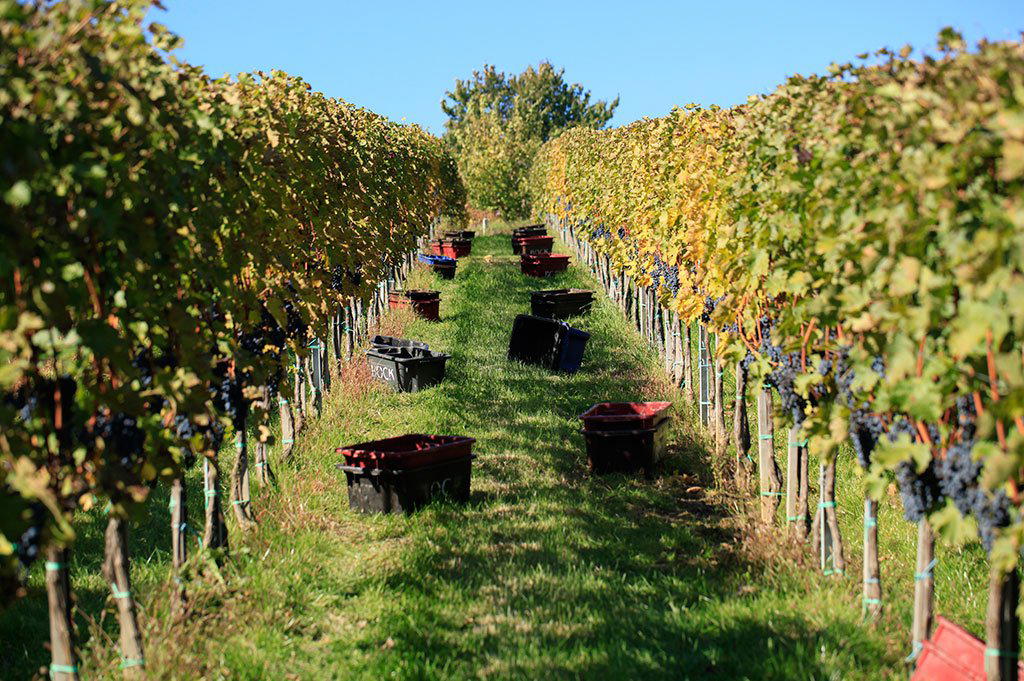
Villány is most productively visited between late spring and the harvest window in October, when cellar doors are most reliably open and the outdoor character of the town is at its most accessible. The town itself is compact enough to cover on foot, with the main cellar road and its offshoots walkable from most accommodation on Baross Gábor utca. Direct train connections from Pécs, the regional capital approximately 30 kilometres to the north, make the town reachable without a car, though road access is direct from both the M6 motorway and the Croatian border crossings to the south.
For accommodation at a panzió-format property in this tier, advance contact is advisable, particularly across the July-to-October wine tourism peak. The guesthouse model means availability is limited by the number of rooms rather than a large inventory, and the Villány harvest period in September and October draws cellar visitors who book accommodation months ahead. Guests with specific dietary requirements or allergy concerns should communicate those directly with the property at the time of booking, given the small-kitchen format typical of this accommodation tier.
For those using Villány as a base for broader southern Hungarian exploration, the regional dining picture extends to addresses like Classic Grill Serbian Restaurant Underground in Szeged and Aranysárkány Vendéglő in Szentendre, both of which reflect the Pannonian and cross-border culinary influences that shape southern Transdanubia's food culture. For a sense of how fine dining operates at the top of the Hungarian range, Stand in Budapest provides a useful national reference point, and internationally, the ingredient-sourcing rigour visible at addresses like Le Bernardin in New York City or Atomix in New York City illustrates how seriously provenance-driven hospitality operates at its most developed tier.
Further afield but within the spirit of wine-country and regional dining, Almalomb in Hosszúhetény, a village in the same Baranya county as Villány, offers useful regional context, as does La Pizza Del Lupo in Onga and Astro Tea & Kávéház in Gyor for those tracing the broader Hungarian hospitality map. Fiume Étterem in Bekescsaba District rounds out the cross-regional picture for eastern Hungary.
Frequently asked questions
Where exactly is Halasi Pince Panzió?
Halasi Pince Panzió is located at Villány, Baross Gábor u. 78, 7773 Hungary, Villány.
What makes staying at Halasi Pince Panzió different from booking a hotel in Pécs for a Villány wine trip?
Pécs sits roughly 30 kilometres north of Villány, which makes day-trip logistics workable but removes you from the appellation entirely for the evening hours when cellar doors are closed and the village itself is quietest. A panzió address on Baross Gábor utca in Villány keeps you inside the wine village, with cellar-road producers as immediate neighbours — a material difference for anyone whose itinerary is built around the wine region rather than the city.
What do people recommend at Halasi Pince Panzió?
Guests at Baross Gábor u. 78 consistently point to the proximity of Villány's cellar road as the primary draw — the location places you within reach of the appellation's key producers without needing to plan around transport. The panzió format itself, combining in-house cellar access with overnight accommodation, is the experience most frequently highlighted over any single dish or service feature.
Should I book Halasi Pince Panzió in advance?
Villány's accommodation capacity is limited relative to its visitor footfall during harvest season in September and October, and again during the Villány Red Wine Days festival held each February. Booking several weeks ahead during those windows is advisable. Outside peak periods, availability tends to be more open, but the panzió's small scale means last-minute availability is not guaranteed year-round.
What's the signature at Halasi Pince Panzió?
The defining feature is the integration of cellar access into a guesthouse stay — the pince (cellar) component is not incidental to the name. Villány's appellation is built on Bordeaux varietals, particularly Cabernet Franc and Portugieser, and a stay here is oriented around engaging with that wine culture at ground level rather than through a hotel intermediary.
Do they accommodate allergies at Halasi Pince Panzió?
For allergy requirements, contacting the property directly before arrival is the reliable approach; panzió-format guesthouses in Villány typically operate with small kitchens where adjustments depend on the day's offering and advance notice.
How It Stacks Up
| Venue | Cuisine | Price |
|---|---|---|
| Halasi Pince PanzióThis venue — the venue you are viewing | Hungarian Wine Bar | $20–30 |
| Bock Óbor Étterem | Traditional Hungarian with Villány Wines | $20–30 |
| Mandula Étterem | Hungarian / European Wine Bar | $30–50 |
| Oportó Étterem | Modern Hungarian | $20–30 |
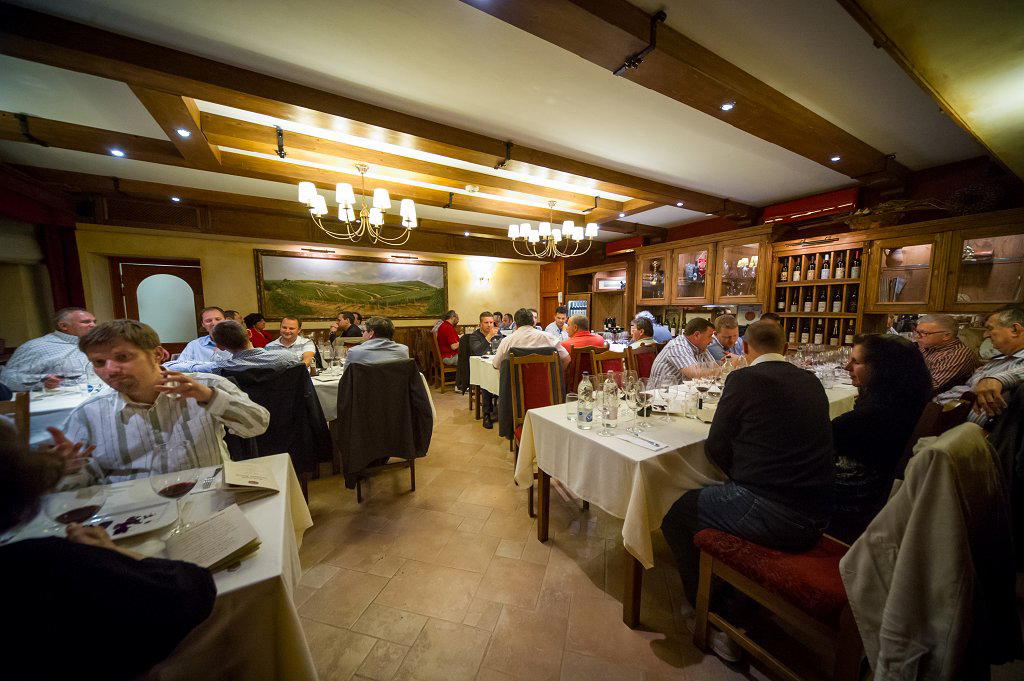
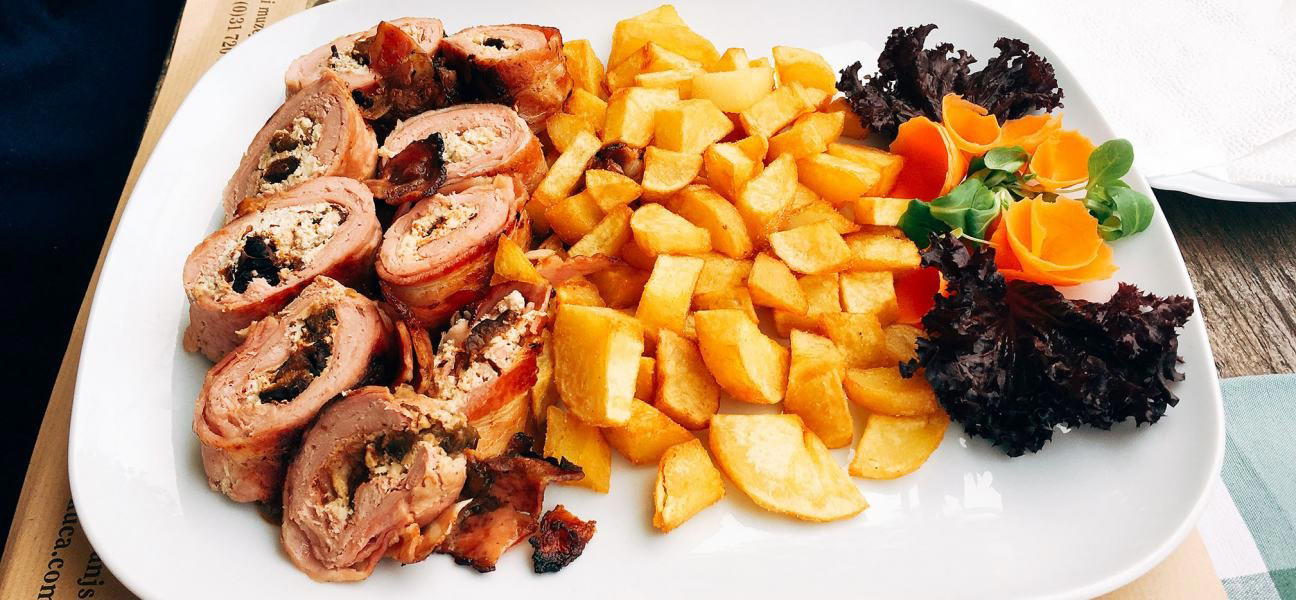
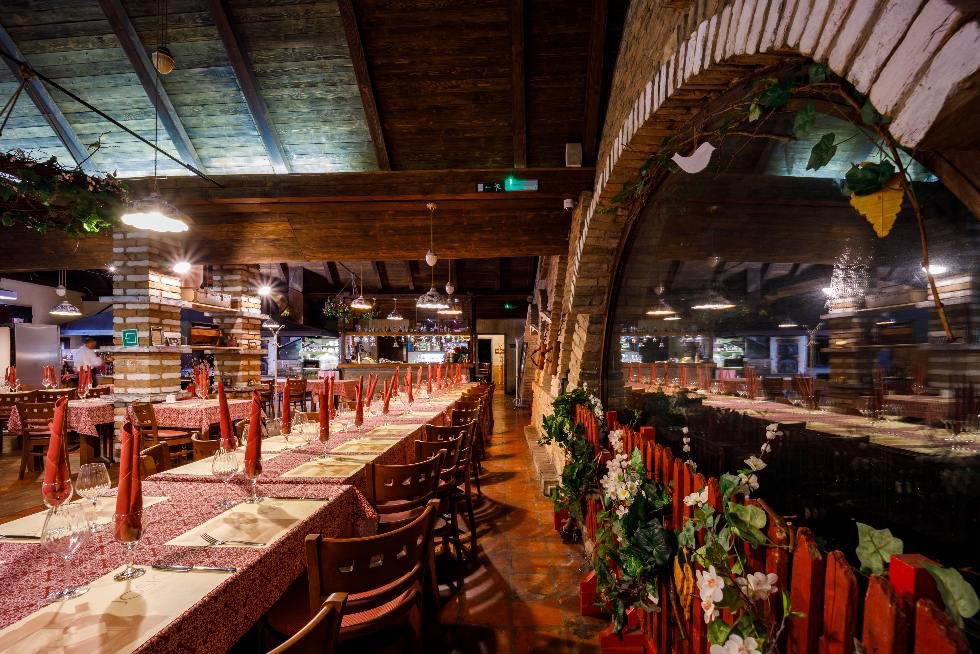
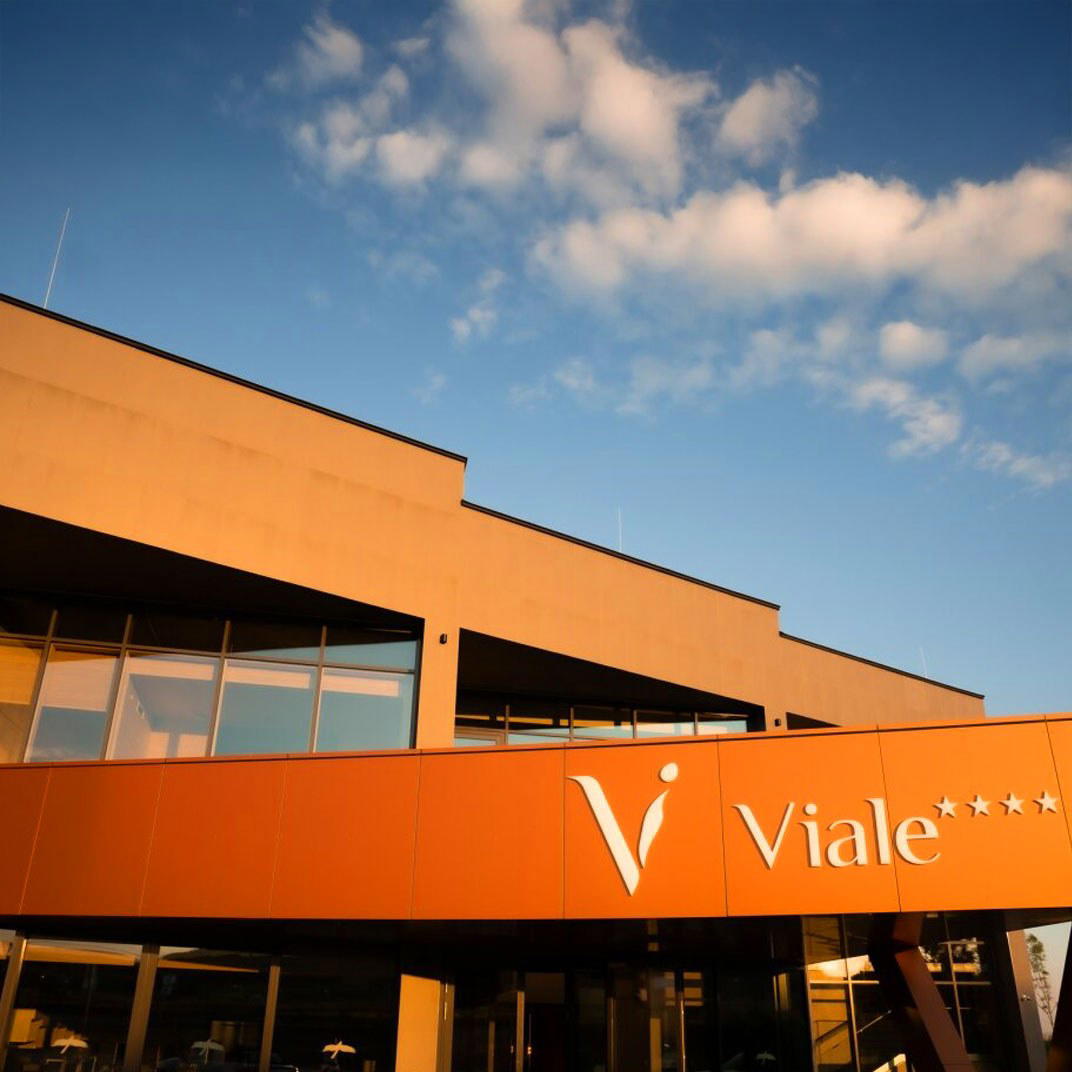
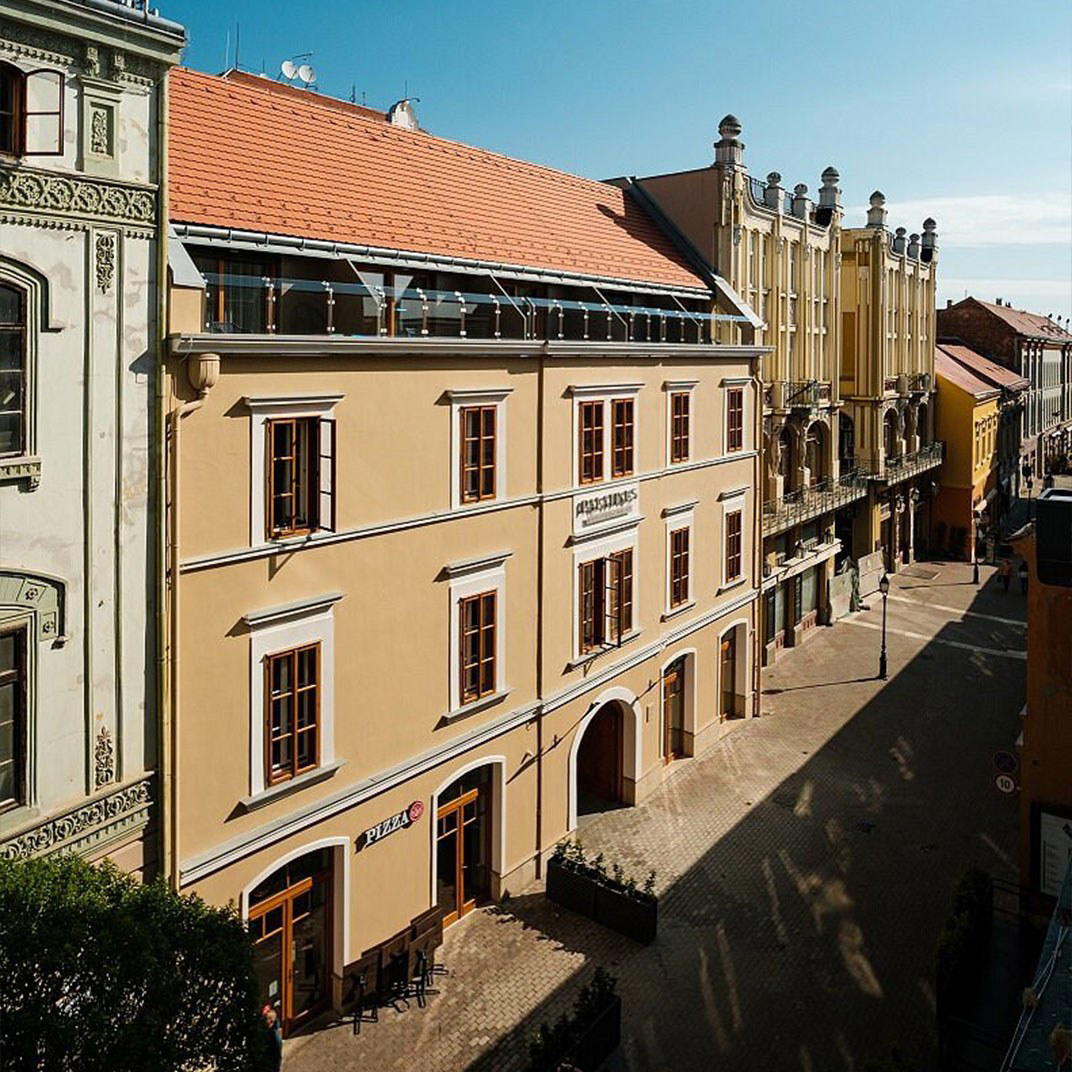
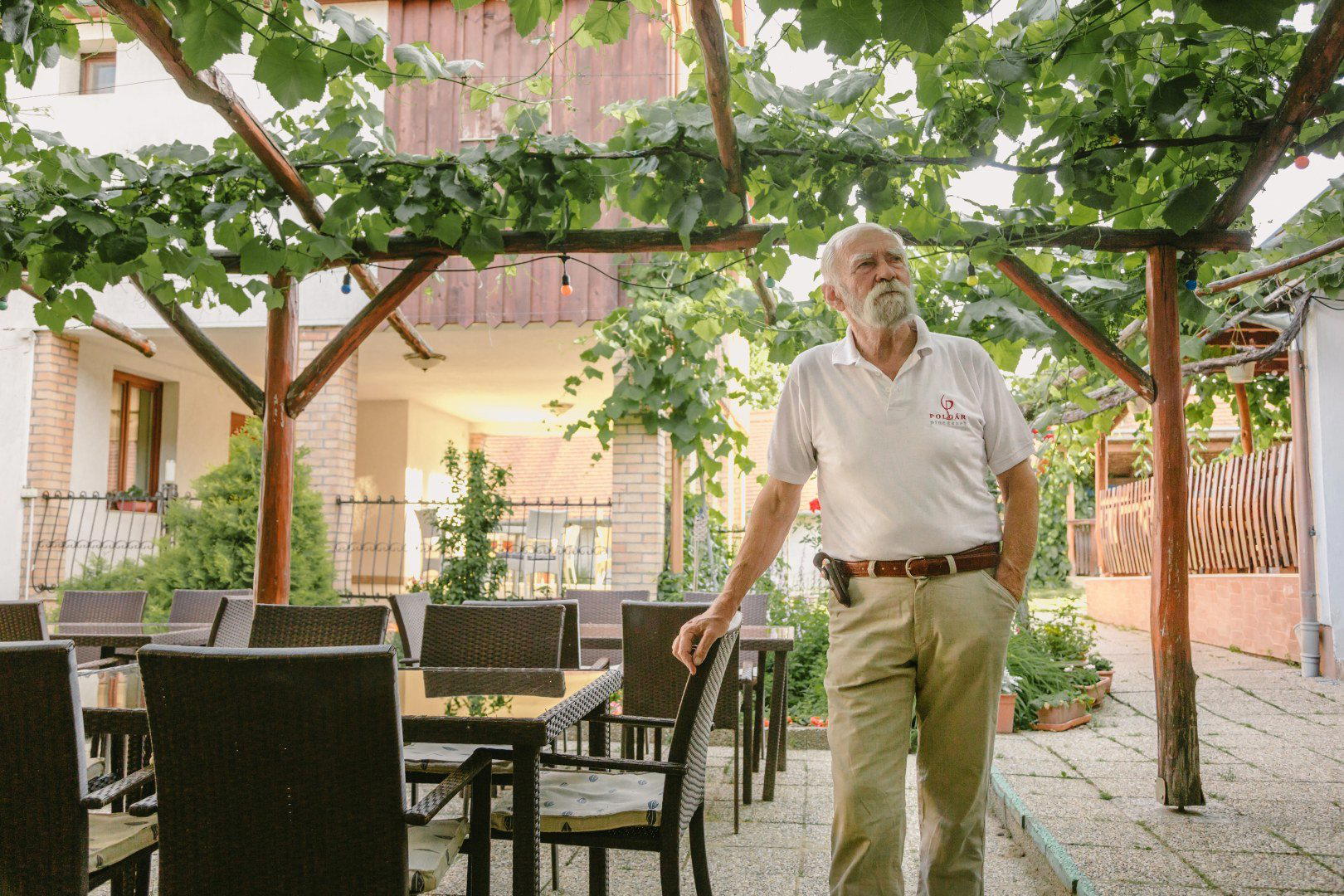
Halasi Pince Panzió
The wine
- Wine program
- Curated wine list
- Extensive wine list
Details
- Rustic
- Cozy
- Romantic
- Date Night
- Casual Hangout
- Wine Cellar
- Extensive Wine List
- Local Sourcing
- Mountain
- Vineyard
- A La Carte
- Wine
- Vegetarian Friendly
Rustic and comfortable with a romantic atmosphere.