Weingut Franz Weninger

Weingut Franz Weninger sits in the heart of Horitschon, one of Burgenland's most serious red wine villages, where Blaufränkisch finds some of its most structured expressions. For visitors tracing Austria's premium red wine corridor, it is a natural reference point.
Pearl is the En Primeur Club membership app — saves, bookings, and concierge access live there. Same editors, same standards.
- Address
- Florianigasse 11, 7312 Horitschon
- Phone
- +43 2610 42165
- Website
- weninger.com
- Directions
- Get directions
 Saves & bookings on Pearl
Horitschon and the Blaufränkisch Argument
The village of Horitschon sits in Mittelburgenland, the narrow strip of eastern Austria where Blaufränkisch makes its most assertive case for recognition alongside the great red wine varieties of Europe. The soils here shift between heavy clay and iron-rich loam, holding moisture through dry summers and lending wines a tannic density that lighter profiles from neighbouring regions rarely reach. Producers in this appellation have spent decades building a shared argument: that Blaufränkisch, given serious viticulture and patient cellaring, belongs in a different conversation than its workhorse reputation once suggested. Weingut Franz Weninger, at Florianigasse 11, is one of the producers that has pushed that argument forward, earning recognition in 2025.
The broader Burgenland region rewards producers who work with rather than against its climatic character. Warm Pannonian air pushes up from the Hungarian plain through autumn, extending ripening windows and allowing phenolic development that the cooler northern Austrian wine regions rarely achieve. That same warmth is double-edged: vintages with excessive heat can flatten structure, which is precisely why estates working at the prestige level in Horitschon tend to manage canopy and yield carefully. The wines that result have a warmth in the glass that reads as generosity without surrendering grip. For anyone mapping Austrian wine producers by appellation discipline, the Mittelburgenland DAC framework provides a useful reference.
What Terroir Does to Blaufränkisch Here
Mittelburgenland's soils are not uniform, and the distinctions matter. The iron-oxide presence in certain plots around Horitschon produces wines with a mineral edge that sits beneath the dark-fruit character typical of the variety. In practice, this means Blaufränkisch from the village can age meaningfully: tannins that feel angular on release soften over three to five years into something more integrated, with secondary notes that push toward earthy and ferrous. This is the profile that separates serious Horitschon production from what you find at supermarket price points, and it is part of what earns estates like Weingut Franz Weninger their recognition.
Comparison with Burgenland's other wine-producing corridors is instructive. Weingut Kracher in Illmitz operates on the opposite shore of Lake Neusiedl, where Seewinkel's sandy soils and morning mists drive a focus on dessert wines and botrytised styles. Weingut Pittnauer in Gols, also within the Neusiedlersee appellation, works a more biodynamic-oriented program with both reds and whites. The Mittelburgenland position is deliberately narrower: Blaufränkisch as identity, structure as the priority, and the specific clay-loam terroir as the argument. This is not a region hedging its bets across multiple varieties and styles.
Closer to home, Weingut Kerschbaum represents the same village appellation and the same commitment to Blaufränkisch at a serious level, the presence of multiple prestige-tier estates in a village of this scale is itself a signal of how concentrated the winemaking ambition has become in Horitschon. Visitors drawn to the village are not arriving for a single destination; they are arriving for a tight cluster of producers who share a common terroir argument and make it legible through different interpretations.
Placing Weninger in Austria's Prestige Red Wine Tier
Austrian red wine at the prestige level has been consolidating its international positioning over the past decade, with Mittelburgenland emerging as the anchor appellation for the country's serious Blaufränkisch identity. The 2025 recognition that Weingut Franz Weninger carries is a meaningful marker within that positioning. For reference, Austria's premium wine tier as a whole remains smaller in international profile than comparably ambitious producing regions in Burgundy or Napa, but that gap has been narrowing steadily as sommeliers and collectors engage more deliberately with eastern European appellations.
The contrast with Austria's northern wine corridors is worth drawing. Weingut Bründlmayer in Langenlois and Weingut Emmerich Knoll in Dürnstein operate in the Kamptal and Wachau respectively, where white wine, particularly Grüner Veltliner and Riesling, carries the prestige identity. Weingut Wohlmuth in Kitzeck represents the Styrian tradition, with its own white wine focus. Mittelburgenland sits apart from all of these: it is the primary address for those who want to make the case for Austrian red wine at an international table, and the producers who have built prestige credentials here have done so almost entirely on the strength of a single variety. That kind of focus tends to produce definition. The discipline involved in committing your entire appellation identity to Blaufränkisch, rather than spreading across a portfolio of easier-to-sell varieties, is a meaningful editorial statement about how Horitschon's producers understand their place in the Austrian wine hierarchy.
Getting There and Planning the Visit
Horitschon sits in Mittelburgenland. Visits generally work best with advance contact. The address at Florianigasse 11 places the estate within easy reach of the village core, and the surrounding Mittelburgenland wine country makes it practical to combine a visit with neighbouring producers for a half-day or full-day circuit. The harvest period through September and October brings greater activity to the region.
For those building a broader Austrian itinerary, the connection to Weingut Heinrich Hartl in Oberwaltersdorf adds a Thermenregion counterpoint to the Mittelburgenland red wine narrative, while the contrast with distillery-focused operations like Weingut Scheiblhofer Distillery in Andau illustrates how broadly Burgenland has developed its premium drinks identity beyond wine alone.
How It Stacks Up
Comparable venues nearby, for context on price, style, and recognition.
| Venue | Cuisine | Price | Notes |
|---|---|---|---|
| Weingut Franz WeningerThis venue — the venue you are viewing | Blaufränkisch, Furmint | $$ | Not listed |
| Weingut Kerschbaum | Blaufränkisch, Zweigelt | $$ | Horitschon |
| Strassbauer Distillery | Winery | Not listed | Vienna |
| Lederhaas Distillery | Winery | Not listed | Vienna |
| Brennerei Mairhofer | Winery | Not listed | St. Johann in Tirol |
| Stroh Austria Distillery | Winery | Not listed | Klagenfurt |
Recognition history
Dated appearances from independent guides and award organizations, with the underlying list record or original source where available.
Falstaff Winery - Listed
Falstaff
Continue exploring
More in Horitschon
Wineries in Horitschon
Browse all →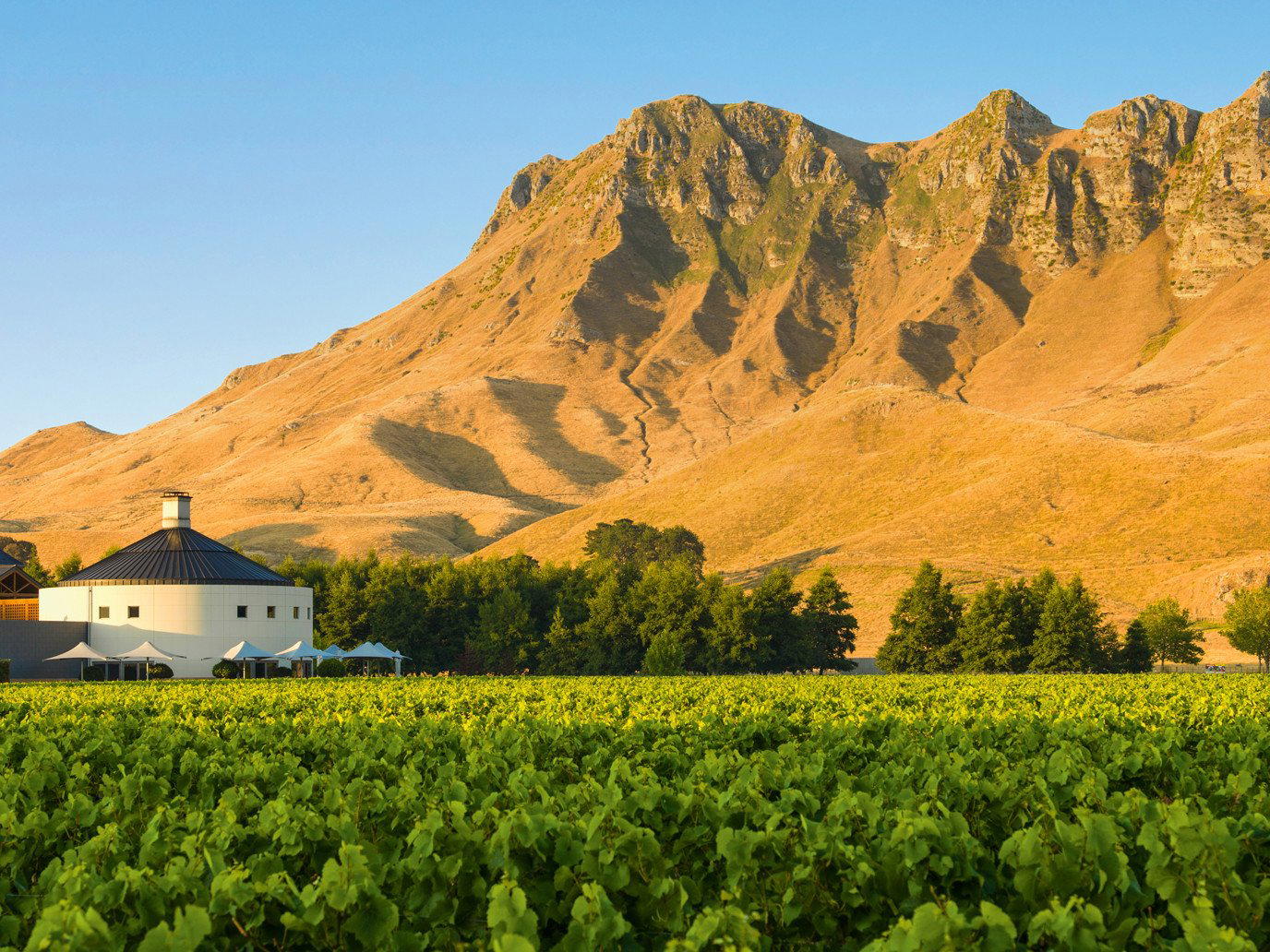
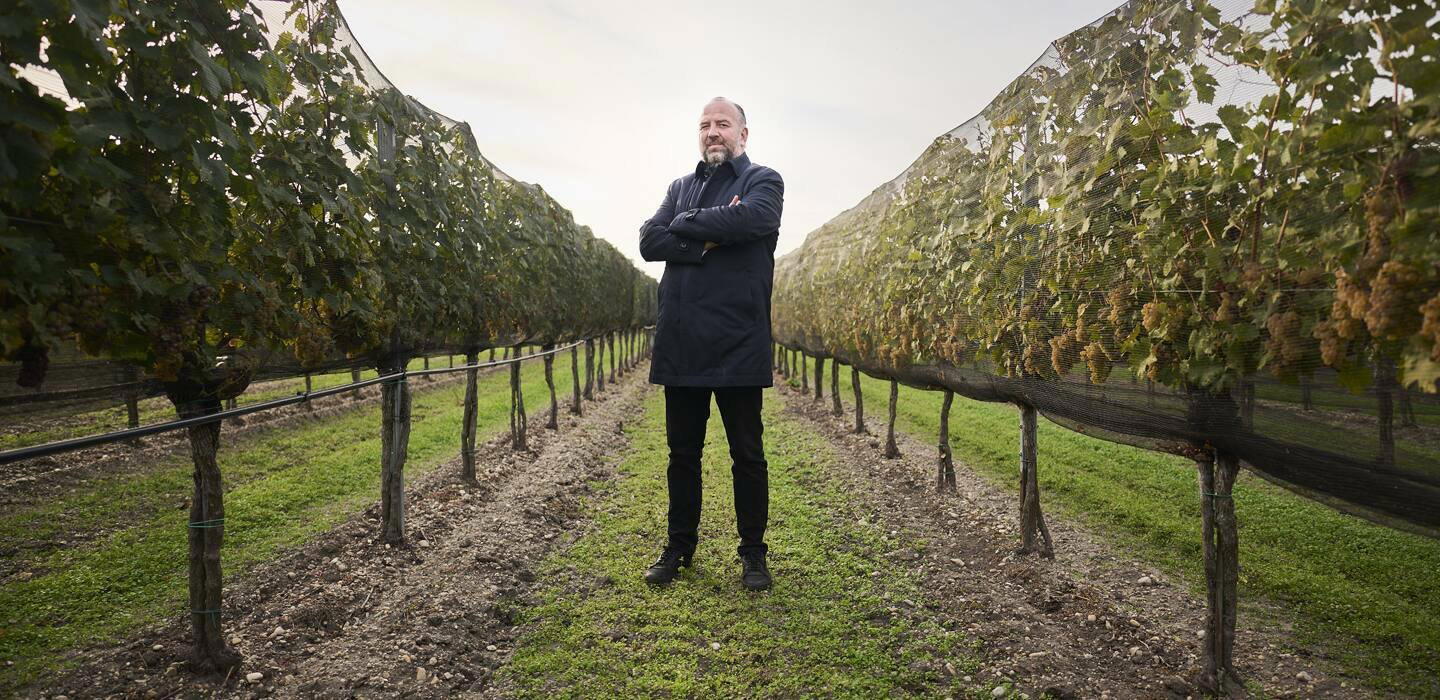
Bars in Horitschon
Browse all →


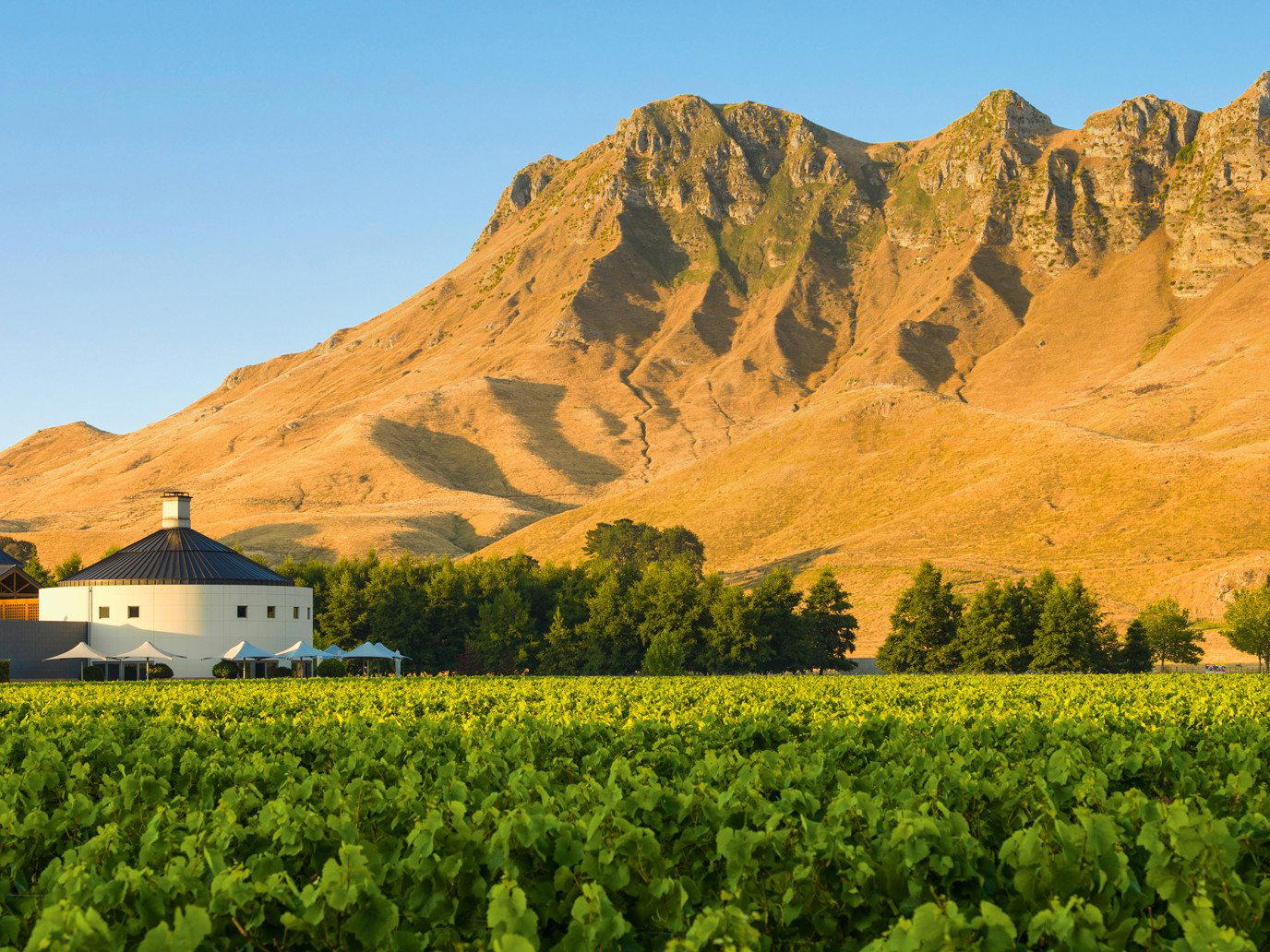
Restaurants in Horitschon
Browse all →
At a Glance
- Rustic
- Scenic
- Intimate
- Wine Education
- Solo Exploration
- Vineyard Tour
- Estate Grounds
- Biodynamic
- Organic
- Vineyard
- Mittelburgenland
- Blaufränkisch
- Furmint
- Pinot Noir
- Zweigelt
- Pinot Blanc
- Still Red
- Still White
- Cave Tasting
- Private Tasting
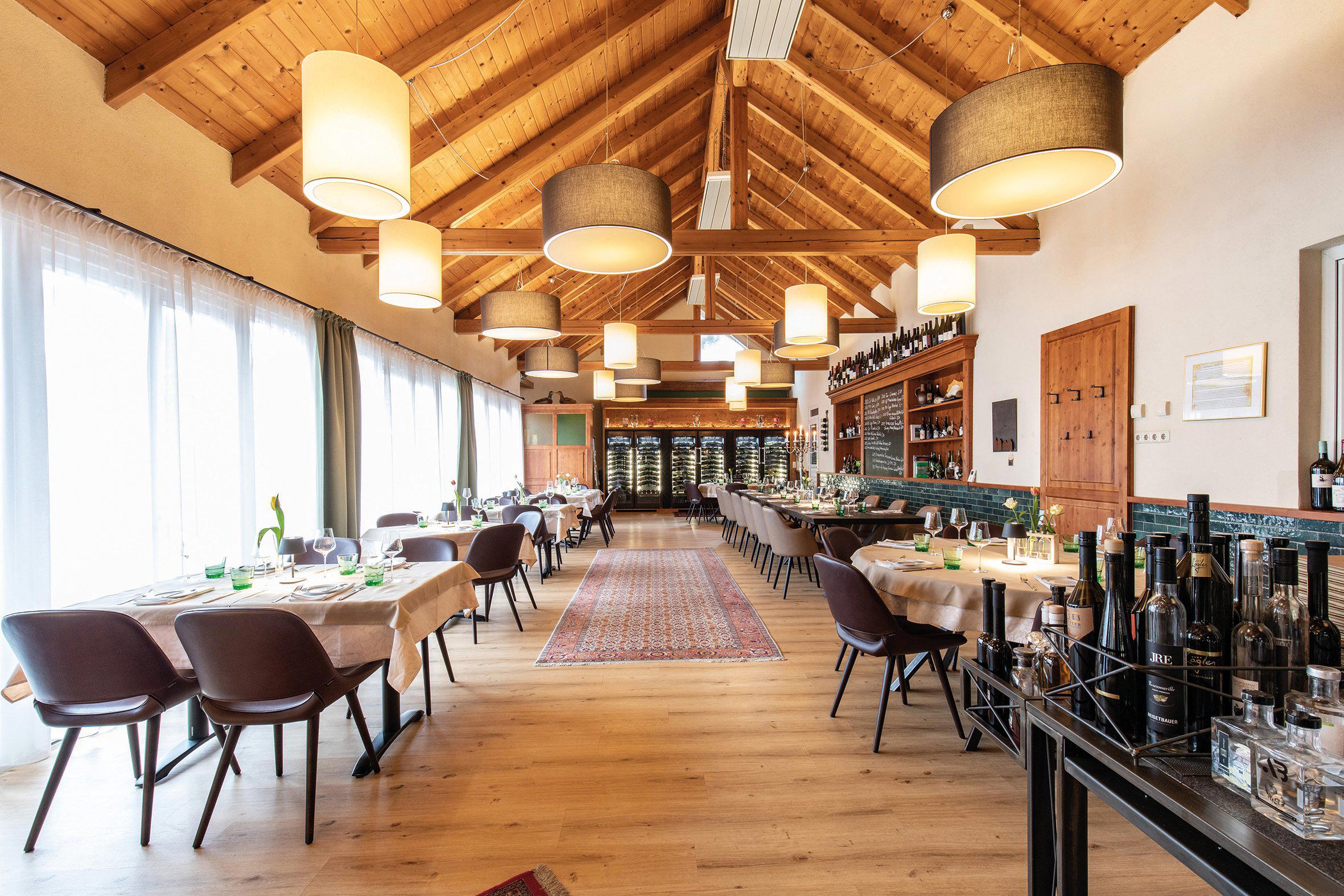
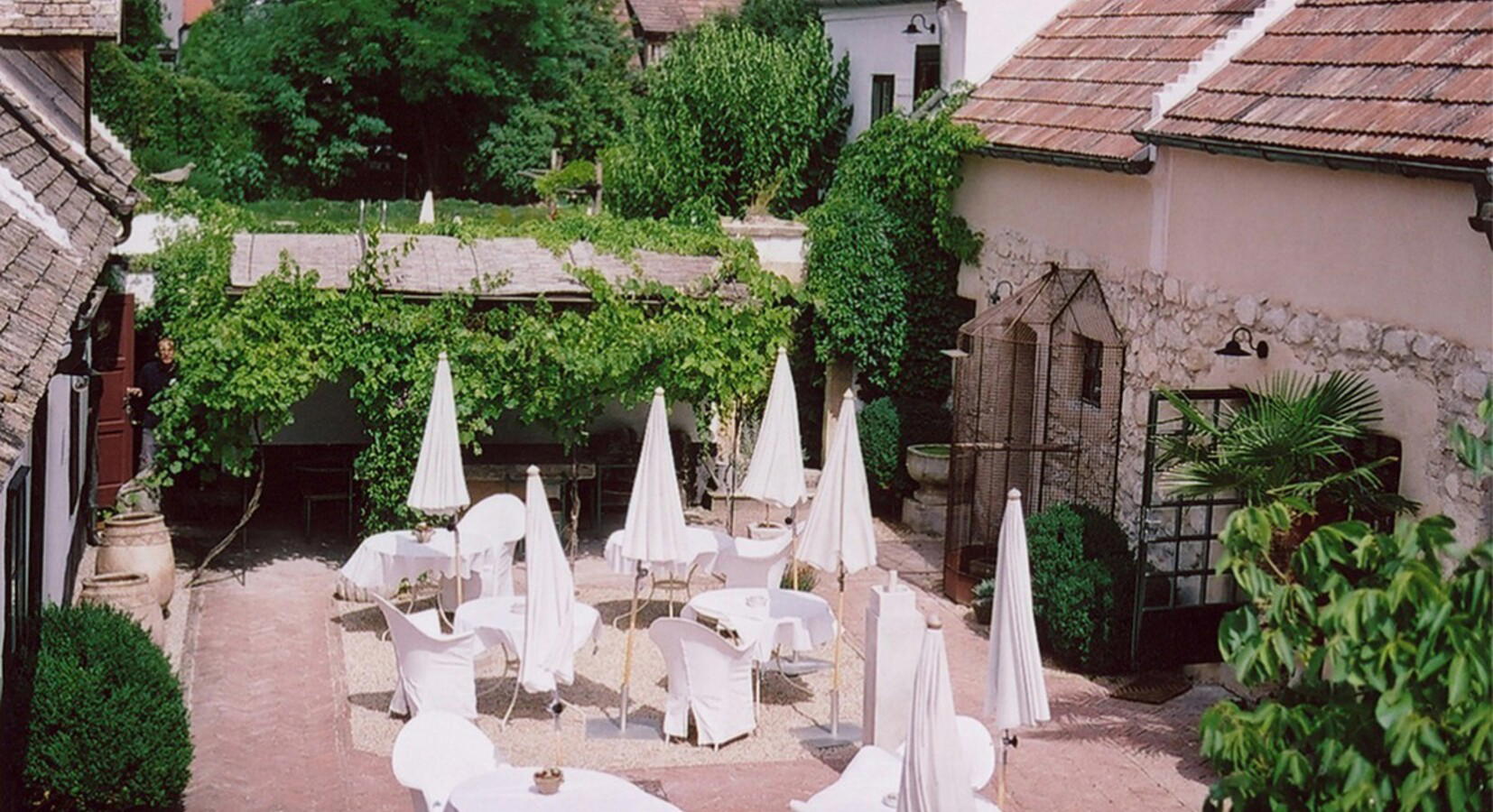
Rustic and authentic atmosphere focused on traditional winemaking in historic vineyard settings.