Our verdict
Carmen Étterem sits on Kálvária utca in Győr, a city that has built a quiet but credible restaurant culture in the shadow of Budapest's more documented dining scene.

Pearl is the En Primeur Club membership app — saves, bookings, and concierge access live there. Same editors, same standards.
- Address
- Győr, Kálvária u. 22/d, 9024 Hungary
- Phone
- +3696510808
- Hours
- Mon–Sat 11 AM–9 PMSun 11 AM–8 PM
- Website
- carmenetterem.hu
- Directions
- Get directions
Győr's Dining Character and Where Carmen Fits
Győr occupies an interesting position in Hungarian gastronomy: large enough to sustain a serious restaurant culture, small enough that reputation travels primarily by word of mouth rather than through the review infrastructure that concentrates around Budapest. The city's baroque old town and its role as a regional commercial hub have produced a dining scene that skews toward honest, ingredient-focused cooking rather than the tasting-menu theatrics increasingly common in the capital. Carmen Étterem, addressed at Kálvária utca 22/d in the 9024 district, sits within that local framework — a neighbourhood address rather than a tourist-facing destination, which shapes both its clientele and its culinary register.
For context on how Hungarian provincial dining is evolving, it helps to look at what restaurants like Platán Gourmet in Tata or Pajta in Őriszentpéter have demonstrated: there is a tier of regionally anchored kitchens operating outside Budapest that draw serious diners precisely because they are embedded in local food culture rather than performing for a national audience. Carmen's Kálvária utca address places it in residential Győr, away from the pedestrianised centre where tourist-facing venues concentrate. That geography is a signal in itself.
Hungarian Table Culture and What It Asks of a Restaurant
To understand what a restaurant like Carmen Étterem is working within, it helps to consider the weight of Hungarian culinary tradition. Hungarian cooking is one of Central Europe's most distinctive regional cuisines, built on paprika, slow-braised meats, freshwater fish from the Danube and Tisza systems, and a dairy culture that produces the soured cream (tejföl) that appears across the table in multiple registers. This is not a cuisine easily summarised or reduced, and restaurants that handle it well tend to resist both nostalgic museum-piece execution and the pressure to modernise for its own sake.
The provincial Hungarian lunch tradition also carries specific expectations: a midday meal structured around a soup course, a main of substantial protein, and a dessert, often served at pace rather than as a leisurely progression. Restaurants that serve this format well earn deep local loyalty, because they are filling a functional role in community life rather than positioning themselves as occasions. Across Hungary, from Teyföl in Szentendre to Hosszú Tányér in Hosszúhetény, the restaurants that build durable reputations are usually those that take this everyday register seriously rather than defaulting to tourist menus or international crossover dishes.
In Győr specifically, the dining scene has its own markers. The city's position at the confluence of the Rába and Mosoni-Duna rivers has historically meant freshwater fish plays a role in local cooking, and the proximity to Transdanubia's agricultural belt keeps the supply of pork, poultry, and seasonal vegetables close. Restaurants anchored in this geography — rather than importing their culinary identity wholesale, tend to read more authentically to the local table. For a broader map of where Carmen sits among Győr's options, the full Győr restaurants guide provides useful orientation.
The Neighbourhood Address as Context
Kálvária utca is not a dining street in the way that some Budapest neighbourhoods have become shorthand for a food cluster. It is a residential artery, which means Carmen Étterem's primary audience is the surrounding community rather than visitors working through a city itinerary. This distinction matters for how you read the restaurant. Venues that survive and accumulate local regulars in residential neighbourhoods do so through consistency and value rather than through novelty or positioning. The competitive pressure is different: not against other restaurants in a tourist corridor, but against home cooking and the memory of meals that felt right.
Within Győr's broader options, the restaurant sits in a different register from places like LAMAREDA, which operates in the modern cuisine bracket at the €€ tier, or casual formats like PIZZA KOHO. For visitors who want to understand Győr's café culture alongside its restaurant options, Astro Tea and Kávéház provides a complementary reference point for how the city treats its daytime hospitality.
Reading Hungarian Regional Dining Without Awards Data
For comparison, consider how wine-region restaurants like Sauska 48 in Villány or Kővirág in Köveskál have built reputations outside Budapest through regional embeddedness rather than award accumulation. The pattern holds more broadly: Öreg Prés in Mór, Petrányi Csopak in Csopak, and Botanica in Dánszentmiklós each operate in this provincial tier where local trust is the primary currency. Padi in Rátka and Old Kőrössy Fish Restaurant in Szegedin further illustrate how Hungary's most interesting regional eating often happens at a remove from formal recognition systems.
That context places Carmen in a familiar and legitimate category: a neighbourhood restaurant in a mid-sized Hungarian city, operating in a tradition where the quality signal is repetition and local loyalty rather than published scores. For visitors arriving from contexts where restaurants like Le Bernardin in New York or Lazy Bear in San Francisco set the reference frame, recalibrating toward what provincial Central European dining does well, directness, seasonality, value, and a table culture that is unhurried without being performative, is the most productive approach.
Planning a Visit
Carmen Étterem is located at Kálvária utca 22/d, Győr 9024. Győr is well connected by rail from Budapest's Keleti and Kelenföld stations, with journey times of roughly one to one and a half hours, making it accessible as a day trip or as part of a Transdanubian itinerary. As with most neighbourhood restaurants in provincial Hungarian cities, arriving at standard Hungarian lunch hour (noon to 2pm) or early evening typically gives the leading read of the kitchen's daily output.
Frequently asked questions
What should I expect atmosphere-wise at Carmen Étterem?
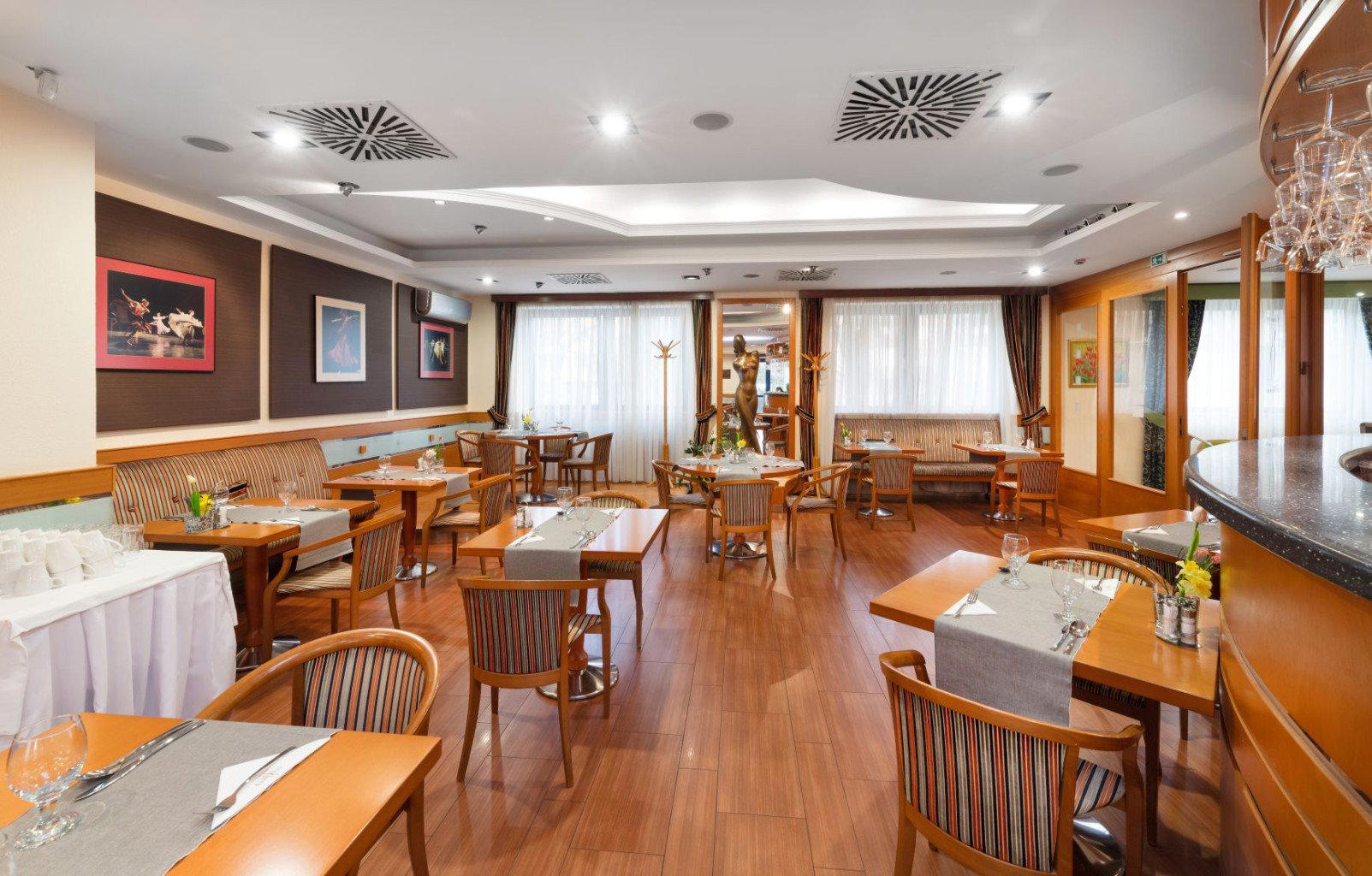
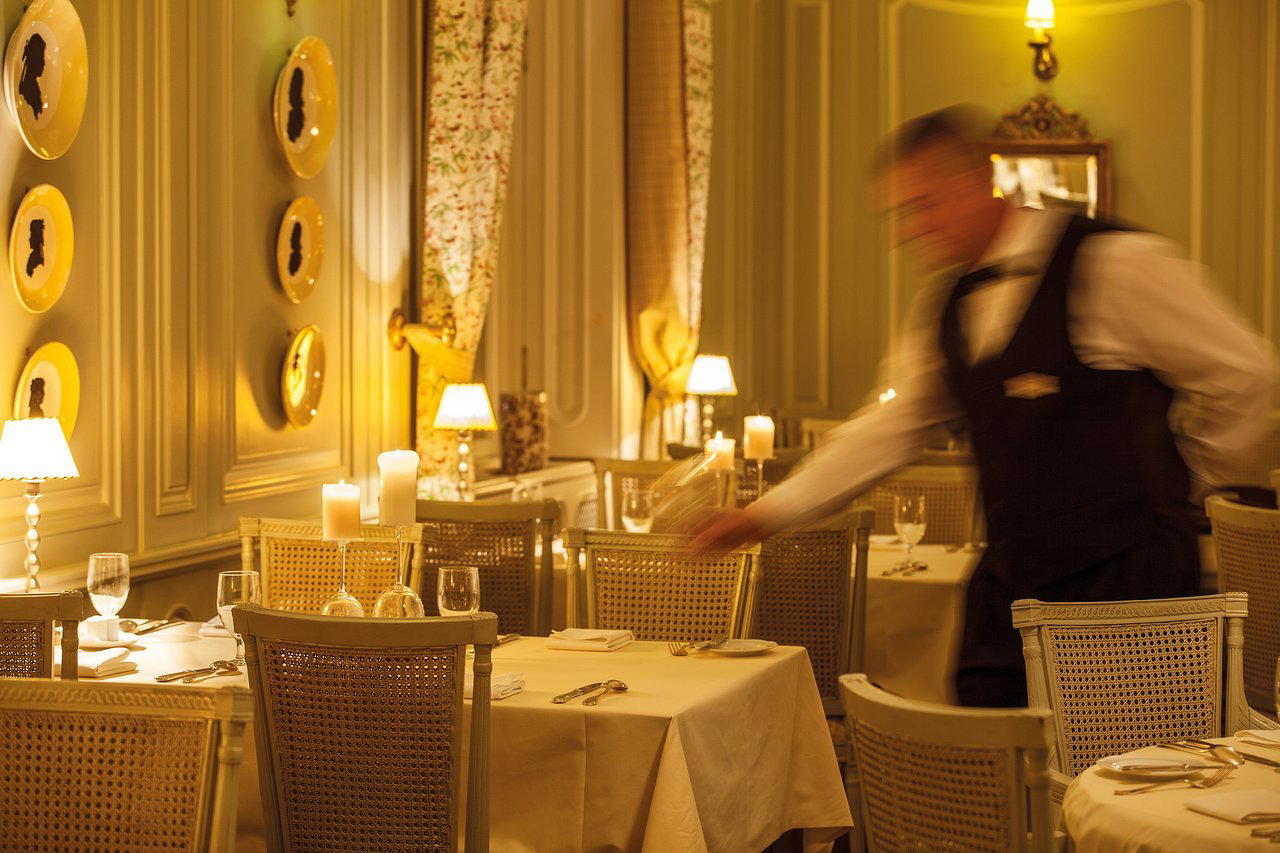
Carmen Étterem sits on Kálvária utca, a residential artery in Győr rather than a city-centre dining strip, which shapes its character considerably. Restaurants at addresses like this in Hungarian provincial cities tend to function as genuine local dining rooms: familiar to regulars, unhurried in pace, and oriented around the table rather than the room. Do not expect a scene or a showpiece interior; expect a place where the food, not the setting, carries the evening.
Is Carmen Étterem worth visiting if I'm only passing through Győr for a day?
Győr is a logical stop on the Budapest-Vienna corridor, and Carmen Étterem's Kálvária utca address offers a clear alternative to the more tourist-facing options near the historic centre. For a single-day visit, the trade-off is straightforward: less convenience relative to the centre, in exchange for a more local-facing dining context.
What's the must-try dish at Carmen Étterem?
Győr sits in the Transdanubian region of Hungary, where the cooking leans toward river fish dishes, pork-based preparations, and seasonal vegetables rooted in the local agricultural calendar. Any visit to a restaurant at this kind of neighbourhood address in the region is a reasonable opportunity to ask what the kitchen is running that day rather than arriving with a fixed order in mind.
A Pricing-First Comparison
Comparable venues nearby, for context on price, style, and recognition.
| Venue | Cuisine | Price | Awards | Notes |
|---|---|---|---|---|
| Carmen ÉtteremThis venue — the venue you are viewing | Traditional Hungarian & International | $20–30 | Not listed | Not listed |
| PIZZA KOHO | Italian Pizza | Not listed | Not listed | Bercsényi liget, Italian Pizza |
| Astro Tea & Kávéház | Tea House & Cafe | Not listed | Not listed | Győr center, Tea House & Cafe |
| LAMAREDA | Modern Hungarian with Mediterranean Influences | $30–50 | Michelin Plate | historic center, Modern Hungarian with Mediterranean Influences |
| Franziska Buda | Healthy Cafe Breakfast & Brunch | $10–20 | Not listed | Varhegy, Healthy Cafe Breakfast & Brunch |
| Szent Donát Márga Bisztró | Modern Hungarian Bistro | Not listed | Not listed | Csopak, Modern Hungarian Bistro |
Continue exploring
More in Gyor
Restaurants in Gyor
Browse all →

Details
- Classic
- Elegant
- Business Dinner
- Family
- Hotel Restaurant
- Extensive Wine List
- A La Carte
Current opening hours
- Monday
- 11 AM–9 PM
- Tuesday
- 11 AM–9 PM
- Wednesday
- 11 AM–9 PM
- Thursday
- 11 AM–9 PM
- Friday
- 11 AM–9 PM
- Saturday
- 11 AM–9 PM
- Sunday
- 11 AM–8 PM
Hours can change for holidays and private events. Last verified .
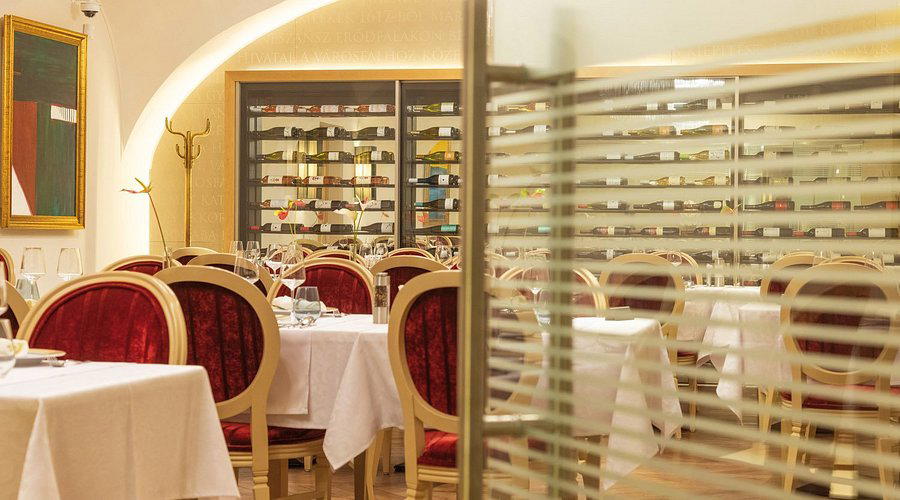
Clean and elegant hotel restaurant atmosphere with attentive service.