Weingut Kerschbaum

Weingut Kerschbaum sits at Hauptstraße 111 in Horitschon, a Burgenland village whose vineyards are synonymous with Blaufränkisch. For visitors tracing Austria's red wine heartland, it represents one of the reference addresses in the appellation.
Pearl is the En Primeur Club membership app — saves, bookings, and concierge access live there. Same editors, same standards.
- Address
- Hauptstraße 111, 7312 Horitschon
- Phone
- +43 2610 42392
- Website
- kerschbaum.at
- Directions
- Get directions
 Saves & bookings on Pearl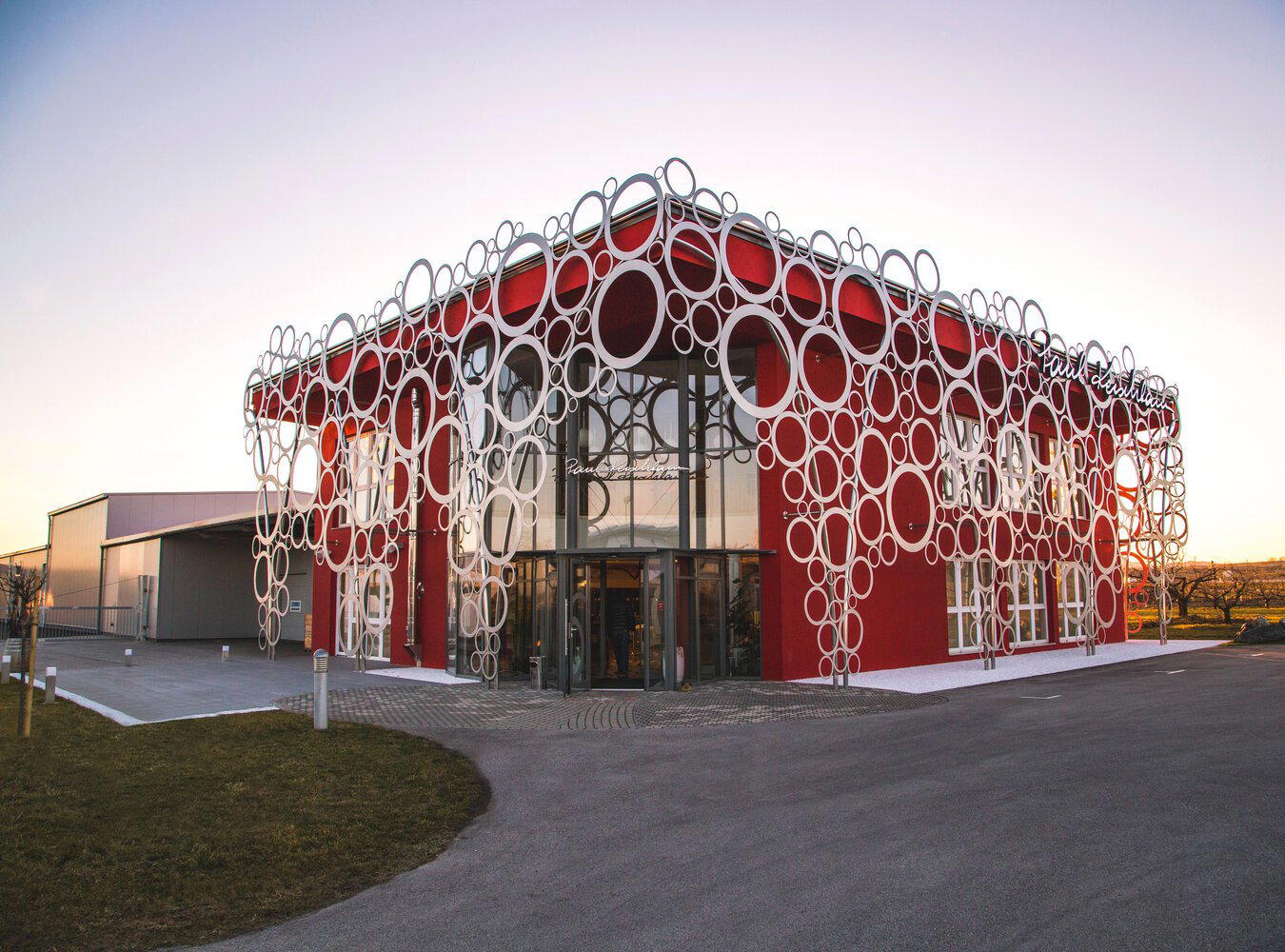
Horitschon and the Mittelburgenland Red Wine Tradition
In Austrian wine geography, Mittelburgenland occupies a specific and deliberate niche. While the Wachau and Kamptal have long commanded international attention for Grüner Veltliner and Riesling, the villages clustered around Horitschon have built their identity almost entirely around Blaufränkisch, a thick-skinned, late-ripening red variety that rewards the region's warm Pannonian summers and iron-rich soils in ways that no northern Austrian appellation can replicate. Horitschon sits at the centre of this geography, surrounded by a compact arc of growers who treat Blaufränkisch less as a commercial offering and more as a regional argument about what Austrian red wine can be at its most structured and age-worthy.
That argument has gained traction internationally over the past two decades. Mittelburgenland received its DAC (Districtus Austriae Controllatus) designation in 2005, a move that formalised what local growers already knew: the appellation's character was sufficiently distinct to carry its own protected identity. The rules require that DAC wines be made from at least 85 percent Blaufränkisch, and the leading examples demonstrate why, the variety here produces wines with a spine of acidity, dark-fruit concentration, and a mineral grip that sets them apart from the softer, more approachable Blaufränkisch bottlings found elsewhere in Burgenland. Producers who have committed fully to this style, rather than hedging toward international varieties, tend to occupy the upper tier of regional recognition.
Where Weingut Kerschbaum Sits in This Field
In a region where the gap between a competent cooperative-level wine and a prestige estate bottling can be significant, this kind of independent recognition carries weight as a navigational signal for visitors and buyers who have not followed the region closely.
For Blaufränkisch-focused estates, that consistency is harder to achieve than it might appear: the variety is sensitive to vintage variation, and the temptation to over-extract in pursuit of concentration has derailed more than a few otherwise serious producers. Estates that earn sustained recognition in this tier tend to have a settled understanding of their own vineyards and a philosophy that prioritises structure over spectacle. Kerschbaum's presence in this category positions it as a producer worth seeking out by anyone who wants to understand Horitschon's place in Austrian wine at a meaningful level. Comparable address points in the region, Weingut Franz Weninger, also based in Horitschon, give visitors a coherent route through the village's serious producers.
The Winemaking Philosophy That Defines the Prestige Tier
Across Mittelburgenland's leading addresses, a recognisable philosophy has taken shape over the past generation. The producers who have built the region's reputation internationally share a commitment to site expression over winemaking intervention. That means work in the vineyard, canopy management, yield control, harvest timing, carries more weight than adjustments in the cellar. The wines that emerge from this approach tend to be less immediately crowd-pleasing than heavily oaked, concentrated alternatives, but they hold better over time and speak more clearly to the specific soils and microclimates of individual parcels around Horitschon.
This is the tradition in which Kerschbaum operates. The address, the peer recognition, and the regional context all point toward an estate whose output reflects the Mittelburgenland style at its most purposeful. Austria's premium red wine producers more broadly, including reference names such as Weingut Pittnauer in Gols and Weingut Heinrich Hartl in Oberwaltersdorf, have moved in the same direction, and visitors who arrive at Kerschbaum with familiarity across that wider field will find the context intelligible and the wines legible within it.
Austria's wine tradition extends well beyond red wine, of course. The white wine estates of the Wachau, Weingut Emmerich Knoll in Dürnstein and Weingut Bründlmayer in Langenlois, represent the northern tradition that runs in parallel to what Mittelburgenland produces. Understanding both poles gives a clearer picture of Austrian wine as a whole, and itineraries that connect the two regions tend to be more rewarding than those that focus on only one appellation. For the Burgenland sweet wine tradition, Weingut Kracher in Illmitz and Weingut Wohlmuth in Kitzeck anchor the southern end of that story.
Visiting Horitschon: What to Expect
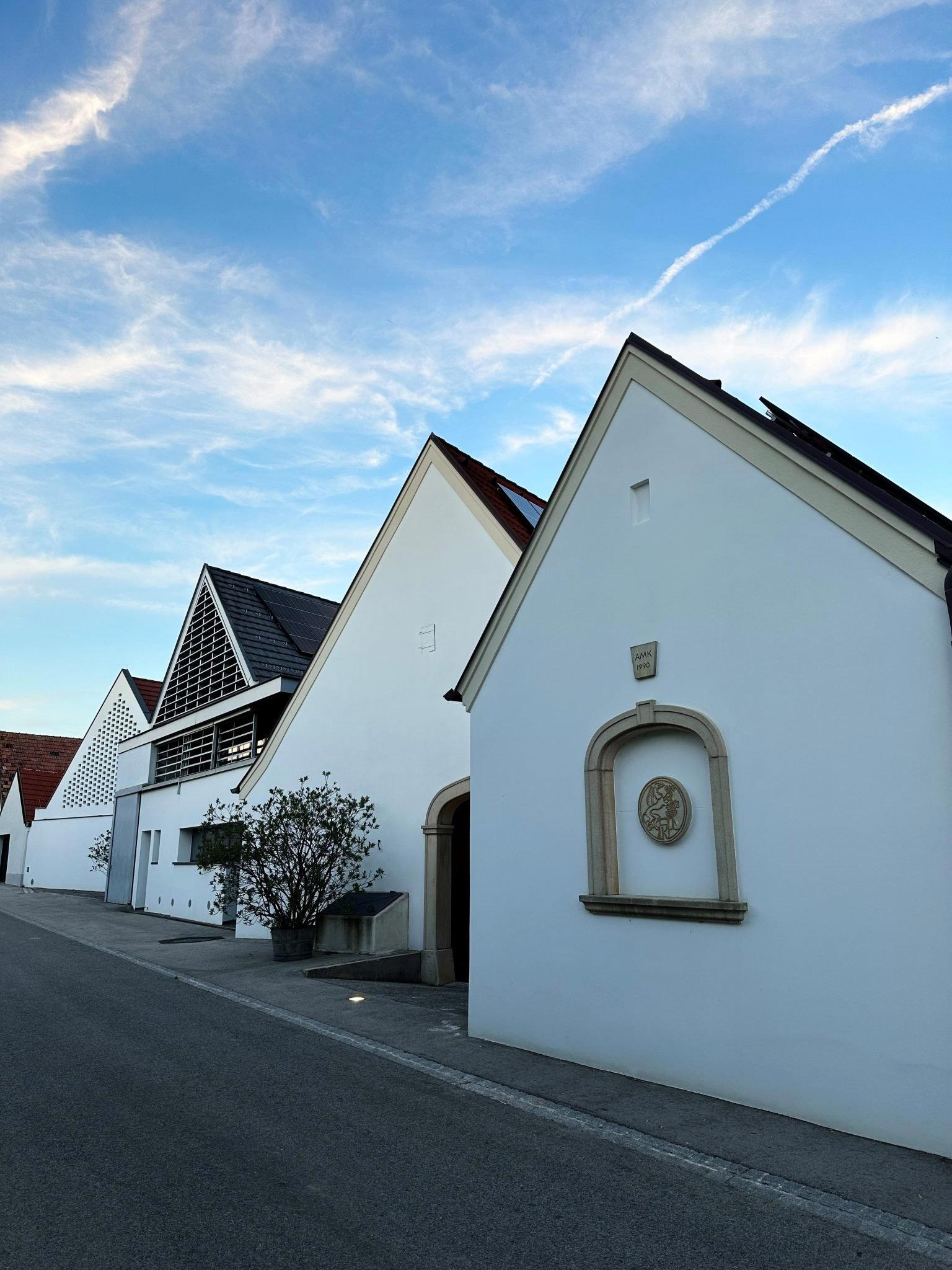
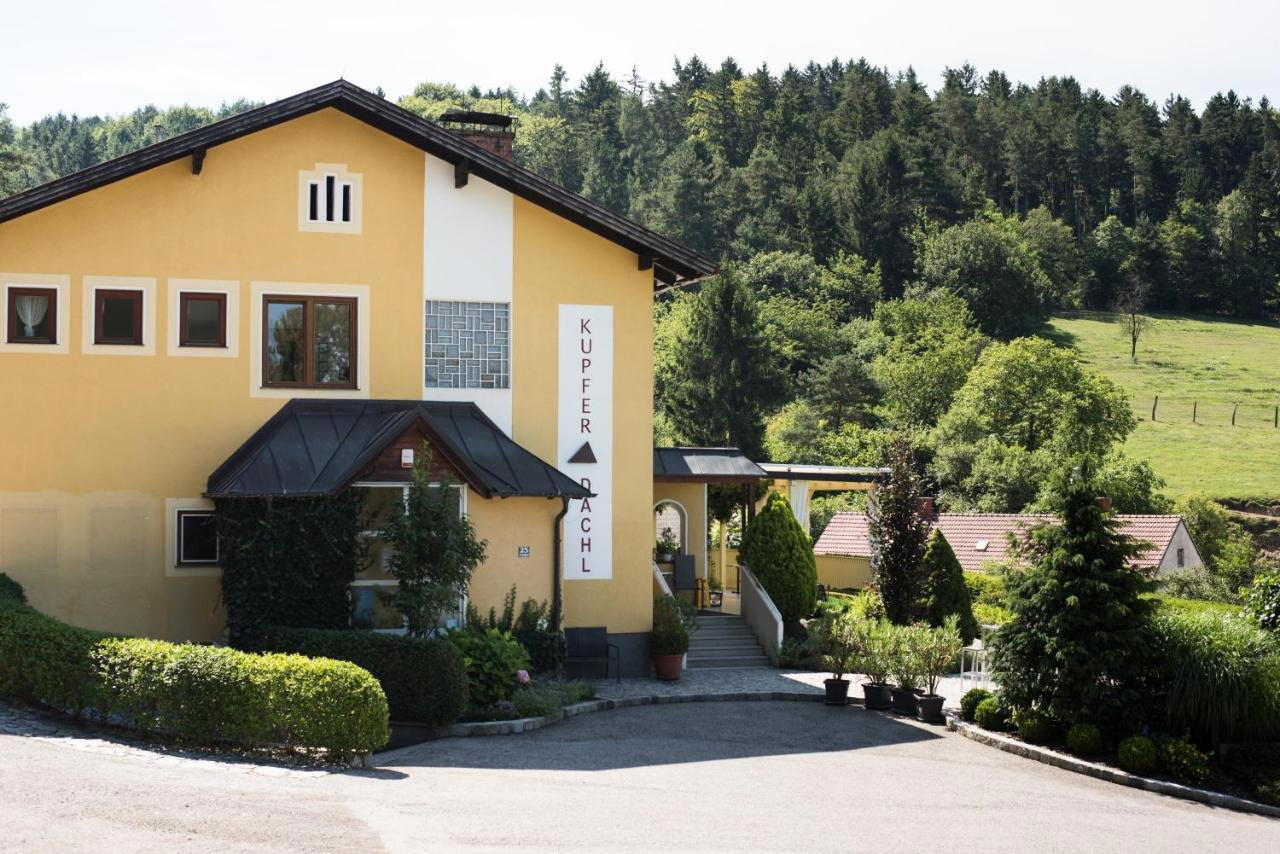
Horitschon is a working agricultural village, not a wine tourism hub in the polished sense you find in the Wachau or around Klosterneuburg. The appeal is exactly that. Estates here receive visitors on their own terms, and the experience of arriving at a family winery on a main village street, rather than at a purpose-built visitor centre, is a more honest introduction to how these wines are actually made. The Pannonian plain stretches out around the village, and on clear days the light is distinctly different from what you encounter further north: flatter, warmer, with a clarity that explains why the grapes ripen so fully here in good years.
Visitors planning to include Kerschbaum in a Burgenland itinerary should allow time for the broader Horitschon circuit. The concentration of serious producers in a compact area means that a single focused day covers the village's key addresses without rushing. Timing matters: the period between harvest in October and the winter months brings growers into their cellars rather than their offices, so spring and early summer visits tend to yield more considered appointments. Reaching the village from Vienna takes roughly 90 minutes by car via the southern motorway, making it feasible as a day trip for city-based visitors, though an overnight stay in the Burgenland, where accommodation is available in nearby Neckenmarkt and Deutschkreutz, gives more breathing room to cover the region properly.
Austria's spirits and brewing scenes offer context for travellers who extend beyond wine on longer trips: 1516 Brewing Company in Vienna and Weingut Scheiblhofer Distillery in Andau represent different facets of Austrian drinks production. International comparisons, whether looking at Accendo Cellars in St. Helena for Napa red wine parallels, or Aberlour in Scotland for a different fine drinks tradition, help calibrate where Horitschon's producers sit within the global premium conversation.
Planning Your Visit
Weingut Kerschbaum is located at Hauptstraße 111, 7312 Horitschon, Austria. Visitor appointments are typically handled by direct contact rather than online systems. Travellers should plan ahead and confirm availability before arriving, particularly during harvest season when cellar activity takes priority over tastings.
Cost and Credentials
Comparable venues nearby, for context on price, style, and recognition.
| Venue | Cuisine | Price |
|---|---|---|
| Weingut KerschbaumThis venue — the venue you are viewing | Horitschon, Blaufränkisch, Zweigelt | $$ |
| Weingut Franz Weninger | Horitschon, Blaufränkisch, Furmint | $$ |
| Kiesel Distillery | Winery | Not listed |
| Brennerei Tagwerker | Winery | Not listed |
| Mountain Spirits Distillery | Winery | Not listed |
| Alt Wiener Schnapsmuseum | Winery | Not listed |
Recognition history
Dated appearances from independent guides and award organizations, with the underlying list record or original source where available.
Falstaff Winery - 4 Stars
Falstaff
Continue exploring
More in Horitschon
Wineries in Horitschon
Browse all →
Bars in Horitschon
Browse all →


Restaurants in Horitschon
Browse all →
At a Glance
- Rustic
- Classic
- Scenic
- Wine Education
- Solo Exploration
- Vineyard Tour
- Estate Grounds
- Sustainable
- Vineyard
- Mittelburgenland
- Blaufränkisch
- Zweigelt
- Merlot
- Cabernet Sauvignon
- Weißburgunder
- Chardonnay
- Still Red
- Cave Tasting
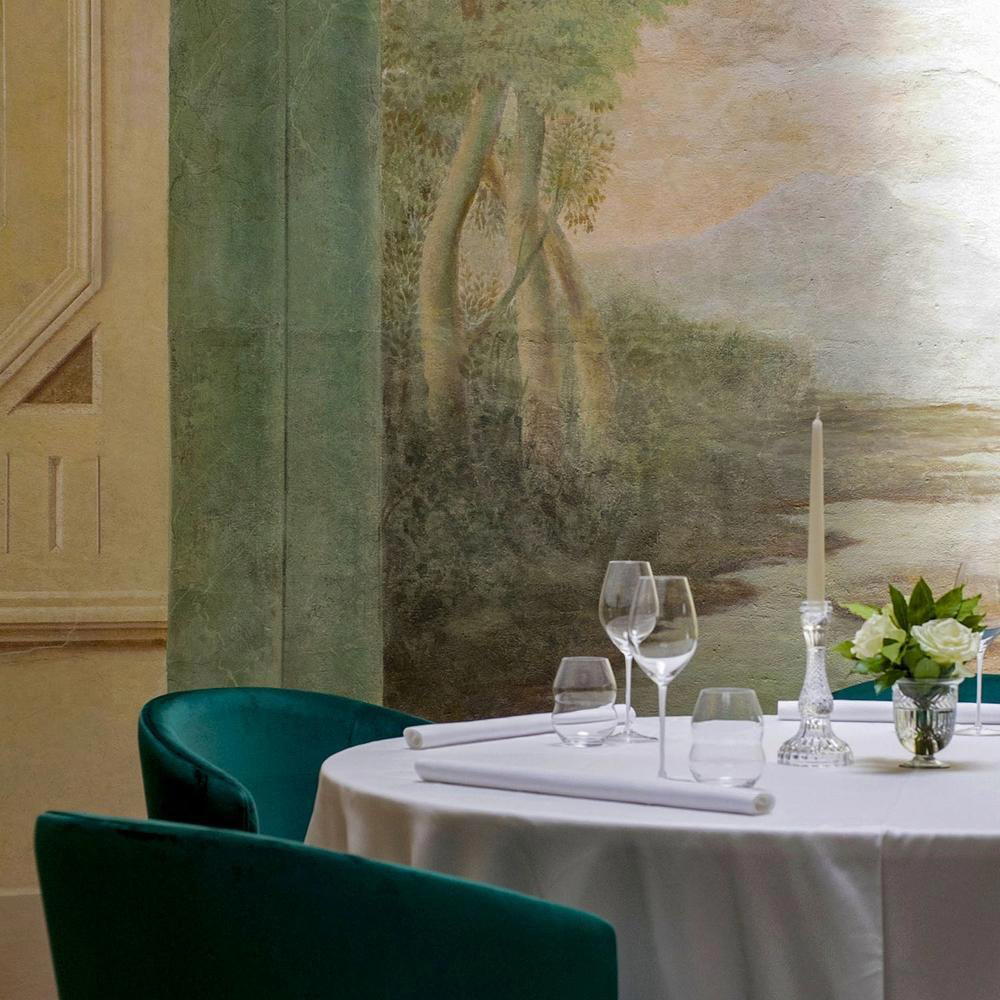
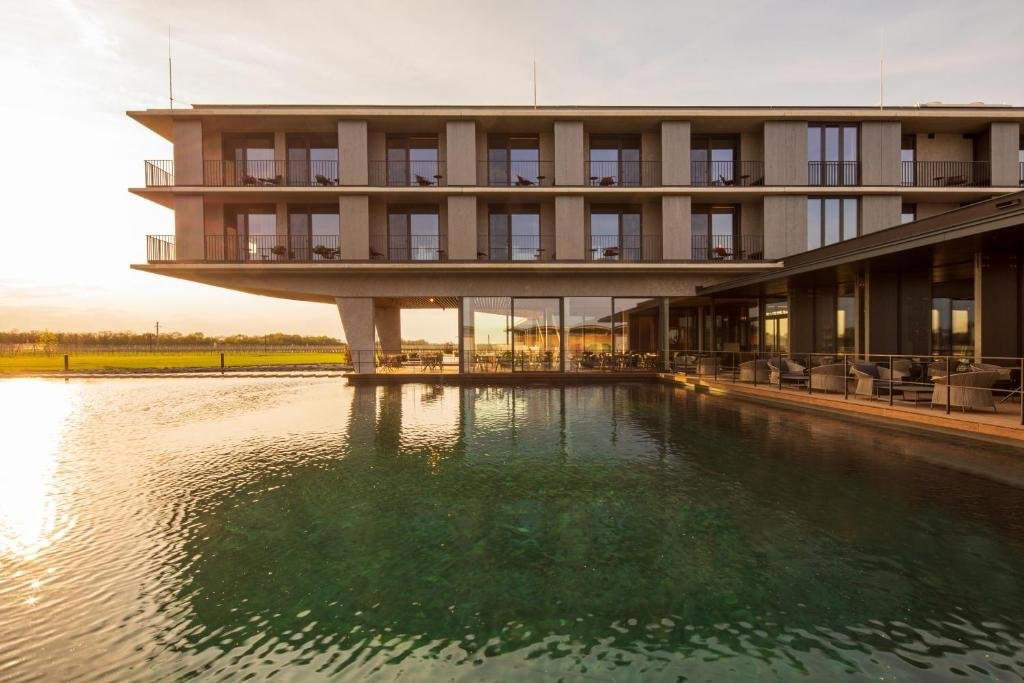
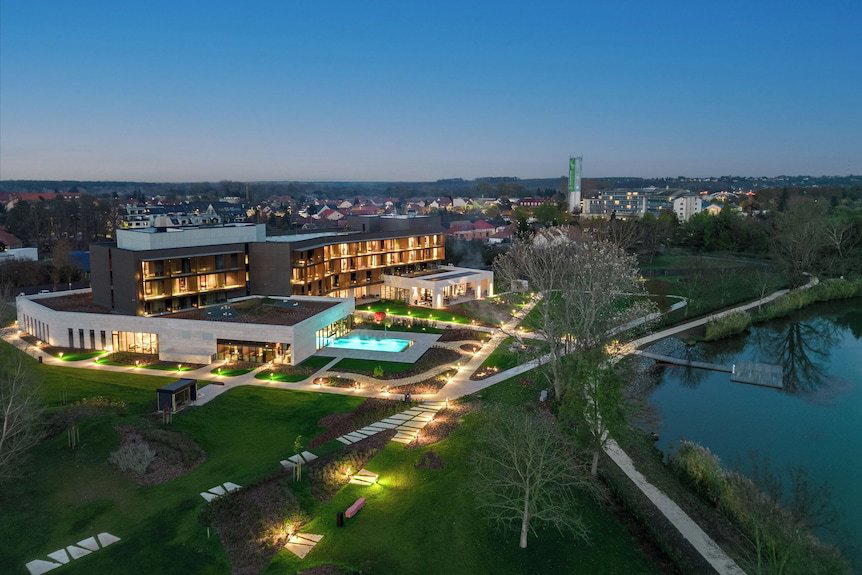
Sympathetic ambience with modern design in the tasting and sales room, inviting guests to linger.