Ratschen

Michelin Plate
Our verdict
Ratschen holds a Michelin Plate for 2024 and 2025, placing it among the recognised contemporary dining addresses in Burgenland's southernmost wine country. Set in Deutsch Schützen, it draws on the agricultural richness of the region in a format that sits a tier below Austria's €€€€ flagships while operating with comparable seriousness..

Pearl is the En Primeur Club membership app — saves, bookings, and concierge access live there. Same editors, same standards.
- Address
- Am Ratschen 5a, 7474 Deutsch Schützen, Austria
- Phone
- +43 664 4180705
- Website
- ratschen.at
- Directions
- Get directions
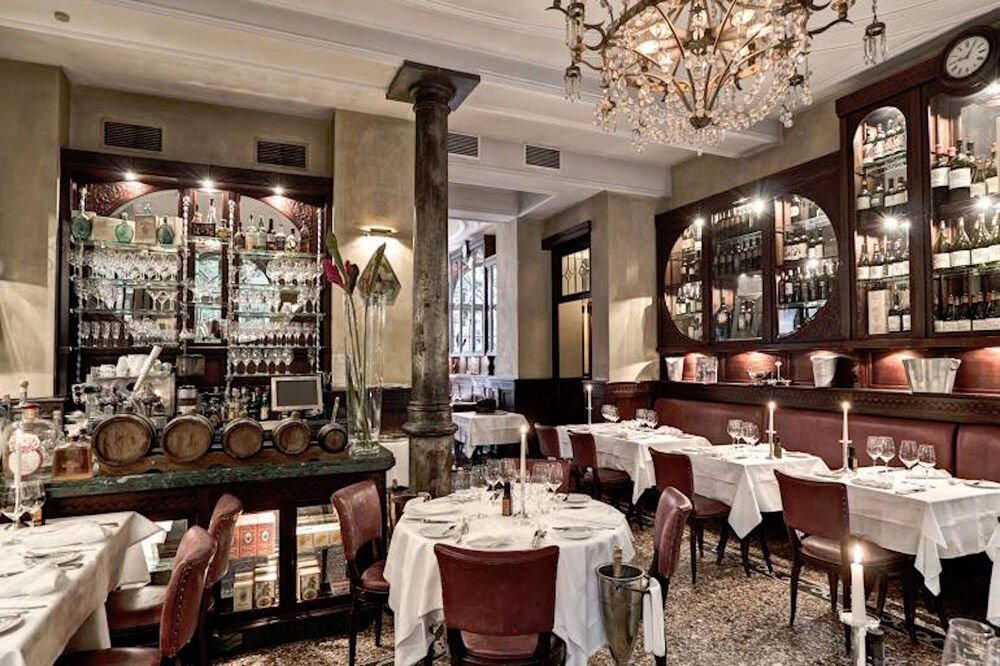
Where the Southern Burgenland Table Begins
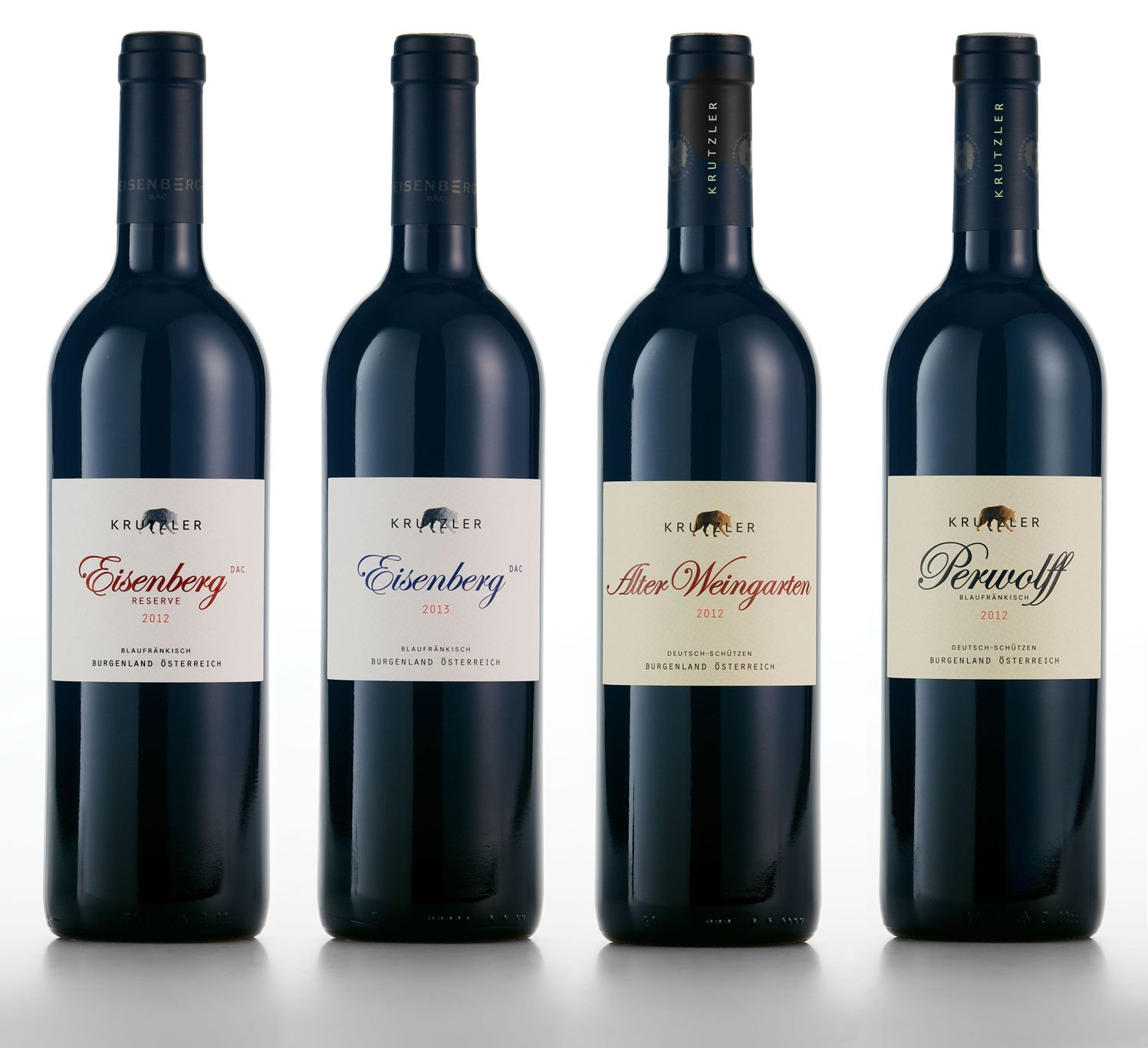
Deutsch Schützen sits at the quiet southern edge of Burgenland, Austria's narrowest and most agrarian province, where the vineyards of the Eisenberg DAC meet forested hills and small farms that have supplied regional kitchens for generations. The village is not a dining destination in the conventional sense: there are no hotel clusters, no weekend market crowds pulling in food tourists from Vienna. What draws attention here is more specific — a concentration of local producers and a tradition of treating the land as the primary author of the plate. Ratschen, at Am Ratschen 5a, operates within that tradition, and its address in this landscape is itself an editorial statement about where Austrian contemporary cooking can take root outside the urban circuit.
Michelin Recognition in a Rural Register
Consecutive Michelin Plates in 2024 and 2025 place Ratschen in a defined tier of Austrian dining: not yet among the starred addresses, but formally recognised as a kitchen producing food worth planning around. In the context of Burgenland, that recognition carries particular weight. The province has fewer Michelin-tracked restaurants than Vienna, Salzburg, or Tyrol, which means each acknowledged address absorbs proportionally more regional significance. Ratschen's two-year run with the Plate signals consistency rather than a single strong season — the kind of result that emerges from a reliable supply chain and a kitchen that knows its own range.
For comparison, Austria's leading contemporary tier, Steirereck im Stadtpark in Vienna, Döllerer in Golling an der Salzach, and Ikarus in Salzburg, operate at €€€€ and draw from national and international reputations built over decades. Ratschen, priced at €€€, occupies a different competitive position: it is not competing for the same diner as those rooms.
The Ingredient Logic of Burgenland's South
Southern Burgenland is not a food region that announces itself loudly. It lacks the tourist infrastructure of the Wachau or the fame of Styria's pumpkin oil belt. What it has is agricultural density: small-scale viticulture producing the iron-inflected reds of the Eisenberg DAC, game from the surrounding forests, and a market-garden tradition that predates the contemporary farm-to-table framing now applied to it. Restaurants working in this environment have a structural advantage: supply chains are short, seasonal rhythm is imposed by geography rather than chosen as a marketing position, and ingredient quality reflects soil and climate rather than procurement budgets.
Contemporary cooking in this register, the category Ratschen holds, tends to apply modern technique to that raw material without obscuring its origin. The editorial angle that frames places like this most accurately is not innovation for its own sake, but translation: taking what the land produces in a given week and making it legible on the plate without overpowering the source signal. That discipline, applied consistently, is what Michelin's Plate recognises in kitchens that may not yet carry a star but are doing the foundational work correctly.
The same sourcing logic appears across the Austrian contemporary category, though the expression varies by region. Kräuterreich by Vitus Winkler in Sankt Veit im Pongau builds around Alpine herb gardens; Restaurant 141 by Joachim Jaud in Mieming draws from Tyrolean pasture. Burgenland's contribution is its flatlands and wine country, a different palette that produces a different plate.
Pricing, Format, and the Regional Value Equation
At €€€, Ratschen prices below the starred Austrian flagships but above the casual regional tavern. That middle tier is where regionally serious contemporary cooking increasingly concentrates across Austria: high enough to reflect ingredient cost and kitchen labour, accessible enough to draw from a wider radius than destination-only diners.
For diners considering a longer stay in the area, our full Deutsch Schützen hotels guide covers accommodation options in the region. Those interested in the broader wine context, the Eisenberg DAC and surrounding producers, will find relevant coverage in our Deutsch Schützen wineries guide. The village's position near the Hungarian border also makes it a viable anchor for a broader Burgenland circuit that includes the thermal resorts to the north and the Güssing area to the east.
Ratschen in the Wider Austrian Contemporary Scene
Austria's contemporary dining category has expanded well beyond Vienna over the past decade. Addresses in Tyrol, Gourmetrestaurant Tannenhof in Sankt Anton am Arlberg, Griggeler Stuba in Lech, and Stüva in Ischgl, operate within the ski resort economy, where captive luxury audiences support higher price points and seasonal intensity. Schwarzer Adler in Hall in Tirol represents a different model, embedded in a historic town rather than a resort. Ratschen's model is different again: rural, wine-country-adjacent, and priced for repeat local engagement rather than once-yearly alpine splurge.
That positioning is neither a limitation nor a compromise. The leading argument for dining in a place like Deutsch Schützen rather than Vienna or Salzburg is the directness of the sourcing, the reduced distance between field and kitchen that makes even simple preparations carry more information. Contemporary cooking at its most coherent is often just that: good ingredients, handled with enough skill to let them speak, in a setting where the land outside the window is the same land that produced the food on the plate.
For further context on how Ratschen fits within the local dining scene, see our full Deutsch Schützen restaurants guide. Those exploring the broader EP Club Austrian coverage can also reference international contemporary benchmarks such as César in New York City and Jungsik in Seoul for a sense of how the contemporary category reads across different markets. Additional Deutsch Schützen resources: bars guide and experiences guide.
Planning Your Visit
Deutsch Schützen is most accessible by car, sitting approximately two hours south of Vienna via the A2 motorway and local roads through the Südburgenland. The village is small, and Ratschen at Am Ratschen 5a is the area's most formally recognised dining address, booking in advance is advisable, particularly during harvest season when the wine country draws additional visitors from the north. Specific hours and reservation details are not published centrally; contacting the restaurant directly through local directories is the practical approach. The €€€ price range positions an evening here as a considered meal rather than a casual stop, and the consecutive Michelin Plates across 2024 and 2025 indicate that the kitchen is performing at a level that justifies the planning required to get there.
Frequently asked questions
Is Ratschen a family-friendly restaurant?
Ratschen's contemporary format and €€€ price tier suggest a setting oriented toward considered dining rather than casual family meals. The address in rural Deutsch Schützen, with its agrarian surroundings, lends a quieter atmosphere more suited to adults. Families with older children who appreciate a slower-paced, ingredient-led meal would find it manageable.
What's the vibe at Ratschen?
Ratschen sits in the southern edge of Burgenland, and the register of the place follows that geography: rural, unhurried, and grounded in the produce of the region rather than the performance of city fine dining. Consecutive Michelin Plates in 2024 and 2025 confirm the kitchen's seriousness without pushing the room toward formality.
Is Ratschen Michelin-listed?
Ratschen has received recognition including: Michelin Plate (2025); Michelin Plate (2024).
What's the must-try dish at Ratschen?
Given the kitchen's contemporary approach and its position in southern Burgenland — a region defined by Eisenberg wines and a strong larder tradition — the menu follows seasonal and local logic. Contacting the restaurant directly before your visit is the practical way to understand the current offering.
How It Stacks Up
| Venue | Cuisine | Awards |
|---|---|---|
| RatschenThis venue — the venue you are viewing | Modern Austrian Contemporary | Michelin Plate |
| Steirereck im Stadtpark | Creative | Michelin 3 Star |
| Döllerer | Contemporary Austrian, Innovative | Michelin 2 Star |
| Ikarus | Modern European, Creative | Michelin 2 Star |
| Mraz & Sohn | Modern Austrian, Creative | Michelin 2 Star |
| Obauer | Classic Cuisine | Michelin 2 Star |
Recognition history
Dated appearances from independent guides and award organizations, with the underlying list record or original source where available.
Michelin Plate
Michelin
Full recognition history (2 entries)
Michelin Plate
Michelin
Continue exploring
More in Deutsch Schützen
Restaurants in Deutsch Schützen
Browse all →
Bars in Deutsch Schützen
Browse all →
Hotels in Deutsch Schützen
Browse all →

Ratschen
The wine
- Wine program
- Curated wine list
- Extensive wine list
Details
- Modern
- Scenic
- Elegant
- Cozy
- Date Night
- Special Occasion
- Terrace
- Extensive Wine List
- Local Sourcing
- Vineyard
- Mountain
- Tasting Menu
- Set Menu
- A La Carte
- Vegetarian Friendly
- Vegan Options
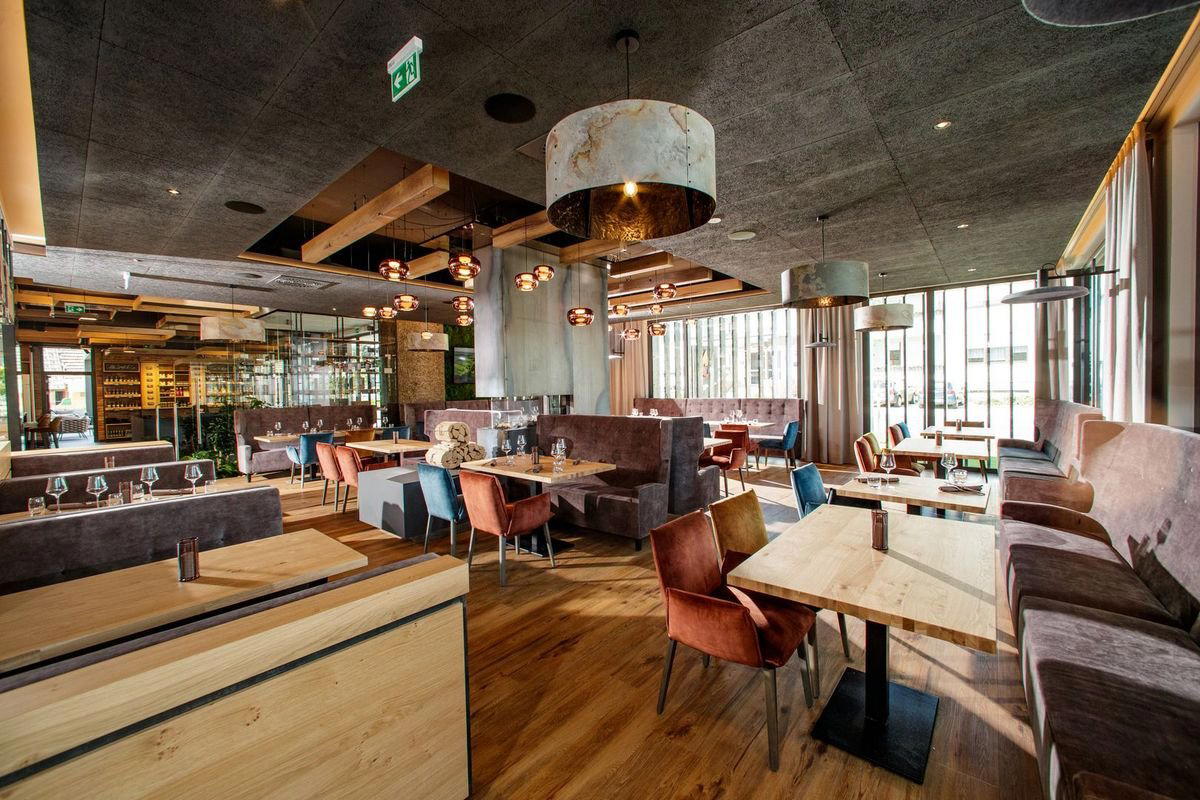
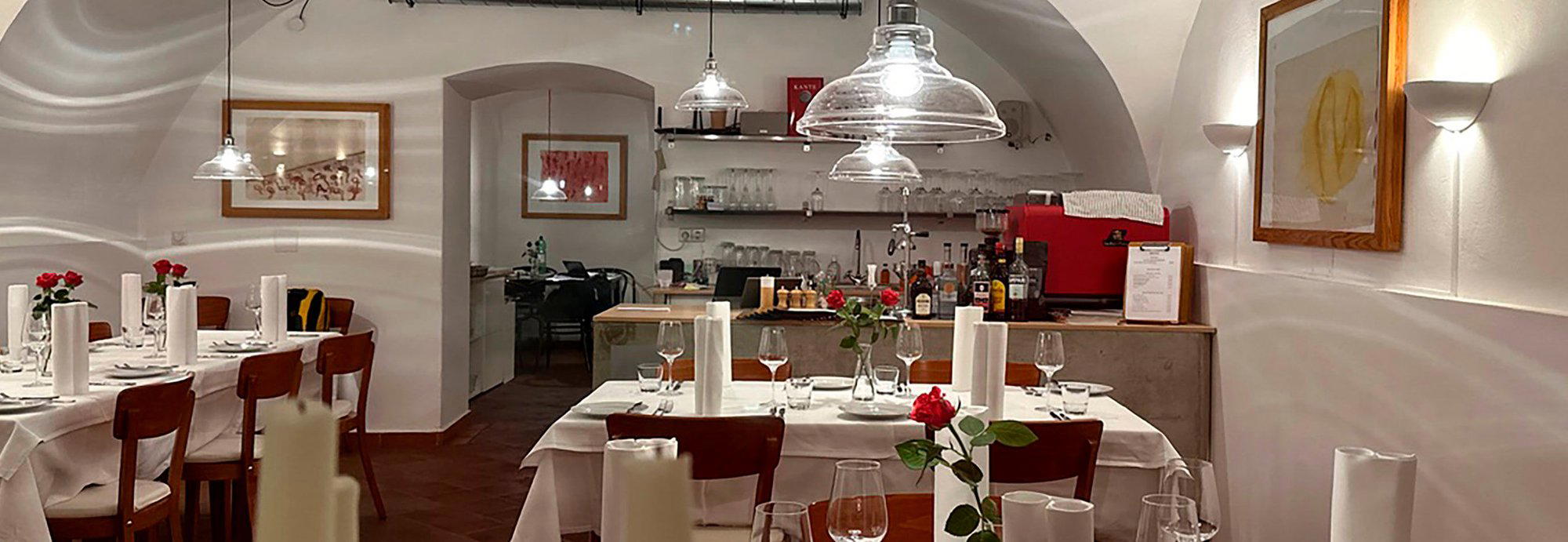
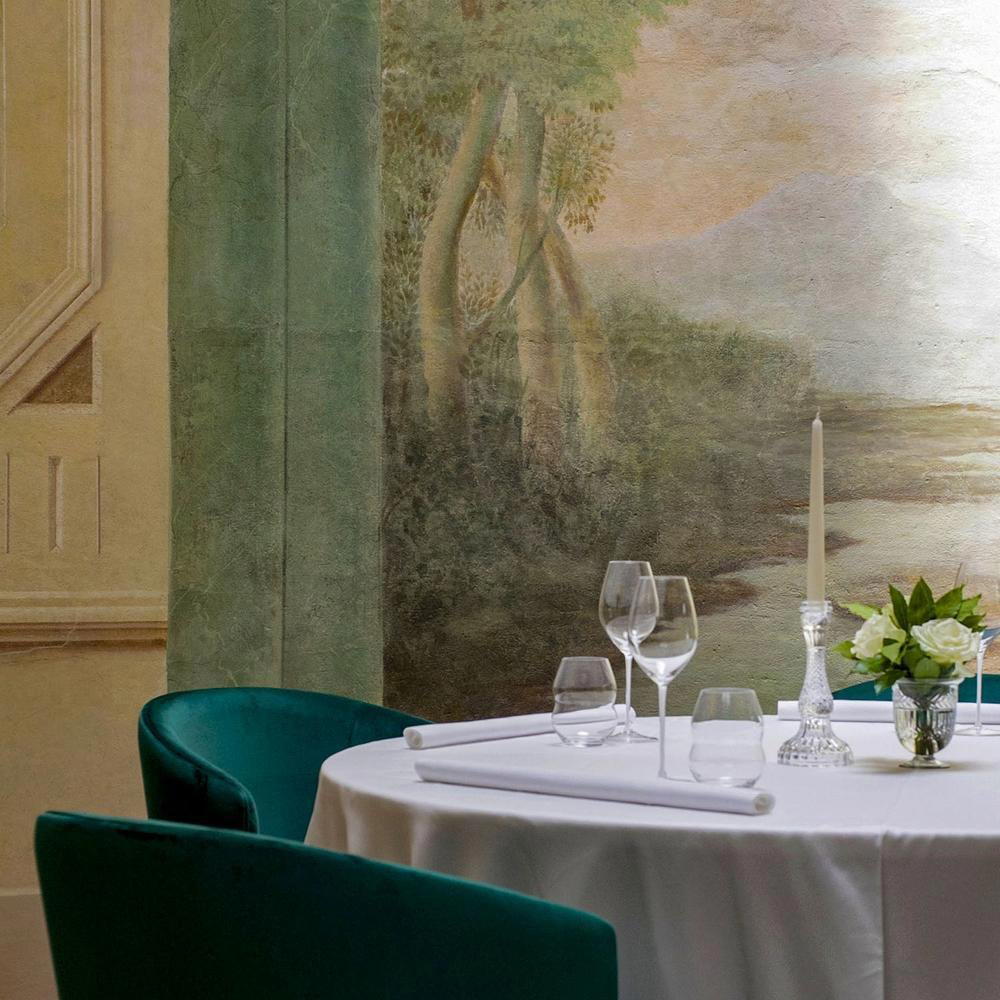
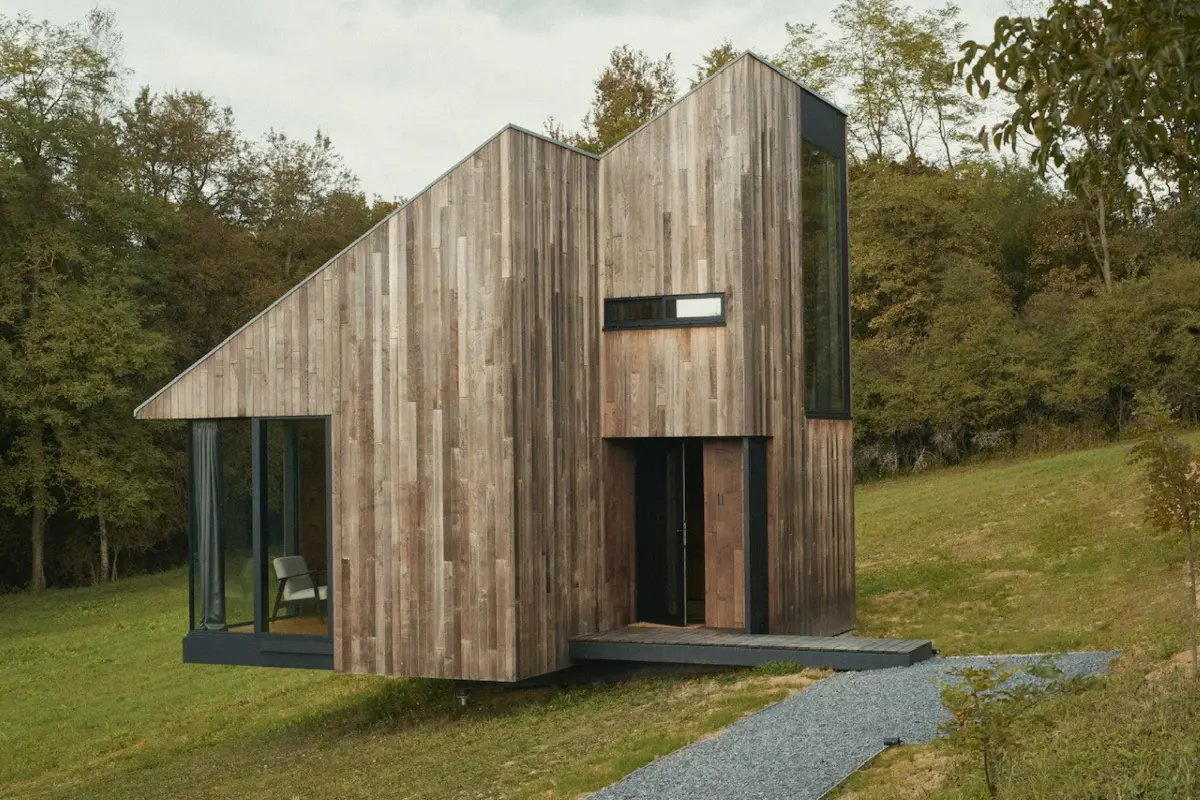
Modern ambiance with floor-to-ceiling windows showcasing vineyard views, creating a scenic and elegant atmosphere praised for its charm and tranquility.