Our verdict
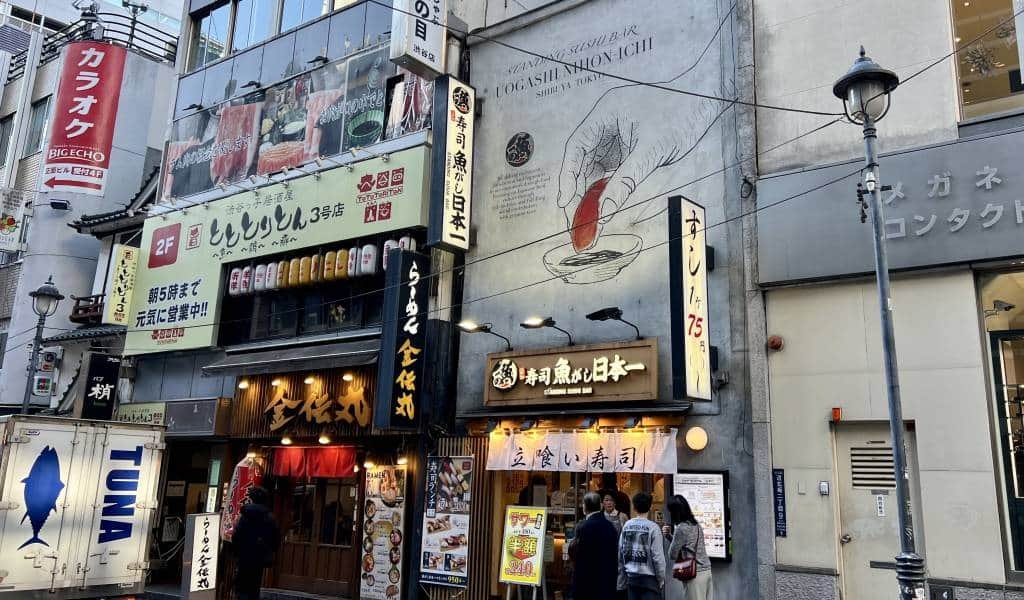
Uogashi Nihon-ichi (魚がし日本一) is a Standing Sushi Bar in Shinjuku with counter service, sake, and a quick-bite pace for lunch or dinner.

Pearl is the En Primeur Club membership app — saves, bookings, and concierge access live there. Same editors, same standards.
- Address
- 西新宿1-12 (河西ビル 1F), 新宿区, 東京都, 160-0023
- Directions
- Get directions
The menu
What to order
- Maguro
- Uni
- Ikura
- Aburi salmon
Standing Sushi and the Logic of the Tsukiji Supply Chain
West Shinjuku moves at a different register than the neighbourhood's tower-district face suggests. Beneath the commuter flow of Nishi-Shinjuku station, a particular format of sushi bar has taken hold: standing counters serving fresh nigiri at speed, priced for daily consumption rather than occasion dining. Uogashi Nihon-ichi (魚がし日本一) operates within that format, with a location in the Kawanishi Building at 西新宿1-12, positioning it squarely inside the lunchtime and after-work sushi economy that feeds office workers and market traders in equal measure.
The name itself signals intent. "Uogashi" refers to the fish market waterfront, a direct invocation of the sourcing logic that defines this category. Standing sushi bars in Tokyo have historically built their identities around proximity to wholesale supply, and the tradition continues through chains and independents alike who treat the morning market run as the non-negotiable first step in their daily operation. The question, at any given tachigui (standing-eat) counter, is always how close the fish on the plate is to where it was weighed and sold that morning.
What the Tachigui Format Tells You About Tokyo Sushi
Tokyo’s sushi culture has always operated across a wide price spectrum. At one end, omakase counters like Harutaka function on multi-hour seated experiences with prix-fixe menus running well into five-figure yen territory. At the other end, the tachigui counter is the format that has fed the city for generations, where the exchange is fast, the rice is warm, and the fish quality is measured not by theatrical aging techniques but by how recently the delivery arrived. Uogashi Nihon-ichi sits in that second category, making it a counterpoint rather than a competitor to the ¥¥¥¥-tier omakase world.
The standing format does something useful for the quality conversation: it removes the room. There is no designed interior to distract, no service choreography to assess. The only variables are the fish, the rice, and the speed of the counter staff. Regulars at Tokyo’s better tachigui counters will tell you that the format enforces a kind of discipline, because there is nowhere to hide a mediocre piece behind ceremony.
This is worth holding in mind when comparing tachigui to seated formats. Venues like RyuGin or L’Effervescence operate on entirely different axes of hospitality. Comparing them to a standing sushi counter misreads what each format is trying to do. The more useful frame is to read Uogashi Nihon-ichi alongside the broader Tokyo tradition of making excellent raw fish accessible without a booking window or a jacket requirement.
Sourcing as Identity: The Fish Market Lineage
The editorial angle that matters most for this category is ingredient sourcing, and specifically the relationship between Tokyo’s wholesale fish infrastructure and the sushi that reaches the plate. Since Tsukiji’s inner market relocated to Toyosu in 2018, the supply chain for fresh fish in central Tokyo has reorganised around the new facility’s auction and wholesale floors. Operations that built their reputation on early-morning market access have had to recalibrate logistics accordingly, and the ones that maintained quality through that transition are the ones worth knowing about.
A standing counter that uses the word “uogashi” in its name is making a sourcing promise, whether explicit or implied. The fish market identity is not decorative branding; it is a statement about where procurement priorities sit. In this sense, the name functions as a credibility claim that regulars know how to verify: if the tuna is dull, the salmon fatty in the wrong way, or the kohada (gizzard shad) lacking the necessary acid balance from its vinegar cure, the market lineage claim collapses immediately. This is a format where product speaks faster than any marketing.
For context on how sourcing-led identity operates at higher price points elsewhere in Japan, Gion Sasaki in Kyoto and HAJIME in Osaka both anchor their programs to specific regional sourcing decisions. The principle scales across formats: knowing where your ingredients come from, and being able to demonstrate it on the plate, is the foundational discipline of Japanese cooking at any price point.
Shinjuku as a Sushi Neighbourhood
Nishi-Shinjuku is not where Tokyo’s serious sushi press tends to focus its attention. The critical conversation around Tokyo sushi gravitates toward Ginza, Minami-Aoyama, and pockets of Roppongi, where omakase counters and the restaurant guides intersect most visibly. Shinjuku’s west side operates on a different logic: high foot traffic, a working population that eats quickly at midday, and a demand for quality that is real but priced accordingly. The standing sushi counter is a natural fit for that environment.
This does not make Nishi-Shinjuku a secondary food neighbourhood. It makes it a different kind of food neighbourhood, one where the transaction is more direct and the customer relationship is built on repeat visits rather than special occasions. For travellers who have already covered the destination-restaurant layer of Tokyo’s dining scene through venues like Sézanne or Crony, adding a standing sushi counter to the itinerary is a useful recalibration. It shows a different dimension of how the city eats. See our full Tokyo restaurants guide for a wider map of the city’s dining registers.
How This Category Fits the Broader Japan Food Map
The standing sushi format is not unique to Tokyo. Osaka’s Kuromon market area has its own tachigui tradition, as do parts of Sapporo, where local seafood counters draw on Hokkaido’s cold-water supply chains for a different flavour profile. In Nanao, on the Noto Peninsula, seafood-led restaurants reflect the Japan Sea’s distinct catch calendar. The point is that sourcing-led sushi and fish cooking operates at every price tier across the country, and the standing counter in Nishi-Shinjuku is one node in a much larger network of fish-market-adjacent eating.
For those extending travel beyond Tokyo, the sourcing discipline that defines good tachigui sushi appears in different registers at Goh in Fukuoka and in the kaiseki tradition at venues like akordu in Nara. The thread connecting them is a cooking culture that treats where an ingredient comes from as a non-negotiable part of what it tastes like.
For international reference points on sourcing-led fish cooking, Le Bernardin in New York City occupies the Western fine-dining equivalent of this discipline, while Atomix demonstrates how Korean sourcing philosophy operates at tasting-menu level. The comparison is not in format or price, but in the underlying conviction that product provenance determines the ceiling of what’s possible on the plate.
Planning Your Visit
The Kawanishi Building address in Nishi-Shinjuku (西新宿1-12, 1F) is a short walk from Shinjuku Station’s west exit, making it accessible without navigating the more congested east-side corridors. Reservations: Standing counters in this category typically operate on a walk-in basis; no booking is generally required or available. Dress: No dress code applies to standing sushi formats. Timing: Lunch hours and early evening tend to be the highest-traffic windows; arriving just before or after peak lunch service is the standard approach for minimising a queue. Budget: Tachigui sushi in Tokyo operates at a fraction of the cost of seated formats; expect pricing consistent with the city’s affordable fish-bar tier. Specific pricing and hours were not available at time of publication.
Frequently asked questions
What do people recommend at Uogashi Nihon-ichi (魚がし日本一)?
The standing counter format centres the experience on nigiri, which is the format’s calling card. Regulars at Tokyo tachigui counters generally focus on the day’s freshest selections, often tuna cuts and seasonal white fish, as these reflect the morning market procurement most directly. No specific dish data was available at time of publication; the most current recommendations are leading sourced from recent visitor reviews at the Nishi-Shinjuku location.
How hard is it to get a table at Uogashi Nihon-ichi (魚がし日本一)?
Standing sushi counters in Tokyo do not operate on the advance-booking model that applies to omakase venues in the ¥¥¥¥ tier. Walk-in access is the standard for this format, and the main variable is queue length during peak lunch and early evening windows rather than a booking lead time measured in weeks or months. This is part of what distinguishes the tachigui category from the seated sushi world.
What is Uogashi Nihon-ichi (魚がし日本一) known for?
The name references the fish market waterfront tradition, positioning the operation within Tokyo’s sourcing-led, affordable sushi culture. The format is standing (tachigui), the location is Nishi-Shinjuku, and the identity is built around fresh fish at accessible prices rather than extended omakase sequences. Within the tachigui category, the fish market name functions as a sourcing commitment that regulars calibrate against the quality on the day.
Is Uogashi Nihon-ichi a good option after visiting Shinjuku’s main sights?
For travellers already in Nishi-Shinjuku, the 西新宿1-12 address places it within walking distance of the area’s main transit corridors, making it a practical stop rather than a detour. The standing format means visits are typically short, which suits an itinerary that includes other stops. It is a different register from the destination-dining layer of Tokyo’s restaurant scene, but that is precisely its value as a way to experience how the city’s working population eats.
Cost Snapshot
| Venue | Cuisine | Price | Awards | Notes |
|---|---|---|---|---|
| Uogashi Nihon-ichi (魚がし日本一)This venue — the venue you are viewing | Standing Sushi Bar | $10–20 | Not listed | Not listed |
| Harutaka | Edo-Style Omakase Sushi | $200–300 | 3 Michelin Stars · World's 50 Best #76 | Sushi |
| L'Effervescence | Modern French with Japanese Influences | $200–300 | 3 Michelin Stars · World's 50 Best #69 | French |
| RyuGin | Modern Kaiseki | $500+ | 3 Michelin Stars · World's 50 Best #41 | Kaiseki, Japanese |
| Crony | Modern French with Japanese Influences | $150–200 | 2 Michelin Stars · World's 50 Best #34 | Innovative, French |
| Florilège | Modern French-Japanese Plant-Based Fine Dining | $50–100 | 2 Michelin Stars · World's 50 Best #31 | French |












Details
- Lively
- Casual
- Casual Hangout
- Open Kitchen
- Sake Program
- Sustainable Seafood
- A La Carte
- Counter Dining
- Sake
- Pescatarian Friendly
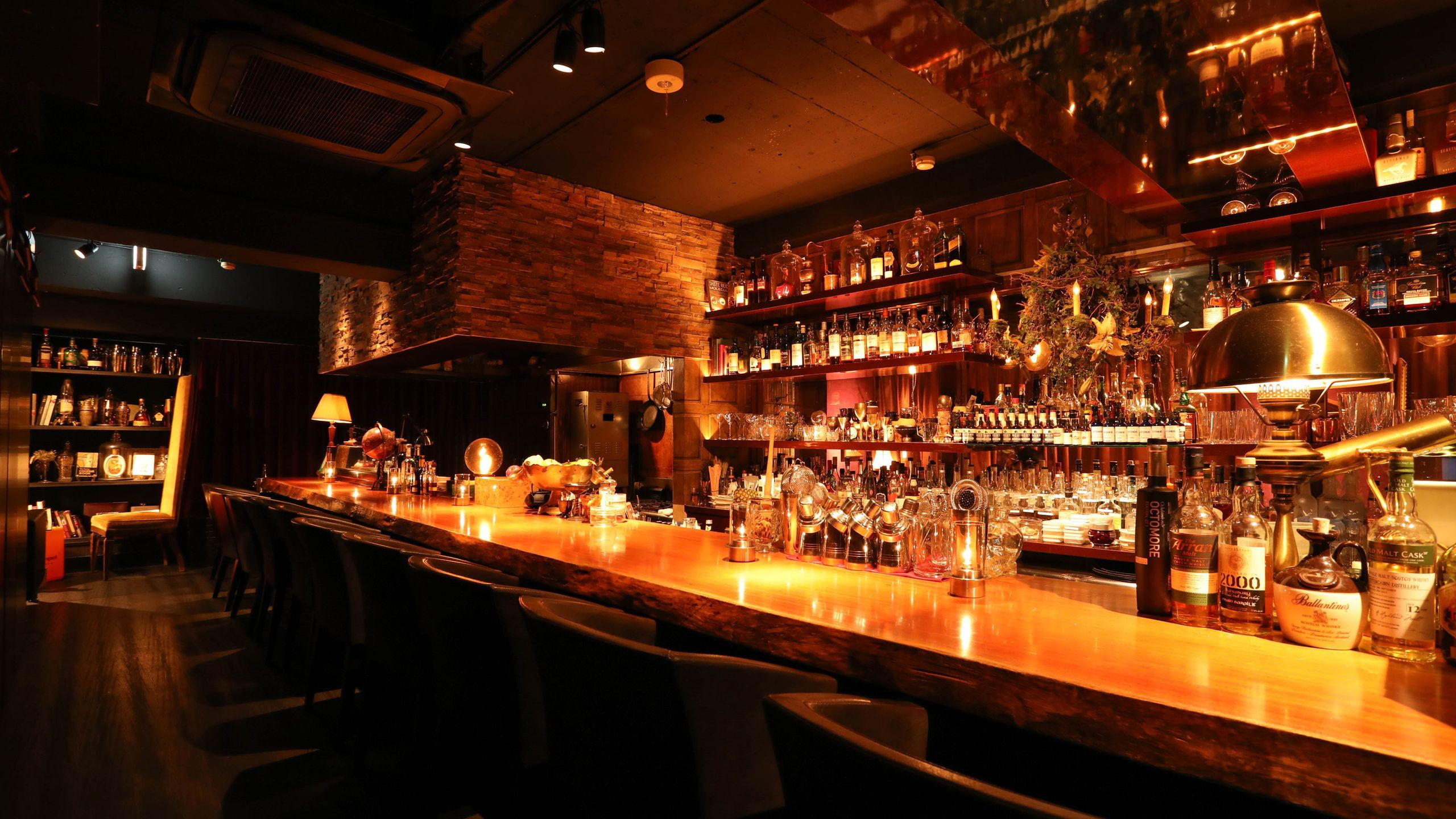
Bustling counter-only atmosphere with quick service and focus on fresh sushi preparation visible to standing diners.