
Tokyo’s ramen culture often treats speed and scarcity as part of the meal, and E-chan Shokudo fits that morning-counter grammar rather than the city’s polished celebration-dining script. Its Tabelog Ramen TOKYO “Tabelog 100” selections in 2024 and 2025 place it in a serious ramen conversation, especially for diners who see a milestone meal as a focused bowl rather than a long tasting menu.
Pearl is the En Primeur Club membership app — saves, bookings, and concierge access live there. Same editors, same standards.
- Address
- 東京都目黒区下目黒3-4-6 サンライズ目黒 1F
- Website
- tabelog.com
 Saves & bookings on Pearl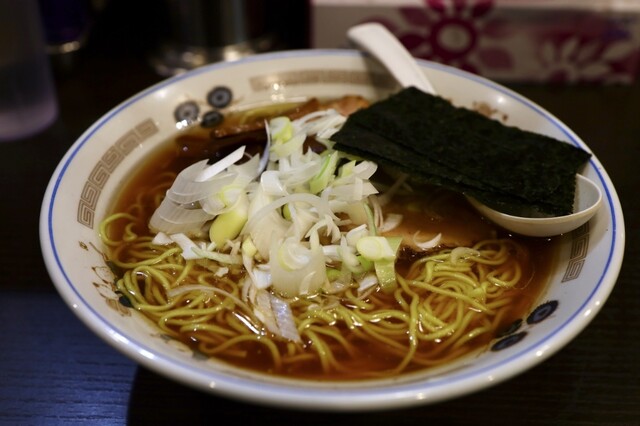
Approaching a small ramen counter in Shimomeguro differs from entering Ginza sushi or a hotel dining room. The signals are compressed: narrow room, counter seating, short service rhythm, and the expectation that the bowl, not ceremony, carries the meal. In Tokyo, that can mark a birthday, promotion, or first morning after landing more sharply than another long reservation with linen and stemware.
E-chan Shokudo belongs to Tokyo dining where scale is not a luxury cue. Six counter seats make it feel closer to a focused workshop than a social room. Ramen at this level is not casual because it is inexpensive; it is casual because Tokyo has refined high-attention cooking into formats that need no formal dining room. That distinction explains why a breakfast-hours ramen counter can share an itinerary with omakase, yakitori, and serious cocktail bars.
Morning ramen as milestone dining, Tokyo-style
Celebration dining in Tokyo does not always mean a tasting menu. The city makes everyday formats feel exacting: standing sushi, counter tempura, specialist curry, yakitori, kissaten sweets, and ramen shops where the room reveals little beyond discipline. E-chan Shokudo sits inside that tradition. The occasion is private, quick, and anchored by choosing a small counter meal over hotel breakfast.
The Tabelog Ramen TOKYO “Tabelog 100” selections in 2024 and 2025 give the address a useful external signal. Tabelog’s Hyakumeiten lists are not Michelin-style luxury awards; they are category-specific maps Japanese diners track closely. For ramen, that matters because the field is crowded, regional, and resistant to international shorthand. A 3.81 Tabelog score places the shop in a serious local tier without making it a white-tablecloth proposition.
That makes the room right for some occasions and wrong for others. It suits solo dining, two-person food-focused mornings, and travelers who know a memorable Tokyo meal may last under an hour. It is less suited to lingering conversation, multi-course pacing, or group celebrations where the table matters. For those, Tokyo has other formats: sushi at . 鮪と炭火焼き うお炭 秋葉原店, yakitori at 124. KAGURAZAKA (Yakitori), or a different city-night rhythm at 12/10 Shinjuku ten.
How the counter changes the value equation
Tokyo’s ramen hierarchy is democratic on price and severe on attention. A bowl can cost a fraction of a fine-dining lunch yet require planning, patience, and a willingness to follow the shop’s rhythm. E-chan Shokudo’s listed average price is JPY 1,000 to JPY 1,999, exactly why the category appeals to serious travelers: the tariff is low, but opportunity cost rises when seats are scarce and service windows narrow.
The six-seat counter changes the social contract. There is little room for indecision, phone-led dawdling, or treating the meal as backdrop. The format rewards diners who arrive ready to eat attentively, keep pace, and understand that intimacy here is functional, not theatrical. In Tokyo ramen, that is not austerity; it is category grammar.
Fudo-mae and Shimomeguro add another layer. This is not the obvious first stop for travelers orbiting Shinjuku, Shibuya, Ginza, or Roppongi, and that geography helps explain the appeal. Tokyo’s strongest casual meals often sit one or two transit decisions beyond overused visitor neighborhoods. Pairing a ramen morning here with a later move through Meguro, Ebisu, or the river-side pockets of Nakameguro gives the day a more local shape than stacking marquee dining rooms back to back.
For comparison within Tokyo’s range, 3 Chome no Curry Ya San shows the city’s specialist comfort-food side, while 2D Cafe works in a more visual, social register. Sushi Rinda, Savoy Pizza, リナシメント, hatsune, and the French restaurant named distinctive occupy other lanes in the same metropolitan dining conversation: Tokyo rewards narrow focus, but its form changes completely by genre.
Planning the meal without turning it into a campaign
The practical reading is simple: this is a small ramen counter, not a conventional special-occasion restaurant. Reservations are unavailable, payment is cash-led, and the room is built around counter seating rather than private dining. Those facts define the correct use case. Treat it as a precise morning plan, not a flexible fallback between museum stops.
The strongest itinerary fit is to let ramen anchor the first half of the day. Tokyo’s premium dining calendar pushes visitors toward dinner scarcity, but breakfast and early lunch can carry equal culinary weight when the format is this focused. That also protects the evening for other categories: a hotel bar from Our full Tokyo bars guide, a stay from Our full Tokyo hotels guide, or a broader restaurant plan through Our full Tokyo restaurants guide.
For Japan-wide food trips, the same logic applies beyond Tokyo. Specialist formats carry the day differently at -Grilled beef Sukiyaki- KAMAKURA TANUKIAN 鎌倉 たぬき庵 in Kamakura.cafe in Osaka.know in Kumamoto, (Shoku) Vietnam in Kawasaki, [Curry Senmon Ten] Maruyama Kyoju. in Sapporo, and [ki:] in Kyoto. Outside Japan, Jōdo Saké Bar in Los Angeles and Onigiri Time in Pasadena show how Japanese formats travel, though Tokyo’s counter culture remains its own standard.
The editorial case for the restaurant is not that it replaces a major dinner. It is that Tokyo’s serious dining culture is broad enough to make a six-seat ramen counter occasion-worthy when the occasion is focus, not ceremony. Use Our full Tokyo experiences guide and Our full Tokyo wineries guide for the rest of the day, but leave this meal uncluttered. The counter asks for attention, and that is the point.
Similar Picks
Comparable venues by price and recognition.
| Venue | Cuisine | Price | Notes |
|---|---|---|---|
| E-chan Shokudo | Early-morning Tokyo ramen counter | $ | Meguro |
| Naniwaya cafe | Traditional Japanese taiyaki & sweets café | $ | Minato |
| Maihama | Japanese Izakaya | $ | Minato |
| Kagaribi | Handmade Shoyu Ramen Counter | $ | Chūō |
| Sugamo Tokiwa Shokudo Honten | Japanese shokudo & teishoku diner | $ | Toshima |
| Tokutaro | Traditional Japanese sweets (wagashi) shop | $ | Taitō |
Recognition history
Dated appearances from independent guides and award organizations, with the underlying list record or original source where available.
Tabelog 100 #63 · No. 63
Tabelog · Tabelog 100 - Ramen - TOKYO - 2025













At a Glance
- Trendy
- Cozy
- Intimate
- Solo
- Casual Hangout
- Chefs Counter
- Standalone
- Street Scene
A small, minimalist counter-only ramen shop with an energetic but orderly atmosphere in the early morning, focused on the solo diner experience rather than lingering; bright, functional, and centered on watching the ramen master work.