
HIIKI belongs to Tokyo’s compact, counter-led ramen culture, where a short meal can carry the discipline of a tasting sequence without the ceremony of a tasting menu. In Kamata, its eight-seat counter, Tabelog Ramen TOKYO 100 selections, and modest price band put it in the serious everyday-rarity category rather than the luxury dining bracket.
Pearl is the En Primeur Club membership app — saves, bookings, and concierge access live there. Same editors, same standards.
- Address
- 5 Chome-2-5 Kamata, Ota City, Tokyo 144-0052, Japan
- Website
- hiiki.co.jp
 Saves & bookings on Pearl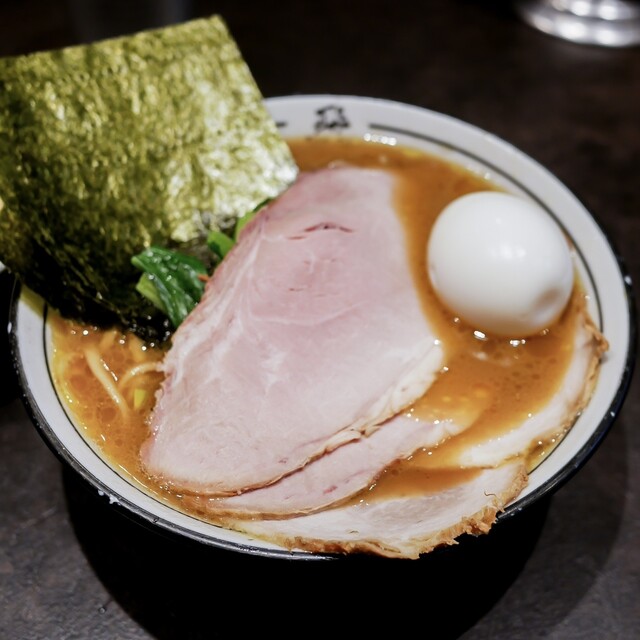
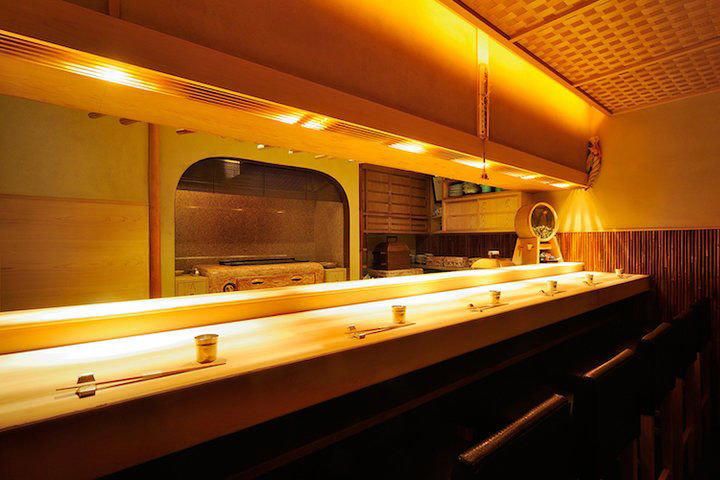
Kamata’s ramen rooms announce themselves differently from Ginza counters or hotel dining rooms. The scale is tighter, the rhythm faster, and the room often tells the diner what kind of meal is coming before the first bowl lands. At HIIKI, the signal is the counter: eight seats, no private-room buffer, no dining-room theatre. Tokyo ramen at this level is not casual because it is inexpensive; it is casual because the format refuses to waste time.
That distinction matters in a city where ramen has become both daily food and ranked obsession. Tokyo’s serious ramen scene rewards shops that can compress a meal into a clean progression: arrival, ordering, bowl, exit. HIIKI sits inside that discipline. Its Tabelog Ramen TOKYO 100 selections across 2019, 2020, 2021, 2023, 2024, and 2025 give it continuity in a category where attention moves quickly and where repeat recognition says more than a single spike of popularity.
A ramen counter where the sequence is the point
The tasting-progression lens usually belongs to kaiseki, sushi, or French dégustation, but ramen has its own compressed arc. The opening is visual and aromatic rather than verbal: bowl, broth, noodles, toppings, heat. The middle is about pacing, because ramen does not wait politely while conversation catches up. The finish is practical: the diner reads the remaining broth, the counter turns, the next guest takes the seat.
HIIKI’s eight-counter-seat format sharpens that arc. There is no lounge, no private space, and no distance from the work of service. In Tokyo ramen culture, that intimacy is not decorative. It is operational. The kitchen and counter form a single line of action, and the diner becomes part of the tempo. Compared with broader Kamata dining options such as Maruyama Shokudo or Grill Suzukou, which occupy the same approachable price tier, this is a more narrowly focused proposition: ramen as a short, concentrated sequence rather than a general neighborhood meal.
The price band also frames expectations. Tokyo has ramen shops that now operate like destination dining, with queues, ticket machines, and specialist followings, yet the category remains unusually democratic by international standards. HIIKI’s JPY 1,000 to JPY 1,999 range places it closer to everyday Tokyo eating than to expense-account gastronomy. The point is not luxury access. The point is precision at a scale where small deviations in broth temperature, noodle timing, and counter flow determine the whole experience.
Kamata gives the meal its edge
Kamata is useful context because it is not a polished dining district built for international itineraries. Ota City has commuter density, local drinking culture, and a food scene that rewards places able to serve regulars without softening their identity for visitors. A ramen counter here competes for repeat behavior, not just one-time attention. That pressure tends to produce sharper operations: limited seats, clear rhythm, and little patience for overexplaining the meal.
The 2023 renovation and reopening date gives HIIKI another useful marker. In Tokyo, a refreshed ramen shop is not automatically a reinvention; often it is a recalibration of flow, room, and production. The more telling continuity is recognition before and after that point. Selection for Tabelog Ramen TOKYO 100 in multiple years places the shop inside a citywide ramen conversation rather than only a local Kamata one.
For travelers mapping Tokyo through food, this is the kind of address that sits between categories. It is not a long-form destination dinner, and it is not a throwaway lunch between museums. It works as a focused ramen stop in a neighborhood with its own gravity. Readers building a broader Tokyo itinerary can cross-reference Our full Tokyo restaurants guide, then balance the day with Our full Tokyo bars guide, Our full Tokyo hotels guide, Our full Tokyo experiences guide, or Our full Tokyo wineries guide where the trip needs a different register.
How it fits among Tokyo's compact meals
Tokyo’s lower-priced specialist restaurants often ask for a different kind of attention than prestige dining. The room is smaller, the decision tree is shorter, and the meal’s value depends on execution rather than abundance. That is why a counter like this can sit in the same city guide universe as unrelated formats, from 124. KAGURAZAKA (Yakitori) to 3 Chome no Curry Ya San, without being judged by the same criteria. The question is not which meal is grander. The question is whether the format does exactly what it promises.
Kamata’s comparable neighborhood set makes the distinction clearer. Mi Rei occupies a higher spend bracket, while CIVITAS runs in a lighter café direction, and Tori Ki Kamata ten points toward yakitori rather than noodle specialization. HIIKI is narrower and more exacting: an eight-seat ramen counter with repeated citywide ramen recognition. That combination gives the meal its editorial case.
For readers tracing Tokyo through concise specialist formats, nearby and cross-city references help set expectations:. 鮪と炭火焼き うお炭 秋葉原店, 12/10 Shinjuku ten, and 2D Cafe each answer a different Tokyo appetite. Beyond the capital, the same planning logic extends to -Grilled beef Sukiyaki- KAMAKURA TANUKIAN 鎌倉 たぬき庵 in Kamakura.cafe in Osaka.know in Kumamoto, (Shoku) Vietnam in Kawasaki, [Curry Senmon Ten] Maruyama Kyoju. in Sapporo, [ki:] in Kyoto, Jōdo Saké Bar in Los Angeles, and Onigiri Time in Pasadena.
The practical read is simple without being simplistic. This is a compact Tokyo ramen meal with serious recognition, limited seating, non-smoking policy, and a payment setup that accepts major cards, transit IC, several electronic-money systems, and QR payments. Treat it as a focused stop rather than a lingering dinner. The reward is the compressed pleasure of a city that can make a counter meal feel as structured as a longer tasting format, provided the diner accepts ramen on ramen’s terms.
What It’s Closest To
Comparable venues at the same tier.
| Venue | Cuisine | Price | Notes |
|---|---|---|---|
| HIIKIThis venue — the venue you are viewing | Ramen shop specializing in shoyu tonkotsu | $ | Not listed |
| Kitchen Pan Chi | Japanese yoshoku (Western-style comfort food) | $ | Meguro |
| Torimeshi Torito Toyosu shijou | Chicken-focused Japanese casual dining | $ | Kōtō |
| Uoriki | Traditional Japanese fish set-meal diner (teishoku) | $ | Shibuya |
| Daitsune Udon Ginza honten | Japanese Udon and Tempura | $ | Chūō |
| Ten mame | Japanese Traditional Sweets | $ | Chūō |
Recognition history
Dated appearances from independent guides and award organizations, with the underlying list record or original source where available.
Tabelog 100 #59 · No. 59
Tabelog · Tabelog 100 - Ramen - TOKYO - 2025











At a Glance
- Cozy
- Intimate
- Lively
- Solo
- After Work
- Casual Hangout
- Late Night
- Chefs Counter
- Standalone
- Local Sourcing
Current opening hours
- Monday
- 11 AM–4 PM, 5–9 PM
- Tuesday
- 11 AM–4 PM, 5–9 PM
- Wednesday
- 11 AM–4 PM, 5–9 PM
- Thursday
- 11 AM–4 PM, 5–9 PM
- Friday
- 11 AM–4 PM, 5–9 PM
- Saturday
- 11 AM–8 PM
- Sunday
- 11 AM–8 PM
Hours can change for holidays and private events. Last verified .
A small, counter-only ramen shop with a warm, bustling feel where guests sit shoulder-to-shoulder at the counter, watching bowls of steaming, aromatic ramen being prepared in a direct, no-frills space focused entirely on the food.