On the Appia edge of Rome's residential south, Trattoria L'avvolgibile represents the kind of neighbourhood trattoria that the centre of the city increasingly struggles to sustain: unhurried, rooted in Roman tradition, and priced for regulars rather than tourists. The address on Circonvallazione Appia places it well outside the historic core, which is precisely the point.
Pearl is the En Primeur Club membership app — saves, bookings, and concierge access live there. Same editors, same standards.
- Address
- Circonvallazione Appia, 56, 00179 Roma RM, Italy
- Phone
- +39650695104
- Directions
- Get directions
 Saves & bookings on Pearl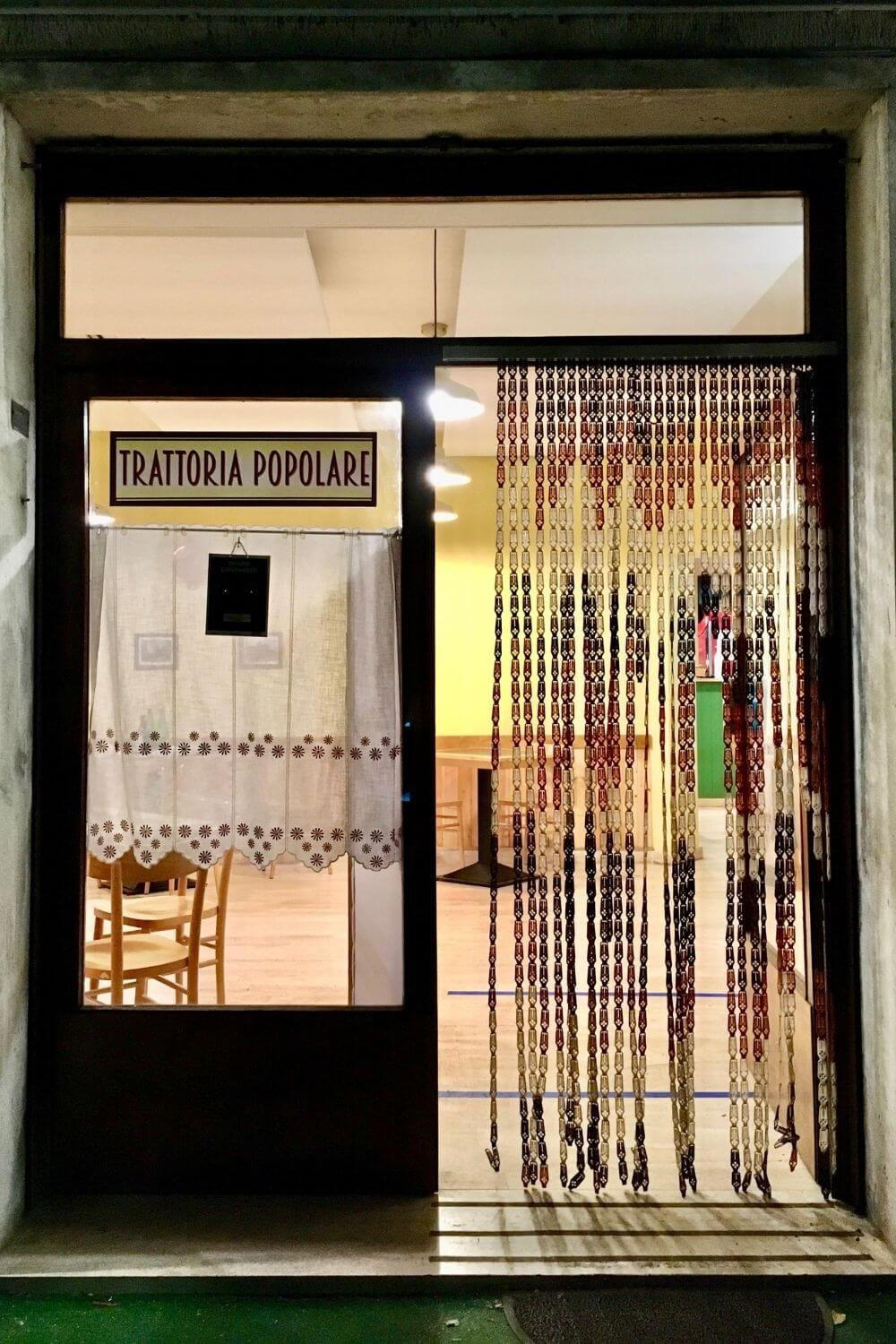
South of the Centre, Inside the Tradition
Rome's trattoria culture has always been a tale of two cities. Inside the Aurelian Walls, the format has spent two decades absorbing tourist pressure: menus stretch to accommodate every preference, prices detach from local logic, and the neighbourhood regulars who once defined the room have quietly moved on. South of the historic core, along the Appia arc, a different rhythm persists. The streets around Circonvallazione Appia are residential in the least performative sense, and the trattorias that survive there do so by serving people who live nearby and return weekly. Trattoria L'avvolgibile sits in that category, operating at an address that requires intention to reach and rewards that intention accordingly.
The Appia Setting: What the Address Signals
Approaching from the north, Circonvallazione Appia functions as one of Rome's quieter orbital roads, connecting the Appian Way's archaeological corridor with the residential quartieri that spread south toward the GRA. The built environment here is mid-century Roman: low-rise apartment blocks, neighbourhood bars that open early and close late, and a pedestrian pace that has little to do with the tourist circuits near the Colosseum or Trastevere. A trattoria that has chosen this address, rather than a more commercially obvious location, is making a statement about its intended clientele. It is not optimising for walk-in covers or proximity to hotel clusters; it is positioning itself as a fixture of a specific neighbourhood, with all the accountability that entails. Regulars in residential Roman dining rooms are a demanding audience: they remember what a dish cost last year, they notice when a sauce changes, and they do not return if the quality drifts.
This dynamic is worth understanding before booking. The trattorias that endure in Rome's outer quartieri tend to have more consistent kitchens than those in the centro storico, precisely because their customer base holds them to a longer memory. That consistency is the main argument for making the trip south.
Team Dynamic and the Trattoria Floor
Italian trattoria service has its own collaborative logic that differs sharply from the formalised brigade model of rooms like Acquolina or Achilli al Parlamento. In a neighbourhood trattoria, the distinction between kitchen and floor is often permeable. The person who pours your wine may also know which pasta is moving fastest that day, not because they have been briefed by a sommelier, but because the room is small enough that information travels without hierarchy. This kind of informal coordination is not less professional than the formal version; it is differently professional, calibrated to a setting where the transaction between kitchen and table is direct and personal.
The wine decisions in a neighbourhood trattoria of this type are typically regional and practical. Roman dining rooms in the Appia quarter tend to pour from Lazio producers, with Frascati, Cesanese, and lighter central Italian reds anchoring the list. The logic is the same as the food logic: proximity, value, and fit. A Cesanese alongside braised oxtail or a chilled Frascati with cacio e pepe is not a compromise; it is the pairing that the cuisine was built around. This is the opposite end of the spectrum from the curated lists at Enoteca Pinchiorri in Florence or Osteria Francescana in Modena, but it operates according to its own coherent philosophy.
Roman Trattoria Food: The Reference Points
The Roman trattoria canon is one of Italy's most codified. Cacio e pepe, carbonara, amatriciana, coda alla vaccinara, trippa alla romana, abbacchio: these dishes have documented histories and, in the city's serious neighbourhood rooms, strict interpretations. The pressure to innovate that drives Italy's creative fine-dining tier, represented nationally by places like Le Calandre in Rubano, Piazza Duomo in Alba, or Reale in Castel di Sangro, is largely absent from the trattoria format. The standard here is fidelity, not novelty.
Within that fidelity, there is still meaningful variation. The difference between a carbonara made with guanciale rendered correctly and one that shortcuts to pancetta or, worse, cream, is not subtle. A neighbourhood trattoria that maintains the correct technique across years of service is doing something that requires daily discipline, even if it looks effortless on the plate. This is the craft that Italy's most attentive trattoria kitchens share with the broader tradition, from the country-cooking precision at rooms like Dal Pescatore in Runate to the coastal focus of Uliassi in Senigallia, even if the price points and contexts are entirely different.
The broader expectation, based on the trattoria category and the Appia neighbourhood context, is a menu anchored in Roman classics, with seasonal adjustments rather than conceptual reinvention.
Placing It in the Rome Dining Tier
Rome's restaurant market has separated into distinct tiers more sharply over the past decade. At the leading, a small cluster of fine-dining addresses competes on Michelin recognition and international reputation. Below that, a mid-tier of contemporary Italian rooms, including Acquolina and the creative formats at places like Achilli al Parlamento, operates on tasting menus and prix-fixe logic. The trattoria tier sits below both in price and formality, but it is not simply a lesser version of those categories. It is a different category, with different success criteria. A trattoria is not trying to earn stars; it is trying to fill the same tables with the same faces over years and decades. That is a harder kind of durability in some respects.
Trattoria L'avvolgibile's Circumvallazione Appia address places it in the residential south, away from the tourist-facing dining corridors. That geography is itself a competitive signal: the room is not sustained by first-time visitors and cannot be.
Know Before You Go
- Address: Circonvallazione Appia, 56, 00179 Roma RM, Italy
- Getting There: The address is on the Appia orbital route in Rome's residential south, outside the historic centre. Public transport or a taxi from central Rome is the practical approach; journey time from Termini or the centro storico is approximately 15 to 25 minutes depending on traffic.
- Booking: Booking is recommended.
- Price Tier: About $25 per person.
- Hours: Tue to Thu and Fri, 7 PM to 12 AM; Sat, 12:30 to 3 PM and 7 PM to 12 AM; Sun, 12:30 to 3 PM; Mon closed.
At a Glance
Comparable venues nearby, for context on price, style, and recognition.
| Venue | Cuisine | Price | Notes |
|---|---|---|---|
| Trattoria L'avvolgibileThis venue — the venue you are viewing | Not listed | $$ | Not listed |
| Ristorante da Mario | Sallustiano, Modern Roman Trattoria | $$ | Not listed |
| Bottega Ciccone | Trastevere, Traditional Roman Italian | $$ | Not listed |
| Fradiavolo Roma Trastevere | Not listed | $$ | Trastevere, Contemporary Multi-Dough Pizzeria |
| Enoteca Corsi | Pigna, Traditional Roman Trattoria | $$ | Not listed |
| Piazzetta | Colonna, Traditional Italian Trattoria | $$ | Not listed |
Continue exploring
More in Rome
Restaurants in Rome
Browse all →
Bars in Rome
Browse all →
Hotels in Rome
Browse all →

At a Glance
- Retro
- Rustic
- Classic
- Cozy
- Casual Hangout
- Family
- Open Kitchen
- Historic Building
Current opening hours
- Monday
- Closed
- Tuesday
- 7 PM–12 AM
- Wednesday
- 7 PM–12 AM
- Thursday
- 7 PM–12 AM
- Friday
- 7 PM–12 AM
- Saturday
- 12:30–3 PM, 7 PM–12 AM
- Sunday
- 12:30–3 PM
Hours can change for holidays and private events. Last verified .
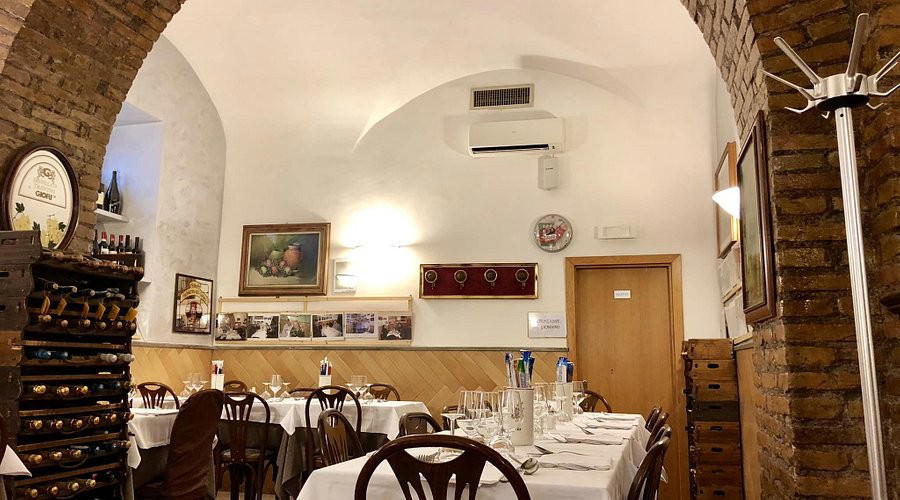
Warm, welcoming retro atmosphere evoking 1970s Italy with visible open kitchen.