On a narrow street between the Pantheon and Campo de' Fiori, Enoteca Corsi occupies a particular position in Rome's dining order: the kind of place regulars treat as a canteen and first-timers stumble into by accident. The daily menu runs to Roman classics executed without revision, poured alongside a wine list that rewards the curious. It is the antithesis of the tourist-facing trattoria.
Pearl is the En Primeur Club membership app — saves, bookings, and concierge access live there. Same editors, same standards.
- Address
- Via del Gesù, 87/88, 00186 Roma RM, Italy
- Phone
- +39 06 679 0821
- Website
- enotecacorsi.com
- Directions
- Get directions
 Saves & bookings on Pearl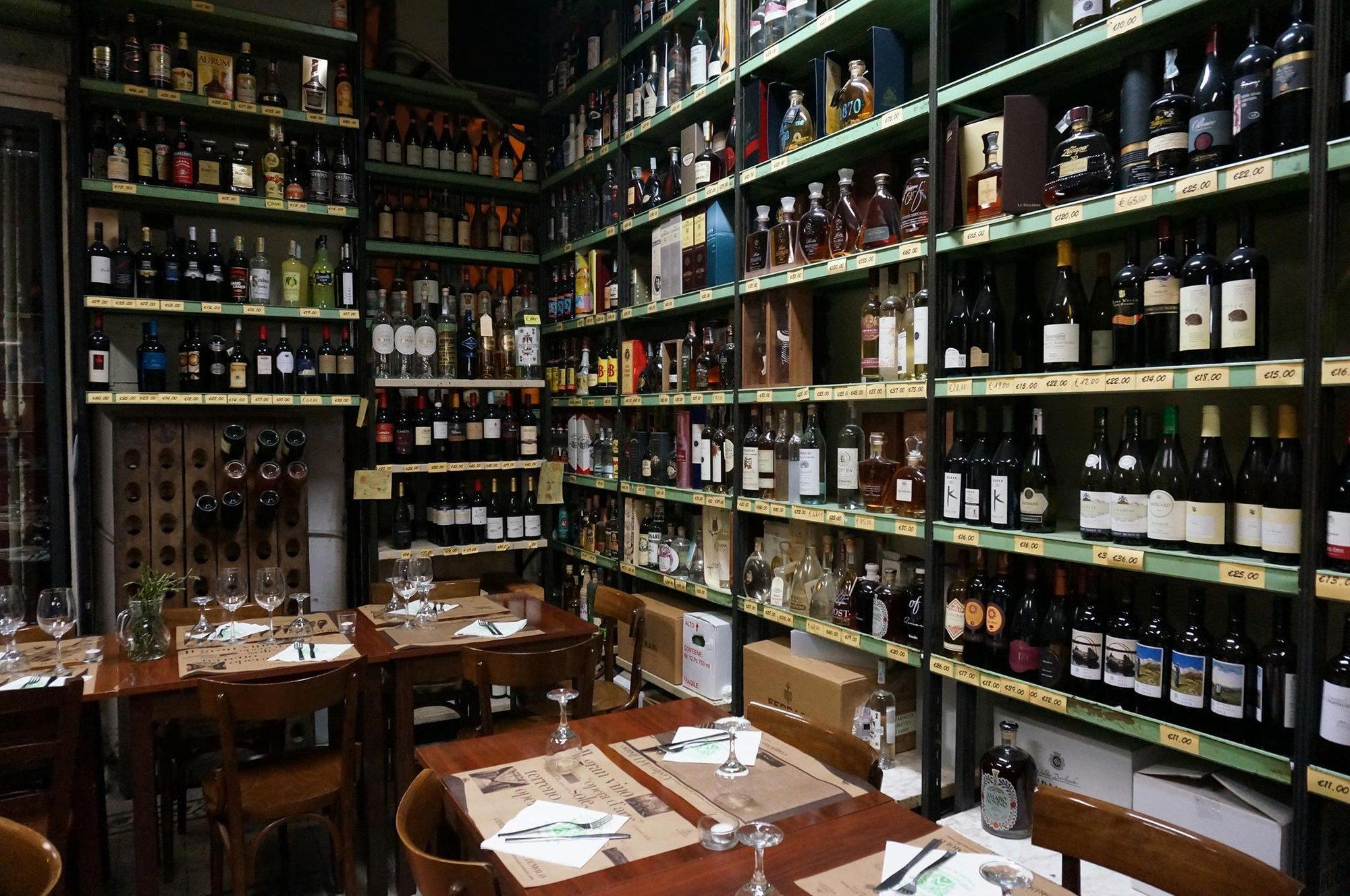
What the Regulars Already Know
There is a category of Roman restaurant that appears in no press release and requires no introduction to the people who matter most to it: the neighbourhood regulars who return not for novelty but for constancy. Enoteca Corsi, on Via del Gesù in the historic centre, sits firmly in that category. The address places it within walking distance of the Pantheon and the Campo de' Fiori, yet the dining room operates on rhythms set by its repeat clientele rather than by tourist foot traffic. That is the first thing worth understanding before you arrive.
The format is old Roman: a wine shop that became a lunch address, the kind of hybrid that was once common across the centro storico and is now increasingly rare as real estate pressure and the economics of tourism push operators toward longer hours, broader menus, and higher margins. At Enoteca Corsi, the daily menu is short, changes with what is available and seasonal, and does not attempt to be comprehensive. This is the logic of the cucina romana at its most disciplined: cook what you know, cook it today, serve it at lunch, and close when it is gone.
The Unwritten Menu and the People Who Order From It
For the regulars, the real menu at a place like this is rarely the one written on the chalkboard. It is the accumulated knowledge of which days certain dishes appear, which dishes are worth ordering against alternatives, and when the kitchen is at its leading. In Rome's trattoria and enoteca circuit, this knowledge transfers between regulars like a shared language. It is the mechanism by which places like Corsi maintain a loyal clientele across decades while never running a marketing campaign.
Roman cucina has a set of reference points that recur across the city's working lunch addresses: pasta e cacio e pepe, rigatoni all'amatriciana, coda alla vaccinara, abbacchio. These are not dishes that reward reinvention. The version of this tradition that has survived longest in Rome is the one that resists it. Enoteca Corsi belongs to that lineage. Where Rome's fine-dining tier, represented by addresses like La Pergola or the creative menus at Acquolina and Il Pagliaccio, operates at significant remove from tradition, Corsi operates closer to its source material.
The wine operation is not incidental. Enoteca Corsi began as a wine shop and the selection retains that seriousness. Italian regions are represented with depth, and the pricing at the counter remains closer to retail than to restaurant convention. For regulars, this means drinking well at lunch without the arithmetic that accompanies a meal at, say, Enoteca La Torre or Achilli al Parlamento, both of which occupy the upper tier of Rome's wine-focused dining.
Where It Sits in Rome's Eating Order
Rome's restaurant offer has fragmented over the past decade into increasingly distinct tiers. At one end, Michelin-starred addresses compete with each other on tasting menu format and creative ambition, drawing from a national and international pool of diners. Venues like Enoteca Pinchiorri in Florence or Osteria Francescana in Modena represent the apex of that Italian fine-dining tradition. At the other end, tourist-facing trattorias operate on volume and low price points.
The restaurant occupies neither position. It is closer in spirit to the working lunch addresses that sustained Rome's professional class through the twentieth century: places where a meal cost less than dinner but was taken no less seriously, where the wine was chosen with attention and the pasta was made to a standard that required no explanation. This format has become harder to sustain economically, which is part of what makes its continued operation significant. Across Italy, the trattoria model that produced places like Dal Pescatore in Runate and Quattro Passi in Marina del Cantone is under pressure from the same forces that have driven prices up and formats toward spectacle.
What positions Corsi specifically is the density of its neighbourhood. Via del Gesù sits in a zone where government offices, legal chambers, and university departments generate a stable lunch demand from professionals who eat here regularly enough to know the rhythm of the weekly menu. That captive, returning audience is what allows the format to work. The tourists who wander in add volume but do not define the room.
How to Approach a Visit
The restaurant is a lunch operation, and the planning logic follows from that. The historic centre becomes congested by midday, and the restaurant draws both regulars and walk-ins, so arriving early in the service gives the clearest picture of what the kitchen has prepared that day. The menu will be short. The right response is to ask what is available, order the pasta, and make a decision on the wine based on what the day calls for rather than what you planned to drink before you arrived. The wine is priced to encourage this kind of decision.
The address is accessible on foot from the Pantheon in under five minutes. The format is walk-in, consistent with how places in this category have long operated in Rome. For comparison, the reservation systems and multi-month lead times required at addresses like Reale in Castel di Sangro or Uliassi in Senigallia represent a different relationship between diner and kitchen entirely.
For visitors building a broader picture of Italy's serious dining, Corsi functions as a reference point for what the country's daily eating culture looks like at its most durable, set against the more architecturally ambitious kitchens of Piazza Duomo in Alba, Le Calandre in Rubano, or Atelier Moessmer in Brunico. It also sits at some distance from the international fine-dining circuit represented by Le Bernardin in New York or Lazy Bear in San Francisco. The distance is the point.
Corsi remains a useful reference point for Rome's serious middle ground. Corsi is worth understanding as a reference point for what Rome's serious middle ground looks like when it is working correctly, and for what is increasingly difficult to replicate as the city's hospitality economics shift further toward the high end and the high volume. The regulars know this. That is why they keep returning.
Cuisine-First Comparison
Comparable venues nearby, for context on price, style, and recognition.
| Venue | Cuisine | Price | Notes |
|---|---|---|---|
| Enoteca CorsiThis venue — the venue you are viewing | Traditional Roman Trattoria | $$ | Not listed |
| Trattoria Morgana | Traditional Roman Trattoria | $$ | Monti |
| Trecca | Traditional Roman Trattoria | $$ | Ostiense |
| Malaterra | Neapolitan Pizza | $$ | Nomentano |
| Arso Trattoria Moderna | Traditional Roman Trattoria | $$ | .null |
| Fradiavolo Roma Trastevere | Contemporary Multi-Dough Pizzeria | $$ | Trastevere |
Continue exploring
More in Rome
Restaurants in Rome
Browse all →
Bars in Rome
Browse all →
Hotels in Rome
Browse all →

At a Glance
- Classic
- Rustic
- Cozy
- Casual Hangout
- Historic Building
- Wine Cellar
- Extensive Wine List
Current opening hours
- Monday
- 12–3:30 PM, 7:30–10:30 PM
- Tuesday
- 12–3:30 PM, 7:30–10:30 PM
- Wednesday
- 12–3:30 PM, 7:30–10:30 PM
- Thursday
- 12–3:30 PM, 7:30–10:30 PM
- Friday
- 12–3:30 PM, 7:30–10:30 PM
- Saturday
- 12–3:30 PM
- Sunday
- Closed
Hours can change for holidays and private events. Last verified .
Old-fashioned, utterly genuine atmosphere with large fan-cooled rooms, long communal tables, and a focus on food and wine rather than decor.