Bottega Ciccone sits in Rome's Trastevere quarter on Via di San Francesco a Ripa, a street that maps the neighbourhood's shift from working-class trattoria territory toward a more considered approach to Roman ingredients. Where Trastevere's dining scene has long traded on nostalgia, this address positions itself within a smaller cohort interested in what local produce can carry when handled with greater technical precision.
Pearl is the En Primeur Club membership app — saves, bookings, and concierge access live there. Same editors, same standards.
- Address
- Via di S. Francesco a Ripa, 95, 00153 Roma RM, Italy
- Phone
- +39687762265
- Website
- opentable.com
- Directions
- Get directions
 Saves & bookings on Pearl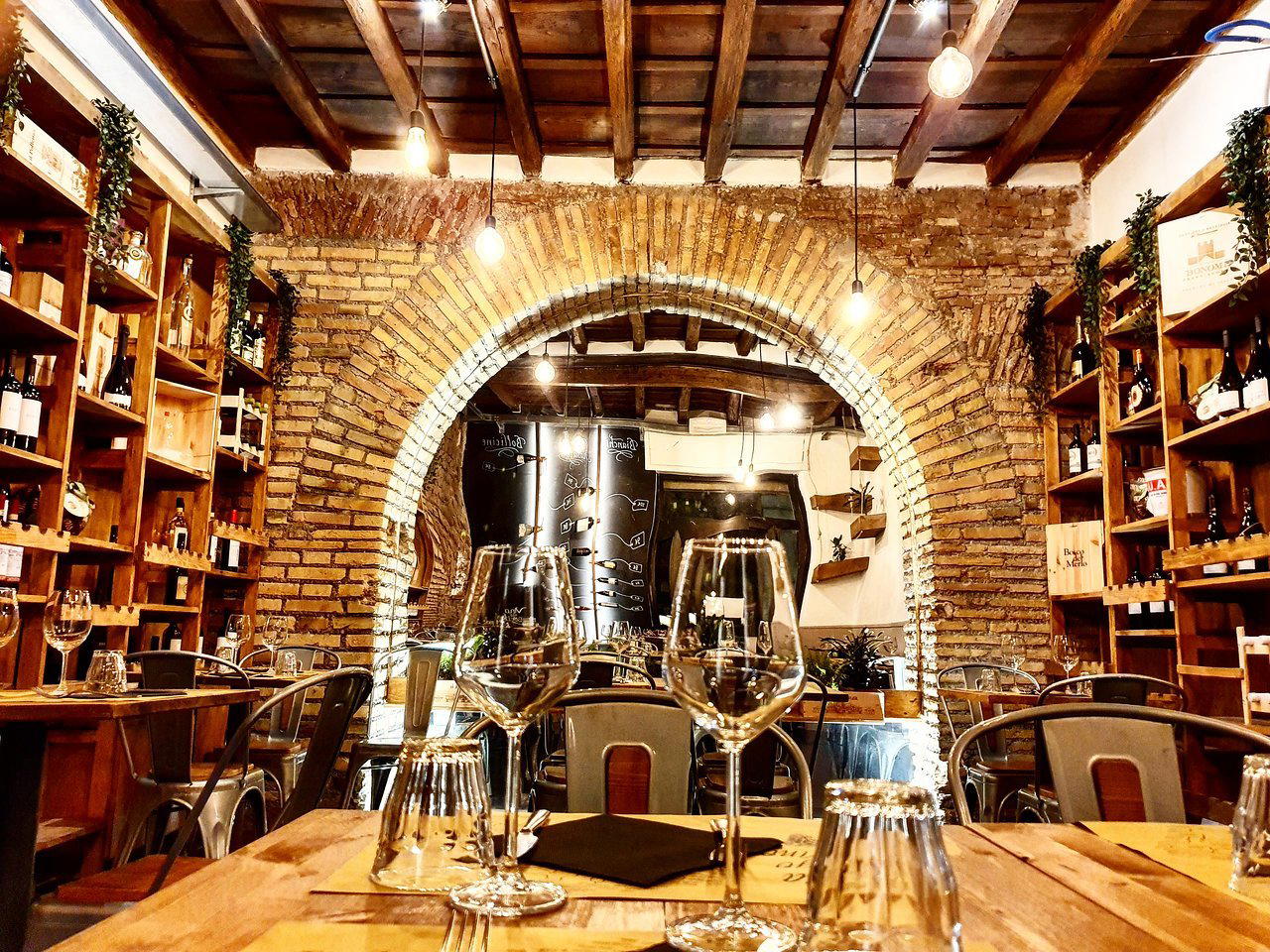
Trastevere and the Question of What Roman Cooking Can Be
Via di San Francesco a Ripa runs through the lower spine of Trastevere, a neighbourhood whose dining identity has been contested for at least two decades. The old argument was direct: Trastevere did Roman classics, tourists arrived, prices climbed, and locals retreated. The newer argument is more interesting. A cohort of addresses on and around this street has been working through a different question, not whether Roman cuisine can be replicated cheaply or expensively, but whether its foundational ingredients hold up under more deliberate technical treatment. Bottega Ciccone at number 95 is one of the addresses where that question is being worked out.
The street itself is worth reading before you enter. The neighbourhood around it still carries the physical grammar of old Trastevere: narrow facades, ochre plaster, the particular compressed scale that makes Rome feel like it is constructed at three-quarter size. Dining here sits in that compression. Rooms tend to be small, service tends to be close, and the ambient noise of the neighbourhood moves through whatever gaps the architecture allows. These are not conditions that suit every kitchen's ambitions, but they do concentrate attention.
Where Local Ingredients Meet Applied Technique
The intersection of indigenous Roman ingredients and externally absorbed technique is one of the more productive tensions in contemporary Italian cooking. Rome's larder is specific and, at its core, resistant to elaboration: cacio e pepe works because the ratio of starch water, fat, and dried pepper is precise; coda alla vaccinara is a long-cooked braise that punishes impatience; artichokes from the Lazio countryside carry enough character to require almost nothing added. What kitchens that have absorbed broader European or international training bring to this material is not necessarily improvement, it is a different set of questions about temperature, texture, sourcing specificity, and presentation grammar.
This kind of approach is not exclusive to Rome. Across Italy, addresses like Reale in Castel di Sangro have built reputations precisely on the friction between regional ingredient identity and high-modernist kitchen methodology. On the coast, Uliassi in Senigallia operates in a similar register with Adriatic seafood. In the north, Piazza Duomo in Alba has made Piedmontese terroir the structural premise of a tasting menu that reads internationally. What distinguishes the Roman version of this exercise is the weight of the city's culinary conservatism pressing against it.
The Trastevere Dining Tier
Trastevere does not sit at the summit of Rome's formal dining hierarchy. That bracket is occupied by addresses like La Pergola, Rome's most decorated restaurant, which operates from the Monte Mario hillside at a remove from the city's street-level dining culture. Closer to the centre, Il Pagliaccio and Enoteca La Torre represent the contemporary-Italian creative tier in more formal room settings. Acquolina has built a specific reputation around seafood with creative technique. Achilli al Parlamento operates with a different emphasis on wine depth and ingredient restraint.
Bottega Ciccone operates below that bracket in price register and format, which is not a criticism, it describes a different kind of ambition. The neighbourhood positioning means that the dining proposition is less insulated from casual foot traffic than a room in Parioli or the historic centre, and that produces a different atmosphere. Trastevere evenings at this end of Via di San Francesco a Ripa move at a pace set partly by the street outside: there is energy that comes through, and the room absorbs it rather than filtering it out.
How Rome Sits in the Broader Italian Conversation
Rome's position in the Italian fine-dining conversation is complicated by the city's scale and its tourist load. Milan, through addresses like Enrico Bartolini, has developed a denser concentration of contemporary-Italian creative kitchens relative to its size. Modena's Osteria Francescana operates at a tier of international recognition that reframes what Italian cooking can mean globally. Florence's Enoteca Pinchiorri has built a decades-long argument about wine and food as equal partners in a fine-dining proposition. Rome, by contrast, remains a city where the canonical dishes carry enormous cultural authority, and where departures from them require clear justification.
That justification, when it comes from ingredient quality and applied technique rather than from novelty for its own sake, tends to find an audience. The growth of a Trastevere dining cohort interested in this approach reflects a broader shift: Roman diners with the appetite for something beyond the trattoria canon, and international visitors who have read enough about Italian regional cooking to understand what the local ingredients are capable of.
For reference points outside Italy, the question of how deeply local ingredients can be pushed by applied technique is one that Le Bernardin in New York City has answered definitively for seafood, and that Lazy Bear in San Francisco approaches from a communal-format angle. In the Alpine Italian context, Atelier Moessmer Norbert Niederkofler in Brunico has made the ingredient-first argument at its most rigorous. Closer to Lazio, Dal Pescatore in Runate and Quattro Passi in Marina del Cantone illustrate how different regional Italian larders sustain the same kind of dedicated kitchen attention over decades. Le Calandre in Rubano has made a parallel argument in the Veneto.
Planning a Visit
Bottega Ciccone sits at Via di San Francesco a Ripa, 95, in Trastevere, reachable by tram from Largo di Torre Argentina or on foot from Campo de' Fiori across the Tiber in around fifteen minutes. Trastevere evenings fill quickly from Thursday through Saturday, and the neighbourhood's more considered dining addresses tend to book ahead over weekends. Visiting on a Tuesday or Wednesday evening allows a more relaxed experience of the room and, typically, more engaged service at quieter tables. Current booking method, hours, and pricing are best confirmed directly.
The Minimal Set
Comparable venues nearby, for context on price, style, and recognition.
| Venue | Cuisine | Price | Notes |
|---|---|---|---|
| Bottega CicconeThis venue — the venue you are viewing | Trastevere, Traditional Roman Italian | $$ | Not listed |
| Arso Trattoria Moderna | Not listed | $$ | .null, Traditional Roman Trattoria |
| Ristorante Pancrazio | Parione, Traditional Roman Trattoria | $$ | Not listed |
| Trattoria da Lucia | Trastevere, Traditional Roman Trattoria | $$ | Not listed |
| Piatto Romano | Testaccio, Authentic Roman Trattoria | $$ | Not listed |
| Il Goccetto | Ponte, Roman Wine Bar Small Plates | $$ | Not listed |
Continue exploring
More in Rome
Restaurants in Rome
Browse all →
Bars in Rome
Browse all →
Hotels in Rome
Browse all →

At a Glance
- Cozy
- Classic
- Casual Hangout
- Open Kitchen
Current opening hours
- Monday
- 7 AM–12 AM
- Tuesday
- 7 AM–12 AM
- Wednesday
- 7 AM–12 AM
- Thursday
- 7 AM–12 AM
- Friday
- 7 AM–12 AM
- Saturday
- 7 AM–12 AM
- Sunday
- 12–4 PM
Hours can change for holidays and private events. Last verified .
Cozy and welcoming with open kitchen providing a lively yet intimate atmosphere.