On Via Silvio Spaventa near the Termini district, Ristorante da Mario represents the kind of Roman trattoria that the city's dining culture was built on: neighbourhood-rooted, ingredient-led, and resistant to the reformatting pressures that have reshaped much of central Rome's restaurant scene. For travellers calibrating between the capital's tasting-menu circuit and its more grounded everyday cooking, Da Mario occupies a position worth understanding before you book.
Pearl is the En Primeur Club membership app — saves, bookings, and concierge access live there. Same editors, same standards.
- Address
- Via Silvio Spaventa, 19, 00187 Roma RM, Italy
- Phone
- +393964885042
- Website
- damarioristorante.it
- Directions
- Get directions
 Saves & bookings on Pearl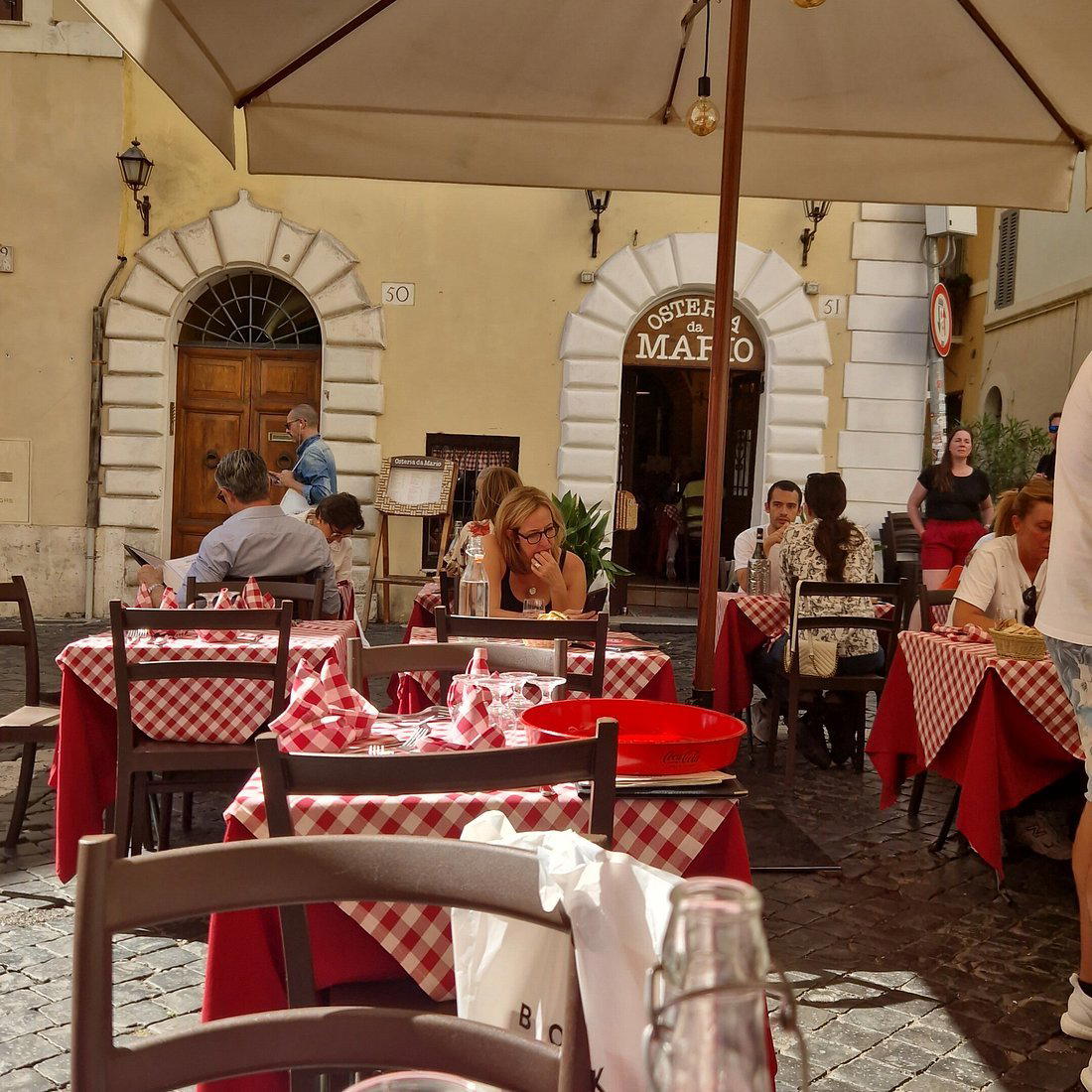
The Roman Trattoria in Its Natural State
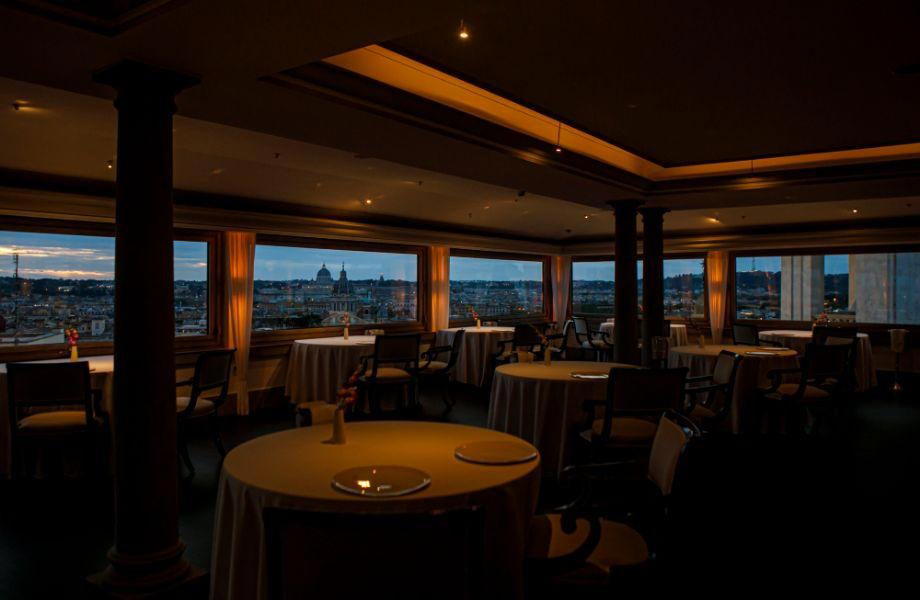
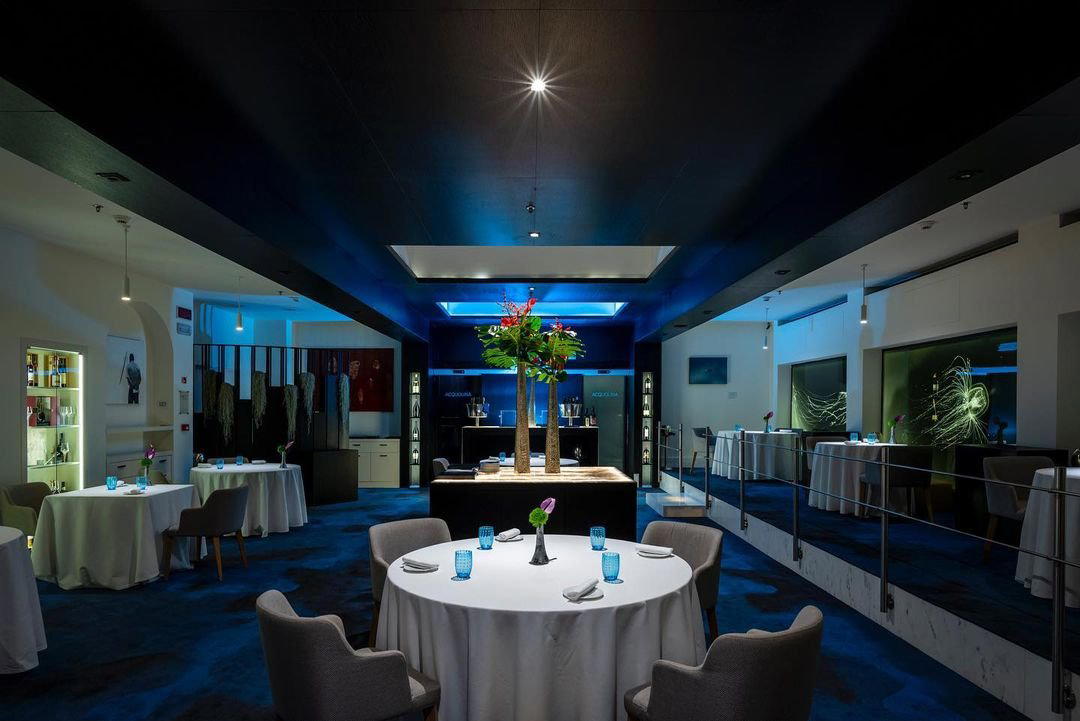
Rome's restaurant scene has always operated on a dual track. On one side sit the tasting-menu addresses, the creative Italian kitchens, and the starred rooms that compete for the same international traveller: places like La Pergola, Il Pagliaccio, and Acquolina. On the other sit the trattorias, the osterie, and the neighbourhood lunch rooms that have been feeding Romans since long before the critics arrived. Ristorante da Mario is a modern Roman trattoria on Via Silvio Spaventa in Rome.
The address places it close to Piazza della Repubblica and the Termini rail district, a part of central Rome that has long occupied an awkward middle ground: too central to be local, too removed from the tourist core of Trastevere or the Campo de' Fiori to attract the same foot traffic. Restaurants in this zone either serve transit crowds or develop a functional loyalty among the office workers, residents, and repeat visitors who know the area well. The ones that last tend to do so on cooking rather than location.
What Roman Cucina Popolare Actually Means
The cultural context matters here more than the venue specifics. Roman cooking is not a cuisine that rewards reinvention at every price point. Its canonical dishes, the cacio e pepe, the coda alla vaccinara, the supplì, the saltimbocca, draw their authority from precision and repetition, not from creativity. The leading versions are not necessarily especially expensive or especially elaborately conceived. They are the ones where the technique is clean, the ingredient sourcing is honest, and nothing interrupts the logic of the dish.
This is why the trattoria format has survived the modernisation of Rome's restaurant economy better than in almost any other major European capital. In Paris, the bistro has been largely gentrified or concept-washed. In London, neighbourhood cooking has been absorbed into a broader premium-casual framework. In Rome, the trattoria resists those forces with unusual stubbornness, partly because of local eating culture, partly because the cooking tradition is specific enough that imitations are quickly identified and rejected by the people who matter most: the Romans themselves.
Across Italy, a similar dynamic plays out at different registers. The cooking tradition defines the room, not the other way around. You see it in the restraint of Dal Pescatore in Runate, in the regional rigour of Uliassi in Senigallia, and in the way Reale in Castel di Sangro draws its identity from place before technique. At a different scale and price point, Da Mario operates on a version of the same principle.
Placing Da Mario in Rome's Dining Structure
Rome's starred and creative dining tier has expanded and sharpened over the past decade. Enoteca La Torre and Achilli al Parlamento represent the creative end of that spectrum, with structured menus and wine programs calibrated for a specific kind of diner. Ristorante da Mario operates in a structurally different category, one where the comparison set is other neighbourhood-grade trattorias rather than the city's tasting-menu circuit.
That distinction matters for managing expectations in both directions. Visitors arriving from a booking at Il Pagliaccio or expecting the technical ambition of Osteria Francescana in Modena or Piazza Duomo in Alba will find a different register entirely. But that same visitor, recalibrated, will find something that the high-end circuit cannot provide: the ordinary rhythm of Roman eating, done without performance.
The broader Italian fine-dining scene, from Le Calandre in Rubano to Enoteca Pinchiorri in Florence to Enrico Bartolini in Milan, has increasingly oriented itself toward international benchmarks, competing in a frame that includes rooms like Le Bernardin in New York City or Atomix in New York City. The trattoria tradition sits entirely outside that competition, which is both its limitation and its defining value.
Who This Works For
The question of fit is more important than the question of quality at this level of Roman dining. A neighbourhood trattoria near Termini serves a specific function within a trip to Rome, and that function is not interchangeable with what the creative or fine-dining rooms provide.
Travellers building an itinerary around Rome's dining range, combining a high-end experience at La Pergola with something that represents the city's everyday cooking culture, will find that Da Mario fits the latter slot without requiring the planning effort or expenditure of a tasting-menu booking. The neighbourhood setting, the Via Silvio Spaventa address, and the format all point toward a lunch or informal dinner context rather than a destination-dining occasion.
Within Italy, Quattro Passi in Marina del Cantone also illustrates how regional tradition and technical ambition can coexist at a different price register.
Know Before You Go
- Address: Via Silvio Spaventa, 19, 00187 Roma, Italy
- Area: Termini / Piazza della Repubblica district, central Rome
- Dress code: Roman trattorias at this level are typically casual; smart-casual is never out of place
Reputation Context
Comparable venues nearby, for context on price, style, and recognition.
| Venue | Cuisine | Price | Notes |
|---|---|---|---|
| Ristorante da MarioThis venue — the venue you are viewing | Modern Roman Trattoria | $$ | Not listed |
| Fradiavolo Roma Parioli | Contemporary Italian Pizzeria | $$ | Salario |
| Trattoria Monti | Le Marche Trattoria | $$ | Esquilino |
| Nino Restaurant | Traditional Tuscan-Roman | $$ | Campo Marzio |
| Malaterra | Neapolitan Pizza | $$ | Nomentano |
| Trecca | Traditional Roman Trattoria | $$ | Ostiense |

At a Glance
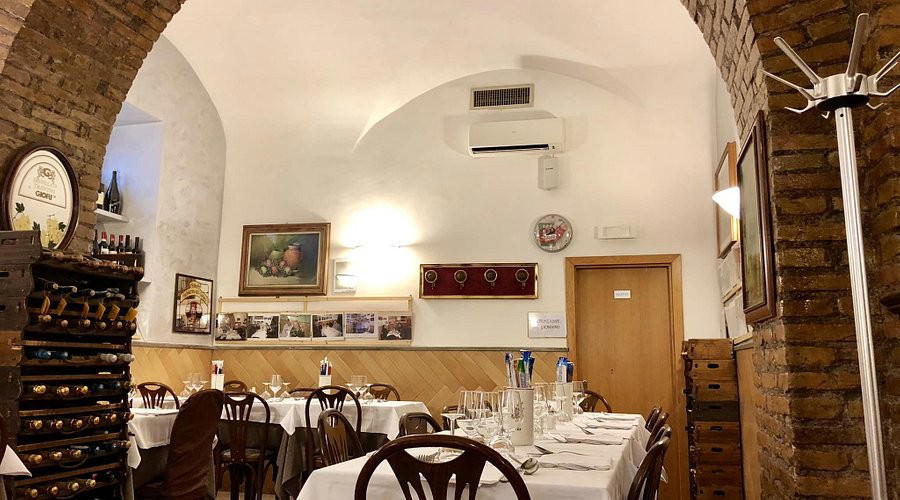
- Cozy
- Rustic
- Family
- Casual Hangout
- Historic Building
- Extensive Wine List
Current opening hours
- Monday
- 12–3 PM, 6–11:30 PM
- Tuesday
- 12–3 PM, 6–11:30 PM
- Wednesday
- 12–3 PM, 6–11:30 PM
- Thursday
- 12–3 PM, 6–11:30 PM
- Friday
- 12–3 PM, 6–11:30 PM
- Saturday
- 12–3 PM, 6–11:30 PM
- Sunday
- Closed
Hours can change for holidays and private events. Last verified .
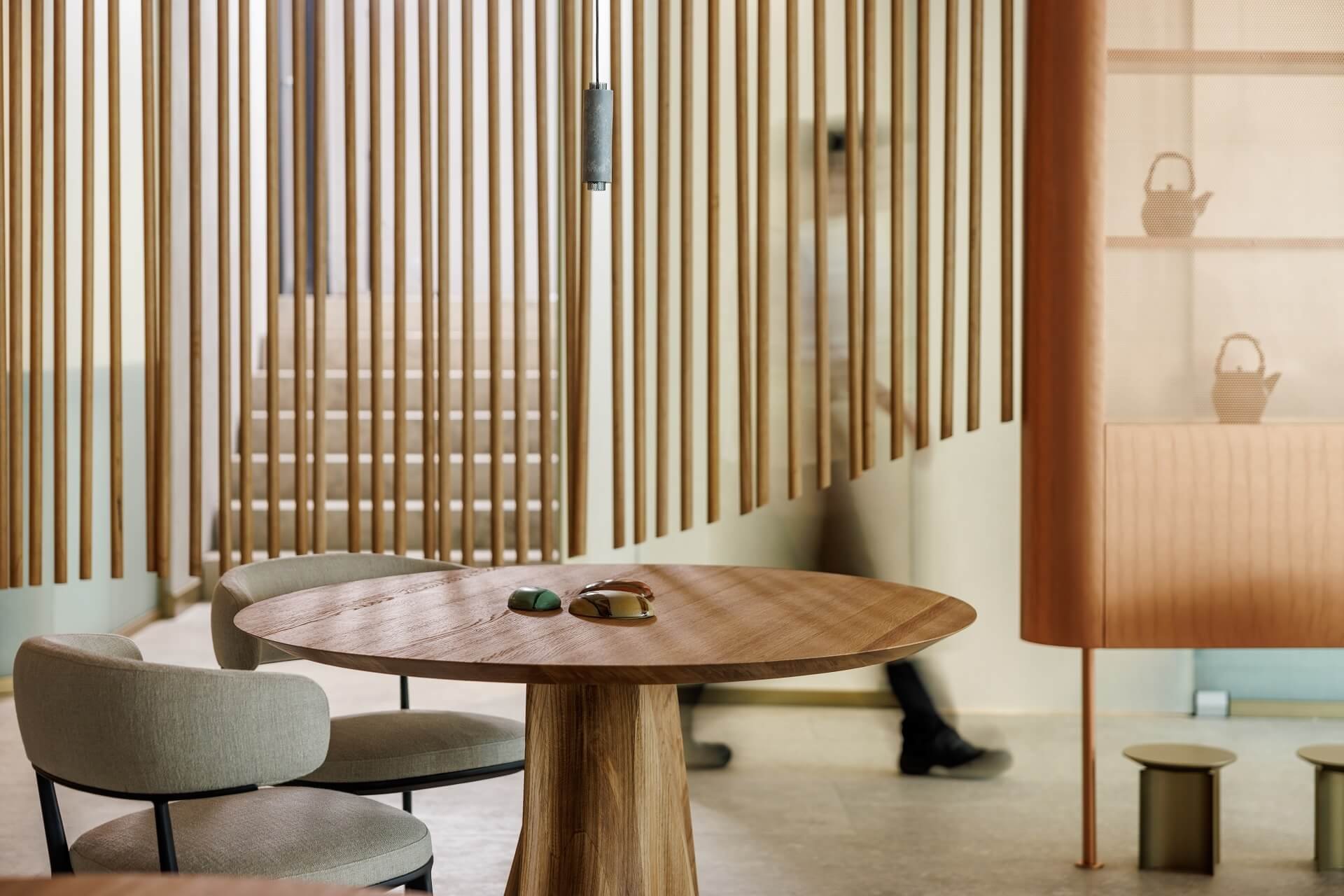
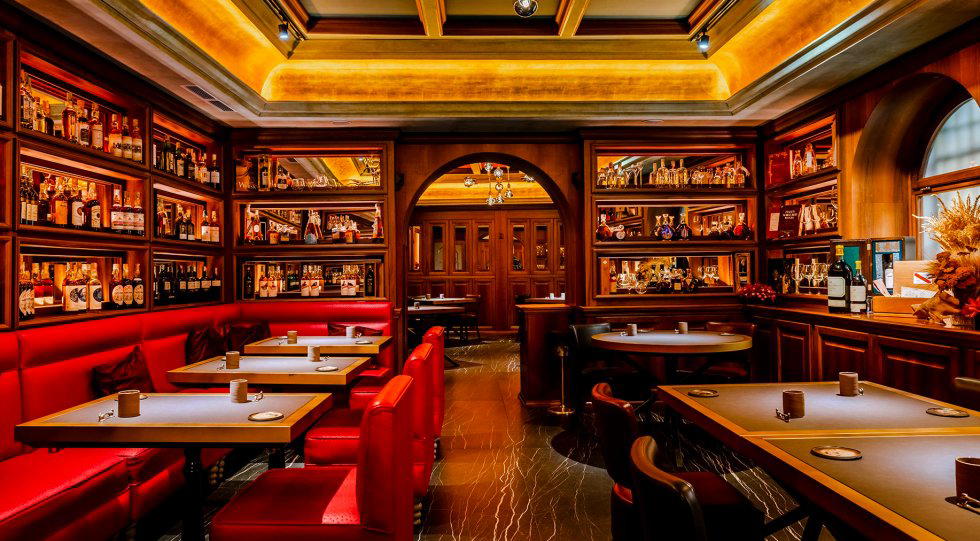
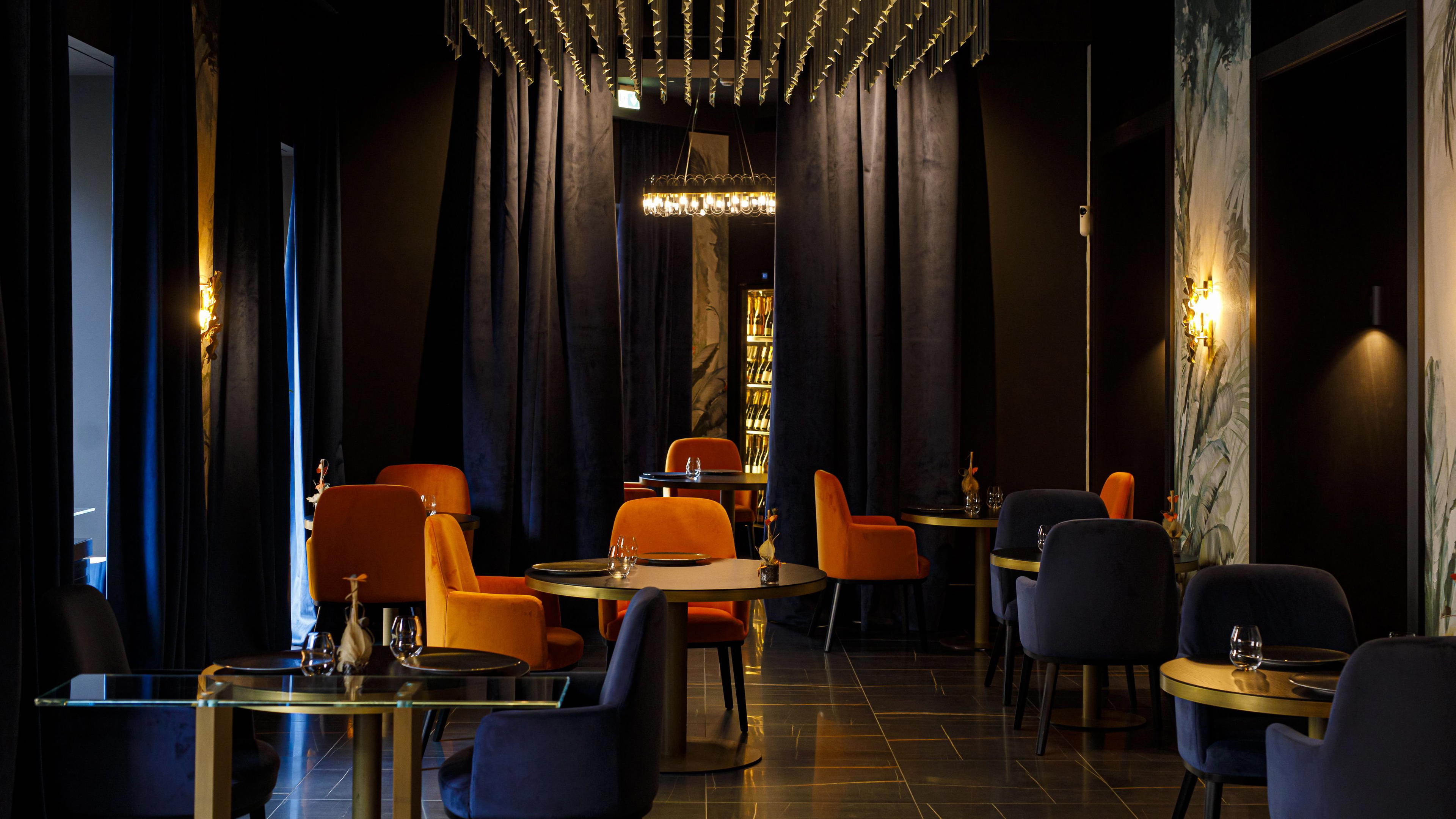
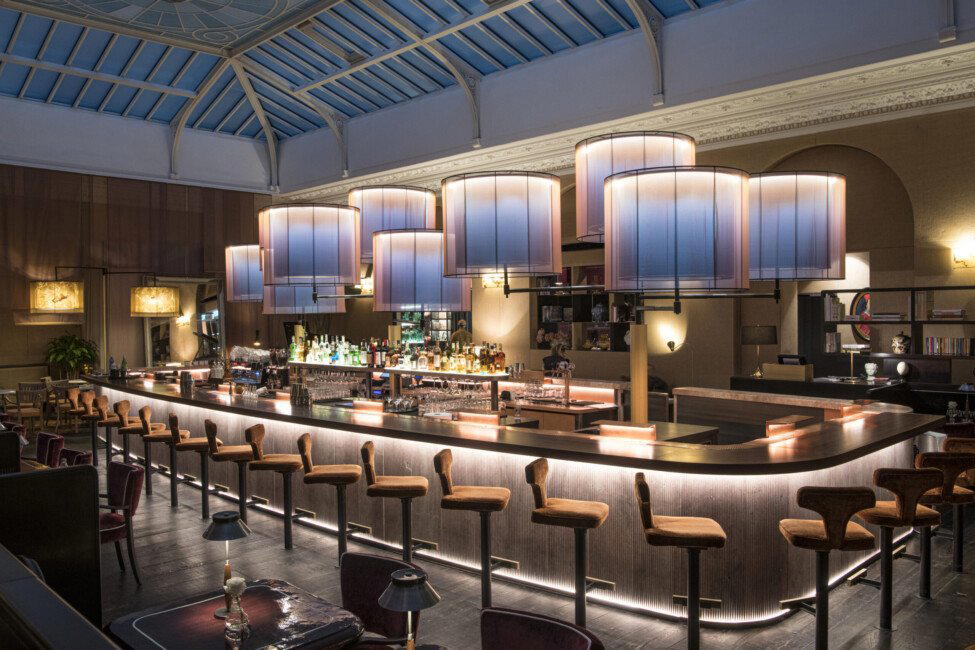
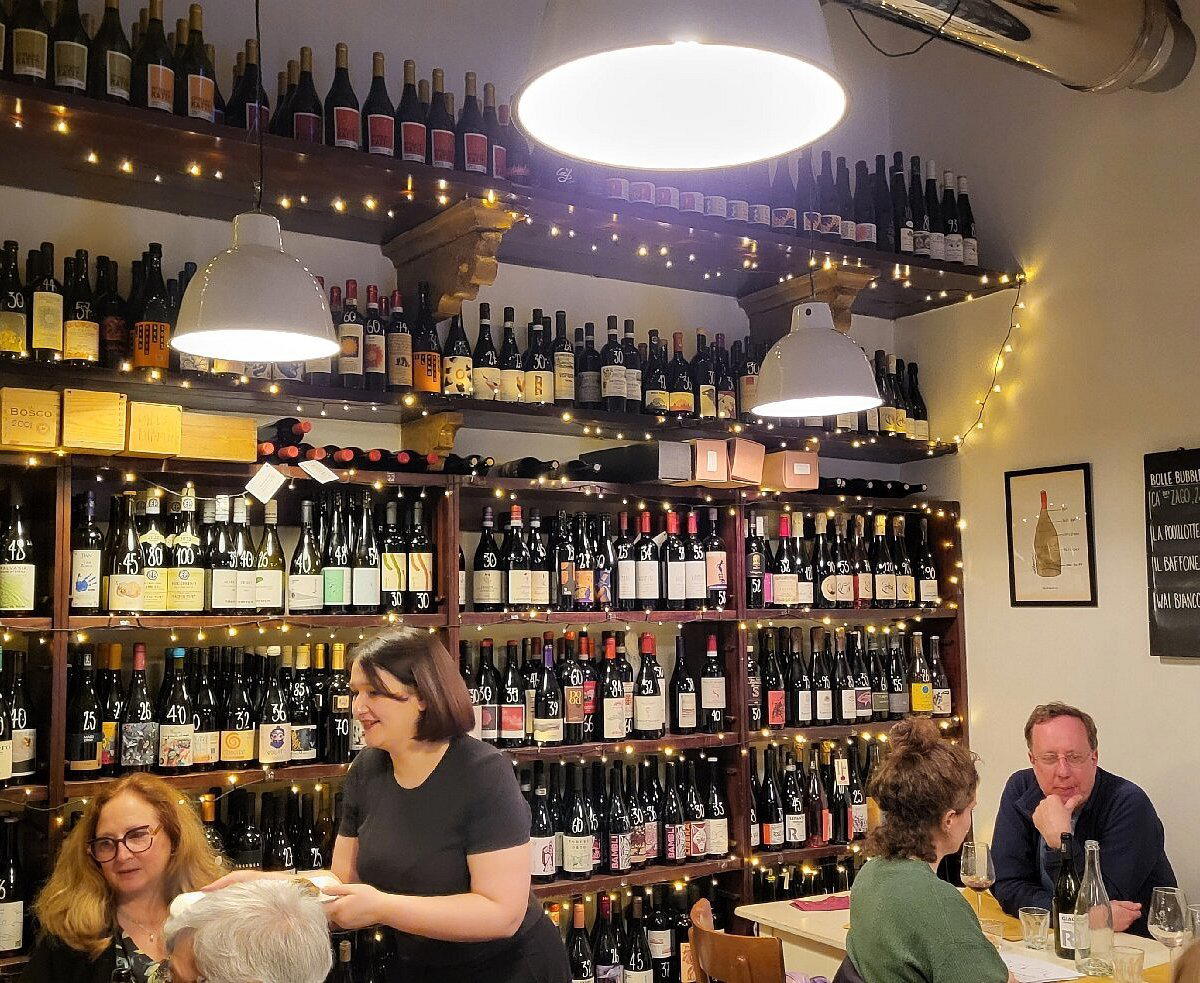
Warm, historic, and familial with cozy, traditional decor evoking classic Roman trattoria charm.