On Piazza del Parlamento, steps from the Italian Chamber of Deputies, Piazzetta occupies one of Rome's most politically charged addresses. The setting frames a style of Roman hospitality rooted in proximity to civic life rather than destination dining theatre. For visitors mapping the centro storico's food scene, it represents the neighbourhood's workaday register rather than its Michelin tier.
Pearl is the En Primeur Club membership app — saves, bookings, and concierge access live there. Same editors, same standards.
- Address
- P.za del Parlamento, 18, 00186 Roma RM, Italy
- Phone
- +39 06 0020 5000
- Website
- corinthia.com
- Directions
- Get directions
 Saves & bookings on Pearl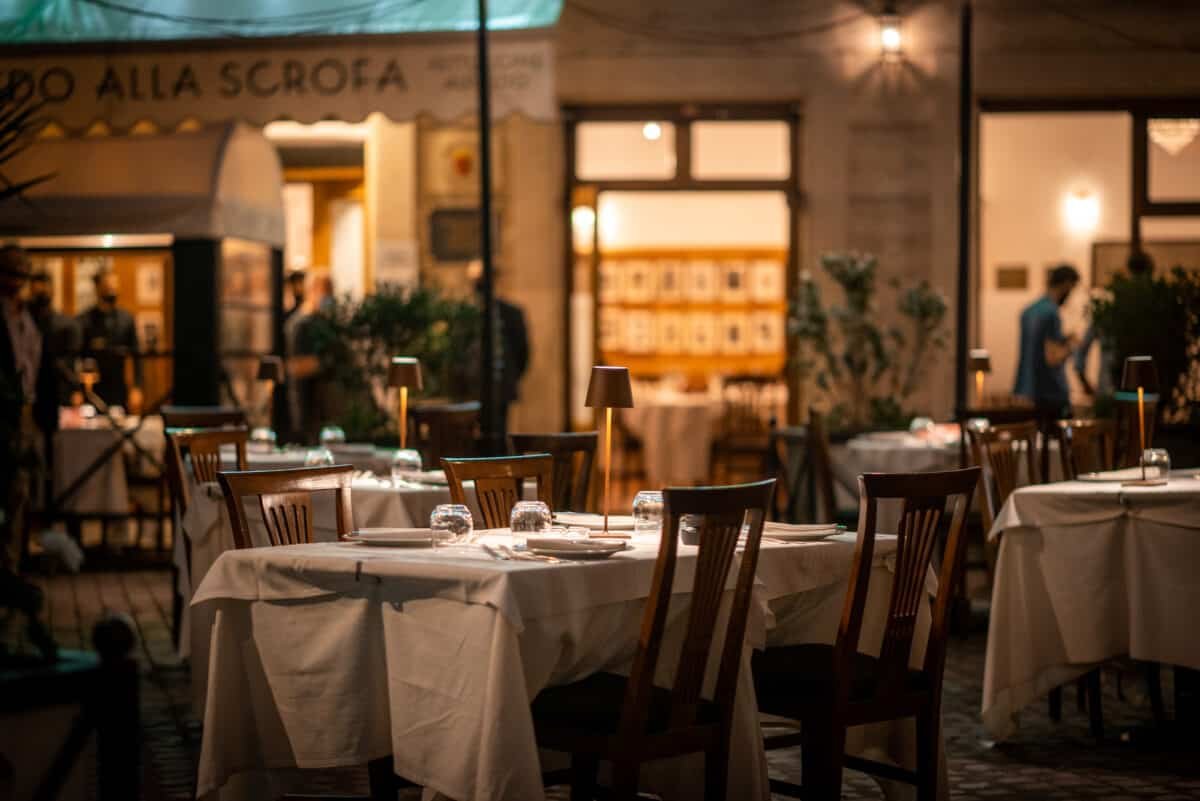
Where Parliament and Plate Intersect
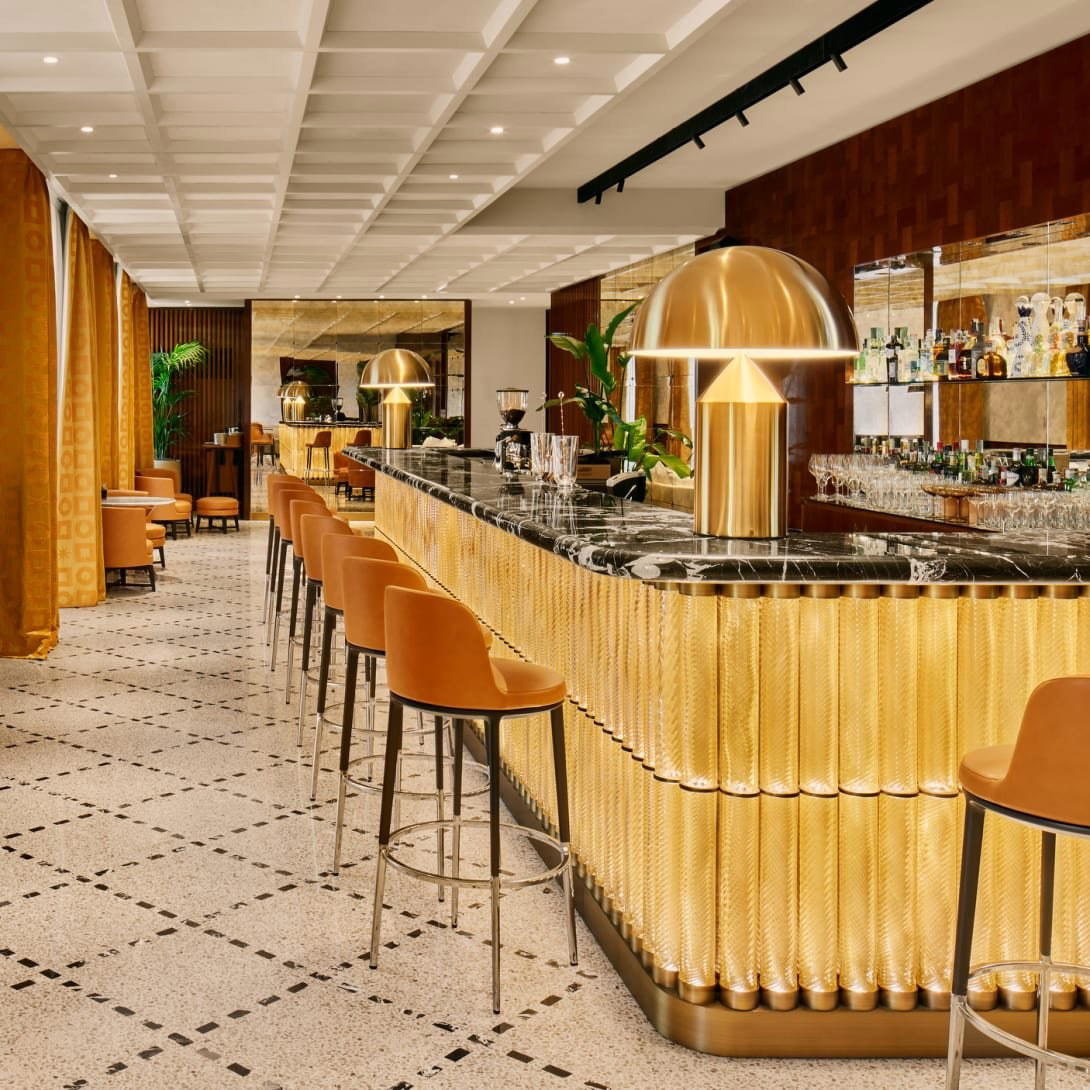
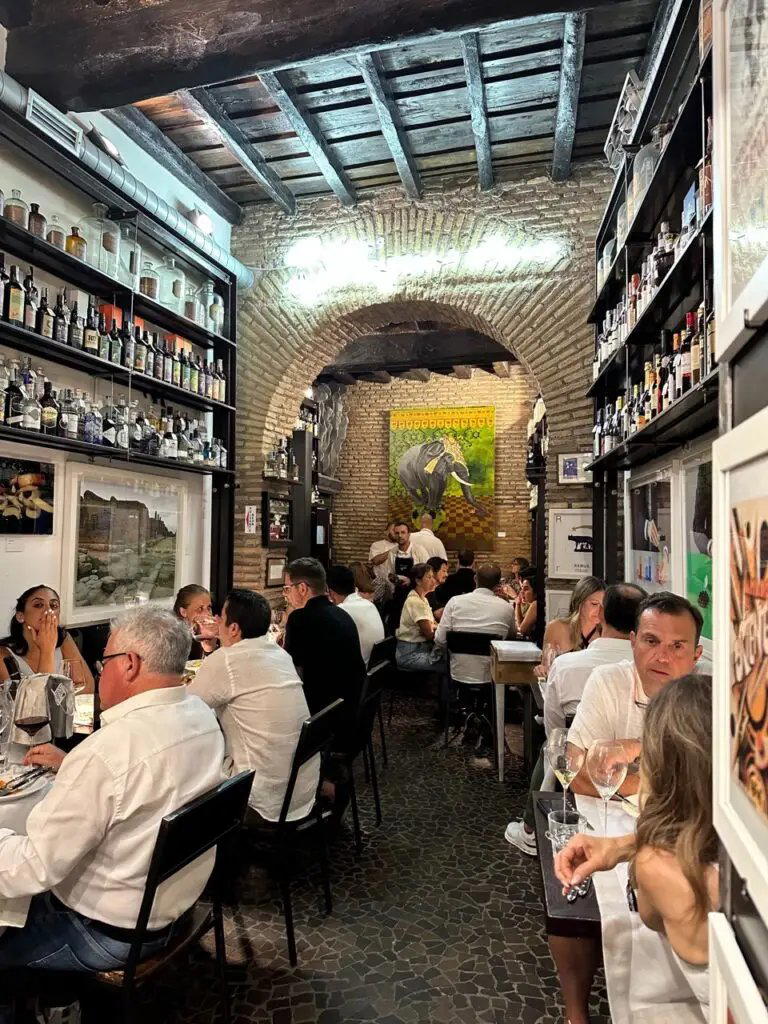
Piazzetta is a Traditional Italian Trattoria in Rome at P.za del Parlamento, 18, 00186 Roma RM, Italy. The square sits in the orbit of Montecitorio, the seat of Italy's Chamber of Deputies, and the cafes and trattorie in its immediate radius have historically served a clientele of politicians, journalists, and functionaries rather than coach-party visitors. That civic adjacency shapes the atmosphere: lunch here is a working meal and the room reflects that.
Piazzetta occupies number 18 on the piazza and belongs to this tradition. The address alone contextualises the offer. This is not the Rome of the tasting-menu counter or the destination restaurant. Piazzetta belongs to the older, denser layer of Roman hospitality: places that earn their regulars through consistency and proximity rather than accolades.
Roman Hospitality in the Centro Storico Mode
Roman-style hospitality in the centro storico has its own character, distinct from other Italian regional traditions. Florentine dining culture, for instance, often leans on the prestige of the Renaissance palazzo setting, a dynamic you can trace through the wine-cellar heritage of Enoteca Pinchiorri in Florence. Milanese restaurant culture is more comfort-driven and internationally inflected, visible in the contemporary format of Enrico Bartolini in Milan. Roman hospitality in the historic centre operates on different terms: the physical fabric of the city does much of the work, and the expectation is that a good room, a reasonable plate of pasta, and correct wine by the carafe are sufficient to justify a table.
That mode sits in contrast to the creative-Italian tradition that a number of Rome's more prominent restaurants have pursued in recent years. Acquolina, Enoteca La Torre, and Achilli al Parlamento, the last of which is itself a near-neighbour in the parliamentary quarter, all operate with the kind of curated, technique-forward approach that positions them in a national conversation alongside Osteria Francescana in Modena and Le Calandre in Rubano. Piazzetta is not part of that conversation, and understanding that distinction is the primary thing a visitor needs to know before arriving.
The Centre Storico as a Dining Context
Rome's centro storico presents a challenge that few other Italian cities face quite so acutely: it is simultaneously a working neighbourhood, a living UNESCO heritage site, and among the more frequently visited urban cores on earth. That combination creates a tiered market for hospitality. At the upper end sit destination restaurants drawing international diners, the Michelin-starred and highly awarded venues that set Rome's fine-dining benchmark. Beneath that, a layer of quality mid-market trattorie and wine bars serves both residents and informed visitors. At the base, heavily trafficked tourist-trap operations fill the visual space around the major monuments.
The area around Piazza del Parlamento, a short walk from the Pantheon and Piazza Navona, sits close enough to the tourist core that footfall is not the problem, but its civic character acts as a mild filter. Visitors who find themselves here tend to have some purpose beyond sightseeing, they are in the neighbourhood for the parliamentary precinct, the nearby Montecitorio press corps, or the antique dealers and print shops that line the surrounding streets. That self-selecting quality is what gives venues in this micro-neighbourhood a different texture from the overtly tourist-facing operations clustered around the more famous piazzas.
Placing Piazzetta in the Italian Dining Spectrum
Italy's restaurant culture is more regionalized than any single national label suggests. The slow-food ethos of Piedmontese country cooking, the luxury of the Po Valley tradition at places like Dal Pescatore in Runate, and the high-altitude precision of Atelier Moessmer Norbert Niederkofler in Brunico all describe a different relationship between ingredient, technique, and setting than Roman hospitality does. Rome's contribution to Italian dining is not technique or avant-garde approach, it is a particular kind of civic ease, the ability to eat well without ceremony in rooms that have been feeding the same kind of people for generations.
That tradition does not translate straightforwardly into the metrics that drive international dining prestige. Venues operating in this register rarely accumulate the award profiles that define the upper tier. The value proposition is different: proximity, habituality, and a room that feels like it belongs to the neighbourhood rather than to an international dining circuit.
Piazzetta fits that model. Its address on Piazza del Parlamento, its Italian and Roman-style hospitality classification, and its position within one of Rome's most historically layered neighbourhoods all place it in the category of venue that rewards repeat visits from those already in the area rather than destination journeys from across the city. For visitors staying in the centro storico or spending time in the parliamentary precinct, it is an accessible entry point into the neighbourhood's civic-Roman dining character.
Practical Notes
Piazzetta is located at Piazza del Parlamento 18, in the centro storico, within easy walking distance of the Pantheon, Piazza Navona, and the Montecitorio parliamentary building. The neighbourhood is leading accessed on foot from the historic centre; the nearest major transport hubs are Spagna and Barberini on Metro Line A, both a fifteen-to-twenty minute walk away. Booking is walk-in friendly, and the restaurant is open daily from 7 AM to 11 PM.
Side-by-Side Snapshot
Comparable venues nearby, for context on price, style, and recognition.
| Venue | Cuisine | Price | Notes |
|---|---|---|---|
| PiazzettaThis venue — the venue you are viewing | Traditional Italian Trattoria | $$ | Not listed |
| Gruppo Di Rienzo | Traditional Roman Italian | $$ | San Eustachio |
| Hostaria Isidoro | Traditional Roman Trattoria | $$ | Monti |
| Piatto Romano | Authentic Roman Trattoria | $$ | Testaccio |
| Trattoria L'avvolgibile | Traditional Roman Trattoria | $$ | Appio-Latino |
| Vitaminas24 | Organic Vegan Italian | $$ | Prenestino-Labicano |

At a Glance
- Romantic
- Quiet
- Classic
- Date Night
- Casual Hangout
- Terrace
Current opening hours
- Monday
- 7 AM–11 PM
- Tuesday
- 7 AM–11 PM
- Wednesday
- 7 AM–11 PM
- Thursday
- 7 AM–11 PM
- Friday
- 7 AM–11 PM
- Saturday
- 7 AM–11 PM
- Sunday
- 7 AM–11 PM
Hours can change for holidays and private events. Last verified .
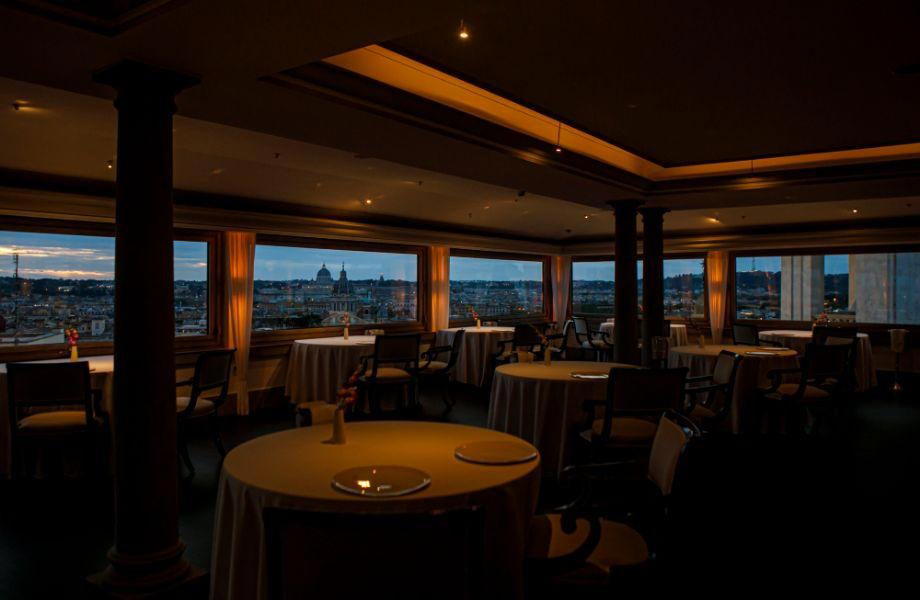
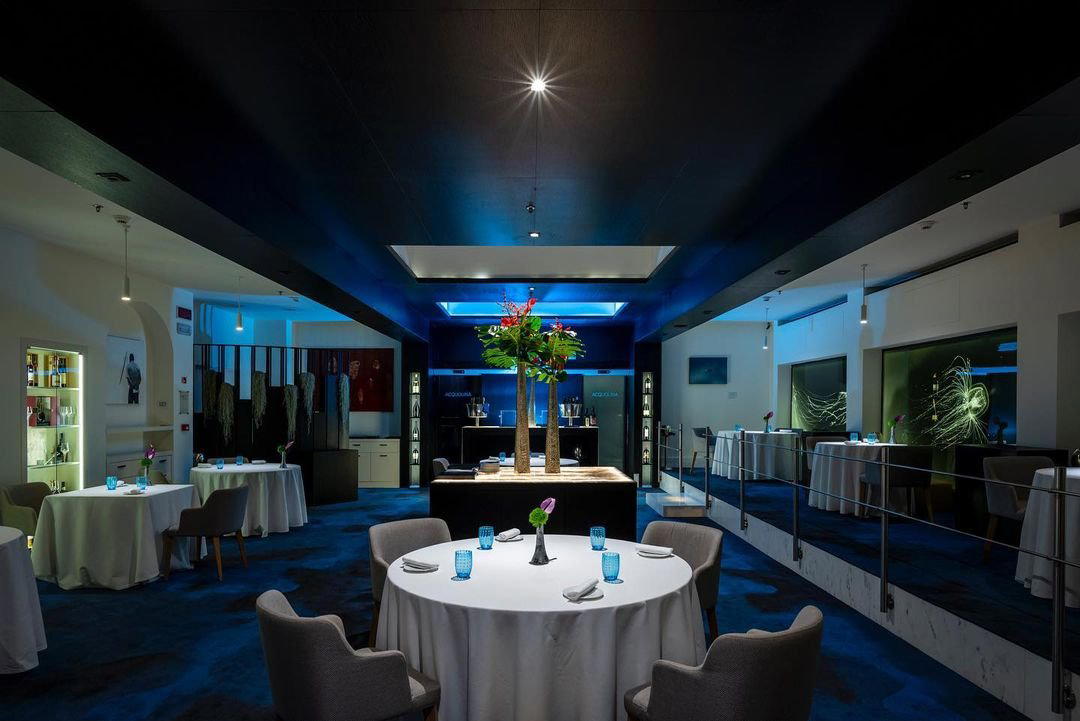
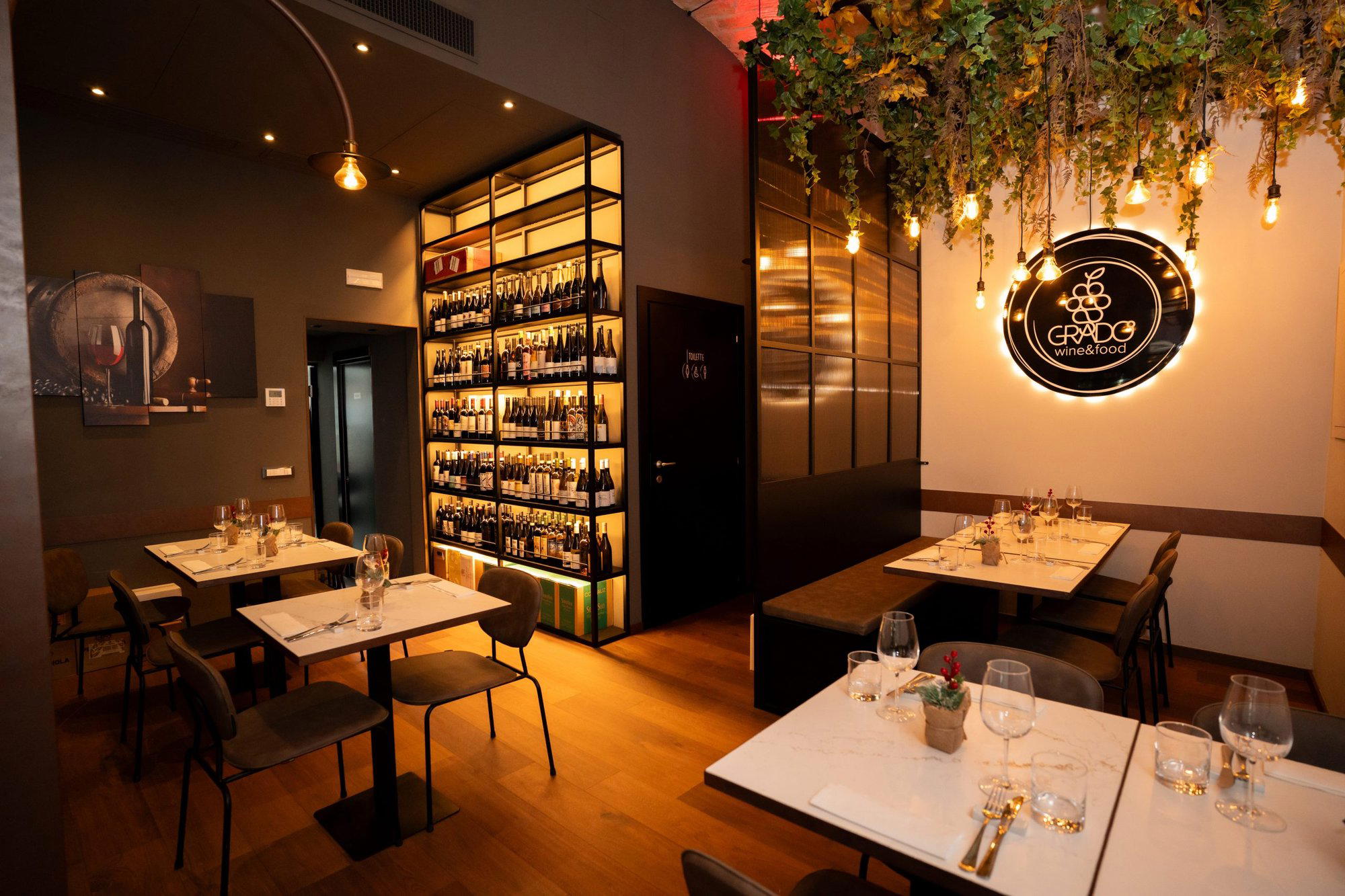
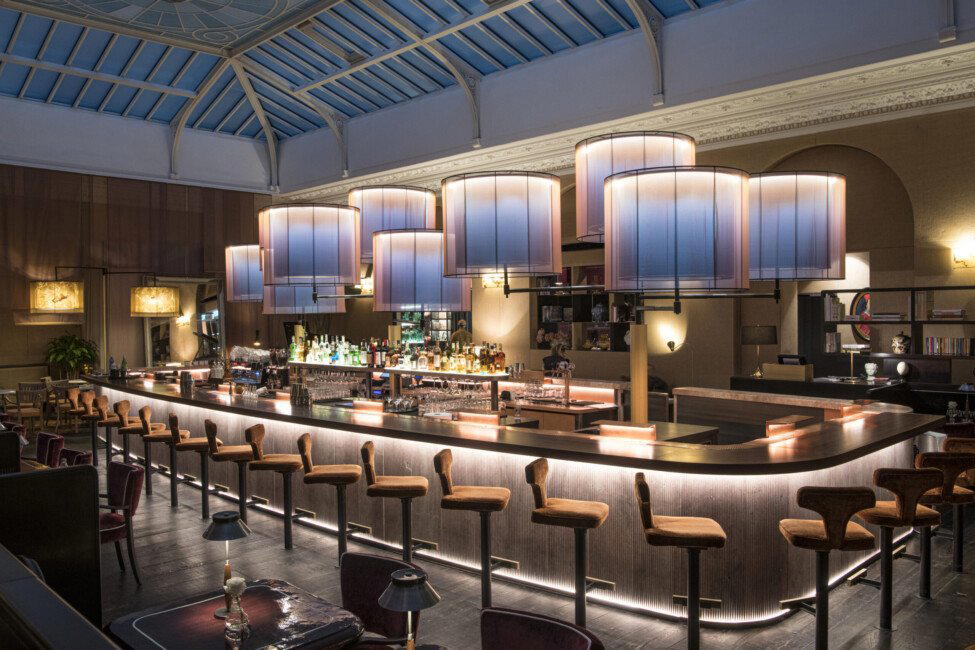
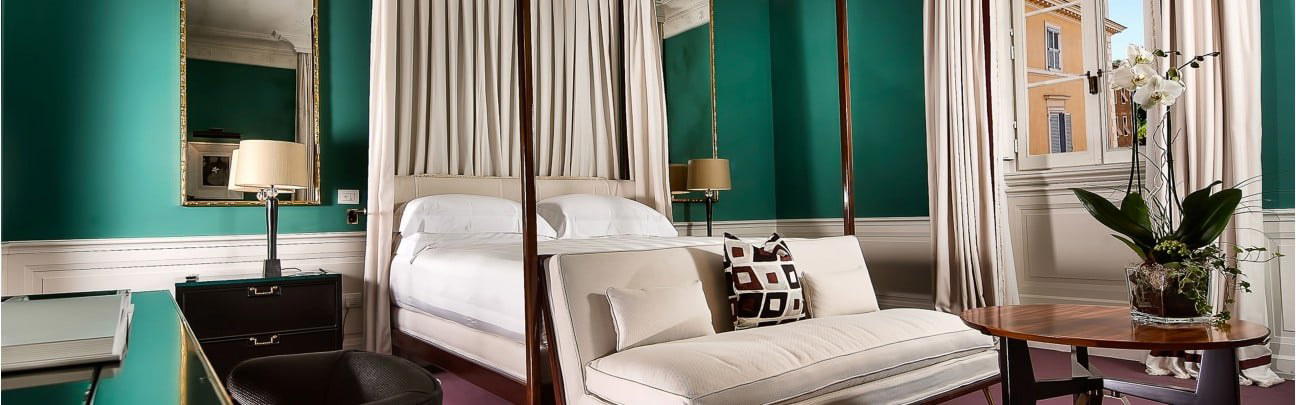
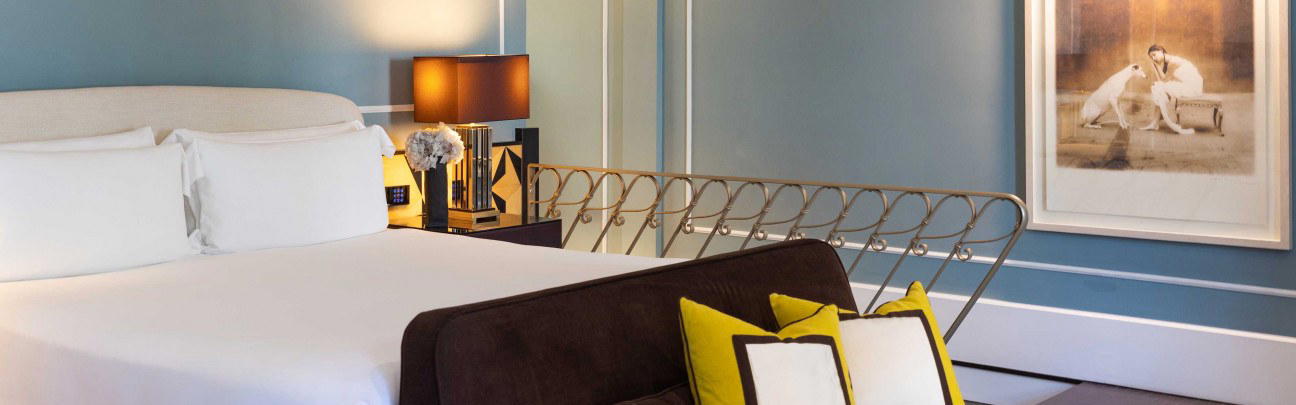
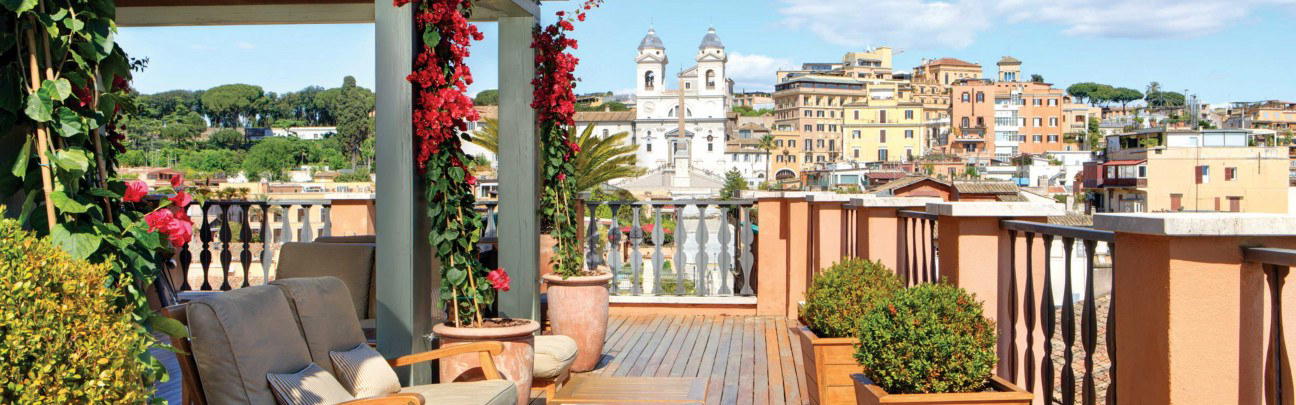
Quiet, relaxed atmosphere with pleasant outdoor dining under trees; suitable for couples and intimate gatherings.