Trandafilović is a traditional Serbian bistro at Makenzijeva 73 in Belgrade, with terrace seating, live music, and dishes like ćevapčići and plum dumplings.
Pearl is the En Primeur Club membership app — saves, bookings, and concierge access live there. Same editors, same standards.
- Address
- Makenzijeva 73, Beograd 11000, Serbia
- Phone
- +381653402020
- Website
- bistrotrandafilovic.com
- Directions
- Get directions
 Saves & bookings on Pearl
Makenzijeva in the Afternoon: Belgrade's Neighbourhood Dining Rhythm
The residential stretch of Makenzijeva in the Vračar district operates on a different clock from the city's centre. By noon the street fills with a specific kind of lunch traffic: local professionals, older residents from the surrounding apartment blocks, and the occasional table of friends who have worked out that neighbourhood restaurants in this part of Belgrade offer better value and less noise than anything closer to Knez Mihailova. Trandafilović, at number 73, sits inside that pattern. It functions more as a fixed point in the daily life of a residential quarter, which in Belgrade carries its own kind of credibility.
That distinction matters when you are trying to calibrate what kind of meal you are likely to get here. Belgrade's dining scene has developed two reasonably distinct tracks over the past decade. One track runs through the modern kitchens found at places like Langouste and The Square, where the reference points are international and the price signals reflect it. The other track stays closer to the kafana tradition: direct cooking, familiar formats, and pricing that reflects a neighbourhood contract. Trandafilović belongs to the second track, and the Vračar address makes that legible before you have even looked at a menu.
The Lunch-Dinner Divide on Makenzijeva 73
In Belgrade's neighbourhood restaurants, the gap between lunch and dinner service is often more instructive than any single dish. Lunch at addresses like this one tends to compress around a dnevna ponuda, the daily offer, which in Serbian restaurant culture functions as both a value mechanism and a signal of how seriously the kitchen takes its sourcing. A kitchen that cycles its daily offer thoughtfully is one that is buying to availability rather than running a static menu indefinitely. The evening shift, by contrast, typically spreads wider: longer stays, a la carte ordering, and slower pacing.
That rhythm is characteristic of Vračar as a dining neighbourhood. It is not Savamala, which leans younger and later, nor is it the waterfront where the splavovi set a different tempo. Vračar at lunch is purposeful; Vračar at dinner is unhurried. Restaurants that manage both shifts well tend to hold a stable local following, which is a more durable foundation than seasonal tourist traffic. For visitors, that means the lunch window is often the more direct entry point: shorter waits, tighter menus, and a clearer read on what the kitchen does on a given day.
For comparison, Ambar in Belgrade operates at a different scale and with a format built around sharing and abundance, while Avala and Barrel House each occupy distinct positions in the city's mid-range. Trandafilović's position within that map is squarely neighbourhood-rooted, which narrows the competitive set to the immediate catchment rather than the city-wide dining conversation.
Serbian Cooking in a Residential Register
Serbian cuisine in its neighbourhood form is more disciplined than its reputation for volume suggests. The core vocabulary, roštilj, paprikaš, slow-cooked meats, seasonal vegetable preparations, draws on a pantry that changes meaningfully across the calendar year. Autumn brings heavier braises and the first of the winter squash; spring shifts toward younger vegetables and lighter preparations. Restaurants embedded in residential quarters tend to track those shifts more closely than venue-forward establishments, because their regulars notice and expect it.
That seasonal responsiveness is one of the more useful lenses for reading a neighbourhood restaurant's kitchen discipline. It also makes the question of when to visit more consequential than it might appear. Arriving in the summer months means a different meal than arriving in late autumn, not because the menu has been redesigned, but because the available ingredients are pointing in a different direction. Across Serbia more broadly, regional restaurants in smaller cities and towns, from Kod Brana in Cacak to Lovački dom in Valjevo and Etno Kuća Dinar in Vrsac, operate with the same seasonal logic, which speaks to how deeply that rhythm is built into the country's food culture.
The kafana tradition that sits behind so much of Belgrade's neighbourhood dining is not simply a format; it is a posture toward hospitality that prioritises consistency and familiarity over novelty. A kafana or kafana-adjacent restaurant earns its following over years, not seasons, and the address at Makenzijeva 73 fits that longer timeline. For those interested in how that tradition plays out across the region, KAFANA DUKAT in Pirot represents one of the more intact examples outside the capital.
Vračar as a Dining District
Vračar is one of Belgrade's denser residential municipalities, bounded loosely by Slavija to the north and the Dedinje foothills to the south. Its restaurant stock reflects that density: a high ratio of neighbourhood addresses relative to destination venues. The area is not where most first-time visitors to Belgrade begin their eating itinerary, which tends to cluster around Skadarlija, Savamala, or the Stari Grad core. That lower visitor concentration is precisely what makes its neighbourhood restaurants read differently. The tables around you at lunch are largely local; the pricing reflects local purchasing habits; the service is calibrated to people who will return next week.
That dynamic appears elsewhere in Serbia's secondary cities and wine regions. Kafe Restoran Maša in Novi Sad and Windmill in Pancevo each operate in a similar neighbourhood-anchored register, trading on local regulars rather than passing trade. Even further afield, Aleksandar Gold in Uzice, Grand in Kopaonik, ČARDA ZLATNA KRUNA in Apatin, and Kod poštara in Aran Elovac all demonstrate how Serbian hospitality at its most direct tends to concentrate in addresses that serve a defined local community first.
Trandafilović belongs to that lineage as a Belgrade representative. It is not competing with the city's more ambitious kitchens for the same diner; it is serving a different need, one that becomes more visible the longer you spend time in Vračar and the less you think of Belgrade as a city organised around its tourist centre. For a broader map of where it sits relative to other addresses worth considering, the guide provides a wider picture of the city's current dining range, from neighbourhood anchors through to more technically demanding kitchens, in the way that Le Bernardin or Atomix have done for New York.
Same-City Peers
Comparable venues nearby, for context on price, style, and recognition.
| Venue | Cuisine | Price | Notes |
|---|---|---|---|
| TrandafilovićThis venue — the venue you are viewing | Traditional Serbian Bistro | $$ | Not listed |
| Dušanovački Cvet | Traditional Serbian | $$ | Dušanovac |
| RESTORAN KOVAČ | Traditional Serbian | $$ | Voždovac |
| Petar at Tikas | Modern Serbian Cuisine | $$ | Palilula |
| Klub Košutnjak | Serbian Game Meat | $$ | Košutnjak |
| Rubin | Traditional Serbian Grill | $$ | Košutnjak |
At a Glance
- Classic
- Cozy
- Rustic
- Well Known
- Casual Hangout
- Family
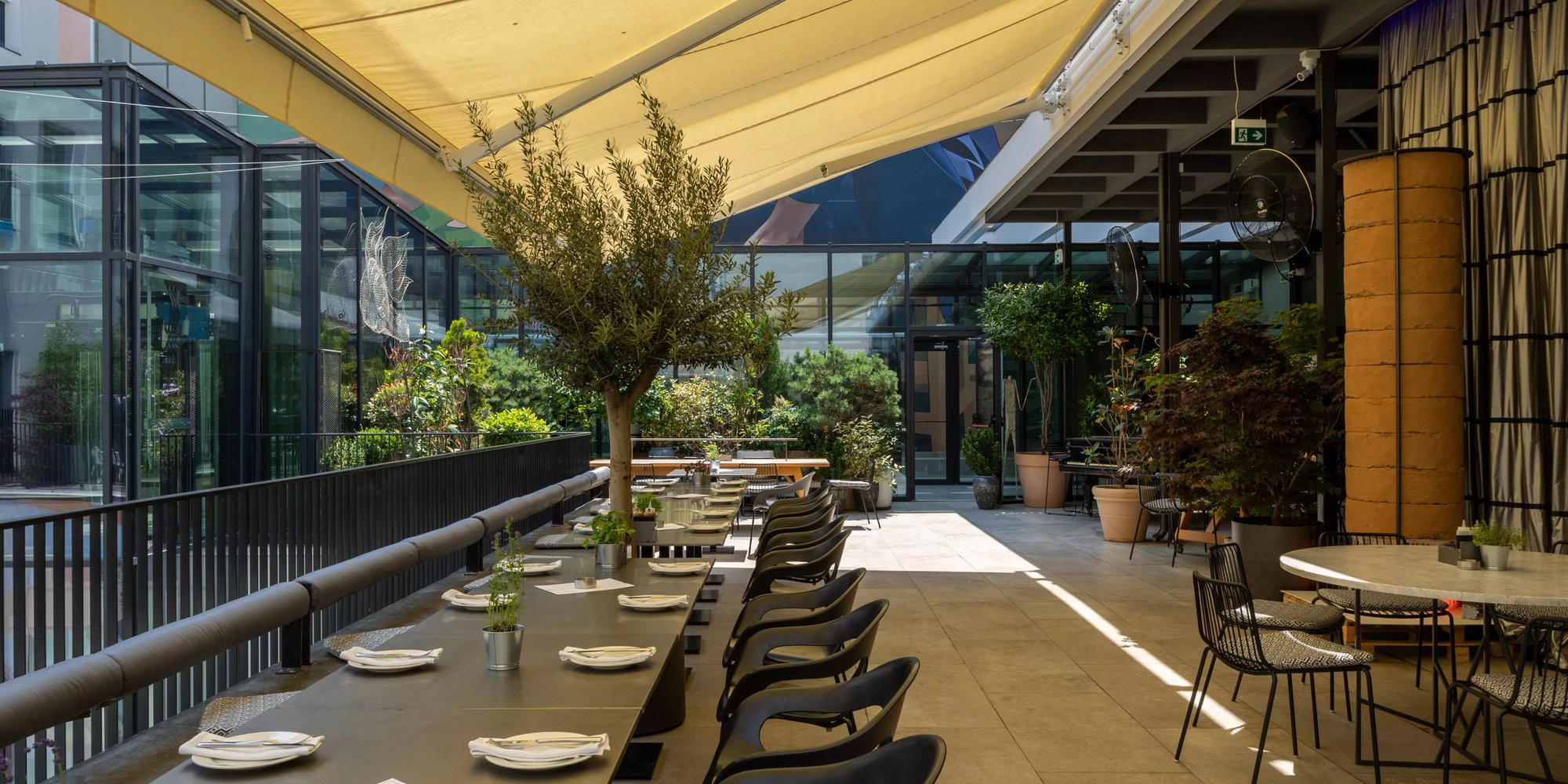
- Terrace
- Live Music
- Historic Building
- Garden
Current opening hours
- Monday
- 8 AM–12 AM
- Tuesday
- 8 AM–12 AM
- Wednesday
- 8 AM–12 AM
- Thursday
- 8 AM–12 AM
- Friday
- 8 AM–1 AM
- Saturday
- 8 AM–1 AM
- Sunday
- 8 AM–12 AM
Hours can change for holidays and private events. Last verified .
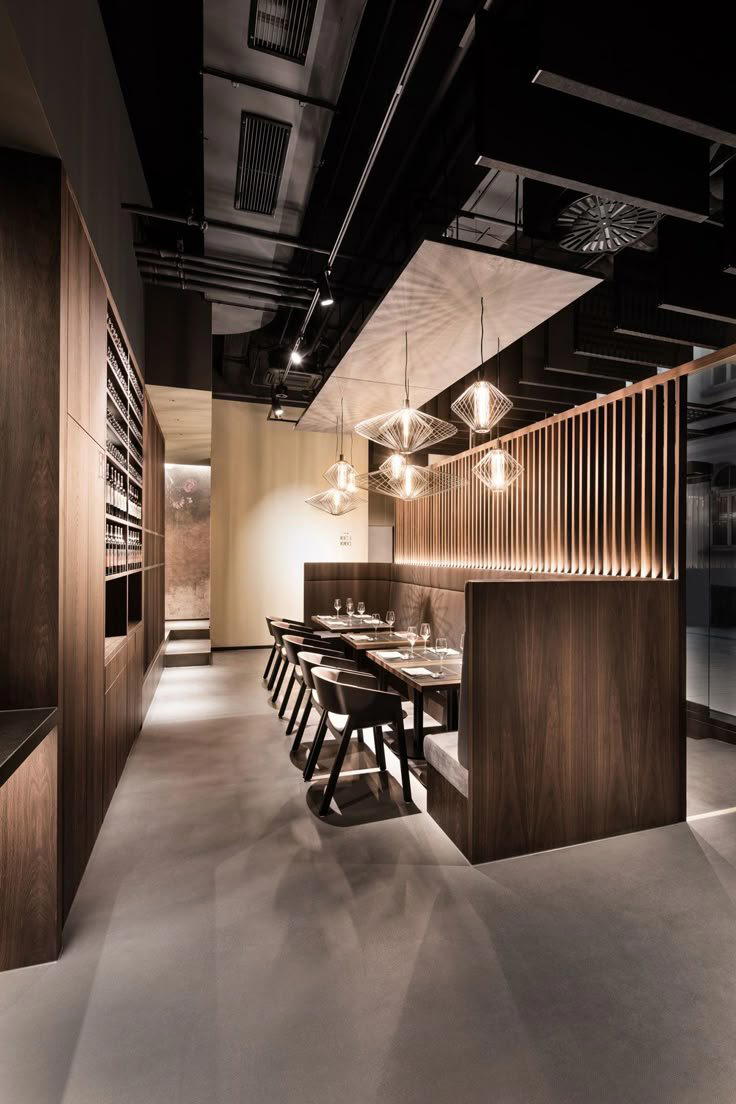
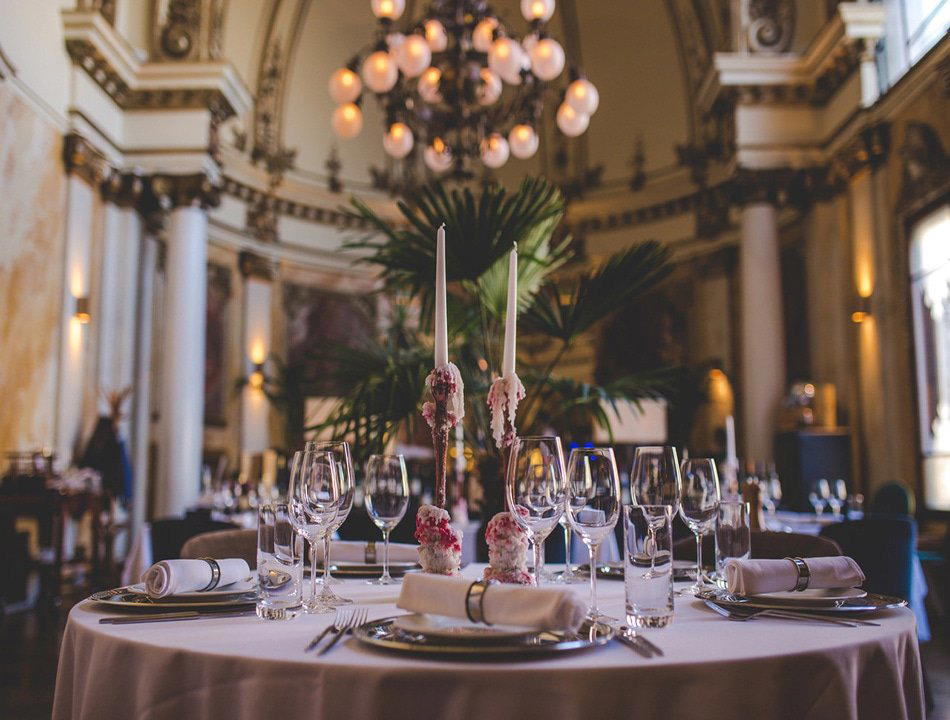
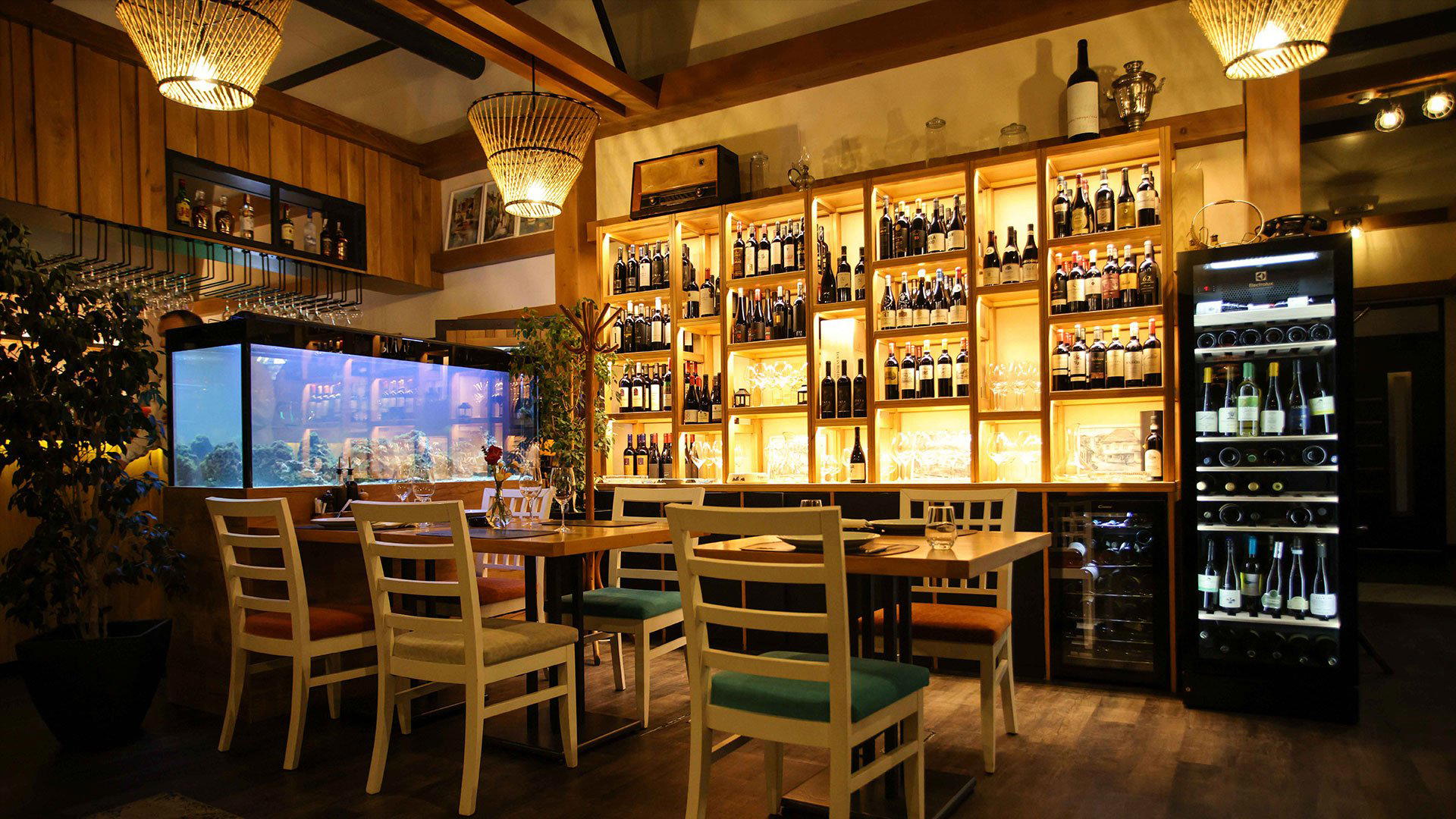
Comfortable home-like atmosphere with nostalgic details evoking old Belgrade, checkered tablecloths, and live acoustic music on select evenings.