
Set within a converted 19th-century watermill complex on the Sava riverbank, Radisson Collection Hotel, Old Mill Belgrade holds dual recognition as both a Regional Winner for Luxury Design Hotel and Serbia's Country Winner for Luxury Business Hotel. The property represents a strand of Belgrade hospitality that treats industrial heritage as architectural currency, placing it in a distinct tier within the city's growing premium hotel scene.
Pearl is the En Primeur Club membership app — saves, bookings, and concierge access live there. Same editors, same standards.
- Address
- Bulevar vojvode Mišića 15, Beograd 11000, Serbia
- Phone
- +381 11 6357357
- Website
- radissonhotels.com
- Directions
- Get directions
 Saves & bookings on Pearl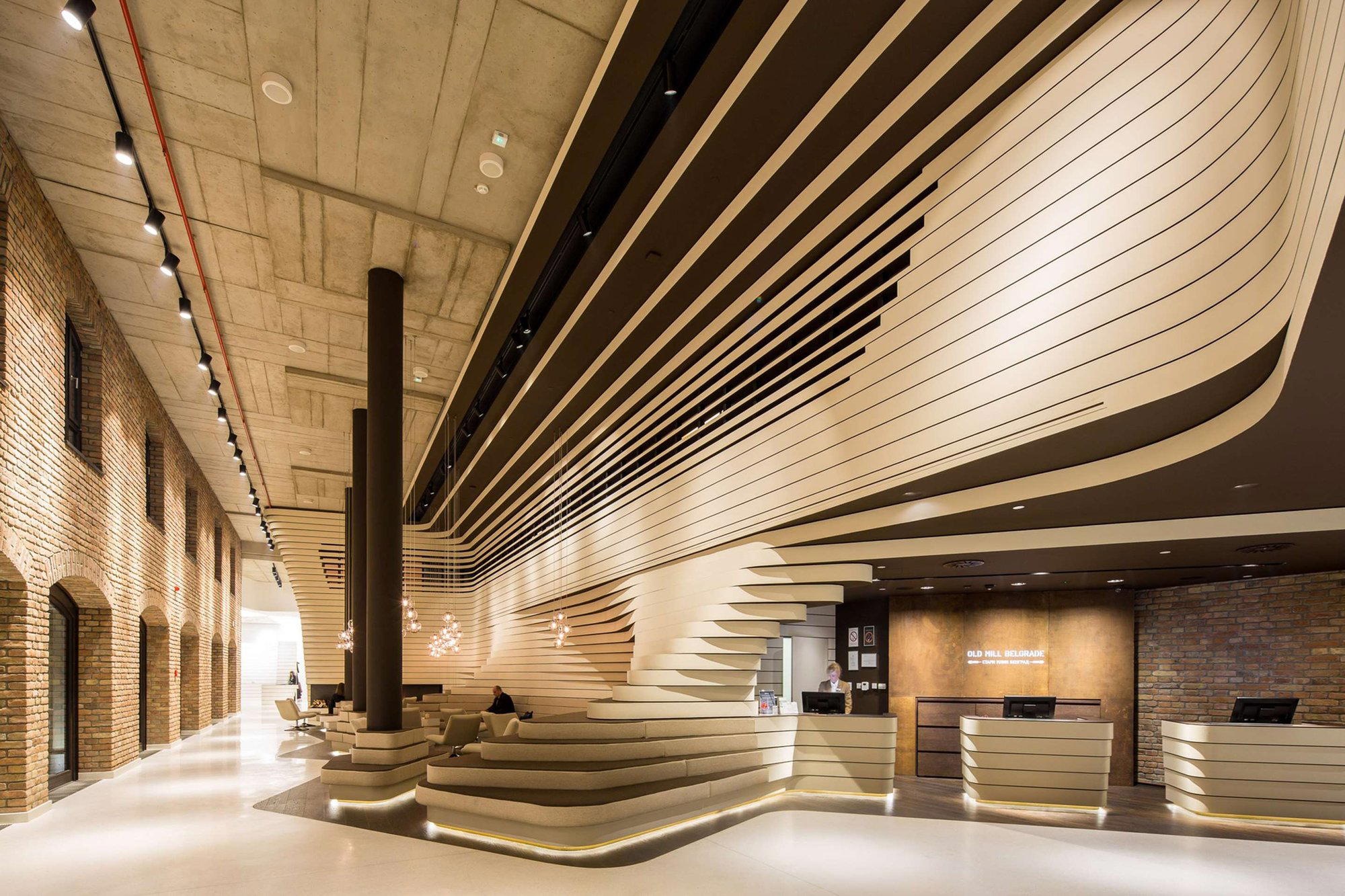
Where the Sava Bends: Industrial Belgrade Reimagined in Stone and Steel
Radisson Collection Hotel, Old Mill Belgrade is a 4-star hotel in Belgrade, Serbia, with room rates from about $250 per night. The approach to the Old Mill Belgrade tells you something about how the city has changed. Bulevar vojvode Mišića traces the edge of Savski Venac, a district that sits between the riverbank and the older residential Belgrade of broad avenues and century-old apartment blocks. This part of the city is neither the tourist-facing density of Knez Mihailova nor the creative sprawl of Savamala. It occupies a quieter register, defined more by embassies, business addresses, and the slow thickening of the Sava as it moves toward the Danube confluence. The Radisson Collection Hotel, Old Mill Belgrade draws its identity directly from that in-between quality, anchoring itself in a converted industrial structure whose bones predate the current hospitality conversation in the city by decades.
The former mill itself is the argument. Adaptive reuse projects at this scale carry a particular risk: strip too much, and you lose the industrial authenticity that justified the project; restore too literally, and the result reads as a themed hotel rather than a living building. The Old Mill property sits closer to the former than the latter. The preserved structural fabric, visible in the massing and material palette, operates as a design statement rather than a historical footnote. In a city where luxury hotels have largely opted for either period classicism (see The St. Regis Belgrade) or contemporary gloss, the industrial-heritage approach represents a distinct position in the Belgrade premium tier.
The Radisson Collection Format and What It Signals
Collection tier within Radisson's portfolio is a deliberate positioning decision. It sits above the core Radisson brand and targets properties that carry architectural or cultural distinctiveness as a primary credential. Hotels in this tier are typically conversion projects or buildings with documented heritage, and the brand's curation criteria weight design pedigree heavily. That framing matters for Belgrade specifically, because it places the Old Mill in a competitive context that includes design-led independents like SAINT TEN Hotel and the more boutique end of the market, rather than lining it up solely against full-service business hotels.
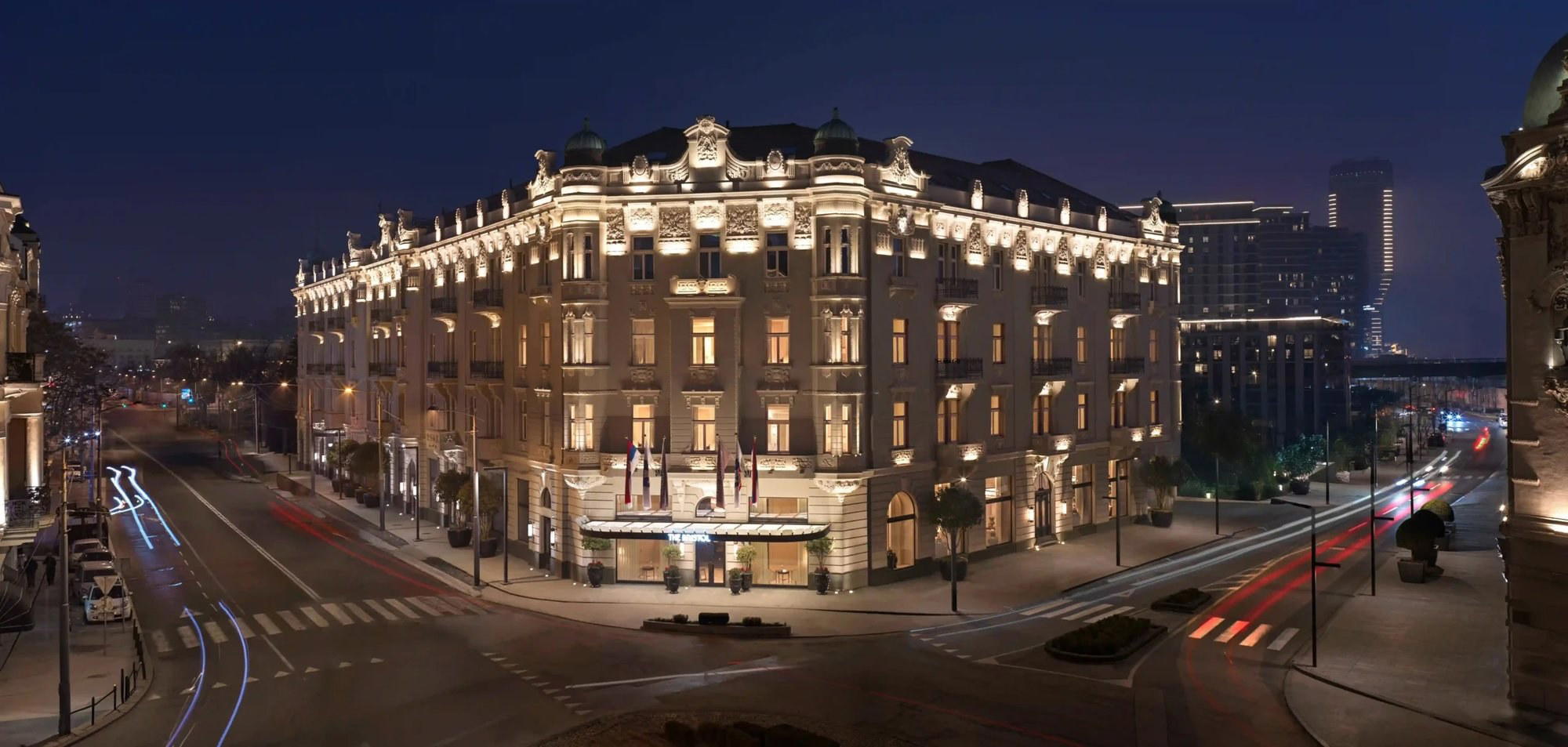
Distinction is recognised by the property's award record. The Old Mill holds two verified credentials: a Regional Winner designation in the Luxury Design Hotel category and a Country Winner designation in the Luxury Business Hotel category. These dual recognitions reflect an unusual positioning, design-led enough to compete with properties like Square Nine Hotel on aesthetic grounds, while simultaneously functional enough to serve a corporate travel segment that gravitates toward The Bristol Belgrade and similar full-service addresses. Carrying both credentials without obvious contradiction is harder than it looks.
Design Language: What the Mill Structure Delivers
Industrial conversions in European hospitality have a well-established playbook: exposed brick, raw concrete, over-scaled windows, and lighting that compensates for the absence of ornamental detail. What separates the projects that sustain critical attention from those that feel derivative is the degree to which the building's original function informs the spatial logic, not just the surface palette. The Old Mill approach, anchored in a structure that once served a utilitarian grain or milling purpose, benefits from ceiling heights and floor plates that conventional hotel-build construction rarely achieves at this cost tier.
The design conversation in Belgrade's luxury sector has grown more demanding since the opening of properties that brought international design standards to the city. Across Europe's adaptive reuse circuit, the benchmark is set by projects like Aman Venice, where palazzo fabric and contemporary intervention are held in careful tension, or on a different scale and register, Castello di Reschio, where the building project itself became the editorial story. The Old Mill operates at a different price point and scale, but the underlying question, how much contemporary intervention is appropriate in a building that earns its value from history, applies equally.
Belgrade's Premium Hotel Tier: Context and Competition
Belgrade's upper accommodation market has deepened considerably over the past decade. The addition of international branded properties alongside well-regarded independents means that travellers now have a genuine comparable set to assess, rather than a single obvious answer. The St. Regis brought international luxury-brand standards; Square Nine established the design-led boutique template; SAINT TEN pushed toward a more intimate, gallery-adjacent experience. Within that comparable set, the Old Mill's dual award positioning, design recognition plus business-travel credentials, suggests a property attempting to serve multiple segments without sacrificing coherence in either direction.
For reference, the approach is not unlike what certain European conversion properties have achieved at higher price points. Cheval Blanc Paris converted a department-store building and retained both a design identity and a full-service business capability. Hotel Sacher Wien has long sustained dual appeal across leisure and corporate travel on the strength of a building with documented cultural weight. The Old Mill's ambition, scaled to Belgrade's market, follows the same logic. The regional award signals that the execution is credible within its own competitive set, even if the peer comparison is necessarily different in scale and price tier.
Getting There and Planning Your Stay
The hotel's address on Bulevar vojvode Mišića places it in the Savski Venac district.
Elsewhere in Serbia, Hotel Ramonda in Boljevac represents the country's more remote hospitality offer, for those pairing a Belgrade stay with a wider Serbian itinerary.
Comparable Spots, Quickly
Comparable venues nearby, for context on price, style, and recognition.
| Venue | Cuisine | Price | Awards | Notes |
|---|---|---|---|---|
| Radisson Collection Hotel, Old Mill BelgradeThis venue — the venue you are viewing | Historic preservation meets contemporary luxury, housed in a 19th-century Old Mill with modern amenities and artistic interior design. | $$$$ | 4-Star | Not listed |
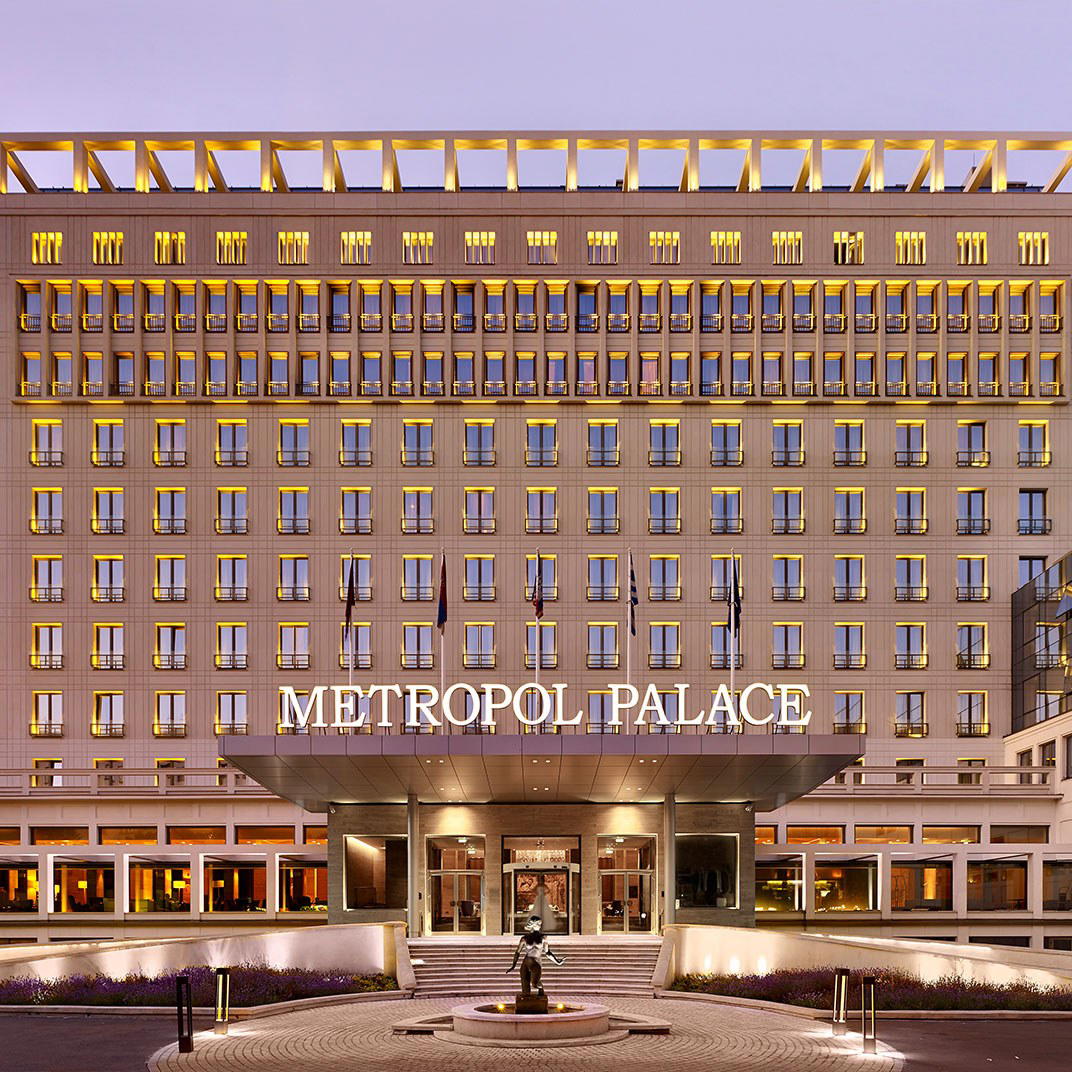
| Metropol Palace Hotel, Belgrade | Historic luxury hotel with mid-century modern architecture renovated to modern standards | $$$$ | 5-Star | Palilula |
| Smokvica Dorćol | Contemporary boutique bed and breakfast with heritage charm, housed in a protected cultural monument. | $$ | 3-Star | Stari Grad (Dorćol) |
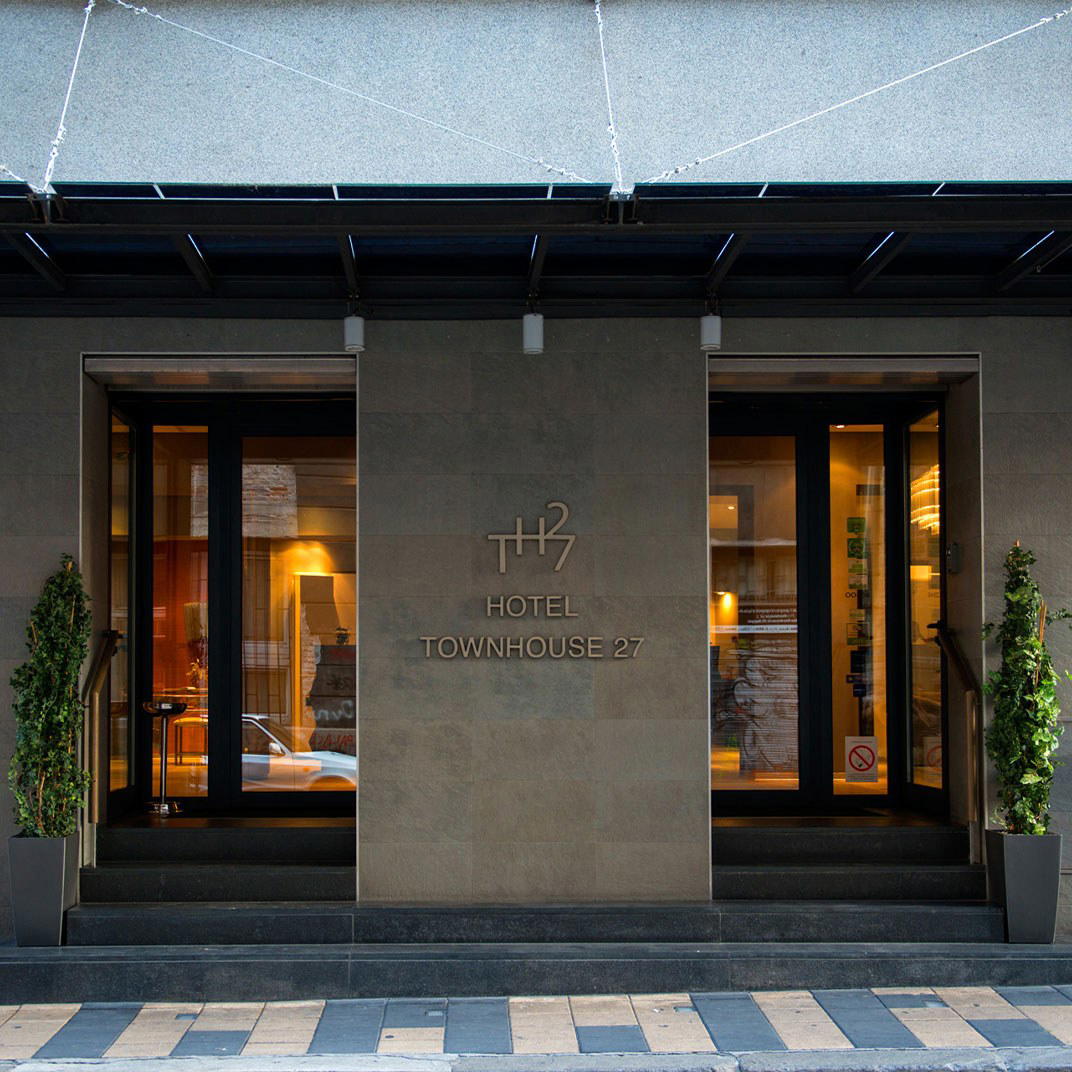
| Boutique Hotel Townhouse 27 | Contemporary luxury boutique hotel with artistic design aspirations and minimalist sensibilities, positioned as a modern alternative to traditional business hotels. | $$$ | 4-Star | Stari Grad (Old Town) |
| Hotel Indigo Belgrade | Boutique hotel in reconstructed 19th-20th century buildings featuring neighborhood-inspired design. | $$$ | 4-Star | Knez Mihailova |
| Square Nine Hotel | Hotel | Not listed | Michelin 1 Key | Belgrade |
Recognition history
Dated appearances from independent guides and award organizations, with the underlying list record or original source where available.
World Luxury Hotel Awards WLHA Regional Winner
World Luxury Hotel Awards
World Luxury Hotel Awards WLHA Country Winner
World Luxury Hotel Awards
Continue exploring
More in Belgrade
Hotels in Belgrade
Browse all →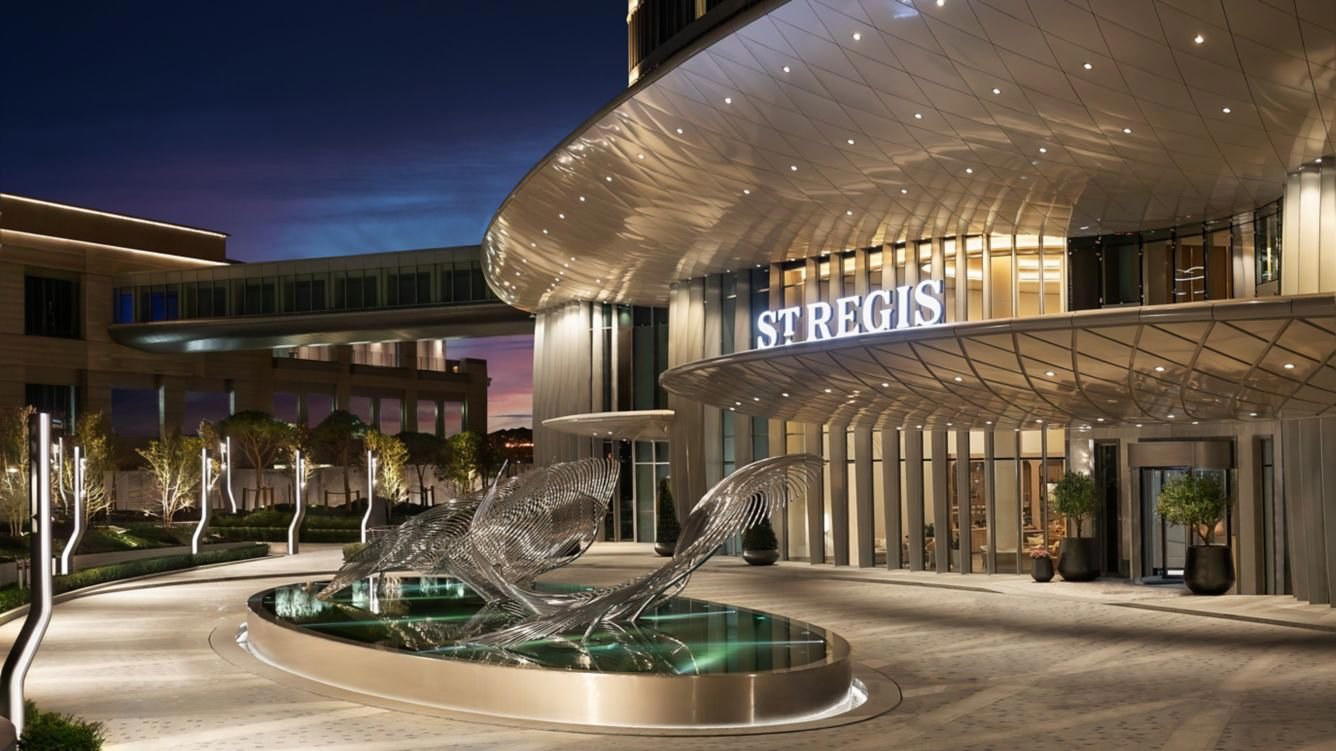
Bars in Belgrade
Browse all →
Restaurants in Belgrade
Browse all →

At a Glance
- Elegant
- Modern
- Sophisticated
- Scenic
- Business Trip
- Romantic Getaway
- Wellness Retreat
- Celebration
- Destination Wedding
- Historic Building
- Terrace
- Garden
- Waterfront
- Design Destination
- Wi Fi
- Spa
- Fitness Center
- Room Service
- Concierge
- Business Center
- Valet Parking
- EV Charging
- Sauna
- Restaurant
- Bar
- Bicycle Rental
- Waterfront
- Garden
- Wi Fi
- Spa
- Fitness Center
- Room Service
- Concierge
- Business Center
- Valet Parking
- EV Charging
- Sauna
- Restaurant
- Bar
- Bicycle Rental
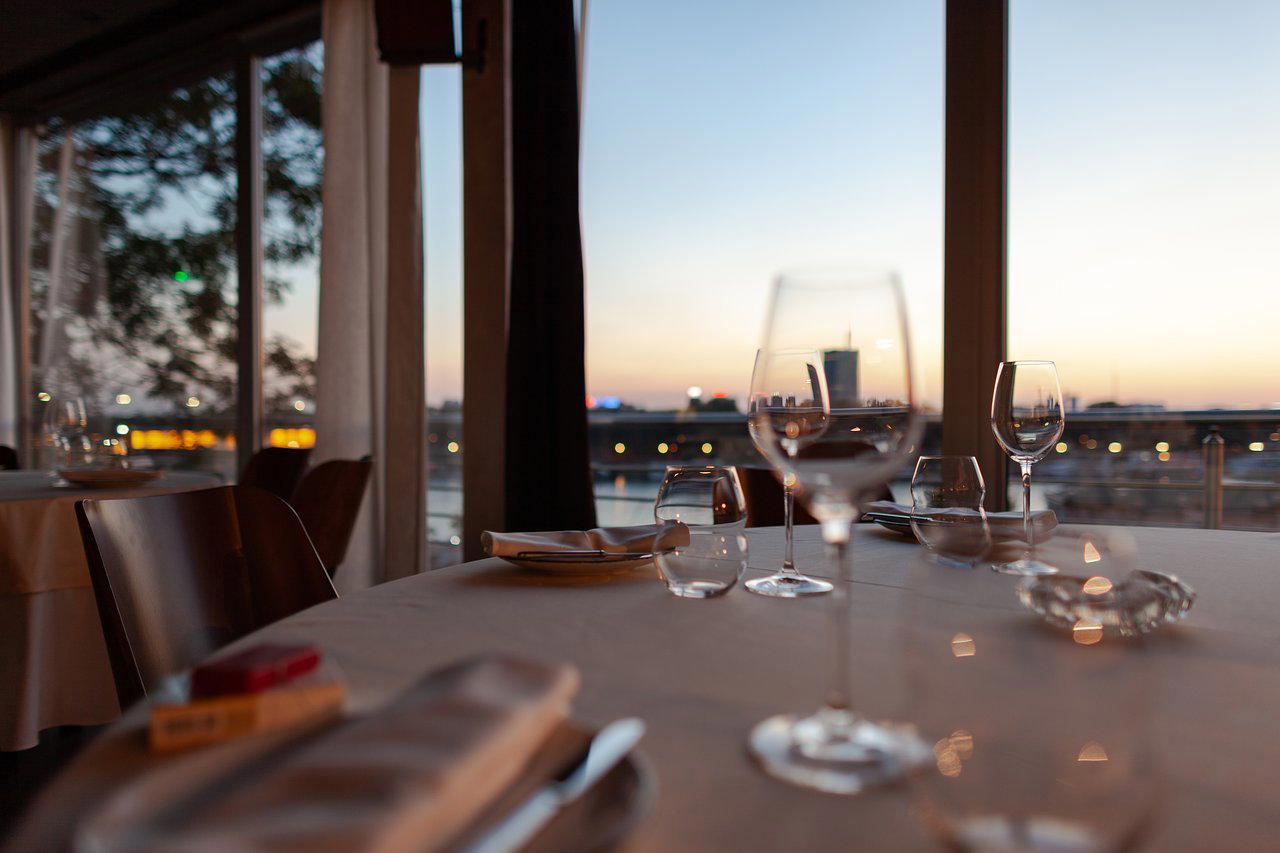
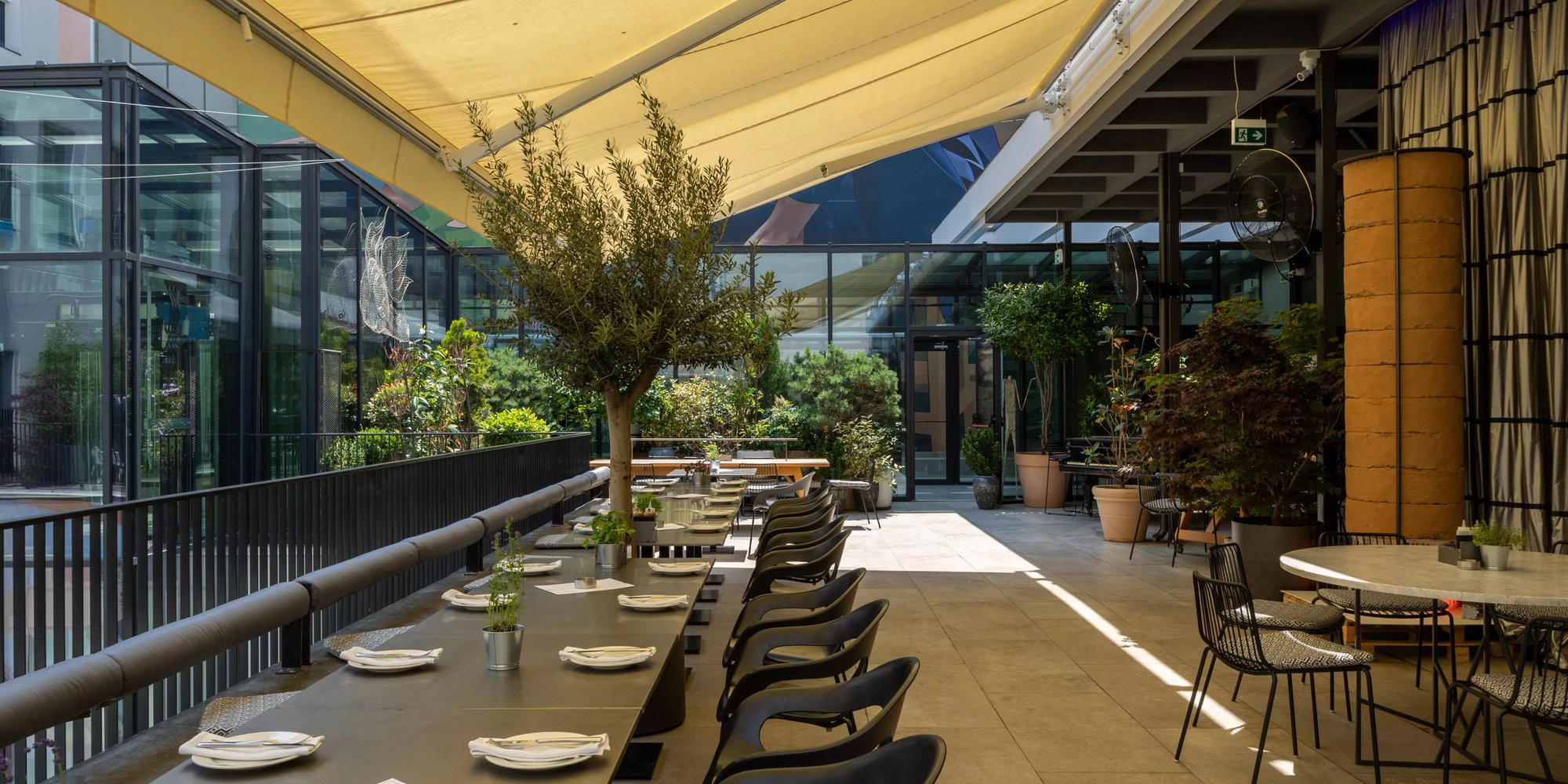
Contemporary and elegant with earth tones and natural materials, featuring artistic details and a varied mix of old and new architectural elements throughout the property.