

SAINT TEN Hotel in Belgrade is a boutique luxury accommodation blending 1929 Vejković architecture with contemporary comfort. Guests enjoy L’Adresse Restaurant’s Mediterranean menus, the curated Saint Ten Reserve wine and cheese selection, and a wellness spa with sauna and massage vouchers. The 54-room property pairs handcrafted furniture, natural stone bathrooms and soundproofed rooms for restful stays. Located in Vračar within walking distance of Saint Sava Temple, Saint Ten Hotel offers refined, personalized service through its hospitality team and membership in Small Luxury Hotels of the World. Expect warm, inviting public spaces, crisp linens, and attentive service that makes cultural exploration and business travel effortless and memorable.
Pearl is the En Primeur Club membership app — saves, bookings, and concierge access live there. Same editors, same standards.
- Address
- Svetog Save 10, Beograd 11000
- Phone
- +381 11 4116633
- Website
- saintten.com
- Directions
- Get directions
 Saves & bookings on Pearl
Where Vračar's Prewar Architecture Meets a Considered Modern Interior
The stately boulevards of Vračar carry a particular weight in Belgrade. This is a neighbourhood of wide pavements, Orthodox churches, and apartment facades that predate the second world war by decades. Arriving at Svetog Save 10, you encounter a building from 1929 by architect Stojan Veljkovic that wears its age deliberately, its historic facade a counterpoint to the glass-and-stone interior that unfolds behind it. That tension between period shell and contemporary interior is not accidental. It reflects a broader pattern in Central and Eastern European boutique hotels, where particularly considered properties use preserved architecture as a frame rather than a costume.
Belgrade arrived late to the boutique-hotel conversation that cities like Prague, Vienna, and Budapest were having in the early 2000s. Square Nine Hotel made an early case for design-led accommodation in the city centre, and the The St. Regis Belgrade brought international-brand luxury to the market. SAINT TEN Hotel occupies a different position: a 55-room independent property in a residential-commercial neighbourhood, pitched at a nightly rate from $178, operating closer to the intimate end of the spectrum than either of those comparators.
The Dining Programme: Sanctus and the Lobby Bar
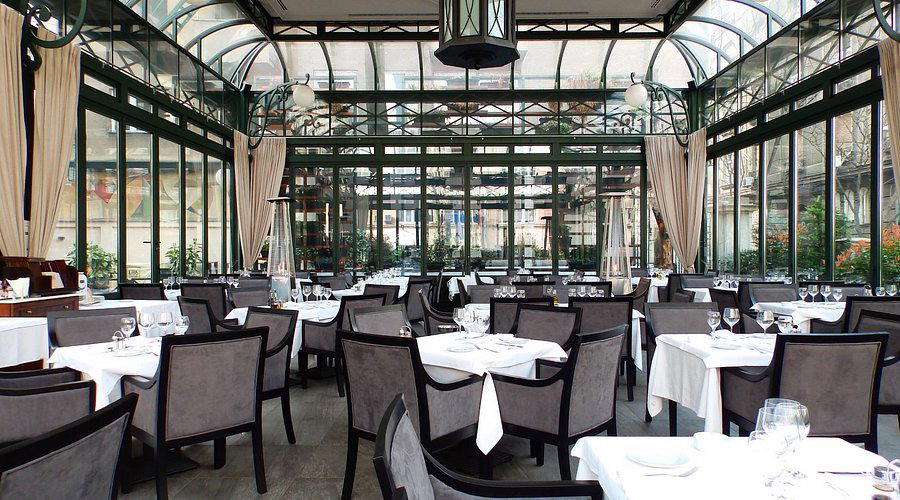
The editorial angle worth examining at SAINT TEN is the dual-mode food and beverage operation. Sanctus, the in-house restaurant, runs as a semi-formal dining room through the day and shifts register toward fine dining after dark. That kind of format transition is common in European city hotels that lack the room count to justify separate kitchens, but doing it credibly requires discipline in both the kitchen and the service team. The transition is not simply about dimming the lights. It means a menu architecture that can hold two different guest intentions: a business lunch with colleagues and a dinner that competes with the city's dedicated restaurants.
Belgrade's restaurant scene has developed fast over the past decade. The city now has Serbian-contemporary kitchens alongside Balkan traditional formats, and international influences have moved well beyond pizza and sushi. For a hotel dining room to be taken seriously in that context, it needs a point of view rather than a safety-net menu.
The lobby bar operates as an all-day lounge, a format that has become one of the more commercially intelligent decisions a boutique hotel can make. When a ground-floor bar is designed to hold a morning coffee, a working lunch, a late-afternoon meeting, and a cocktail before dinner, it becomes a revenue centre that also generates the kind of animated public space that makes a hotel feel inhabited rather than transient. At SAINT TEN, the lobby bar is positioned to serve both hotel guests and Vračar residents, which is a useful signal about how the property relates to its neighbourhood.
For guests interested in how Belgrade's hotel dining compares at the international level, properties like Cheval Blanc Paris or Le Bristol Paris represent one end of that spectrum, where the restaurant programme is itself a destination. SAINT TEN operates on a smaller scale and in a younger market, but the structural intention of Sanctus, an in-house restaurant that takes its evening service seriously, places it in a comparable category of intent if not of size.
Rooms, Finishes, and the Architecture of Rest
The 55 rooms reflect a sober luxury register: large spaces, high-end finishes, glass-walled stone bathrooms with either rain showers or soaking tubs, espresso machines, and bedside reading lights. These details matter not because they are unusual at this price point globally, but because they represent a specific choice about what to prioritise. Many boutique hotels at comparable rates opt for design theatrics over functional comfort. The approach here leans toward the latter, which will suit guests who use their room as a working base as much as a sleeping one.
That positioning aligns SAINT TEN with a broader European independent hotel tradition where restraint in room design signals confidence rather than budget. Compare this to the The Bristol Belgrade or the Radisson Collection Hotel, Old Mill Belgrade to understand where the different properties sit within the city's accommodation offer. SAINT TEN is not attempting to compete on scale or brand recognition; it is competing on the quality of materials and the coherence of its interior decisions.
Internationally, the design-led independent category is well established. Properties like Castello di Reschio in Umbria or HOTEL THE MITSUI KYOTO demonstrate how seriously the tier takes material quality and spatial generosity. SAINT TEN's stone bathrooms and considered room layout suggest an awareness of that peer group, even at a price point significantly below them.
Wellness, the Building's History, and the Neighbourhood
The wellness offer, a sauna, massage room, and a space described as a cardio meditation room, fills out a picture of a hotel designed for guests who want a complete stay rather than just a bed. That configuration is increasingly standard at boutique properties targeting international business and leisure travellers, but the cardio meditation framing is specific enough to suggest a considered approach to the wellness component rather than a checkbox installation.
The building's Cold War history adds a layer of context that the hotel's 1929 origins alone would not provide. Political intrigue is not a marketing abstraction in Belgrade; the city's twentieth century was defined by forces that played out in its architecture, institutions, and public life. A building that was part of that fabric carries a weight that newer constructions in the city cannot replicate. For a certain kind of traveller, that history is part of what makes staying here a different proposition from the The St. Regis Belgrade or the Square Nine Hotel.
Vračar is worth understanding on its own terms. It is not the tourist-facing part of Belgrade that most first-time visitors see. It sits southeast of the old centre, a mixed residential and commercial district where locals live and work. Being based here rather than in the hotel strip closer to Republic Square means a different kind of access to the city: neighbourhood bakeries and cafes rather than tourist infrastructure, and the Temple of Saint Sava visible from the streets around the hotel. For guests interested in exploring beyond central Belgrade, our full Belgrade restaurants guide covers the broader dining picture.
For comparison across Serbia, Hotel Ramonda in Boljevac represents the country's other mode of destination accommodation, the rural retreat rather than the city property. The two properties serve entirely different travel purposes, but together they sketch the range of what serious hospitality in Serbia now looks like.
Planning Your Stay
Rooms at SAINT TEN Hotel start from $246 per night across 54 keys in the Vračar district. The address is Svetog Save 10, Belgrade 11000. Advance booking is recommended, particularly for weekend stays. The lobby bar and Sanctus dining room are available to non-resident guests, making it a reasonable stop even for visitors staying elsewhere in the city.
Price and Recognition
Comparable venues nearby, for context on price, style, and recognition.
| Venue | Price | Awards | Notes |
|---|---|---|---|
| SAINT TEN HotelThis venue — the venue you are viewing | $$$$ | Michelin 1 Key | Not listed |
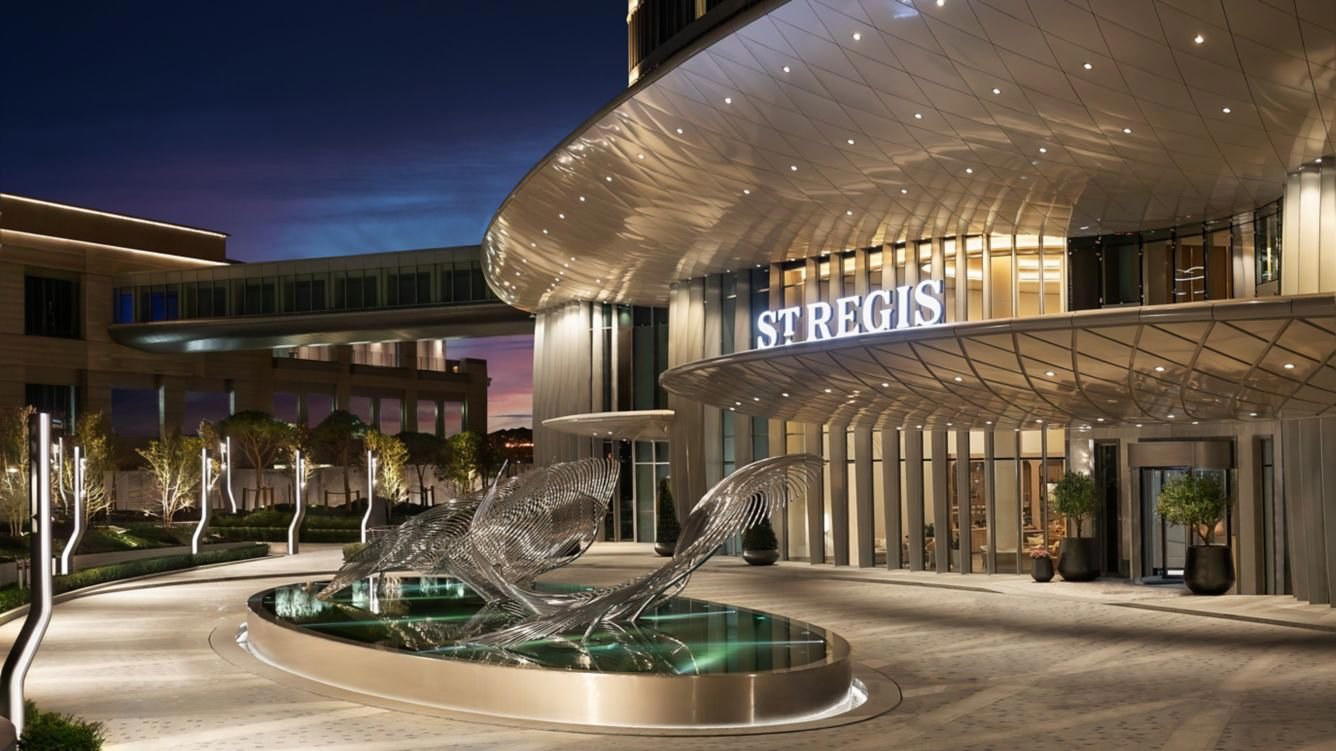
| The St. Regis Belgrade | $$$$ | Michelin 1 Key | Savski Venac, Contemporary luxury palace hotel with St. Regis signature service standards and Danube riverfront positioning. |
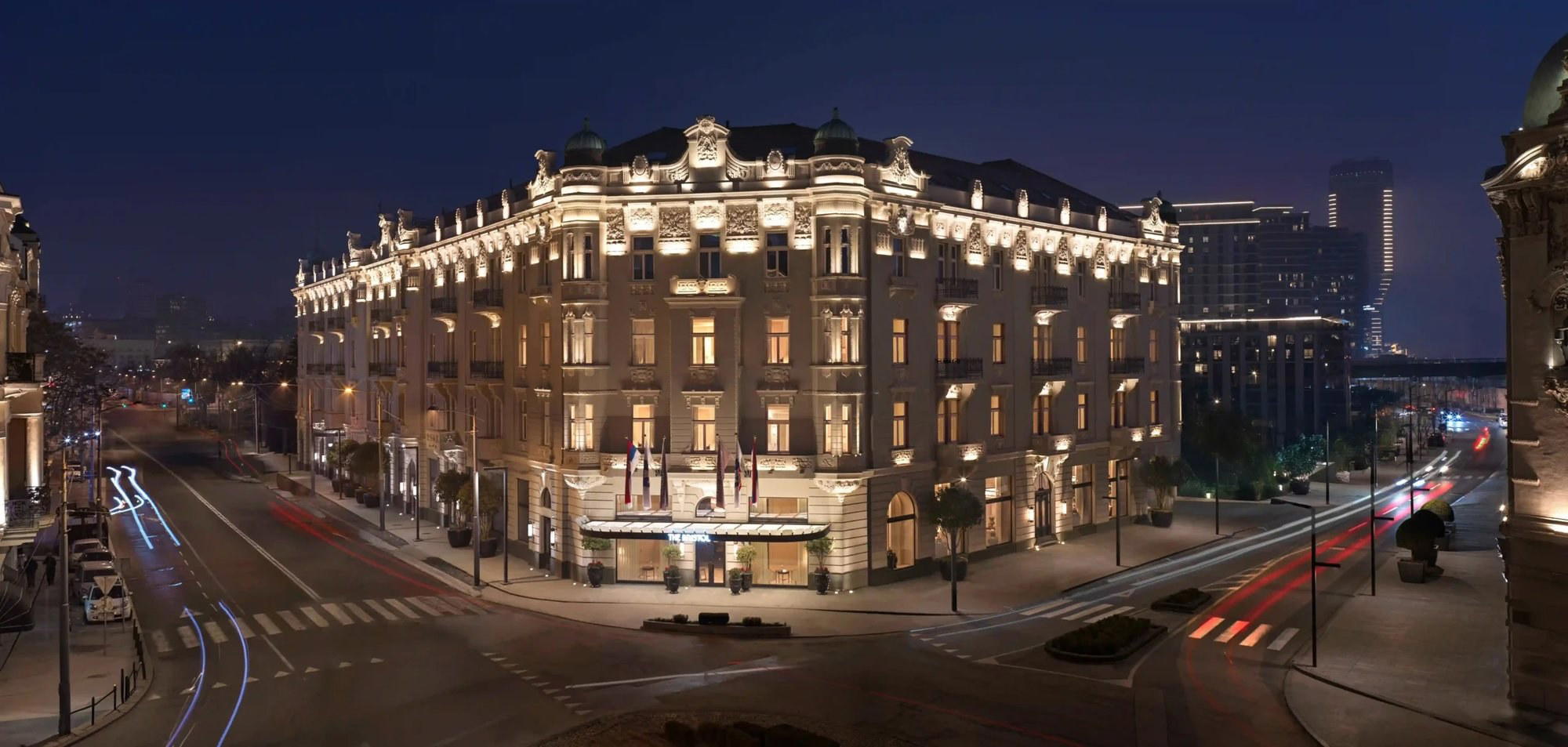
| The Bristol Belgrade | $$$$ | Michelin 1 Key | Savski Venac, Historic luxury heritage hotel with contemporary restoration, positioned as an independent five-star property contributing to Belgrade's Savamala district revival. |
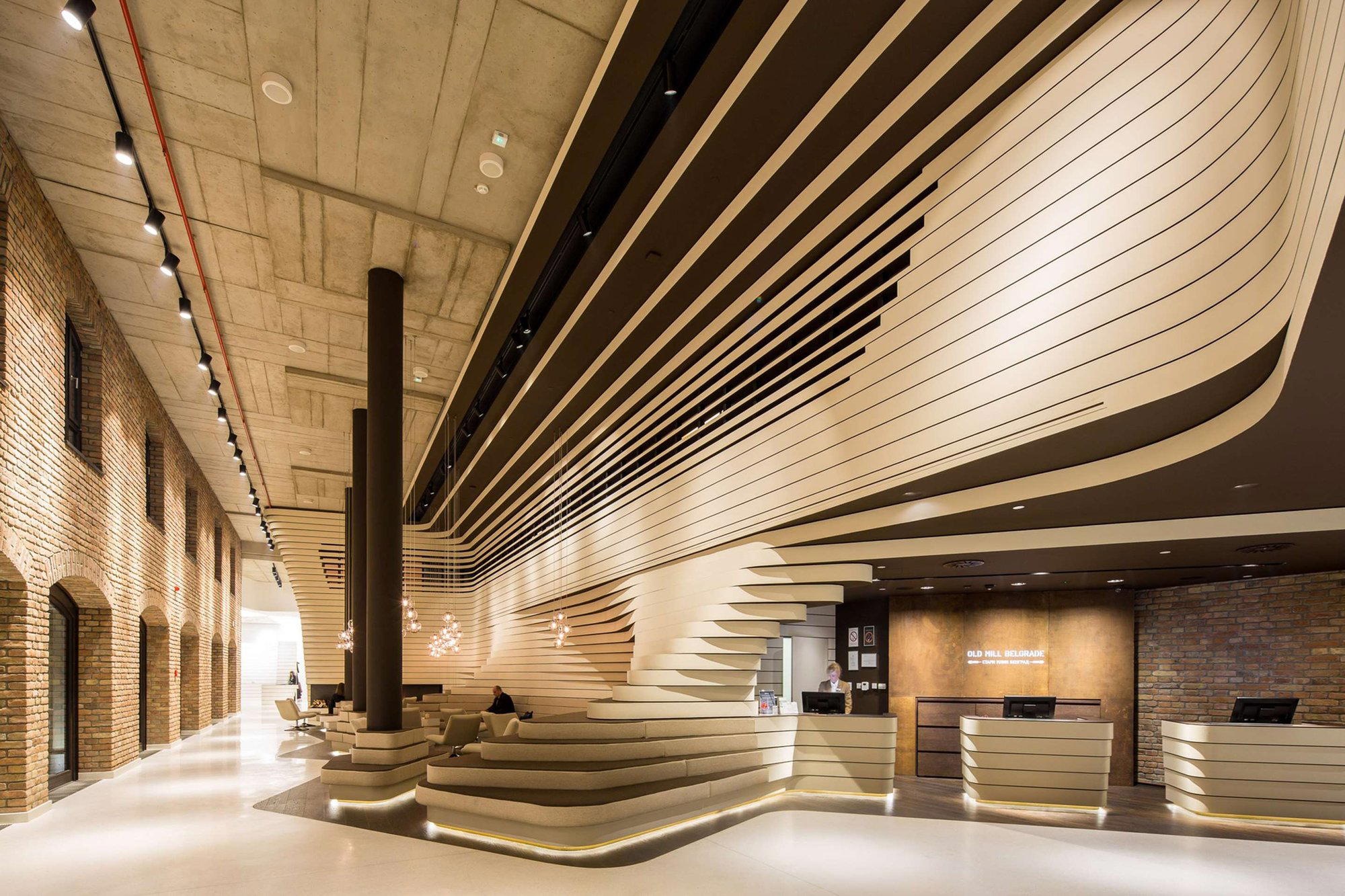
| Radisson Collection Hotel, Old Mill Belgrade | $$$$ | 4-Star | Old Belgrade, Historic preservation meets contemporary luxury, housed in a 19th-century Old Mill with modern amenities and artistic interior design. |
| Boutique Hotel Townhouse 27 | $$$ | 4-Star | Stari Grad (Old Town), Contemporary luxury boutique hotel with artistic design aspirations and minimalist sensibilities, positioned as a modern alternative to traditional business hotels. |
| Metropol Palace Hotel, Belgrade | $$$$ | 5-Star | Palilula, Historic luxury hotel with mid-century modern architecture renovated to modern standards |
Recognition history
Dated appearances from independent guides and award organizations, with the underlying list record or original source where available.
Michelin 1 Key
Michelin
Small Luxury Hotels of the World Member
Small Luxury Hotels of the World
Continue exploring
More in Belgrade
Hotels in Belgrade
Browse all →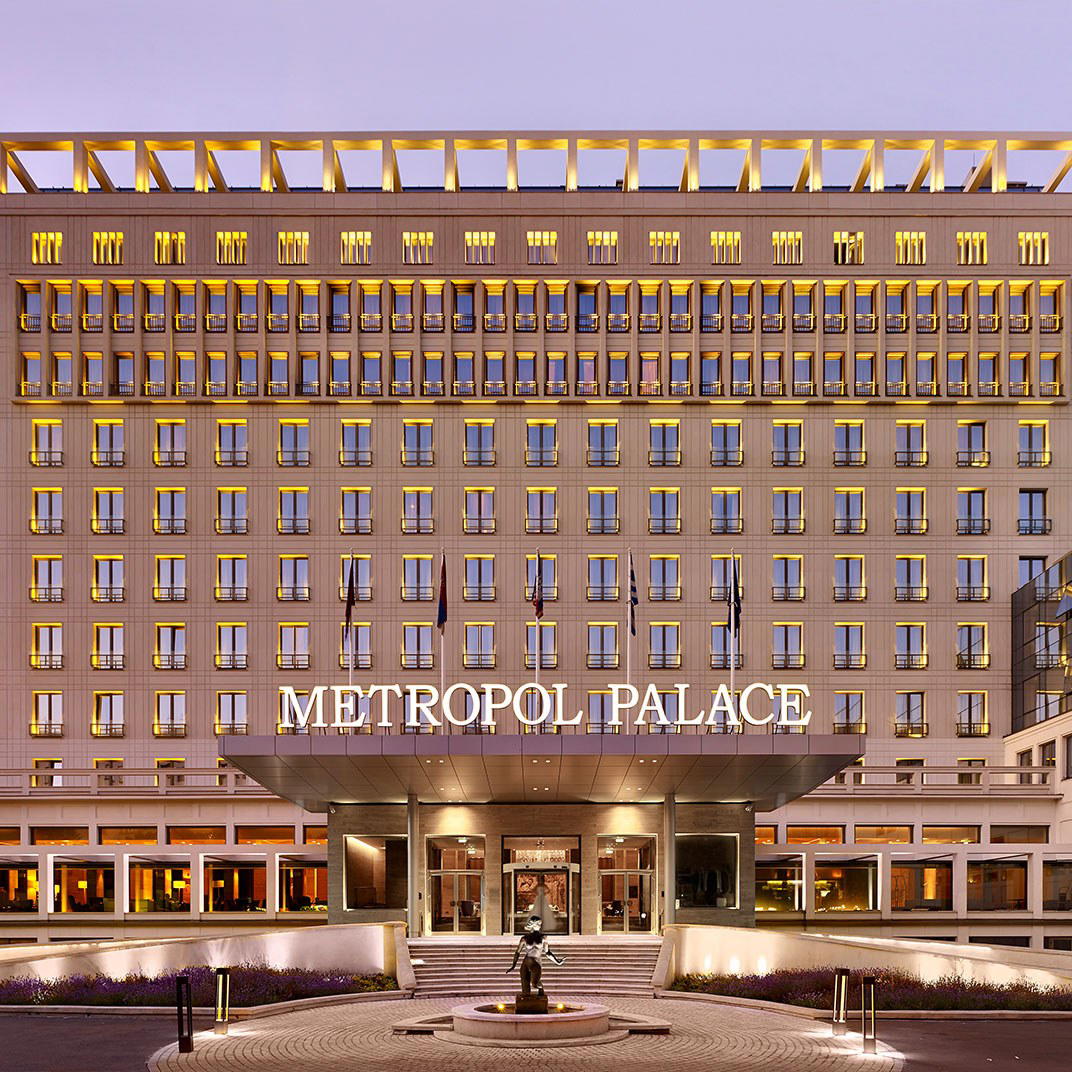
Bars in Belgrade
Browse all →
Restaurants in Belgrade
Browse all →

At a Glance
- Elegant
- Modern
- Sophisticated
- Intimate
- Romantic Getaway
- Business Trip
- Anniversary
- Rooftop Pool
- Historic Building
- Panoramic View
- Terrace
- Wi Fi
- Sauna
- Fitness Center
- Room Service
- Concierge
- Restaurant
- Business Center
- Valet Parking
- Skyline
- Wi Fi
- Sauna
- Fitness Center
- Room Service
- Concierge
- Restaurant
- Business Center
- Valet Parking
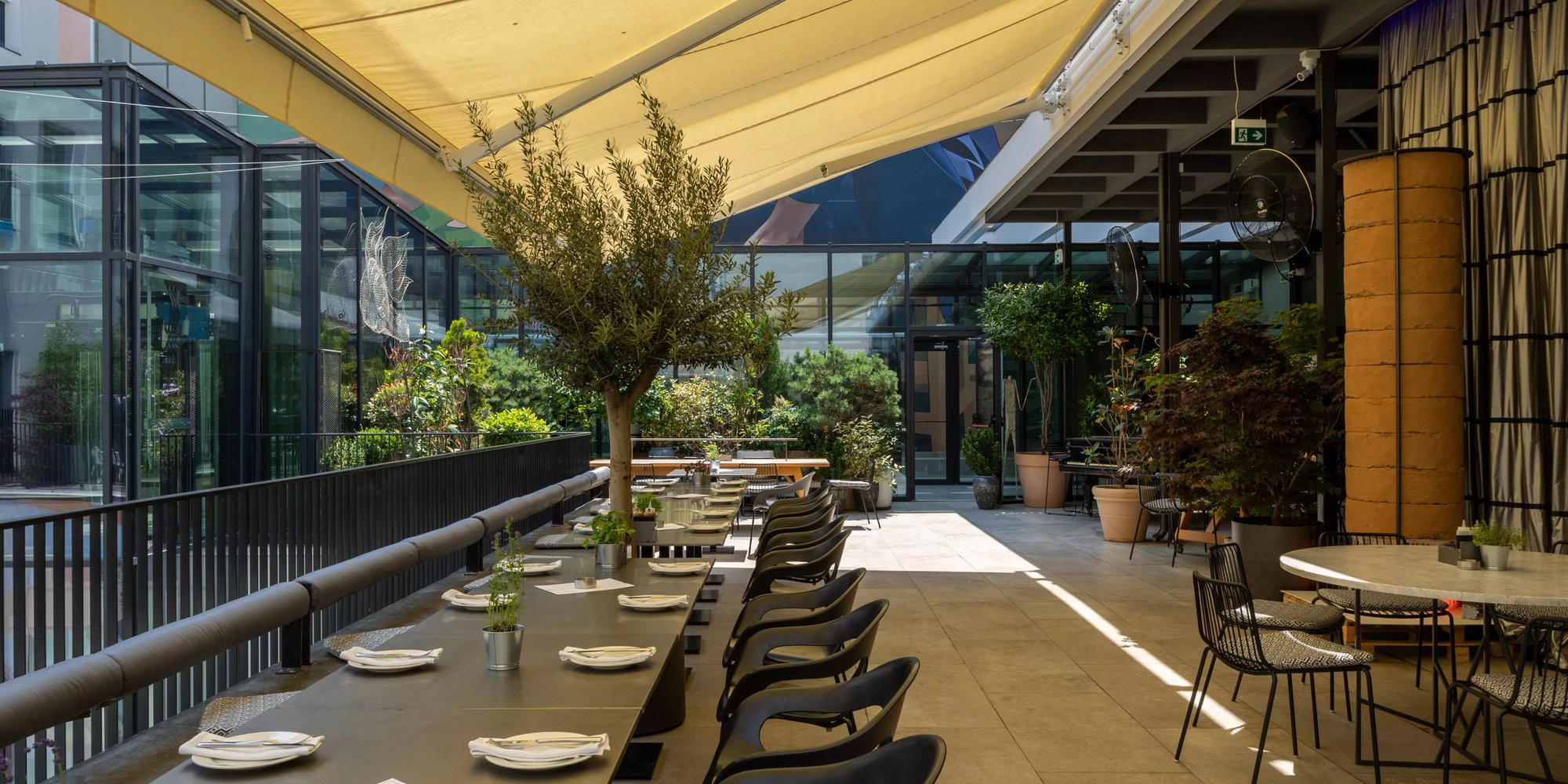
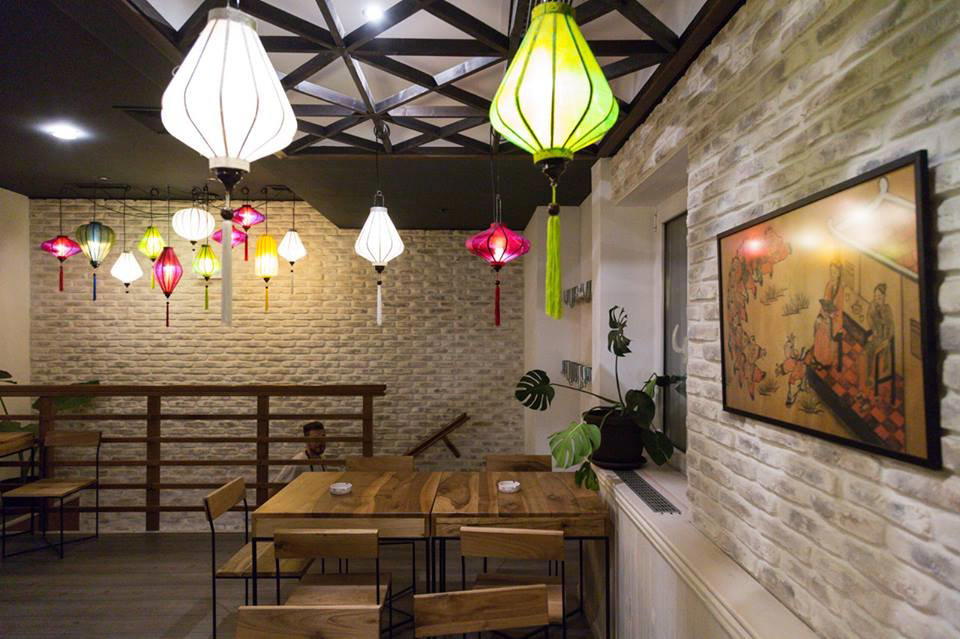
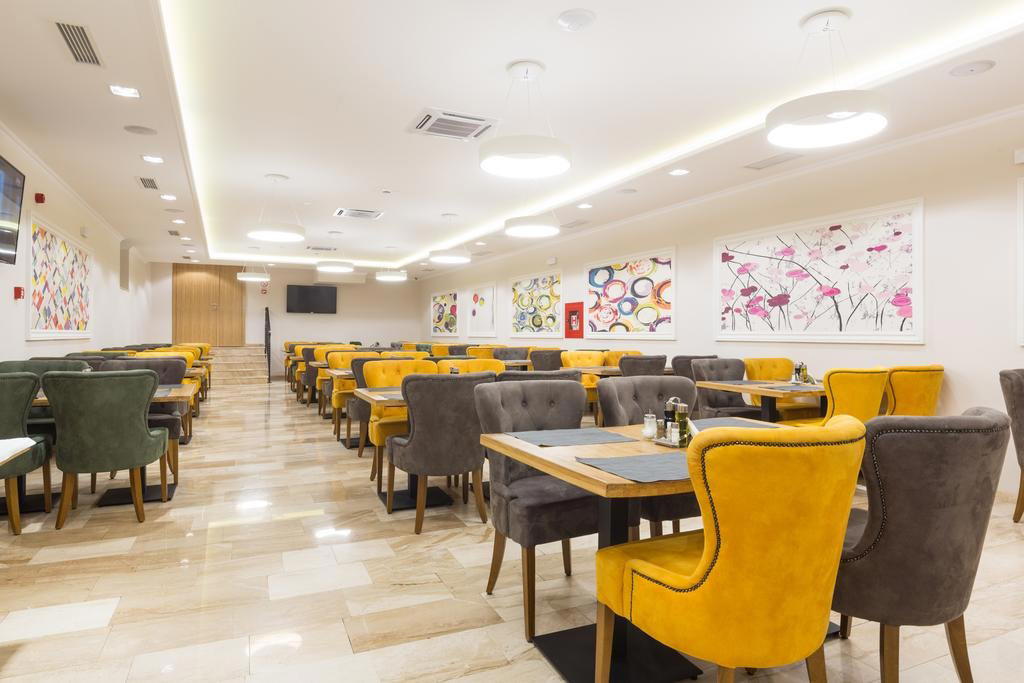
Peaceful and warm with soothing interiors, wooden floors, distinctive handmade furniture, and a refined atmosphere praised for its elegance and tranquility.