On Ustanička in the Dušanovac district, Dušanovački Cvet occupies a corner of Belgrade that most visitors never reach, a residential neighbourhood far from the Savamala bar scene and the Old Town's tourist circuit. That distance is the point. The restaurant draws from a local clientele that returns consistently, placing it in the category of neighbourhood institutions that Belgrade's dining culture quietly depends on.
Pearl is the En Primeur Club membership app — saves, bookings, and concierge access live there. Same editors, same standards.
- Address
- Ustanička 78, Beograd, Serbia
- Phone
- +381113445065
- Website
- dusanovackicvet.rs
- Directions
- Get directions
 Saves & bookings on Pearl
Dušanovac, and What It Means to Eat Here
Belgrade's dining conversation tends to cluster around a few postcodes: the warehouse conversions of Savamala, the polished rooms of Vračar, the riverside terraces that fill from May through September. Dušanovac sits outside that circuit. The neighbourhood runs along Ustanička toward the southeastern edge of the city, residential and unhurried, the kind of area where restaurants succeed on repeat local custom rather than on foot traffic from hotel concierge lists. Dušanovački Cvet, at number 78 on that street, is a product of that environment, a place shaped by the demands and loyalties of a specific community rather than by the expectations of a transient dining public.
That distinction matters because it changes the register of the experience. In central Belgrade, a restaurant at a comparable address carries certain implicit pressures: proximity to Skadarlija's tourist-facing kafana tradition, competition with the modern bistro format that venues like The Square have developed, or the high-end tasting menus that places like Langouste represent in the €€€€ tier. Out on Ustanička, those pressures recede. What replaces them is a more direct relationship between the kitchen and the people who actually live nearby.
The Dušanovac Address in Context
Serbian restaurant culture has always had a strong neighbourhood-institution tradition, distinct from both the kafana as social institution and the fine-dining room as occasion destination. These are places, typically unlisted in international guides, rarely photographed for editorial purposes, that operate on the logic of a local post office: essential, consistent, and valued precisely because they are not performing for an outside audience. Dušanovački Cvet sits in that category by geography if nothing else. The name itself is a local reference, anchoring the venue firmly to the district it serves.
The broader Dušanovac area has not attracted the investment that reshaped Vračar or the creative energy that transformed Savamala over the past decade. It remains a functioning residential neighbourhood, which is to say it has kept the conditions that allow neighbourhood restaurants to exist on their own terms. For travellers willing to move beyond the central postcodes, this is precisely the draw. The same logic applies across Serbia's secondary cities and towns, where places like ETNO PODRUM BRKA in Nis or Cafe Boem in Pirot operate with a similar relationship to their communities.
Belgrade's Neighbourhood Dining Tier
The Serbian capital's restaurant scene in 2024 is not a monolith. At one end, venues with formal tasting formats and imported technique sit alongside heavily awarded rooms and international recognition. At the other end, a large tier of neighbourhood and local-format restaurants operates on different metrics entirely: frequency of visit, value for local incomes, and kitchen consistency across a regular rather than occasion-driven clientele. Ambar has made a version of Serbian hospitality legible to an international audience; Avala and Barrel House operate in distinct format niches of their own. Dušanovački Cvet, by contrast, answers primarily to the neighbourhood around it.
For a reader planning a trip to Belgrade, the question is not whether to visit a neighbourhood restaurant like this instead of the city's more prominent rooms, but whether to include it alongside them, and when. The answer depends largely on what you want from a particular meal. A venue that draws primarily from local return custom offers a different read on a city than a restaurant calibrated for first-time visitors or occasion dining. Both are useful. They tell different stories.
If you are building a longer stay in Belgrade and want to move past the concentration of well-documented options in the centre, the southeastern neighbourhoods offer that shift. For a wider view of what the city's dining culture covers at every tier and format, the full Belgrade restaurants guide maps the range in detail.
How This Fits into the Wider Serbian Scene
Serbia's restaurant geography beyond Belgrade is worth noting for context. The country has developed a set of place-specific dining traditions that don't follow a single metropolitan logic: the Vojvodina plains produce their own cuisine and hospitality register, the western towns have their own reference points, and the Danube corridor has its own čarda tradition. Venues like ČARDA ZLATNA KRUNA in Apatin, Borkovac in Ruma, or Etno Restoran Fijaker in Sombor each represent a version of Serbian dining rooted in a specific geography. Fleur de Sel in Novi Slankamen and Ananda in Novi Sad show the range in the north. In the east, Etno Kuća Dinar in Vrsac and Aleksandar Gold in Uzice anchor their own regional character.
The restaurant belongs to the Belgrade end of that geography, specifically to the part of Belgrade that doesn't define itself against an international benchmark. That is a coherent and defensible position in a city that has plenty of venues calibrated for outside attention. Internationally, the gap between neighbourhood-rooted restaurants and occasion-destination rooms is something that cities like New York address with institutions such as Le Bernardin, while format-experimental venues like Lazy Bear in San Francisco occupy a completely different register. The neighbourhood restaurant, wherever it operates, answers a different brief from either of those.
Planning a Visit
Ustanička 78 is reachable from central Belgrade by tram or bus, with several lines running the length of the street from the city centre toward the southeastern districts. The journey from Trg Republike takes roughly fifteen to twenty minutes depending on traffic, which means this is not an add-on to a packed itinerary but a deliberate choice to spend time in a part of the city that most visitors skip. That deliberateness is part of the value.
Cuisine Context
Comparable venues nearby, for context on price, style, and recognition.
| Venue | Cuisine | Price | Notes |
|---|---|---|---|
| Dušanovački CvetThis venue — the venue you are viewing | Traditional Serbian | $$ | Not listed |
| PRANA BRUNCH&MORE | Healthy Brunch with Italian and Thai Influences | $$ | downtown |
| Sinđelić | Traditional Serbian | $$ | Voždovac |
| KAFE POSLASTIČARNICA FINI | Serbian Pastry Cafe | $$ | city center |
| Barrel House | Modern Serbian & International Grill | $$ | Old Dorćol |
| RESTORAN KOVAČ | Traditional Serbian | $$ | Voždovac |
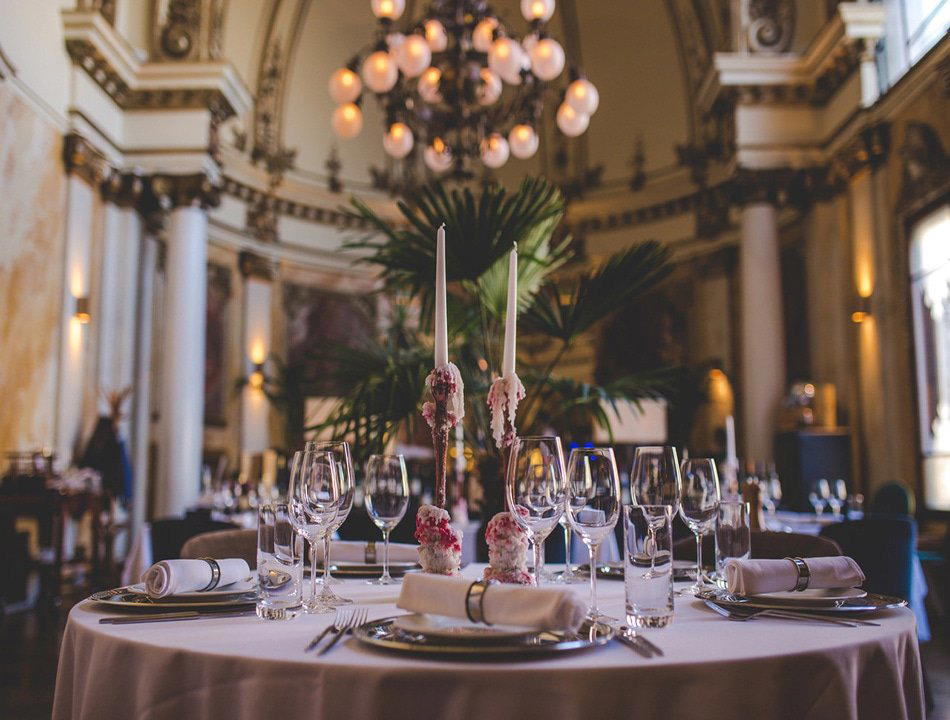
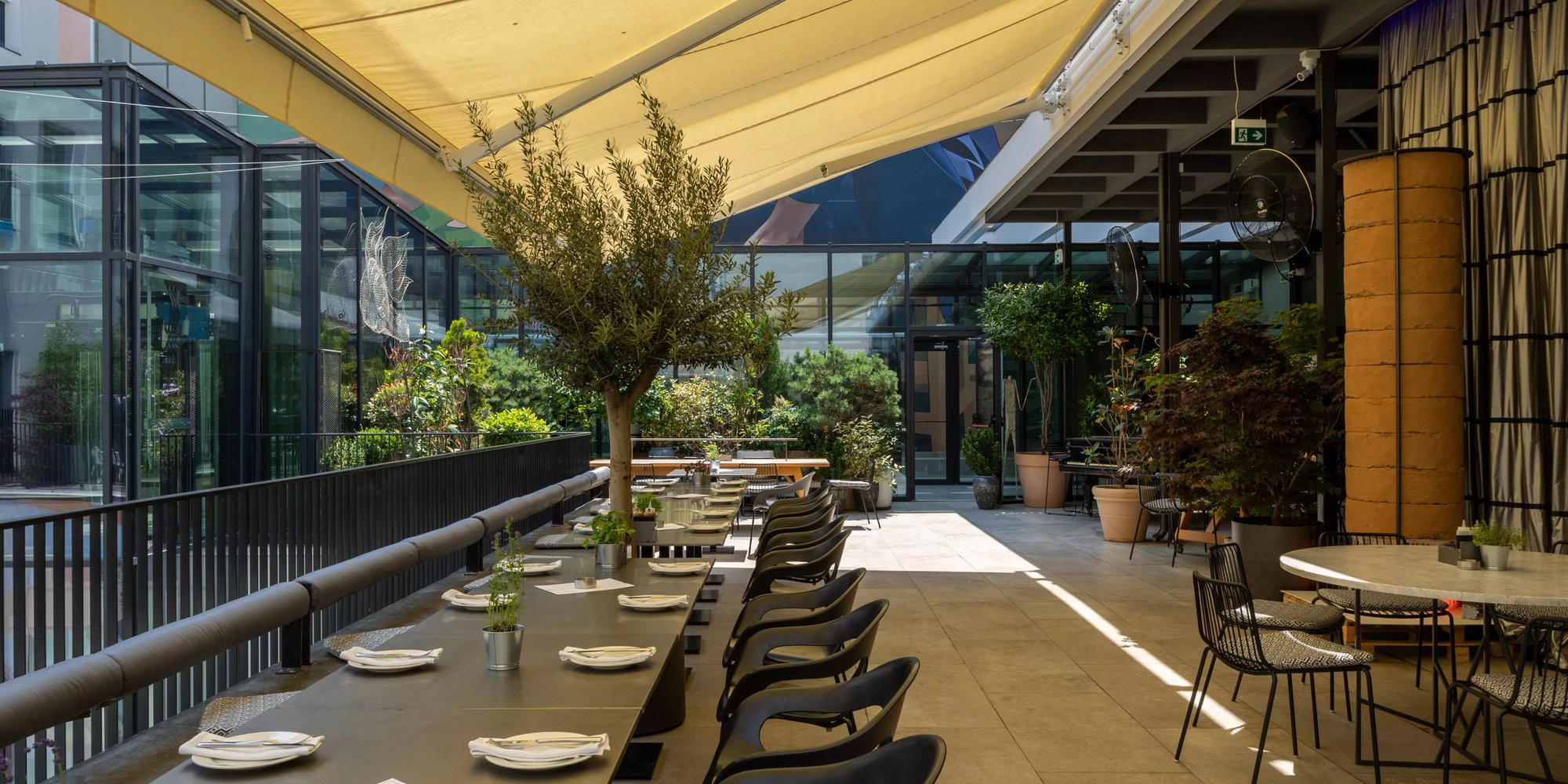
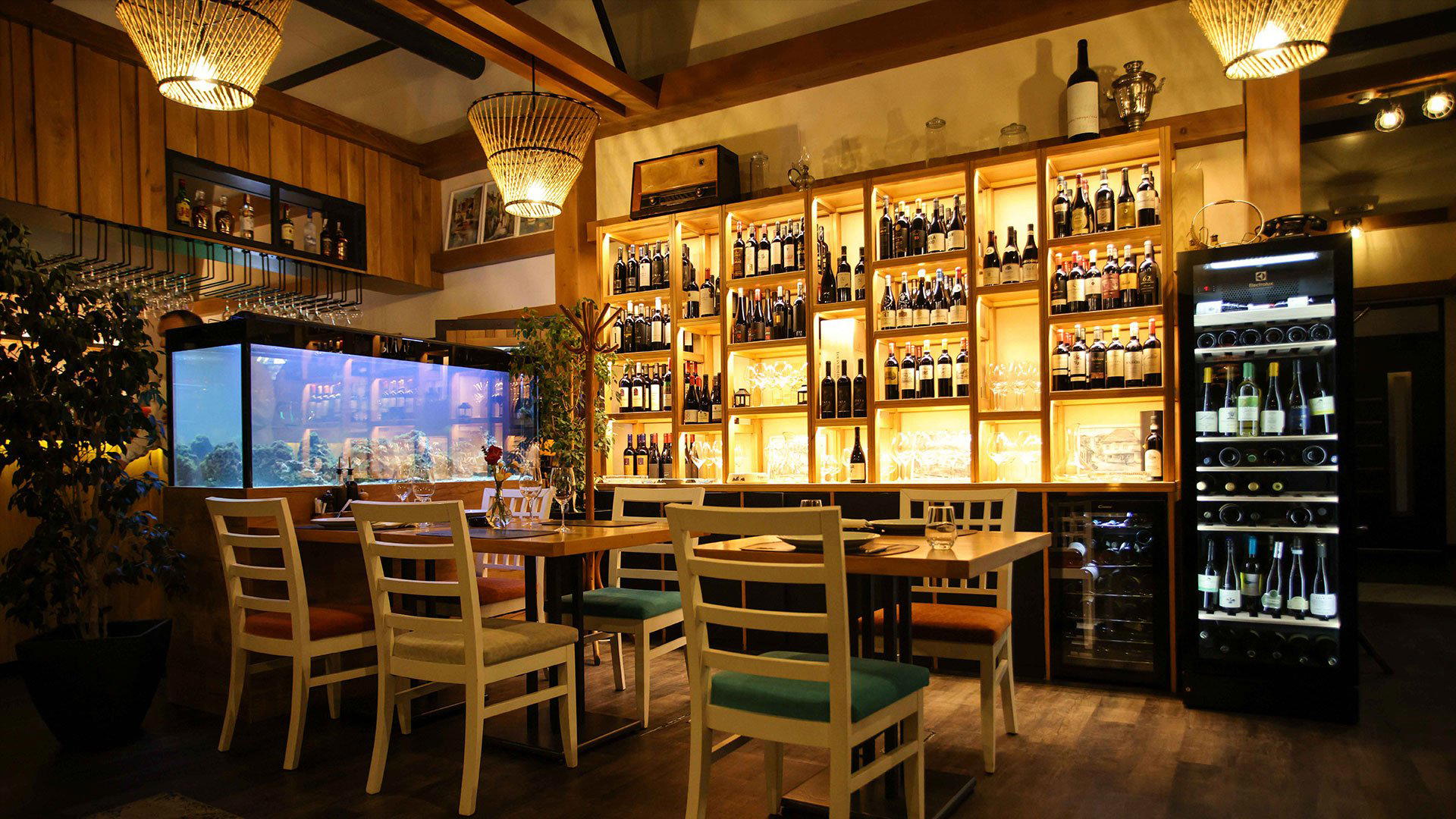
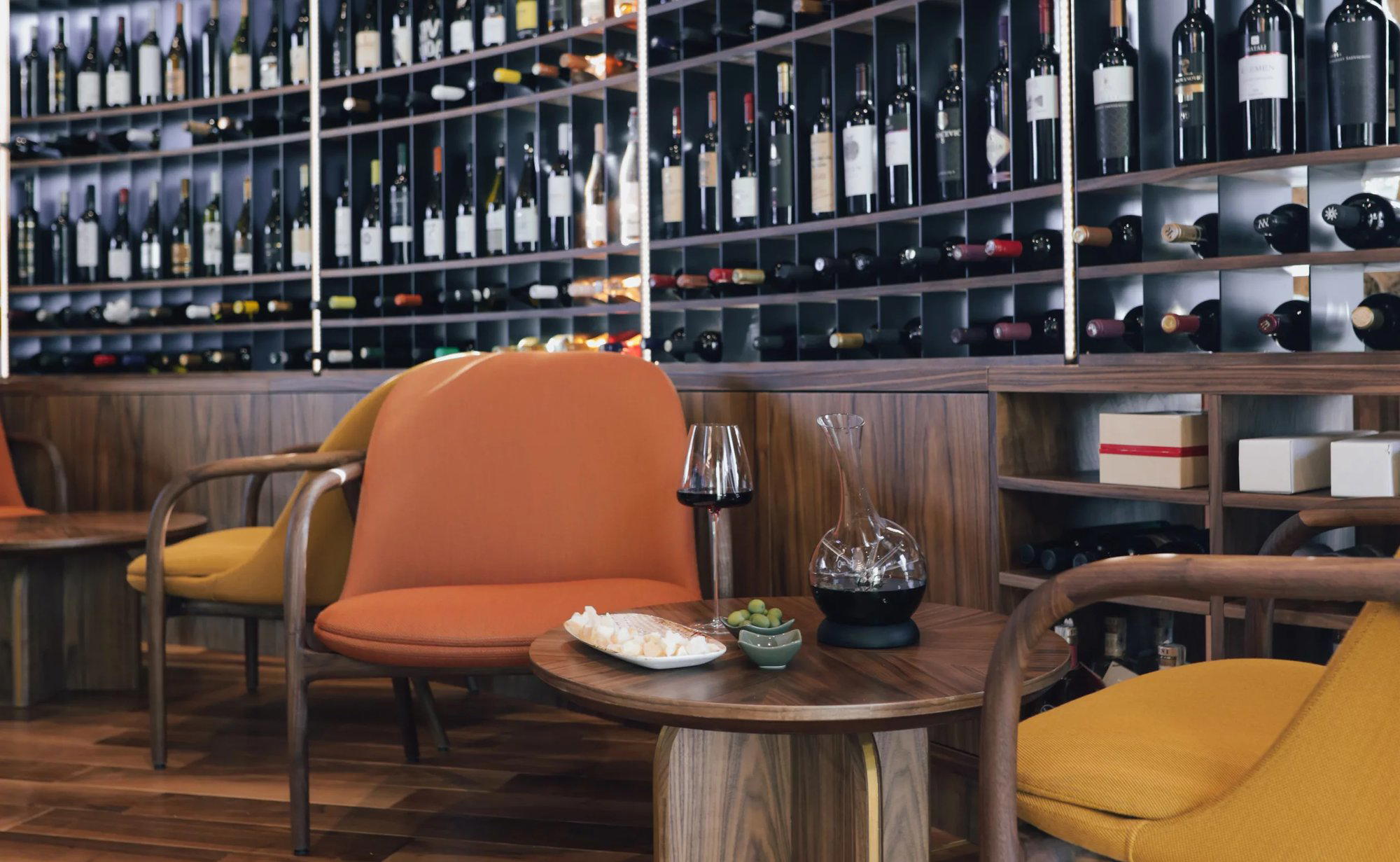
At a Glance
- Classic
- Cozy
- Rustic
- Family
- Group Dining
- Casual Hangout
- Garden
- Private Dining
- Garden
Current opening hours
- Monday
- 9 AM–11 PM
- Tuesday
- 9 AM–11 PM
- Wednesday
- 9 AM–11 PM
- Thursday
- 9 AM–11 PM
- Friday
- 9 AM–11 PM
- Saturday
- 9 AM–11 PM
- Sunday
- 10 AM–11 PM
Hours can change for holidays and private events. Last verified .
Pleasant garden atmosphere with comfortable outdoor seating and lively occasions featuring live music.