Rubin sits on Kneza Višeslava in Rakovica, a residential Belgrade district that keeps it operating at some distance from the central dining circuit. The address alone signals something about its audience: local regulars rather than hotel-concierge traffic. For visitors willing to move beyond the Skadarlija and Savamala axis, that distance is the point.
Pearl is the En Primeur Club membership app — saves, bookings, and concierge access live there. Same editors, same standards.
- Address
- Kneza Višeslava 29, Beograd 11090, Serbia
- Phone
- +38163267702
- Website
- restoranrubin.com
- Directions
- Get directions
 Saves & bookings on Pearl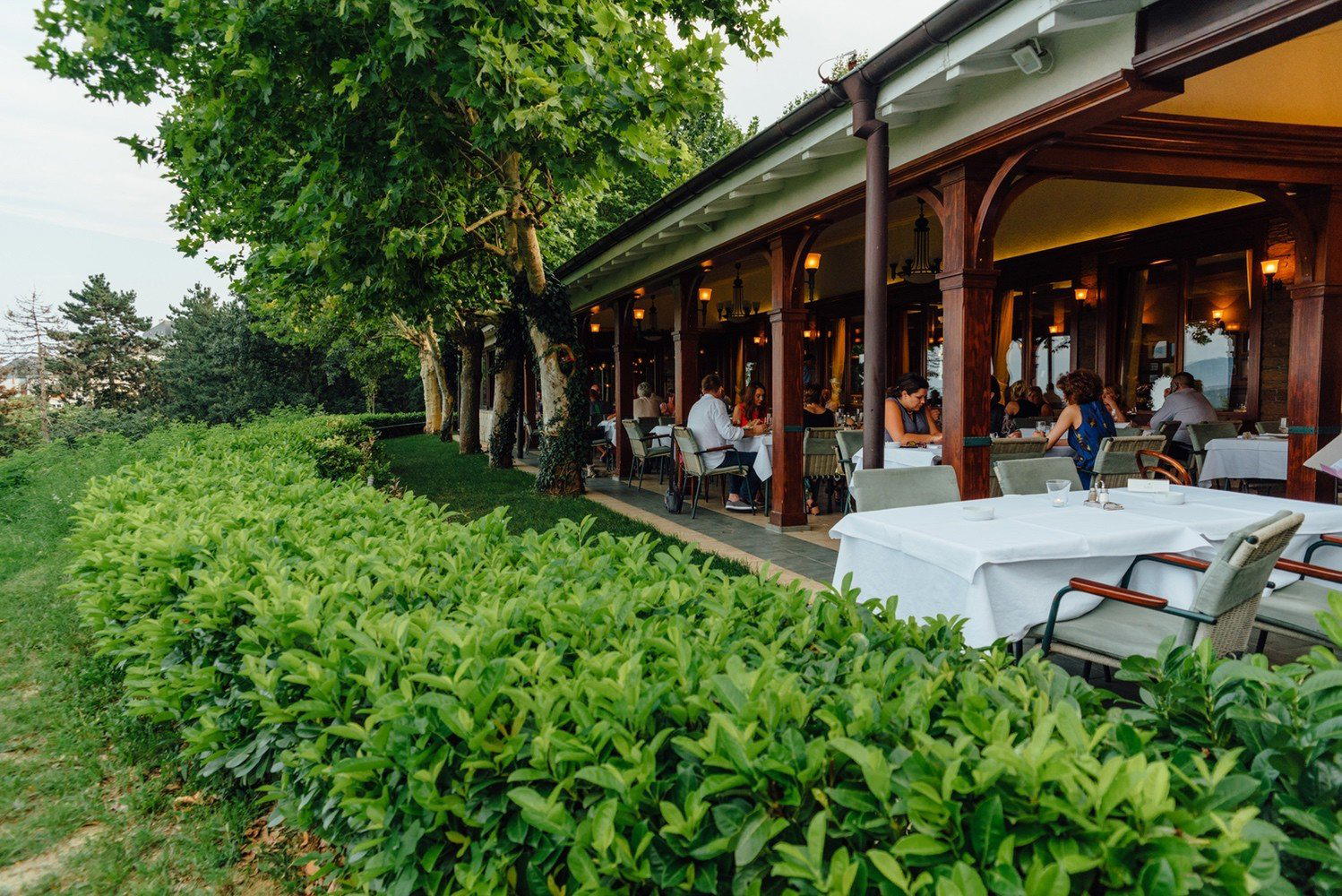
Off the Axis: Dining in Belgrade's Residential West
Belgrade's dining conversation tends to orbit a familiar set of coordinates: the cobbled kafana lanes of Skadarlija, the converted warehouse bars of Savamala, the riverside splavovi floating along the Sava. What gets less editorial attention is the quieter residential belt that stretches west and south of the city core, where restaurants serve neighbourhoods rather than itineraries. Kneza Višeslava, the street in Rakovica where Rubin operates, belongs to that other Belgrade. The area is functional, mid-century in its architecture, and emphatically local in character. Arriving here, you are not on the tourist circuit. That is not a drawback, it is the premise.
This geographic position shapes everything about what a venue on Kneza Višeslava can and should be. In cities where dining culture is as socially embedded as it is in Belgrade, the neighbourhood restaurant carries a different weight than its counterpart on a gastro-tourist strip. It has to earn repeat business from people who live within walking distance, whose benchmarks are consistency and value rather than novelty. That pressure tends to produce a different kind of operation: less performative, more calibrated to the actual rhythms of how people eat.
The Rakovica Context
Rakovica sits southwest of the city centre, historically a working-class and industrial district that has urbanised steadily over the postwar decades into a dense residential municipality. It is not a neighbourhood that appears in most Belgrade dining guides, which means the restaurants that operate there are largely invisible to the short-stay visitor. That invisibility cuts both ways. It removes the venue from comparison with destination restaurants like Langouste or The Square, which operate in a different register entirely, and it insulates the local dining room from the seasonal swings that affect venues closer to the tourist belt.
Neighbourhood restaurants in this part of Belgrade tend to draw from Serbian comfort-cooking traditions: grilled meats, slow-cooked stews, fresh bread, and a wine list built around domestic producers. That tradition is not static. Across Serbia, regional cooking has been quietly reappraised over the past decade, with producers in Šumadija, Vojvodina, and the Morava valley drawing renewed attention. The influence of that broader shift reaches even into local restaurants operating far from the fine-dining circuit. For a fuller picture of how Belgrade's wider dining scene maps across price tiers and styles, the EP Club Belgrade guide tracks the city's options in detail.
What the Address Implies
A restaurant at Kneza Višeslava 29 is not positioned for the itinerary traveller who books three weeks ahead and consults a Michelin map. It is positioned for the quarter. That has specific implications for how the room operates, how a table is likely to be priced, and what kind of hospitality logic governs the experience. In Belgrade's peer cities across the Balkans, this category of neighbourhood dining tends to run at prices that reflect local purchasing power rather than tourist tolerance for premium positioning. For comparison, Belgrade's broader mid-range dining tier, represented by places like Ambar and Avala, operates at accessible price points by Western European standards. A residential-district restaurant typically sits below even that tier.
The same logic applies across Serbia's provincial dining circuit. Venues like Kod Brana in Cacak, Lovački dom in Valjevo, and KAFANA DUKAT in Pirot operate on the same neighbourhood-first model: deep local loyalty, consistent cooking, and pricing calibrated to community rather than destination visitors. Rubin's address places it in that same category, even within Belgrade's city limits.
The Kafana Tradition and Its Contemporary Heirs
Serbia's restaurant culture is inseparable from the kafana: a form of eating and drinking house that has served as social infrastructure in Serbian towns since the eighteenth century. The kafana is not simply a restaurant with folk music. It is a specific hospitality format built around extended stays, shared tables, domestic cooking, and a particular relationship between host and guest that treats service as a form of social bond rather than a transactional function. Many Belgrade restaurants that appear to be modern dining rooms carry kafana DNA in their hospitality logic, even when the interiors have been updated and the menus have evolved.
That tradition is worth holding in mind when approaching any neighbourhood restaurant in Belgrade. The register is different from, say, a contemporary French bistro or a precision-focused omakase counter. Expectations around pacing, presentation, and formality adjust accordingly. For visitors whose reference points are set by restaurants like Le Bernardin in New York or Atomix, the shift in register is significant, and understanding it is more useful than treating the neighbourhood format as a lesser version of fine dining. It is a different format operating on different values.
Across Serbia, this tradition manifests in places like Etno Kuća Dinar in Vrsac and ČARDA ZLATNA KRUNA in Apatin, where the architecture, the menu, and the service style all draw from regional folk hospitality. Belgrade's urban equivalent operates with less ceremony and more proximity to the city's working rhythms, but the underlying values of warmth, generosity, and domestic-scale cooking remain consistent.
Planning a Visit
Rubin's location in Rakovica means public transport is the practical access route from central Belgrade. Visitors combining a meal here with broader Belgrade exploration might also consider the belt of dining options along the Barrel House corridor closer to the centre, or the Novi Sad dining scene represented by venues like Kafe Restoran Maša. Windmill in Pancevo, Aleksandar Gold in Uzice, and Grand in Kopaonik each represent different facets of how Serbian hospitality operates outside the capital. Kod poštara in Aran Elovac illustrates how roadside and village restaurants hold their own distinct position in the Serbian dining ecology.
At-a-Glance Comparison
Comparable venues nearby, for context on price, style, and recognition.
| Venue | Cuisine | Price | Notes |
|---|---|---|---|
| RubinThis venue — the venue you are viewing | Traditional Serbian Grill | $$ | Not listed |
| Restaurant Djerdan | Authentic Serbian Barbecue | $$ | Zvezdara |
| Potkovica | Traditional Serbian Horse Meat Barbecue | $$ | Savski venac |
| Crna Ovca | Artisanal Ice Cream Shop | $$ | Stari Grad |
| Petar at Tikas | Modern Serbian Cuisine | $$ | Palilula |
| Vila Gospava | Serbian Traditional | $$ | Savski Venac |
At a Glance
- Rustic
- Classic
- Cozy
- Scenic
- Family
- Celebration
- Group Dining
- Date Night
- Business Dinner
- Terrace
- Panoramic View
- Extensive Wine List
- Local Sourcing
- Mountain
- Skyline
Current opening hours
- Monday
- Closed
- Tuesday
- 12–11 PM
- Wednesday
- 12–11 PM
- Thursday
- 12–11 PM
- Friday
- 12–11 PM
- Saturday
- 12–11 PM
- Sunday
- 12–11 PM
Hours can change for holidays and private events. Last verified .
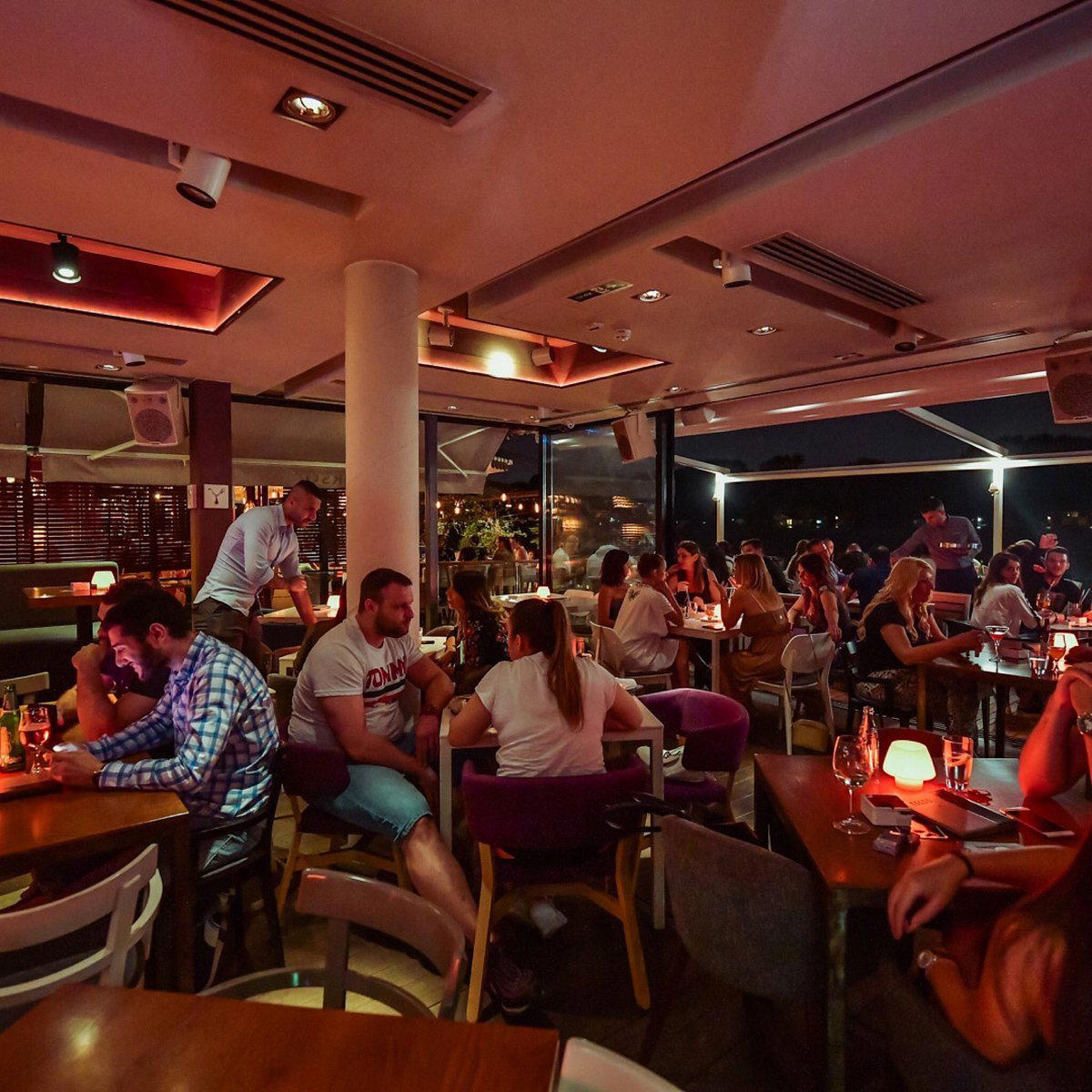
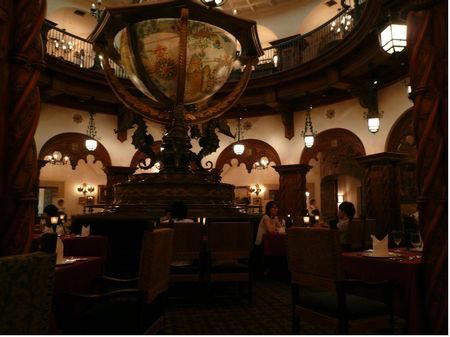
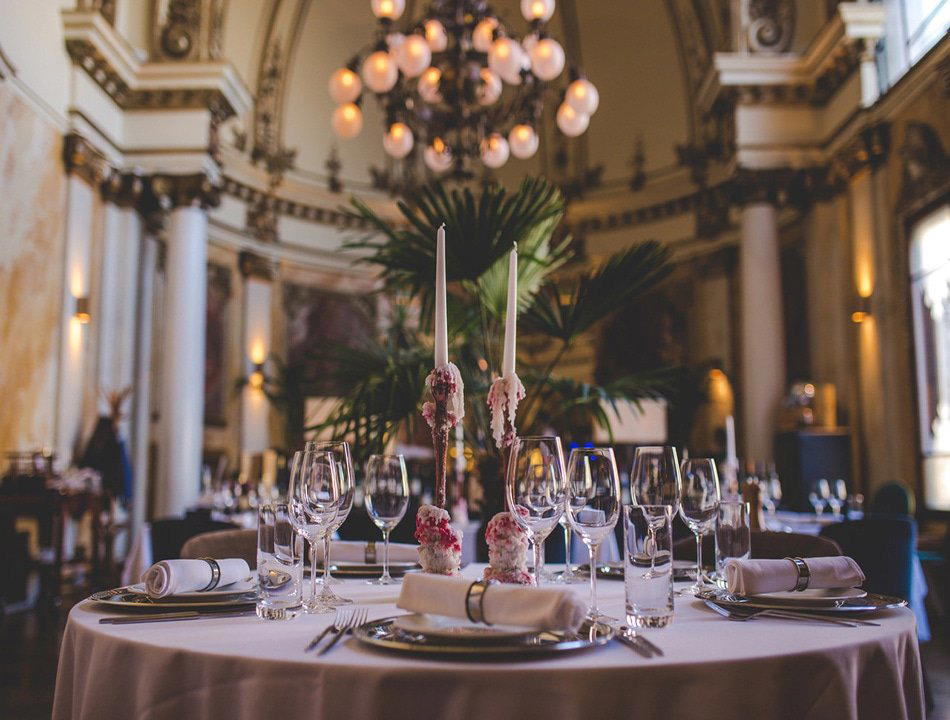
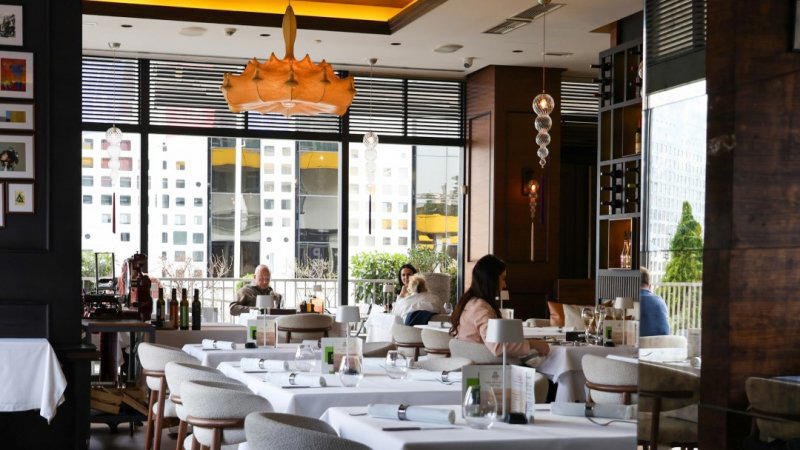
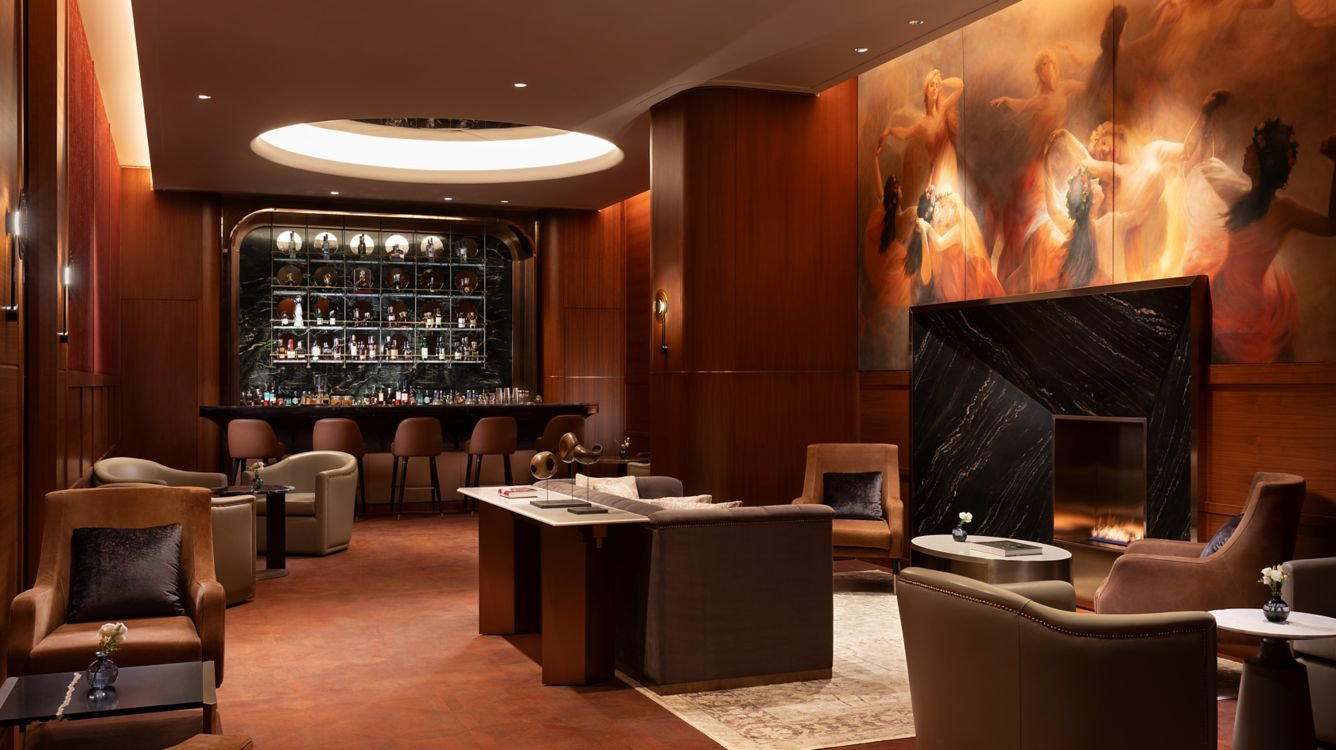
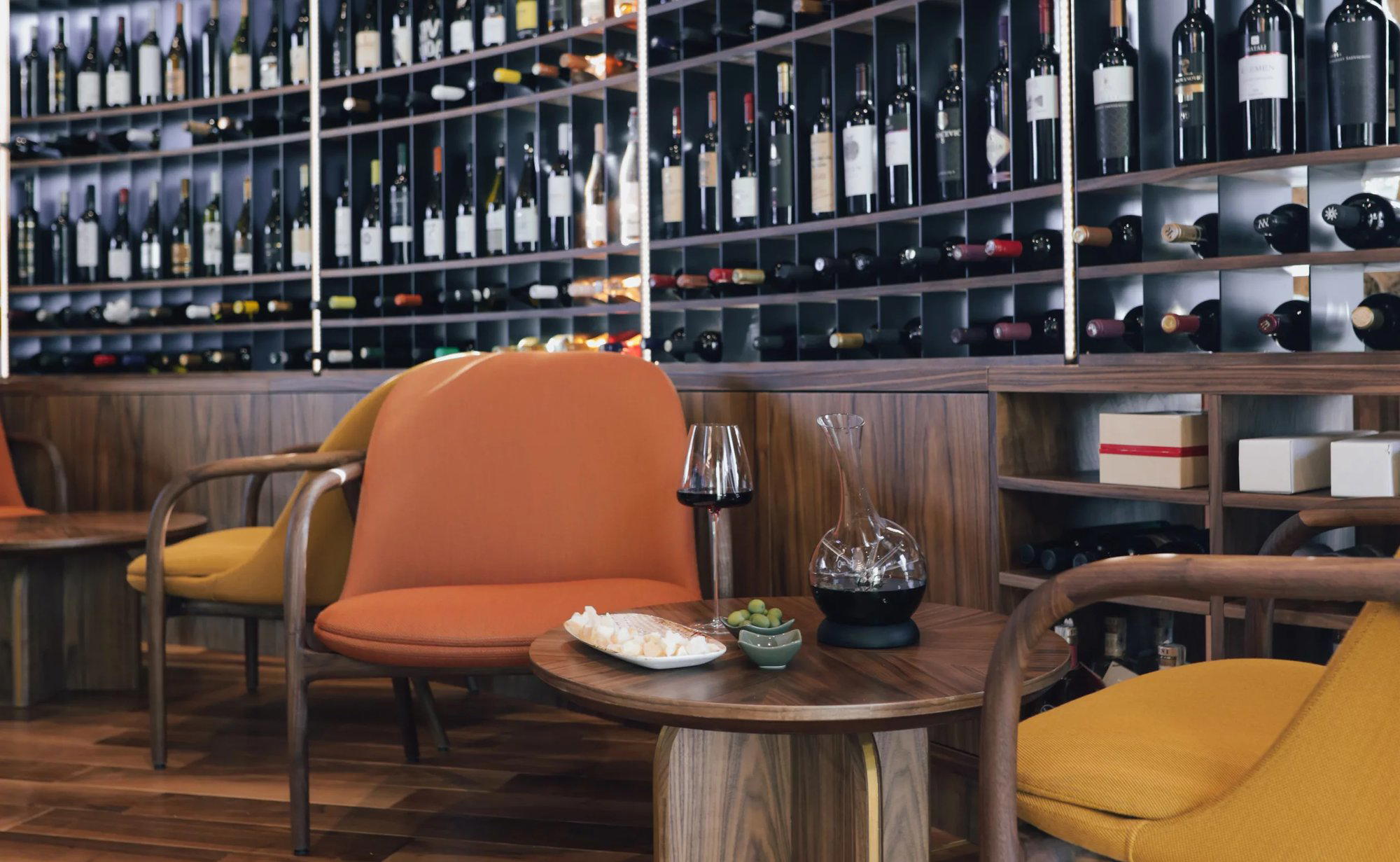
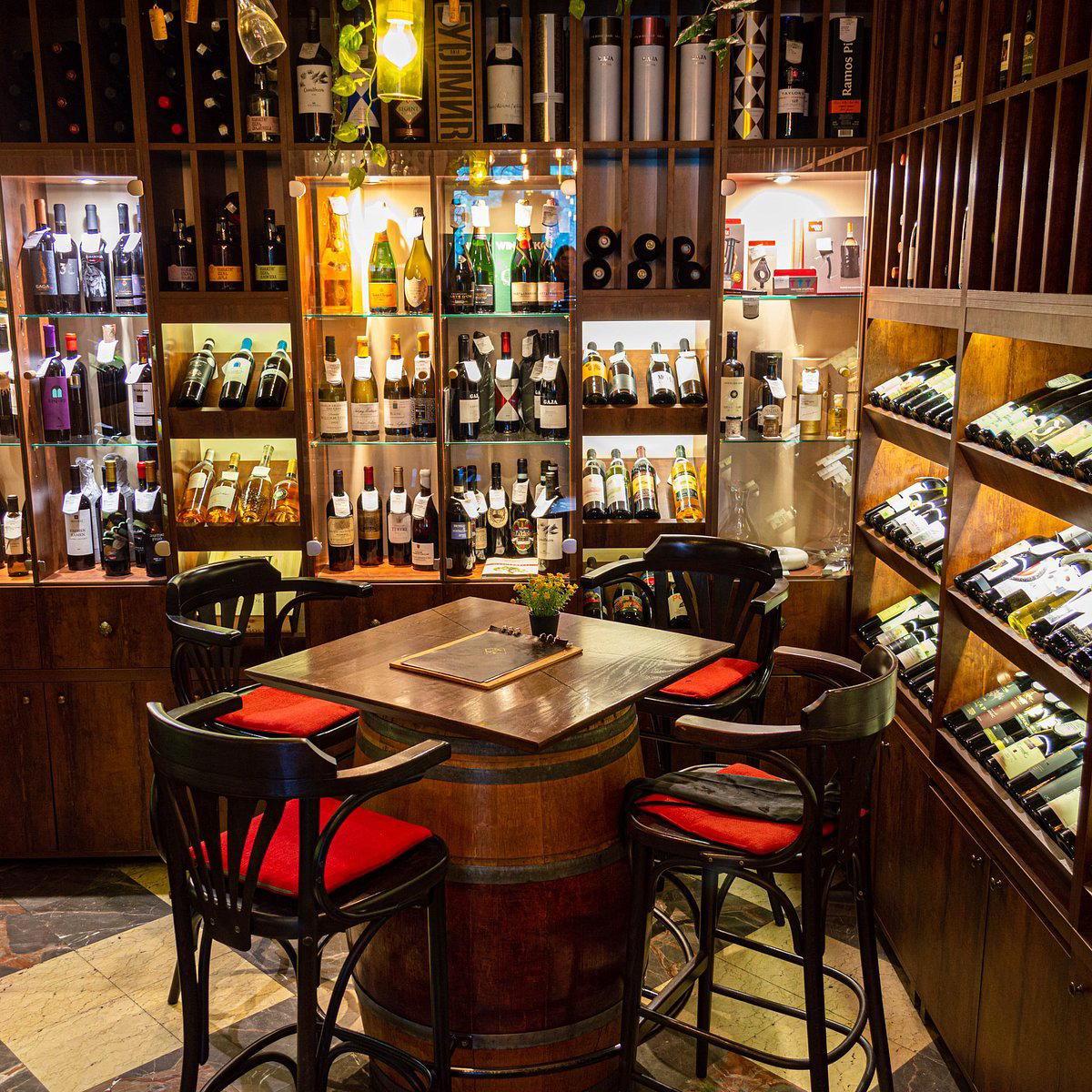
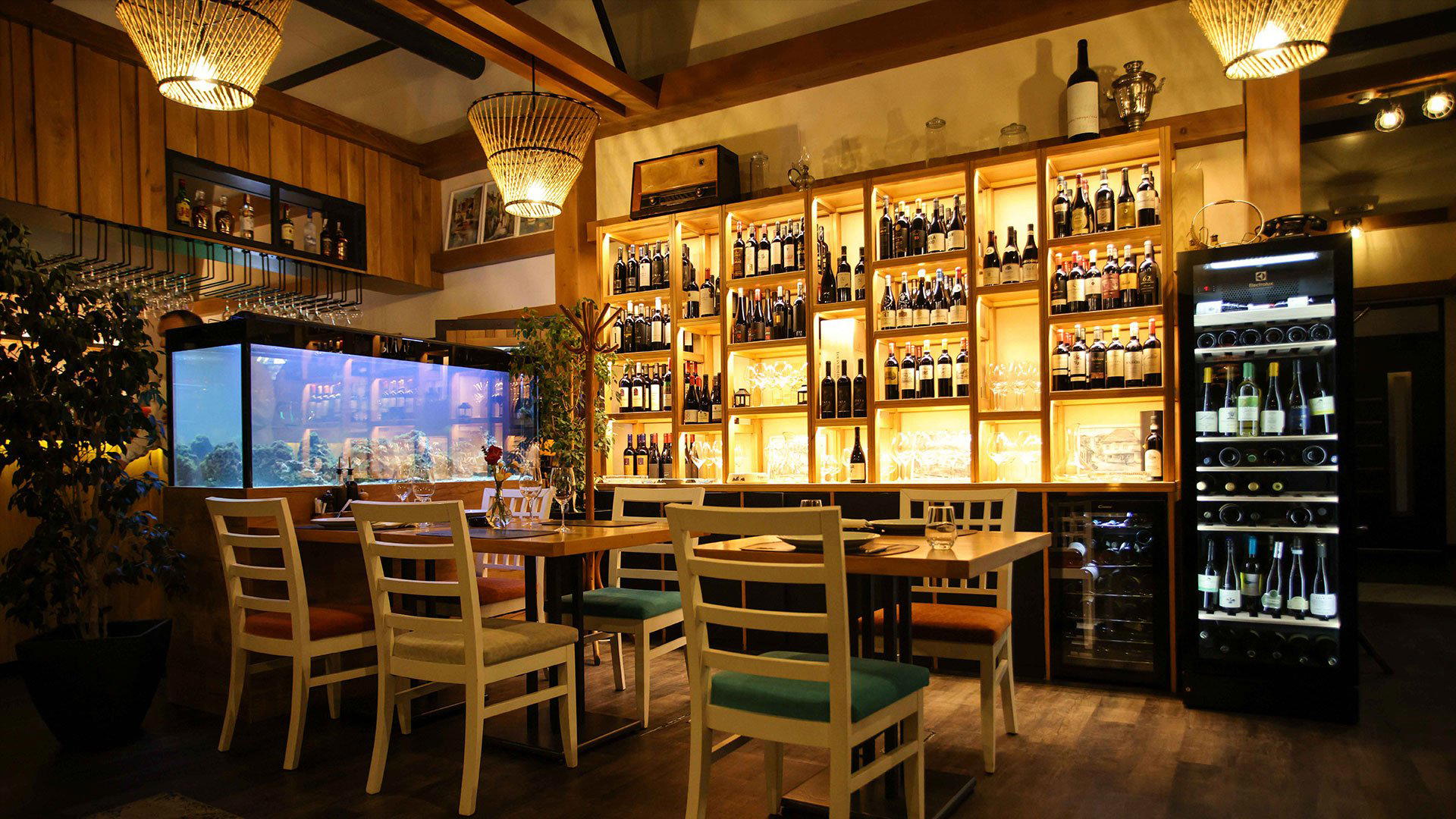
Rustic wooden furnishings with fireplace, classical and jazz music indoors in winter, and open-air terrace with dramatic views in warmer weather.