Toritanaka operates out of Sumida City, a quieter residential quarter that sits well east of Tokyo's high-concentration dining districts. The address alone signals something about its orientation: this is a place built around repeat visitors rather than destination seekers. For those who track Tokyo's less-publicised yakitori and neighbourhood dining circuit, Sumida represents exactly the kind of postcode that rewards sustained attention.
Pearl is the En Primeur Club membership app — saves, bookings, and concierge access live there. Same editors, same standards.
- Address
- 3 Chome-25-7 Sumida, Sumida City, Tokyo 131-0031, Japan
- Phone
- +81336176615
- Website
- tablecheck.com
 Saves & bookings on Pearl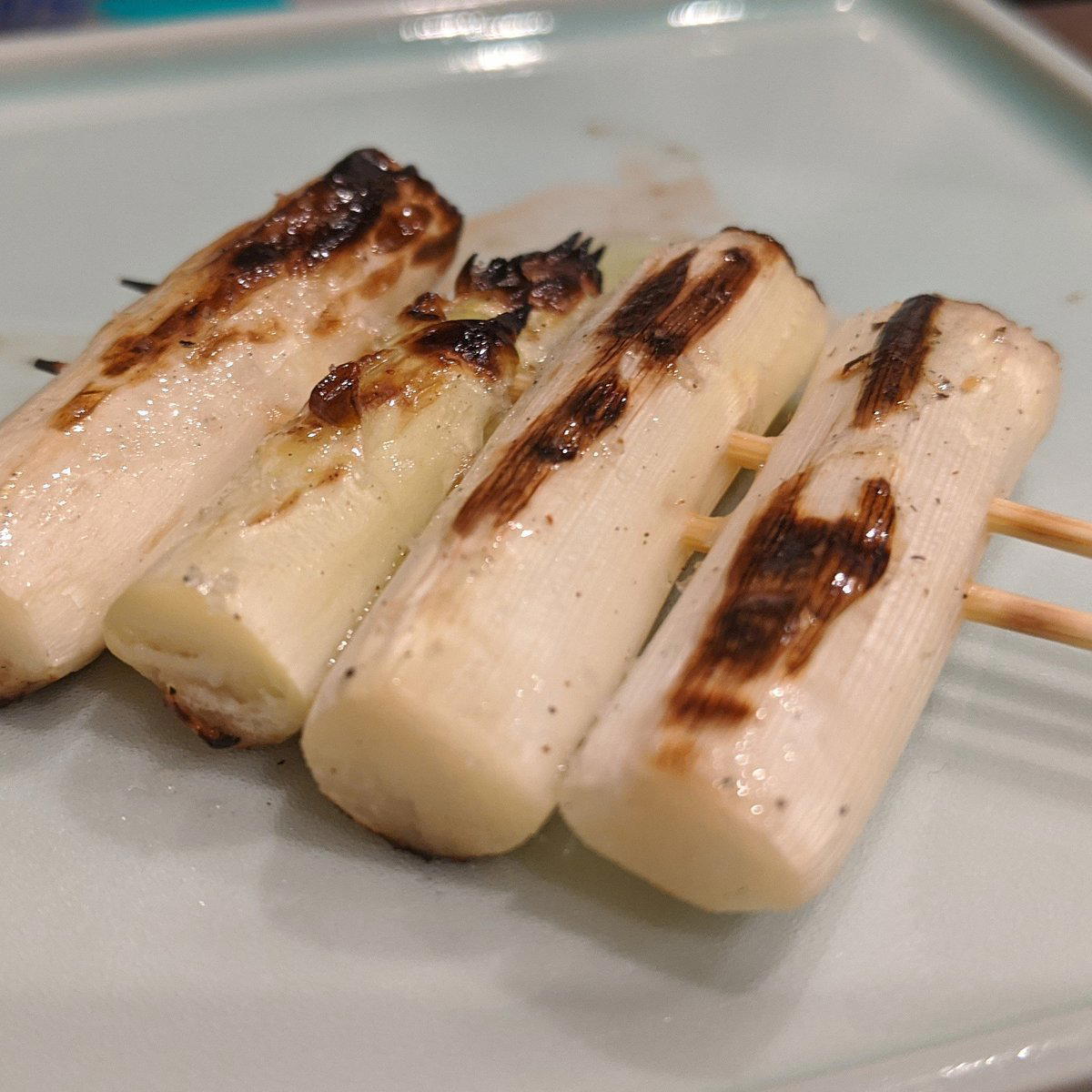
East of the Grid: Sumida's Neighbourhood Dining Logic
Tokyo's dining attention clusters predictably. Ginza, Minami-Aoyama, and Nihonbashi absorb most of the critical apparatus, the Michelin inspectors, the expense-account bookings, the international press. The residential wards to the east operate on a different rhythm. Sumida City, where Toritanaka sits at 3 Chome-25-7, is the kind of postcode that produces regulars rather than pilgrims. That distinction matters more than it sounds. Venues oriented around a returning clientele develop differently from those built for first-time visitors: menus drift toward the preferences of known faces, pacing adjusts to who is in the room, and the pressure to perform for strangers lifts.
The broader pattern is consistent across Japanese cities. In Kyoto, Gion Sasaki draws its authority partly from deep roots in a specific neighbourhood rather than proximity to tourist infrastructure. In Fukuoka, Goh occupies a city that rewards those willing to move beyond the obvious. Sumida fits the same logic inside Tokyo: remove yourself from the central wards and you access a different, often more considered, dining register.
What the Regulars Know
Venues in Tokyo's residential eastern wards survive on a specific social contract. Without the foot traffic of Shinjuku or the conventioneers of Marunouchi, a place like Toritanaka builds its business through word passed between people who live and work nearby, through the kind of loyalty that accumulates over seasons rather than viral moments. A venue that has carved a presence in Sumida City without the promotional infrastructure of a larger district has done so by giving its regulars a reason to return that goes beyond novelty.
That dynamic produces what experienced Tokyo diners sometimes describe as the unwritten menu: the dish that is not listed but will appear for someone known to want it, the preferred table held without being asked for, the pacing adjusted to the rhythm of a familiar evening rather than a standardised service sequence. This is not exclusive to any single venue, it is a feature of neighbourhood dining culture across Japan, visible at Gion Sasaki in Kyoto and at smaller counters throughout Osaka's residential precincts near venues like HAJIME. Toritanaka's position in Sumida places it within that tradition rather than outside it.
The Sumida Postcode in Context
Sumida Ward carries a specific historical weight in Tokyo. It sits on the east bank of the Sumida River, a district that was industrial and working-class through much of the twentieth century, shaped by the Asakusa entertainment quarter immediately to the north and the dense shitamachi residential culture that survived postwar reconstruction with more continuity than the western wards. Dining in shitamachi tradition tends toward directness: smaller operations, proprietor-led, with menus that reflect what is sourced well rather than what photographs well.
The contrast with Tokyo's headline dining tier is instructive. A counter at Harutaka in Ginza operates inside a system of international recognition, multi-month advance bookings, and a clientele that arrives for a specific, documented experience. RyuGin and L'Effervescence sit in a similar bracket: award-anchored, internationally tracked, priced to reflect their position in a global competitive set. Sumida's neighbourhood operations are priced and paced against a different peer group entirely, one where local credibility outweighs international visibility. Neither tier is superior, they serve different purposes for different visits.
Crony and Sézanne anchor what a certain kind of ambitious Tokyo dining looks like at the summit of the international-recognition tier. Toritanaka and its Sumida neighbours show what the city's dining culture looks like when it is building for residents rather than rankings.
The Wider Japan Circuit
Tokyo remains the entry point for most international visitors to Japan's restaurant scene, but the country's dining depth distributes further than the capital. akordu in Nara demonstrates that serious cooking now operates in mid-sized cities far from the Michelin concentration. Regional operations in less-covered prefectures, including 一本木 石川割烹 in Nanao, 夕仙山乃 in Sapporo, 湖畔庵 in Takashima, and 羽根屋 in Nishikawa Machi, reflect a pattern visible across the country: proprietor-led dining with strong local sourcing, operating below international radar but with deep regional credibility. Toritanaka belongs to the same structural category inside Tokyo, distinguished by postcode rather than province.
Further afield, Birdland in Sakai and Bistro Ange in Toyohashi extend the point: Japan's serious dining culture is not confined to the postcodes that receive greater coverage. The comparison extends internationally too, Le Bernardin in New York City and Atomix represent the highly documented, internationally visible end of the dining spectrum. Neighbourhood operations like Toritanaka occupy a deliberately quieter register.
Planning a Visit
Sumida is accessible via several Tokyo Metro and Toei Asakusa Line stops, placing it within a reasonable transit distance from central Tokyo without the density of the core wards. The address at 3 Chome-25-7 Sumida sits in a residential block, which is consistent with the neighbourhood dining format: expect a shopfront scale rather than a hotel-lobby entrance.
Peers You’d Cross-Shop
Comparable venues nearby, for context on price, style, and recognition.
| Venue | Cuisine | Price | Notes |
|---|---|---|---|
| ToritanakaThis venue — the venue you are viewing | Yakitori Sake Tavern | $$$ | Not listed |
| Niou | Yoshoku (Japanese-style Western Cuisine) | $$$ | Chiyoda |
| Soba Kaiseki Tsukiji Bunkajin Kaza | Soba kaiseki with seasonal course menus | $$$ | Chūō |
| Kagurazaka Teppanyaki Himawari | Japanese Teppanyaki | $$$ | Shinjuku |
| Jumbo Shirokane | Premium Wagyu Yakiniku | $$$ | Minato |
| Yakitori Haruka | Traditional Yakitori & Wine Bar | $$$ | Minato |







At a Glance
- Intimate
- Cozy
- Date Night
- Special Occasion
- Open Kitchen
- Sake Program
- Local Sourcing
Current opening hours
- Monday
- 5:30–9:30 PM
- Tuesday
- 5:30–9:30 PM
- Wednesday
- 5:30–9:30 PM
- Thursday
- 5:30–9:30 PM
- Friday
- 5:30–9:30 PM
- Saturday
- 5:30–9:30 PM
- Sunday
- 5:30–9:30 PM
Hours can change for holidays and private events. Last verified .
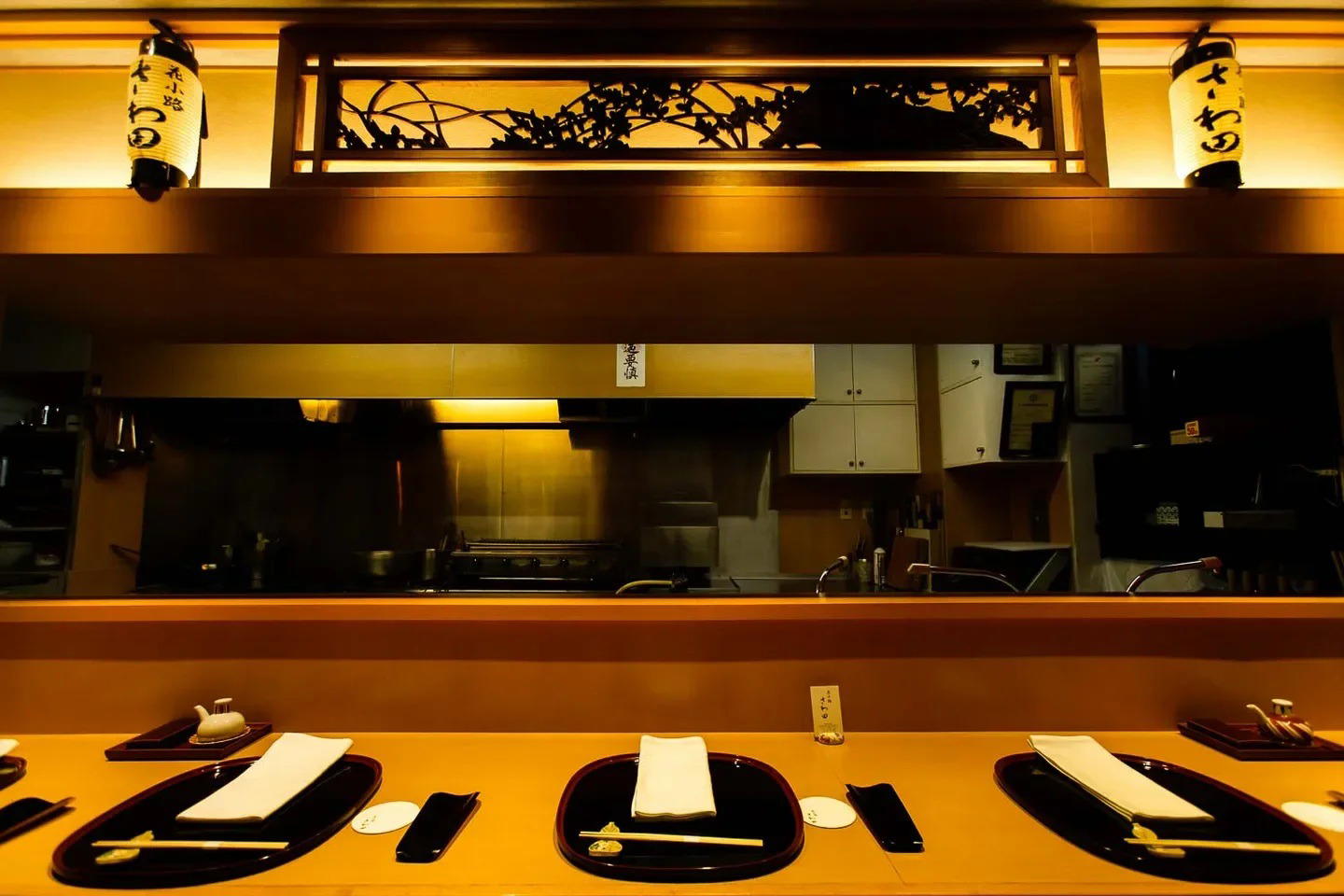
Cozy hideout atmosphere in a residential area, evoking a traditional sake tavern with neatly cut snacks and skewers.