
Soba Kaiseki Tsukiji Bunkajin Kaza places soba inside a kaiseki frame rather than treating noodles as a quick standalone stop. Its Tabelog 100 Soba EAST 2025 selection and 14-seat scale point to a Tokyo dining format where buckwheat, sake, and course pacing carry the meal with unusual seriousness.
Pearl is the En Primeur Club membership app — saves, bookings, and concierge access live there. Same editors, same standards.
- Address
- 東京都中央区築地1-12-16 プレミアム銀座イースト 1F
- Phone
- +81362284293
- Website
- bizserver1.com
 Saves & bookings on Pearl
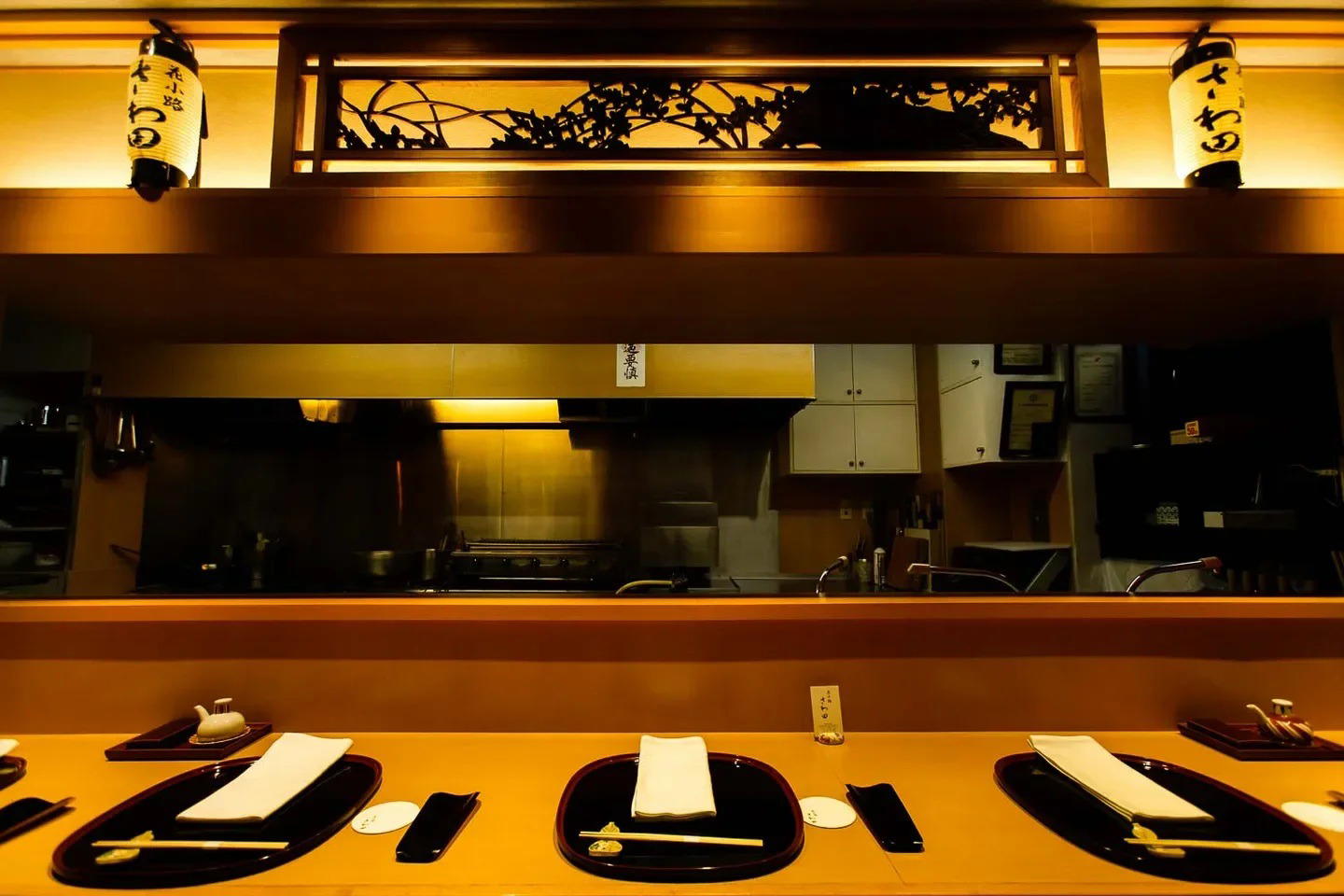
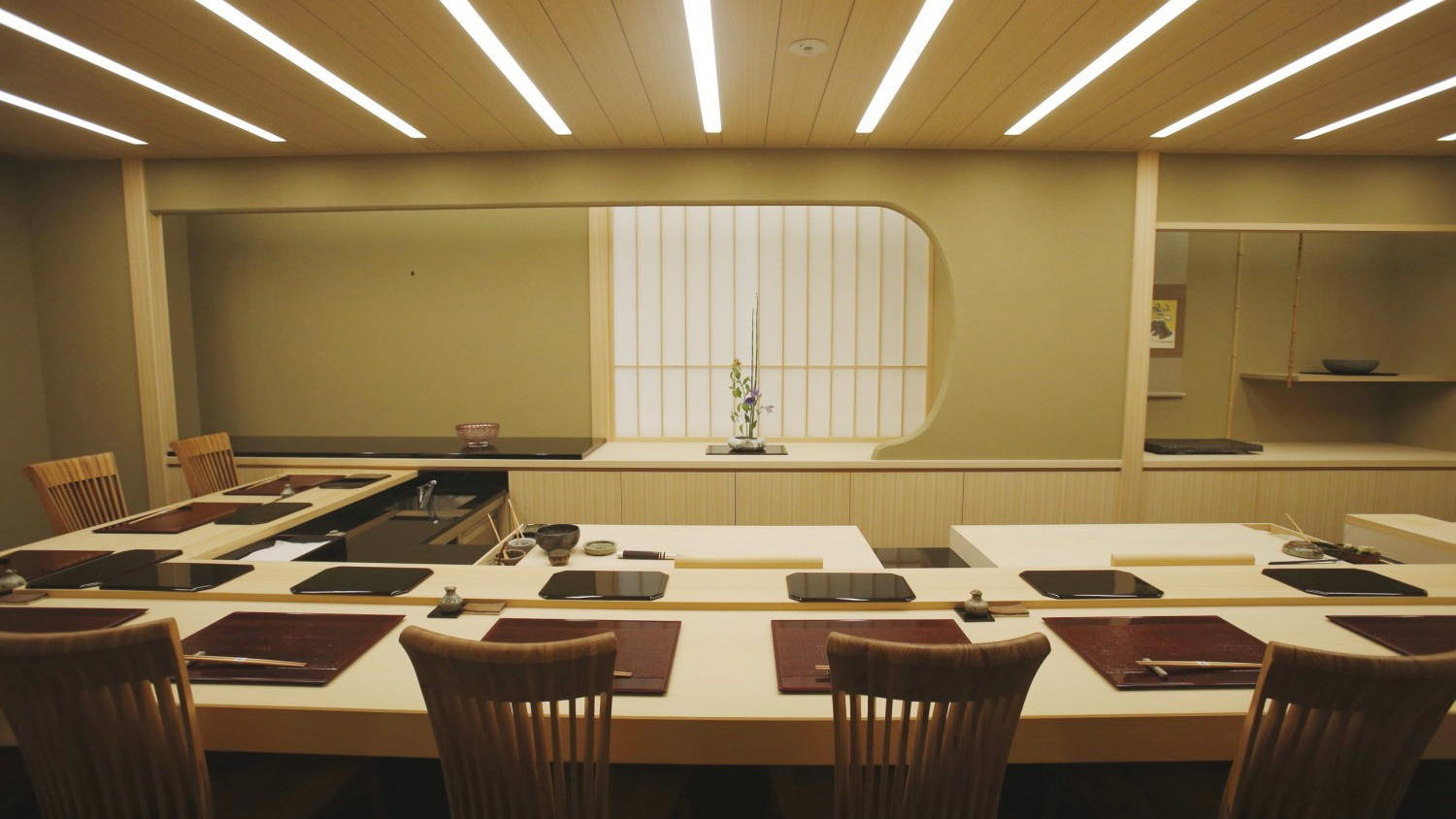
Tsukiji’s backstreets change register quickly: fish-market memory, office lunch traffic, small counters, and restaurants that make their case without street theatre. In that setting, soba kaiseki has a particular logic. It asks diners to slow down around buckwheat, not rush through a bowl between errands. The room at Soba Kaiseki Tsukiji Bunkajin Kaza is small enough for the format to feel intentional rather than decorative, with counter seating and a 14-seat footprint that place the focus on sequence, portion, and restraint.
Tokyo has many soba addresses built around speed, seasonality, or neighborhood routine. Kaiseki-style soba belongs to a narrower category. It treats the noodle as the endpoint of a structured meal, usually preceded by soba-mae, the drinking-and-small-dishes culture that grew around soba shops. That distinction matters here because the restaurant is explicit about not taking soba-only orders. The point is not a quick plate of noodles; it is a course format where buckwheat sits inside a larger Japanese dining grammar.
Soba treated as a course, not a convenience food
The environmental story in soba is quieter than in restaurants that advertise farm manifests. Buckwheat is a hardy crop, soba culture prizes seasonality, and the kaiseki format naturally favors measured portions over abundance for its own sake. Soba Kaiseki Tsukiji Bunkajin Kaza fits that model through handmade soba using stone-ground flour and a menu structure that makes the grain central without turning it into spectacle. In a city where premium dining can lean heavily on imported luxury ingredients, soba offers a different expression of seriousness: milling, timing, texture, and a disciplined relationship between drink and food.
The drink program also places the restaurant in an older Japanese rhythm. Sake, shochu, and wine are all part of the offer, with particular attention given to sake and shochu. That matters for soba-mae, where drinking is not an add-on but part of the tradition. The format rewards diners who understand that the meal builds through small dishes before the noodles, rather than those looking for a single headline dish.
Recognition gives the address useful context. Selection for Tabelog 100 Soba EAST 2025 puts it inside a curated field of soba specialists across eastern Japan, and its earlier Tabelog 100 Soba selection in 2021 suggests the reputation is not a one-season spike. The Tabelog score listed at 3.66 is meaningful in Japan’s review culture, where scores above the mid-threes can indicate serious local traction rather than casual popularity.
Tsukiji makes the format feel less precious
Tsukiji is a useful neighborhood for this kind of meal because it resists the sealed-off polish of some Ginza dining rooms while sitting close enough to Ginza and Higashi-Ginza to share their expectations of craft. The area’s restaurant culture has long balanced working-market appetite with refined Japanese formats. A soba kaiseki address here reads differently than it would in a hotel district: less ceremonial, more tied to the everyday Japanese practice of eating seasonally and drinking with purpose.
The comparison set around Tsukiji and Higashi-Ginza shows how compressed the neighborhood’s dining range can be. Tonkatsu Hasegawa Higashi ginza ten occupies a lower-priced fried-pork lane, YOU is a casual yoshoku reference point, and Tempura Nakagawa sits in a more formal tempura category. Against those choices, soba kaiseki is the quieter commitment. It asks for attention, but not through luxury signaling. It is a meal for diners who care about Japanese technique at a grain-and-broth level, and who see restraint as a form of precision.
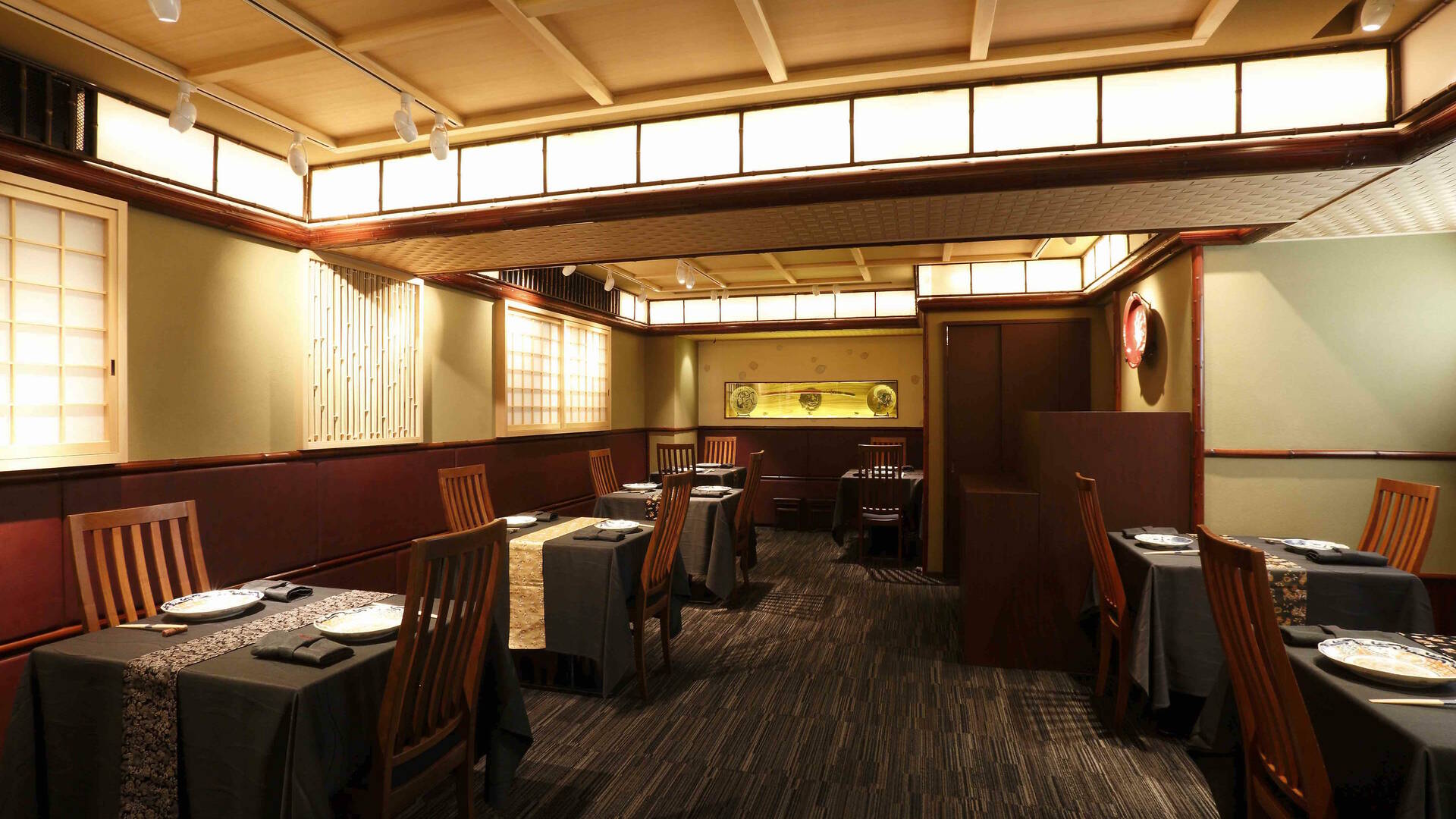
The scale reinforces that reading. Fourteen seats and no private rooms keep the experience closer to a specialist counter than a general-purpose restaurant. Private use is possible for groups, but the ordinary mode is intimate and controlled. Non-smoking operation and the request to avoid strong fragrances also point to a dining culture that protects aroma and pacing, especially relevant for soba, sake, and dashi-led preparations.
How to place it in a Tokyo itinerary
This is not the Tokyo meal to choose for maximal theatre. It is better read as a corrective to the city’s louder luxury circuits: a compact, tradition-led format where the craft is embedded in the structure of the meal. Diners building a food-focused trip can use it as a counterweight to sushi, tempura, yakitori, and beef-heavy bookings, particularly when the itinerary already includes higher-intensity counters or long tasting menus.
For broader planning, start with Our full Tokyo restaurants guide, then cross-check the city’s wider travel frame through Our full Tokyo hotels guide, Our full Tokyo bars guide, Our full Tokyo wineries guide, and Our full Tokyo experiences guide. Nearby or category-adjacent restaurant research can extend through. 鮪と炭火焼き うお炭 秋葉原店, 12/10 Shinjuku ten, 124. KAGURAZAKA (Yakitori), 2D Cafe, and 3 Chome no Curry Ya San.
Travelers extending the same Japan food logic beyond central Tokyo can compare the role of regional formats through -Grilled beef Sukiyaki- KAMAKURA TANUKIAN 鎌倉 たぬき庵 in Kamakura.cafe in Osaka.know in Kumamoto, (Shoku) Vietnam in Kawasaki, [Curry Senmon Ten] Maruyama Kyoju. in Sapporo, and [ki:] in Kyoto. For Japanese drinking culture abroad, Jōdo Saké Bar in Los Angeles and Onigiri Time in Pasadena show how specialist formats translate outside Japan.
Quick Comparison
Comparable venues in the metro at similar price points.
| Venue | Cuisine | Price | Notes |
|---|---|---|---|
| Soba Kaiseki Tsukiji Bunkajin KazaThis venue — the venue you are viewing | Soba kaiseki with seasonal course menus | $$$ | Not listed |
| Nanban Ginen Tei | Ginza yoshoku (Japanese-style Western) restaurant | $$$ | Chūō |
| Isehiro Kyobashi honten | Historic Yakitori Specialist | $$$ | Chūō |
| Niou | Yoshoku (Japanese-style Western Cuisine) | $$$ | Chiyoda |
| Edogawa Ishibashi | Traditional Unagi (Eel) | $$$ | Bunkyō |
| Mizuki | Seasonal Yakitori Omakase | $$$ | Minato |
Recognition history
Dated appearances from independent guides and award organizations, with the underlying list record or original source where available.
Tabelog 100 #15 · No. 15
Tabelog · Tabelog 100 - Soba - EAST - 2025


At a Glance
- Modern
- Cozy
- Quiet
- Business Dinner
- Date Night
- Special Occasion
- Group Dining
- After Work
- Standalone
- Design Destination
- Sake Program
- Local Sourcing
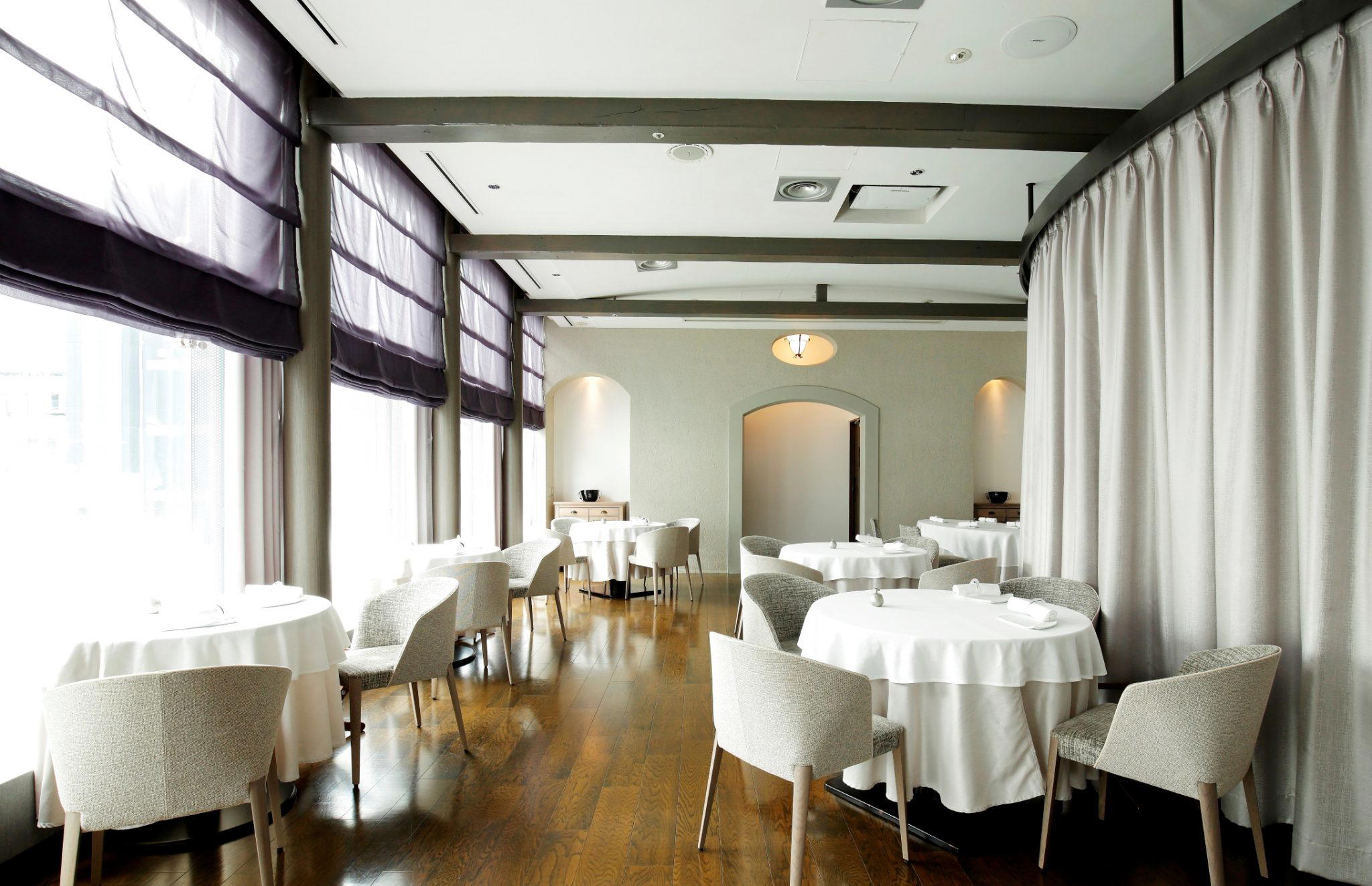
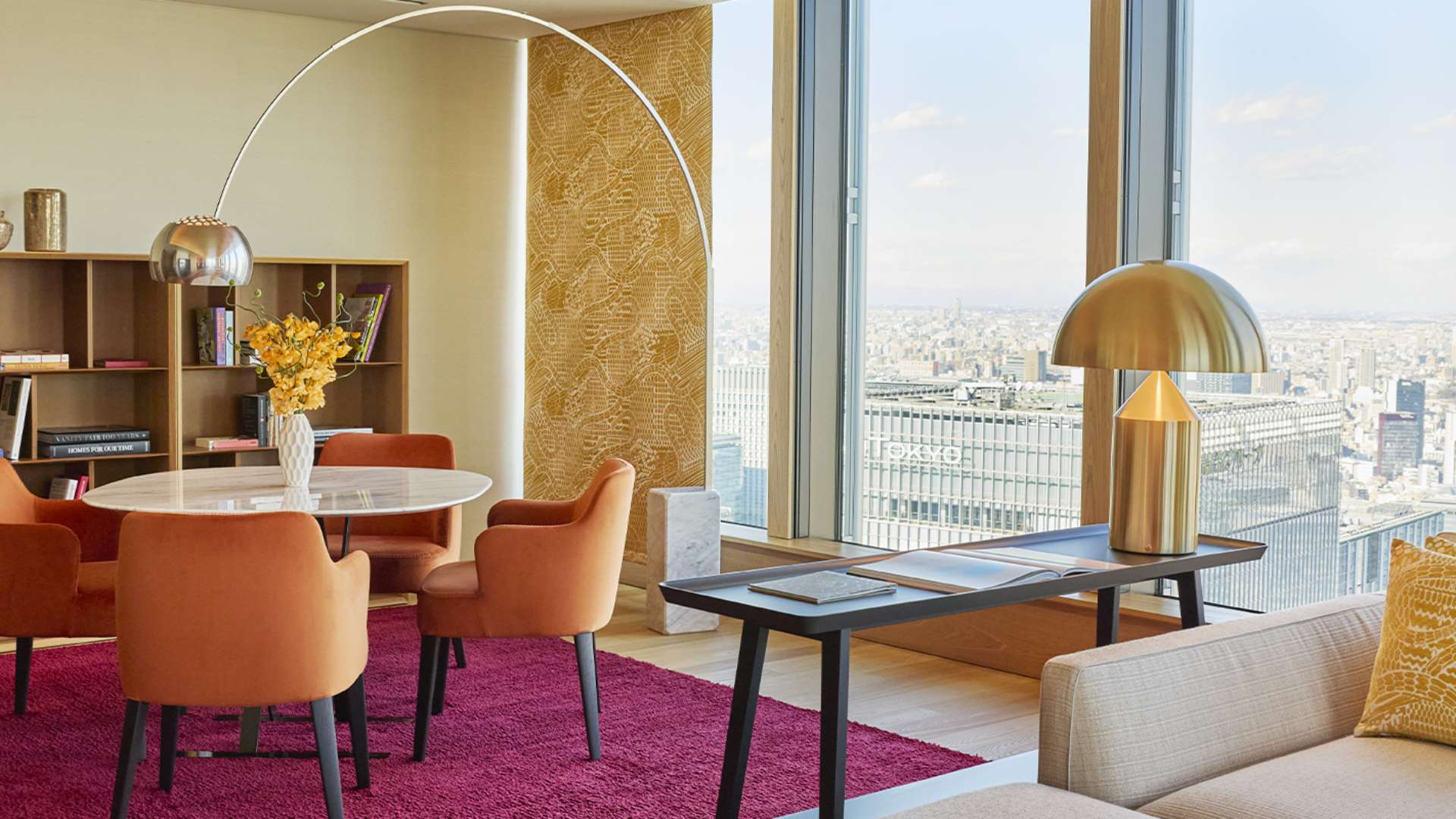
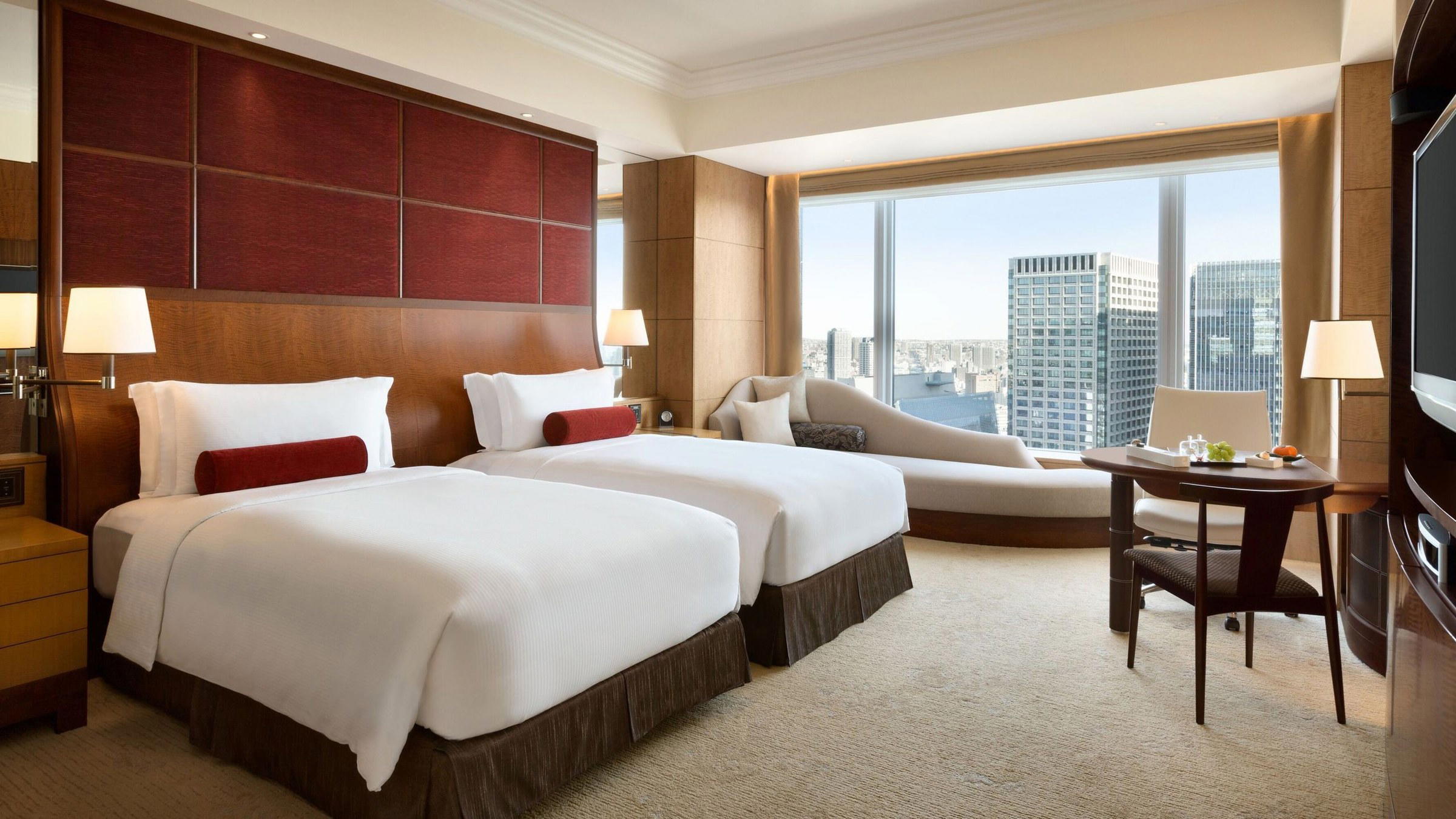
Modern and relaxed kaiseki setting with a calm, intimate atmosphere designed for guests to focus on seasonal courses and soba rather than casual noodle dining.