
Kagurazaka’s teppanyaki culture sits between old Tokyo formality and the theatre of counter cooking. Kagurazaka Teppanyaki Himawari belongs to the steak, seafood and grill bracket recognized by Tabelog 100 Steak / Teppanyaki EAST 2025, with a compact dining room and a format that rewards diners who understand pacing, restraint and counter etiquette.
Pearl is the En Primeur Club membership app — saves, bookings, and concierge access live there. Same editors, same standards.
- Address
- Japan, 〒162-0825 Tokyo, Shinjuku City, Kagurazaka, 3 Chome−6-40 かぐらビル 3F
- Phone
- +81 3-6228-1977
- Website
- teppanyakihimawari.jp
 Saves & bookings on Pearl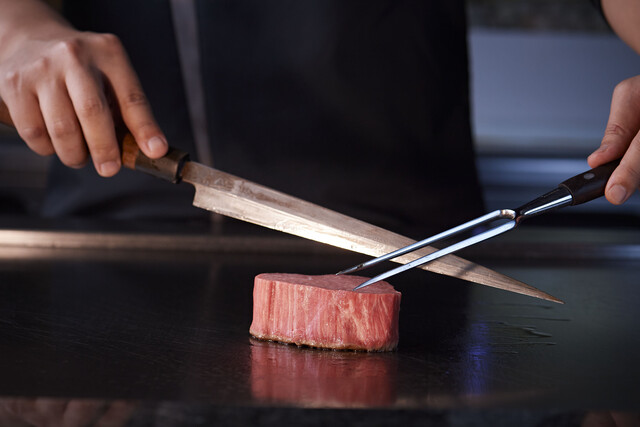
Approach Kagurazaka after dark and the neighbourhood changes register: slopes narrow, signs stack vertically, and the old pleasure-quarter mood gives the restaurant scene a quieter kind of voltage. Teppanyaki fits that geography better than it first appears. It is intimate but performative, expensive without needing ceremony for its own sake, and built around timing: the moment when heat, fat, seafood, beef and rice move from iron plate to plate without losing momentum.
In Tokyo, teppanyaki often gets flattened into spectacle for visitors, but the serious end of the category is more disciplined than that. The stronger counters treat the grill as a pacing device rather than a stage prop. Courses arrive in sequence, the room watches the same surface, and the meal depends on how calmly the kitchen handles temperature and portioning. Kagurazaka Teppanyaki Himawari sits in that bracket, listed for Tabelog 100 Steak / Teppanyaki EAST 2025 and grouped under teppanyaki, steak and seafood rather than a broader Japanese fine-dining category.
Teppanyaki as a Kagurazaka ritual, not a showpiece
Kagurazaka’s dining identity has always been split between formality and small-room discretion. Nearby names such as Kagurazaka Ishikawa pull the area toward high Japanese dining, while Kyorakutei and Ishiusuhiki Teuchi Kyorakutei keep the soba tradition visible at a more casual scale. Teppanyaki occupies a useful middle lane: more social than kaiseki, more controlled than a steakhouse, and better suited to diners who want the rhythm of a counter without the austerity of sushi.
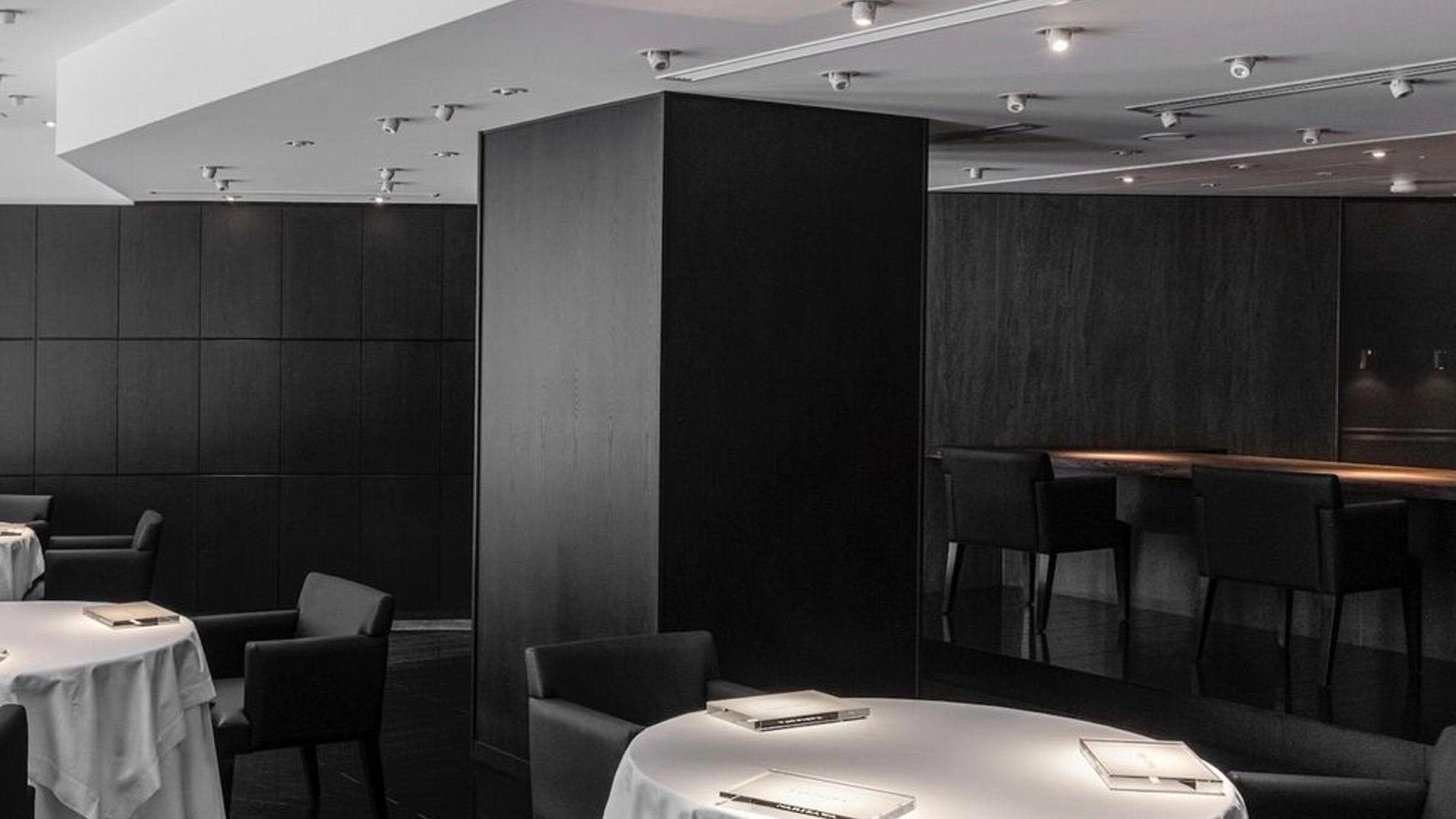
The ritual here is the point. A teppanyaki meal is a sequence of attention rather than a parade of named dishes, and the strongest experiences are defined by restraint: how much is cooked in front of the diner, how quickly the next plate appears, how the room manages conversation around a shared cooking surface. This is why the category rewards smaller rooms. With 22 seats and counter, table, sofa and couple seating in the mix, the format remains close enough to the grill for the cooking to matter, while not forcing every party into the same counter script.
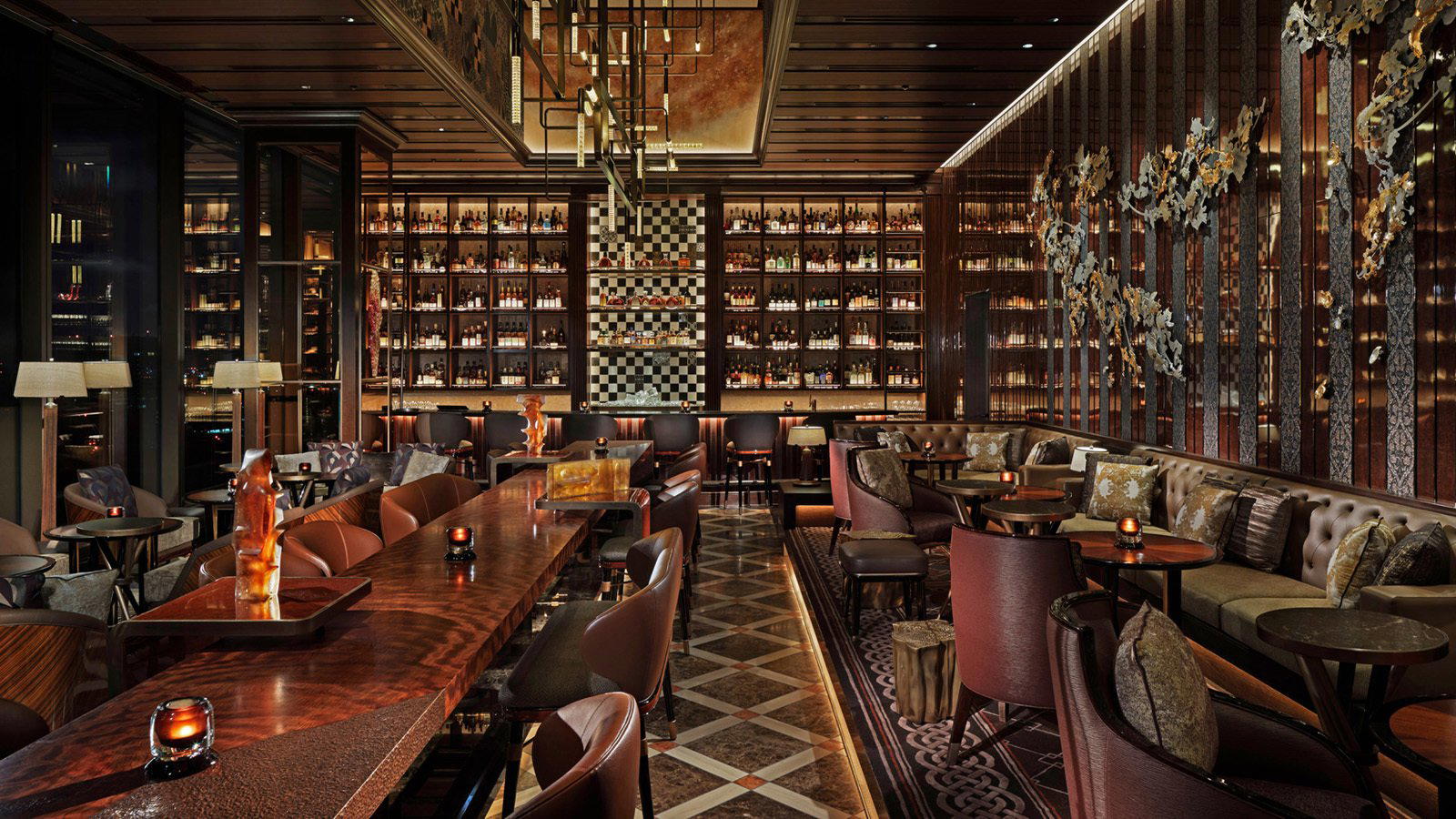
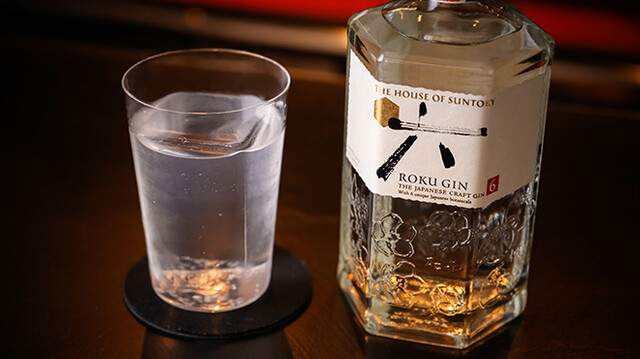
The seafood component also matters. Tokyo teppanyaki has long leaned on beef as its signal of luxury, but seafood gives the meal its cadence: a lighter opening, a shift in texture, then the heavier pull of steak. The restaurant’s category listing explicitly includes seafood alongside steak, and the drinks program spans sake, shochu and wine, which places it in the modern Tokyo teppanyaki camp rather than the old hotel-grill model.
The price tier makes sense if the counter matters
Tokyo has many ways to spend heavily on beef. The useful question is whether the format earns the spend. Kagurazaka Teppanyaki Himawari’s public budget range places dinner in the JPY 10,000 to JPY 14,999 band and lunch in the JPY 8,000 to JPY 9,999 band, which positions it below the city’s high-capital special-occasion beef rooms and far below comparison outliers such as Bungo Mon Eto. That makes the value proposition less about trophy dining and more about access to a recognized teppanyaki format in a neighbourhood where polished small restaurants dominate.
The Tabelog score of 3.64 and selection for the 2025 Steak / Teppanyaki EAST list give the address a useful external signal, but they should be read correctly. This is not Michelin-coded temple dining, and it should not be judged by the hushed expectations attached to Tokyo’s kaiseki rooms. It belongs to a category where heat management, sourcing breadth, seating format and meal pacing carry more weight than chef biography. For travellers building a Tokyo itinerary, that distinction is practical: this is a better fit for a composed dinner around the grill than for a maximalist tasting-menu night.
Compared with the wider Kagurazaka field, the appeal is also tonal. NK pushes toward innovative dining, and 124. KAGURAZAKA (Yakitori) points to another counter-led Japanese grammar. Teppanyaki sits between them, less experimental than the former and broader in ingredient range than the latter. That middle position is why the neighbourhood suits it. Kagurazaka can absorb a polished grill room without turning it into theatre for theatre’s sake.
Planning the meal without breaking the rhythm
The etiquette is simple: arrive ready to follow the room’s pace. Strong perfume is discouraged, a sensible rule in a counter-led format where aroma from the grill is part of the meal’s structure. Children are accommodated under conditions tied to age or ordering, which signals a dining room built primarily for adult pacing rather than family turnover. Groups also need restraint; the room is not designed for large-table sprawl, and teppanyaki loses precision when the party becomes the event.
Weekday dining is dinner-led, while weekends and public holidays add a daytime rhythm with set seating windows. That matters in Kagurazaka, where an early evening meal can be paired with the neighbourhood’s bars rather than treated as the whole night. Readers mapping the area can widen the plan through Our full Tokyo restaurants guide, Our full Tokyo bars guide, or a broader stay through Our full Tokyo hotels guide.
For cross-city calibration, Tokyo’s dining range is easier to understand when Kagurazaka is placed against other formats: casual visual culture at 2D Cafe, curry specificity at 3 Chome no Curry Ya San, beef traditions beyond Tokyo at -Grilled beef Sukiyaki- KAMAKURA TANUKIAN 鎌倉 たぬき庵 in Kamakura, and izakaya-adjacent grilling at. 鮪と炭火焼き うお炭 秋葉原店. Nearby and adjacent references such as 12/10 Shinjuku ten help show how Shinjuku’s dining orbit shifts block by block.
Travellers extending the comparison across Japan can read this as part of a larger national habit: tightly defined formats, small rooms and high attention to category. That thread runs from [ki:] in Kyoto to.cafe in Osaka.know in Kumamoto, (Shoku) Vietnam in Kawasaki and [Curry Senmon Ten] Maruyama Kyoju. in Sapporo. For a wider Tokyo trip, the city guides to Tokyo wineries and Tokyo experiences add useful context, while overseas Japanese-drinks culture can be compared through Jōdo Saké Bar in Los Angeles and Onigiri Time in Pasadena.
Comparable Spots, Quickly
Comparable venues at a glance for context.
| Venue | Cuisine | Price | Notes |
|---|---|---|---|
| Kagurazaka Teppanyaki HimawariThis venue — the venue you are viewing | Japanese Teppanyaki | $$$ | Not listed |
| Yakiniku Jambo Hongo | Premium Yakiniku with A5 Wagyu | $$$ | Bunkyō |
| Yama no Chaya | Traditional Japanese Unagi Kaiseki | $$$ | Chiyoda |
| Torie Ueno hirokoji ten | Wine-focused Yakitori & Izakaya | $$$ | Bunkyō |
| Yakitori Nakamura | Yakitori Omakase | $$$ | Minato |
| 魚治 はら田 | Edomae Sushi Omakase | $$$ | Chūō |
Recognition history
Dated appearances from independent guides and award organizations, with the underlying list record or original source where available.
Tabelog 100 #12 · No. 12
Tabelog · Tabelog 100 - Steak / Teppanyaki - EAST - 2025









At a Glance
- Intimate
- Cozy
- Sophisticated
- Elegant
- Date Night
- Business Dinner
- Group Dining
- Celebration
- Special Occasion
- Chefs Counter
- Open Kitchen
- Standalone
- Sake Program
- Local Sourcing
Current opening hours
- Monday
- 5:30–10:30 PM
- Tuesday
- 5:30–10:30 PM
- Wednesday
- 5:30–10:30 PM
- Thursday
- 5:30–10:30 PM
- Friday
- 5:30–10:30 PM
- Saturday
- 12–2:30 PM, 5:30–10:30 PM
- Sunday
- 12–2:30 PM, 5:30–10:30 PM
Hours can change for holidays and private events. Last verified .
A modern wood interior with a warm, comforting feel and a refined but slightly nostalgic atmosphere; the counter seating lets guests watch the cooking up close.