Our verdict
Toranomon Yokocho is a multi-vendor food and drink destination in Tokyo's Toranomon district, bringing together a concentration of small-format stalls and counters under one roof. The format draws on Japan's yokocho alley tradition while operating inside a modern commercial development. It sits in a neighbourhood increasingly defined by international business travellers and high-rise redevelopment.

Pearl is the En Primeur Club membership app, where members save venues, book tables and use the concierge.

The menu
What to order
- Ayu Ramen with whole sweetfish
- God's Oysters
- Plancha-grilled Mediterranean prawns
Yokocho in a Redeveloped City: The Toranomon Context
Tokyo's yokocho tradition is older than most of its current buildings. The narrow-alley drinking and eating format took root in the post-war period, when improvised stalls clustered around train stations to serve workers who needed a meal and a drink before the commute home. Those original alleys, the ones still operating under Yurakucho's refined tracks or tucked behind Shinjuku's east exit, carry decades of layered smoke and institutional memory. Toranomon Yokocho belongs to a different generation: the curated indoor yokocho that has appeared across Tokyo over the past decade as developers recognised the commercial value of replicating that alley intimacy at scale inside new construction.
That distinction matters when you're deciding where to spend an evening. The original yokocho format rewards patience and repetition. You go back to the same two-seat yakitori counter until the cook knows your order. The newer, planned versions trade some of that accretion for legibility: clearer entry points, better ventilation, and a vendor selection that has been assembled rather than organically accumulated. Neither version is the compromise, they serve different needs, and understanding which you're entering changes what you should expect.
Toranomon as a neighbourhood has been in active transformation since the Toranomon Hills complex opened in 2014, drawing multinational tenants and repositioning what had been a functional business district into something closer to a designed urban quarter. The yokocho here fits that trajectory, positioned for after-work crowds from the surrounding towers and for the hotels and serviced apartments that have followed the commercial development.
The Ritual of the Small Counter
Japan's eating culture has always understood that the format of a meal shapes its meaning as much as the food itself. A kaiseki sequence at a room like RyuGin or a long omakase at a sushi counter like Harutaka operates on a logic of surrender: you arrive, you sit, and the kitchen dictates the pace and content entirely. The yokocho format inverts that. Pacing is yours to control. You move between stalls, you order in rounds, you stay as long as the standing or perching is comfortable. The ritual is one of accumulation and wandering rather than sequenced reception.
At its finest, this format produces a kind of editorial freedom that a fixed tasting menu cannot. A grilled skewer from one counter, a small glass of natural sake from another, a bowl of dashi-heavy something to close, these compose into a meal that reflects the eater's appetite rather than the chef's statement. That informality has its own discipline, though. The leading yokocho visits require knowing when to stop ordering, which counters are worth the queue on a given night, and how to move between spaces without losing your companions or your sake glass.
For visitors whose Tokyo dining has been concentrated in the formal register, whether at French-influenced rooms like L'Effervescence or Sézanne, or at more innovative formats like Crony, a yokocho session offers a counterpoint that the formal dining circuit rarely provides. The informality is not a lower tier of experience, it is a different register entirely, and one that Tokyo does with a rigour that most cities cannot match.
Placing Toranomon Yokocho in the Wider Scene
Tokyo's concentration of exceptional dining extends well beyond the capital. Japan's regional dining circuit includes rooms like HAJIME in Osaka, Gion Sasaki in Kyoto, and Goh in Fukuoka, with further destinations accessible through itineraries that reach akordu in Nara or smaller regional rooms including 一本木 名川製 in Nanao, 夕仙山乃 in Sapporo, 湖辺庵 in Takashima, 庭羽屋 in Nishikawa Machi, Birdland in Sakai, and Bistro Ange in Toyohashi. The yokocho format, however, is most fully expressed in Tokyo, where density of operators, ingredient access, and the after-work culture that sustains small-format drinking and eating all converge.
Within Tokyo, yokocho destinations range from the genuinely vintage, where the physical infrastructure predates anyone currently working behind the counter, to the newly constructed, where the aesthetic is borrowed but the offer can be sharply edited. Toranomon Yokocho sits in the latter category. That framing is not a criticism; it is a specification. Planned yokocho can offer consistency of selection that organic clusters cannot guarantee, and for visitors working within limited time, that predictability has real value.
For a broader map of where Toranomon fits within Tokyo's dining ecology, the EP Club Tokyo restaurants guide covers the full range from counter omakase to neighbourhood standing bars. The comparison points extend internationally: the small-counter, multi-vendor format has influenced bars and dining halls from Seoul to New York, where venues like Atomix and seafood institutions like Le Bernardin represent the formal end of a dining spectrum that yokocho anchors at the informal end.
When to Go and How to Approach It
Timing matters in any yokocho. The after-work window, roughly 6pm to 8pm on weekday evenings, brings the highest density of regulars and the most animated atmosphere. Arrive at that hour and counters fill quickly; arrive after 9pm and the crowd thins, which means more space but also potentially reduced selection as some vendors wind down. Weekend visits carry a different energy, drawing a more tourist-aware crowd in some newer yokocho formats, though the Toranomon location's business-district setting means weekend footfall is structurally lower than in entertainment-focused neighbourhoods.
Japan's seasonal rhythm also touches the yokocho experience. Autumn and winter push the offer toward warmer formats: oden, grilled items, hot sake. Summer brings cold beer, chilled highballs, and raw preparations. Visiting in late autumn, when the tourist volume has eased from its peak but the produce quality remains high, tends to produce the most rewarding yokocho evenings across Tokyo generally.
No reservation infrastructure exists for most yokocho formats, which means arrival strategy matters more than any booking system. Coming slightly before peak hours, travelling in a group small enough to occupy a two- or three-seat counter without negotiation, and being willing to stand or move between spaces rather than anchoring at one stall all make the difference between a frustrating evening and a productive one.
Frequently asked questions
How does Toranomon Yokocho differ from Tokyo's older alley districts like Shimbashi or Yurakucho?
Toranomon Yokocho is a purpose-built format within a redeveloped Tokyo district, which means the physical layout and tenant selection reflect deliberate planning rather than decades of organic accumulation. Older districts like Shimbashi carry post-war social history embedded in the architecture itself, something no curated yokocho can replicate on a short timeline. The trade-off is consistency of quality across stalls, which tends to be higher in planned formats, versus the unpredictability and layered atmosphere of the established alley clusters.
What should I order at Toranomon Yokocho?
Yokocho formats in Tokyo are built for grazing across multiple counters rather than committing to a single stall. Order one or two dishes per counter, then move on. Because Toranomon Yokocho operates as a curated collection of independent operators in Tokyo, each stall has its own specialty focus, so scanning what regulars are eating before ordering is the standard approach.
Do they take walk-ins at Toranomon Yokocho?
Yes. Like most yokocho formats across Tokyo, Toranomon Yokocho operates on a walk-in basis. This is structural to the format, the narrow-counter, high-turnover model does not suit advance reservations. Arriving between 6pm and 8pm on weekday evenings gives you the best chance of finding seats during peak occupancy.
What do critics highlight about Toranomon Yokocho?
Coverage of curated yokocho in Tokyo's redeveloped districts typically focuses on the tension between deliberate curation and the organic, worn-in atmosphere of older alley clusters like Shimbashi or Yurakucho. Toranomon Yokocho sits within a redeveloped corridor, which draws commentary on whether planned alley formats can replicate the social density of districts layered over decades.
Do they accommodate allergies at Toranomon Yokocho?
Allergy accommodation is handled at the individual stall level, not centrally. Each counter at Toranomon Yokocho operates as a separate micro-kitchen with its own team, so allergy queries need to be raised directly with each operator before ordering. Given the compact kitchen setups typical of Tokyo yokocho, cross-contamination risk is worth flagging in person rather than assuming.
Comparable Spots
Comparable venues nearby, for context on price, style, and recognition.
| Venue | Cuisine | Price | Awards | Notes |
|---|---|---|---|---|
| Toranomon YokochoThis venue (the venue you are viewing) | Modern Japanese Multi-Cuisine Food Hall | $10–20 | Not listed | Not listed |
| Kurofune Tei | Classic Yoshoku (Japanese Western) | $30–50 | Tabelog 100 #100 | Taitō |
| Tama | Ryukyu Chinese Fusion | $30–50 | Not listed | Shibuya |
| パヴォーネ・インディアーノ | Italian-Indian Fusion | $20–30 | Not listed | Shibuya |
| Restaurant Quinbell | French–Italian yoshoku with seasonal fish and a famous beef fillet cutlet sandwich | $20–30 | Tabelog 100 #78 | Sumida |
| TexturA | Chinese-Spanish Fusion | $50–100 | Tabelog 100 #83 | Chiyoda |
Continue exploring
More in Tokyo
Restaurants in Tokyo
All restaurants in Tokyo →
Bars in Tokyo
All bars in Tokyo →


Details
- Lively
- Modern
- Trendy
- Casual Hangout
- Group Dining
- After Work
- Open Kitchen
- Terrace
- Design Destination
- Craft Cocktails
- Beer Program
- Sake Program
- Local Sourcing
- A La Carte
- Counter Dining
- Small Plates
- Craft Gin
- Craft Beer
- Sake
- Vegetarian Friendly
Current opening hours
- Monday
- 11 AM–11 PM
- Tuesday
- 11 AM–11 PM
- Wednesday
- 11 AM–11 PM
- Thursday
- 11 AM–11 PM
- Friday
- 11 AM–11 PM
- Saturday
- 11 AM–11 PM
- Sunday
- 11 AM–9 PM
Hours can change for holidays and private events. Hours as of .
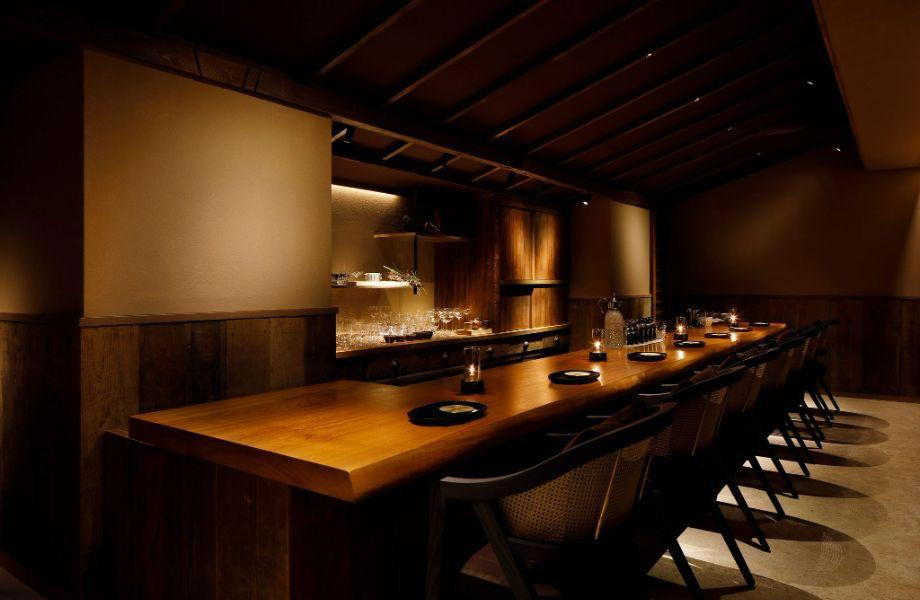
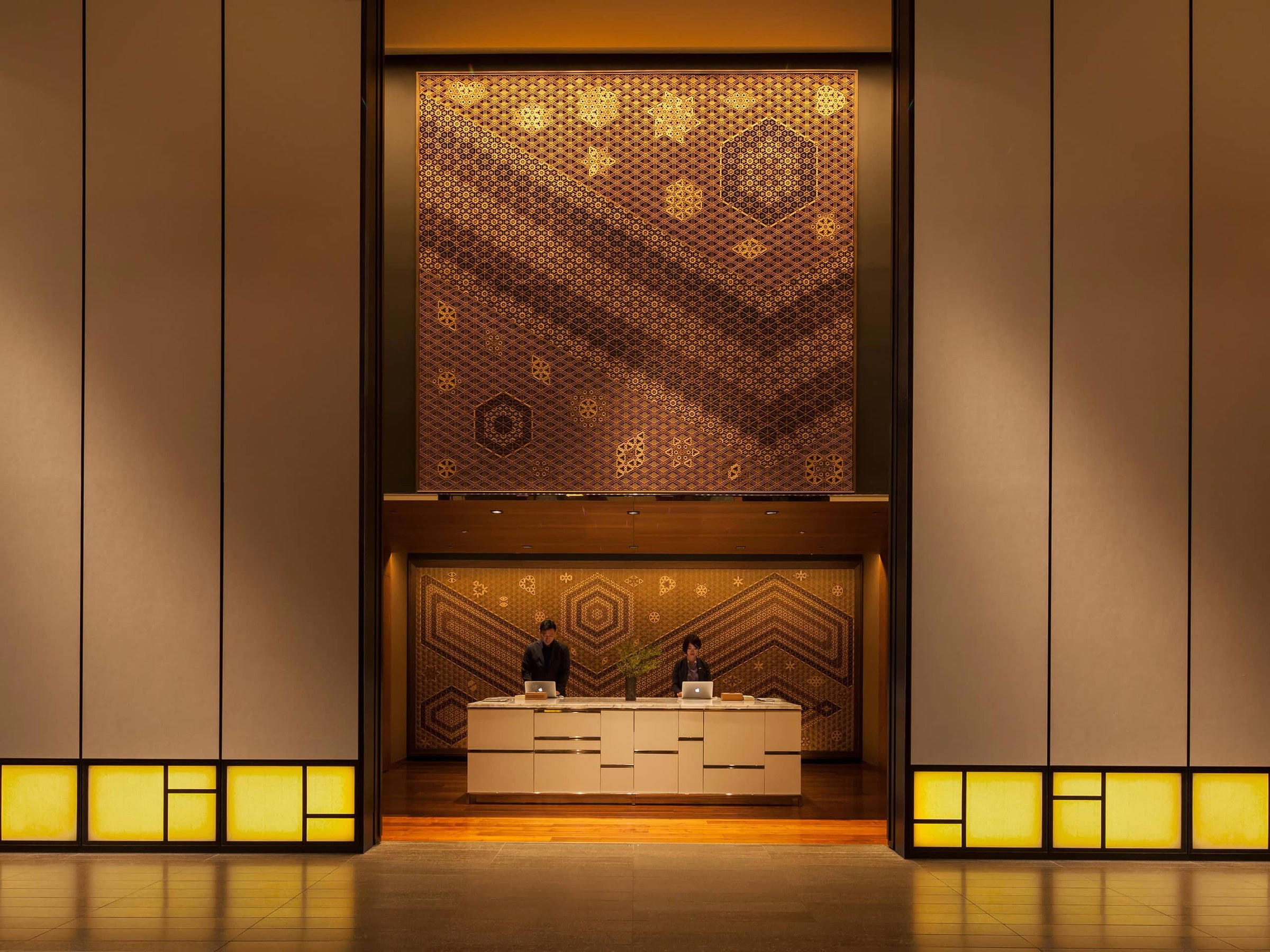
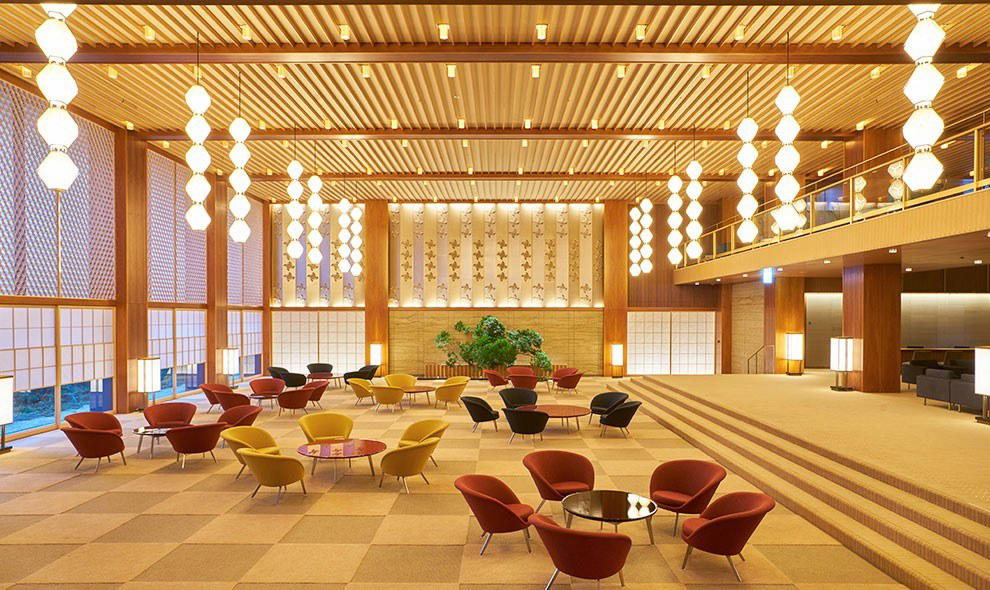
Contemporary design blending traditional Japanese elements with modern aesthetics; breezy outdoor terrace with communal tables; energetic yet welcoming atmosphere that balances high-end cuisine with casual, laid-back surroundings.